Empiric Folio
Science
Latest Discoveries
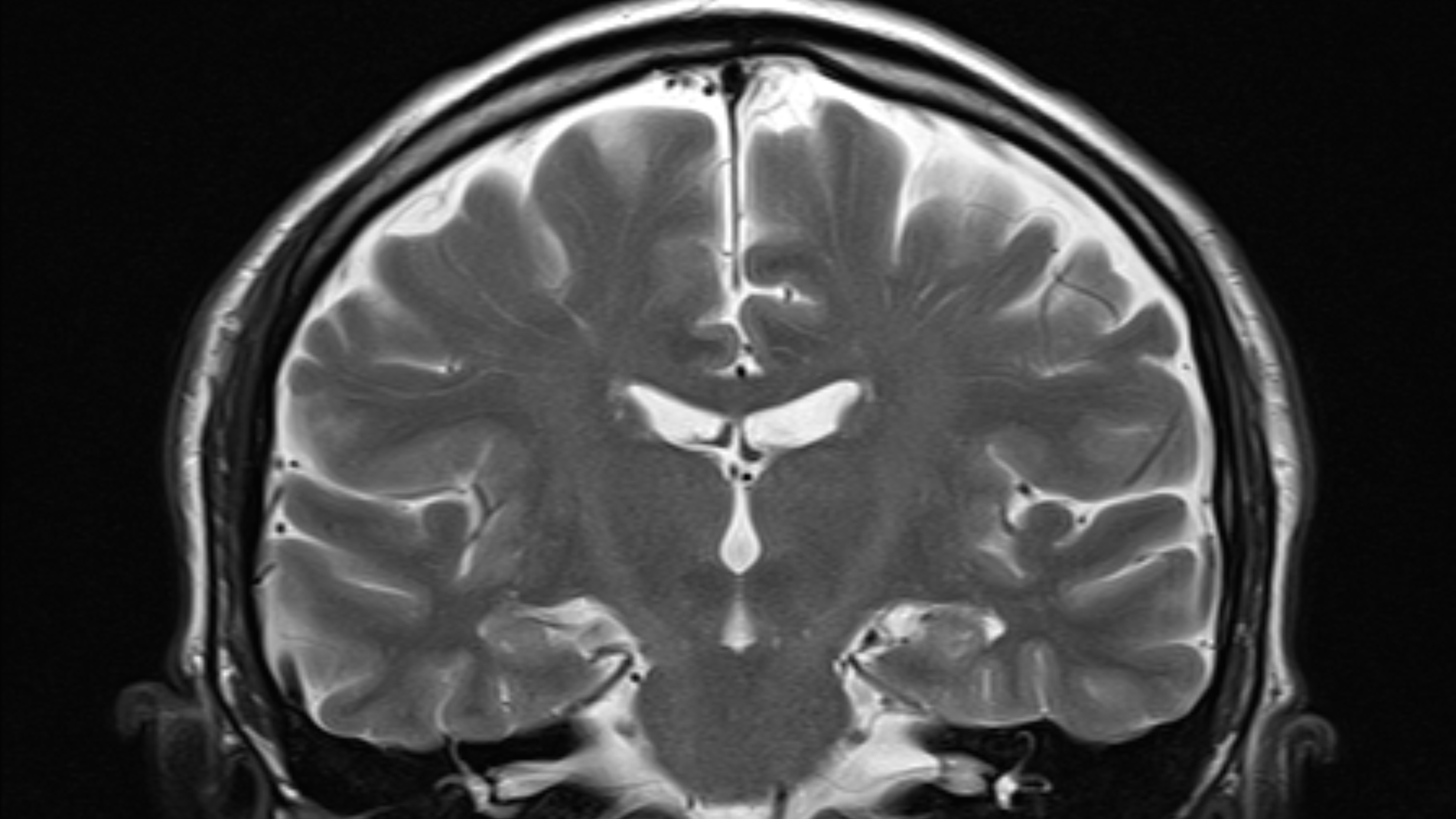
How Memory Works in the Brain
Memory can feel like a filing cabinet, a camera roll, or a stubborn browser with too many tabs open. In reality, it is all of those metaphors and none of them. Your brain does not store experiences as single, neat files. It rebuilds them from patterns of activity spread across networks, and...
Read more →
How Do Earthquakes Happen?
If you have ever felt the ground do that unsettling wiggle and wondered, “Wait, the solid Earth can move like that?”, you are not alone. Earthquakes are not random tantrums of nature. They are the release valve for a planet that is always in slow motion, with enormous slabs of crust pushing,...
Read more →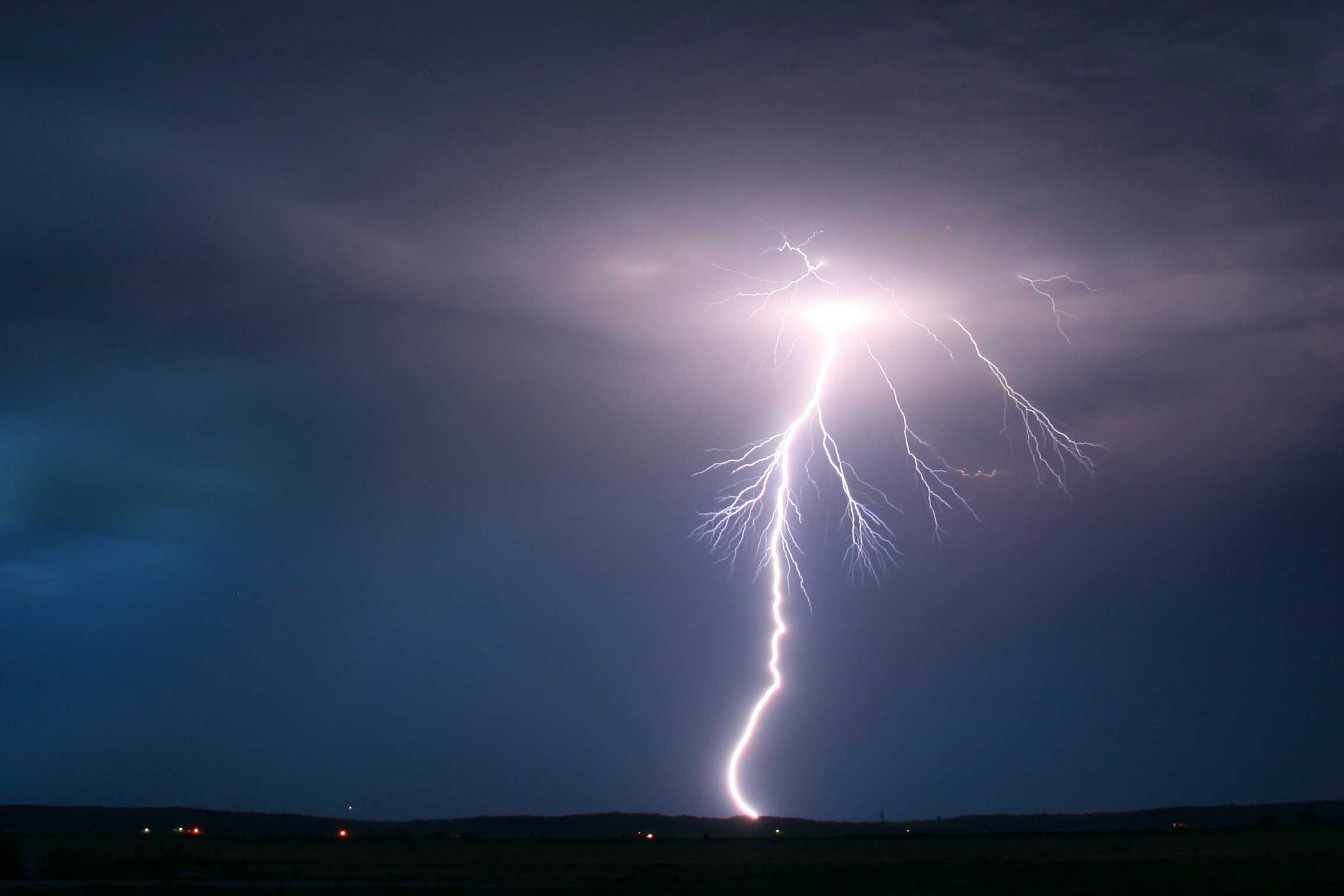
How Lightning Forms Inside a Thunderstorm
If a thunderstorm is nature’s live concert, lightning is the spotlight and thunder is the speaker system catching up. The part most of us never see is the setup inside the cloud: billions of tiny collisions sorting electric charge until the air can’t insulate anymore. Then, in a fraction of a...
Read more →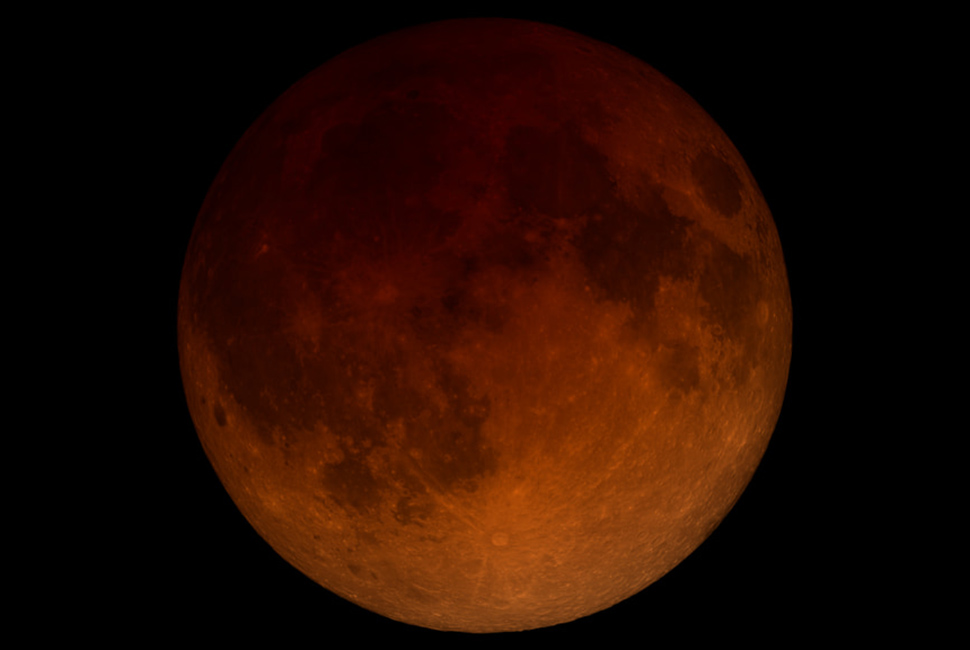
Why the Moon Turns Orange During an Eclipse
If you have ever looked up during a lunar eclipse and thought, “Why does the Moon look like someone turned the saturation up to copper?” you are seeing a neat piece of physics that combines shadows, sunsets, and a thin layer of air wrapped around our planet. A lunar eclipse is not the Moon changing...
Read more →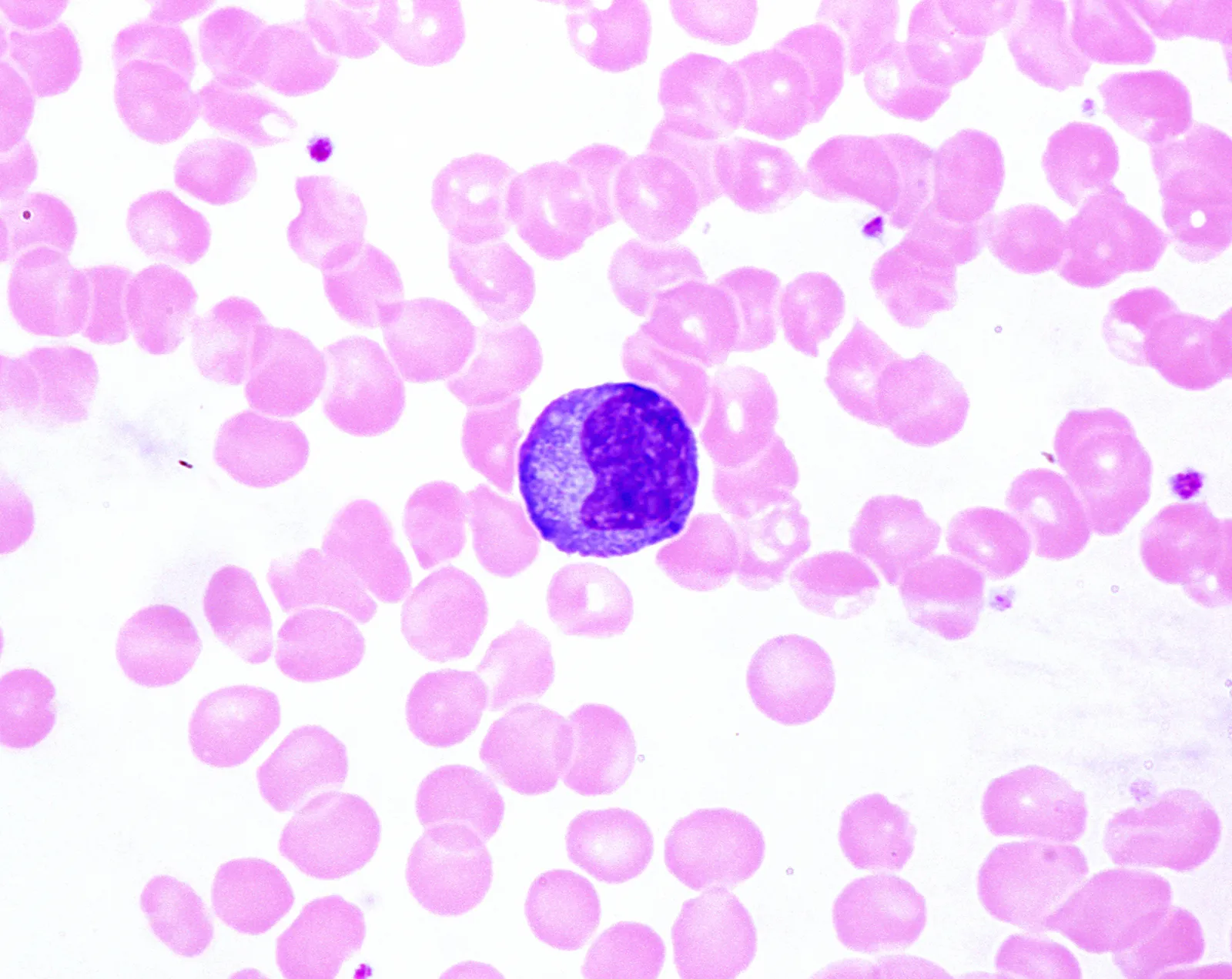
How Your Immune System Learns Germs
Your immune system is less like a single “army” and more like a whole security network: doors and locks, motion sensors, patrol officers, detectives, and a long-term case file. The truly amazing part is that it can learn . After it meets a germ once, it often responds faster and more strongly the...
Read more →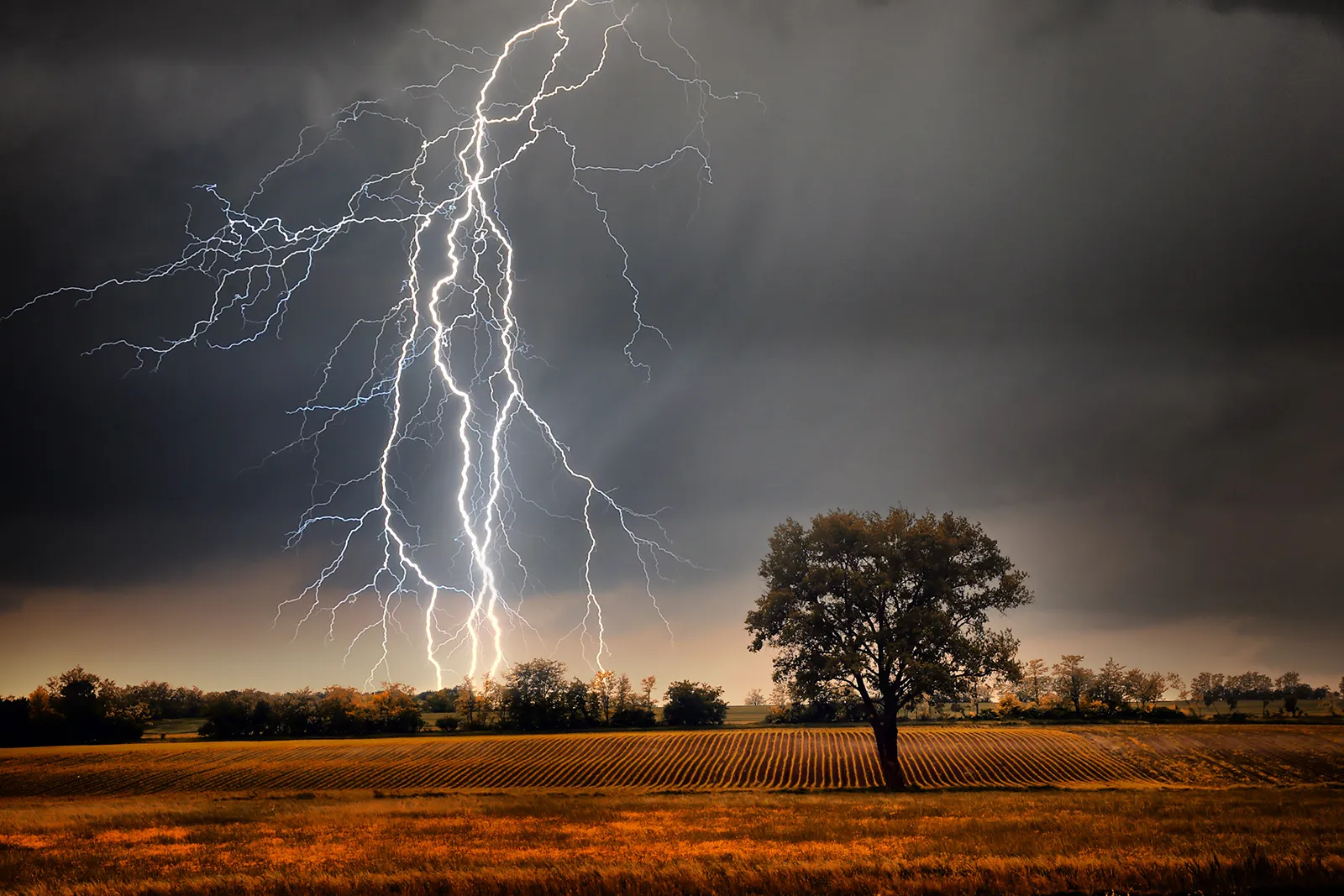
What Causes Lightning and Thunder to Happen Together
If you have ever watched a storm roll in and thought, “Why do lightning and thunder always come as a package deal?”, you are asking a great physics question. The short answer is that thunder is not a separate thing that follows lightning. Thunder is what the lightning does to the air. Lightning is...
Read more →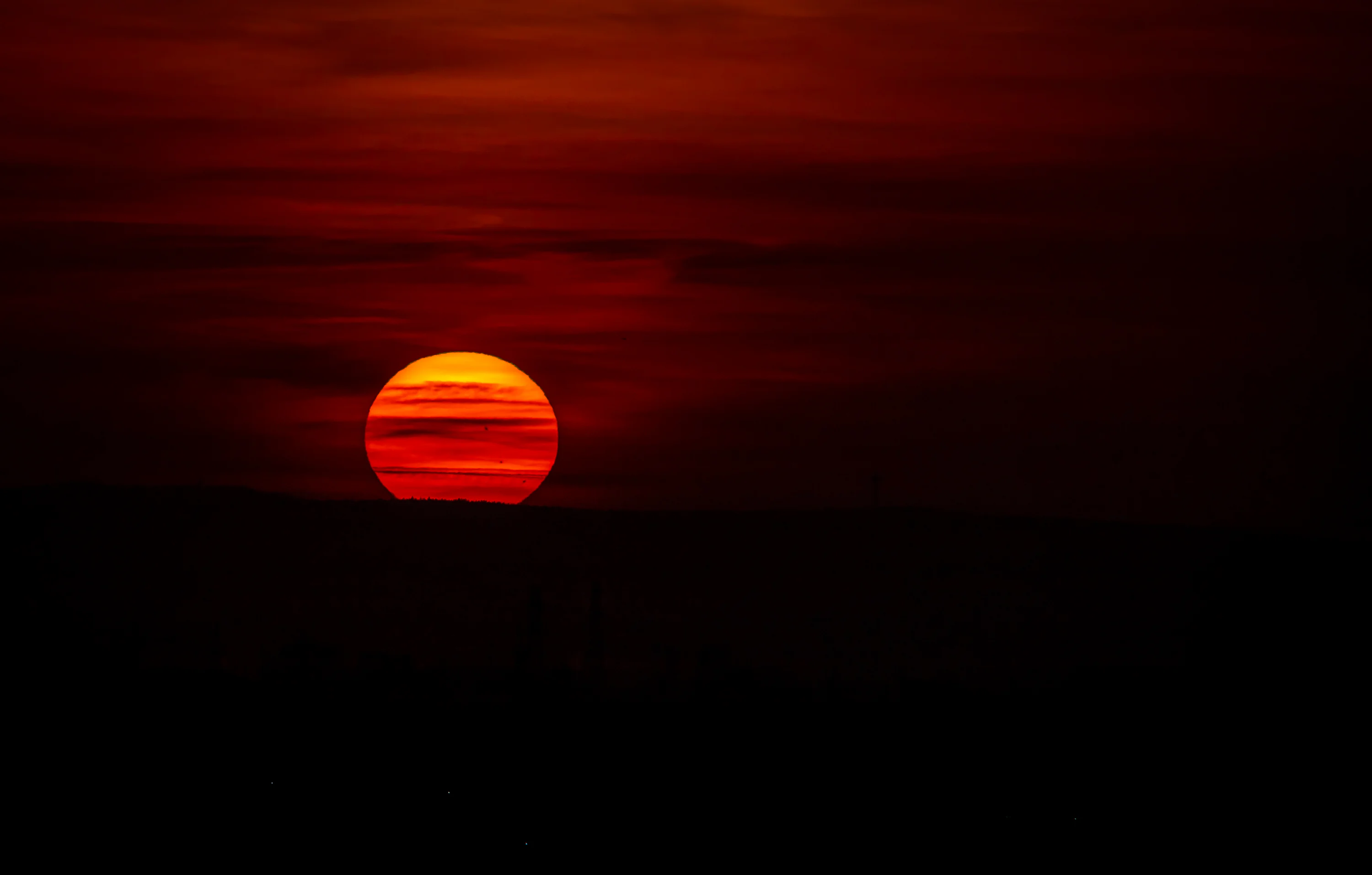
Why the Sky Changes Color at Sunrise and Sunset
If you have ever watched the sky go from pale gold to neon pink to deep ember-red and thought, How is the atmosphere pulling off this paint job? you are asking a physics question. The short version is this: sunlight is made of many colors, and Earth’s air is better at bouncing some colors around...
Read more →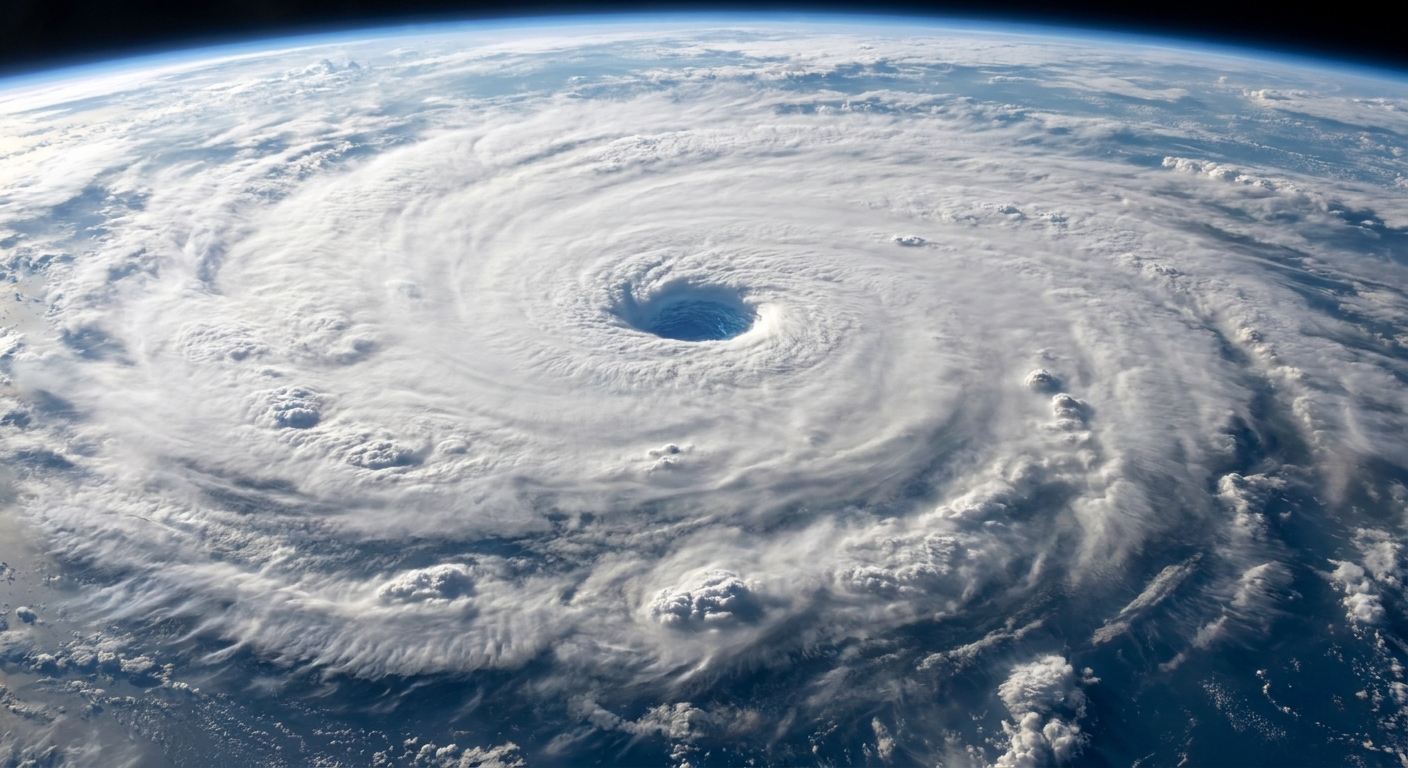
How Hurricanes Form
If you have ever watched a satellite loop of a hurricane, it can feel almost alive: a neat spiral of clouds, an eerie calm eye, and bands of rain sweeping across whole states. But hurricanes are not monsters. They are heat engines that run on warm ocean water, moist air, and some very particular...
Read more →
Why Ice Floats
If you have ever dropped a few cubes into a glass and watched them bob at the top, you have witnessed one of water’s most useful quirks. Most solids sink in their own liquids. Solid iron sinks in molten iron. Solid wax sinks in melted wax. But ice floats in liquid water, like a tiny white boat. The...
Read more →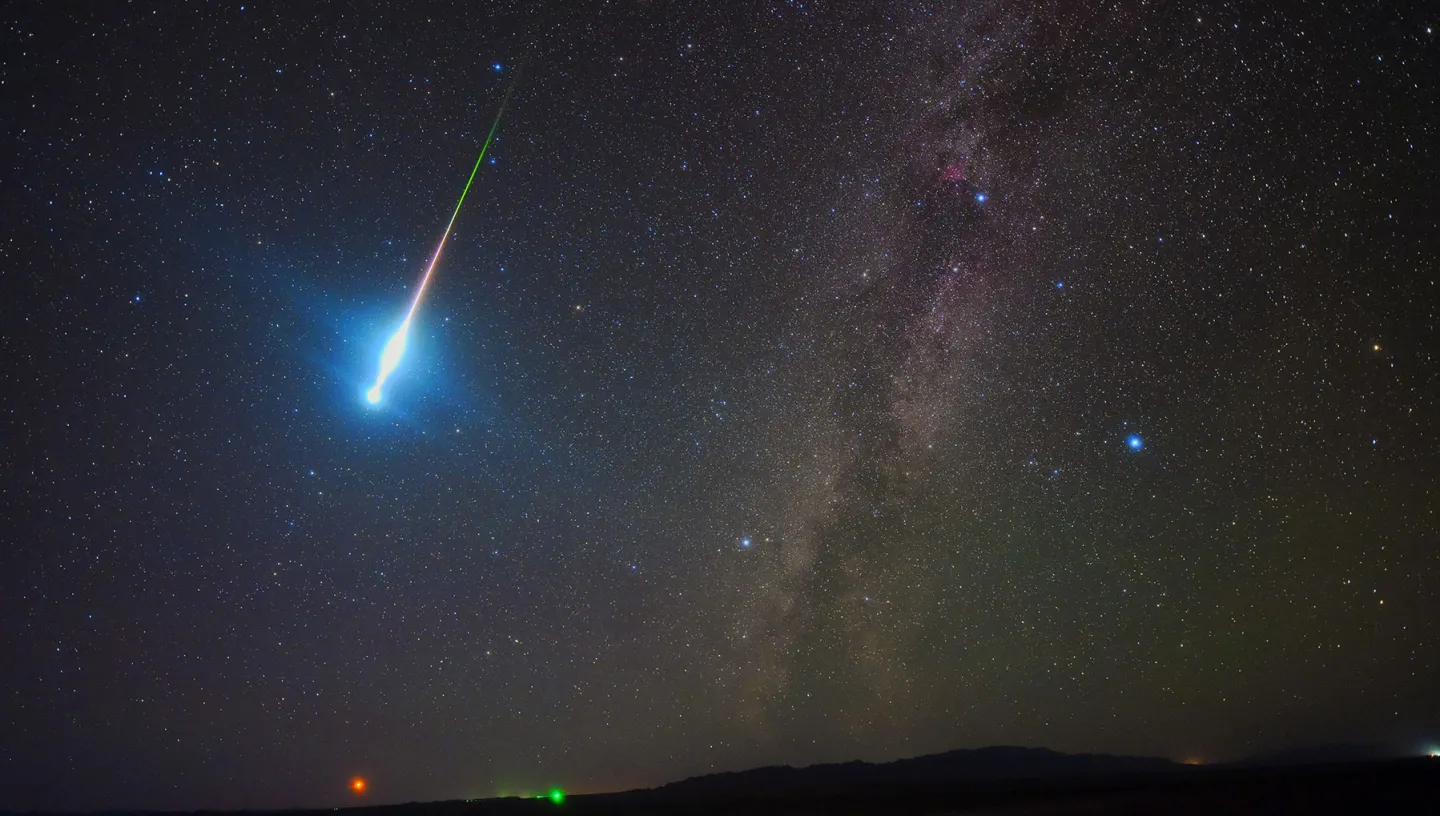
Is That a Meteor or a Satellite?
When you are outside on a clear night and you spot a bright streak, your brain immediately starts sorting it into a mental folder: meteor? satellite? airplane? The good news is you do not need an astronomy degree or a fancy app to tell them apart. In most cases, your eyes already have everything...
Read more →
Static Electricity: Build-Up, Cling, and Tiny Shocks
If you have ever touched a doorknob and gotten a surprise zap, you have met static electricity in its most dramatic mood. The good news is that the science behind it is wonderfully ordinary. Static electricity is not a special kind of electricity. It is the same old electric charge, just stuck in...
Read more →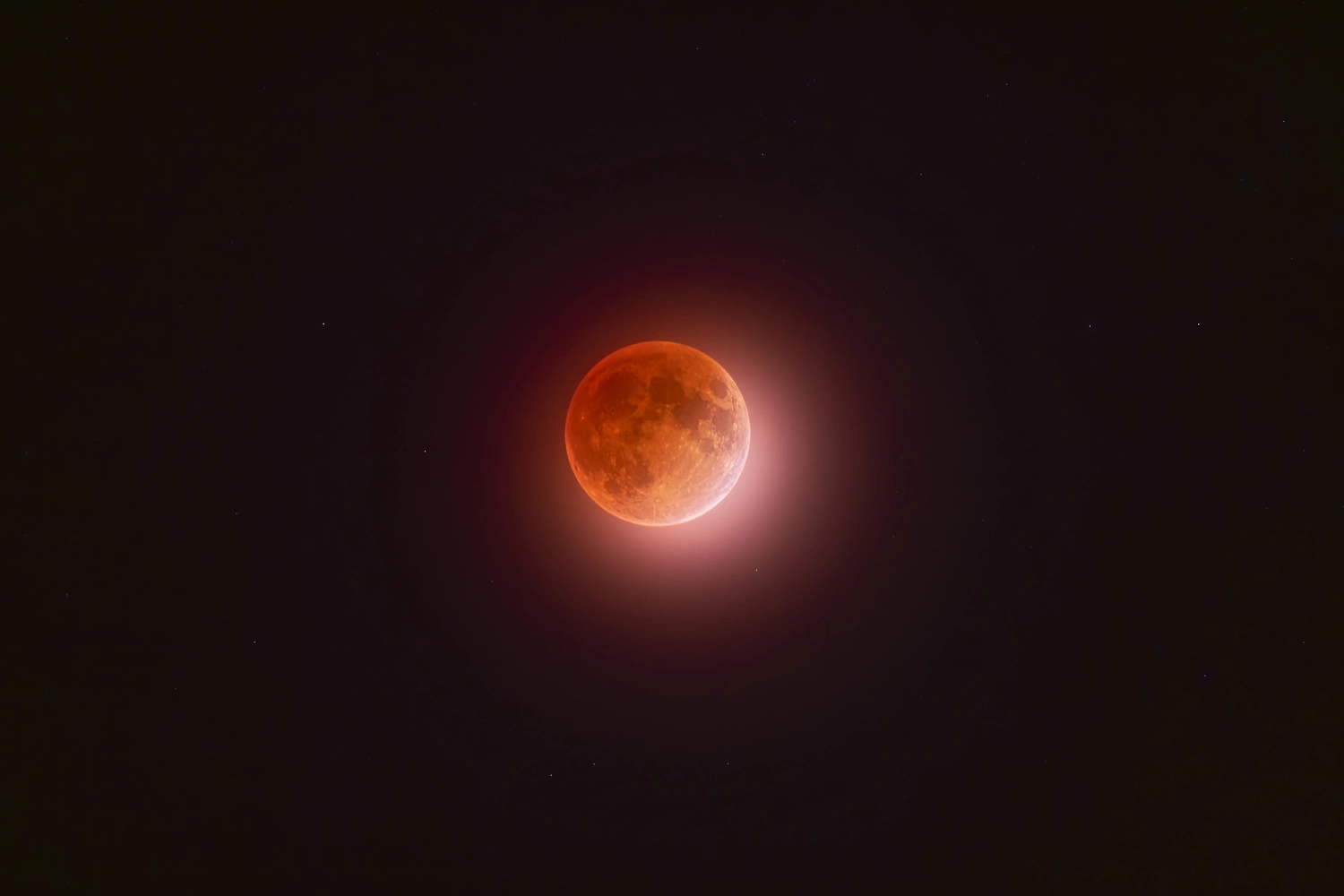
Why the Moon Changes Shape Through the Month
The Moon does not actually change shape. What changes is how much of the Moon’s sunlit half we can see from Earth. As the Moon travels around our planet, our viewing angle shifts, and the bright portion appears to grow, shrink, or take on a curved edge. Those familiar patterns are called phases ....
Read more →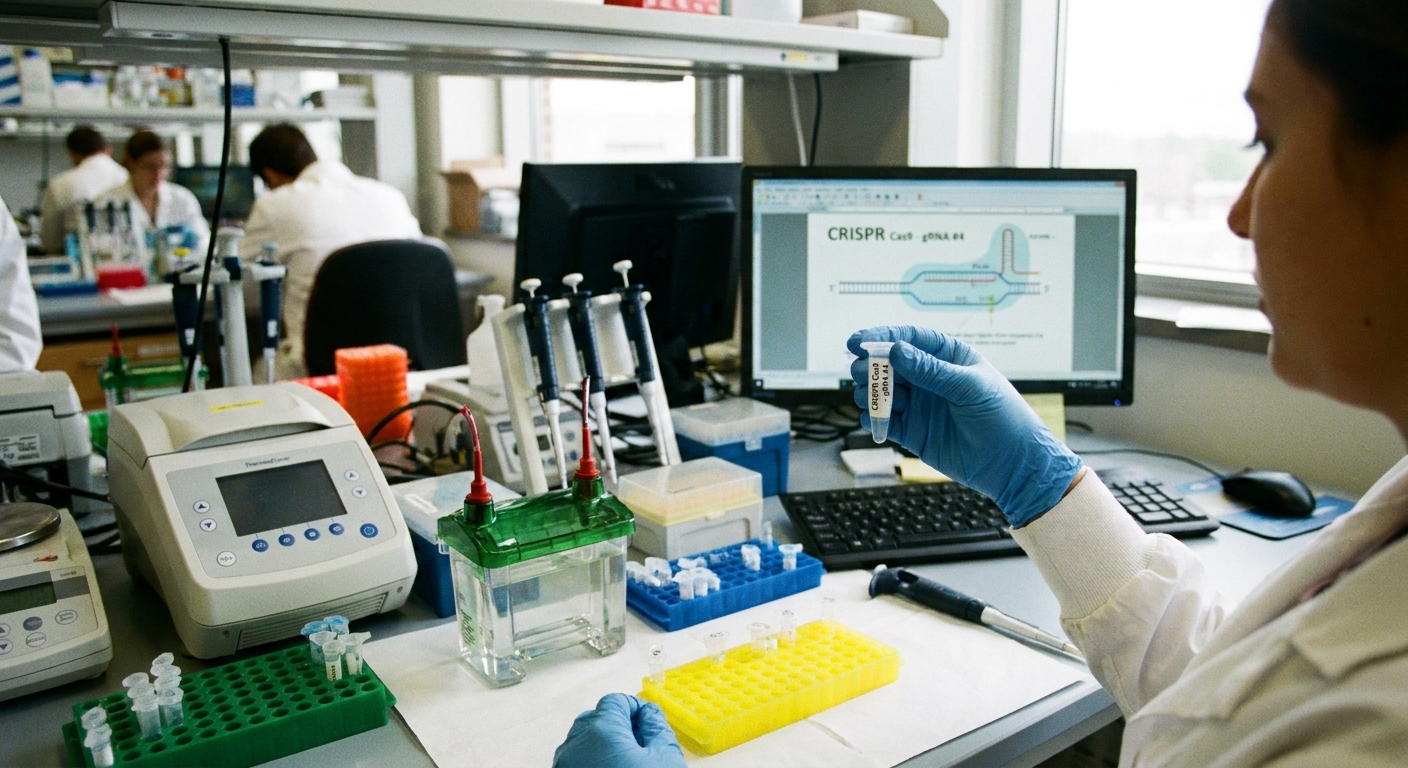
How Gene Editing Changes DNA Inside a Cell
Gene editing sounds like science fiction, but inside a cell it is closer to a very careful repair job. A tool like CRISPR does not “rewrite your whole genome.” It does something more specific: it locates a particular DNA sequence, triggers a change at that spot, and then the cell’s own repair...
Read more →
How Climate Scientists Track Extreme Weather Trends
When a record-breaking heat wave rolls through, or a “once in a century” flood hits twice in a decade, a natural question pops up: is this just bad luck, or a sign of a changing climate? Climate scientists answer that by doing something surprisingly down-to-earth. They count. They measure. They...
Read more →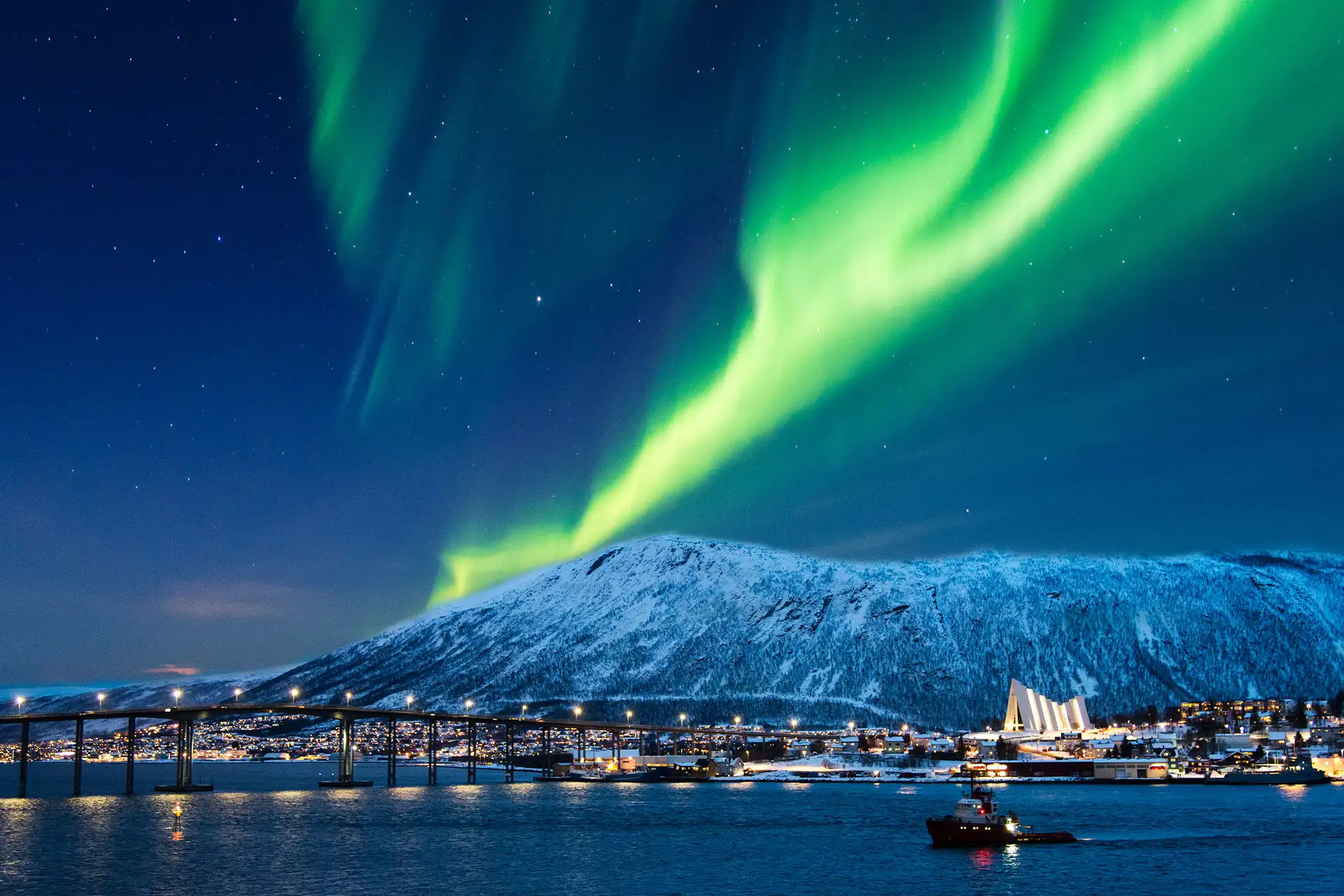
Why the Northern Lights Change Color and Shape
The Northern Lights look like nature’s mood ring in the sky: sometimes a quiet green arc, sometimes red wisps, sometimes a whole curtain that seems to ripple like silk in a breeze. None of that is random. Auroras are physics you can see, and their colors and shapes are basically a live readout of...
Read more →
CRISPR vs. Gene Therapy
“CRISPR” and “gene therapy” often get tossed into the same bucket, like they are two names for the same thing. They are related, but not identical. If you want a quick mental model: gene therapy is the broader toolkit for treating disease by changing how genes behave in the body, while CRISPR is a...
Read more →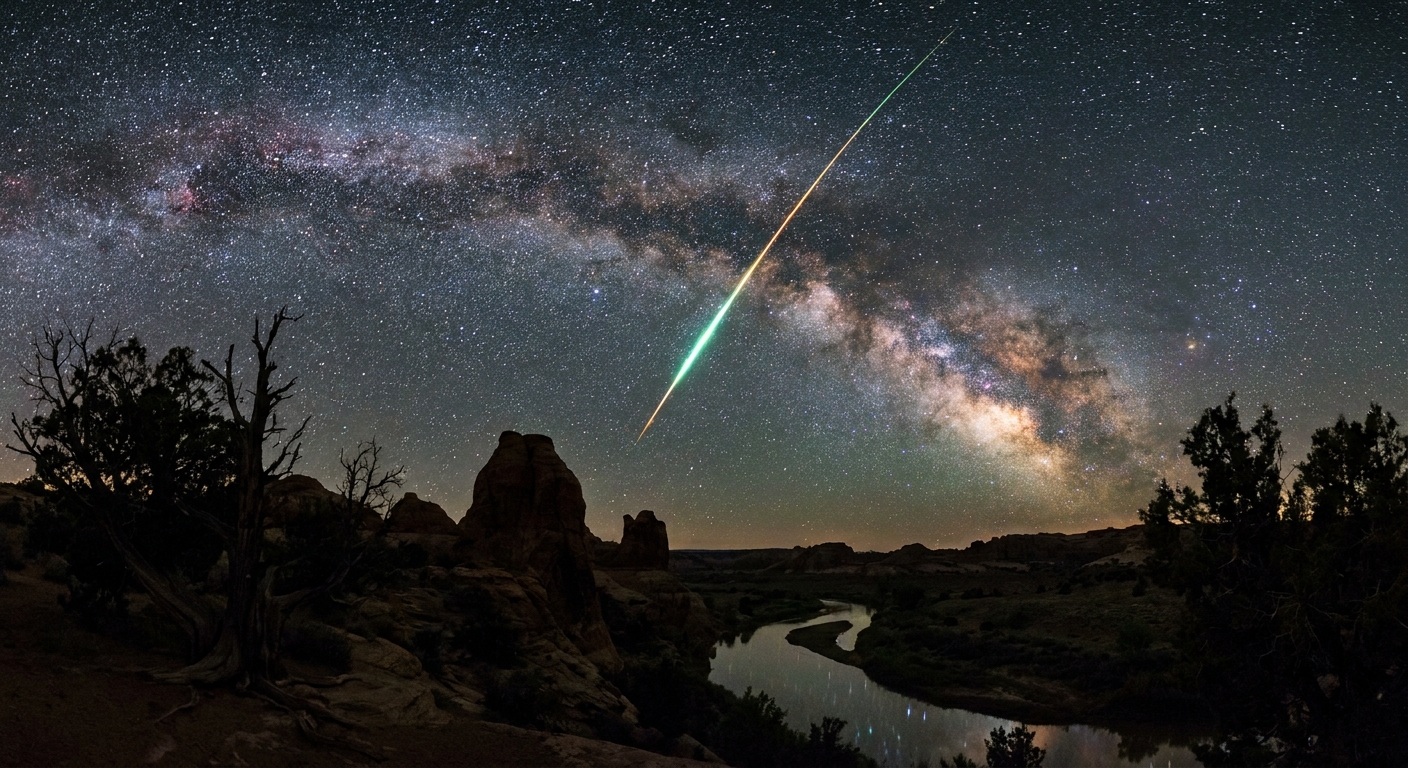
How to Tell a Meteor From a Satellite
The night sky is full of moving lights, and not all of them are “shooting stars.” Some are satellites gliding silently overhead. Some are airplanes blinking their way across the horizon. And once in a while, you will catch a true meteor: a tiny grain of space dust lighting up the upper atmosphere...
Read more →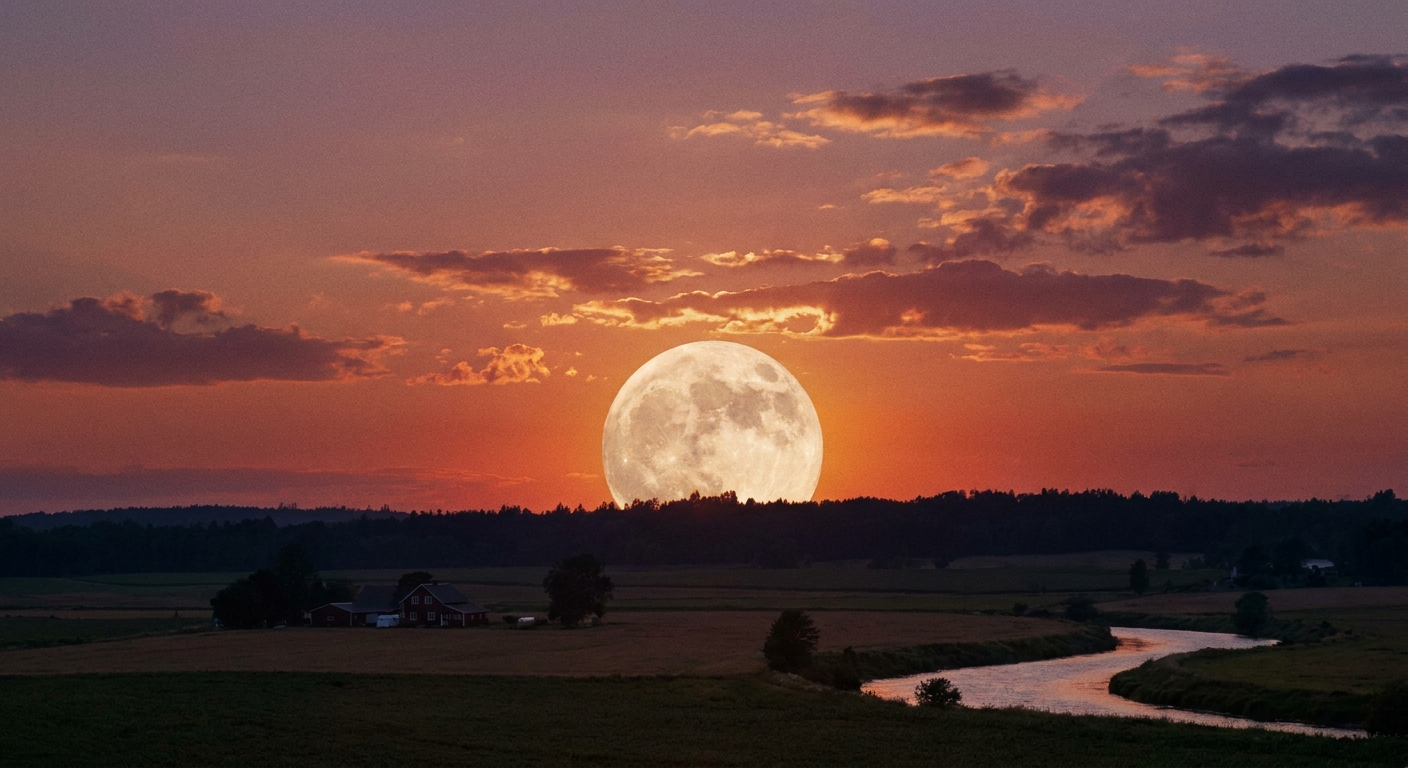
Why the Moon Looks Bigger Near the Horizon
Every so often, the Moon pulls off a magic trick: it rises over the trees or city skyline and suddenly looks like a glowing beach ball you could roll down the street. Then, an hour later, it is higher up and feels… normal again. Your eyes are not broken, your camera is not lying, and the Moon is...
Read more →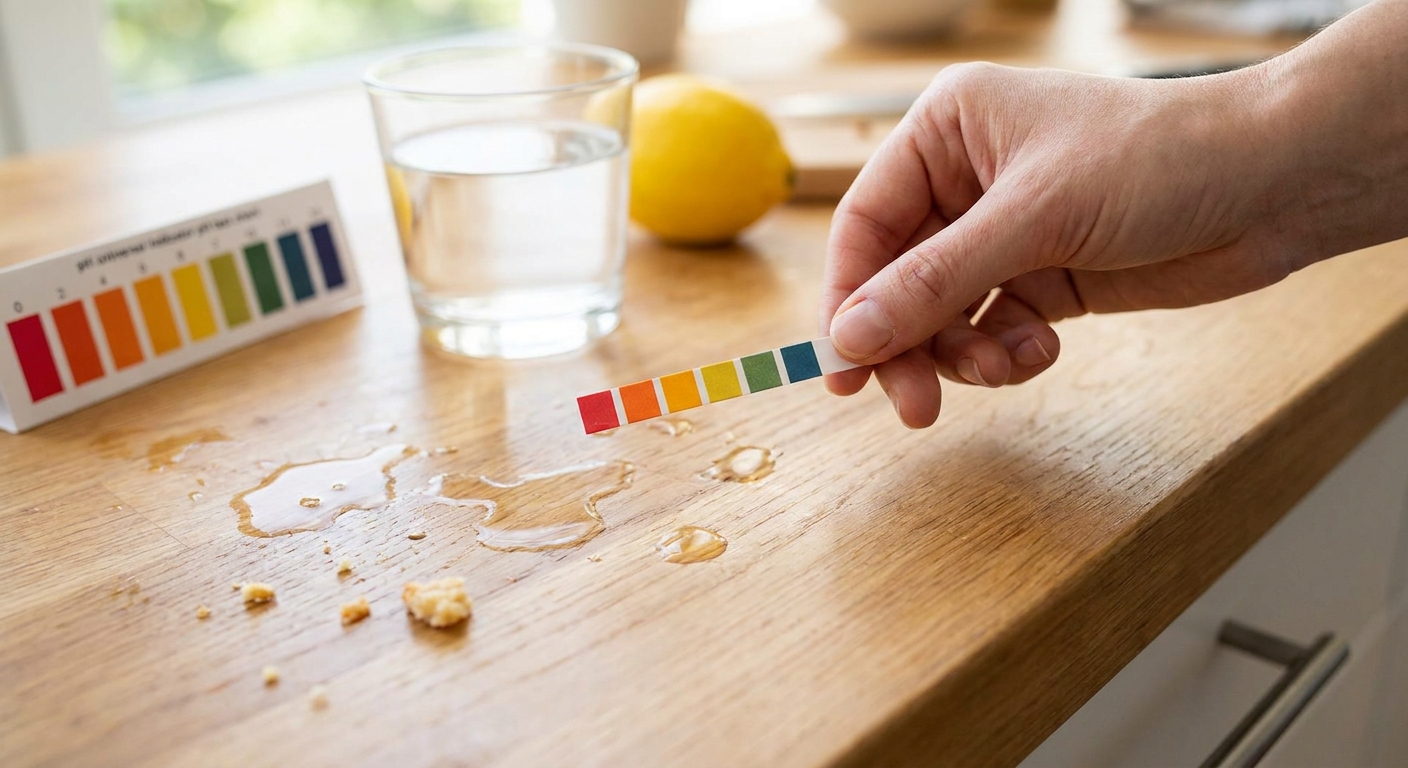
How to Read a pH Scale in Everyday Life
pH is one of those science concepts that sounds like it belongs in a lab coat. But it shows up everywhere you live. It is in the bite of a lemon, the sting of a cleaner, the way some hydrangeas change color, and the reason pool water sometimes makes your eyes feel weird. If you can read a pH...
Read more →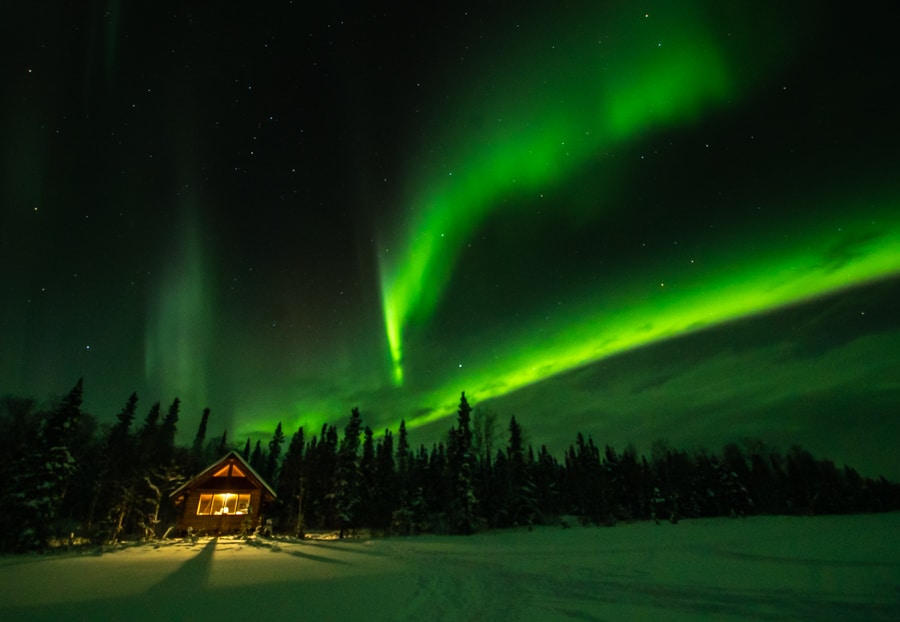
Aurora Borealis: What Causes the Northern Lights
If you have ever seen the aurora borealis in person, you know it does not feel like “weather.” It feels like the sky is alive. The good news is that the northern lights are not magic, and they are not random either. They are a physics story about our Sun tossing charged particles into space, and...
Read more →