Earth & Environment
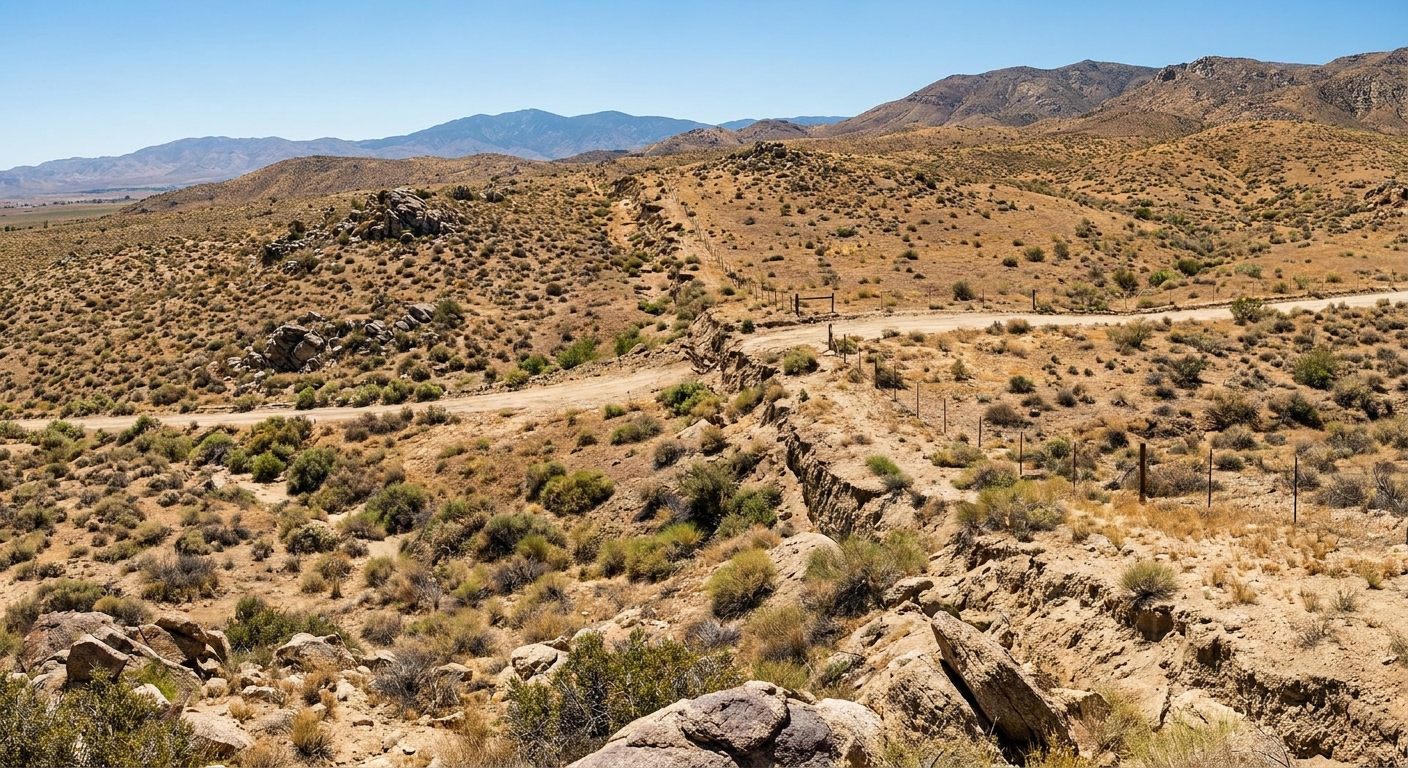
How Do Earthquakes Happen?
If you have ever felt the ground do that unsettling wiggle and wondered, “Wait, the solid Earth can move like that?”, you are not alone. Earthquakes are not random tantrums of nature. They are the release valve for a planet that is always in slow motion, with enormous slabs of crust pushing,...
Read more →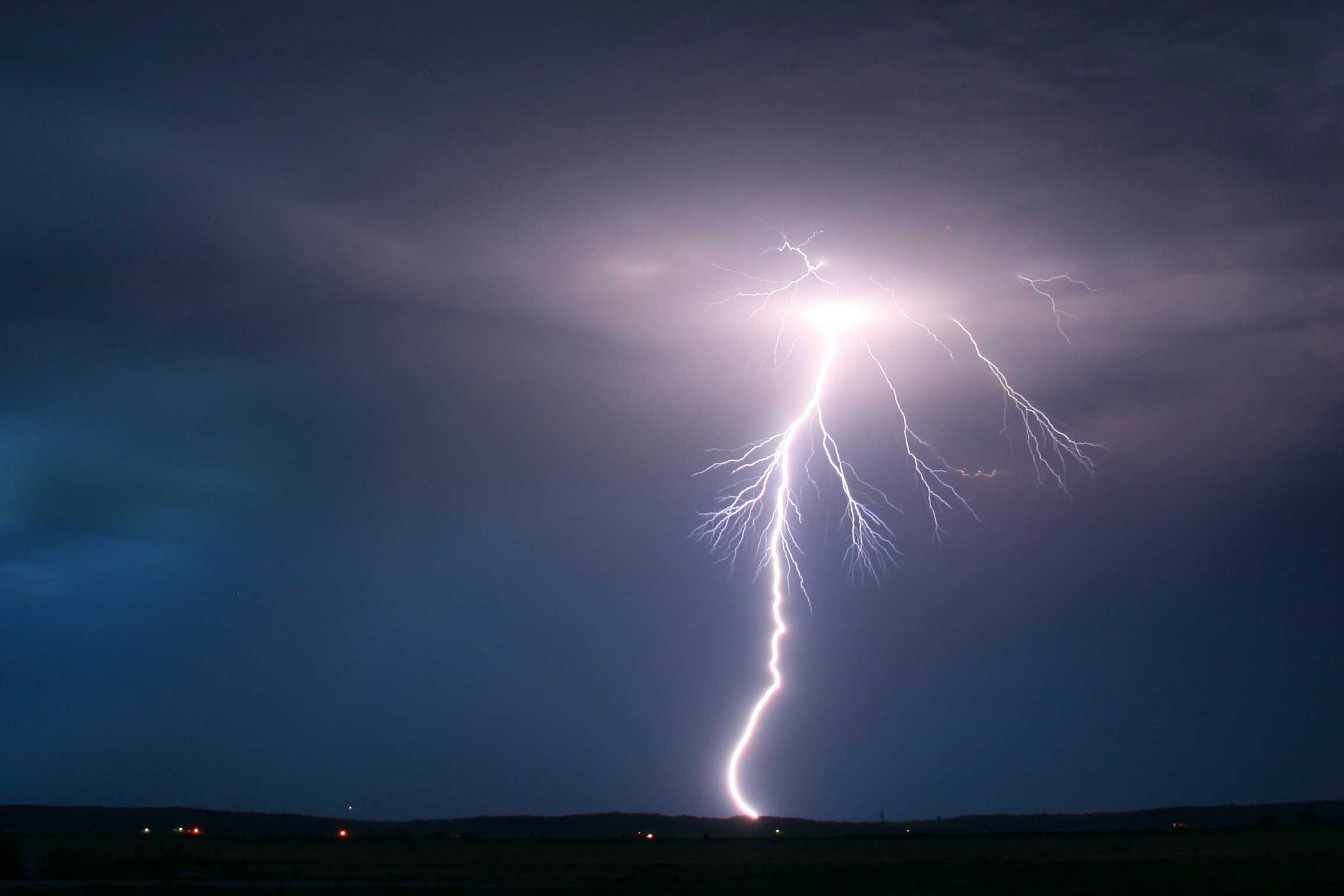
How Lightning Forms Inside a Thunderstorm
If a thunderstorm is nature’s live concert, lightning is the spotlight and thunder is the speaker system catching up. The part most of us never see is the setup inside the cloud: billions of tiny collisions sorting electric charge until the air can’t insulate anymore. Then, in a fraction of a...
Read more →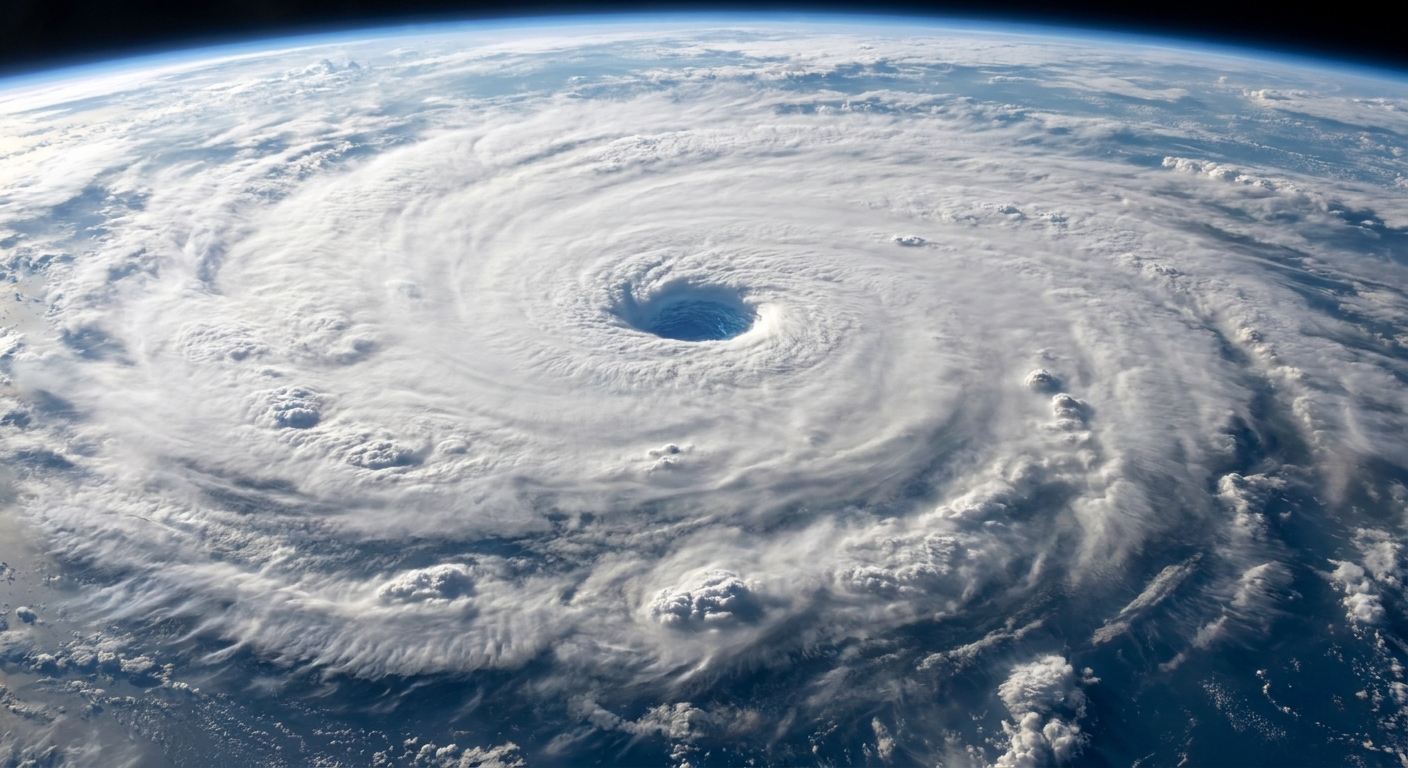
How Hurricanes Form
If you have ever watched a satellite loop of a hurricane, it can feel almost alive: a neat spiral of clouds, an eerie calm eye, and bands of rain sweeping across whole states. But hurricanes are not monsters. They are heat engines that run on warm ocean water, moist air, and some very particular...
Read more →
How Climate Scientists Track Extreme Weather Trends
When a record-breaking heat wave rolls through, or a “once in a century” flood hits twice in a decade, a natural question pops up: is this just bad luck, or a sign of a changing climate? Climate scientists answer that by doing something surprisingly down-to-earth. They count. They measure. They...
Read more →
Store and Dispose of Hazardous Household Chemicals
If you have ever opened the cabinet under the sink and caught a whiff of “mystery citrus” mixed with “industrial thunderstorm,” you are not alone. Most homes quietly collect a mini chemistry lab: bleach, ammonia cleaners, drain openers, paints, thinners, pesticides, pool chemicals, and assorted...
Read more →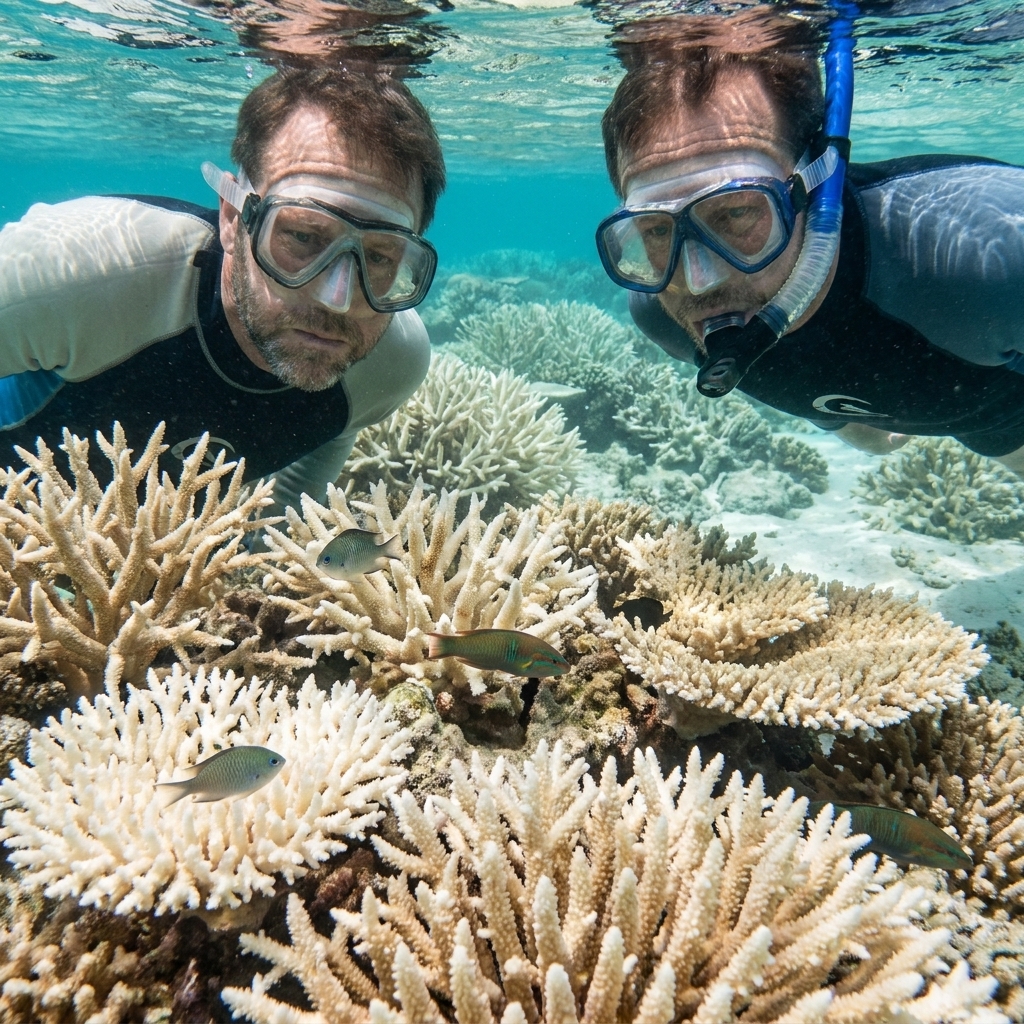
10 Indicator Species Sounding the Climate Alarm
If Earth had a dashboard, we would not just watch the thermometer. We would watch the living needles that twitch first when conditions change. Ecologists call these indicator species , organisms whose health, timing, or location reliably mirrors what is happening in the ecosystem around them. Think...
Read more →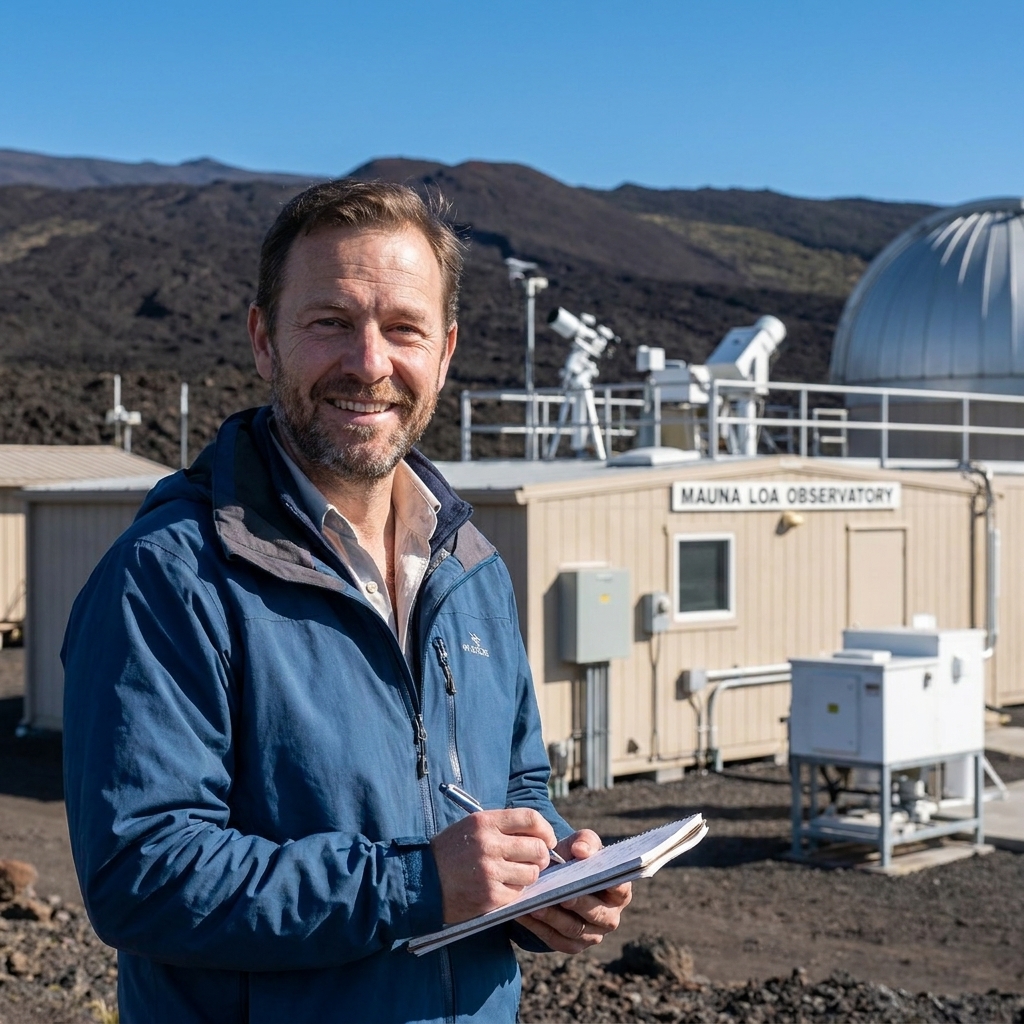
Natural Climate Cycles vs. Human Warming
If Earth’s climate were a long-running TV series, “plot twists” would be the norm. Ice ages come and go. Oceans shuffle heat around. Volcanoes blow their tops. So when someone asks, “Isn’t this just a natural cycle?”, they are asking a reasonable question. But science is less about impressions and...
Read more →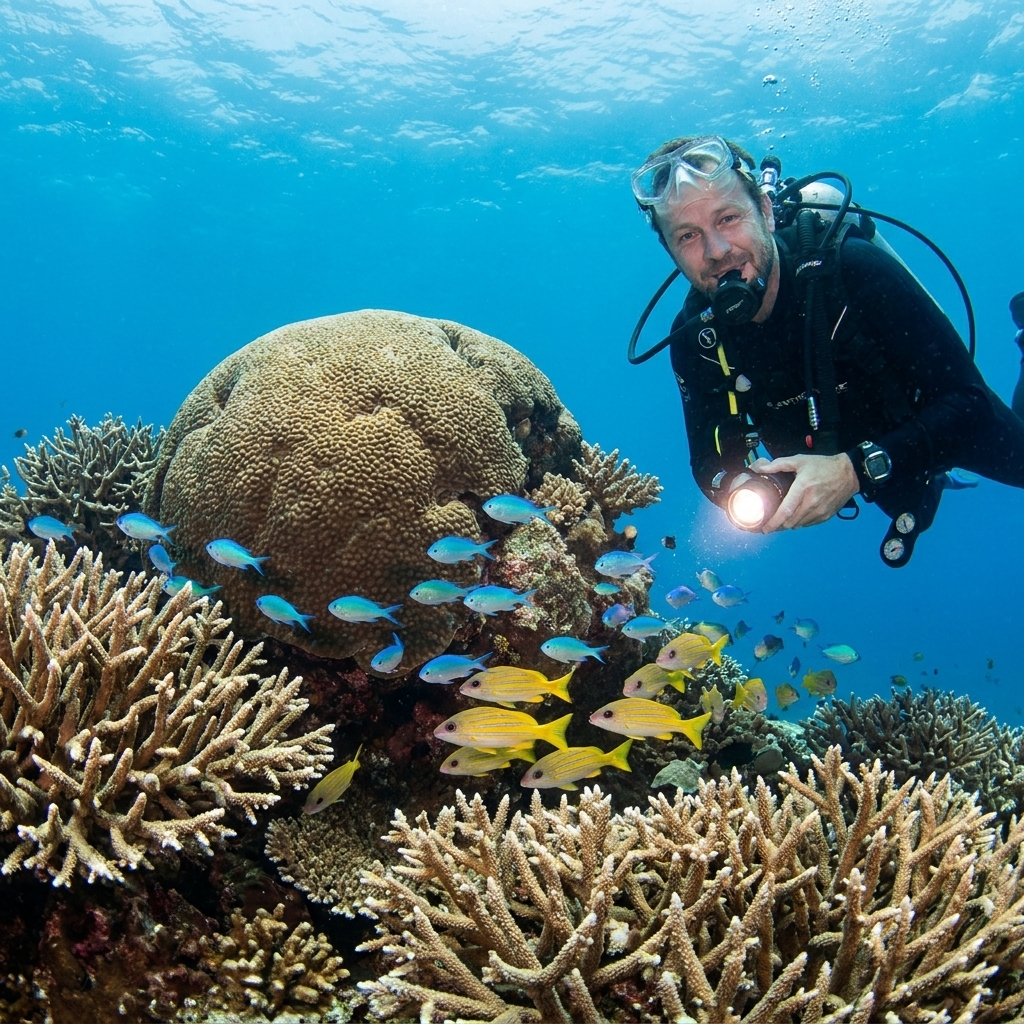
Understanding Ocean Acidification
The ocean has always been Earth’s great mood ring, quietly responding to what we put in the air. Right now it’s responding to one big thing: extra carbon dioxide (CO2). When CO2 dissolves into seawater, it triggers a chain of chemical reactions that shift ocean chemistry toward lower pH. Not...
Read more →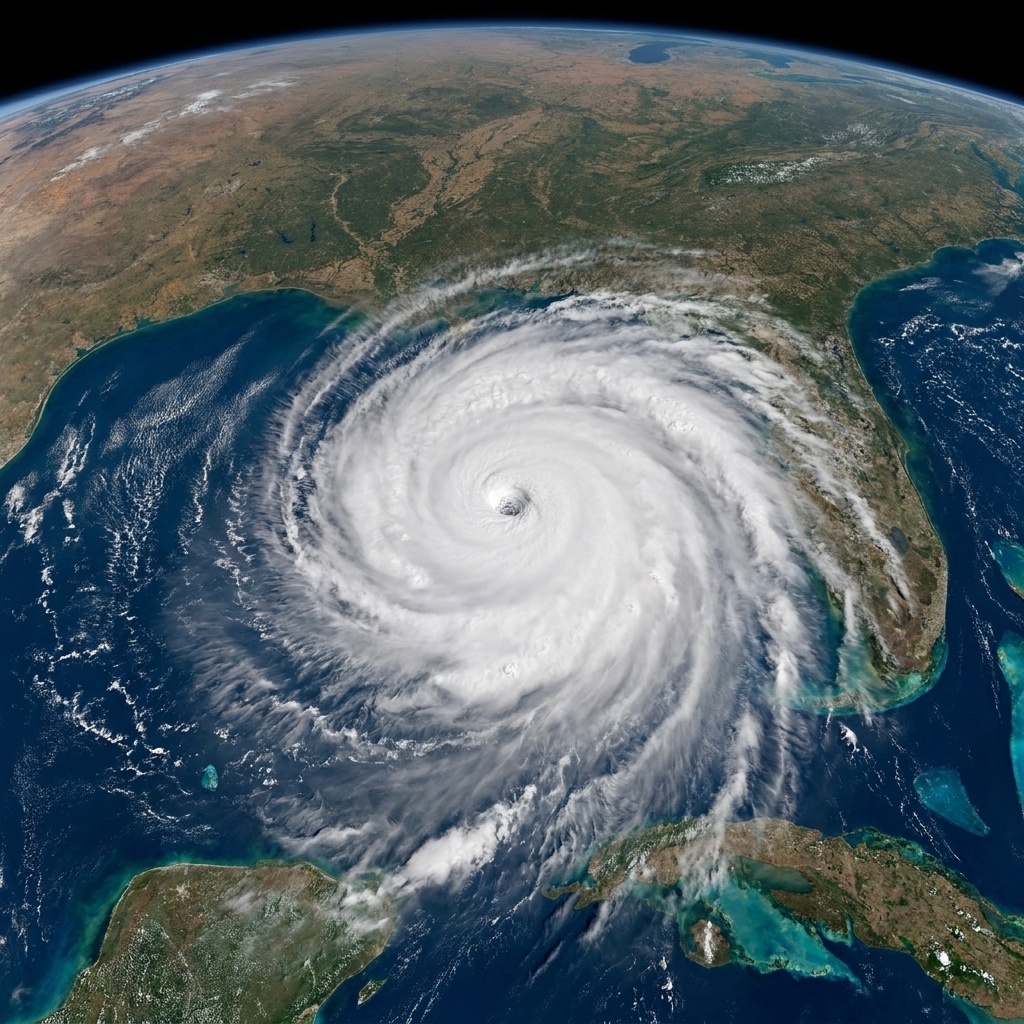
5 Extreme Weather Types Supercharged by Global Warming
I used to tell my physics students that the atmosphere is basically a heat engine wearing a very thin jacket. Add more heat to the system and the engine does not just get “a little warmer.” It starts running differently: more evaporation, more water vapor, more energy available for storms, and more...
Read more →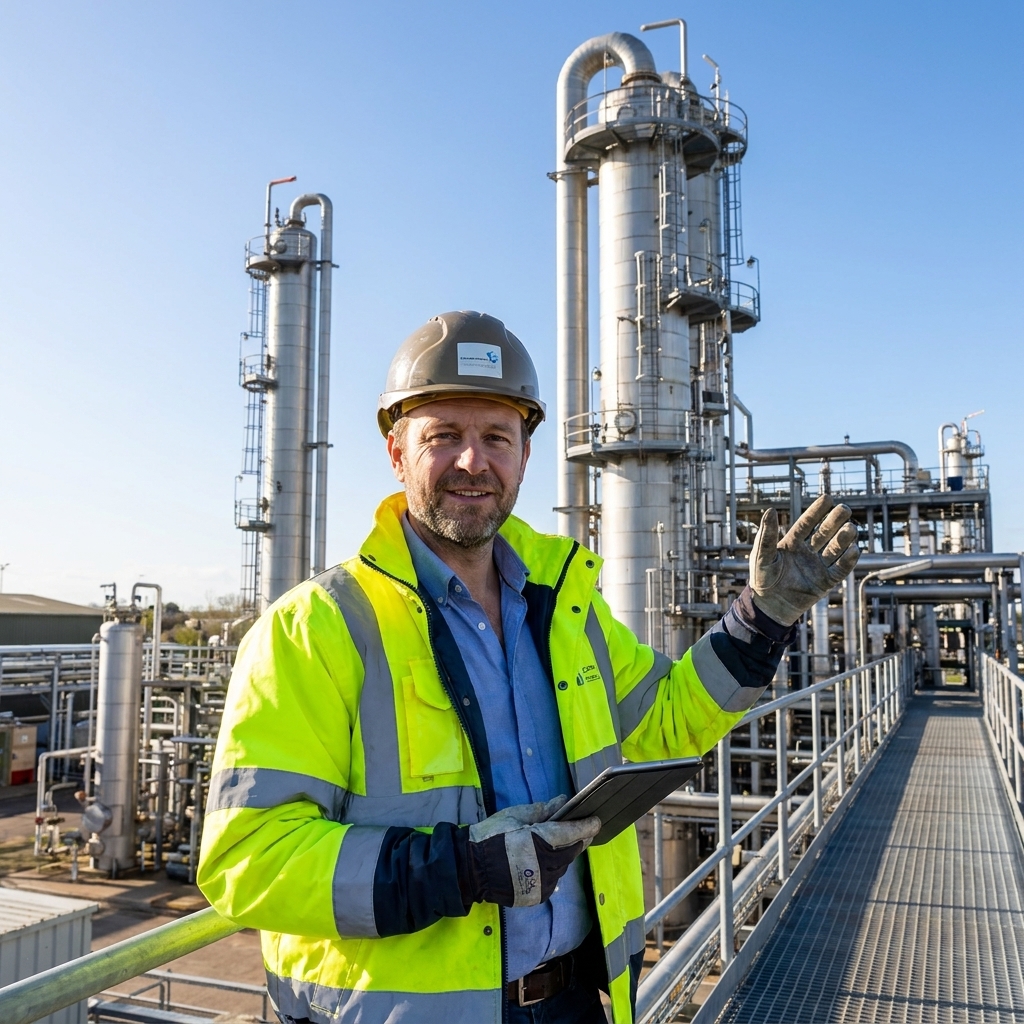
Carbon Capture and Storage, Explained
If carbon dioxide were glitter, our modern world would be the craft store aisle after a busy Saturday. Power plants, cement kilns, steel mills, and refineries all shed CO2 as a byproduct of making electricity, buildings, and the materials we rely on. Carbon capture and storage, usually shortened to...
Read more →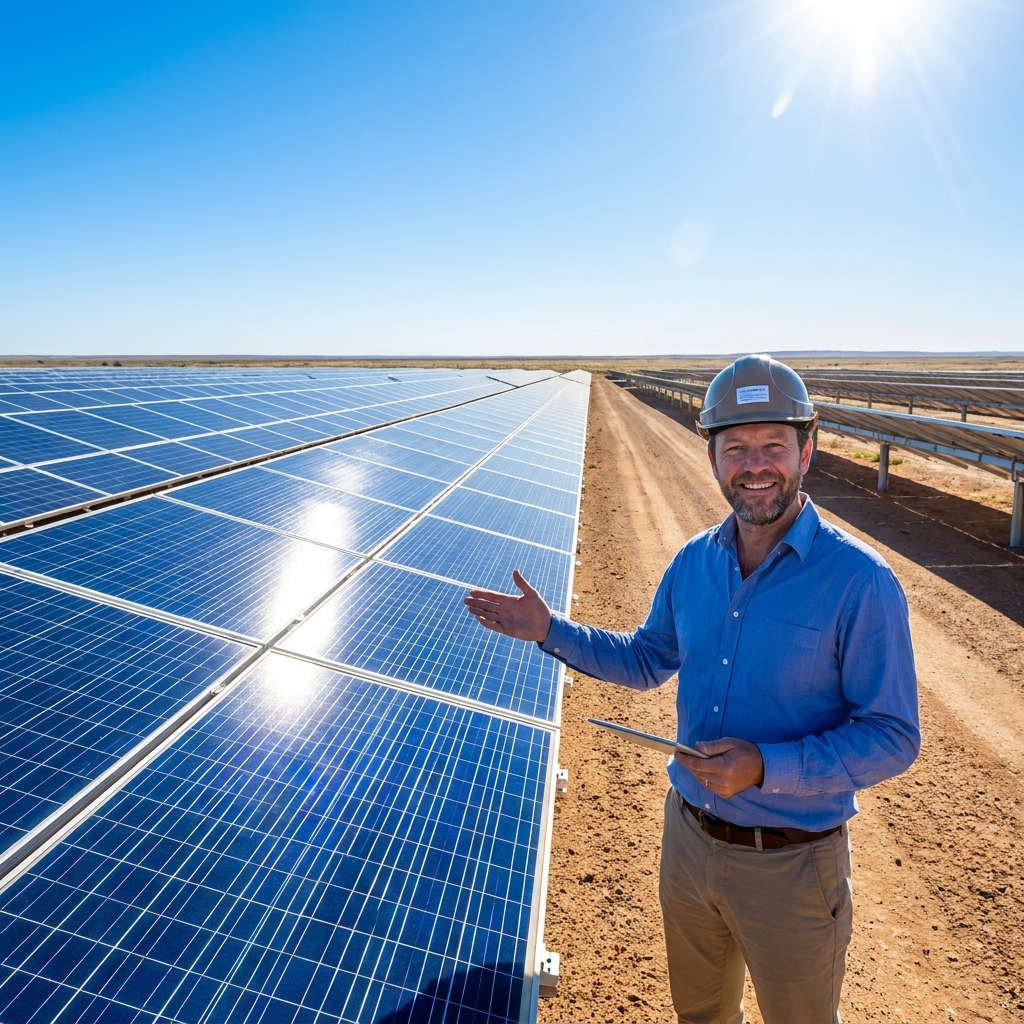
Solar, Wind, and Geothermal Energy Explained
Renewable energy can feel like a buzzword until you picture what is actually happening: sunlight and moving air are being turned into organized electron traffic in circuits we can control , and Earth’s internal heat is being tapped like a gigantic natural radiator. The payoff is simple. We get...
Read more →
Create a Pollinator-Friendly Garden
If you have ever watched a bumblebee wobble into a flower like a fuzzy little forklift, you already understand the core idea of pollinator gardening: energy in, energy out. Nectar and pollen are fuel. Flowers are the charging stations. And our yards, parks, balconies, and school campuses can either...
Read more →
8 Recycling Myths Material Scientists Want You to Stop Believing
Recycling has a reputation for being both virtuous and confusing, sometimes in the same five seconds. One neighbor swears you must peel every label. Another says it all ends up in a landfill anyway, so why bother. Material scientists look at recycling less like a moral test and more like a...
Read more →
7 Science-Backed Strategies to Reduce Your Household Water Consumption
Water feels unlimited right up until it is not. In hydrology and water management, that tipping point is often described as water stress or watershed stress : demand starts to push harder than rivers, reservoirs, and aquifers can comfortably supply. That is not just a faraway drought story. It can...
Read more →
Bioplastics vs. Traditional Plastics
If you have ever held a fork labeled “plant-based” and felt a tiny wave of environmental relief, you are not alone. “Bioplastic” sounds like it should be the eco-friendly twin of regular plastic, the way a hybrid car feels like a cleaner version of a gas guzzler. But plastics are sneaky. A...
Read more →
Measure and Cut Your Carbon Footprint
If “carbon footprint” sounds like something only spreadsheet wizards track, I have good news: you can estimate yours with surprisingly little math, then reduce it with choices that are both practical and measurable. Think of this like a physics lab for everyday life. We are not chasing perfection....
Read more →