Space & Astronomy
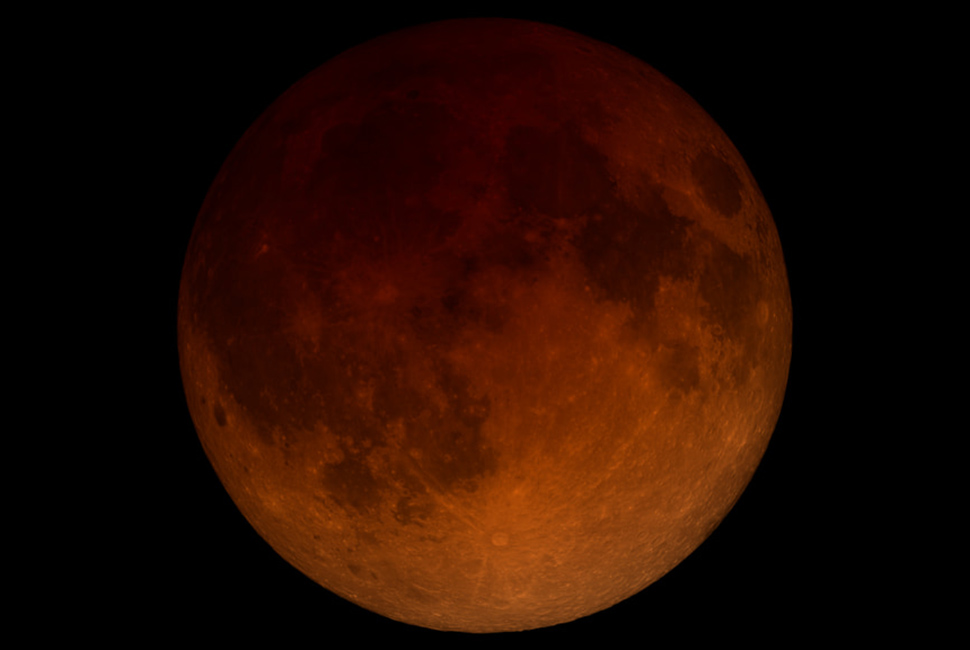
Why the Moon Turns Orange During an Eclipse
If you have ever looked up during a lunar eclipse and thought, “Why does the Moon look like someone turned the saturation up to copper?” you are seeing a neat piece of physics that combines shadows, sunsets, and a thin layer of air wrapped around our planet. A lunar eclipse is not the Moon changing...
Read more →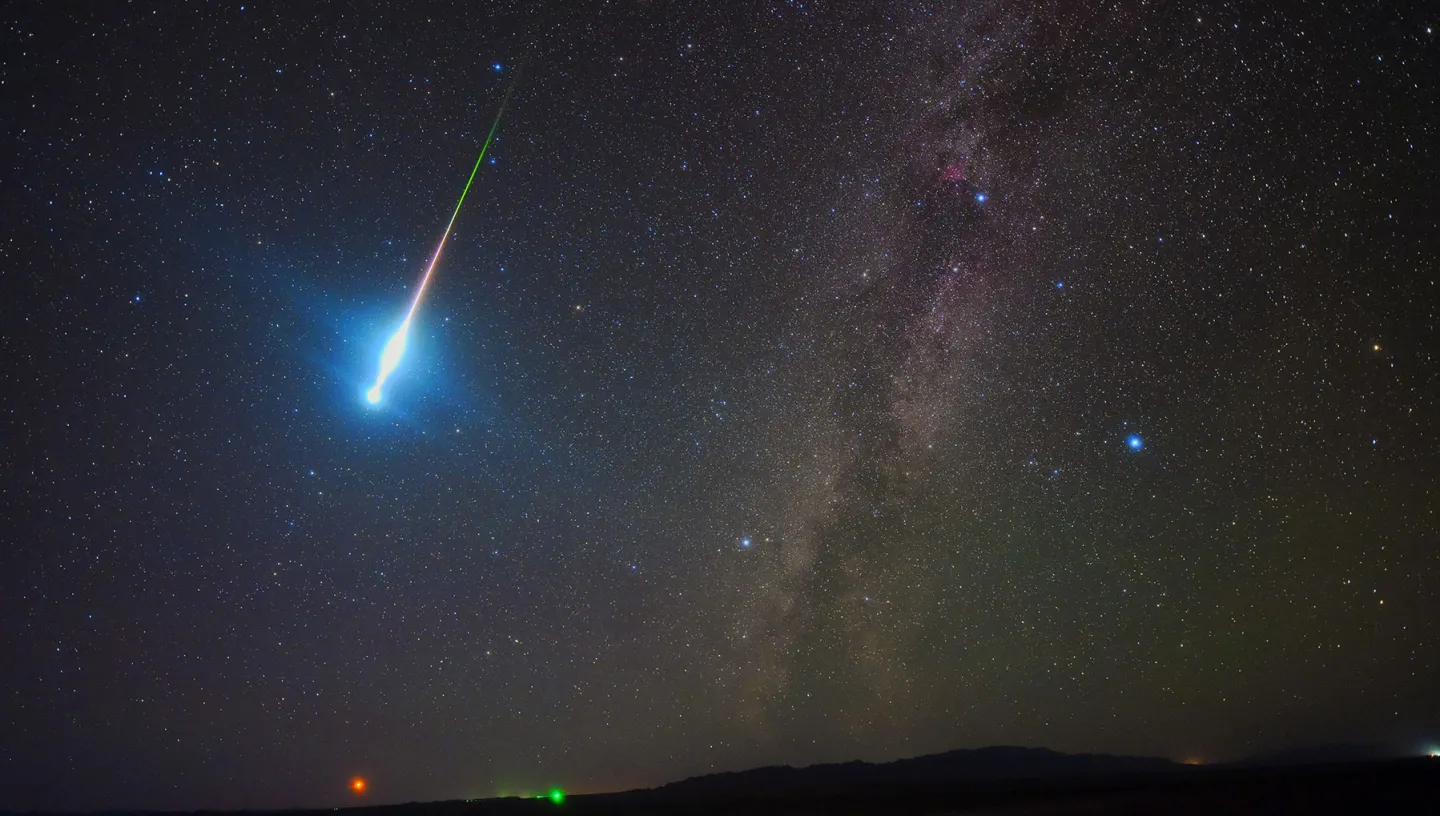
Is That a Meteor or a Satellite?
When you are outside on a clear night and you spot a bright streak, your brain immediately starts sorting it into a mental folder: meteor? satellite? airplane? The good news is you do not need an astronomy degree or a fancy app to tell them apart. In most cases, your eyes already have everything...
Read more →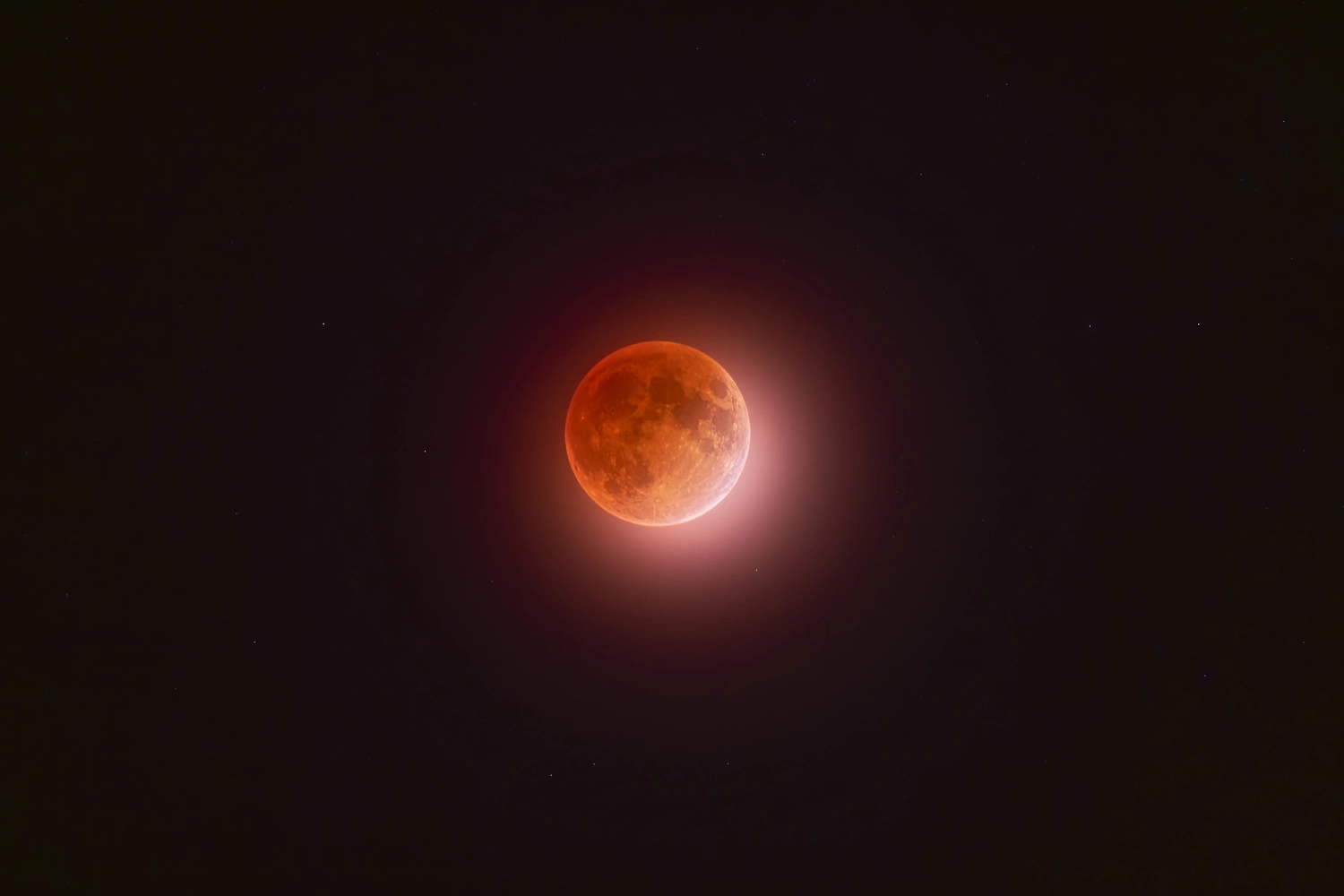
Why the Moon Changes Shape Through the Month
The Moon does not actually change shape. What changes is how much of the Moon’s sunlit half we can see from Earth. As the Moon travels around our planet, our viewing angle shifts, and the bright portion appears to grow, shrink, or take on a curved edge. Those familiar patterns are called phases ....
Read more →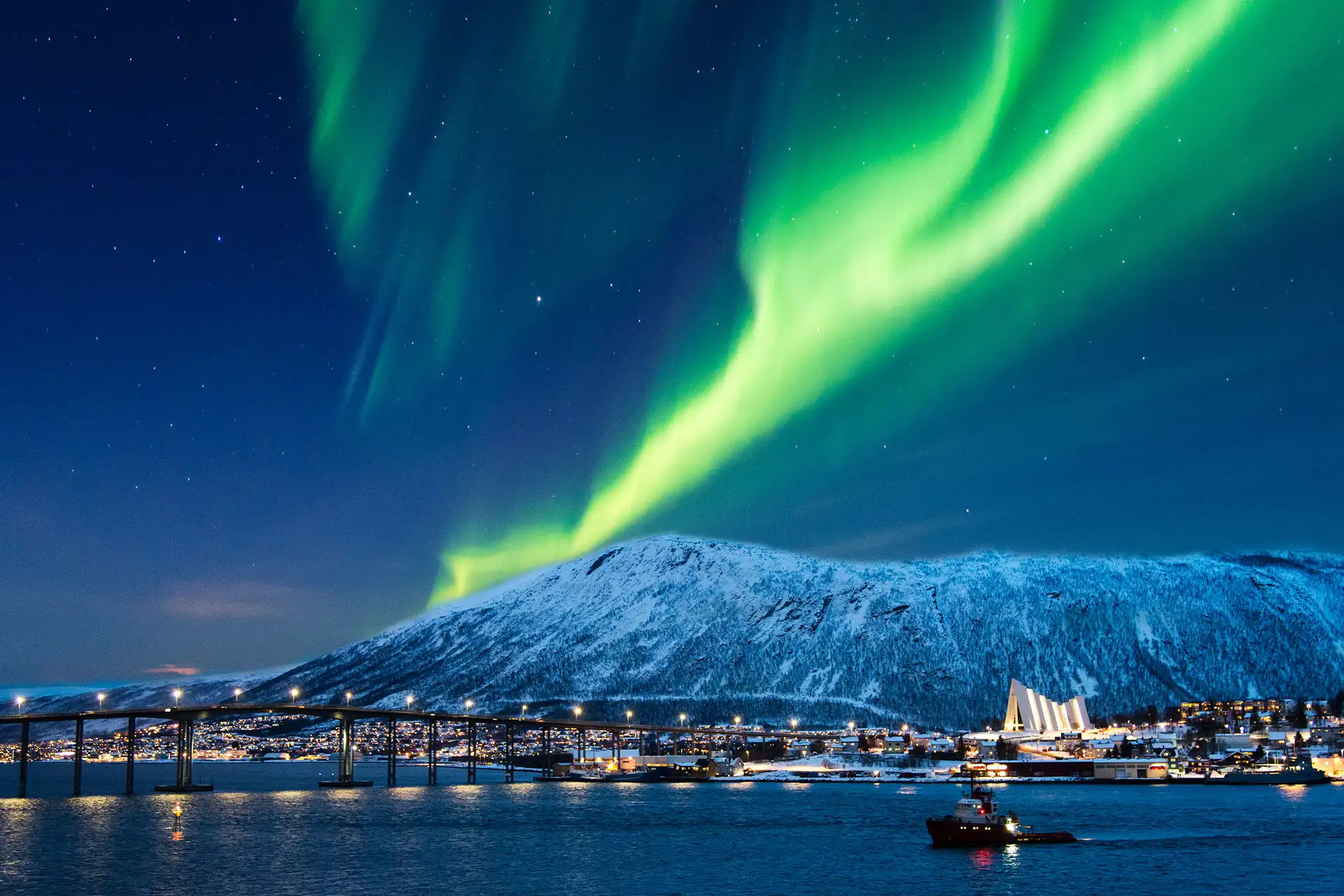
Why the Northern Lights Change Color and Shape
The Northern Lights look like nature’s mood ring in the sky: sometimes a quiet green arc, sometimes red wisps, sometimes a whole curtain that seems to ripple like silk in a breeze. None of that is random. Auroras are physics you can see, and their colors and shapes are basically a live readout of...
Read more →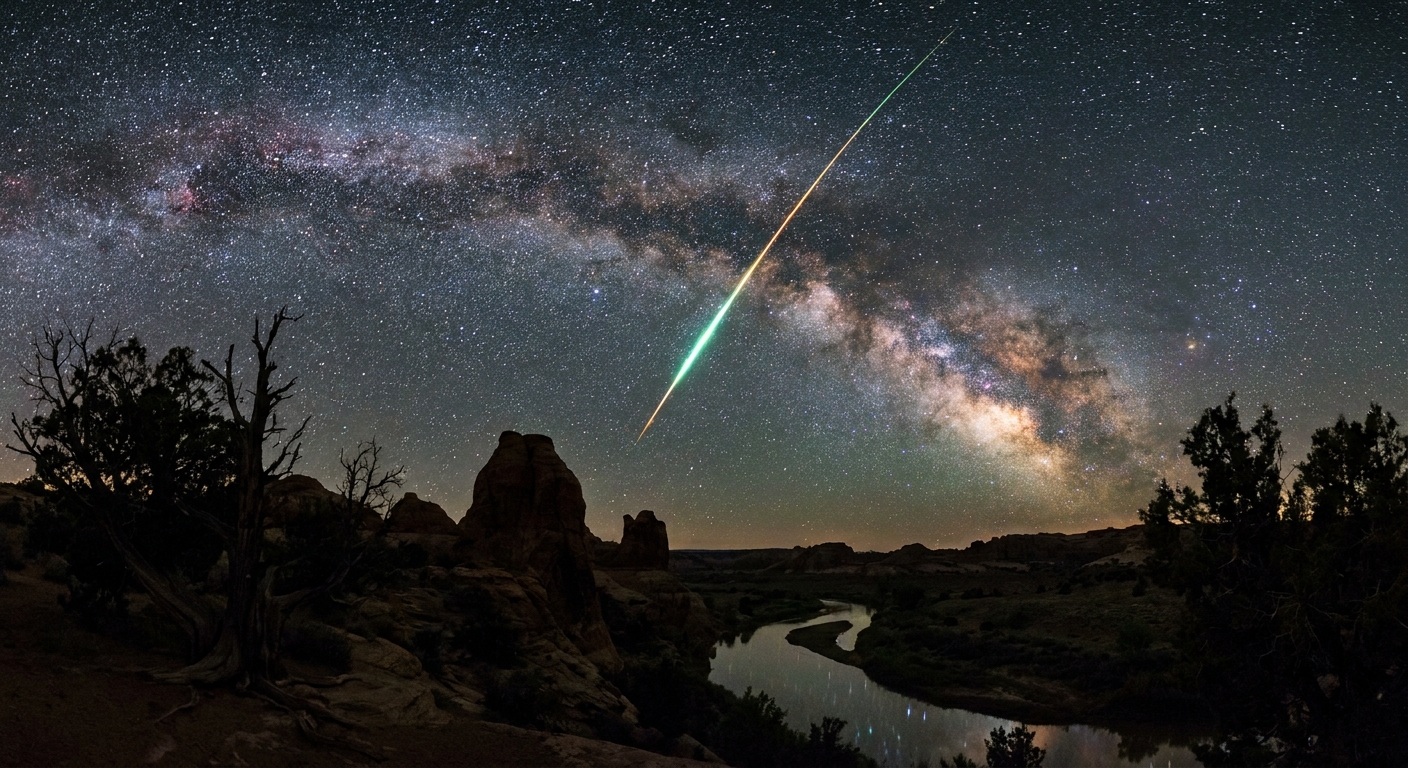
How to Tell a Meteor From a Satellite
The night sky is full of moving lights, and not all of them are “shooting stars.” Some are satellites gliding silently overhead. Some are airplanes blinking their way across the horizon. And once in a while, you will catch a true meteor: a tiny grain of space dust lighting up the upper atmosphere...
Read more →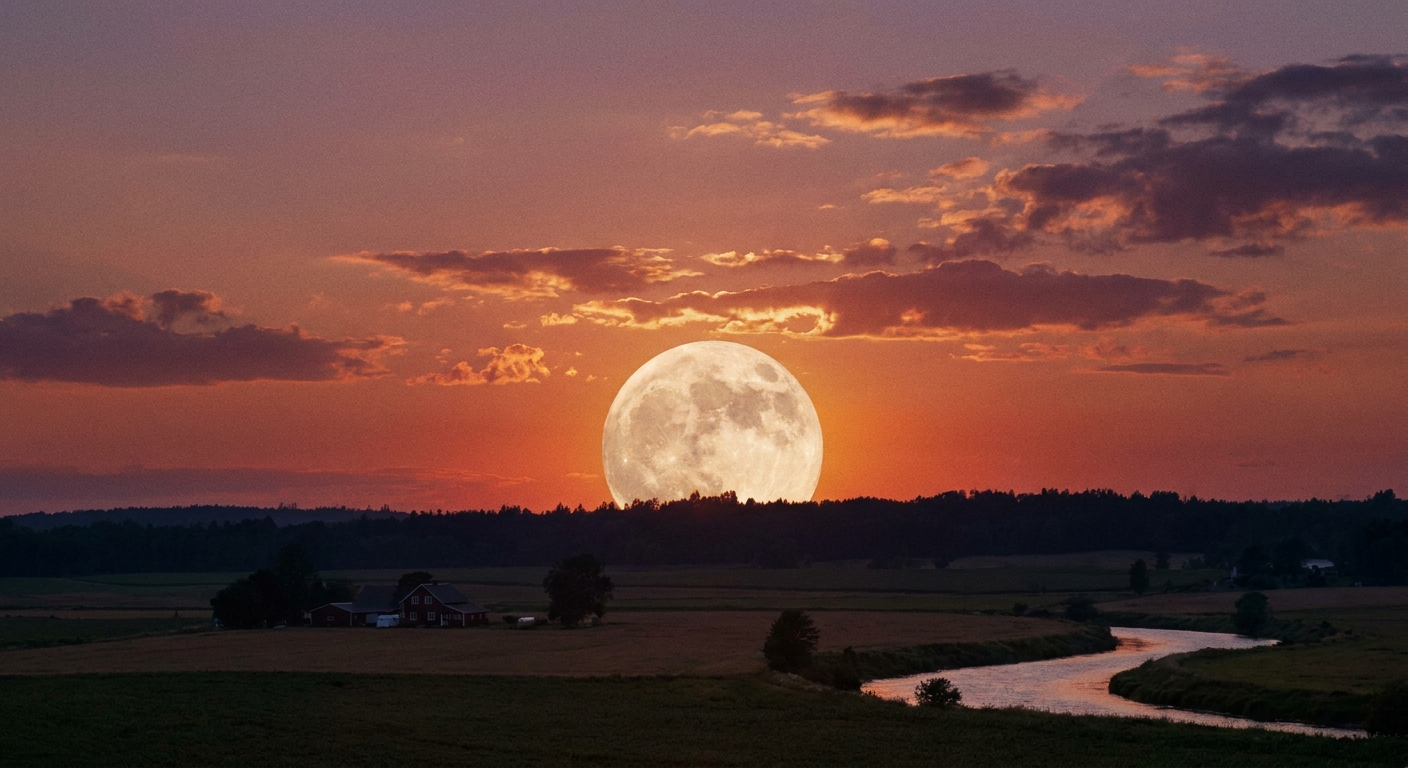
Why the Moon Looks Bigger Near the Horizon
Every so often, the Moon pulls off a magic trick: it rises over the trees or city skyline and suddenly looks like a glowing beach ball you could roll down the street. Then, an hour later, it is higher up and feels… normal again. Your eyes are not broken, your camera is not lying, and the Moon is...
Read more →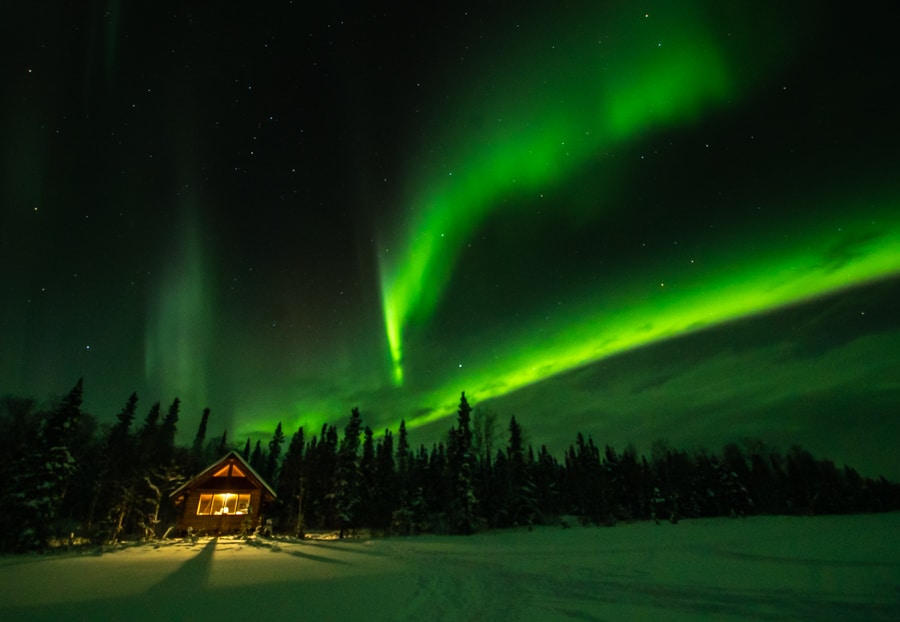
Aurora Borealis: What Causes the Northern Lights
If you have ever seen the aurora borealis in person, you know it does not feel like “weather.” It feels like the sky is alive. The good news is that the northern lights are not magic, and they are not random either. They are a physics story about our Sun tossing charged particles into space, and...
Read more →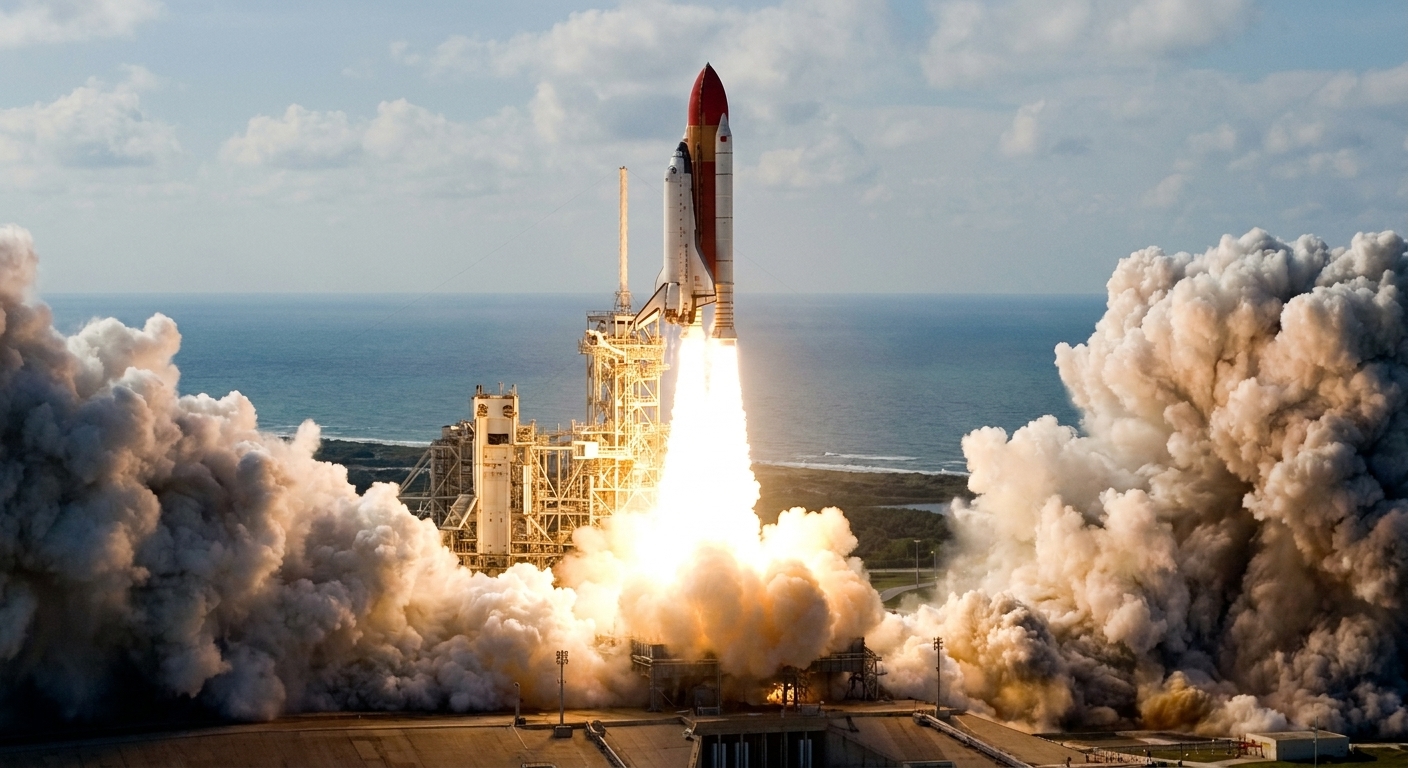
Solid vs. Liquid Rocket Fuel
If you have ever watched a rocket launch and felt that low, chest-thumping rumble through your screen, you have already met the central character of spaceflight: propulsion. Rockets are basically controlled explosions with excellent manners. They burn propellant, throw mass out the back at high...
Read more →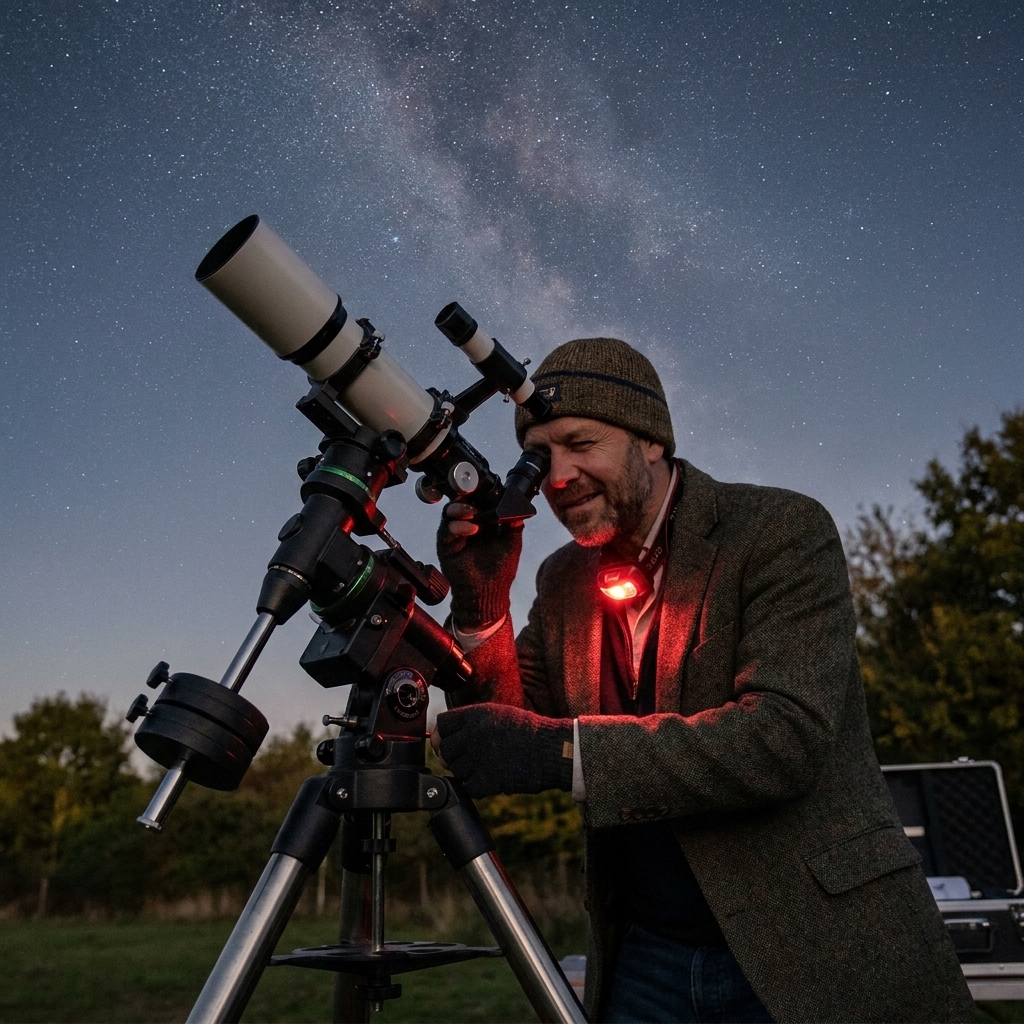
Best Home Telescopes for Astrophotography
Astrophotography is the rare hobby where your first big upgrade is not the telescope. It is the mount. A telescope is like a camera lens. The mount is the tripod, the gimbal, and the steady hands all rolled into one, except it has to track smoothly while Earth rotates about 15° per hour (roughly...
Read more →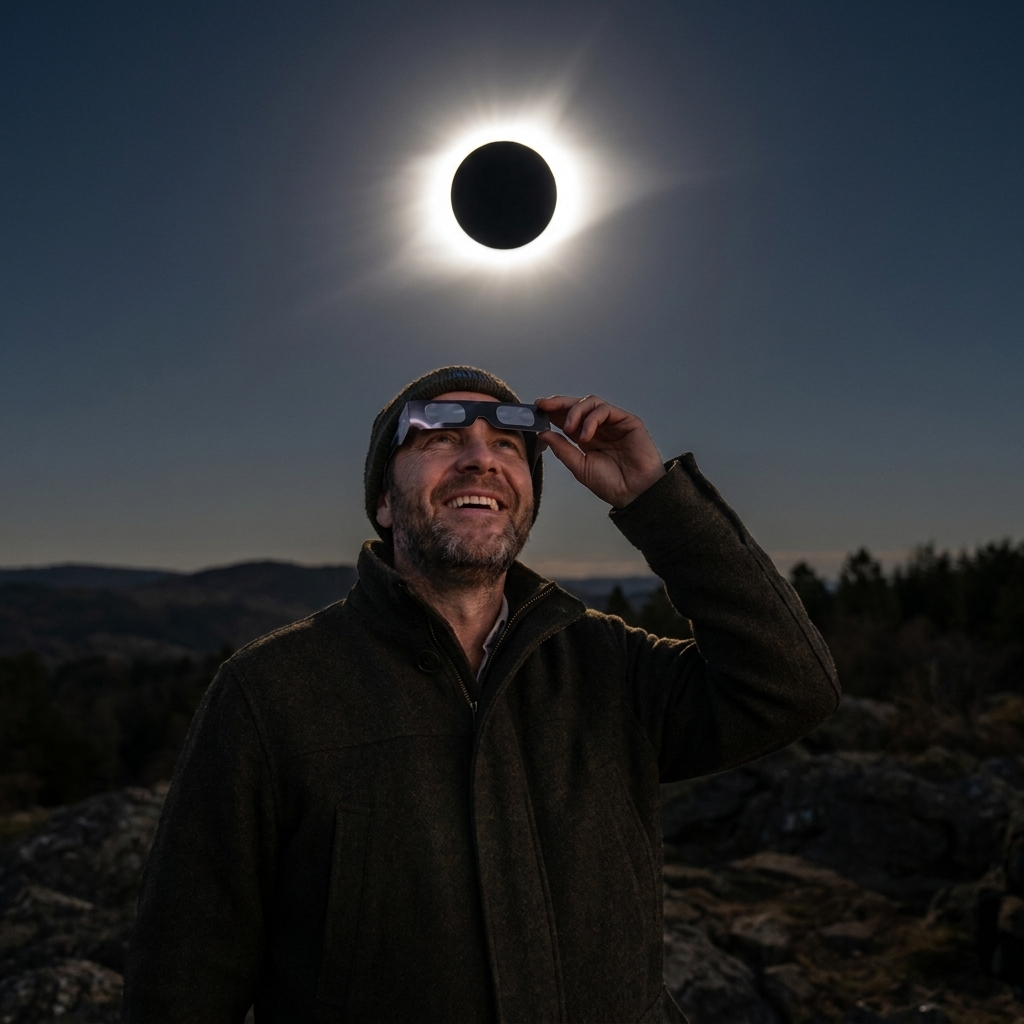
Solar vs. Lunar Eclipses: What’s the Difference?
Every eclipse is basically a cosmic game of “who is standing in whose light?” But solar and lunar eclipses flip the roles of the players, change what you can see from Earth, and most importantly, change how you should watch. If you remember one thing from this article, let it be this: looking at a...
Read more →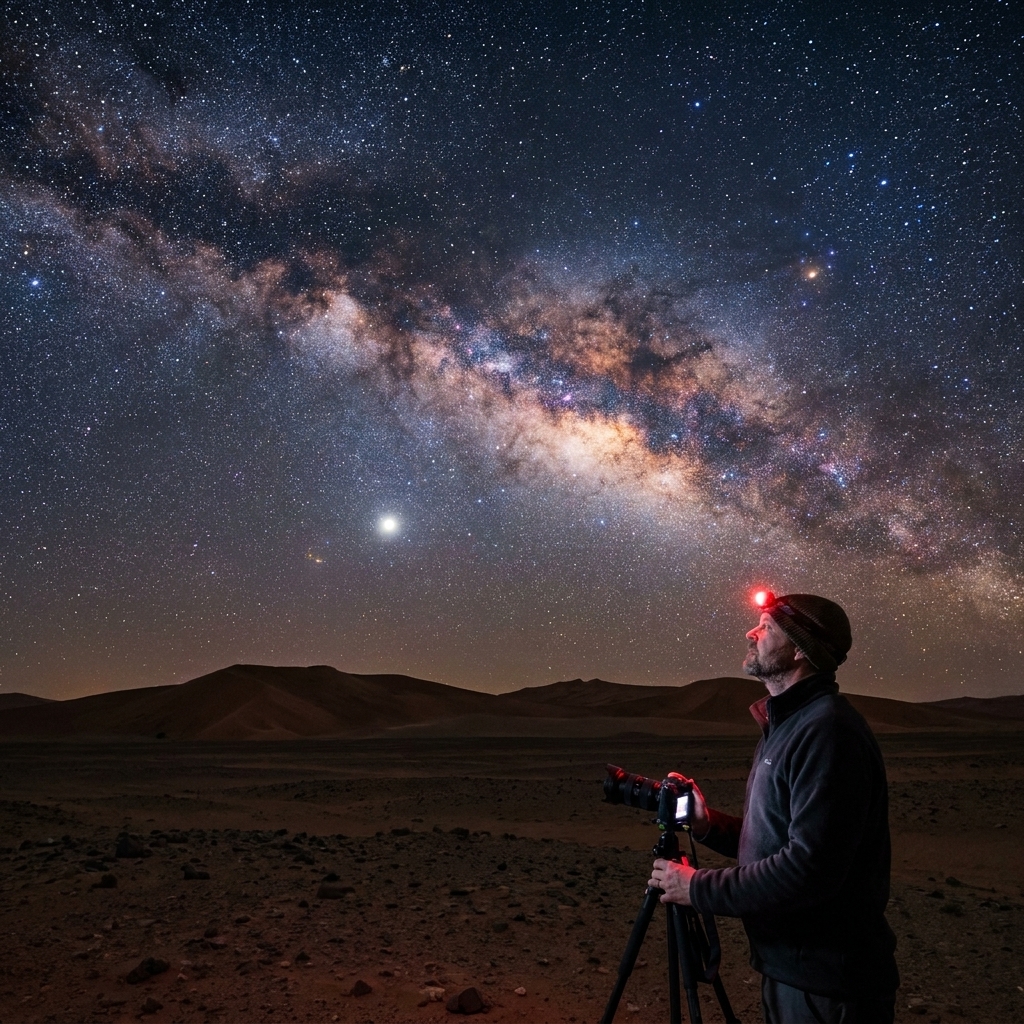
5 Planets You Can See Without a Telescope
There is a special kind of joy in realizing that the “star” you are pointing at is not a star at all. It is a whole other world, sunlight bouncing off a planet and traveling millions to hundreds of millions of miles to land on your retinas for free. The best part is you do not need a telescope....
Read more →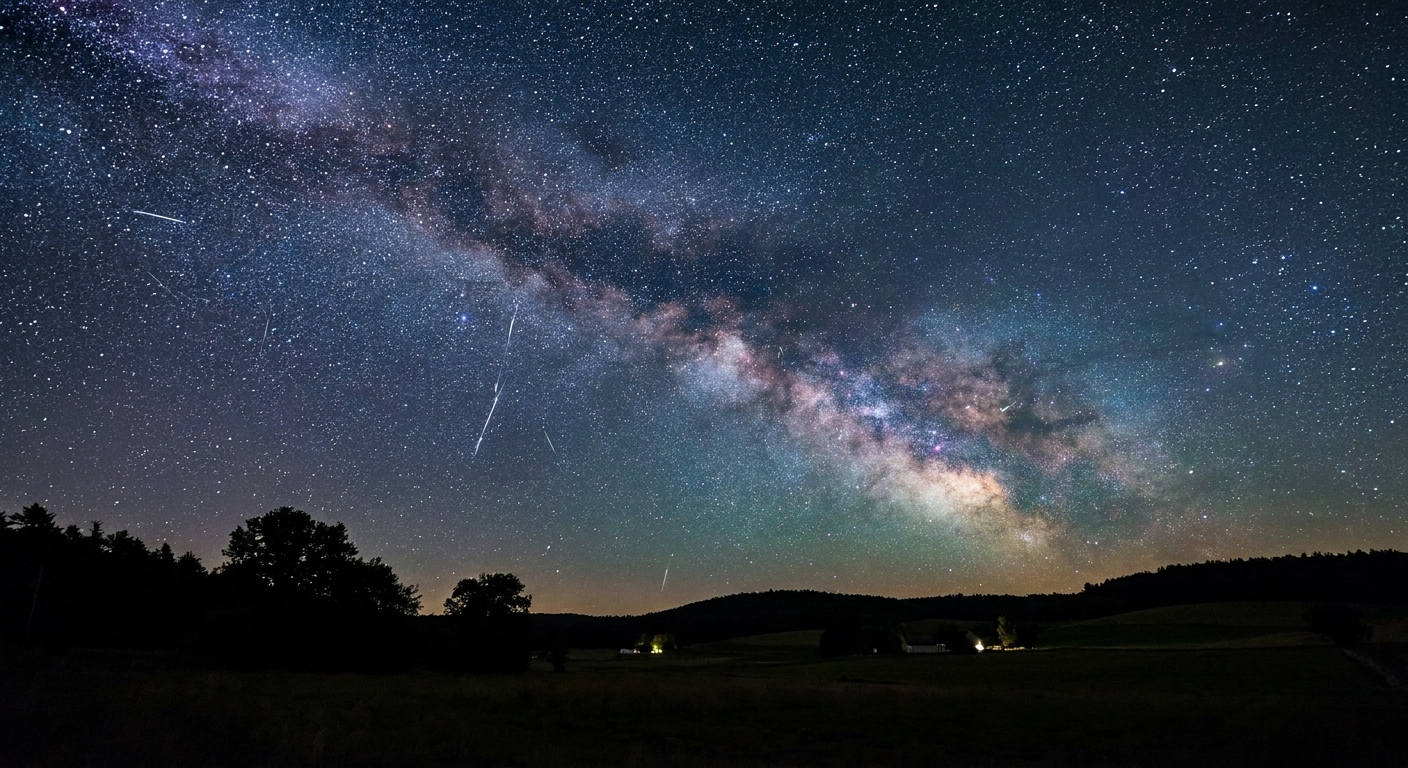
How to Spot a Meteor Shower
Seeing a meteor shower for the first time is one of those rare science moments that feels like the universe is putting on a show just for you. The trick is that meteor showers are less like fireworks and more like fishing. You want the right season, the right spot, and a little patience. Below is...
Read more →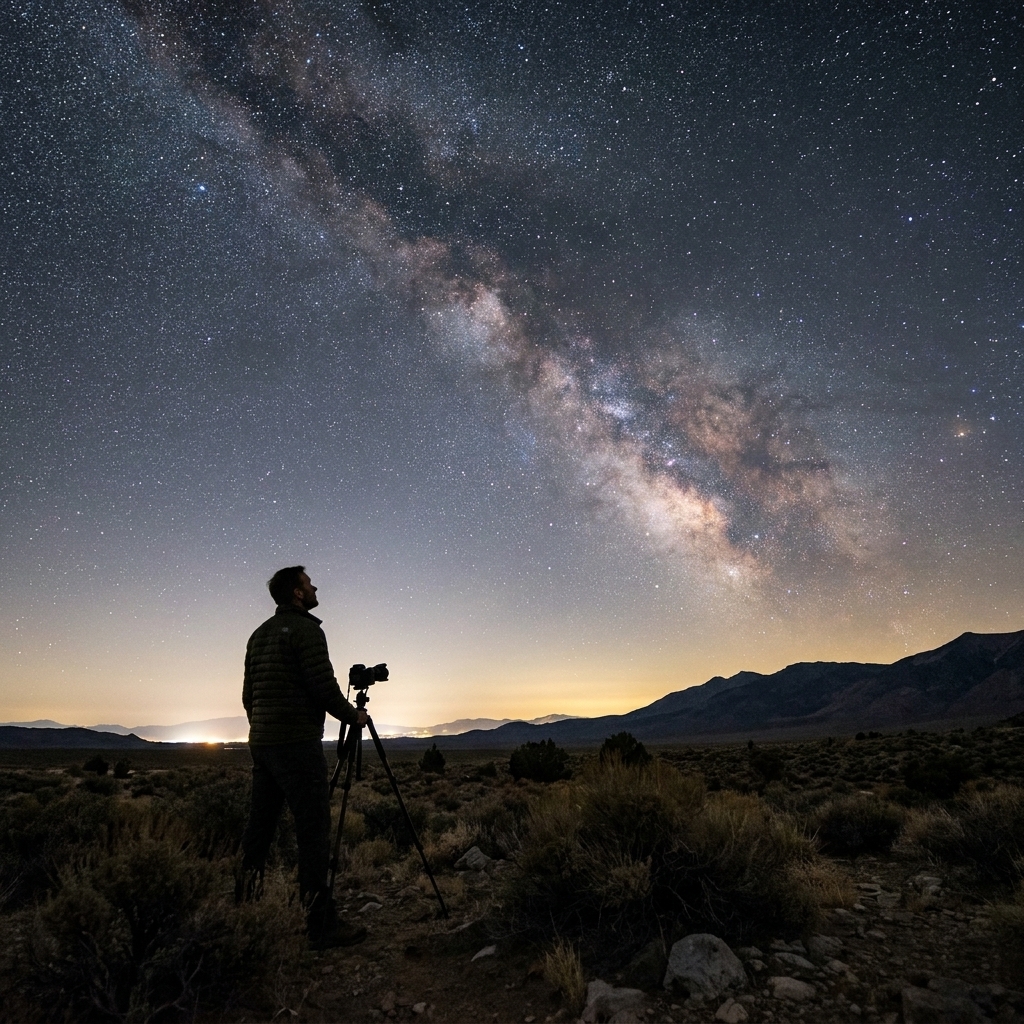
Finding the Best Dark Sky Spots Near You
If you have ever driven 30 minutes out of town, looked up, and thought, Wait… that’s it? you have met the invisible villain of modern stargazing: light pollution. The good news is that finding a truly dark sky location is no longer guesswork. With a couple of maps, one oddly charming rating system...
Read more →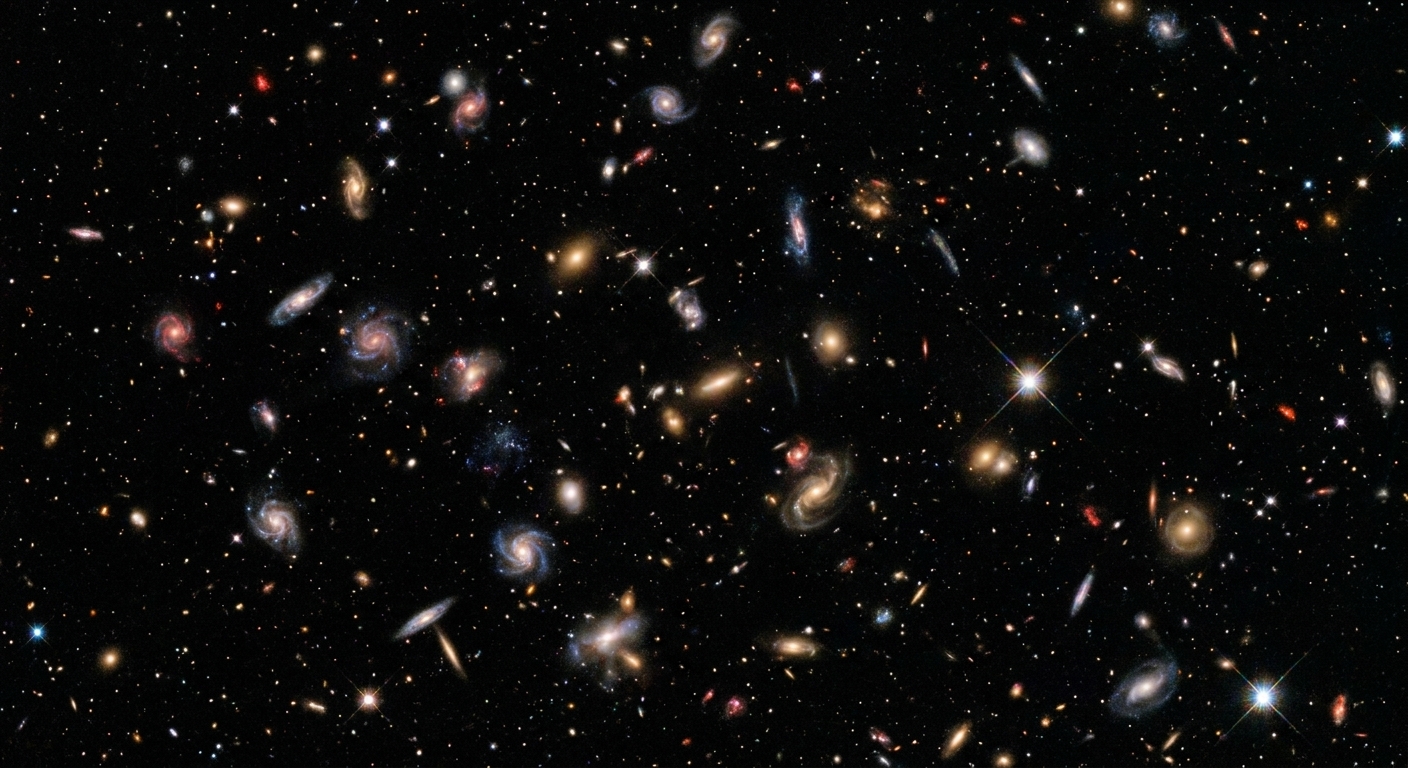
Dark Matter vs. Dark Energy
When astronomers say the universe is mostly “dark,” they do not mean spooky or evil. They mean invisible . Not invisible like a movie cloaking device, but invisible in the sense that it does not glow, does not reflect light in any useful way, and does not show up directly in our telescopes. And...
Read more →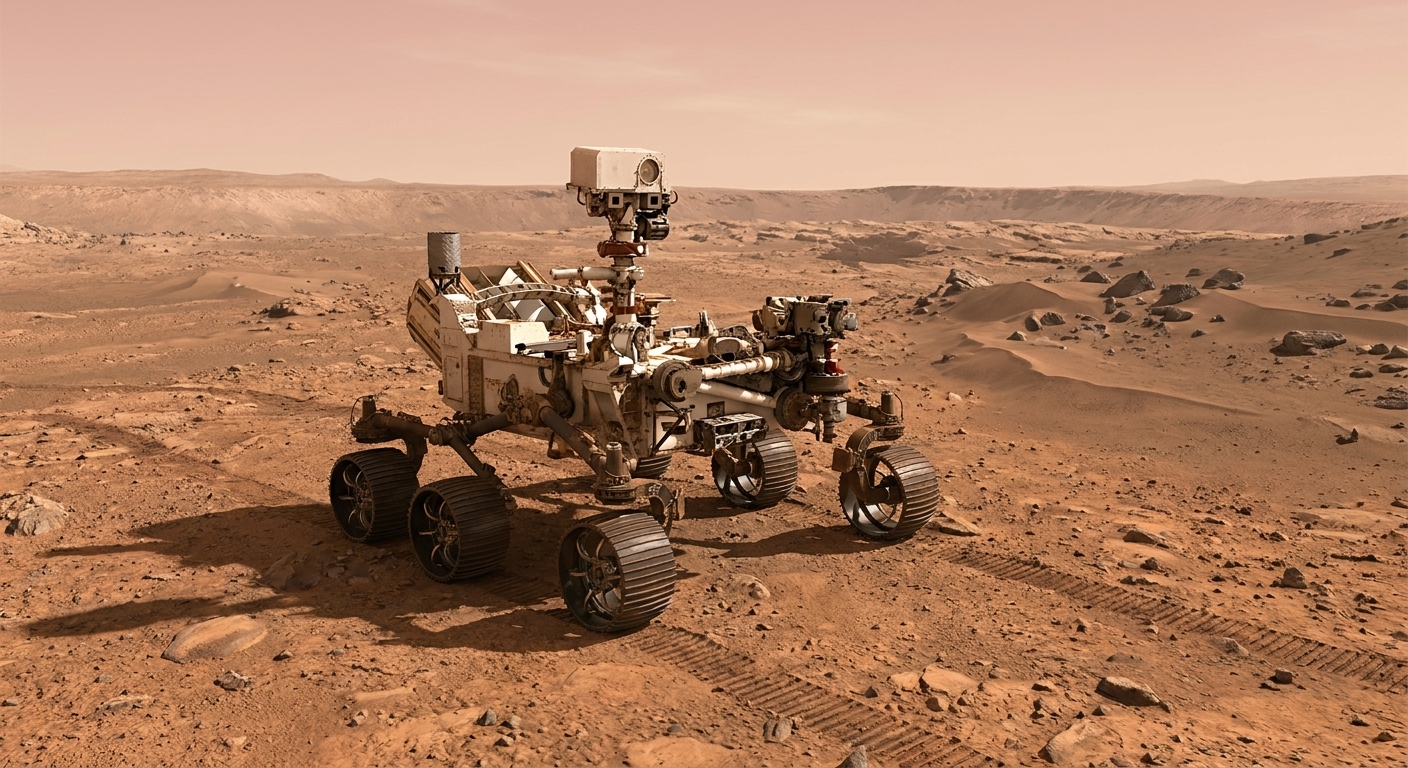
The Science of Mars Colonization
Mars is close enough to dream about and far enough to punish sloppy planning. It is not just “Earth, but colder.” It is a planet with thin air, elevated radiation , abrasive dust that may be chemically hazardous, and a supply chain measured in months. If you want a settlement that lasts longer than...
Read more →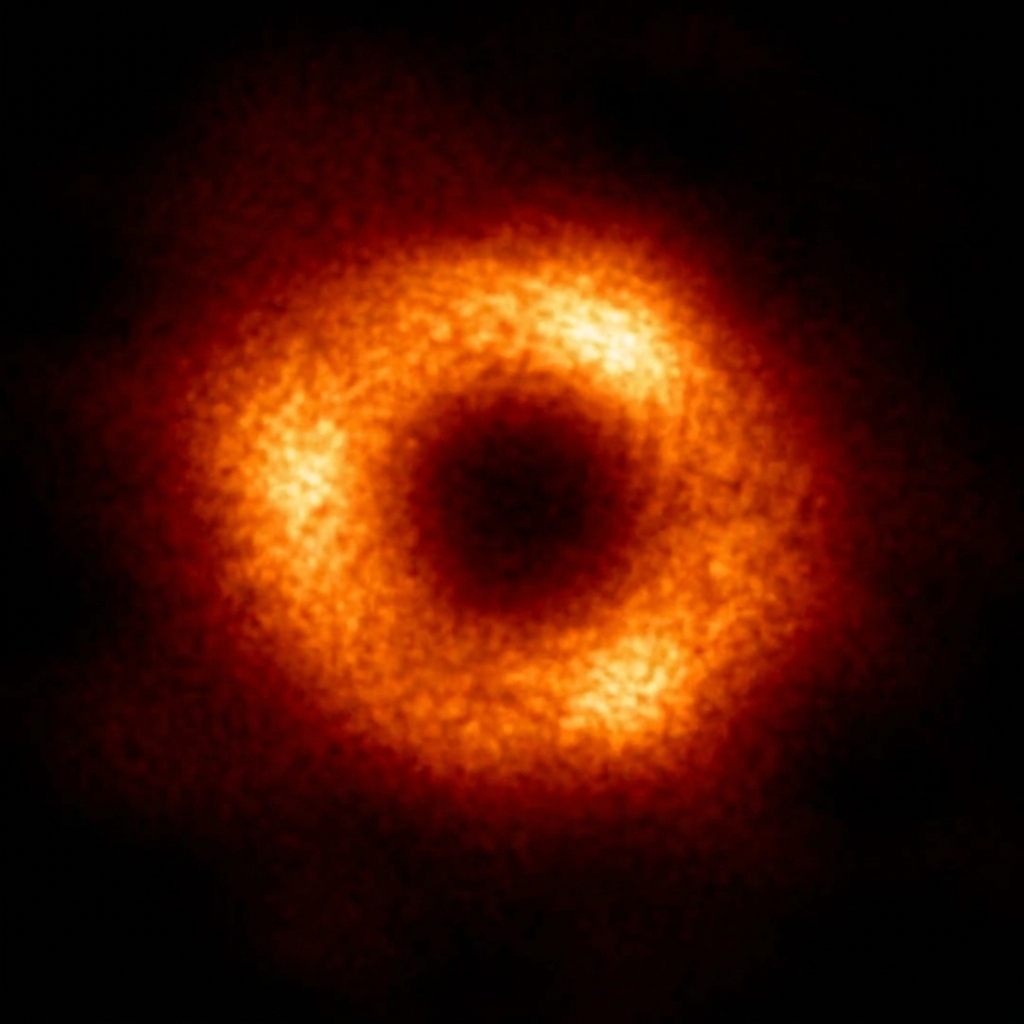
Black Holes, Explained
Black holes have a reputation problem. They sound like cosmic drain plugs, silently sucking up everything in sight. In reality, they are more like the Universe’s most extreme “gravity labs,” where space and time get pushed to their limits. The twist is that the most important part of a black hole...
Read more →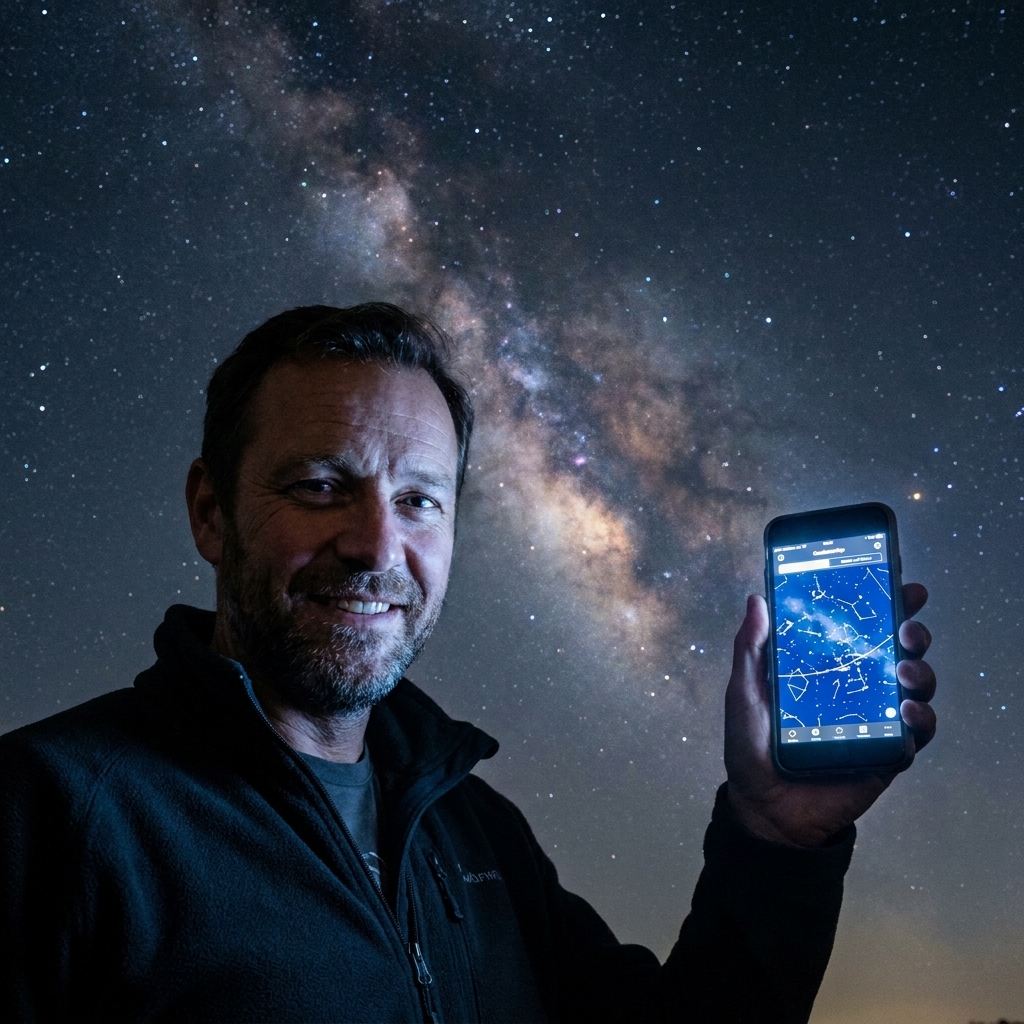
Top 10 Free Stargazing Apps to Navigate the Night Sky in 2024
If you have ever stepped outside, looked up, and thought, “Okay, I know that one is the Moon… and the rest is just sparkly chaos,” you are in excellent company. The night sky is a map, but it is a map that moves, spins, and refuses to hold still for your convenience. That is where stargazing apps...
Read more →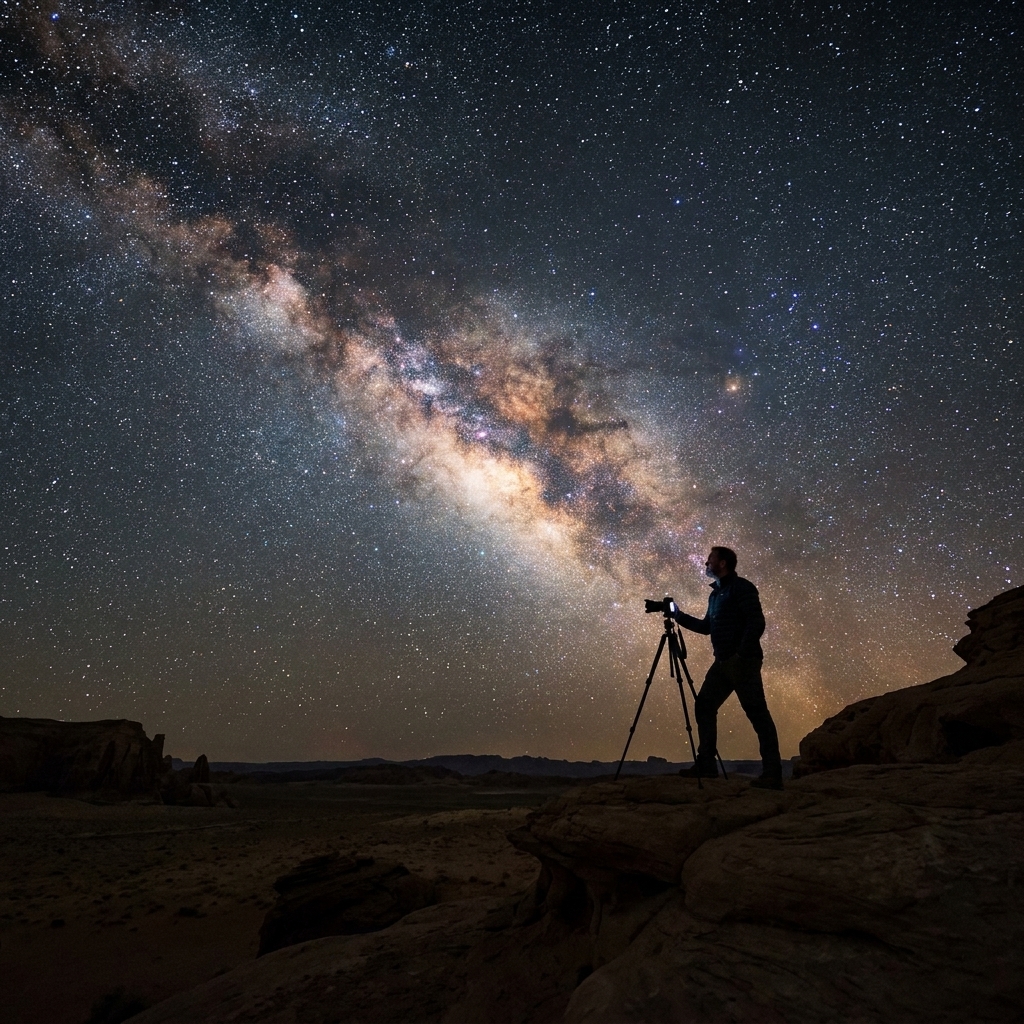
Astrophotography 101: Photograph the Milky Way with a DSLR
Photographing the Milky Way is one of those rare science moments you can take home . You are capturing the combined light of an unfathomable number of stars, plus the dark lanes of interstellar dust that carve the galaxy into structure. To your eyes, it reads as a soft band because we are looking...
Read more →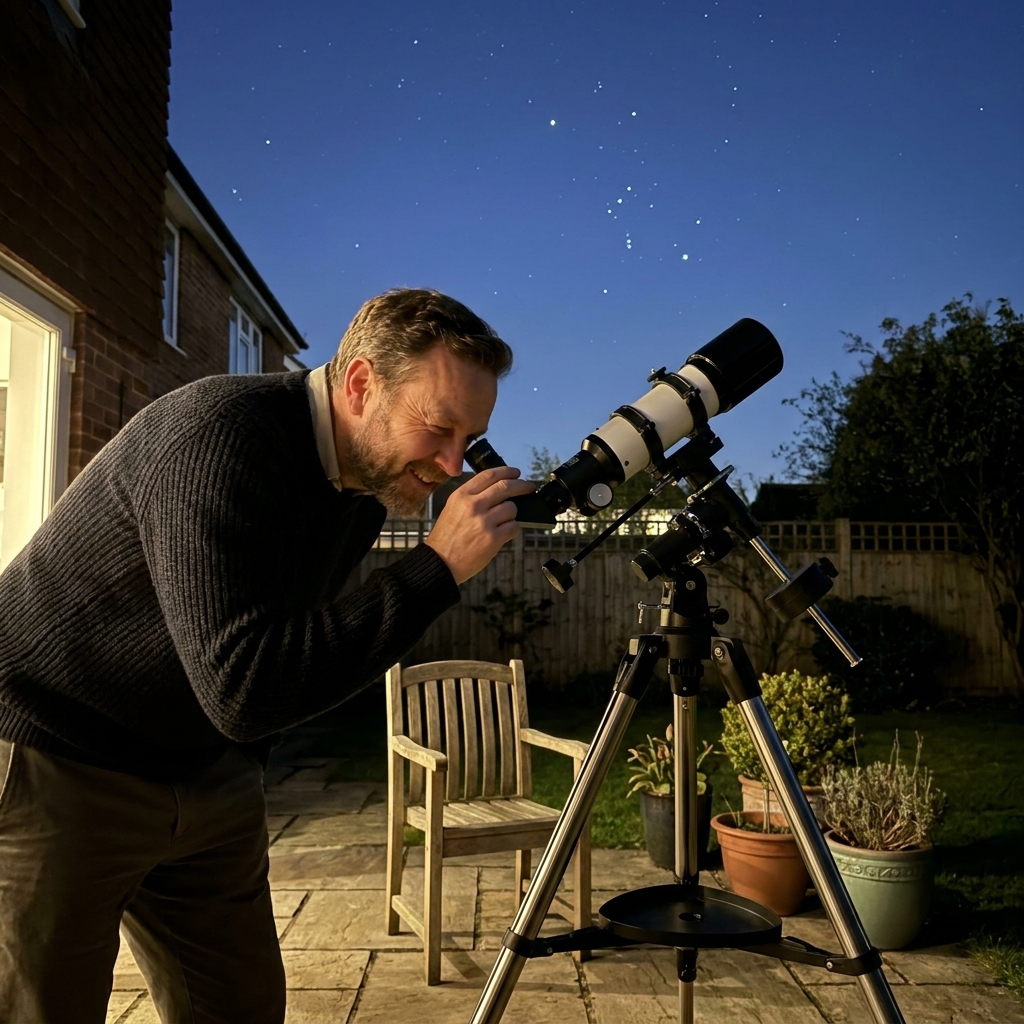
Your First Telescope
Buying your first telescope is a little like buying your first car. The brochure promises “top speed,” but what you really need is something you can drive comfortably, park easily, and use often. Telescopes work the same way. The best beginner scope is not the one with the biggest magnification...
Read more →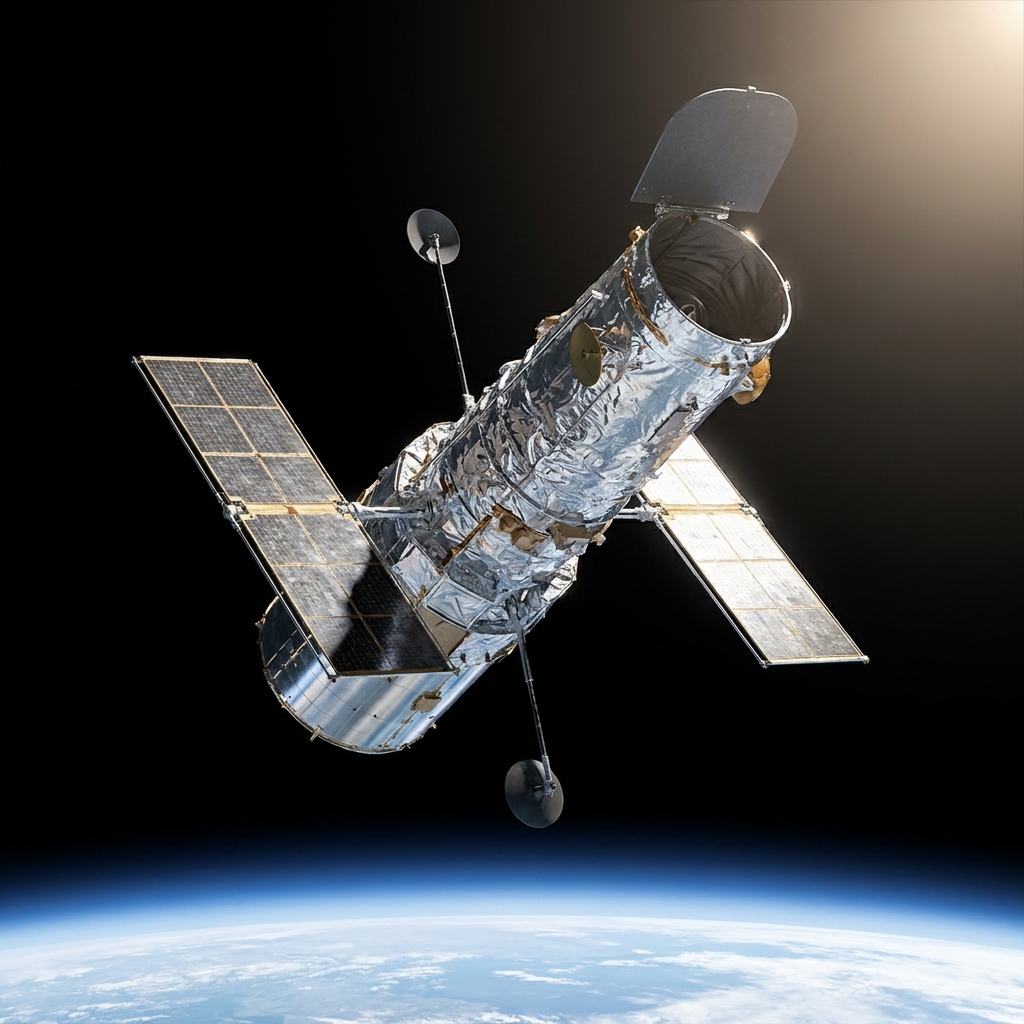
Hubble vs. James Webb: Comparing the Deep Space Telescopes
If you have ever seen one of those jaw-dropping space images that looks like someone spilled glitter across velvet, you have probably met the Hubble Space Telescope. And if you have heard about a newer telescope finding ancient galaxies and sniffing the chemistry of alien skies, that is the James...
Read more →