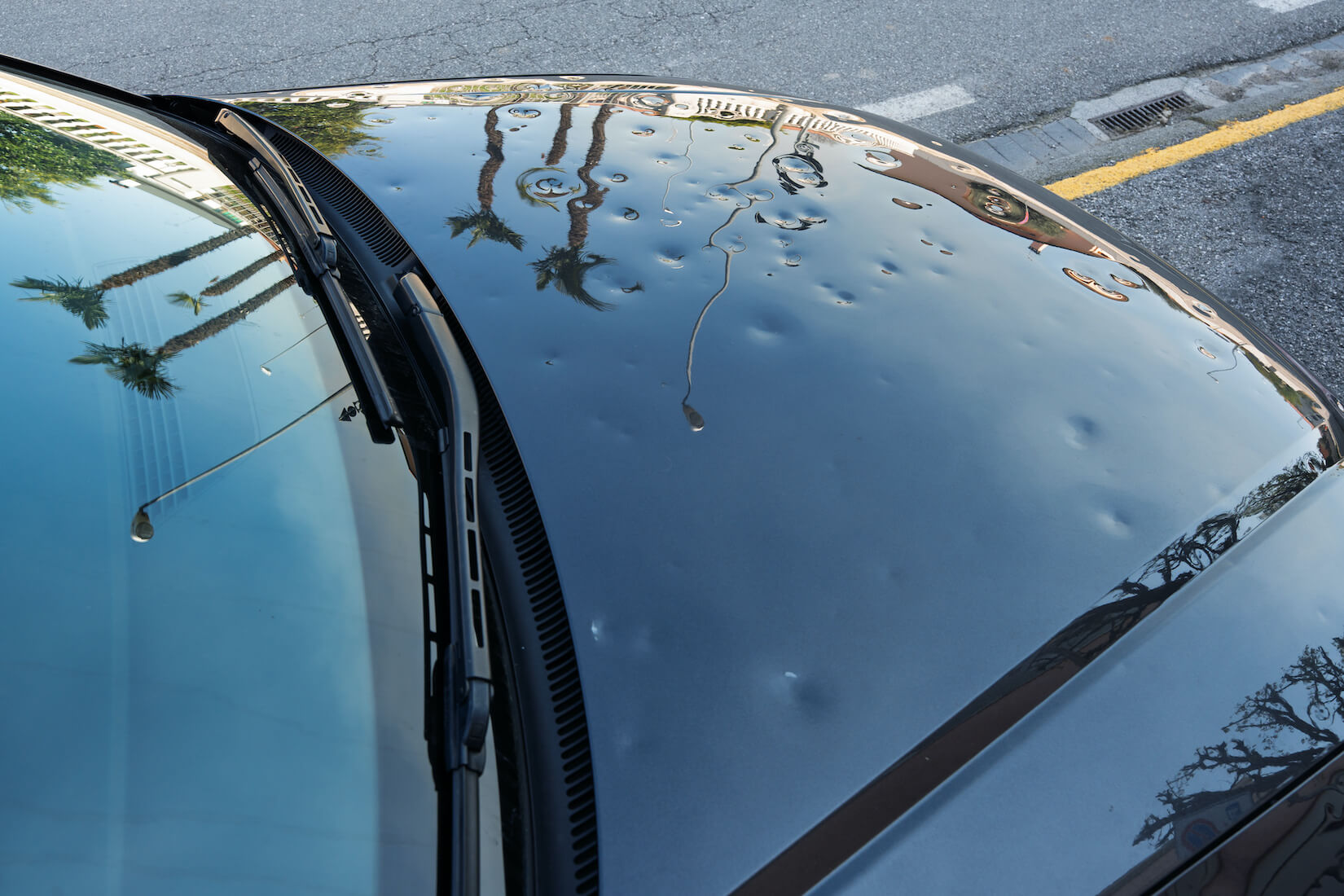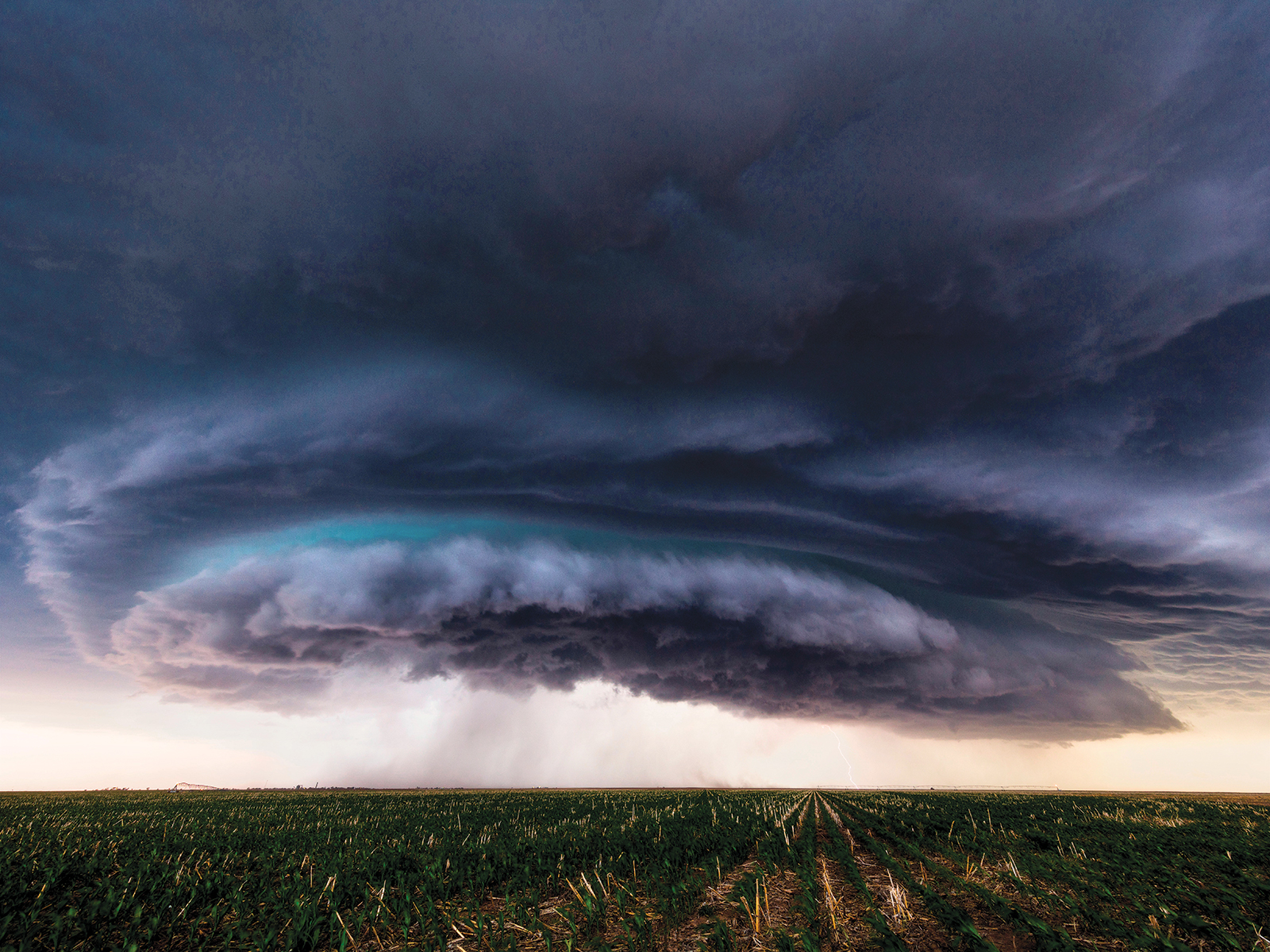
Curiosity, with all its quills showing.
Hail has a knack for turning a perfectly ordinary afternoon into a percussion concert on your roof and hood. The insurance question that follows is usually simpler than the storm science: hail damage is commonly covered by comprehensive coverage, as long as you had it in force at the time of the loss, and subject to your deductible, exclusions, and policy rules.
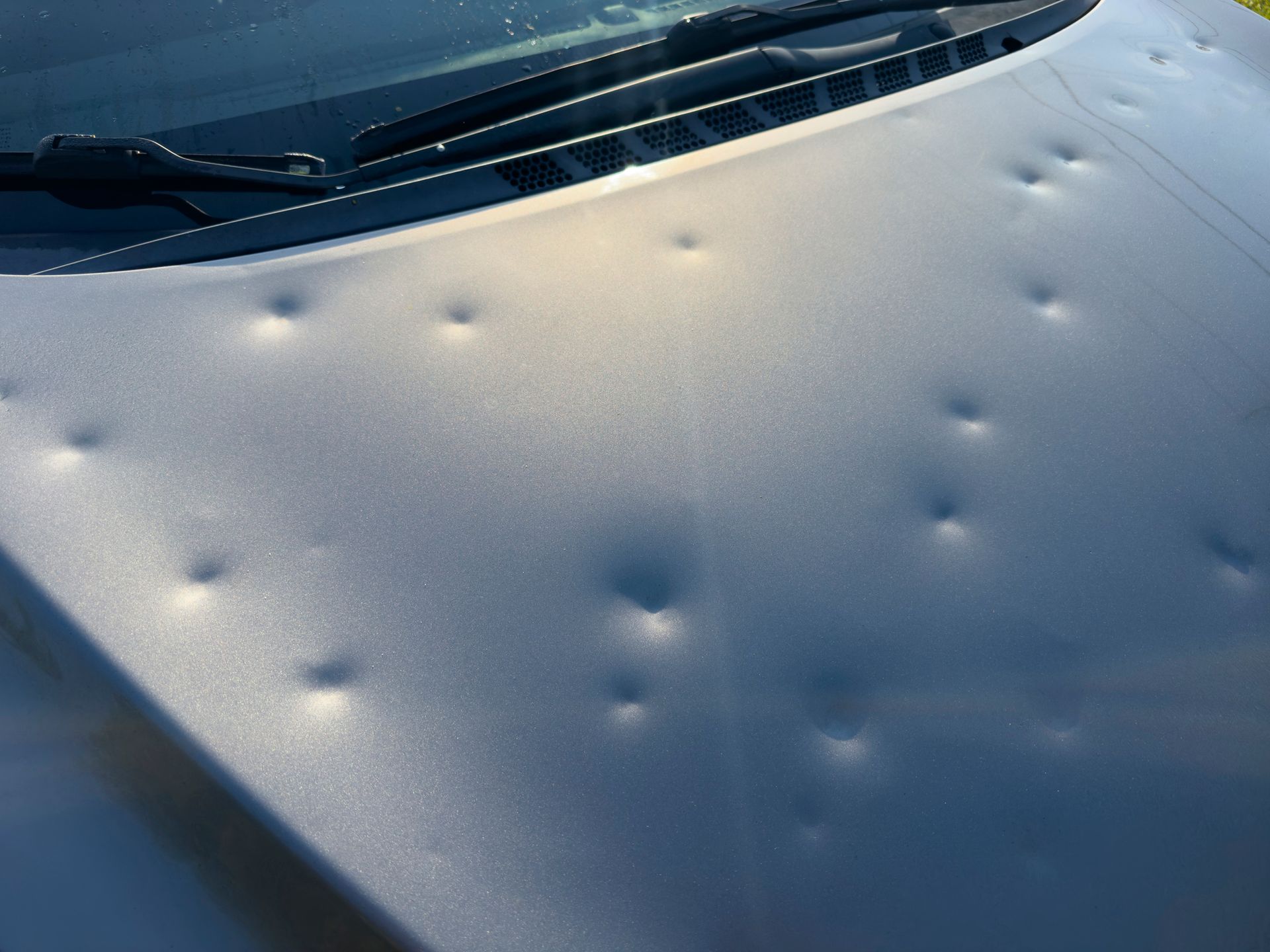
Which car insurance covers hail damage?
In most standard auto policies, hail is treated as a non-collision event. That puts it under comprehensive coverage, sometimes called “other than collision.”
Comprehensive coverage (usually yes)
Comprehensive coverage is designed for damage from things like weather, falling objects, vandalism, theft, and animal strikes. Hail fits neatly in that bucket, so if you carry comprehensive, hail damage is commonly covered.
Collision coverage (usually no)
Collision coverage pays for damage from a crash with another vehicle or object, or for rollovers. Hail itself is handled under comprehensive in most cases.
One nuance: if hail contributes to a separate accident, the coverages can split. For example, if you slide on hail or lose visibility and hit a guardrail, the crash damage may fall under collision, while the dents from hailstones fall under comprehensive.
Liability-only policies (usually no)
If you carry only liability coverage, it generally will not pay to fix your own vehicle’s hail damage. Liability is for damage or injuries you cause to others.
Worth checking: Some policies include extras like rental reimbursement, roadside assistance, or special glass coverage. These do not replace comprehensive, but they can change what happens while your car is waiting on repairs.
How deductibles work for hail claims
Even when hail damage is covered, you usually pay a comprehensive deductible before the insurer pays the remaining covered repair cost.
- If repairs cost less than your deductible: you can still file a claim, but the insurer may pay nothing. Many people choose not to file in that situation.
- If repairs cost more than your deductible: you typically pay the deductible amount and the insurer pays the rest of the covered repair bill, up to policy limits and subject to policy terms.
Some insurers offer different deductible options for comprehensive. In some states and with some insurers, you may also see a separate wind or hail deductible on certain auto policies or endorsements. The fastest way to know what applies is to look at your declarations page and the comprehensive deductible listed there.
How adjusters assess hail dents
After a storm, an insurance company generally needs an estimate of the damage. That is where the adjuster, a shop estimator, or a third-party inspection service comes in. The goal is to answer three questions:
- What parts are damaged? Hood, roof, trunk, fenders, doors, pillars, and sometimes plastic trim pieces.
- How severe is it? Dents vary by depth, size, sharpness, and whether paint is cracked.
- What repair method makes sense? Paintless dent repair, conventional body repair and repainting, panel replacement, or a mix.
Adjusters and repair shops often use specialized lighting and reflection tools that make small dents easier to see. They may also document damage with photos, notes, and sometimes digital mapping systems used by hail repair networks.
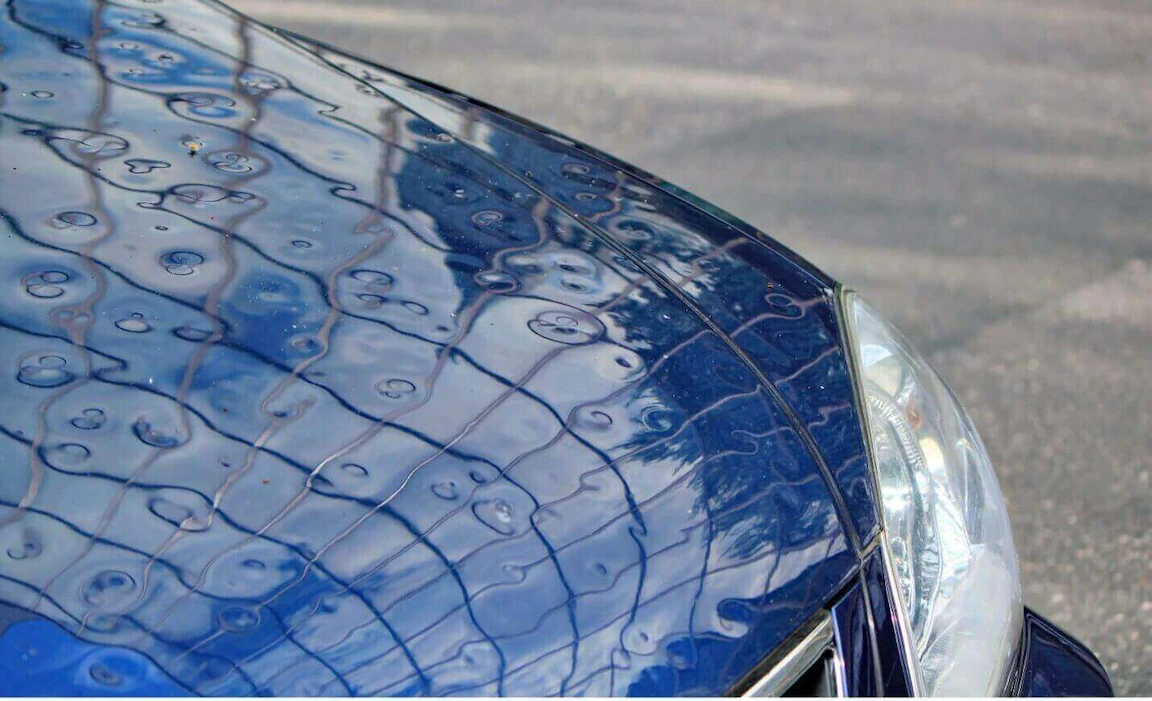
Paintless dent repair for hail
Paintless dent repair is one of the most common fixes for hail damage because hail often dents metal panels without breaking the paint. PDR technicians use tools to massage the dent from behind the panel or use controlled pull methods from the exterior.
When PDR is a good fit
- Dents are shallow to moderate
- Paint is intact, with no cracking or chipping
- The panel has access points behind it or can be accessed by removing interior trim
When PDR may not be enough
- Paint is damaged, exposing metal or causing cracking that risks rust
- Dents are extremely sharp or the metal is stretched
- Edges and body lines are heavily impacted
If the paint is compromised, repairs may shift to conventional body work, which can include filler, sanding, priming, and repainting. That generally increases cost and repair time.
When hail damage totals a car
A vehicle is typically considered a total loss when the insurer determines that repairing it does not make financial sense compared with its value. The exact threshold varies by state rules and insurer practices, but the logic is consistent.
How total loss decisions are made
- Actual cash value (ACV): what the car was worth right before the hail event, considering age, mileage, condition, and local market pricing
- Estimated repair cost: including parts, labor, paint, and sometimes supplemental damage found during teardown
- State total-loss threshold rules: some states use a fixed percentage of value, others use a formula approach
Hail totals happen more often than people expect because dents can be widespread across multiple panels. A hood and roof alone can be expensive if replacement and repainting are needed, and the labor adds up quickly.
If your car is totaled, the insurer generally offers a settlement based on ACV, often with your comprehensive deductible applied, depending on policy terms. You may also have the option, in some cases and where state rules allow, to keep the vehicle with a salvage title or similar branding. That choice can affect future insurance, resale value, inspections, and financing.
What to do after hail hits your car
If you are safe and the storm has passed, a few practical steps can make the claim process smoother.
1) Document the damage
- Take wide shots of the whole vehicle plus close-ups of dents
- Photograph the roof, hood, trunk, and both sides
- Note the date, approximate time, and location of the hailstorm
2) Prevent more damage
- If windows are cracked or broken, cover openings to reduce water intrusion
- Move the vehicle under cover if you can do so safely
- If water is getting in, avoid letting the car sit soaked, since moisture can lead to electrical issues and mold
3) File the claim promptly
Most insurers allow claims through an app, website, or phone. It is smart to report hail damage as soon as you can, because large storms create backlogs for inspections and repairs. Also be mindful of any notice requirements or claim deadlines in your policy.
4) Get an inspection and estimate
You may be directed to a partner shop, a drive-in inspection site, or a virtual estimate process. If the shop finds additional damage after work begins, they may submit a supplement to the insurer.
5) Ask about a rental if you need one
Rental reimbursement is usually optional coverage. If you have it, it typically pays only when you have a covered claim and within daily and total limits. If you do not have it, ask the shop about timing and whether you can safely drive the vehicle while you wait.
6) Schedule repairs and get a timeline
After major hail events, shops can book out weeks or months. Ask whether the shop specializes in hail and whether they plan to use PDR, conventional body repair, or a blend.
Common hail-claim questions
Will my rates go up if I file a hail claim?
Hail is generally considered a weather event outside your control, so it is often treated differently than at-fault accidents. Still, a comprehensive claim can affect pricing, discounts, or eligibility with some insurers in some states, especially if you have multiple claims in a short period. Your insurer or agent can explain how your company handles comprehensive claims.
Do I have to use the insurance company’s recommended shop?
In many places, you can choose your repair shop, even if the insurer suggests preferred providers. Policies and local rules vary, so confirm what choices you have and how estimates are handled if you go out of network.
What if there is hail damage on the roof but I cannot see it well?
Roof dents are easy to miss from ground level. Good lighting and the right viewing angle matter. Inspection tools in a shop can reveal dents that casual photos do not capture. If you suspect roof damage, mention it during the claim.
What if my car already had a few dents before the hailstorm?
Insurers typically pay for new, covered damage from the hail event, not pre-existing damage. Clear photos and a thorough inspection help separate old from new. When in doubt, ask the adjuster to explain what they are attributing to the storm and why.
Can hail damage cause rust later?
If hail dents crack or chip paint down to bare metal, yes, rust risk goes up. If paint remains intact, dents are usually more cosmetic, though severe deformation can still cause long-term issues. If you see exposed metal, it is a good reason to repair sooner rather than later.
Will insurance pay for diminished value?
Sometimes hail repairs still leave a resale hit, especially if panels were replaced, paintwork was heavy, or the vehicle ends up with a branded title. Many auto policies do not pay diminished value on first-party claims, and rules vary by state. If resale value is a concern, ask your insurer what your policy allows and what your state permits.
A quick coverage check
If you are standing next to a dimpled hood and wondering what your next move should be, here is the simplest check:
- Find your auto policy declarations page
- Look for Comprehensive (or “Other Than Collision”)
- Confirm it is listed as active and note the deductible
If comprehensive is active, hail damage is commonly covered, and your next step is documentation and a claim. If it is not, repairs are typically out of pocket, and it may be worth reviewing coverage choices before the next storm season.
This article is general information, not legal or financial advice. Auto insurance terms vary by insurer and state, and state rules may apply, so your policy documents and your insurer’s guidance control.