Empiric Folio
Science
Latest Discoveries

How Lightning Forms and Why Thunder Follows
Lightning looks like a jagged streak of pure chaos, but the physics behind it is surprisingly orderly. A thunderstorm is basically a roaming battery: it separates electric charge, builds up voltage, and then discharges in a sudden, violent rush through the air. Thunder is what you hear when that...
Read more →
Solid vs. Liquid Rocket Fuel
If you have ever watched a rocket launch and felt that low, chest-thumping rumble through your screen, you have already met the central character of spaceflight: propulsion. Rockets are basically controlled explosions with excellent manners. They burn propellant, throw mass out the back at high...
Read more →
5 Easy Physics Experiments You Can Do at Home
One of my favorite things about physics is that it is not locked away in a lab. It is in your kitchen, your sock drawer, and that slightly chaotic junk drawer we all pretend is “organized.” Below are five low-stress, high-aha experiments you can do with everyday items. Each one is safe, fast (most...
Read more →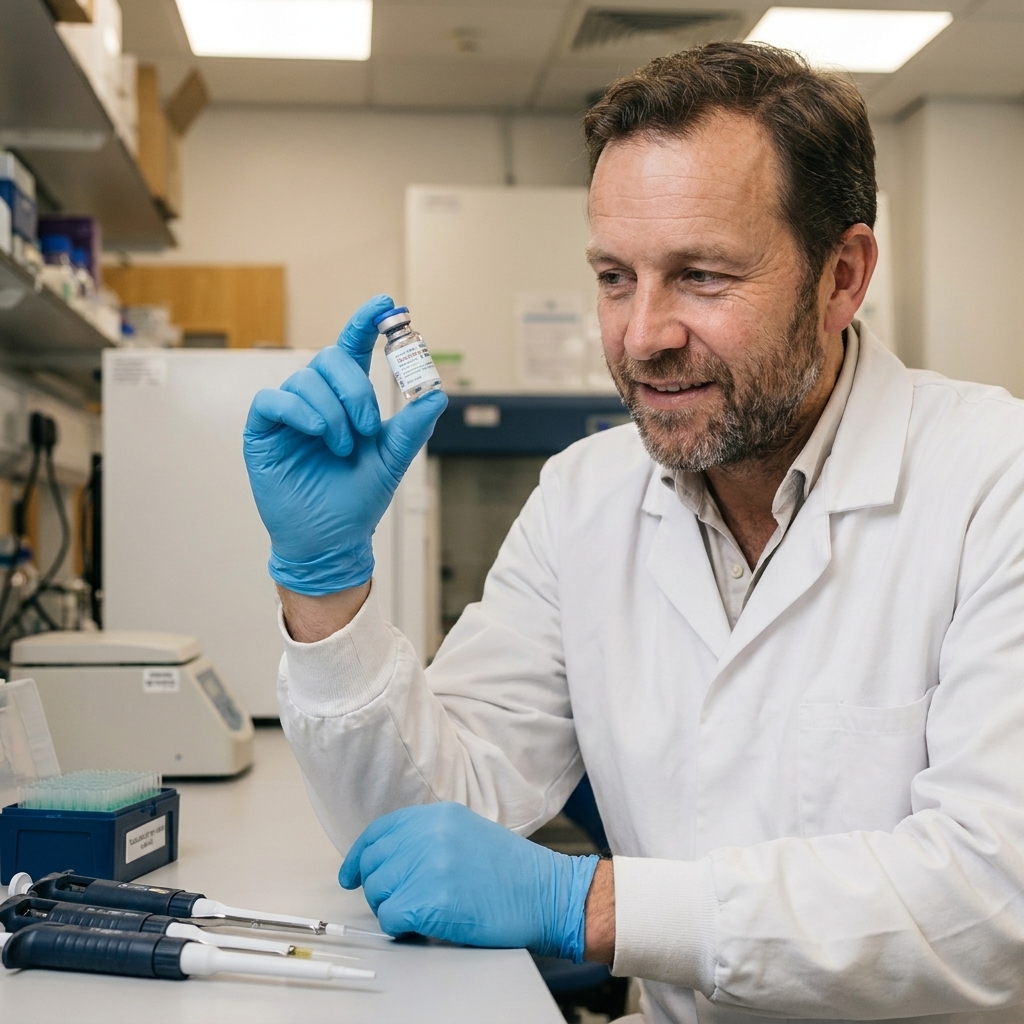
5 Nanotechnologies Changing Medicine Right Now
Nanotechnology can sound like sci-fi: machines smaller than a cell, medicines that “know” where to go, sensors that whisper updates from inside your body. But a lot of this is no longer futuristic. Some nanotech is already in clinics, and a wave of newer approaches is moving through trials right...
Read more →
7 AI Tools That Are Accelerating Scientific Research in 2024
In my old classroom, the fastest way to spark an “aha” moment was to hand students the right tool at the right time. A motion sensor turns a fuzzy idea like velocity into something you can see. AI is doing something similar in research right now. Not by replacing scientists, but by taking the parts...
Read more →
CRISPR vs. TALEN: Who Leads the Gene-Editing Future?
If you have ever wished biology came with an “edit” button, you are not alone. Over the last 10 to 15 years, gene editing has started to feel less like science fiction and more like a toolkit. Two of the best-known tools are CRISPR and TALEN . They both cut DNA at chosen spots so cells can repair...
Read more →
DIY Smart Weather Station
A smart weather station is a practical weekend project that gives you hyperlocal readings you can trust, and a fun excuse to learn a bit about sensors, calibration, and dashboards. This guide walks through a solid, buildable setup that measures temperature, humidity, pressure, and optional outdoor...
Read more →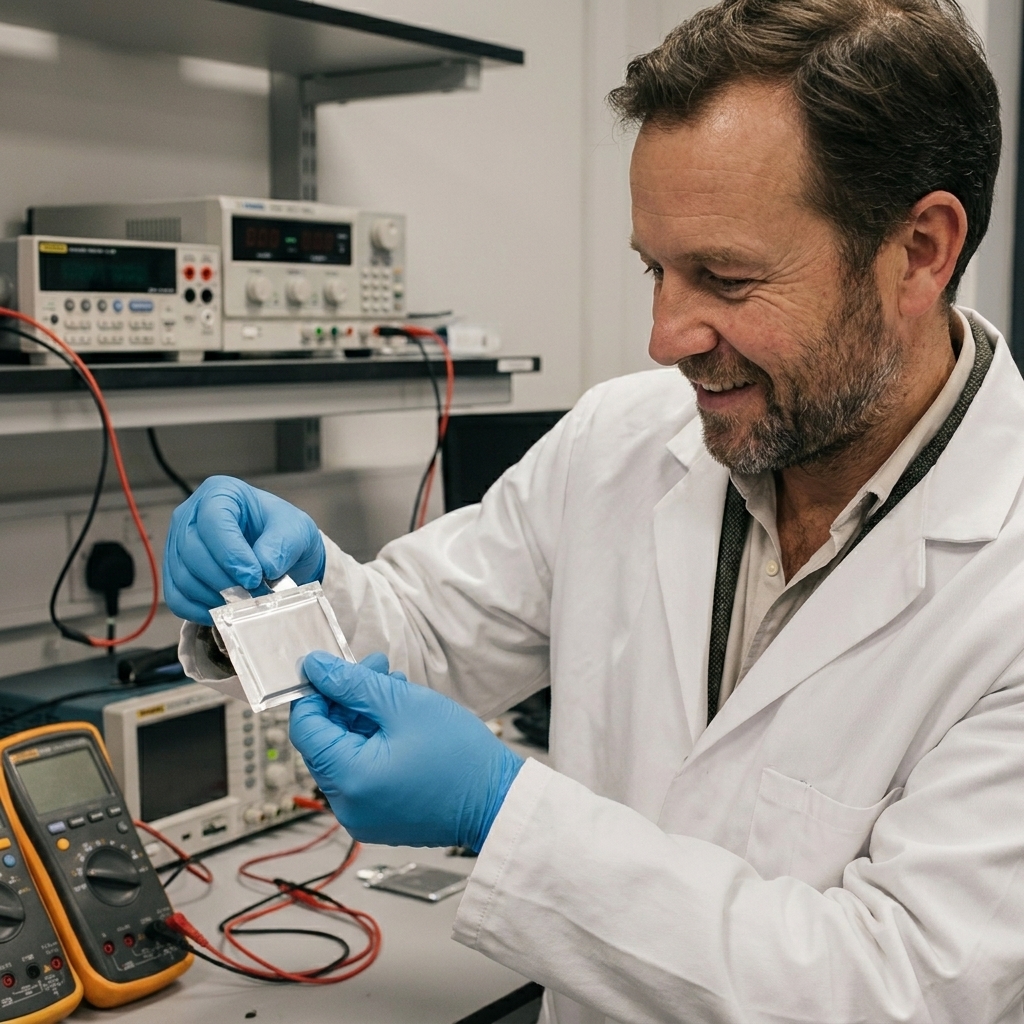
The Future of Solid-State Batteries
If you have ever wished your phone lasted two days, your electric car charged faster, or your solar panels could stash sunshine for a rainy week, you have wished for a better battery. Lithium-ion batteries have carried us a long way, but they are starting to feel like a backpack that is always...
Read more →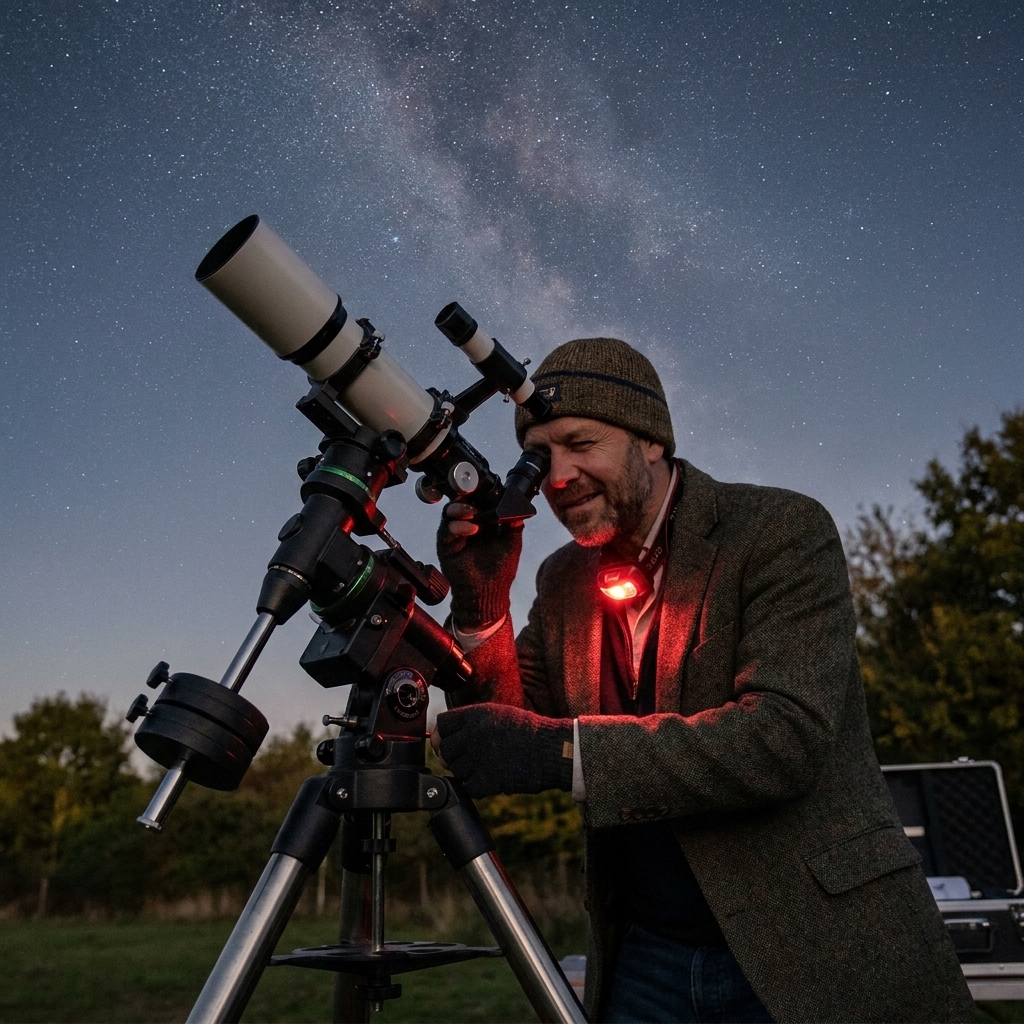
Best Home Telescopes for Astrophotography
Astrophotography is the rare hobby where your first big upgrade is not the telescope. It is the mount. A telescope is like a camera lens. The mount is the tripod, the gimbal, and the steady hands all rolled into one, except it has to track smoothly while Earth rotates about 15° per hour (roughly...
Read more →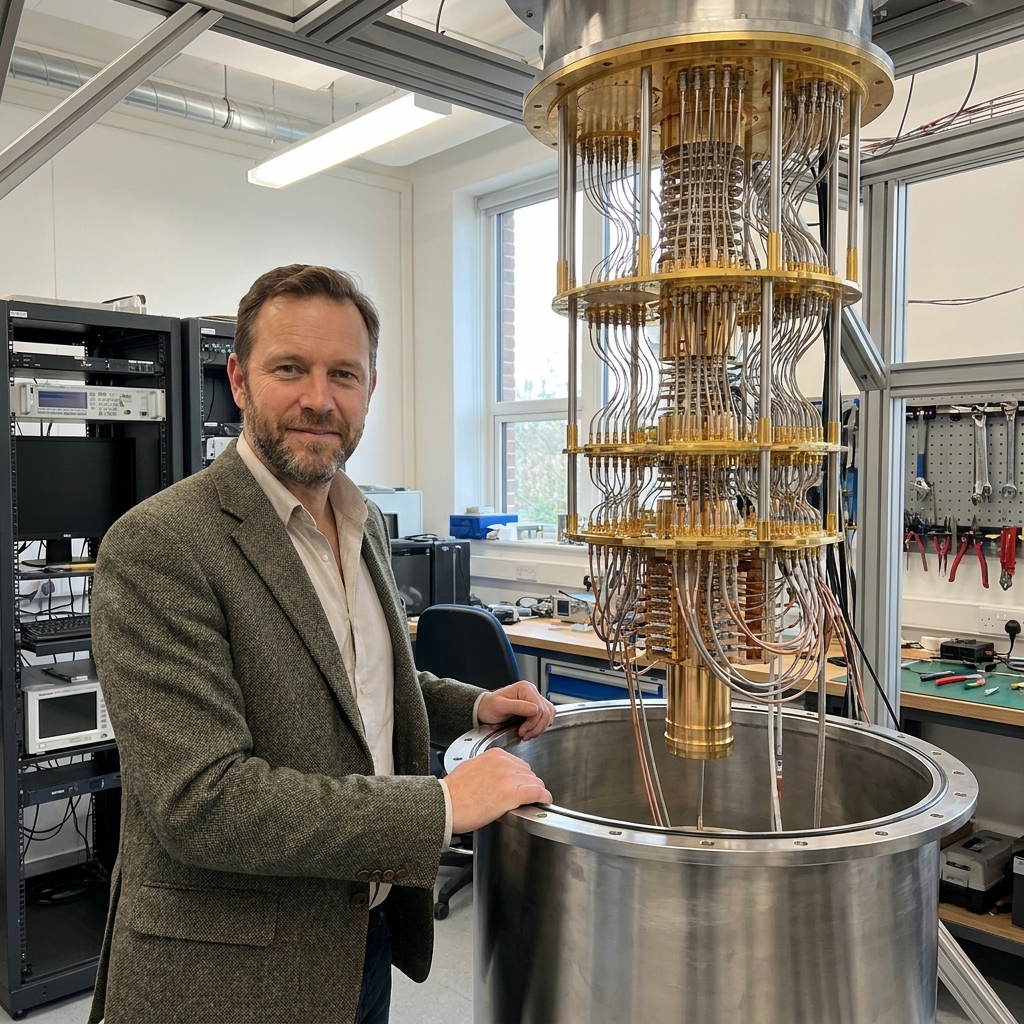
Quantum Computing for Beginners
Quantum computing has a reputation for being the “you need a PhD to enter” corner of technology. I get it. The vocabulary alone can feel like walking into a physics classroom mid-lecture. But here is the good news: the core ideas are simple enough to hold in your head. The hard part is accepting...
Read more →
Lab-on-a-Chip and the New Accuracy of At-Home Tests
At-home medical tests have always promised something wonderfully modern: answers without the waiting room. For years, the tradeoff was that you often got convenience at the cost of confidence . A faint line. A confusing app message. A result that made you wonder if you did something wrong, or if...
Read more →
10 Ways BCIs Bridge Mind and Machine
When I taught physics, I used to tell my students that the brain is the most impressive “signal generator” we know. Roughly 86 billion neurons fire tiny electrical pulses, and somehow that living thunderstorm turns into a thought like, pick up the mug . Brain-computer interfaces, or BCIs, are our...
Read more →
Machine Learning for Biological Data
Biology today is a little like astronomy: the instruments got so good that the hard part is no longer collecting data, it is making sense of the flood. Genomes, transcriptomes, camera trap images, eDNA reads, drone surveys, microbiome profiles, weather streams, you name it. Machine learning (ML)...
Read more →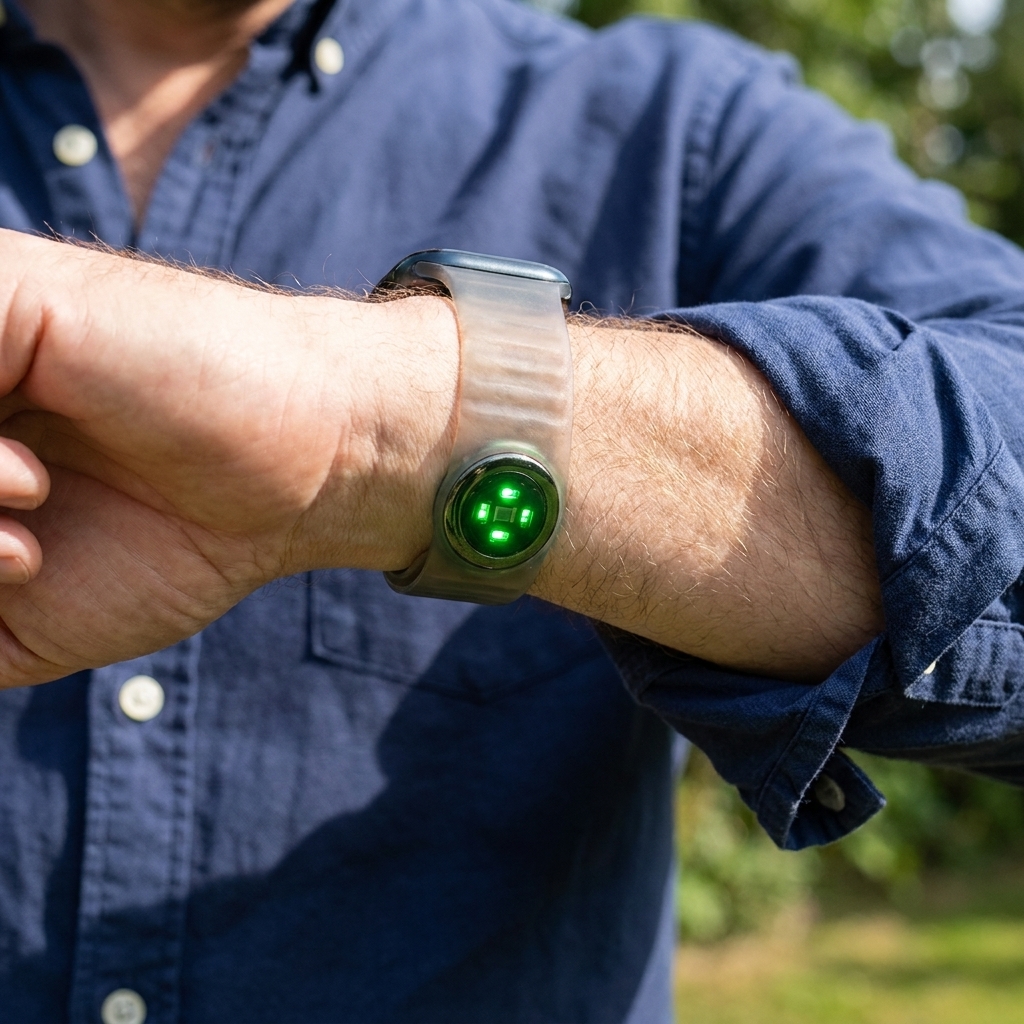
Fitness Trackers vs. Medical Monitors
I love a good sensor story. Tiny lights, clever algorithms, and a slab of glass on your wrist that tries to decode your body in real time. As a former physics teacher, I cannot help but admire the audacity. But here is the catch: a smartwatch is usually a fitness tracker first, and a medical...
Read more →
Store and Dispose of Hazardous Household Chemicals
If you have ever opened the cabinet under the sink and caught a whiff of “mystery citrus” mixed with “industrial thunderstorm,” you are not alone. Most homes quietly collect a mini chemistry lab: bleach, ammonia cleaners, drain openers, paints, thinners, pesticides, pool chemicals, and assorted...
Read more →
10 Essential Laboratory Tools Every Beginner Chemist Needs
There is a special kind of confidence that comes from holding the right tool in your hand. In chemistry, that confidence is not about fancy gadgets. It is about reliable basics that help you measure, heat, mix, and observe without turning your experiment into a mystery novel. Below is my go-to...
Read more →
Reading the Periodic Table
The periodic table looks like a colorful wall of tiny boxes, each one crammed with letters and numbers that somehow explain all matter. If you have ever stared at it thinking, “Cool… but what do I do with this?”, you are in the right place. I like to think of the periodic table as a city map. The...
Read more →
Nuclear Fission vs. Fusion: What’s the Difference and Which is Safer?
If you have ever heard nuclear fission described as “splitting atoms” and fusion as “smashing them together,” you have the gist, but not the story. The story matters because the details determine what these technologies can realistically do for our power grids, our climate goals, and our safety....
Read more →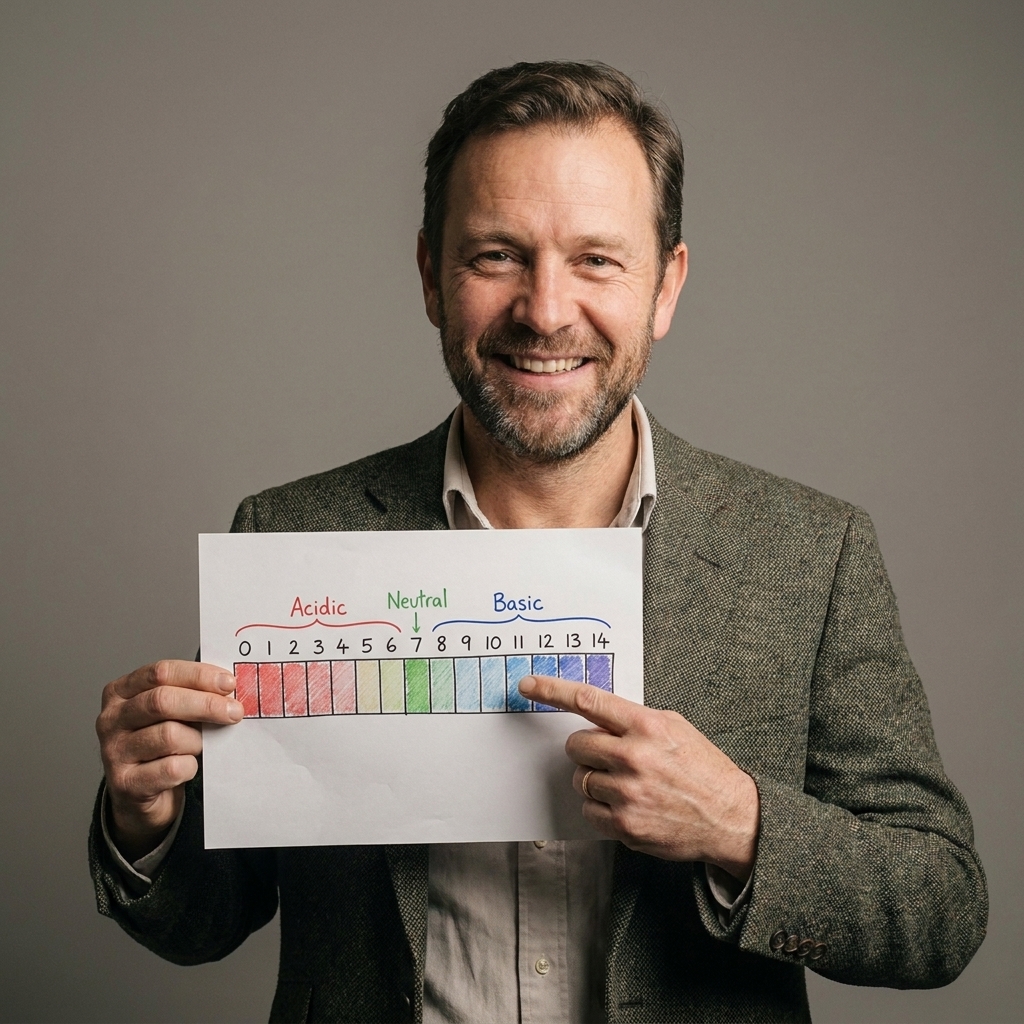
Acids vs. Bases: Calculating pH in Common Solutions
pH is a way to express how acidic or basic a solution is. In rigorous chemistry, pH is defined using hydrogen ion activity (a H+ ). In most introductory problems, activity is approximated by concentration, so you will often see pH tied to [H + ]. pH = -log 10 [H + ] pOH = -log 10 [OH - ] At 25°C in...
Read more →
Newton’s Three Laws of Motion
Newton’s three laws of motion sound like something etched into a dusty textbook, but they are really more like three habits the universe refuses to break. You have felt them on a bus ride, in a grocery aisle, and probably while wrestling a stuck jar lid. Think of the laws as a tiny toolkit for...
Read more →