Curiosity, with all its quills showing.
Frostbite is one of those hazards that sounds dramatic until you realize it can start quietly. A little numbness. A patch of skin that stops sending useful signals. Then, if cold and wind keep pulling heat away faster than your body can replace it, living tissue can begin to freeze.
So how quickly can frostbite set in? Sometimes within minutes in extreme conditions, especially when wind speeds up heat loss. The exact timing depends on a few variables, but the physics is simple: skin freezes when its temperature drops low enough, long enough, for ice crystals to form in tissues and for blood vessels to constrict and starve the area of warm blood.
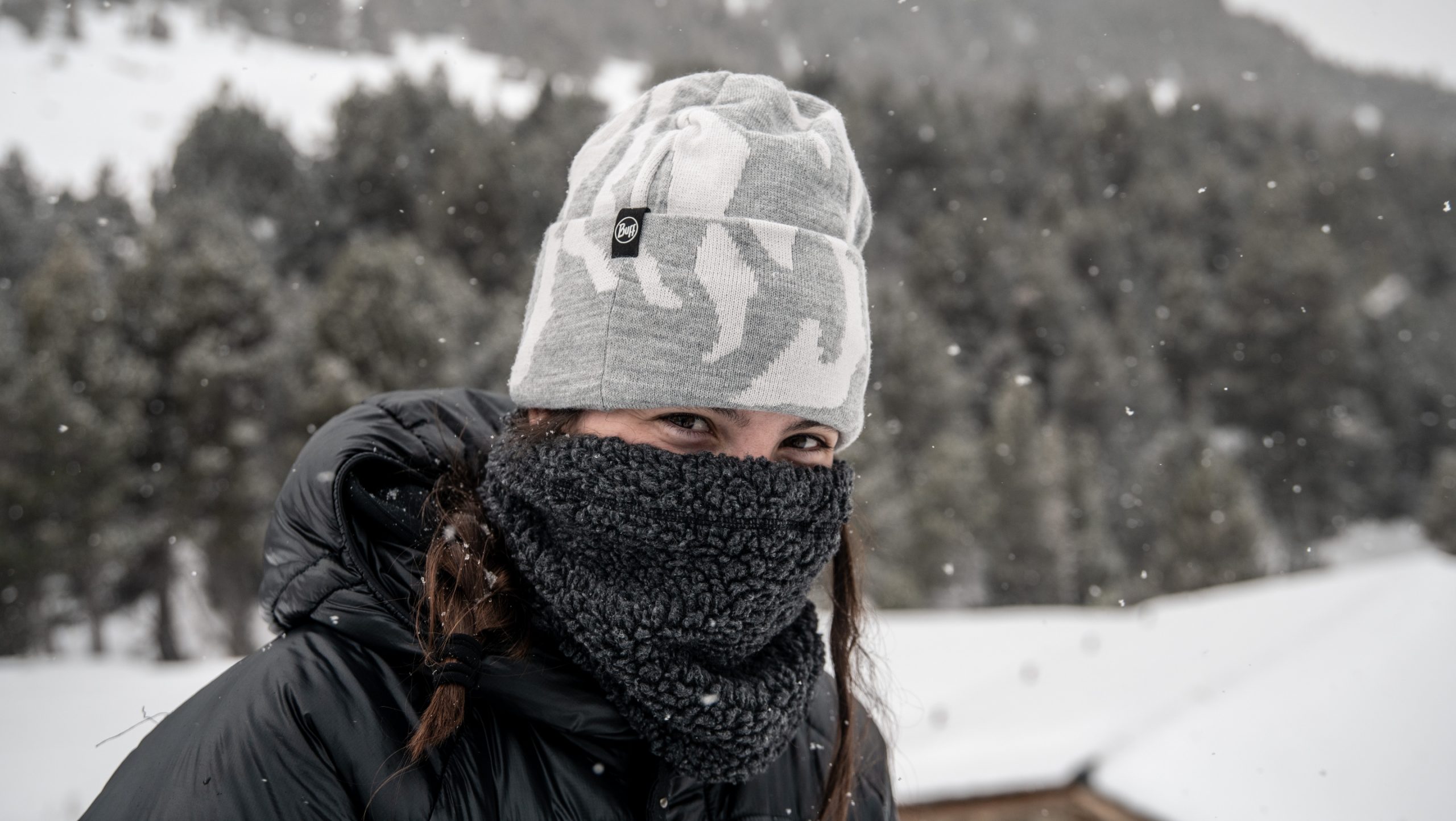
The short answer: minutes to hours
In mild winter weather, exposed skin may stay cold and uncomfortable for a long time without freezing. In truly dangerous cold, frostbite can begin fast.
- Higher risk in minutes: Very low temperatures, plus wind, plus exposed skin (fingers, toes, ears, nose, cheeks).
- Lower risk but still possible: Cold that feels tolerable at first, especially if clothing is damp, circulation is reduced, or you are not paying attention.
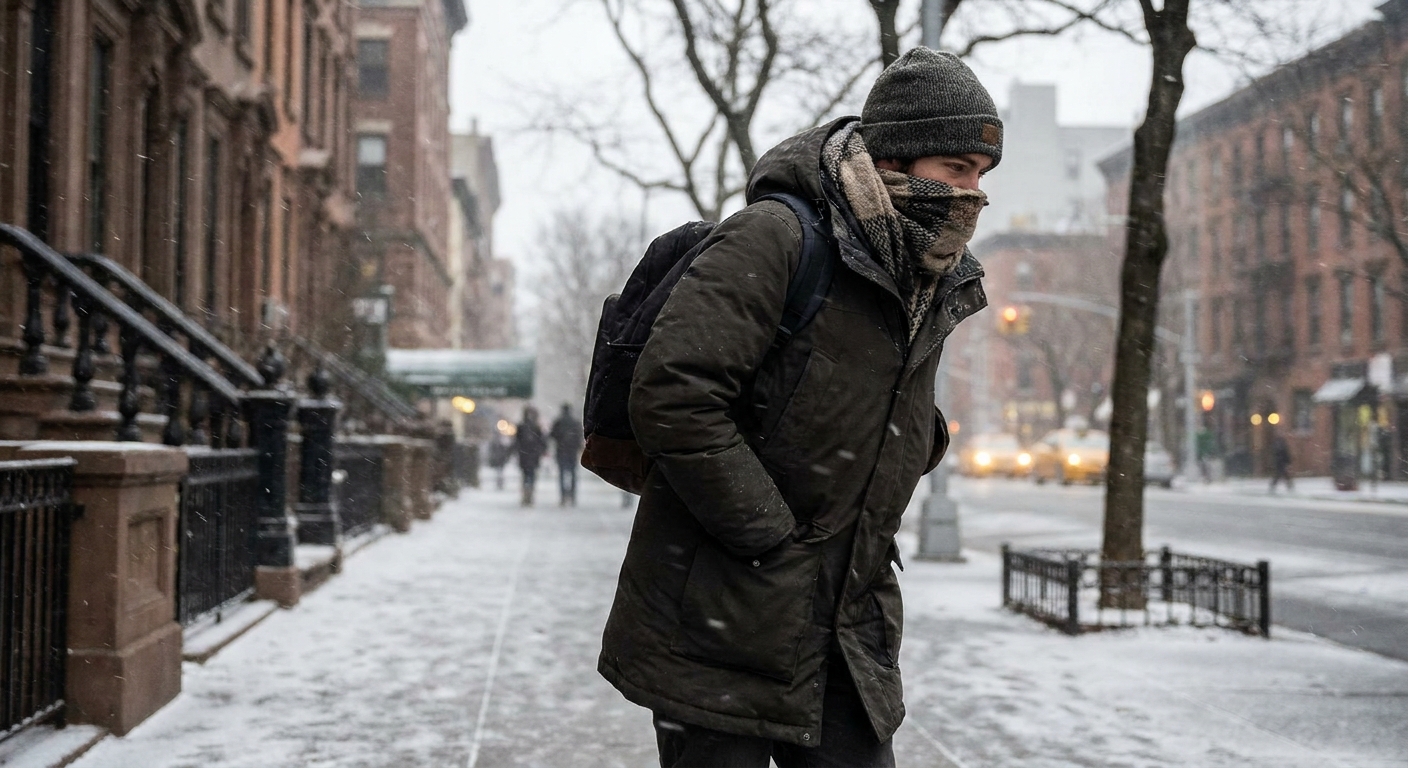
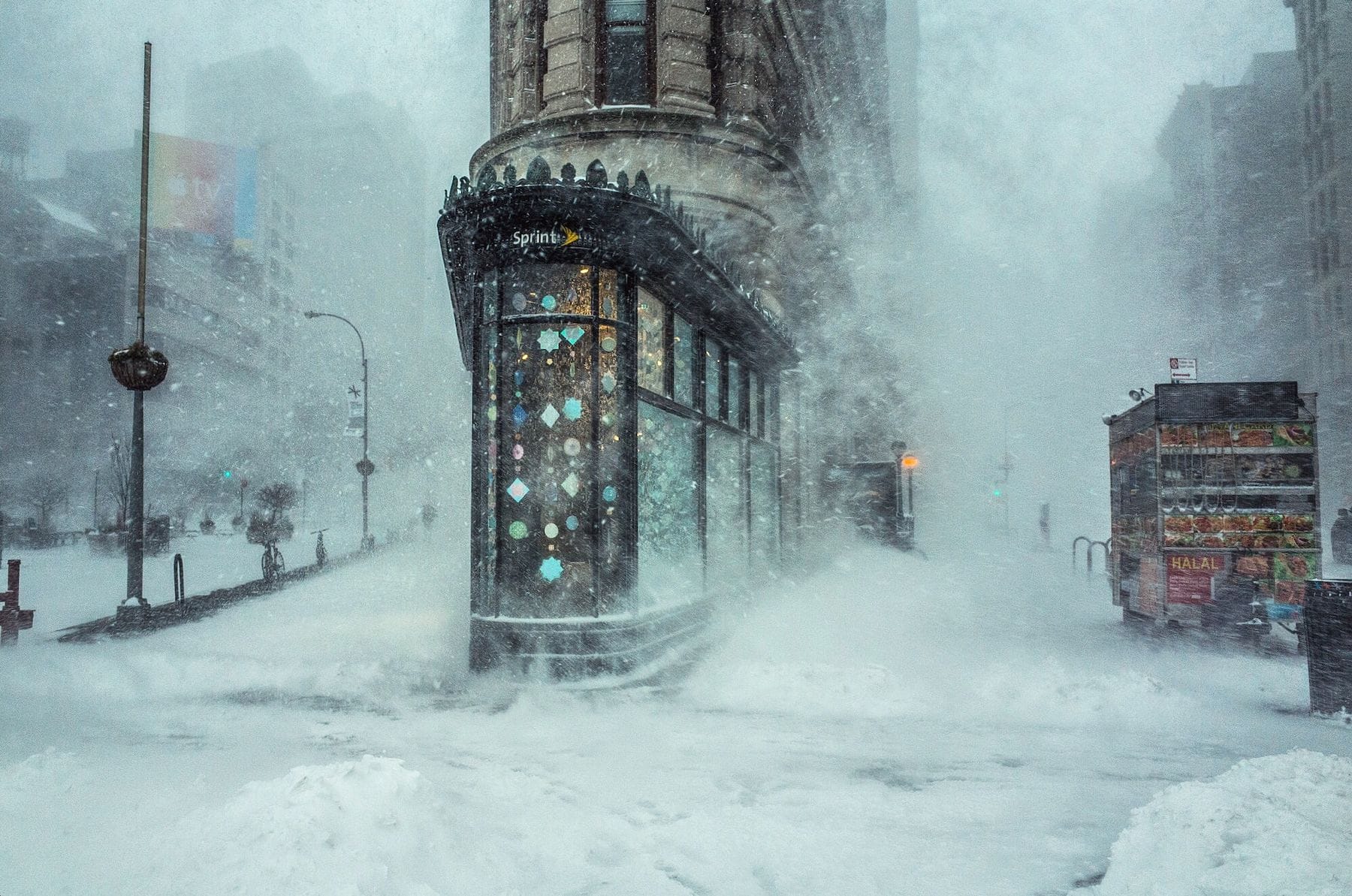
Wind matters because it strips away the thin layer of warm air your body creates near your skin. That is why wind chill is used as a practical warning tool: it estimates how quickly exposed skin can lose heat under windy conditions.
Wind chill timing, per common National Weather Service and Environment Canada wind chill guidance:
- Wind chill around -18 F (-28 C): frostbite possible on exposed skin in about 30 minutes.
- Wind chill around -35 F (-37 C): frostbite possible in about 10 minutes.
- Wind chill around -60 F (-51 C): frostbite possible in about 5 minutes.
These are estimates for exposed skin, not a promise. Real life includes clothing, moisture, sun, contact with cold metal, and individual differences in circulation.
A concrete example: If it is -10 F with a 20 mph wind, the wind chill drops into the neighborhood where exposed skin can be living on a short clock. That is when cheeks, ears, and fingertips can go from “fine” to “numb” faster than you expect.
What frostbite is, in plain terms
Your body protects core temperature first. In cold conditions it narrows blood vessels in the skin and extremities to reduce heat loss. That strategy keeps your vital organs warm, but it also reduces warm blood flow to hands, feet, ears, and the tip of the nose.
If heat loss keeps outpacing heat delivery, the temperature of skin and underlying tissues can drop to the point where ice crystals form. Along with freezing, there can be cell damage, fluid shifts, and injury to blood vessels. After rewarming, inflammation and clotting can worsen the damage.
Frostbite often affects:
- Fingers and hands
- Toes and feet
- Ears
- Nose
- Cheeks and chin
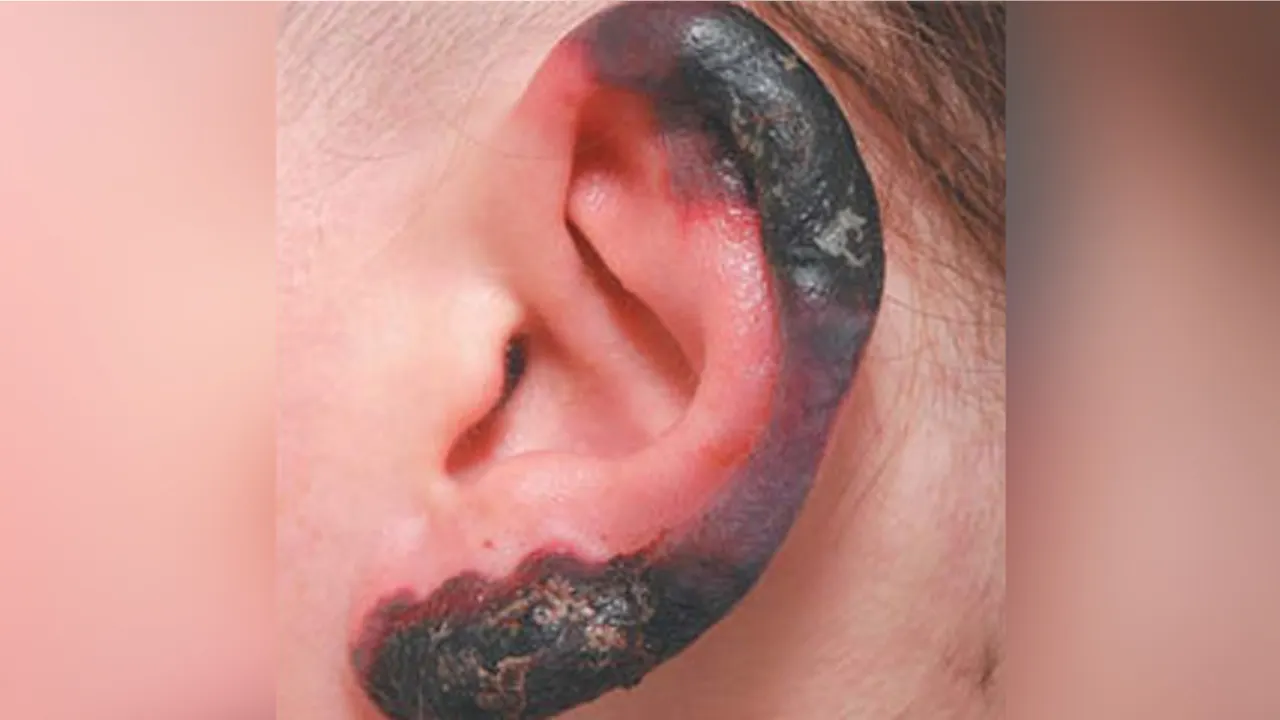
Frostbite stages
Frostbite is commonly described along a spectrum from early, reversible cooling to deeper injury. The early stages can look deceptively mild.
1) Frostnip (warning stage)
Frostnip is the “tap on the shoulder” stage. Skin is chilled and blood vessels clamp down, but tissues have not fully frozen.
- What it feels like: Cold, tingling, stinging, then numbness
- What it looks like: Pale or reddened skin
- Good news: With prompt warming, it usually resolves without lasting damage
Simple rewarming that fits frostnip: gentle body heat (for example, warm fingers in your armpits, or cover cheeks and nose with dry fabric and get out of the wind). If sensation returns quickly and the skin stays soft, you likely caught it early.
2) Superficial frostbite
This involves freezing closer to the skin surface. Symptoms can shift during rewarming.
- What it feels like: Numbness, skin may feel firm or waxy
- What it looks like: Pale skin; after rewarming it can become red, swollen, and painful
- Blistering: Blisters can form within hours
3) Deep frostbite
Deeper structures are affected, including muscles, tendons, and nerves. This is a medical emergency.
- What it feels like: Often painless at first due to numbness, later severe pain during rewarming
- What it looks like: Skin can appear white, blue-gray, or mottled; tissue may feel hard and wooden
- After rewarming: Significant swelling, darkening, and tissue loss can occur
One tricky point: numbness is not a sign you are “getting used to it.” It can be a sign you are losing the ability to sense damage.
How wind chill changes the timeline
Frostbite risk is driven by how fast heat is pulled away from exposed skin. Two major levers control that rate: air temperature and wind speed. Wind chill combines both into a “feels like” value meant for exposed skin, not for inanimate objects and not for what happens under good insulation.
A practical way to think about timing
- Near freezing (around 32 F or 0 C): Frostbite is unlikely on exposed skin in calm conditions, but it can still happen if skin is wet or pressed against something very cold (like metal), or if circulation is poor.
- Well below freezing: Risk rises, especially for small, high-surface-area parts like fingertips and ears.
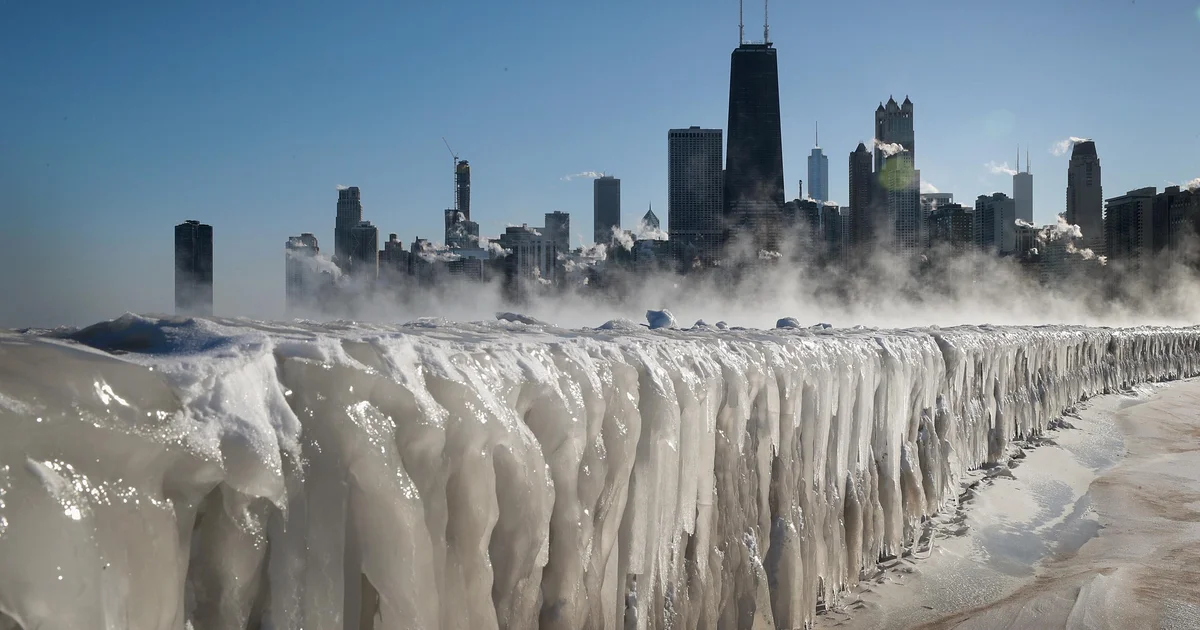
- Extreme cold plus wind: This is where time-to-injury can drop sharply, sometimes into the 5 to 10 minute range for exposed skin.
If you want a cautious takeaway that errs on the safe side: When wind chill is below about -18 F (-28 C), treat any exposed skin as living on a short clock.

Early warning signs
Frostbite often announces itself as sensory confusion. The signals go from loud to quiet.
- Tingling, prickling, or burning
- Stinging pain (sometimes brief)
- Numbness (danger sign)
- Skin that feels unusually firm, waxy, or wooden
- Color changes: red, then pale or gray; in deeper injury, bluish or mottled
- Clumsiness: fumbling fingers, trouble handling zippers or laces
Pay attention to “silent” areas. Ears and cheeks can freeze while the rest of you feels merely cold, especially in wind.
Who is most at risk
Anyone can get frostbite, but some situations and bodies have less margin for error.
Higher-risk situations
- Windy conditions with exposed skin
- Wet clothing from snow, sweat, rain, or immersion
- Long outdoor exposure with limited shelter
- Tight boots or gloves that restrict circulation
- Contact with cold metal (tools, poles, fuel cans, fences)
- Altitude (colder temperatures plus sometimes reduced oxygen delivery)
Higher-risk groups
- Children (faster heat loss, may not notice symptoms)
- Older adults (circulation and sensation may be reduced)
- People with poor circulation or conditions that affect blood vessels
- People with diabetes (possible reduced sensation and circulation)
- Smokers (nicotine constricts blood vessels)
- People who are exhausted, dehydrated, or underfed
- Anyone under the influence of alcohol or drugs (impaired judgment and temperature awareness)
Alcohol deserves a special note: it can make you feel warmer while increasing heat loss and dulling judgment, a particularly unhelpful combination in bitter cold.
First aid: what to do right away
If you suspect frostbite, the priorities are: stop the cooling, rewarm safely, and avoid additional tissue damage.
If you suspect true frostbite (skin is numb, firm, waxy, or hard), treat it as a medical issue. Get to medical care as soon as you can. If a large area is involved, pain is severe, blisters appear, or the person seems confused or unusually sleepy, call emergency services.
Step 1: Get out of the cold
- Move to shelter, block wind, and remove wet clothing.
- Gently cover the area. Use dry layers.
- If fingers or toes are involved, remove rings, watches, or tight items before swelling starts.
Step 2: Rewarm gently, only if refreezing is not a risk
The most important safety rule: Do not rewarm if the area might refreeze again. Refreezing after partial thaw can cause worse injury.
- Best method for suspected frostbite: Warm water bath at comfortably warm temperatures (often described as around 99 to 104 F, or 37 to 40 C). It should feel warm, not hot.
- Soak until the skin softens and sensation or color begins returning. This may take 15 to 30 minutes or longer.
- Expect pain during rewarming. That can be a sign nerves are waking up.
Step 3: Protect the area
- Do not rub frostbitten skin or massage it. That can damage fragile tissues.
- Do not use direct high heat like a heating pad, stove, or fireplace. Numb skin burns easily.
- Do not pop blisters.
- If you must wait for care, cover with a loose, sterile dressing if available and keep it clean and protected.
- If fingers or toes are affected, you can separate digits with clean, dry gauze to reduce friction.
- Do not walk on frostbitten feet if you can avoid it.
Step 4: Seek medical care
Get medical help urgently if:
- Skin remains numb, hard, or discolored after rewarming
- Blisters form
- You suspect deep frostbite
- There is significant swelling or severe pain
- You also suspect hypothermia
Hypothermia can overlap with frostbite. Do not wait for shivering to stop. Worsening confusion, poor coordination, slurred speech, unusual sleepiness, or inability to warm up are danger signs, even if the person is still shivering.
In clinical care, rewarming may be followed by pain control, wound care, imaging, and in some cases medications that improve blood flow. Early medical attention can make a real difference in severe cases.
How to prevent frostbite
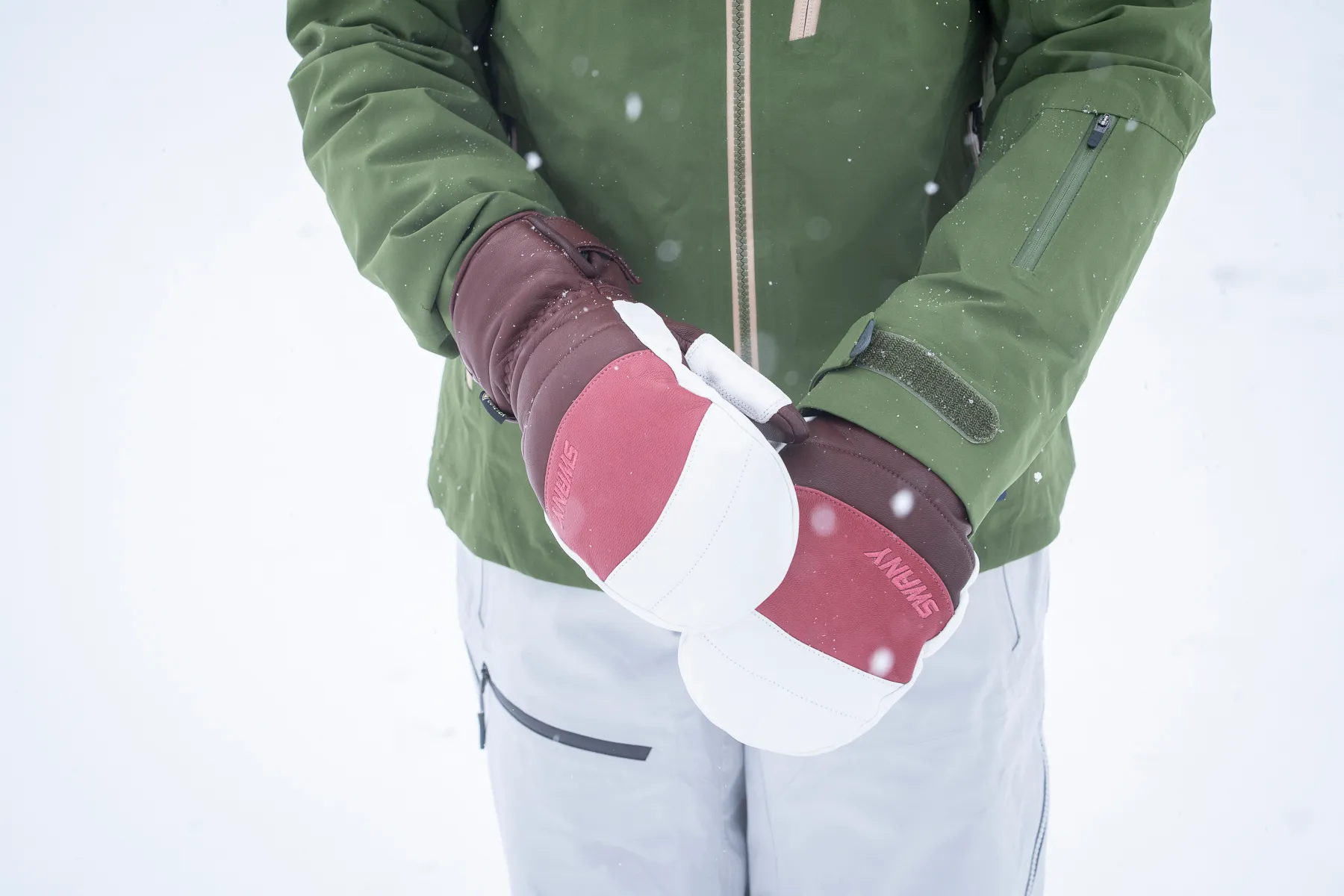
- Cover skin when wind chill is low. Mittens are often warmer than gloves.
- Keep it dry. Change damp socks or gloves quickly.
- Loosen what is tight. Boots and gloves should be warm without squeezing.
- Plan for wind. A windproof outer layer reduces convective heat loss.
- Eat and drink. Your body needs fuel to generate heat.
- Take breaks. Short warm-ups can prevent small problems from becoming big ones.
- Buddy check. You cannot easily judge your own ears and cheeks.
FAQ
Can frostbite happen above 32 F (0 C)?
True frostbite requires the affected tissue to drop below freezing. Air that is above 32 F does not usually cause frostbite by itself, but a freezing injury can still happen if local tissue temperature falls below 0 C due to fast heat loss. That can occur with conductive contact (for example, touching very cold metal or cold liquids) or intense evaporative cooling when skin is wet and wind accelerates heat loss.
Does wind chill mean my body temperature will drop that fast?
No. Wind chill is mainly about exposed skin. Your core temperature depends on clothing, activity, shelter, and other factors. Still, conditions that can freeze skin quickly can also contribute to hypothermia if exposure continues.
Why does it hurt more after I get inside?
Rewarming restores blood flow and nerve signaling, which can be very painful. Swelling and inflammation also build during thawing. Pain during rewarming does not necessarily mean the injury is severe, but severe pain plus blistering is a reason to seek care.
Is numbness always frostbite?
No, numbness can also come from simple cold exposure without tissue freezing, or from restricted circulation (tight boots, awkward posture). But in dangerous cold, numbness should be treated as an urgent warning sign.
A cautious bottom line
Frostbite does not require a long ordeal. In extreme cold and wind, exposed skin can begin freezing in minutes. The safest approach is to treat numbness and color change as your early alarm system, then act quickly: get out of the wind, warm up safely, and get medical help when symptoms do not resolve.
Cold is fascinating, but it is also impressively efficient at stealing heat. Cover the small parts, stay dry, and give yourself more time than the weather is willing to offer.