If you have ever held a fork labeled “plant-based” and felt a tiny wave of environmental relief, you are not alone. “Bioplastic” sounds like it should be the eco-friendly twin of regular plastic, the way a hybrid car feels like a cleaner version of a gas guzzler.
But plastics are sneaky. A “compostable” cup that ends up in a landfill does not get a magical upgrade just because the label sounds wholesome. The environmental impact is not decided by the marketing label. It is decided by chemistry, disposal pathways, and what the material does when it escapes into the real world, which is messy, cold, salty, oxygen-poor, sunlit, dark, and everything in between.
So let’s slow down and do what I used to do with my physics students: define the terms, check the mechanisms, and follow the matter.
What counts as bioplastic?
“Bioplastic” is an umbrella term that can mean two different things:
- Bio-based: made (partly or fully) from biological feedstocks like corn, sugarcane, or cellulose.
- Biodegradable or compostable: designed to be broken down by microbes into simpler molecules, typically carbon dioxide, water, and new biomass in aerobic composting conditions. In low-oxygen settings, breakdown (when it happens) can also produce methane.
Here is the catch: bio-based does not automatically mean biodegradable , and biodegradable does not automatically mean bio-based. You can make durable, non-biodegradable plastics from plants. You can also make some biodegradable plastics from fossil fuels.
That is why two packages can both say “bioplastic” and behave totally differently in a landfill, in the ocean, or in your backyard compost pile.
The chemistry behind the fate
At the molecular level, plastics are long-chain polymers. Whether they persist for decades or break down sooner depends on how easy it is to chop those chains apart.
Traditional plastics: tough backbones
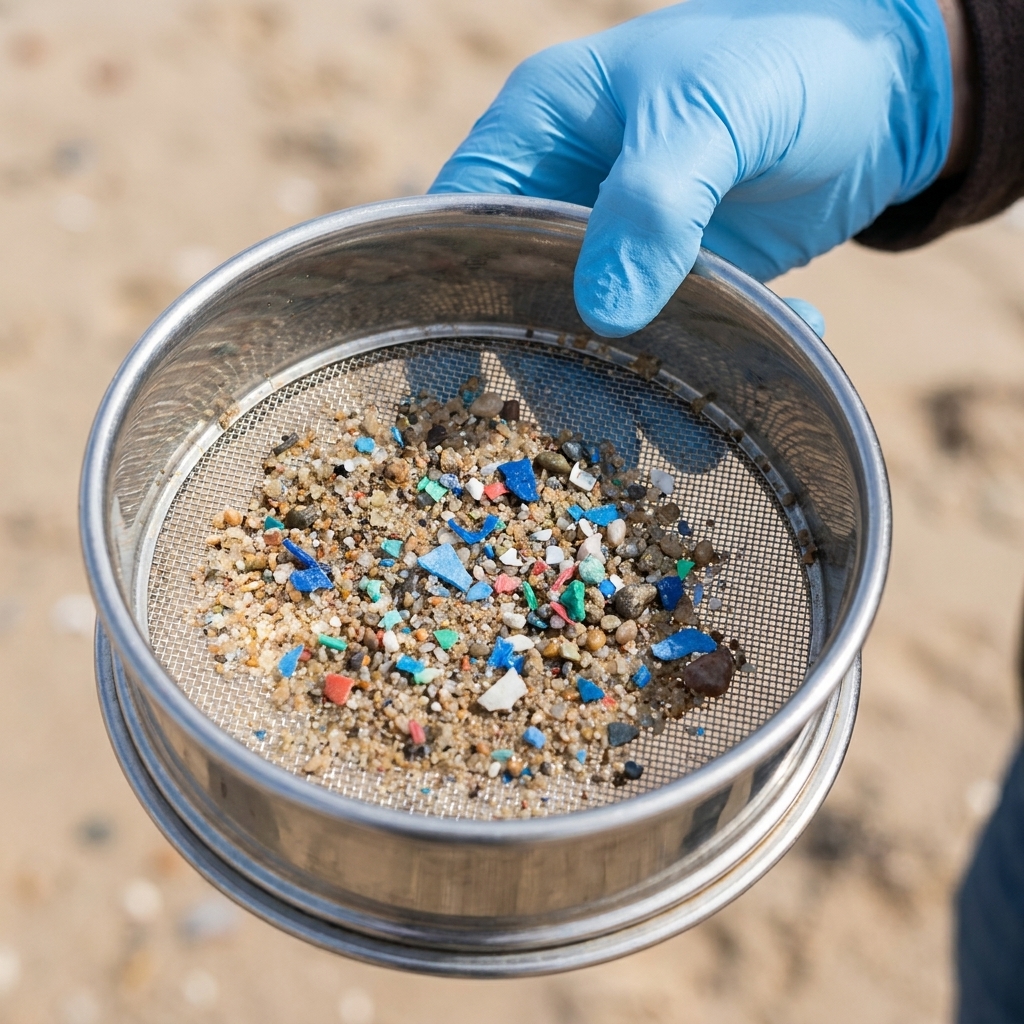
Common petroleum-based plastics like polyethylene (PE), polypropylene (PP), and polystyrene (PS) are built mostly from strong carbon to carbon bonds. Microbes are not great at nibbling through those, especially when the polymer is hydrophobic and crystalline. Sunlight and heat can fragment them, but that often creates microplastics rather than true biodegradation.
Many compostables: easier links
Some biodegradable plastics include chemical links like esters that are easier to hydrolyze, meaning water can help snap the chain, opening the door for microbes to finish the job.
Two common examples:
- PLA (polylactic acid): usually made from fermented plant sugars. It can compost, but typically needs industrial compost conditions.
- PHA (polyhydroxyalkanoates): made by certain microbes as energy storage. Some PHA grades have demonstrated broader biodegradation across more environments than PLA, but performance depends heavily on formulation and conditions. It is also currently more expensive and less widespread.
Think of it like this: traditional plastics are like a rope made of near-indestructible fibers. Some biodegradable plastics are like a rope with weak links built in, but only certain “weather conditions” activate those weak links.
Degradation needs conditions
One of the biggest misunderstandings is assuming compostable plastics vanish anywhere. In reality, “break down” usually means “break down in the right facility.”
Industrial composting
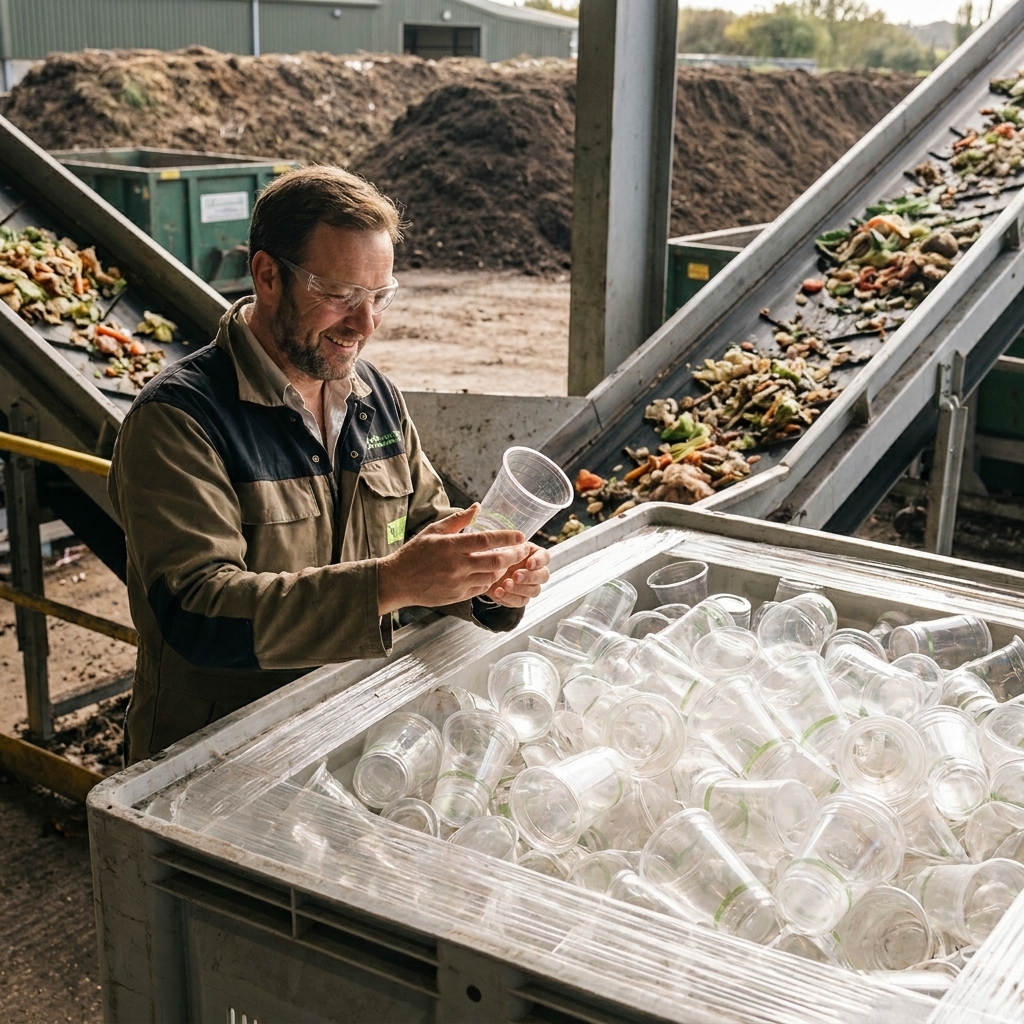
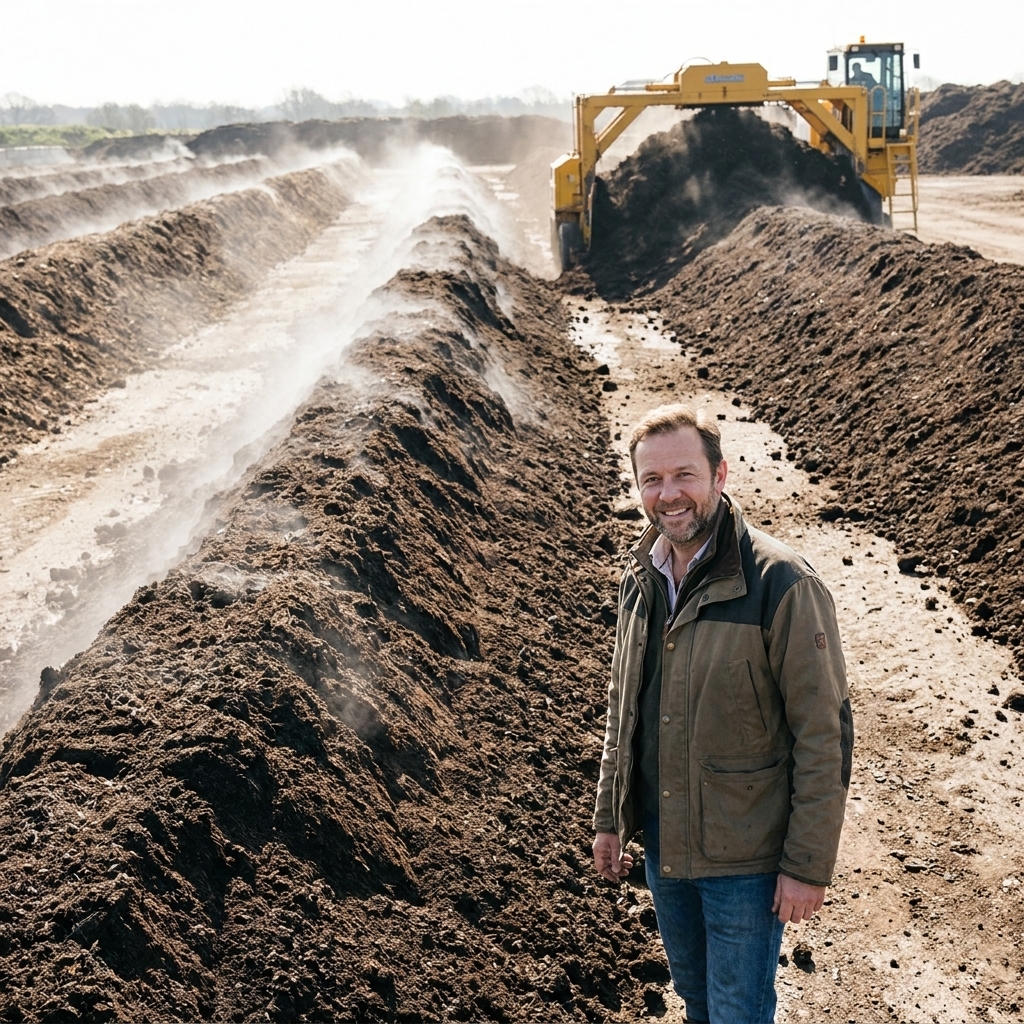
Industrial composters can maintain elevated temperatures, controlled moisture, and active aeration. Many certified compostable products are designed for these settings, where they can break down on timescales that match a facility’s operating cycle.
But here is the less glamorous truth: many composting facilities do not accept compostable plastics, or they screen them out, because they are hard to distinguish from look-alike trash and because some items do not break down fast enough for that facility’s process. In other words, “compostable” does not guarantee “welcome.”
If your city has an industrial compost program that accepts compostable plastics and actually processes them, some bioplastics can reduce long-term persistence compared with conventional plastic.
Home compost
Your backyard compost pile is a wonderful biological engine, but it is typically cooler and less controlled. Many PLA items that compost industrially will sit in home compost for a long time, behaving more like litter than like food scraps.
Landfills
Landfills are designed to entomb waste, not to compost it. Oxygen is limited, conditions vary, and decomposition can generate methane. Even paper can degrade slowly in a landfill. Biodegradable plastics may not break down as intended, and if they do break down anaerobically, the climate outcome depends on whether methane is captured effectively.
Oceans and rivers
Cold temperatures and lower microbial activity can drastically slow biodegradation. A material designed to biodegrade in compost often persists far longer in marine and freshwater environments. This matters because littering and mismanaged waste are central drivers of plastic pollution.
Bottom line: the end-of-life pathway is the whole game. If a compostable fork ends up in a landfill or the ocean, the hoped-for benefits shrink fast.
Which is better overall?
There is no single winner, because “better” depends on the impact category you care about and what your local waste system can realistically do.
Climate impact
Bio-based plastics can reduce reliance on fossil carbon, but they also come with agricultural emissions, fertilizer runoff, irrigation demands, and land-use tradeoffs. Meanwhile, petroleum plastics are tightly linked to fossil extraction and refining, with their own significant greenhouse gas footprint.
The most honest answer is that climate impact comes down to life cycle assessment : feedstock production, manufacturing energy, transport, and end-of-life handling. A compostable item that is manufactured efficiently and properly composted can beat a petroleum plastic item, but a compostable item that contaminates recycling or ends up in landfill can perform worse than you would expect.
Pollution and persistence
Traditional plastics are champions of persistence, and that is precisely why they are an environmental problem. They fragment into microplastics and spread widely through ecosystems.
Some biodegradable plastics reduce persistence under specific conditions, but the label can also create a behavioral trap: people may feel more comfortable discarding something if it sounds like it will harmlessly disappear. In real environments, many “compostables” still persist long enough to cause harm, especially as litter.
Recycling impacts
Here is an underappreciated problem: compostable plastics can contaminate traditional plastic recycling streams. PLA can resemble PET (the plastic used in many bottles) and can slip into the wrong bale. Contamination can reduce recycled material quality, which is why many recyclers want compostables kept out of recycling bins.
In communities without a clear, well-run composting stream for compostables, “bioplastic” items can become a sorting problem instead of an environmental solution.
Label field guide
Packaging language is often optimistic. Here is what the most common terms usually mean in practice.
- “Bio-based”: about the source of the carbon. It tells you little about biodegradability.
- “Biodegradable”: can be vague without a standard and timeframe. Treat it as marketing unless it cites a recognized standard.
- “Compostable”: should be tied to a recognized standard and specify industrial or home composting. Look for certifications such as ASTM D6400/D6868 (common in the US for industrial composting), EN 13432 (common in Europe), or TÜV OK compost INDUSTRIAL versus OK compost HOME.
- “Oxo-degradable”: typically means additives that help a plastic fragment under UV and heat. This can increase microplastic pollution rather than solve it.
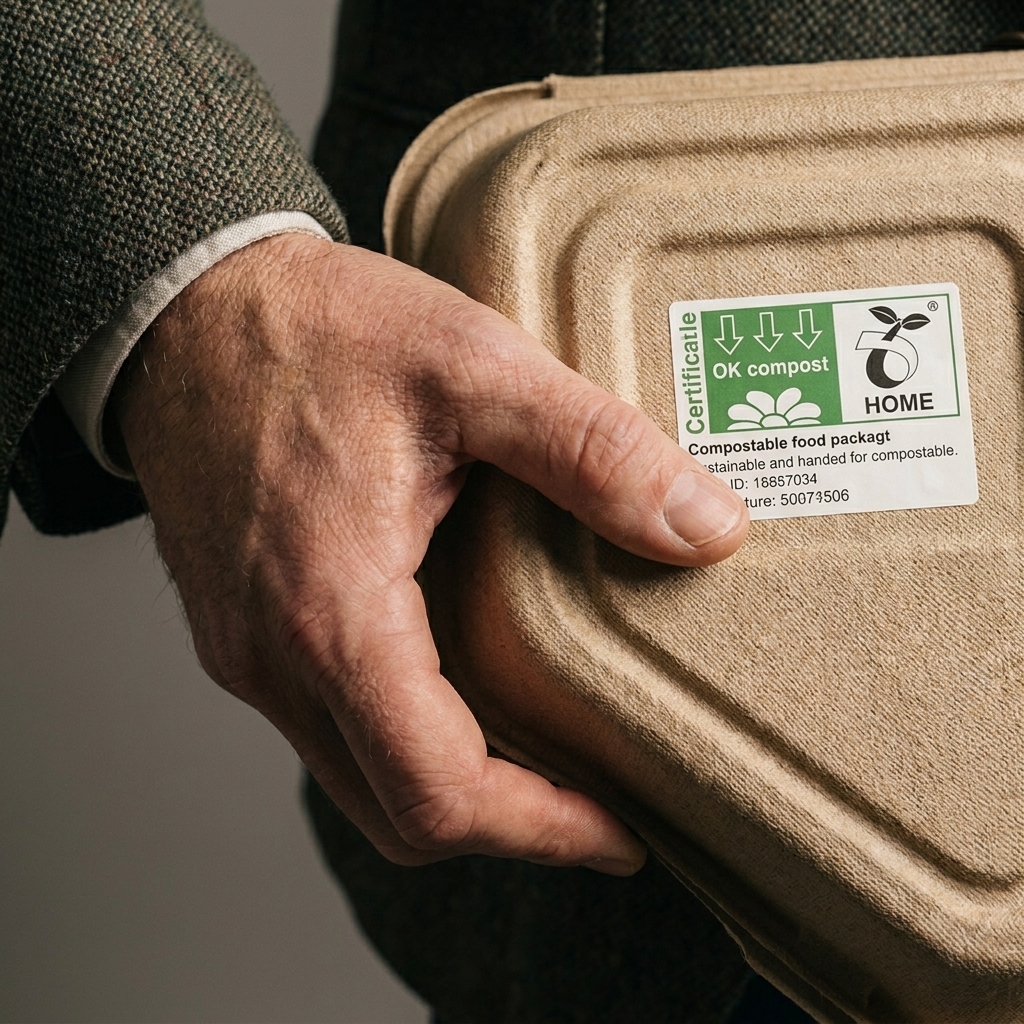
If you want one simple rule: a compostable label is only as useful as your access to a composting system that accepts it.
Where bioplastics help
I am not anti-bioplastic. I am anti-wishful-thinking. There are real niches where compostables can shine.
Food-soiled items
Think takeout containers, greasy fiber-lined packaging, and items that arrive coated in sauce. If these items are unlikely to be cleaned and recycled, a compostable material paired with municipal compost collection can keep organics and packaging together and divert both from landfill.
Compost liners
Certified compostable liners can make it easier for households to capture food scraps without turning the kitchen bin into a science experiment. If the bags are accepted by your facility, they can boost participation and keep organics out of landfills.
Some agriculture and specialty uses
In certain controlled settings, biodegradable films can reduce retrieval labor or persistent plastic residue. But this is very context-dependent and should be backed by real field performance, not just lab claims.
When traditional plastics win
This is the part that feels counterintuitive, but it matters.
When reuse is real
A durable polypropylene container used many times can beat a single-use compostable container used once. The break-even point varies by container weight and how you wash it (hot water, dishwasher cycles, drying), but the core idea holds: reuse changes the math by spreading manufacturing impacts over many meals.
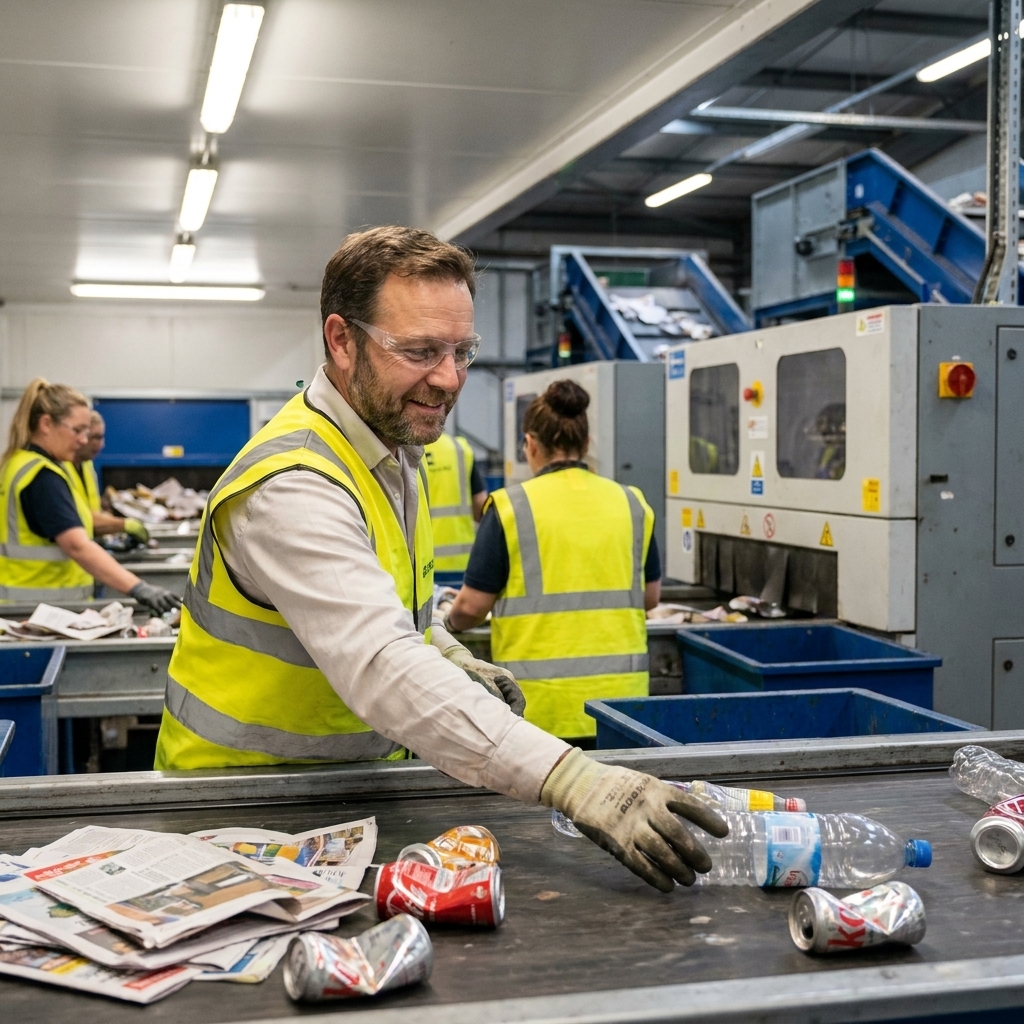
When recycling works
PET bottles in deposit return systems can achieve high collection rates. In that scenario, a recyclable conventional plastic with a strong recovery pipeline can outperform a compostable alternative that has no real end-of-life route.
When compostables become contamination
If your community does not accept compostable plastics, they often end up in trash or recycling bins as “good intentions.” That contamination can undermine both recycling and composting.
What I do at home
If you want the most environmentally defensible decision most of the time, here is a hierarchy that works surprisingly well:
- Reduce: skip the item entirely if you can.
- Reuse: choose durable, wash-and-repeat options.
- Recycle: only when a real local pathway exists and the item is accepted.
- Compost: for certified compostables, but only if your facility takes them (and actually processes them).
- Landfill: the reluctant last stop.
And the sentence I wish every “compostable” label included is: “Composts in industrial facilities. Check local acceptance.” Not because consumers should do all the work, but because reality is part of the science.
FAQ
Do bioplastics become microplastics?
Some can fragment if conditions are not right for full biodegradation. True biodegradation means microbes convert the polymer into simpler end products, not just smaller pieces. If a compostable item ends up in the wrong environment, fragmentation without full breakdown is possible.
Is PLA compostable?
PLA is often industrially compostable, meaning it typically needs higher heat, moisture, oxygen, and time under controlled conditions. In many home compost piles, it degrades very slowly.
Are paper and fiber always better?
Not always. Paper can be great, especially when recycled or composted, but coatings and food contamination complicate things. The best choice depends on whether the product is reusable, recyclable, or compostable in your area and how it is likely to be handled after use.
What about anaerobic digestion?
Some municipalities send food waste to anaerobic digesters instead of (or before) composting. Digesters are low-oxygen systems that produce biogas, then the remaining material may be composted. “Compostable” does not automatically mean “digester-friendly,” so if your community uses digestion, check what materials they accept.
What should I choose for a party or takeout night?
If you can: use reusable plates and cutlery. If you cannot: pick items that match your local system. If your city collects compost and accepts certified compostable serviceware, compostables may be a good fit for food-soiled waste. If not, choose conventional items that are accepted in recycling where possible, and focus on reducing the total number of single-use pieces.
The honest verdict
Bioplastics are not automatically better. Traditional plastics are not automatically worse in every single scenario. The environmental scorecard is written by polymer chemistry plus infrastructure.
If we want plastics that behave better in the world, we need smarter materials, yes. But we also need boring, powerful things like clear labeling, modern composting and recycling systems, and policies that make the “right bin” the easy bin.
Until then, treat “bioplastic” like a promising tool, not a moral permission slip. Science rarely rewards shortcuts, but it often rewards good systems.