Curiosity, with all its quills showing. When extreme cold settles in, your plumbing becomes a little physics experiment: water expands as it freezes, and that expansion can split copper, PEX, or galvanized pipe just as readily as it cracks a rock. The good news is that most pipe-freezing disasters are preventable with a short checklist and a calm plan.
Why pipes freeze in the first place
Pipes freeze when the water inside them drops to around 32°F (0°C) and begins turning to ice. That happens fastest when a pipe is:
- In an unheated space like an attic, crawl space, garage, exterior wall cavity, or basement corner.
- Exposed to moving cold air from a crack, a vent, a loose rim joist, or an open crawl space hatch.
- Not used often, so water sits still and cools. Think guest-bath supply lines or a laundry sink you rarely run.
When the water in a pipe freezes, it expands. The pipe often fails not at the icy plug itself, but just upstream of it, where pressure builds as more water tries to push into a blocked section.
Before the deep freeze: do this once, then sleep better
1) Find and label your main water shutoff
If a pipe bursts, seconds matter. Locate your home’s main water shutoff now, not at 2 a.m. Common locations include:
- Where the water service line enters the house, often in a basement, utility room, or crawl space.
- Near the water heater or a mechanical room.
- In warmer climates, sometimes in a garage.
Make sure you can access it without moving boxes. If it is stiff, consider having a plumber service it or replace it. While you are at it, find the gas shutoff valve to your water heater (if applicable) and the breaker for the well pump (if applicable) and for an electric water heater.
2) Identify your most vulnerable pipes
Walk your home and note anything that touches the outdoors or sits in unheated pockets:
- Pipes under kitchen and bathroom sinks on exterior walls
- Lines in crawl spaces and attics
- Garage plumbing, especially near the door
- Hose bibs, outdoor faucets, and irrigation backflow preventers
- Water lines to fridges, dishwashers, and washing machines that run along exterior walls
3) Insulate exposed pipe and block drafts
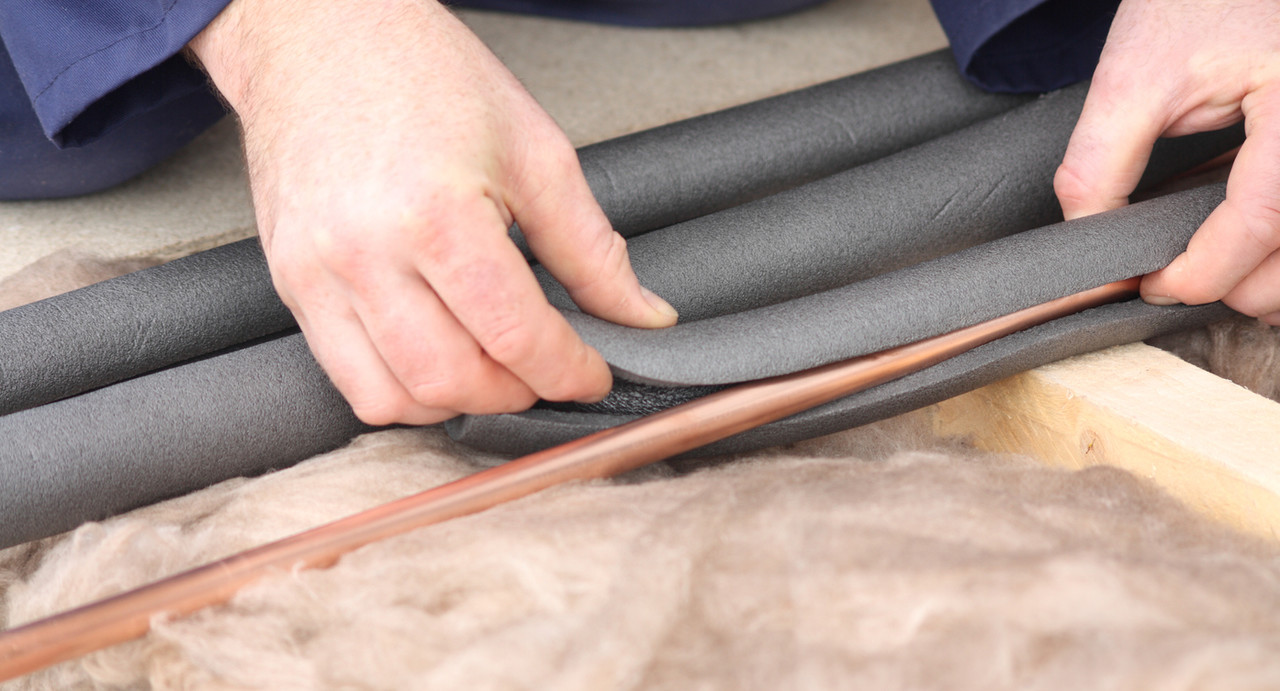
Pipe insulation is cheap, fast, and surprisingly effective. Foam sleeves work for many indoor runs; fiberglass pipe wrap is commonly used on hot water lines. Focus first on exposed pipe in unheated spaces and near air leaks.
- Insulate both hot and cold water lines.
- Do not compress insulation so much that it loses effectiveness.
- Use tape and secure seams so insulation stays in place.
Then tackle the cold air itself. Seal obvious gaps where pipes or cables penetrate walls, rim joists, or foundation areas using appropriate materials (for many homes, foam sealant or caulk helps). Keep required clearances around flues, chimneys, and other hot venting, and follow local code and manufacturer guidance.
4) Winterize outdoor plumbing
If you have an outdoor faucet:
- Disconnect hoses and drain them. This matters even with “frost-free” hose bibs, because a connected hose can trap water where it should be able to drain.
- Shut off the interior valve feeding the hose bib if your home has one, then open the outdoor faucet to drain.
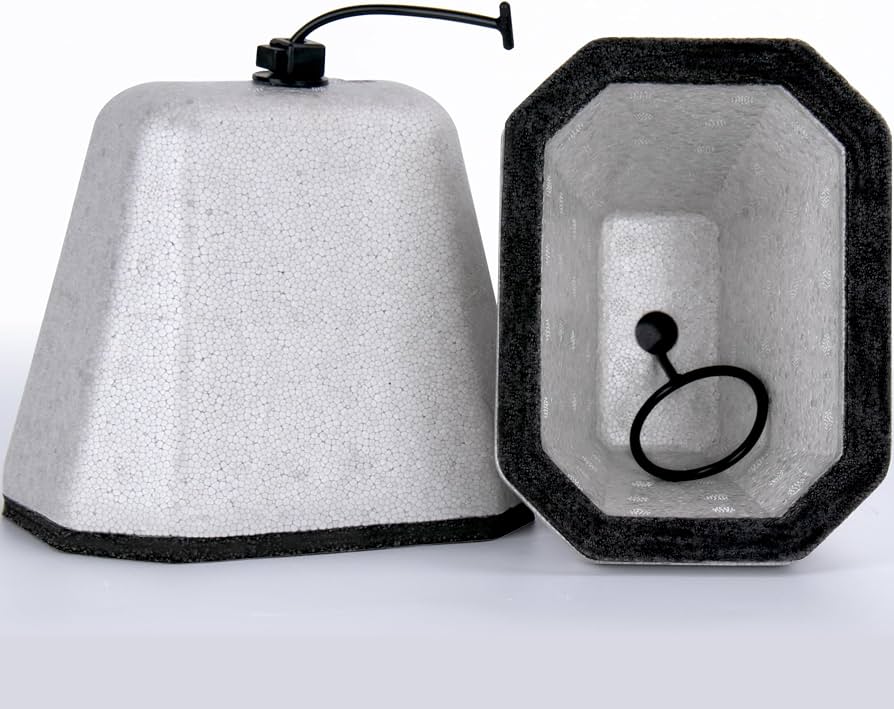
- Add an insulated faucet cover if the faucet is exposed.
5) Consider heat cable for chronic trouble spots
For pipes that freeze repeatedly, UL-listed heat tape or heat cable can be a solution. Some products are self-regulating and some are not, so do not assume they behave the same. It must be installed exactly as directed by the manufacturer to reduce fire risk and prevent damage.
- Use only products intended for pipe freeze protection.
- Do not overlap heat tape or cable unless the instructions specifically allow it for that exact product.
- Protect the electrical connection from moisture and use a GFCI outlet where recommended.
If you are unsure about installation, a licensed plumber or electrician is the safer route.
6) If you travel, prepare the house like you mean it
Leaving during a cold snap raises the stakes. Before you go:
- Keep the thermostat set no lower than 55°F (13°C), and in severe cold many people choose 60°F (16°C) or higher.
- Shut off water and drain lines if you can do so safely for your setup, especially for longer trips.
- Ask a neighbor or friend to check the home, or use leak sensors if you have them.
7) If you are in a condo or apartment
In multi-unit buildings, frozen-pipe damage can spread quickly. Find your unit shutoff (if you have one), and save the number for building management or maintenance so you can report a leak fast, even if it is not in your unit.
8) Do not forget irrigation hardware
Backflow preventers and above-ground irrigation components are frequent cold-weather casualties. If your system was not properly winterized, protect exposed devices as best you can and consider calling a pro to blow out lines where appropriate for your setup.
During the freeze: keep water moving, keep heat reaching pipes
1) Let faucets drip, strategically
A small, steady trickle can reduce the chance of freezing by keeping water moving and relieving pressure if ice begins forming. You do not have to drip every faucet in the house. Prioritize:
- Faucets served by pipes along exterior walls
- Fixtures farthest from the water heater or where the line enters the home
- Any spot that has frozen before
When dripping, use the cold side in many cases, since those supply lines are often most exposed, but in some layouts both hot and cold supplies can be vulnerable. If you know a specific line freezes, drip the faucet that uses that line.
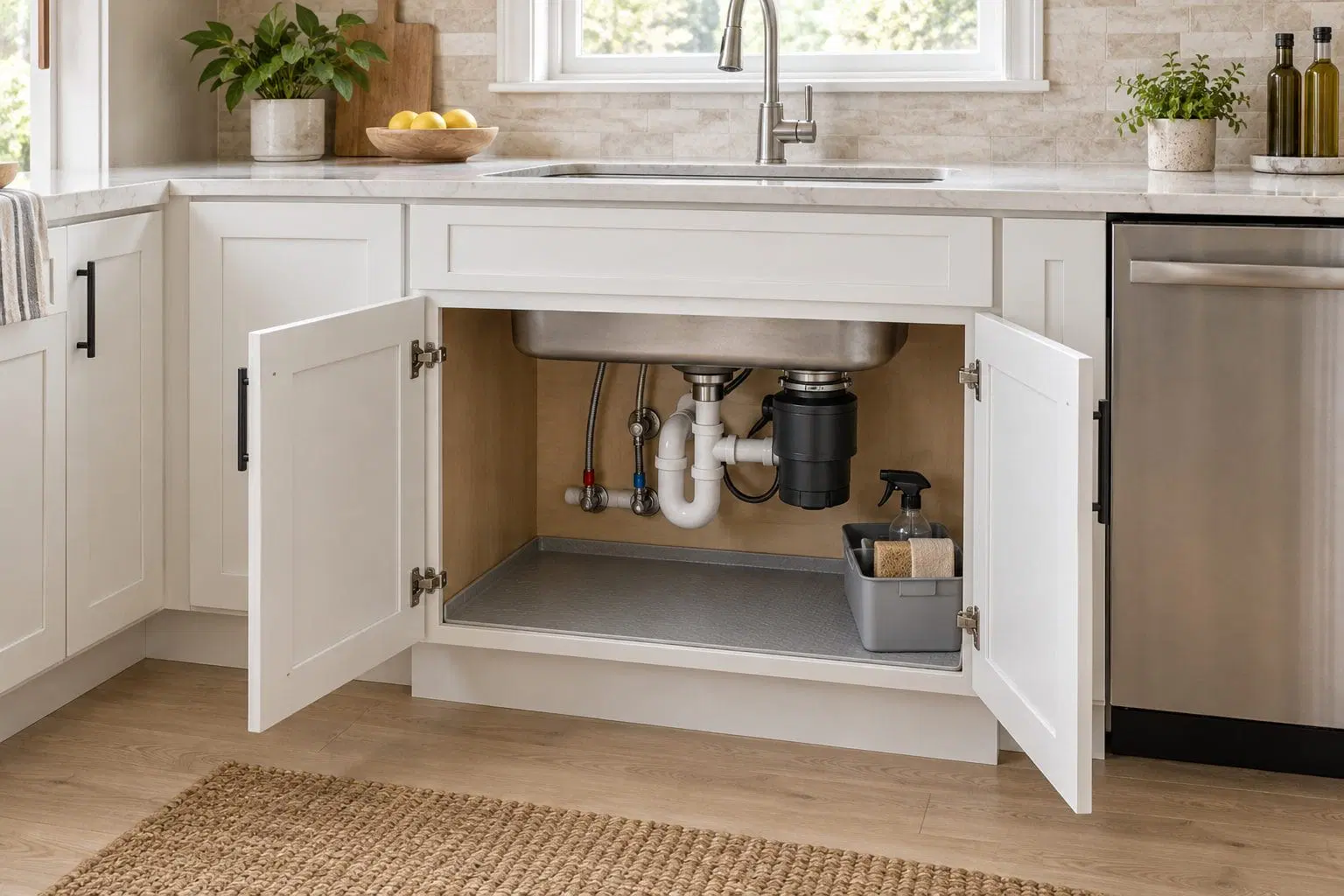
2) Open cabinet doors under sinks
Under-sink plumbing can sit in a chilly pocket, especially against an exterior wall. Opening cabinet doors lets warmer room air circulate around the pipes. Remove harsh cleaners and anything children or pets could get into if cabinets are left open.
3) Keep indoor doors open and heat consistent
Uniform heat helps. If you have rooms you rarely use, keep their doors open so warm air can circulate. Avoid dramatic thermostat setbacks at night during extreme cold, since the coldest hours often arrive just before dawn.
4) Use safe supplemental heat, if needed
If a particular area is at risk, a space heater can help, but only with care:
- Keep heaters clear of curtains, bedding, boxes, and anything flammable.
- Plug heaters directly into a wall outlet, not a power strip.
- Never run fuel-burning heaters indoors unless they are rated for indoor use and you have proper ventilation and carbon monoxide protection.
A safer alternative for a small area is often improving airflow from the home’s existing heating system, or warming the room while you are awake and monitoring.
5) If you lose power
Power outages during bitter cold can turn “low risk” into “urgent.” If the heat is off:
- Shut off the main water supply if you anticipate a prolonged outage and cannot keep the home warm.
- Open faucets to relieve pressure and help drainage.
- If safe, drain the plumbing system as much as you can, especially in known vulnerable areas.
If you have a well, remember that a powerless well pump may mean no running water. That can also prevent dripping as a protection strategy, so shifting to shutoff and drain becomes more important.
How to tell a pipe is frozen
Frozen pipes do not always announce themselves with drama. Common clues include:
- A faucet that produces only a trickle, or no water at all
- Frost or bulging on an exposed section of pipe
- One fixture not working while others do
If only one faucet is affected, the freeze is likely in the branch feeding that fixture. If multiple fixtures are out, the frozen section may be closer to where water enters the home.
What to do if a pipe freezes (but has not burst)
Step 1: Keep the faucet open
Open the affected faucet. As the ice melts, water needs somewhere to go. Flowing water also helps melt ice from the edge inward.
Step 2: Apply gentle heat at the suspected freeze point
Work from the faucet side back toward the frozen section. Good options include:
- A hair dryer
- A heating pad
- Warm towels (re-warmed as they cool)
Avoid open flames such as a propane torch. They can ignite nearby materials, damage the pipe, and create a bigger emergency than the freeze.
Step 3: Check nearby areas for leaks as thawing begins
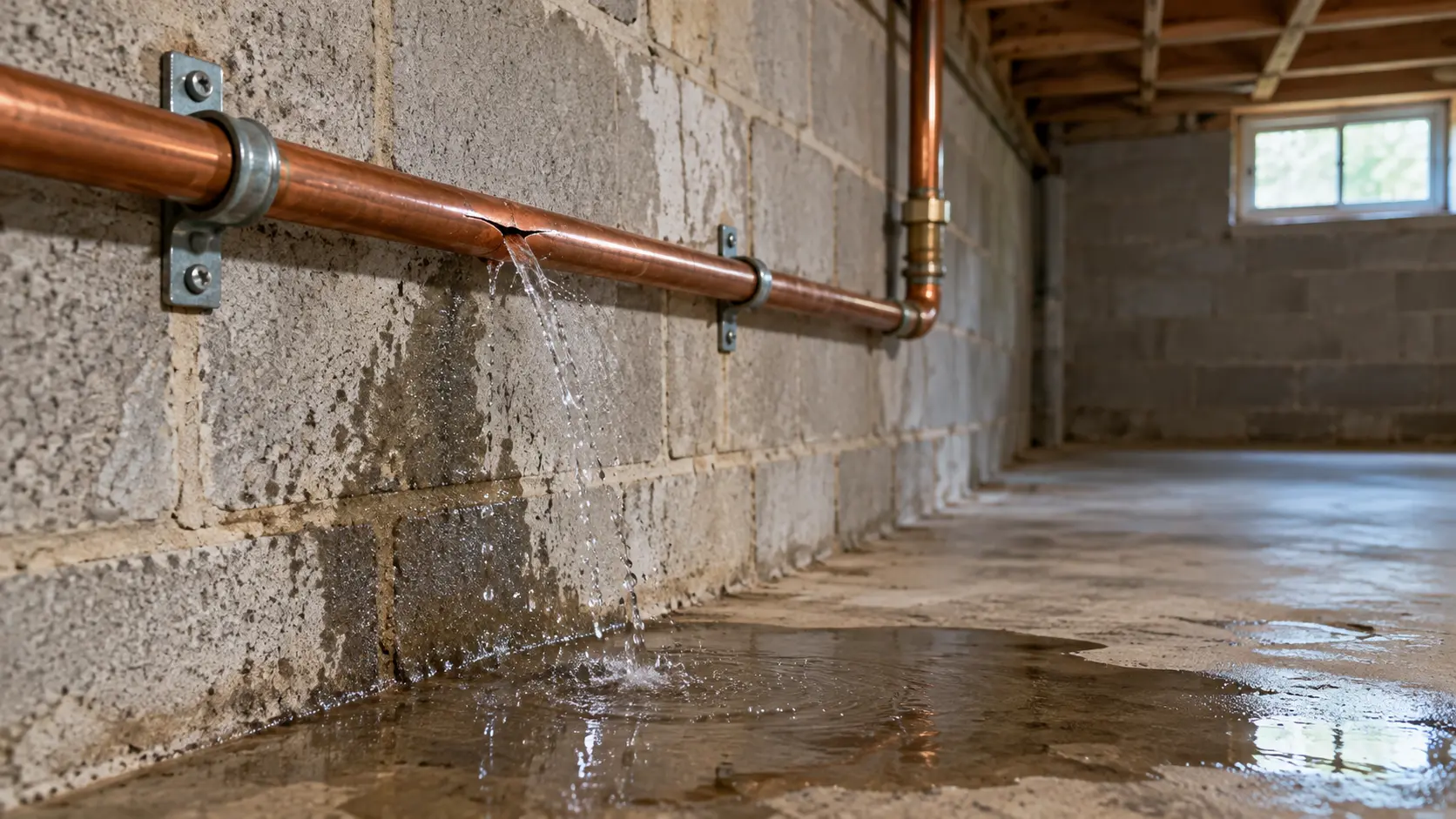
Sometimes a pipe splits while frozen, but you only discover it when water starts moving again. As thawing progresses, watch for dripping, spraying, or damp drywall. If you see any sign of a leak, shut off the water immediately.
Step 4: If you cannot find the frozen section, call a plumber
Frozen pipes inside walls or ceilings can be risky to chase with heat. A plumber can locate the blockage and thaw it with professional equipment, and can also check for damage.
What to do if a pipe bursts
If you have a burst pipe, focus on four priorities: stop water, protect people, reduce damage, then document.
1) Shut off water fast
- Turn off the main water shutoff to the home.
- If the leak is on a clearly isolated line with its own valve and you are certain, you can shut that valve, but when in doubt go to the main.
2) Turn off electricity if water is near outlets or panels
If water is flowing near electrical outlets, appliances, or the breaker panel, shut off power at the main breaker if it is safe to reach. If you cannot safely access it, call your utility or emergency services for guidance. Do not wade into standing water to reach electrical equipment.
3) Call for help and start damage control
- Call a plumber for repair.
- If there is significant flooding, contact a water damage restoration service.
- Move valuables, and begin drying with towels, fans, and dehumidifiers if available.
4) Document for insurance
Take photos and video of the leak source (if visible), the damaged areas, and any soaked belongings. Save receipts for emergency supplies and services.
After the cold snap: a quick follow-up
When temperatures rise, do a slow walk-through. Look under sinks, around toilets, near the water heater, and along any pipes that were cold to the touch. Small splits can turn into slow leaks once everything thaws. If you used a space heater or heat cable, turn it off safely and inspect cords and outlets for any heat damage. If a pipe froze once, treat it like a repeat offender and improve insulation, draft sealing, or heat access before the next blast of cold.
Quick checklist for extreme cold
- Know the shutoff: find it, clear access, make sure it turns.
- Insulate: exposed pipes, especially in crawl spaces, attics, garages, and basements.
- Block cold air: seal drafts near plumbing runs and where pipes enter the home.
- Open cabinets: under sinks on exterior walls.
- Drip a faucet: focus on the most exposed line.
- Keep heat steady: avoid deep nighttime setbacks during severe cold.
- Thaw safely: hair dryer or heating pad, never an open flame.
FAQ
Is it better to drip hot or cold water?
Often the cold side is most vulnerable, but the best answer is: drip the faucet served by the pipe you are trying to protect. If both hot and cold supplies run through a freezing-prone area, dripping both may help. A small steady trickle is usually enough.
Will pipe insulation alone prevent freezing?
Insulation slows heat loss, but it cannot create heat. In extreme cold or in areas with strong drafts, insulation helps a lot but may not be sufficient on its own. Pair it with draft sealing, cabinet-door airflow, consistent indoor heat, and targeted dripping during the coldest periods.
What temperature should I keep my house at to prevent frozen pipes?
Many people use 55°F (13°C) as a minimum baseline when away, but risk depends on your home’s insulation, pipe locations, and wind exposure. In severe cold, a higher setting can be a cheaper choice than repairing water damage.
Do pipes freeze faster with wind?
Yes. Wind drives cold air into gaps and can strip away the thin layer of warmer air that might otherwise linger near a pipe, especially in crawl spaces, rim joists, and around poorly sealed penetrations.
If my water stops, should I shut off the main?
If you suspect a frozen pipe and you cannot monitor it, shutting off the main can prevent a major flood if the pipe cracks and thaws later. If you are actively thawing and monitoring for leaks, you may keep the main on, but be ready to shut it off immediately if water appears where it should not.