Curiosity, with all its quills showing.
Humidity is one of those quiet background variables that can make a home feel crisp and comfortable or clammy and irritable. I like it because it has a long memory. It shows up later as creaky wood floors, peeling paint, crackling skin, musty odors, and that familiar winter mystery: “Why are my windows sweating?” Let’s put some numbers on the problem, then match them to what’s happening in your house.
The best indoor humidity level, in one sentence
For most homes, aim for 30% to 50% relative humidity (RH), with 40% to 50% RH often feeling most comfortable at typical room temperatures.
That range is a compromise between competing goals:
- Comfort: Not too dry for eyes, skin, and throat, and not so humid that the air feels heavy.
- Health: Very dry air can irritate airways; very humid air often supports dust mites and mold.
- Building safety: High indoor moisture increases the odds of condensation inside walls and on cold surfaces.
Why the “perfect” number changes with season
Relative humidity is relative to temperature. As air warms, the saturation vapor pressure rises, meaning warmer air can contain more water vapor before it reaches 100% RH. So the same amount of moisture can read as a different RH when temperatures change. That is why winter humidity targets are usually lower than summer targets, even if your comfort preference stays the same.
Typical targets by season
- Winter: About 30% to 40% RH for many homes. If it is very cold outside, you may need to stay nearer 30% to 35% to avoid window condensation.
- Summer: About 40% to 50% RH (sometimes up to about 55% in homes with good humidity control). Comfort and moisture risk usually improve when you can keep indoor RH below 50%.
If you want the “why” in plain terms: in winter, indoor air often becomes dry because heating raises the air temperature without adding moisture, while cold outdoor air brought in by ventilation and leaks tends to have a low absolute water content. In summer, outdoor air commonly arrives with much more moisture, and indoor RH climbs unless your air conditioner or dehumidifier removes it.
Window condensation: your humidity limit
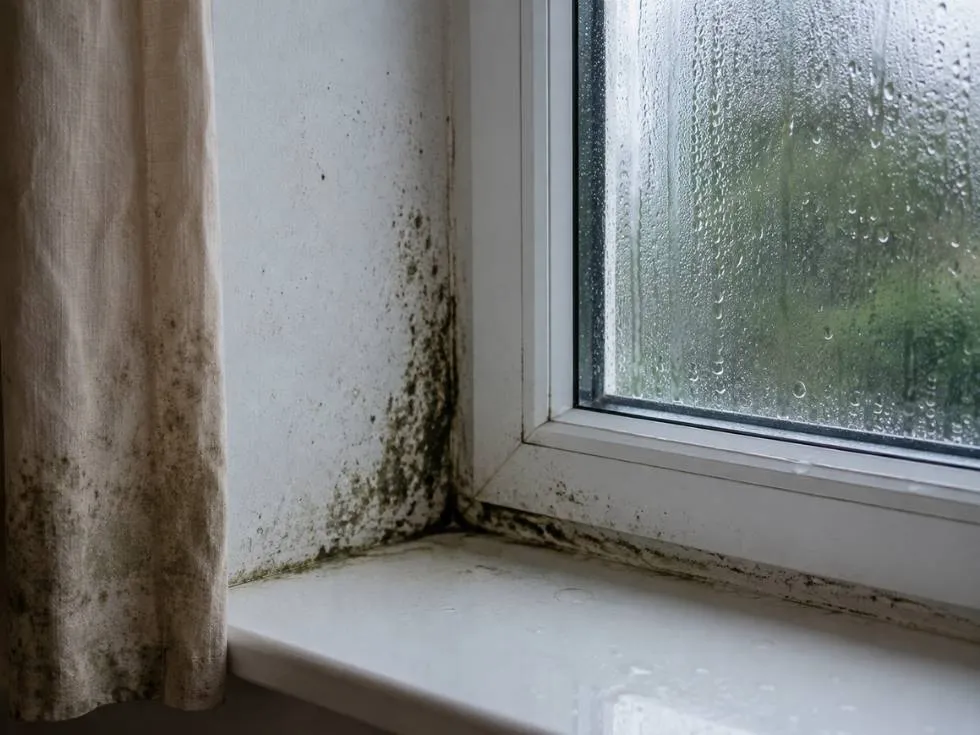
When you see water on the inside of windows, it is a clue that the indoor air’s dew point is higher than the window’s interior surface temperature. The glass, and especially the edges of older windows, is often the coldest surface in a room, so it “reports” humidity problems early.
How to interpret what you see
- Light fogging at the edges in the morning: Often a sign that indoor RH is a bit high for the current outdoor temperature, especially overnight when glass cools.
- Visible droplets or running water: Treat as a warning. This can damage window frames, feed mold on sills, and suggests your indoor moisture load is high or ventilation is low.
- Condensation between panes: Usually a failed window seal, not an indoor humidity problem.
If you only remember one rule: persistent condensation means you should lower indoor humidity or warm the window surface, ideally both.
How to measure indoor humidity
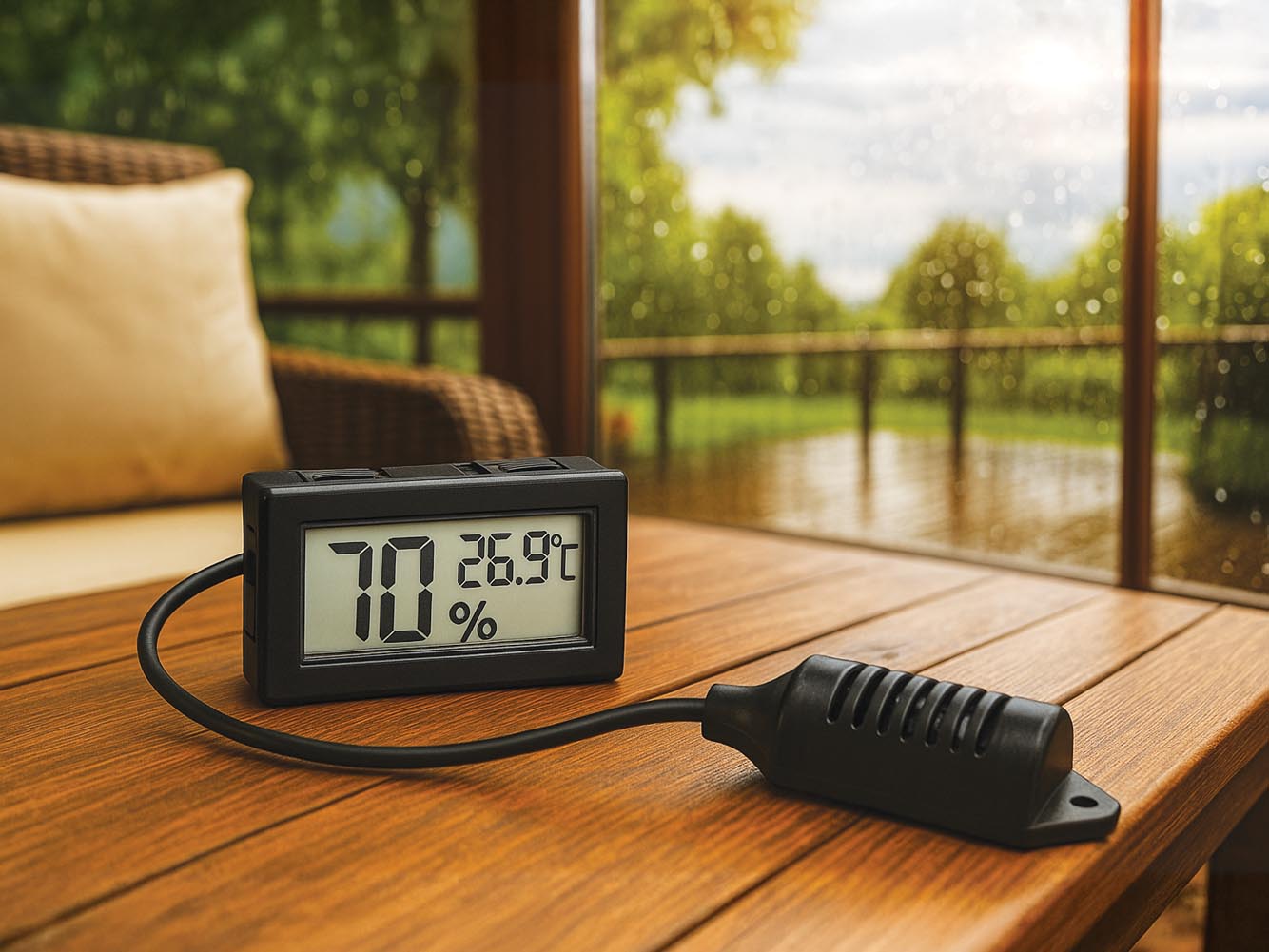
You do not need a lab. You need a hygrometer, and a little patience about placement.
Tips for accurate readings
- Use at least one digital hygrometer (many also show temperature). If you are troubleshooting, two units in different rooms can be more revealing than one.
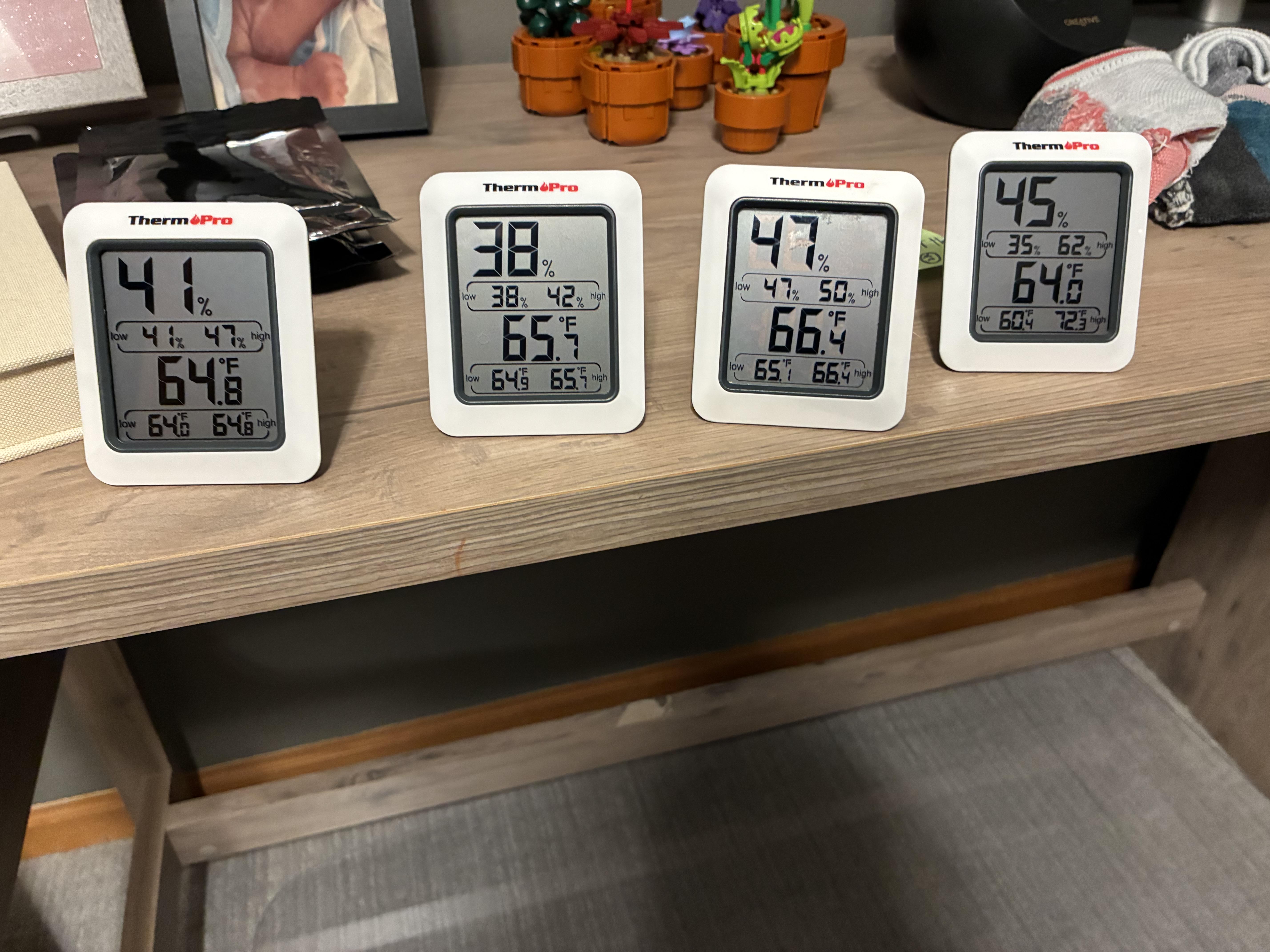
- Expect some error: Inexpensive hygrometers can be off by several percentage points. If the number seems suspicious, compare two units side by side or do a simple calibration check (the common “salt test” method).
- Place it away from moisture events: Not right next to a kettle, shower, humidifier, or cooking range.
- Avoid exterior walls and windows for the main reading, since colder nearby surfaces can lower the local air temperature around the sensor and make the RH read higher than the room average.
- Give it time: Let it sit 15 to 30 minutes after moving it to settle.
If your home feels off but the humidity reading looks “fine,” check temperature too. An RH of 45% can feel different at 65°F versus 75°F, and cold rooms can hide condensation risk even at moderate RH.
If humidity is too high: what to do
High humidity is often a combination of moisture sources plus not enough removal. The fastest improvements usually come from controlling sources first.
1) Remove moisture at the source
- Run bathroom exhaust fans during showers and for 20 to 30 minutes after. If the fan is weak or loud enough that nobody uses it, it is not doing its job.
- Use a range hood that vents outdoors when cooking, especially for boiling and simmering.
- Cover pots and reduce long boils when possible.
- Vent the dryer outdoors: Make sure the dryer vents outside and the vent is not blocked or leaking. A restricted vent can dump moisture indoors and is also a fire hazard.
- Fix leaks: Plumbing drips, roof leaks, and damp basements are humidity engines.
2) Dehumidify and condition the air
- Air conditioning removes moisture as it cools, but it must run long enough. An oversized AC can cool quickly and leave humidity behind.
- Standalone dehumidifiers are excellent for basements and muggy rooms. Set a target like 45% to 50% RH and keep doors closed for faster results.
3) Improve airflow where moisture lingers
- Move air across cool, damp-prone surfaces (like exterior corners or behind furniture) using fans and better vent placement.
- Do not block supply or return vents.
Basements and crawlspaces need extra attention
If your humidity problem lives downstairs, a dehumidifier can be necessary, but it might not be sufficient. Basements and crawlspaces often pull moisture from the ground and foundation. Drainage, gutters, grading, sump performance, and in some cases a vapor barrier can matter as much as the appliance you plug in.
When high humidity is urgent
Take persistent indoor RH above about 60% seriously, especially if you smell mustiness or see spotting on walls or window trim. As indoor humidity rises, the risk of mold and dust mites generally rises with it, but the real trigger is often damp surfaces and materials. If you have ongoing water intrusion, repeated wetting, or widespread visible mold, address the moisture source first and consider a professional assessment.
If humidity is too low: what to do
Air that is too dry often announces itself through scratchy throat, dry eyes, itchy skin, static shocks, and sometimes wood shrinkage (gaps in floors or trim). The fix is usually to add moisture carefully, not flood the house.
1) Confirm it is truly dry
Check the hygrometer in the rooms where you feel it most. In winter, a reading below 30% RH is common in many climates, but comfort can improve if you can bring it into the 30% to 40% zone.
2) Add humidity in controlled ways
- Portable humidifiers: Effective for bedrooms and offices. Aim for 30% to 40% RH in winter, and do not chase higher numbers if windows start to fog.
- Whole-house humidifiers (attached to HVAC): Useful in consistently dry climates, but they must be set conservatively to avoid condensation inside walls and around windows.
3) Reduce over-drying
- Lower the thermostat slightly if you are overheating the air. Warmer air lowers RH if moisture stays constant.
- Address excessive ventilation in very cold, dry weather, but keep indoor air quality in mind. Stale air is not a win.
Humidifier hygiene
Humidifiers can concentrate minerals and grow microbes if neglected. Follow the manufacturer cleaning guidance, use appropriately treated water if recommended, and watch for white dust from mineral-rich tap water.
A simple humidity decision tree
- If RH is 30% to 50% and you have no condensation or musty smells: You are likely in the sweet spot.
- If RH is above 50% (especially above 60%): Reduce moisture sources, run exhaust fans, and consider dehumidification.
- If RH is below 30%: Consider humidification, but raise it slowly and watch windows for condensation.
- If windows sweat even when RH looks modest: The window surface is very cold. Lower indoor RH a bit, improve air circulation near windows, and consider insulation or window improvements.
Quick FAQs
Is 60% humidity OK indoors?
It can be tolerable briefly, but regularly being near or above 60% RH increases the likelihood of mold and dust mite issues and it often feels muggy. Many homes do better when kept at or below 50%.
Is 20% humidity too low?
For many people, yes. Around 20% RH can aggravate dry skin, eyes, and nasal passages. If you can bring winter humidity up into the 30% to 40% range without causing window condensation, it is often more comfortable.
What matters more, dew point or relative humidity?
Indoors, RH is usually the most practical control target because humidifiers and dehumidifiers are typically set by RH. But dew point is the better condensation predictor. If your indoor dew point is high and you have cold surfaces, water will appear there first.
Why is one room more humid than the rest?
Bathrooms, kitchens, basements, and laundry areas generate moisture. Also, cooler rooms can show higher RH even if they contain the same amount of water vapor. Differences in airflow and closed doors amplify the effect.
The bottom line
If you want one target that works in most homes most of the time: keep indoor humidity between 30% and 50% RH, drifting lower in winter (to prevent condensation) and keeping it at or below 50% in summer (to reduce muggy comfort and moisture risk). Then let your windows be your early-warning sensor. If they start sweating, your house is telling you your humidity is too high for the current conditions, or that the window surface is too cold for the moisture in the air.