Curiosity, with all its quills showing.
If you ever hear the words “Tornado Emergency”, your brain is allowed to skip the usual weather parsing and go straight to action. This is a rare phrase the National Weather Service (NWS) uses when the threat is not just real, but imminent, extreme, and aimed at people in the path.
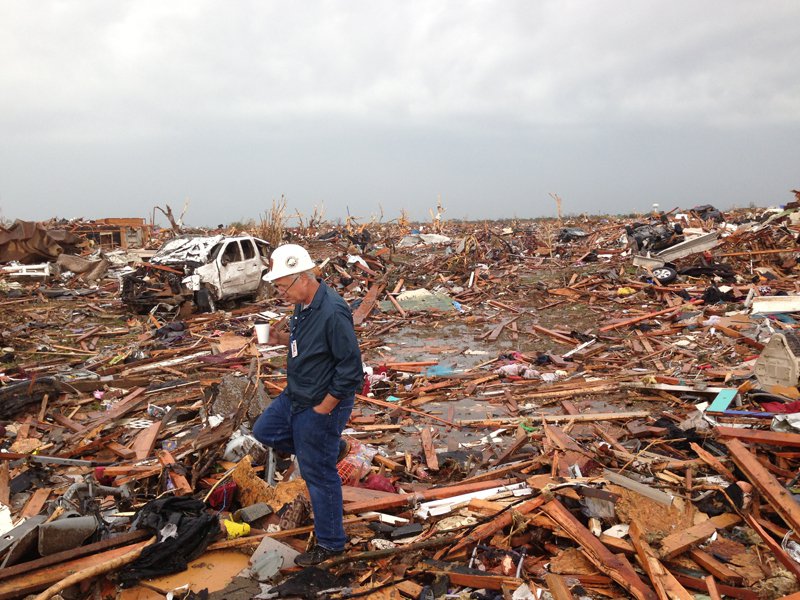
What a Tornado Emergency means
A Tornado Emergency is special, high-impact wording that the NWS can add to a Tornado Warning when there is strong evidence of a dangerous tornado, the potential for catastrophic damage is high, and people in a populated area are in immediate danger.
It is not a separate “extra warning” tier you see on a simple ladder like watch, warning, emergency. Operationally, it is a tornado warning with additional, urgent language reserved for the highest-risk situations. It is most often used when:
- A tornado is observed (by spotters, law enforcement, emergency management, or the public) and/or the storm is radar-indicated with signatures strongly associated with a tornado.
- The tornado is expected to cause catastrophic damage, often associated with strong to violent intensity.
- A city, town, or densely populated area is in the projected path within a short timeframe.
In plain terms: the NWS is telling you, this is happening (or about to happen) and people are in danger right now.
Tornado Emergency vs. Tornado Warning
This is where confusion often sneaks in, because you can do everything “right” and still underestimate the difference in urgency.
Tornado Warning
A Tornado Warning means a tornado is occurring, or expected soon based on radar. It is already a serious call to take shelter immediately. Some warnings are issued for radar-indicated rotation and may not result in a confirmed tornado, but the correct response is the same: take cover.
Tornado Emergency
A Tornado Emergency is used when confidence and consequences are both exceptionally high: a tornado is observed or strongly indicated, the potential for devastating damage is high, and the path threatens people and structures.
Think of it as the NWS switching from “take shelter now” to “catastrophic conditions are likely in the warning area, and the window to protect yourself is closing.”
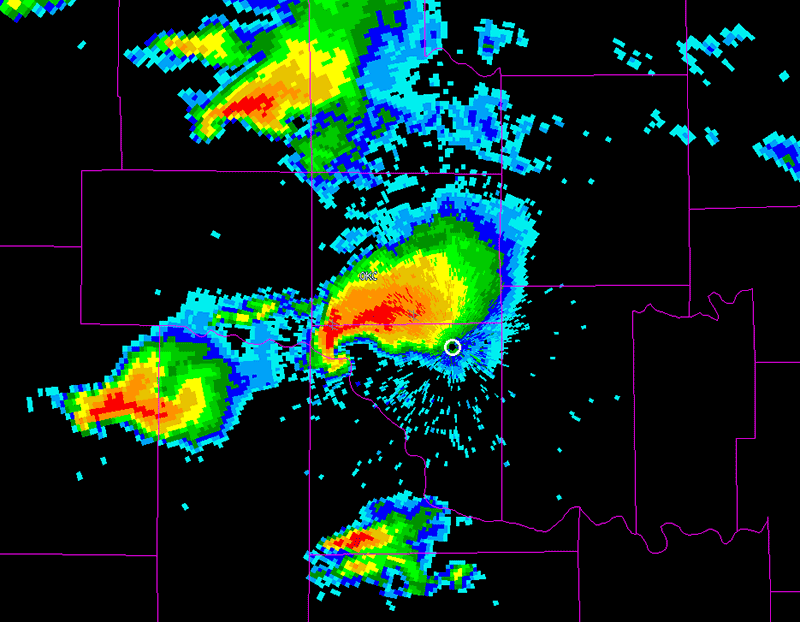
Why it is so rare
Tornado Emergencies are uncommon because the criteria are narrow. The NWS does not use the phrase for every tornado warning with a strong storm. It tends to appear when multiple pieces of evidence line up at once, such as:
- Radar signatures that strongly suggest a damaging tornado, including a dual-polarization tornadic debris signature (TDS) when debris is lofted high enough to show up on radar.
- Observed reports of a large tornado on the ground from spotters, emergency management, or law enforcement.
- A projected track that intersects neighborhoods, schools, businesses, or major venues.
Because the wording carries so much weight, forecasters keep it reserved for moments when it truly fits. You may also see small differences in how it is applied from one NWS office to another, since it is enhanced language inside a warning, not a separate nationwide product category.
What to do immediately
If a Tornado Emergency is issued for your area, treat it as an immediate, life-threatening event. Your goal is not to watch the storm. Your goal is to put as many walls as possible between you and the outside, and to get low.
When you are in your shelter spot, make “get low” specific: crouch down, face toward the floor, and cover your head and neck with your arms and whatever protection you have.
If you are in a house or small building
- Go to a basement. If there is no basement, go to a small interior room on the lowest floor, like a bathroom, closet, or interior hallway.
- Stay away from windows.
- Cover your head and neck. Use a helmet if you have one. Otherwise use a sturdy blanket, a sleeping bag, or even a mattress if you can position it safely.
- If possible, wear sturdy shoes in case you need to move through debris afterward.
If you are in an apartment
- Get to the lowest floor you can.
- Choose a small interior room or stairwell area away from windows.
- Do not rely on being “in the middle” of a higher floor. Height increases exposure.
If you are in a mobile home
- Leave immediately if there is time to reach a sturdy shelter nearby (a designated storm shelter, a neighbor’s well-built home, or a substantial building).
- Mobile homes are highly vulnerable in tornado winds. If there is truly no safe building to reach and the tornado is imminent, as a last resort, lie flat in a low spot and cover your head. Avoid places that can fill with water, and stay alert for flying debris.
If you are driving
- Do not try to “beat” the tornado. Tornado motion can change quickly.
- If a sturdy building is nearby and you can reach it safely, get inside and shelter.
- Avoid sheltering under bridges and overpasses. Wind can accelerate through these openings and debris exposure remains dangerous.
- If you cannot reach a sturdy shelter and the tornado is imminent, your last resort is to get out of the vehicle and lie flat in a low spot, covering your head and neck. Cars can be rolled and become debris.
Once you are sheltered, stay put until the warning expires and local officials or trusted weather sources confirm the danger has passed. Be aware that warning polygons can shift or expand, and storms can produce more than one tornado.
How you might hear it
A Tornado Emergency can show up in multiple places at once:
- Wireless Emergency Alerts on your phone
- NOAA Weather Radio alerts
- Local TV and radio interruptions
- Weather apps that relay official NWS text
- Emergency management notifications in your county or city
The alert text often includes forceful phrases like “catastrophic damage”, and may name the communities in the direct path. If you recognize your town, neighborhood, or nearby landmarks, do not wait for another update.
How to prepare before the next one
You cannot create calm weather on command, but you can reduce decision time. Tornado Emergencies move fast, and preparation is mostly about shaving minutes down to seconds.
Make a shelter plan
- Pick your best shelter spot at home, at work, and at school.
- Decide how you will get there from common locations, including at night.
- If you live in a mobile home, identify nearby sturdy shelters ahead of time.
Build a small “grab-and-go” shelter kit
- Helmets for family members if available
- Sturdy shoes
- Flashlight and spare batteries
- Phone charger or power bank
- Weather radio if you live in an area with frequent severe storms
Use more than one warning method
Sirens are meant to alert people outdoors. Indoors, you want redundancy: phone alerts, NOAA Weather Radio, and local weather coverage.
FAQ
Is a Tornado Emergency always an EF4 or EF5 tornado?
No. The EF rating is assigned afterward based on damage surveys. A Tornado Emergency is issued during the event, when forecasters are weighing real-time evidence and the potential for catastrophic impacts.
Can a Tornado Emergency be issued without a tornado on the ground?
It is most often used for ongoing tornadoes that are observed, but it can also be used when radar evidence strongly indicates a dangerous tornado (for example, a clear tornadic debris signature), especially when a populated area is in the path. The key idea is that the threat is not theoretical.
If I am not in the polygon, should I ignore it?
No. If you are near the warned area, stay alert and ready. Tornadoes can deviate from the projected path, warning polygons can shift, and severe storms can produce more than one tornado.
What is the safest room in a house?
The safest option is usually a basement. Without one, choose a small interior room on the lowest floor, away from windows. Bathrooms and closets often work well because they are compact and have more framing and plumbing around them.
The takeaway
A Tornado Emergency is the NWS using its strongest, rarest language inside a tornado warning for the highest-risk situations: a dangerous tornado is ongoing or strongly indicated, catastrophic damage is possible, and a populated area is in the crosshairs. If you ever see it for your location, do not wait for a better look outside. Get to shelter immediately and stay there until the warning is over.