Physics & Chemistry

What Causes Lightning and Thunder to Happen Together
If you have ever watched a storm roll in and thought, “Why do lightning and thunder always come as a package deal?”, you are asking a great physics question. The short answer is that thunder is not a separate thing that follows lightning. Thunder is what the lightning does to the air. Lightning is...
Read more →
Why the Sky Changes Color at Sunrise and Sunset
If you have ever watched the sky go from pale gold to neon pink to deep ember-red and thought, How is the atmosphere pulling off this paint job? you are asking a physics question. The short version is this: sunlight is made of many colors, and Earth’s air is better at bouncing some colors around...
Read more →
Why Ice Floats
If you have ever dropped a few cubes into a glass and watched them bob at the top, you have witnessed one of water’s most useful quirks. Most solids sink in their own liquids. Solid iron sinks in molten iron. Solid wax sinks in melted wax. But ice floats in liquid water, like a tiny white boat. The...
Read more →
Static Electricity: Build-Up, Cling, and Tiny Shocks
If you have ever touched a doorknob and gotten a surprise zap, you have met static electricity in its most dramatic mood. The good news is that the science behind it is wonderfully ordinary. Static electricity is not a special kind of electricity. It is the same old electric charge, just stuck in...
Read more →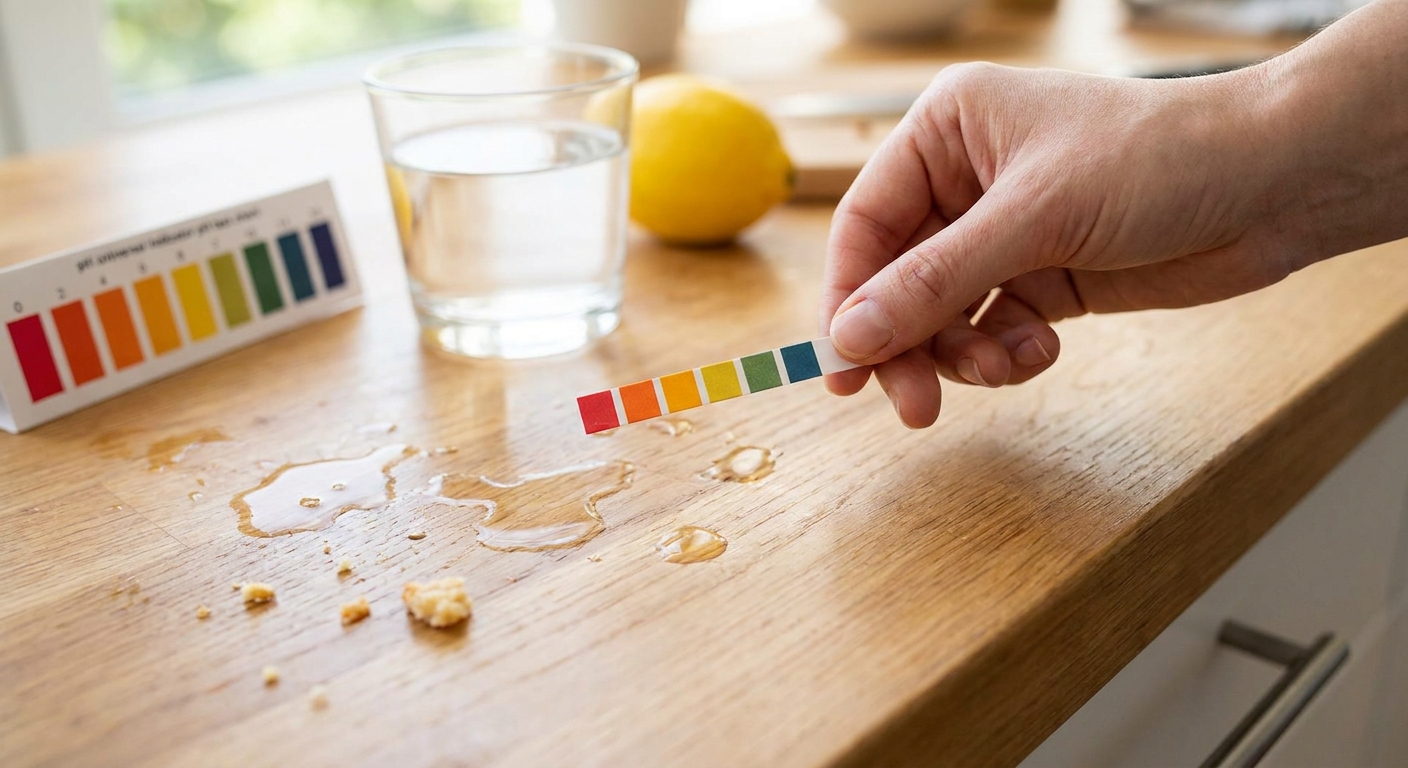
How to Read a pH Scale in Everyday Life
pH is one of those science concepts that sounds like it belongs in a lab coat. But it shows up everywhere you live. It is in the bite of a lemon, the sting of a cleaner, the way some hydrangeas change color, and the reason pool water sometimes makes your eyes feel weird. If you can read a pH...
Read more →
How Lightning Forms and Why Thunder Follows
Lightning looks like a jagged streak of pure chaos, but the physics behind it is surprisingly orderly. A thunderstorm is basically a roaming battery: it separates electric charge, builds up voltage, and then discharges in a sudden, violent rush through the air. Thunder is what you hear when that...
Read more →
5 Easy Physics Experiments You Can Do at Home
One of my favorite things about physics is that it is not locked away in a lab. It is in your kitchen, your sock drawer, and that slightly chaotic junk drawer we all pretend is “organized.” Below are five low-stress, high-aha experiments you can do with everyday items. Each one is safe, fast (most...
Read more →
10 Essential Laboratory Tools Every Beginner Chemist Needs
There is a special kind of confidence that comes from holding the right tool in your hand. In chemistry, that confidence is not about fancy gadgets. It is about reliable basics that help you measure, heat, mix, and observe without turning your experiment into a mystery novel. Below is my go-to...
Read more →
Reading the Periodic Table
The periodic table looks like a colorful wall of tiny boxes, each one crammed with letters and numbers that somehow explain all matter. If you have ever stared at it thinking, “Cool… but what do I do with this?”, you are in the right place. I like to think of the periodic table as a city map. The...
Read more →
Nuclear Fission vs. Fusion: What’s the Difference and Which is Safer?
If you have ever heard nuclear fission described as “splitting atoms” and fusion as “smashing them together,” you have the gist, but not the story. The story matters because the details determine what these technologies can realistically do for our power grids, our climate goals, and our safety....
Read more →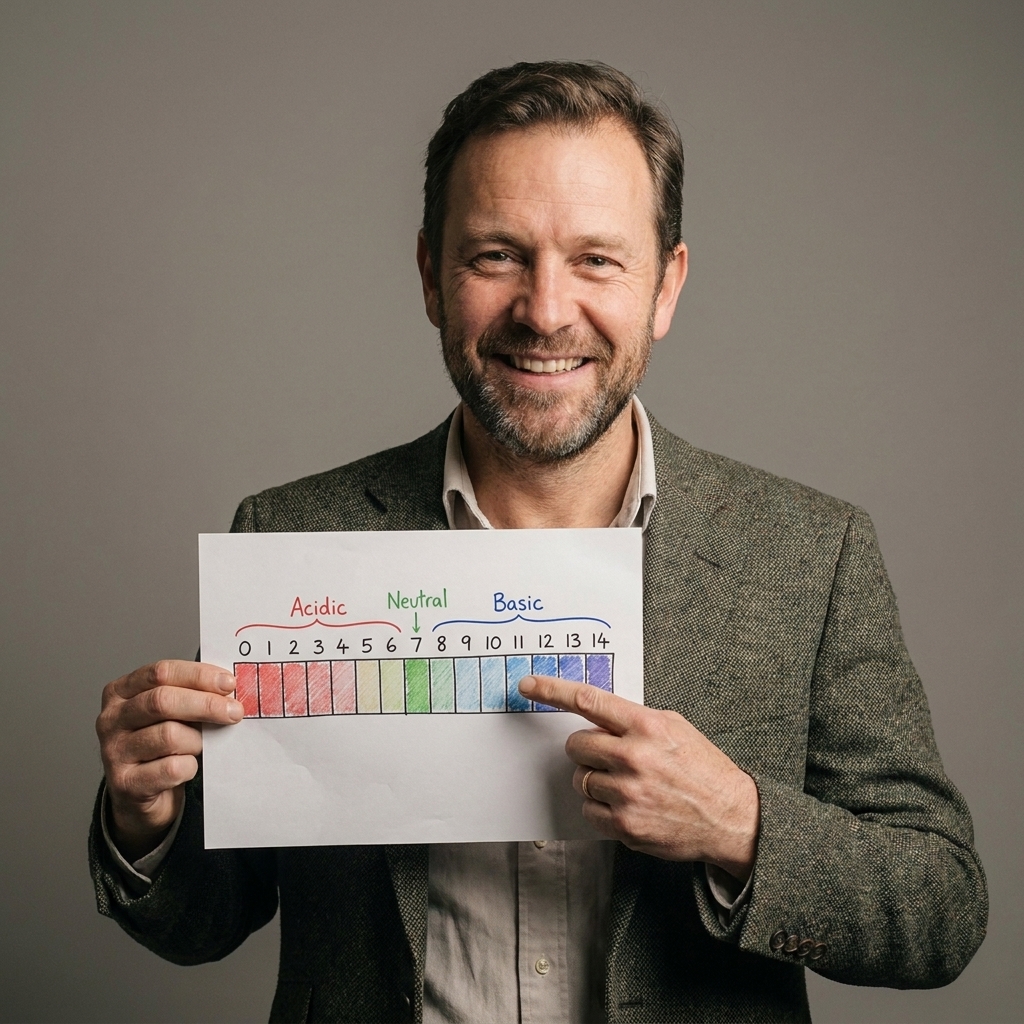
Acids vs. Bases: Calculating pH in Common Solutions
pH is a way to express how acidic or basic a solution is. In rigorous chemistry, pH is defined using hydrogen ion activity (a H+ ). In most introductory problems, activity is approximated by concentration, so you will often see pH tied to [H + ]. pH = -log 10 [H + ] pOH = -log 10 [OH - ] At 25°C in...
Read more →
Newton’s Three Laws of Motion
Newton’s three laws of motion sound like something etched into a dusty textbook, but they are really more like three habits the universe refuses to break. You have felt them on a bus ride, in a grocery aisle, and probably while wrestling a stuck jar lid. Think of the laws as a tiny toolkit for...
Read more →
How Active Noise-Canceling Headphones Work
There is a tiny magic trick happening every time you put on active noise-canceling (ANC) headphones and the airplane cabin seems to exhale into quiet. The trick is not foam, not willpower, and not your brain “tuning things out.” It is physics: your headphones are listening to the world, modeling...
Read more →
Classical Physics vs. Quantum Mechanics
When I taught physics, I used to tell my students that classical physics is like a trusty road map: if you know where you are and how fast you are going, you can predict where you will be next. Quantum mechanics is more like checking the weather: you get solid odds, patterns, and forecasts, but not...
Read more →
10 Chemical Reactions Happening in Your Kitchen
If you have ever watched onions turn sweet and golden, seen bread puff in the oven, or tasted the bright tang of yogurt, you have witnessed chemistry doing its quiet, delicious work. Kitchens feel cozy, not clinical, but at the molecular level they are full of tiny rearrangements: bonds breaking,...
Read more →
DIY Cloud Chamber to Detect Radiation
If you have ever wished you could see the invisible world of radiation, a cloud chamber is one of the most satisfying kitchen-table physics projects on Earth. It turns tiny, fast-moving particles into bright little streaks you can watch in real time, like microscopic shooting stars. This guide...
Read more →
About Leo Vance
Hi, I’m Leo Vance. Welcome to Empiric Folio , a corner of the internet where science is treated as what it really is: a practical tool for living, not a secret handshake. If you’ve ever read a headline about black holes , vaccines, AI , climate , or “quantum something” and thought, Okay, but what...
Read more →