Curiosity, with all its quills showing.
Hail looks almost playful until it starts hitting like thrown gravel. Even small stones can injure you and break glass, and large hail can crack (and in some cases break) skylights, damage roofs, and wreck cars in minutes. The good news is that the safest moves are usually simple: get inside, get away from windows, and avoid “clever” shelter that creates new risks.
First, size up the risk fast
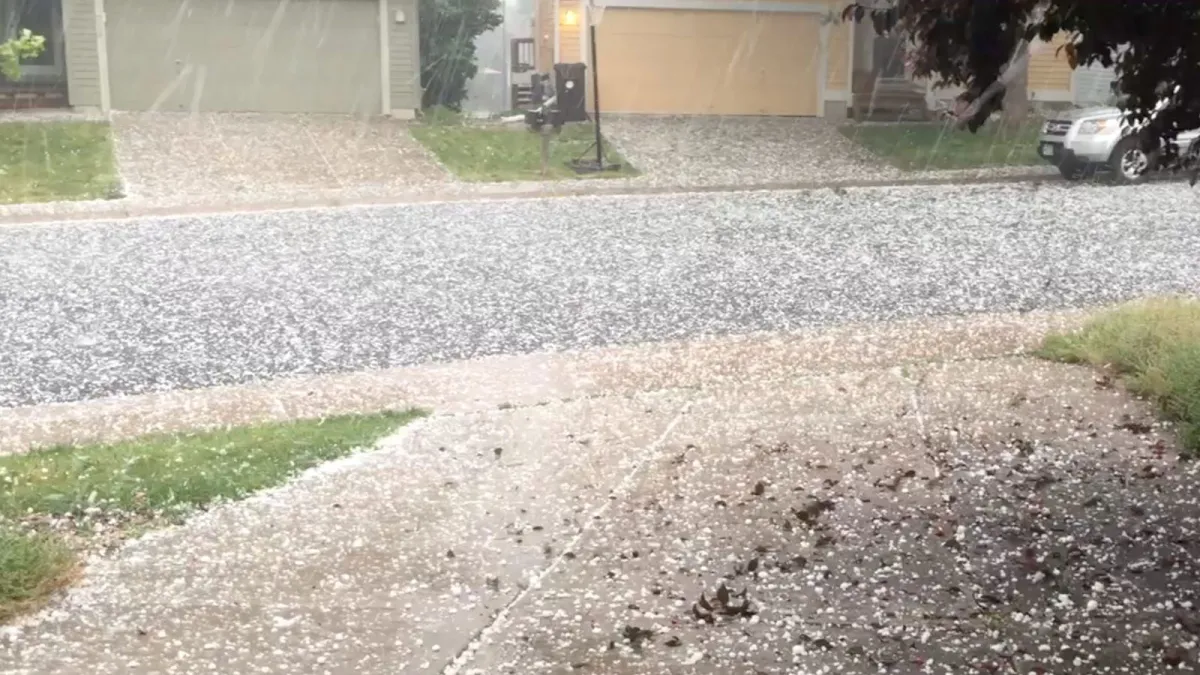
You rarely get a polite countdown before hail starts. If you hear a sudden roar on the roof, see white pellets bouncing on pavement, or receive a severe thunderstorm warning, treat it as a time-sensitive safety problem, not a weather curiosity.
- Assume hail can worsen quickly. Hail size can change minute to minute as a storm’s updraft strengthens or weakens.
- Read warning wording like it matters. If an alert mentions destructive hail or very large hail, treat it like an emergency and move to sturdy shelter immediately.
- Remember the companion hazards. Hail often arrives with lightning, sudden wind gusts, and reduced visibility from heavy rain.
- Act before you see huge stones. The best time to move is when hail begins, not when it becomes dangerous to move.
If you are outdoors
Get to a sturdy building
Your top priority is overhead protection that can actually stop fast-moving ice. The best shelter is a fully enclosed, substantial building.
- Go inside a sturdy building with a solid roof and walls.
- If you hear thunder, move now. If you can hear thunder, you are close enough to lightning to be struck. Get into a substantial building or a hard-topped vehicle.
- Avoid small open shelters like picnic pavilions, bus stops, and canopies. Hail can blow in sideways, and wind can turn debris into hazards.
- Stay away from trees if wind is strong. Branches can break, and hail can knock down dead limbs.
If you cannot get indoors
If you are caught in the open with no safe building nearby, you are trying to reduce injury until you can move to real shelter.
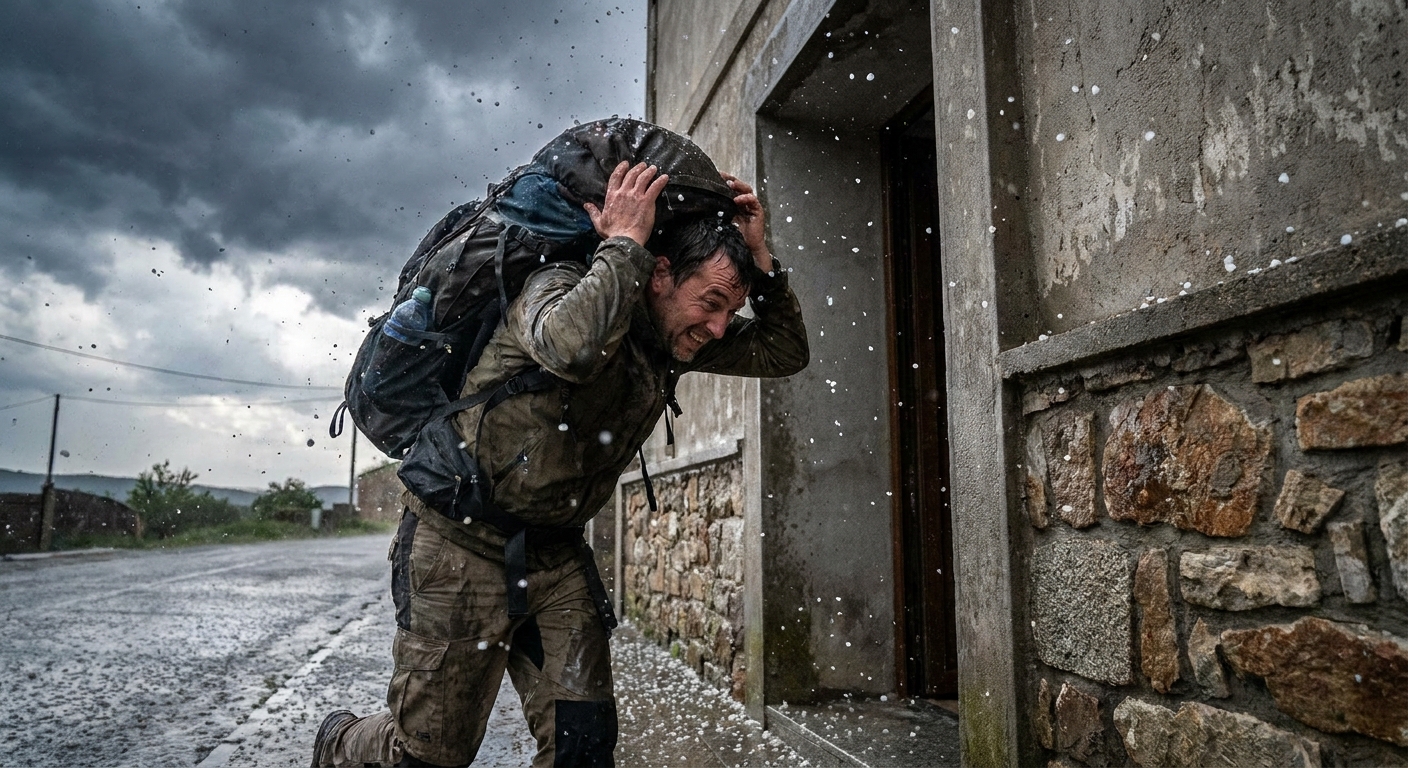
- Protect your head and eyes. Use a backpack, jacket, or anything thick as a shield over your head. If you have a bike helmet, put it on.
- Turn your back to the wind and lower your profile to reduce face and eye impacts.
- Do not take cover next to windows or glass walls. Hail can shatter glass and send shards in more than one direction.
- If you are near a vehicle and it is safe to enter, a closed car can provide short-term protection from impacts. Keep your face away from side windows.
If you are in a recreational area, golf course, or sports field, treat hail like lightning: stop what you are doing and move to proper shelter immediately.
If you are driving
Driving in hail combines three problems: reduced visibility, slippery roads, and the instinct to stop somewhere that feels protected. Your safest choice depends on severity, traffic, and available shelter.
While you are moving
- Slow down gradually and increase following distance. Hail can reduce tire grip and make braking unpredictable.
- Turn on headlights so others can see you through rain and hail.
- Avoid sudden lane changes if visibility drops. Other drivers may be reacting erratically.
- Watch the road edges if lane markings disappear under water or hail buildup.
Should you pull over?
If hail becomes intense enough that you cannot see well or feel in control, pulling over can be safer than continuing. The key is where you pull over.
- Best option: get completely indoors in a sturdy, enclosed building if you can do it without taking risks. A parking garage is ideal. If you pull into a service station, the goal is the building itself, not standing under the canopy.
- If you must stay in the car: pull as far off the roadway as possible, ideally into a parking lot or wide shoulder well away from moving traffic.
Should you stop under an overpass?
Generally, no. Stopping under an overpass is risky for a few reasons:
- Traffic hazard: it encourages sudden braking and bottlenecks, increasing crash risk for you and others.
- Not truly protected: wind can drive hail into the space, and hail can rebound off surfaces.
- Secondary collisions: vehicles stopped in travel lanes or on narrow shoulders create chain-reaction pileups.
If you are already under an overpass in slow traffic, focus on avoiding rear-end collisions and keep moving if it is safe. Do not become the reason a line of cars stops in an active roadway.
How to position the car
If you are already safely stopped well off the road and wind direction is obvious:
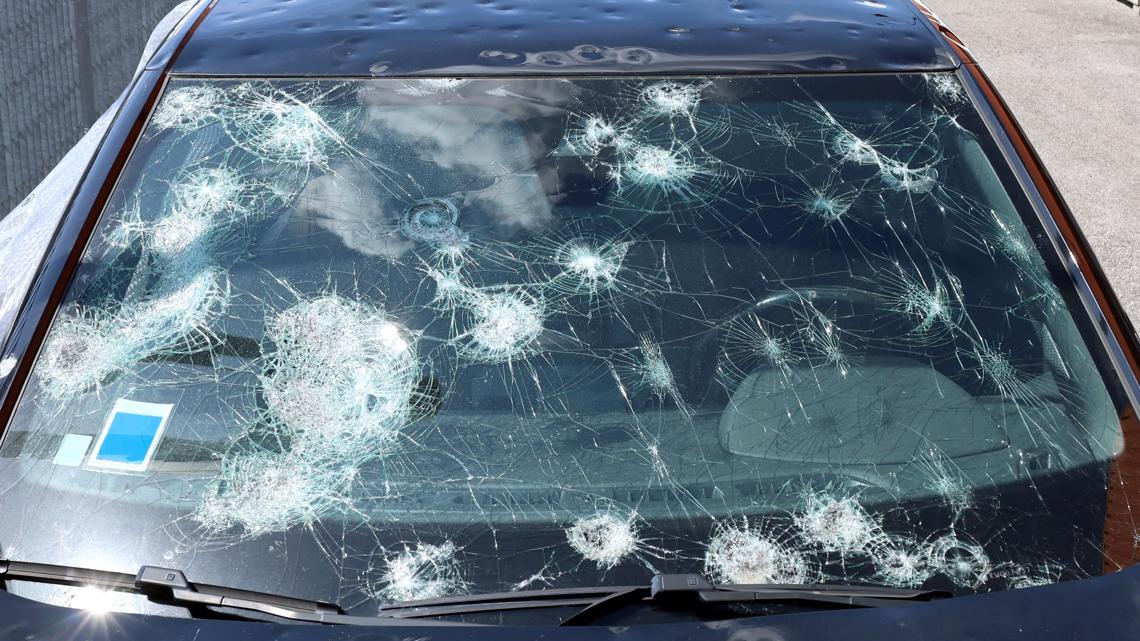
- Angle the front of the car into the hail if you can do so without maneuvering into danger. Windshields are often tougher than side windows and rear glass, but not indestructible.
- Stay belted. If another vehicle slides into you, the belt matters.
- Keep your face away from windows and consider covering your head with a jacket or blanket if glass breaks.
- Avoid low spots where water can quickly pool. Some hailstorms also bring very heavy rain and sudden flooding.
If you are at home
Move away from glass
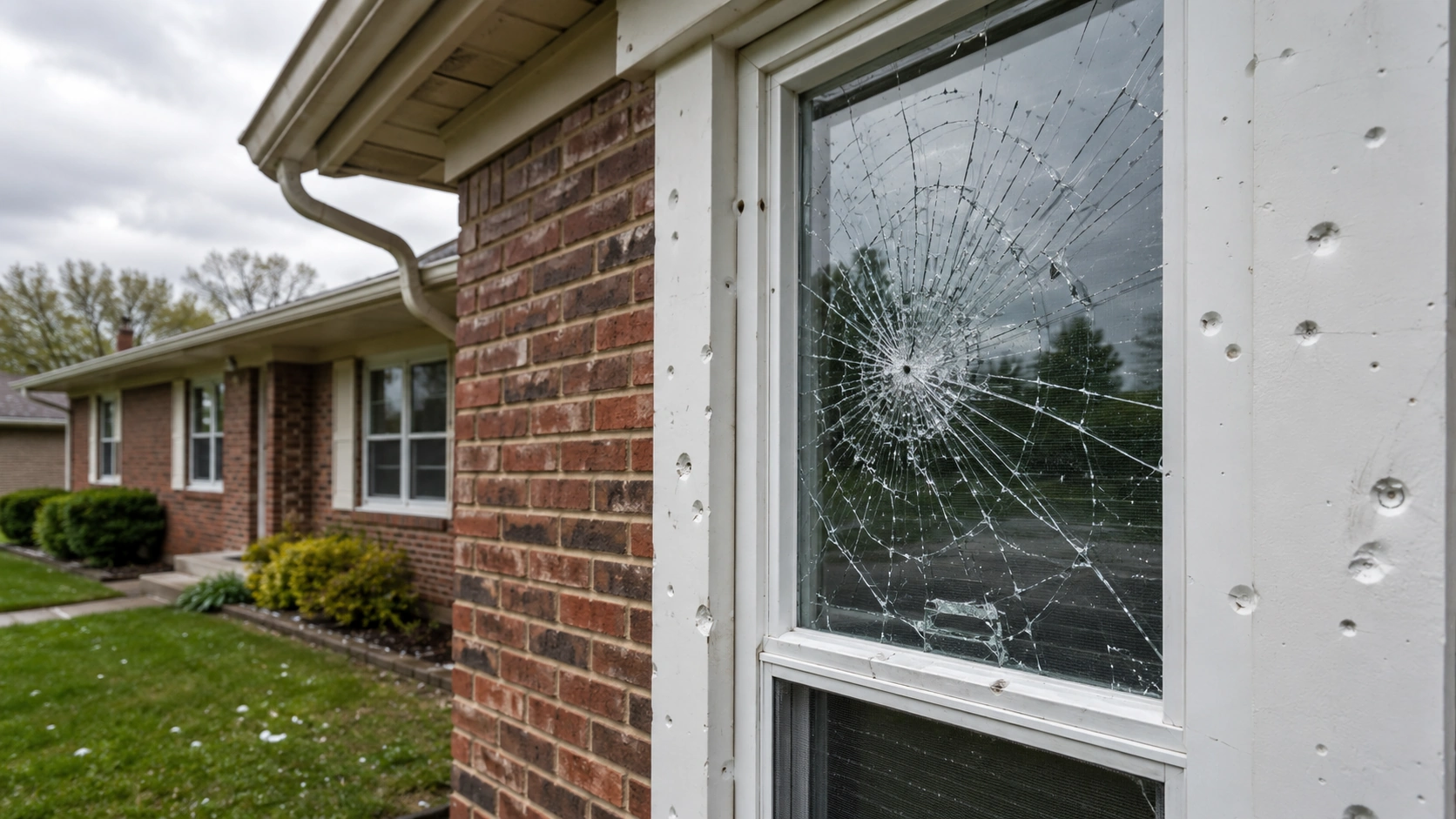
Hail can crack and shatter glass, especially if stones are large or wind-driven. During the worst part of the storm:
- Stay away from windows, glass doors, and skylights.
- Close curtains or blinds to reduce flying-glass hazards if something breaks.
- Keep kids and pets inside and away from glass.
Pick the safer room
If hail is large or you hear glass breaking nearby, it is reasonable to shift to a more protected interior area.
- Go to an interior room on the lowest level you can access comfortably.
- Avoid rooms directly under skylights if the hail is severe.
Roof and outdoor items
Once hail is falling, the time for outdoor adjustments has passed. Do not go outside to cover furniture, move grills, or rescue patio cushions. Hail injury happens fast.
If you have time before hail begins, bring pets indoors and move breakable items into a garage or shed, but do not delay getting yourself safe.
Protect your vehicle safely
People understandably worry about cars in hail, but personal safety comes first. If you have advance warning and can act without stepping into danger, here are the best options.
Best protection: enclosed shelter
- Park in a garage or fully covered parking structure if available.
- Use a sturdy carport only if it is well-built and not at risk of failing in wind. It is still not the same as being fully enclosed.
If you cannot get covered parking
Some drivers use thick blankets, moving pads, or purpose-made hail covers. These can reduce dents from smaller hail, but they are not magic against large stones, and they can be dangerous to put on if hail is already starting.
- Only cover the vehicle early when conditions are still safe.
- Prioritize the windshield and rear glass if you are choosing what to protect, because broken glass can make a car undrivable.
- Avoid lightweight tarps that can whip in wind and scratch paint.
If hail is already falling, stay inside. A dent is cheaper than an emergency room visit.
What to do after hail stops
Hail often ends abruptly, but hazards linger. Take a slow lap, indoors first, then outside when it is clearly safe. Lightning can persist after the heaviest hail, and surfaces may be slick.
Immediate safety checks
- Watch for downed power lines and avoid puddles near them.
- Look for broken glass around doors, windows, and patios before letting kids or pets out.
- Check for water intrusion near windows, ceilings, and around skylights.
Home exterior: what to inspect
When conditions are calm and safe to go outside, look for:
- Roof damage you can see from the ground: missing shingles, obvious punctures, displaced flashing.
- Gutters and downspouts: dents, separation, clogs from granules and debris.
- Siding and window trim: chipped paint, cracks, holes.
- Outdoor AC unit fins: hail can bend fins and reduce efficiency.
Avoid climbing onto the roof. Wet shingles and hail residue are slippery, and hail damage can weaken surfaces. If you suspect significant damage, consider a qualified professional inspection.
Vehicle: quick checklist
- Windshield and windows: check for cracks or starbursts before driving.
- Mirrors and lights: ensure headlights and taillights are intact.
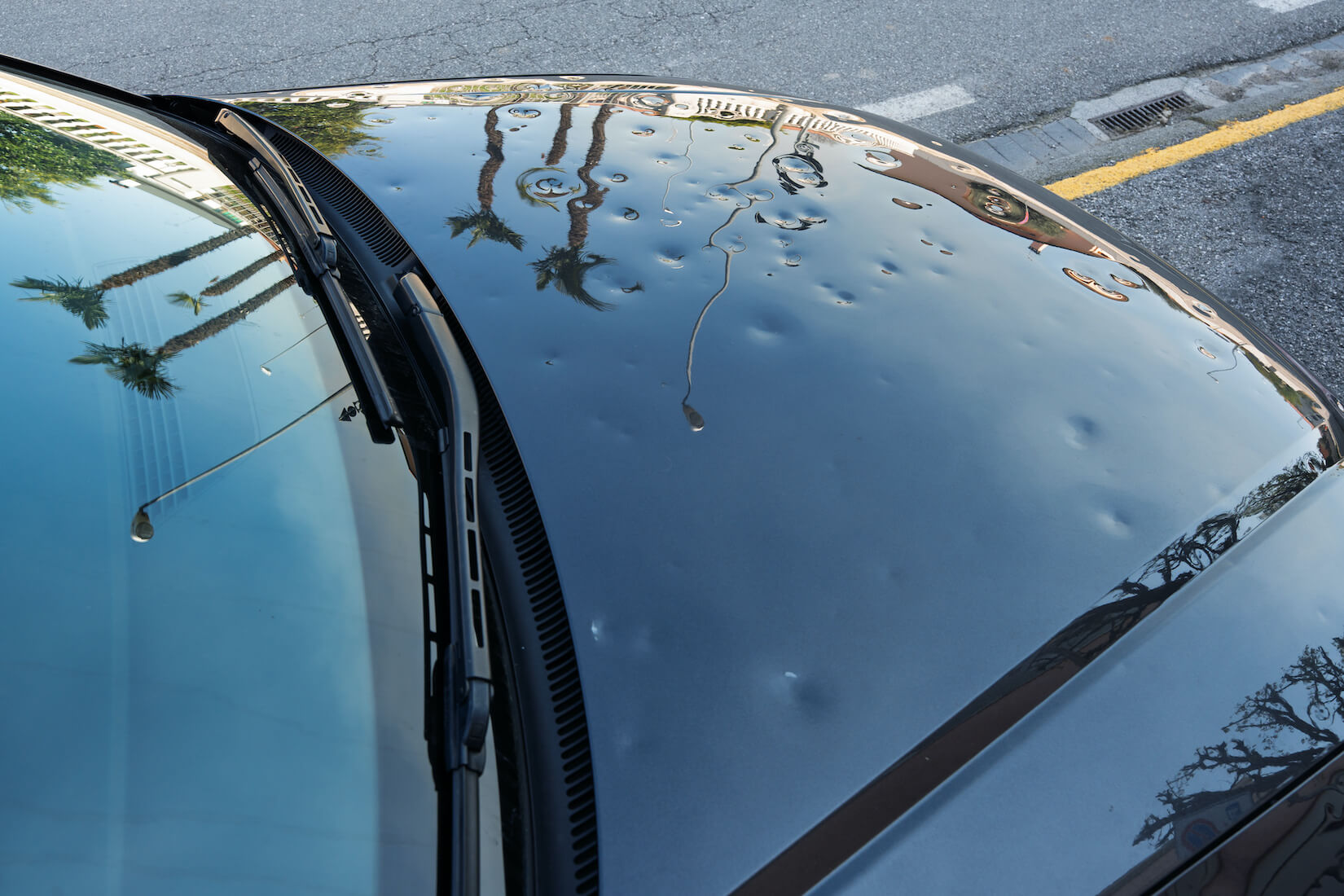
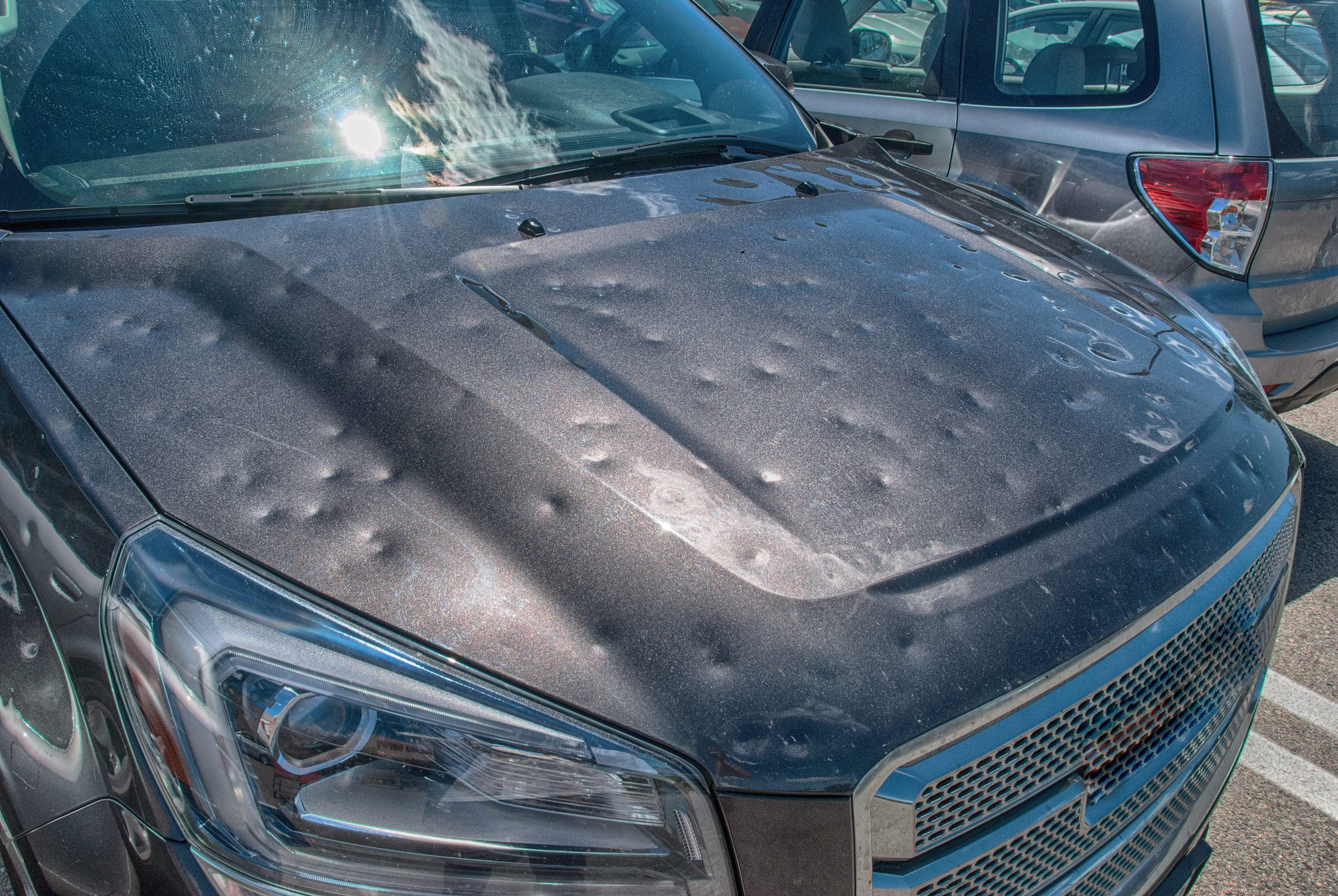
- Hood, roof, trunk: note dents and paint chips.
- Wipers: hail can nick blades, which then scratch glass.
Document damage
If you need to report damage, clear documentation helps. Take photos in good light from multiple angles, including close-ups of impacts and wider shots showing the whole surface. If possible, photograph hailstones next to a common object for scale, but only if it is safe and you are not in lightning risk.
Common questions
Can hail break windows?
Yes. Large hail, especially when driven by strong wind, can crack or shatter windows, glass doors, and some skylights. That is why moving away from glass and closing blinds or curtains is a smart precaution.
Is it safe to watch hail from a porch?
Usually not. Porches can be exposed to wind-driven hail, and nearby windows can break. If hail is falling, the safer choice is inside, away from glass.
Can hail make roads slippery?
Yes. Hail can accumulate like small ball bearings, reducing traction, especially on curves, overpasses, and painted lane markings. Combine that with heavy rain and visibility loss, and crash risk rises quickly.
What if someone is injured by hail?
Move them to shelter first. For bleeding, apply gentle pressure with a clean cloth. For head injuries, eye injuries, or loss of consciousness, seek urgent medical help. If severe weather is still ongoing, prioritize getting out of danger before attempting detailed first aid.
Quick checklist
- Outdoors: get into a sturdy building. Protect your head and eyes if you cannot.
- In a car: slow down, increase distance, and pull off safely if visibility or control is poor. Avoid stopping under overpasses.
- At home: move away from windows and skylights, close blinds, and stay inside until the storm fully passes.
- Afterward: watch for lightning, broken glass, and power lines. Document damage and avoid climbing onto the roof.
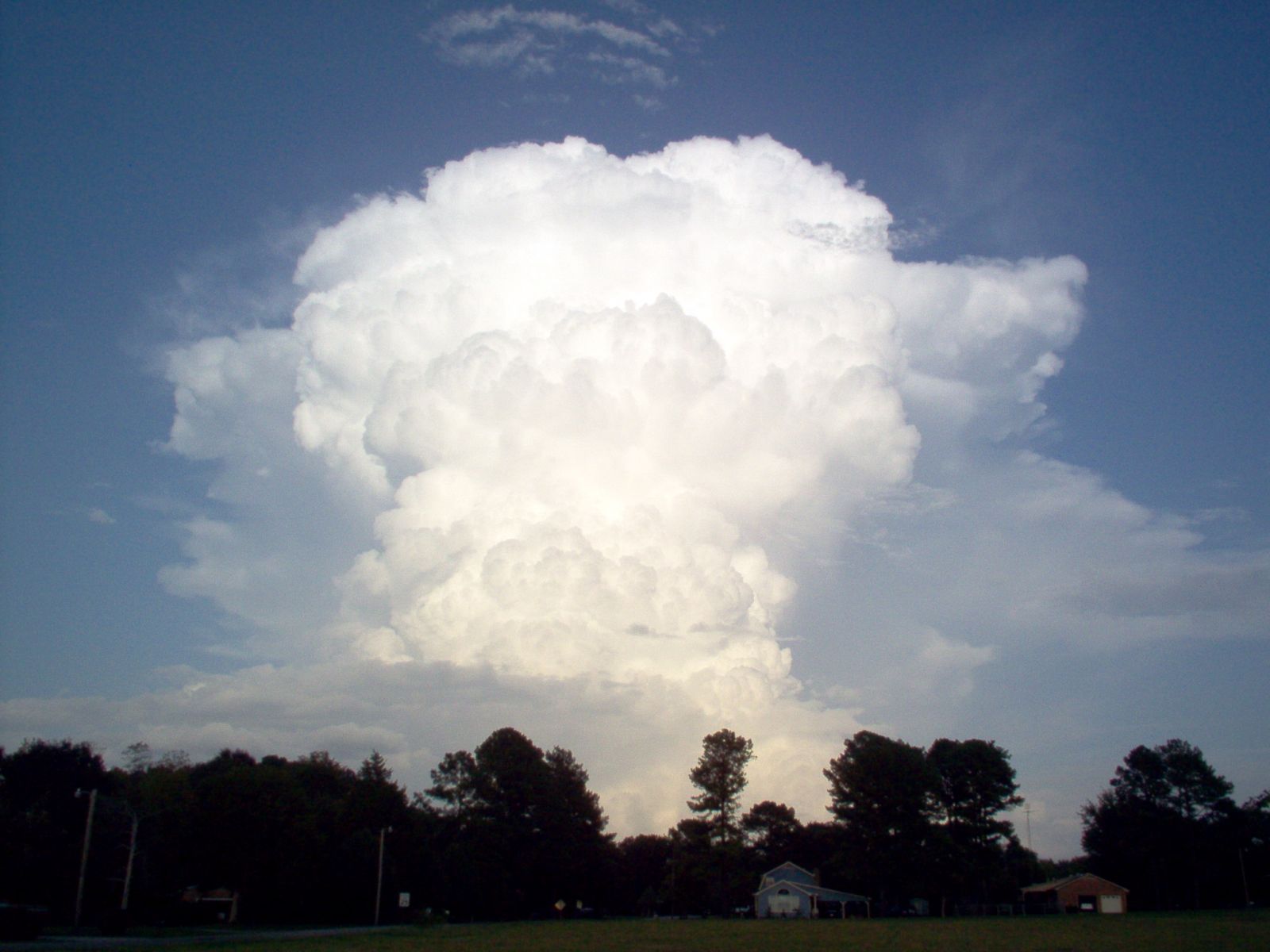
Hail is built by powerful storm updrafts, and when those ice stones finally drop, they can arrive with startling force. When in doubt, choose the most boring option: solid shelter, patience, and a careful check once the sky quiets down.