Curiosity, with all its quills showing.
Step outside on a winter morning and your lips can chap before you finish breathing in. Step back indoors, turn on the heat, and suddenly you are a walking static generator. Winter dryness feels like a seasonal personality change in the air, but it is mostly a matter of physics: cold air has a lower saturation vapor pressure, so the ceiling for how much water vapor it can hold is simply lower.

The core idea: saturation vapor pressure
Air is not a sponge with an unlimited appetite for moisture. At any given temperature, there is a maximum amount of water vapor that can exist in the air as a gas before it starts turning into liquid water or ice. That limit is governed by saturation vapor pressure.
Two key points make winter special:
- Saturation vapor pressure drops sharply as temperature drops. Cooling the air lowers the “allowed” water vapor pressure dramatically, not just a little.
- Relative humidity depends on temperature. Relative humidity (RH) is a ratio: how much water vapor is present compared with how much could be present at that temperature.
That is why cold air often has low absolute humidity (the actual amount of water vapor present) even if it sometimes reaches high relative humidity outdoors. The ceiling is simply low in the cold.
Why cold air “holds less” water vapor
It is common to hear that cold air “holds less water.” A more precise way to say it is: cold air has a lower saturation vapor pressure for water. The warmer the air, the more energetic water molecules can remain in the vapor phase without condensing. The colder the air, the more readily water vapor will condense into droplets or deposit as frost.
You can watch this happen in real life:
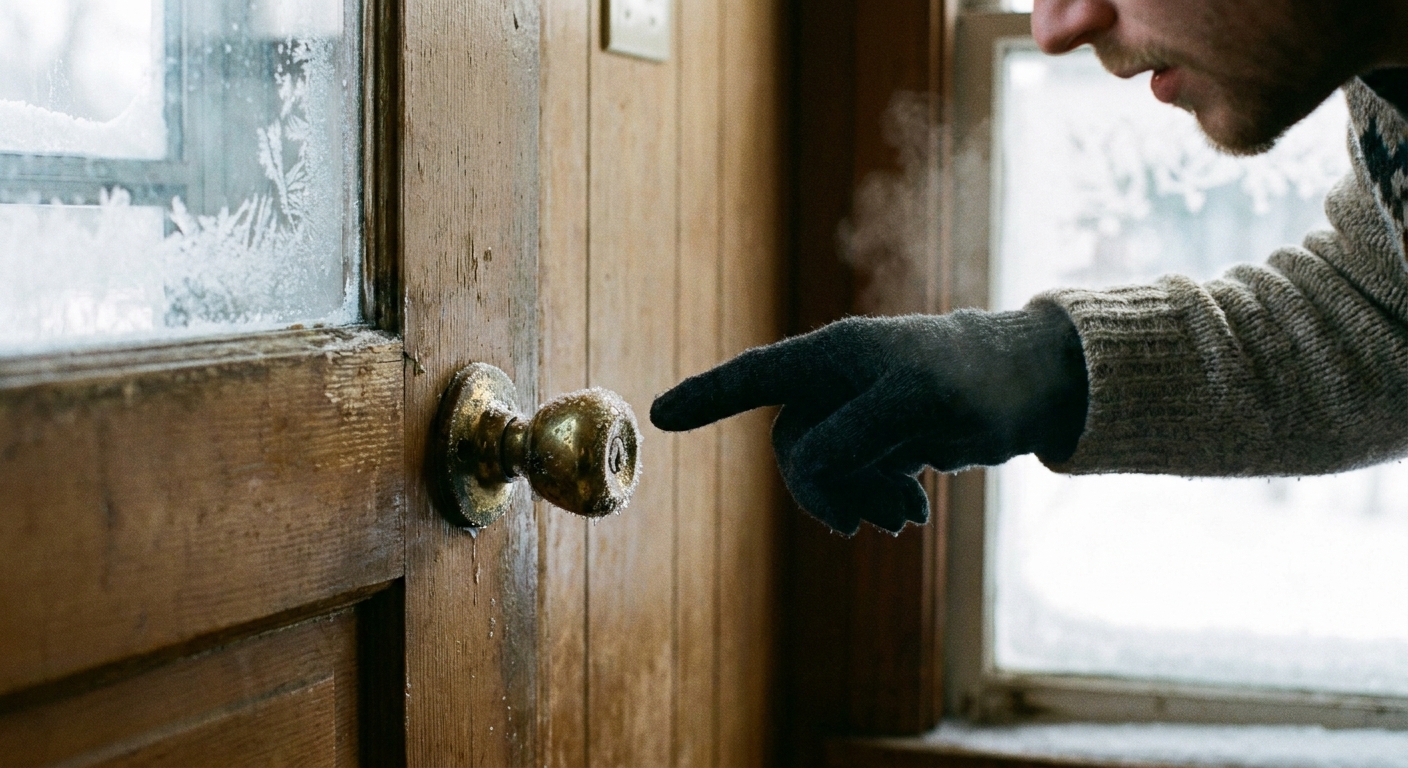
- Visible breath: Your lungs add moisture to exhaled air. Outside in the cold, that warm moist breath mixes with cold air, the saturation limit drops, and water condenses into tiny droplets (and sometimes ice crystals) you can see.
- Frost (and dew above freezing): When surfaces cool below the dew point of the nearby air, water vapor leaves the gas phase and becomes liquid water or ice on the surface.

How heating makes it worse
Here is the winter trick that surprises people: heating air does not add moisture. It mostly changes the denominator in relative humidity.
Imagine outdoor air that is cold and contains some water vapor. When that air leaks indoors and you warm it up with a furnace, radiator, or heat pump:
- The amount of water vapor in the air may stay about the same at first.
- The saturation vapor pressure rises quickly with temperature.
- So the relative humidity drops, sometimes dramatically.
This is why you can have a winter day where the weather app says the outdoor RH is high, but your living room can still drop to around 20 to 30 percent RH once that air is warmed.
If you like numbers, here is a simple way to make it concrete. Take outdoor air at 0°C (32°F) that is 50 percent RH. Bring it inside and heat it to 20°C (68°F) without adding any moisture. The absolute amount of water vapor is the same, but the new saturation point is much higher, so the indoor RH falls to roughly the high teens.
It helps to separate two ideas:
- Absolute humidity (how much water vapor is actually there): often low in winter because cold air cannot sustain much water vapor before it condenses somewhere.
- Relative humidity (how close the air is to saturation at its current temperature): tends to plunge indoors after heating, unless you actively add moisture.
Why you feel it
Dry skin and irritated eyes
Your skin and eyes are coated with thin layers of moisture. When indoor air has low relative humidity, evaporation becomes more efficient. Water leaves those surfaces faster, and you feel it as tight skin, flaky patches, and scratchy eyes.
Static electricity everywhere
Static buildup is partly a story about leakage. In more humid air, thin films of water on surfaces help electrical charge dissipate. In dry air, surfaces become better insulators, charge does not bleed away as easily, and a doorknob becomes a tiny winter thunderclap waiting to happen.
Nosebleeds and sore throats
Your nasal passages condition the air you inhale, warming and humidifying it. In very dry indoor air, that job demands more water from the tissues lining your nose. Those tissues can dry out, crack, and bleed, especially if you are also dealing with colds, allergies, or frequent blowing and wiping.
Is winter air always dry outdoors?
Not always in the way “dry” is used in everyday conversation.
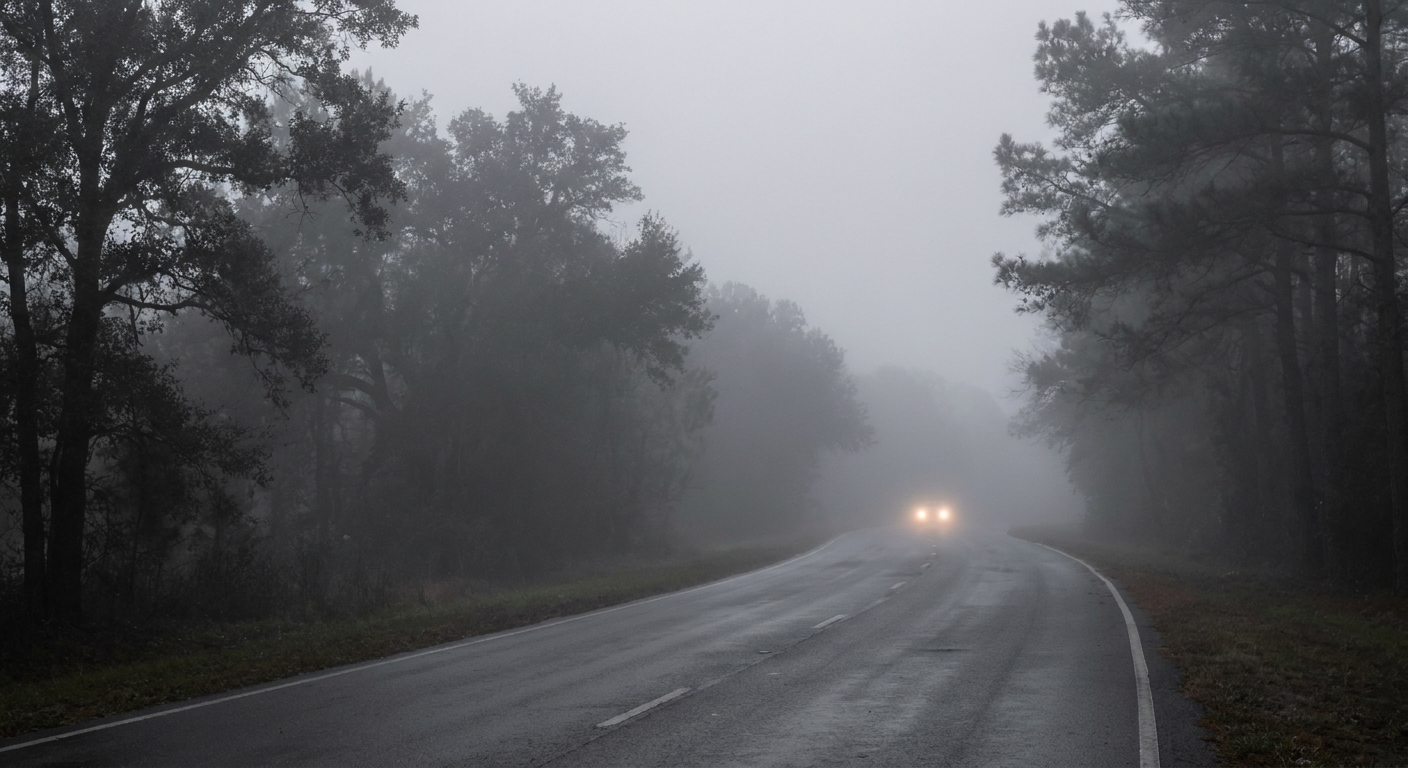
- Outdoor relative humidity can be high in winter, especially during snow, fog, or near bodies of water.
- But outdoor absolute humidity is often low because cold temperatures keep saturation vapor pressure low. Even “humid” winter air simply cannot contain as much water vapor as mild summer air.
This is why winter can deliver both experiences at once: air that is technically near saturation outside, and air that feels parching once you bring it indoors and warm it.
A quick way to think about it
If you want one mental model to keep on a shelf:
- Temperature sets the maximum. Saturation vapor pressure is the ceiling for water vapor, and the ceiling collapses in the cold.
- Heating changes the percentage. Warm the air without adding water vapor, and relative humidity drops.
Everything else you notice, from cracked knuckles to snapping sweaters, is downstream of those two steps.
FAQ
Does cold air “remove” moisture from my house?
Cold outdoor air is often low in absolute humidity. When it enters your home (through ventilation or leaks) and is heated, its relative humidity becomes very low. That dry indoor air encourages evaporation from skin, plants, and even damp materials, which can make the whole house feel drier over time.
Is it safer to run a humidifier all winter?
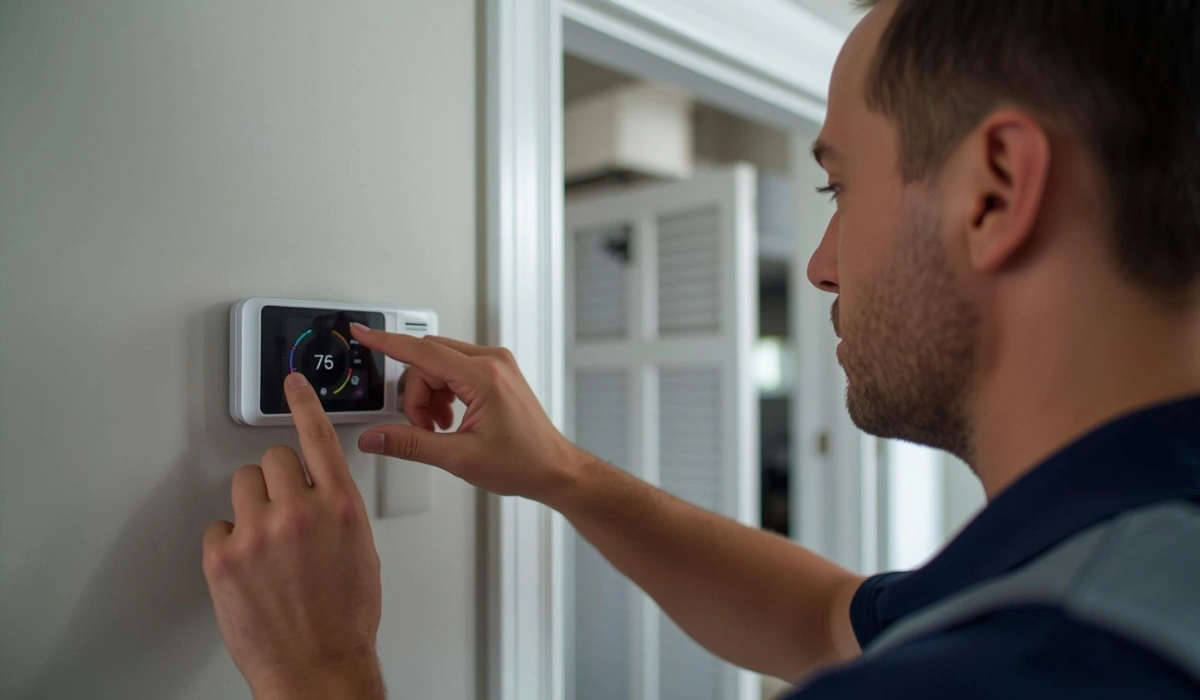
Humidifiers can help comfort, but too much humidity can cause condensation on cold windows and exterior walls, which can support mold growth. Many households aim for a moderate indoor RH range, often around 30 to 50 percent, then adjust based on window condensation, outdoor temperatures, and comfort.
Why do I get more static when I use the heater?
The heater is not making static directly. By warming the air without adding moisture, it lowers relative humidity. In drier air, charges on clothing and carpets do not dissipate as easily, so static shocks become more frequent.
Why does my nose bleed more in winter even if I drink water?
Hydration helps your body overall, but nosebleeds are often about local tissue drying. Low indoor humidity increases evaporation from the nasal lining, which can lead to cracking and bleeding, especially during colds or allergy season.