Curiosity, with all its quills showing.
A volcano can warm a landscape up close, but a truly large eruption can do something that feels backward: it can cool the whole planet for a while. Not forever, not evenly everywhere, and not in a way that erases the warming trend we measure across decades. Still, for a year or two, the climate system can wear a faint, sun-dimming veil.
That temporary chill has a name you will hear in climate history and in modern climate science: volcanic winter.
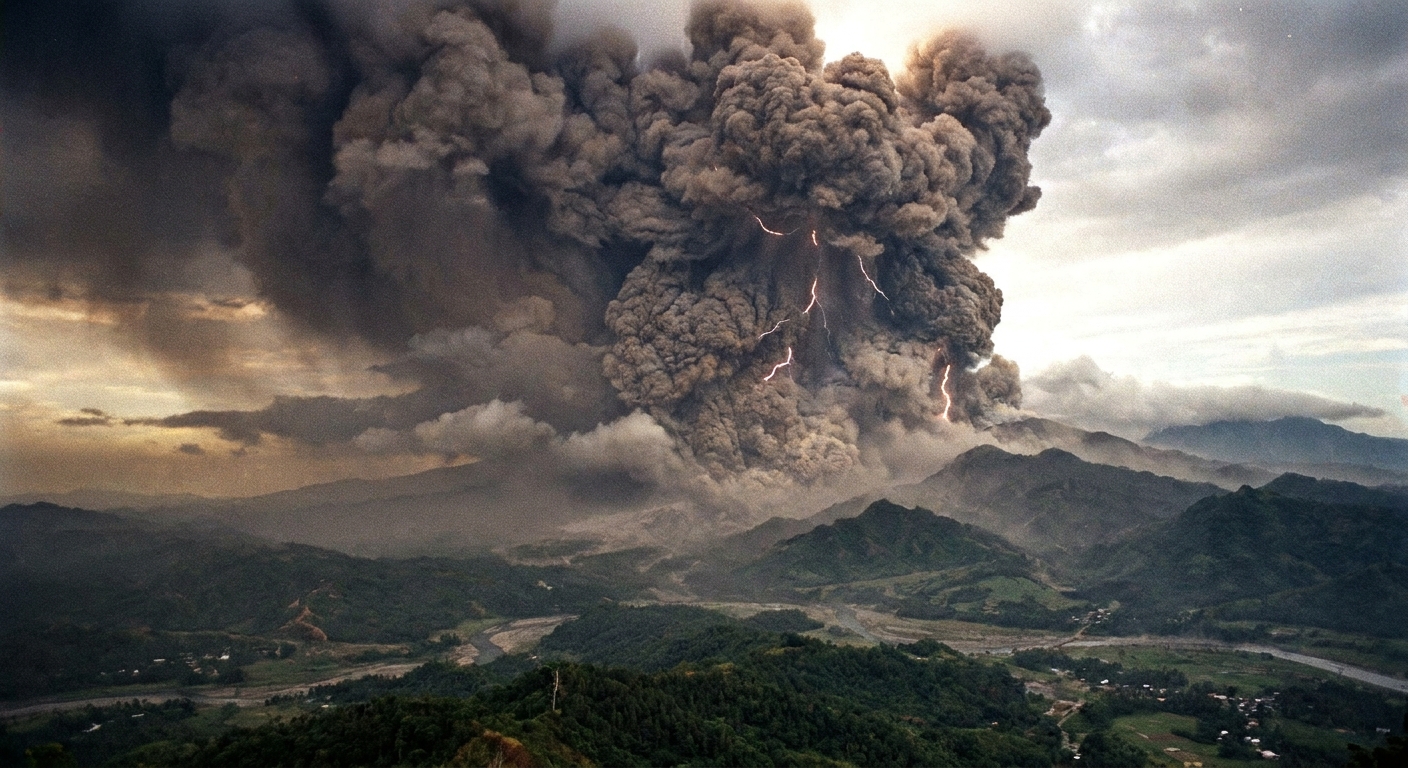
Volcanic winter, defined
A volcanic winter is a period of temporary global cooling triggered by a major volcanic eruption. Peak cooling is often most noticeable about 1 to 2 years after the eruption, while the broader climate influence can sometimes linger closer to 3 to 4 years, depending on the eruption’s size, latitude, and how much sulfur reaches high altitudes.
The driver is not the gritty ash that falls out near the volcano. It is what happens when an eruption injects sulfur-rich gases high enough into the atmosphere that they can spread widely.
Most volcanic winters are linked to eruptions that push material into the stratosphere, the atmospheric layer above the weather-making troposphere. The stratosphere is comparatively dry and stable, so aerosols can persist there longer than they would in the lower atmosphere, where rain and turbulence scrub the air more quickly.
The mechanism
The central player is sulfur dioxide (SO2), a volcanic gas. If enough SO2 reaches the stratosphere, it undergoes chemical reactions that form tiny droplets and particles known as sulfate aerosols.
Why aerosols cool the surface
Those sulfate aerosols cool Earth mainly by changing how sunlight moves through the atmosphere:
- They scatter and reflect incoming sunlight back to space, so less solar energy reaches the ground and ocean surface.
- They brighten the planet overall, increasing Earth’s reflectivity. In climate language, that is an increase in planetary albedo.
The result is a negative radiative forcing, meaning the planet takes in less energy than it otherwise would. Surface temperatures tend to drop, especially over land and in particular seasons, though the pattern depends on circulation and weather variability.
Warming aloft, cooling below
While the surface cools, the stratosphere often warms after big eruptions because those aerosols can also absorb some outgoing infrared radiation and sunlight at altitude. This vertical shuffle of heating can nudge wind patterns and precipitation. So volcanic winters are not just “turn down the thermostat.” They can reorganize parts of atmospheric circulation while the aerosol veil persists.
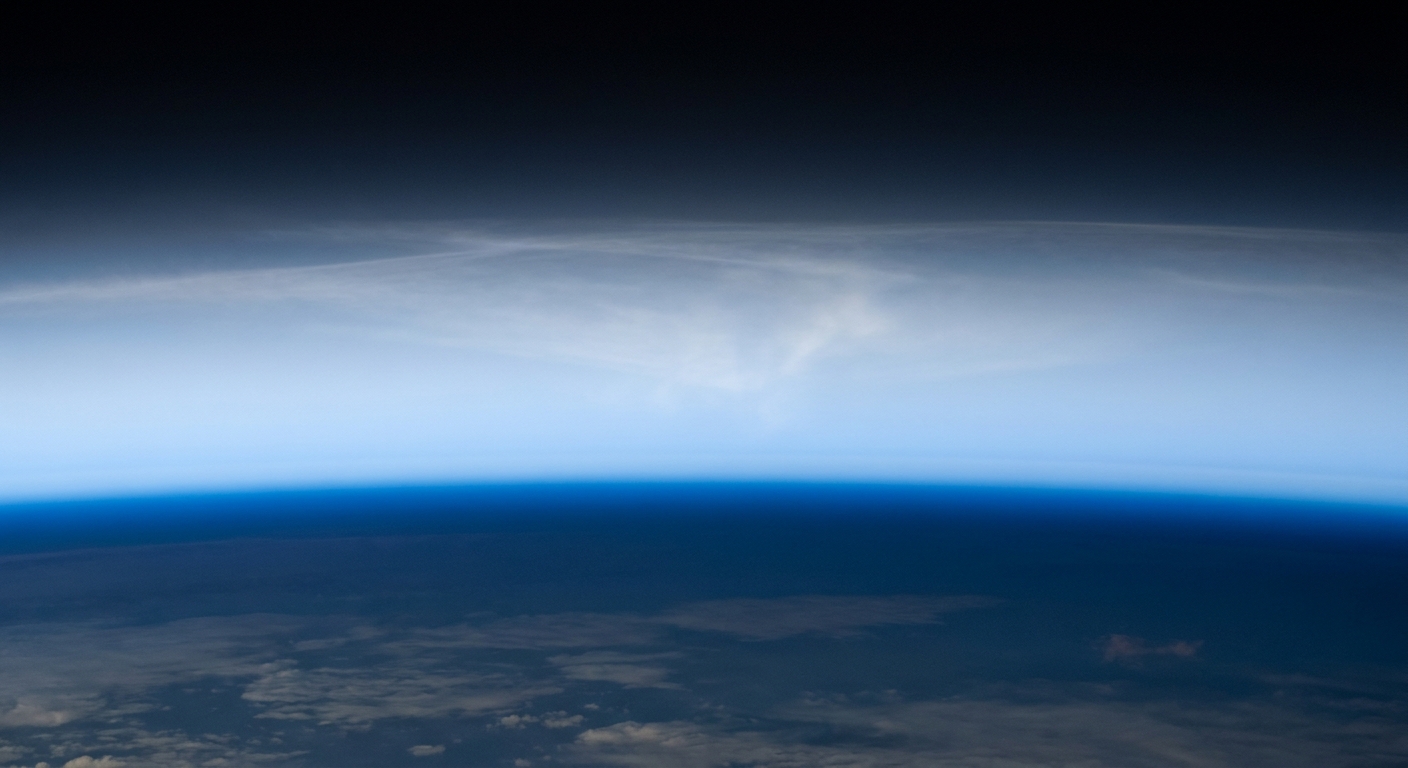
Why ash is not the driver
Volcanic ash is dramatic, and near an eruption it can darken skies and cool daytime temperatures. But on a global scale, ash is usually too heavy and short-lived to drive a multi-season, planet-wide cooling.
In contrast, stratospheric sulfate aerosols are tiny and can remain suspended longer. That is why climate scientists focus on SO2 injections and aerosol optical depth when they track volcanic climate impacts.
How big is big?
Not every impressive eruption produces a volcanic winter. The rough rule is that an eruption needs to be explosive enough, and sulfur-rich enough, to inject a large SO2 load into the stratosphere where it can spread and persist.
- Plume height and explosivity: Taller plumes have a better chance of crossing into the stratosphere.
- Latitude and season: Circulation patterns affect how quickly aerosols spread between hemispheres and how long they hang around.
- Sulfur content: More SO2 means more sulfate aerosol potential.
1816: the veil shows up
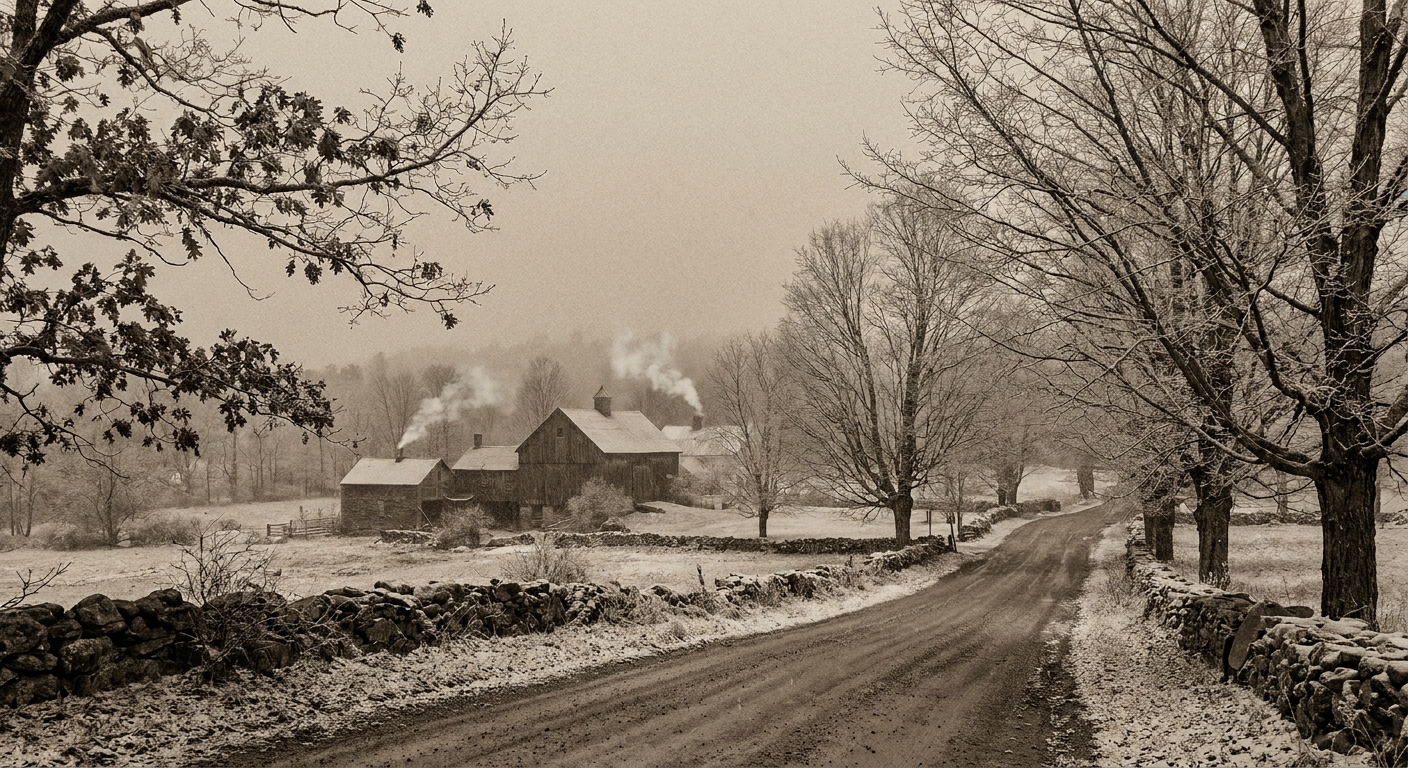
If you have heard a story about snow in June or crop failures in the early 1800s, you have brushed up against the climate after Mount Tambora erupted in 1815, in what is now Indonesia.
Tambora was among the largest eruptions in recorded history. It lofted enormous amounts of material and sulfur into the stratosphere. In 1816, parts of the Northern Hemisphere experienced unusually cold and erratic conditions, with some of the most noted impacts in regions such as Europe and northeastern North America. The phrase “Year Without a Summer” became shorthand for a season when frost, crop damage, and food shortages hit communities already vulnerable for economic and political reasons, with internal climate variability shaping where extremes landed.
What 1816 shows, and what it does not
- It shows the atmosphere can transmit a distant eruption’s effects widely, especially when sulfate aerosols spread and persist.
- It does not show a neat, uniform cooling everywhere. Regional weather can amplify or mask the underlying volcanic signal.
- It does not represent a long-term “reset” of climate. The cooling was temporary, and the climate system moved on as aerosols settled out and chemical processes cleared the stratosphere.
Pinatubo: the benchmark
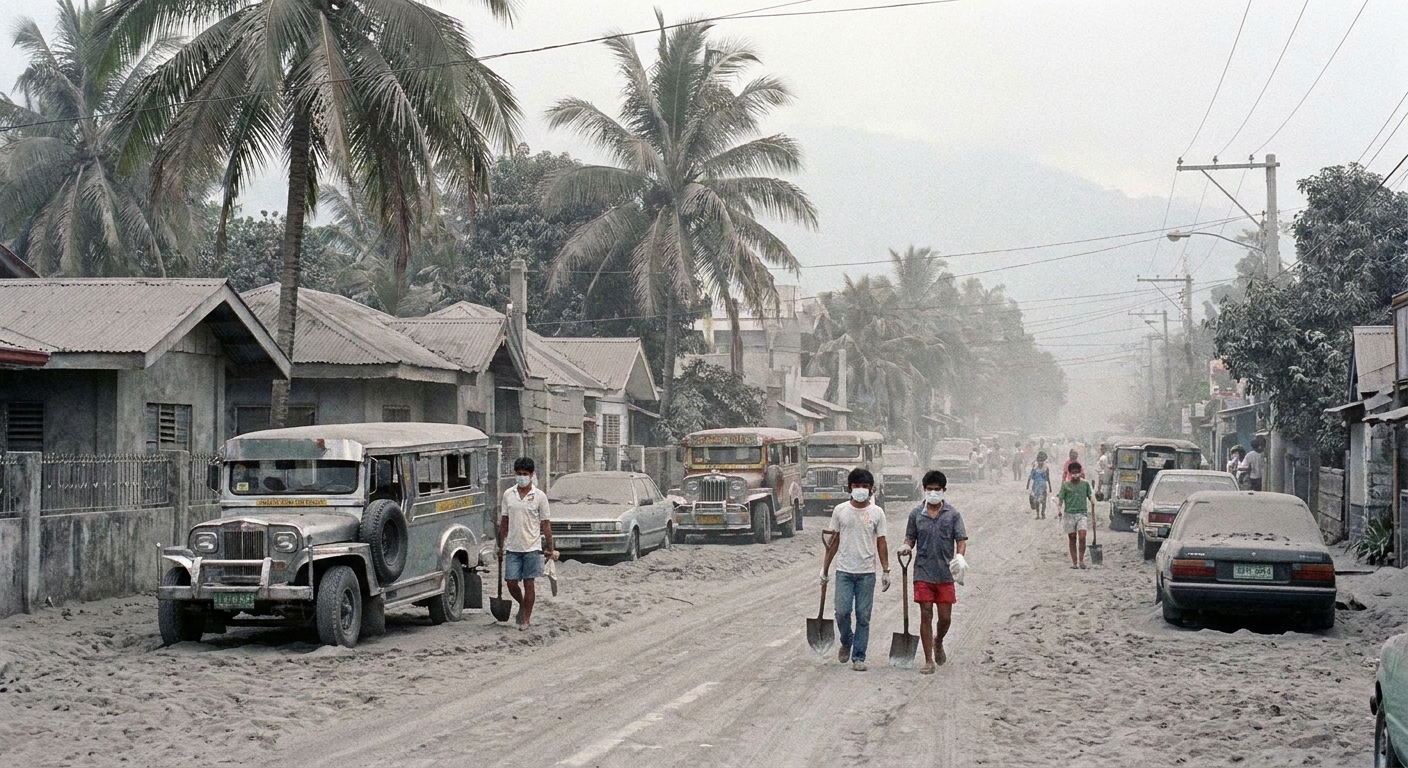
Tambora is the historical story we read through diaries and harvest records. Mount Pinatubo in the Philippines is the modern story we watched unfold in real time with satellites.
When Pinatubo erupted in June 1991, it injected a large quantity of sulfur dioxide into the stratosphere. A commonly cited estimate is on the order of about 20 million tons (around 20 Tg) of SO2. Satellites and ground instruments tracked the resulting aerosol cloud as it spread around the globe.
After Pinatubo, global average surface temperatures dipped for a short period. Many summaries report peak global-mean cooling on the order of about 0.4 to 0.6°C relative to the pre-eruption baseline, with the signal fading as the stratosphere cleared.
What Pinatubo taught us
- Timing: cooling is most apparent after aerosols have spread globally, and it fades as the stratosphere clears.
- Magnitude: the global-average cooling is measurable but modest compared with the size of everyday regional weather swings.
- Detectability: with satellites, aerosol measurements, and temperature datasets, the volcanic signal can be separated from ordinary variability.
How long does it last?
In most cases, the strongest cooling influence from a single large eruption is concentrated in the first 1 to 2 years. The broader climate ripple can persist closer to 3 to 4 years in some cases, especially after very large tropical eruptions that efficiently load the stratosphere.
The exact duration depends on:
- How much SO2 reaches the stratosphere
- How high the plume goes, which affects how long aerosols persist
- Atmospheric circulation, which affects how aerosols spread between hemispheres
- Particle size and chemistry, which influence how quickly aerosols clump, settle, and are removed
This is why “volcanic winter” is better understood as a temporary forcing rather than a new climate state.
Why it does not explain warming
Here is the essential mismatch: volcanic winters are short and episodic, while the modern warming trend is persistent and multi-decade.
1) Bursts versus buildup
Stratospheric sulfate aerosols fall out or are chemically removed on the scale of years. Carbon dioxide and other greenhouse gases, once added to the atmosphere in large amounts, influence Earth’s energy balance for much longer. So even a strong volcanic cooling spike does not last long enough to counteract an ongoing buildup of heat-trapping gases.
2) The sign is usually opposite
Large explosive eruptions that reach the stratosphere tend to cause net cooling at the surface. That means volcanoes, if anything, have periodically masked a small portion of warming for a year or two after major events, rather than driving the long-term rise in global temperature.
3) The atmospheric fingerprint differs
Volcanic aerosols typically warm the stratosphere while cooling the surface for a short time. Greenhouse gas forcing has its own fingerprint, including long-term changes in temperature structure and ocean heat content. Climate attribution studies look for these distinct patterns across many datasets, not just a single thermometer reading.
4) The ocean keeps the receipts
A volcanic winter mainly reduces incoming solar energy temporarily. The ocean can cool slightly in response, but the long-term trend of ocean heat content reflects a sustained imbalance. Today’s warming is strongly expressed in the oceans, which integrate energy changes over time like a massive ledger.
What it can change besides temperature
The thermometer is only part of the story. Because volcanic aerosols alter heating high in the atmosphere and nudge circulation, major eruptions can also influence:
- Rainfall and monsoons: some regions see shifts in precipitation patterns, including monsoon weakening in certain historical and modeled cases, though the details vary by event.
- Ozone chemistry: sulfate aerosols provide surfaces for reactions that can contribute to ozone loss, especially when combined with human-made chlorine compounds that were more abundant in the late 20th century.
These are not guaranteed outcomes everywhere, but they are part of why volcanic winters show up as a suite of climate effects, not a single number.
What it feels like
Even when the global average signal is clear in the data, your local experience may not be straightforward. A volcanic winter can show up as:
- Cooler-than-typical summers in some regions
- Shifts in rainfall patterns tied to circulation changes
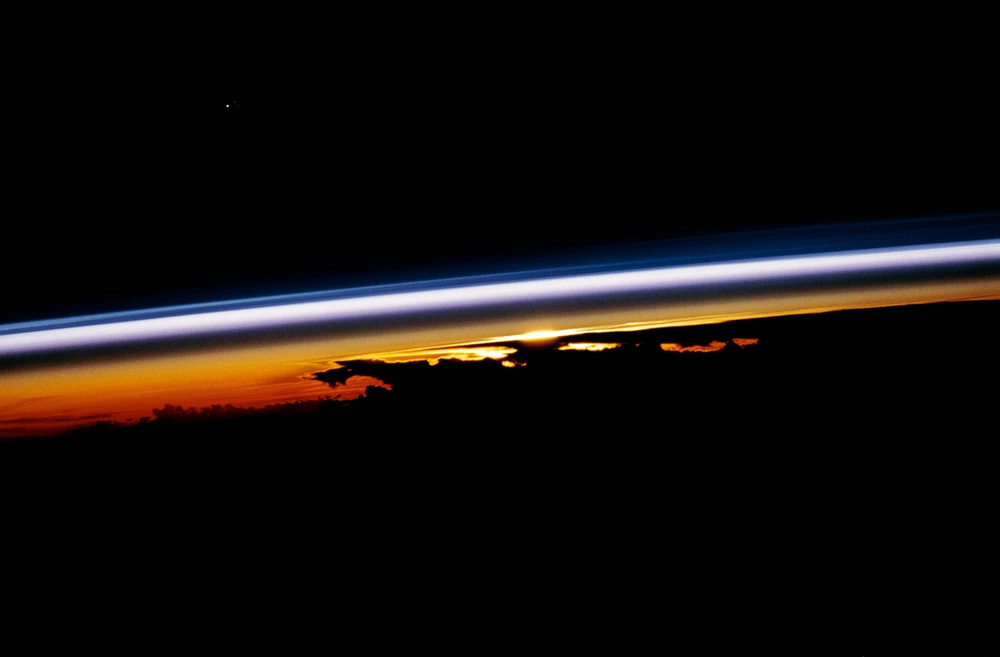
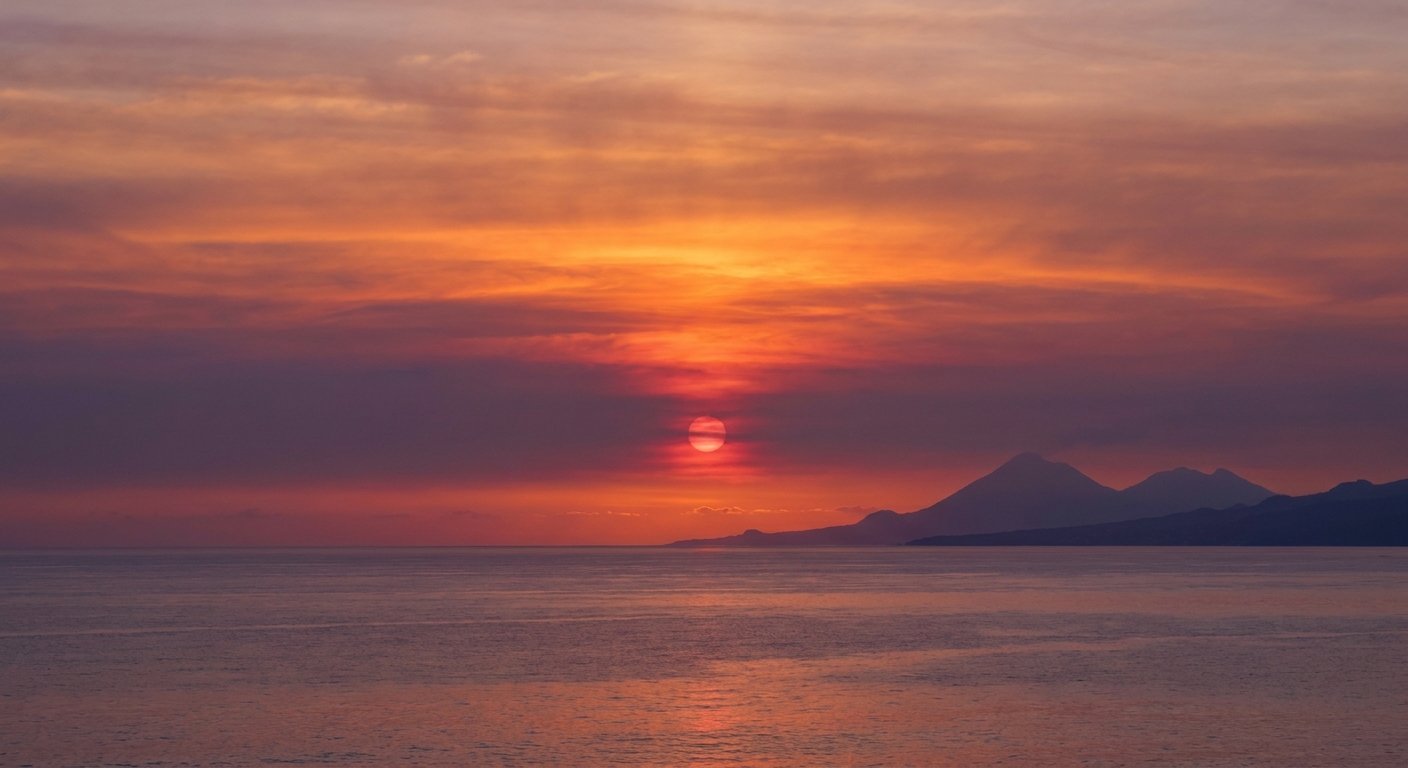
- Hazy sunsets and unusual sky colors as aerosols scatter light
- Greater odds of certain extremes in some places, though weather noise remains large
Importantly, a volcanic winter is not a guarantee of constant cold. Weather can still produce heat waves or warm spells during a volcanically influenced year. Think of the aerosols as a gentle but widespread thumb on the scale, not a new set of weather rules.
How scientists know
Volcanic winters are one of the cleaner cases in climate science because the cause, timing, and physics line up.
- Satellites observe aerosol spread and optical depth in the stratosphere.
- Ground-based instruments, including sun photometers, measure changes in how the atmosphere transmits sunlight.
- Temperature datasets show a short-lived cooling consistent with the aerosol timeline.
- Climate models reproduce the observed cooling when fed realistic SO2 injections and aerosol microphysics.
When multiple lines of evidence point the same way, the story becomes less of a guess and more of a traced mechanism.
FAQ
Is a volcanic winter an ice age?
No. A volcanic winter is usually years long. Ice ages unfold over thousands to tens of thousands of years and involve slow changes in Earth’s orbit, ice sheets, greenhouse gases, and feedbacks.
Can volcanoes stop global warming?
Natural eruptions can cause brief cooling, but they do not provide a durable offset to long-term warming. The aerosol effect fades, while greenhouse gas forcing continues as long as atmospheric concentrations remain elevated.
Do all big eruptions cause a volcanic winter?
No. To drive global cooling, an eruption generally needs to inject enough sulfur into the stratosphere. Many eruptions are large locally but do not send material high enough, or do not include enough sulfur, to produce a strong global aerosol veil.
Why does the cooling last longer than the ash cloud?
The ash near the volcano falls out quickly. The sulfate aerosols formed from SO2 in the stratosphere are tiny, widespread, and longer-lived, so their sun-dimming influence can persist across seasons.
Takeaway
A volcanic winter is Earth’s short-term response to a big stratosphere-reaching eruption: sulfur dioxide becomes sulfate aerosols, sunlight is scattered back to space, and the surface cools for a while. The “Year Without a Summer” after Tambora and the measured dip after Pinatubo show the effect clearly.
But the very thing that makes volcanic winters so interesting also limits them: they are temporary. They are punctuation marks in the climate record, not the paragraph.