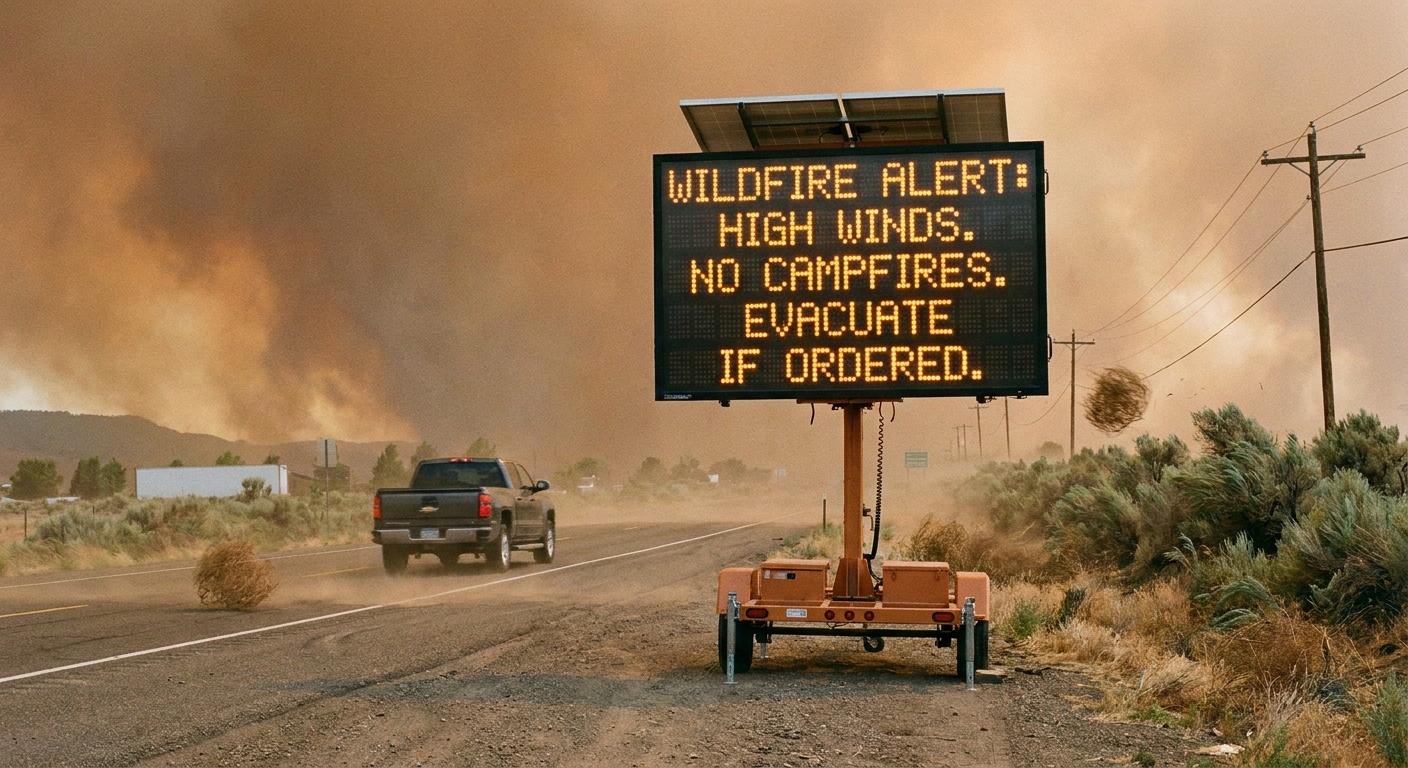
Curiosity, with all its quills showing.
If you have ever seen “Advisory” pop up in a forecast, it can feel like the weather equivalent of someone clearing their throat. Something is going on, but how serious is it?
In National Weather Service (NWS) terms, a weather advisory is an alert for a hazard that is happening or expected, but below warning criteria. Advisories exist to say: conditions can still cause problems, especially for travel, outdoor plans, and vulnerable people, even if the event is not expected to be life-threatening for most.
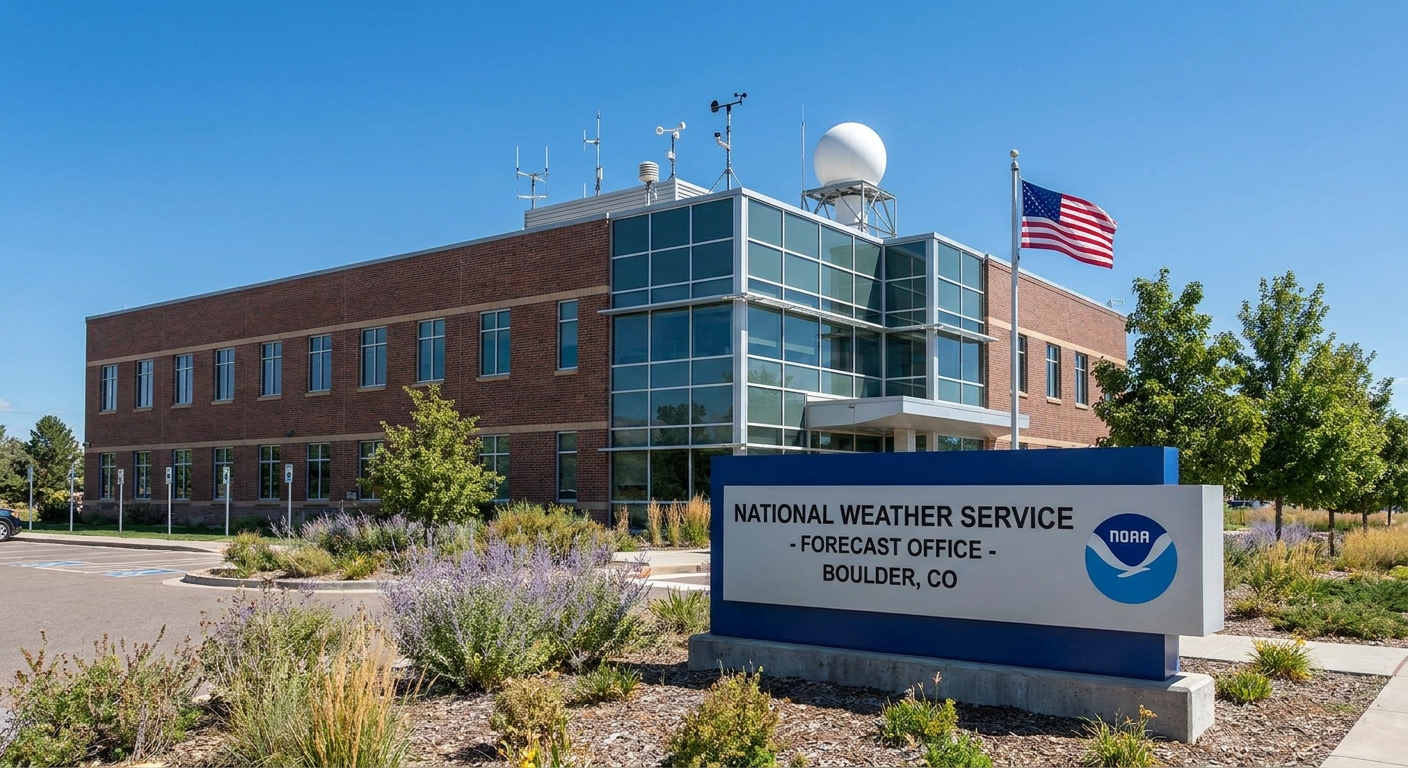
Weather advisory, defined
An advisory is issued when the NWS expects weather that may be inconvenient, disruptive, or locally hazardous, but not intense enough to justify a warning.
Two important details are packed into that definition:
- It is hazard focused. Advisories are about a specific type of weather that can affect safety or daily life, not just a generic “bad weather” message.
- It is about impacts and thresholds. Each NWS forecast office uses locally appropriate criteria. What counts as advisory level wind or winter weather in one region may differ in another because the normal climate, terrain, and typical impacts differ.
Advisories are common because the atmosphere is full of situations that are not catastrophic but still worth adjusting plans for.
Where advisories fit
It helps to think of NWS hazard messaging as a ladder of urgency, with one caveat: not every hazard uses every rung. Some hazards have watches, many do not, and the names can vary (especially for marine and air-quality related products). But the action message is fairly consistent:
- Advisory: Be aware. A hazard is occurring or expected, and it could cause difficulty or danger in spots. Adjust plans, use extra caution, and stay alert for updates.
- Watch (when used): Be prepared. Conditions are favorable for a hazard to develop. You may need to act quickly if it upgrades. Review your plan and keep a closer eye on new information.
- Warning: Take action now. A hazardous event is occurring, imminent, or highly likely, and the risk is higher. Protective action may be needed right away.
A useful way to remember it is that an advisory is about elevated impacts, while a warning is about higher-end impacts that meet specific warning criteria. A watch, when it exists, lives in the “could happen” space between routine forecasts and an on-the-ground hazard.
Common advisories
Advisory names vary by weather type and region, but these are some of the most common categories people encounter.
Wind Advisory
A Wind Advisory is issued when winds are expected to be strong enough to make driving difficult for high-profile vehicles, bring down small limbs, or cause isolated power issues, but not strong enough for a higher-tier product. Exact wind thresholds vary by location.
Typical impacts include difficult travel on bridges and exposed roads, blowing around unsecured outdoor items, and choppy conditions on lakes.
Dense Fog Advisory
A Dense Fog Advisory is issued when visibility is expected to be significantly reduced, often around one quarter mile in many locations. Criteria vary by office, but the point is the same: driving gets risky fast.
The main risk is not the fog itself, but how it compresses reaction time and turns routine speeds into dangerous ones.
Frost Advisory
A Frost Advisory is issued when temperatures and conditions favor frost formation that can damage sensitive plants. It is generally less severe than a hard freeze, but it can still be a big deal for gardeners and growers.
Frost risk depends on more than the air temperature alone. Clear skies, light winds, and long nighttime cooling can encourage frost even when the thermometer sits a bit above freezing.
Winter Weather Advisory
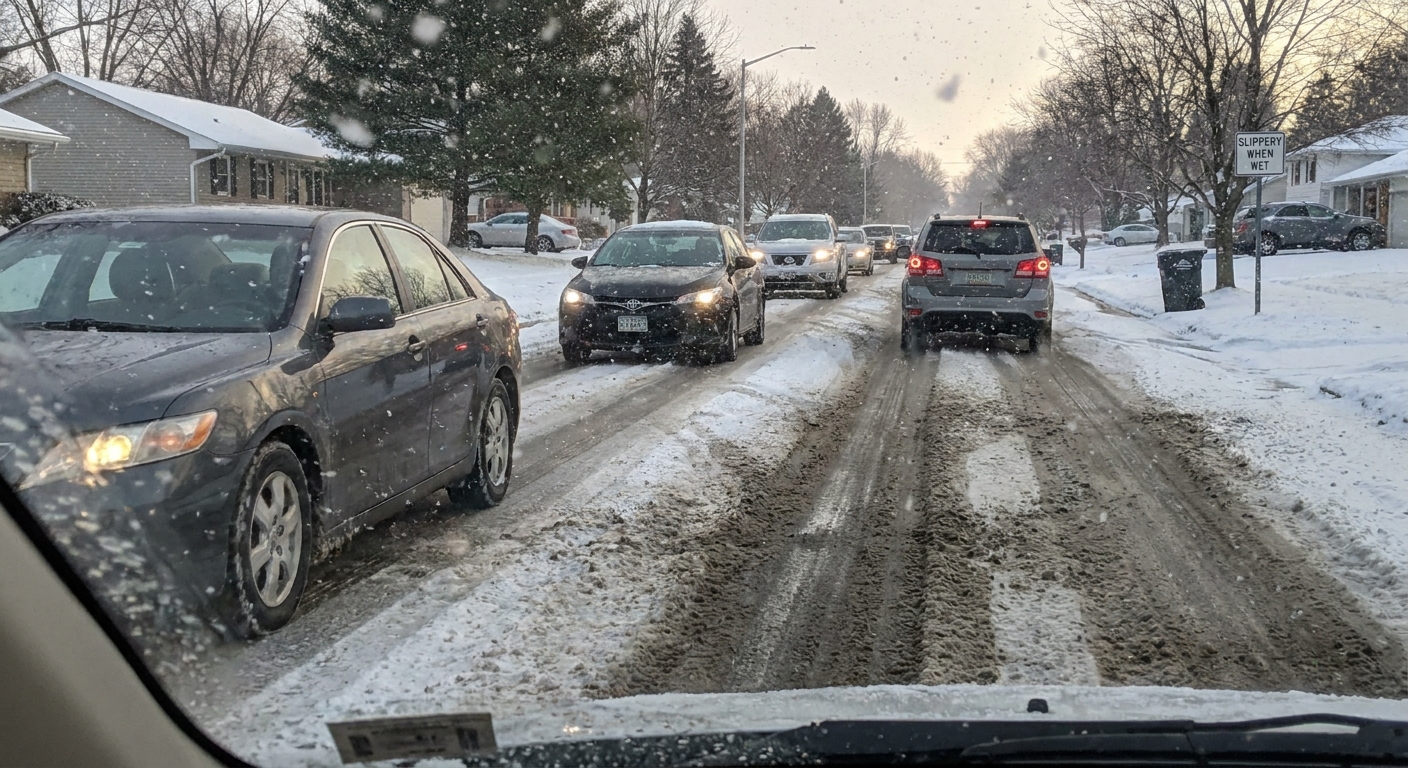
A Winter Weather Advisory is issued for wintry precipitation that is expected to cause travel difficulties and minor to moderate impacts, but is below warning criteria for heavier, more dangerous events.
This might include a few inches of snow, light freezing rain, sleet, or a messy combination that creates slick roads and slower commutes.
What to do during an advisory
An advisory is not a dare to ignore the forecast. It is a prompt to add friction to your plans on purpose.
- Read the details, not just the headline. Look for timing, specific locations, and expected impacts. Advisory conditions may be focused in valleys, along the coast, or on higher terrain.
- Adjust travel expectations. Leave earlier, slow down, and consider alternate routes if fog, ice, or wind is the issue.
- Secure loose outdoor items. Wind that is “only” advisory level can still turn patio furniture into projectiles.
- Protect what is vulnerable. Cover plants during frost advisories, check on neighbors who are sensitive to cold, and make sure pets have safe shelter.
- Keep an eye on upgrades. Advisories can be extended, expanded, or upgraded to warnings if conditions worsen.
The practical question to ask is: What could go wrong for me in these conditions? For a driver, it might be braking distance on black ice. For a parent, it might be a delayed bus route in dense fog. For a hiker, it might be wind chill and reduced visibility.
Advisory vs warning
The boundary between advisory and warning is about expected severity and impacts, guided by established criteria for each hazard.
In many situations:
- Advisory: Expect disruptions and localized hazards. Major, widespread damage or life-threatening conditions are not the primary expectation.
- Warning: Expect more dangerous conditions with a higher chance of serious impacts. This is when protective actions become urgent.
It is also normal for a storm to start with an advisory and later upgrade. Forecast confidence increases as the event gets closer, and sometimes storms intensify faster than expected.
Where to check advisories
You will see advisories in many places, including local NWS forecast pages, weather apps, and alerting platforms.
One important nuance: phones and public alert systems tend to emphasize warnings and emergencies. Many advisories are shared through apps, websites, and notifications you opt into, rather than being pushed to everyone automatically.
When you open an advisory, look for:
- Start and end time
- Counties or zones affected
- Main impacts (this is the heart of the message)
- Confidence clues, like “patchy” versus “widespread,” or “brief” versus “persistent”
If you want the cleanest source, go straight to the NWS. You can find your local forecast office and active advisories at weather.gov.
One small, science-flavored reminder: advisories are written for a region, but weather happens street by street. Terrain, elevation, and proximity to water can turn “minor impacts” into a big deal in the wrong spot at the wrong time.
Quick FAQ
Is an advisory serious?
It can be. An advisory signals conditions that can cause real problems, especially for travel and for people who are more exposed to the elements. It is simply less severe than warning-level criteria.
Do advisories mean the weather is happening right now?
Sometimes. Advisories can be issued for hazards that are occurring or expected soon. The advisory text lists the valid time window.
Can advisories be issued without a watch?
Yes. Many hazards skip the watch stage entirely and go from forecast discussion to advisory, or from advisory to warning if needed.
Why do advisory criteria vary by location?
Because impacts vary. A small amount of snow in a place that rarely sees it can cause widespread travel problems, while the same amount in a snow-hardened region might be routine. NWS offices use local criteria to match local risk.