Curiosity, with all its quills showing.
The UV Index is a simple daily number that answers a surprisingly complex question: how intense is the sun’s ultraviolet radiation at Earth’s surface right now, and what does that mean for your skin and eyes? Weather apps boil it down to a 0 to 11+ scale, but the value is not just “sunny vs. cloudy.” It responds to the time of day, the season, your elevation, cloud type, and even how reflective the ground is beneath your feet.
The UV Index, in plain terms
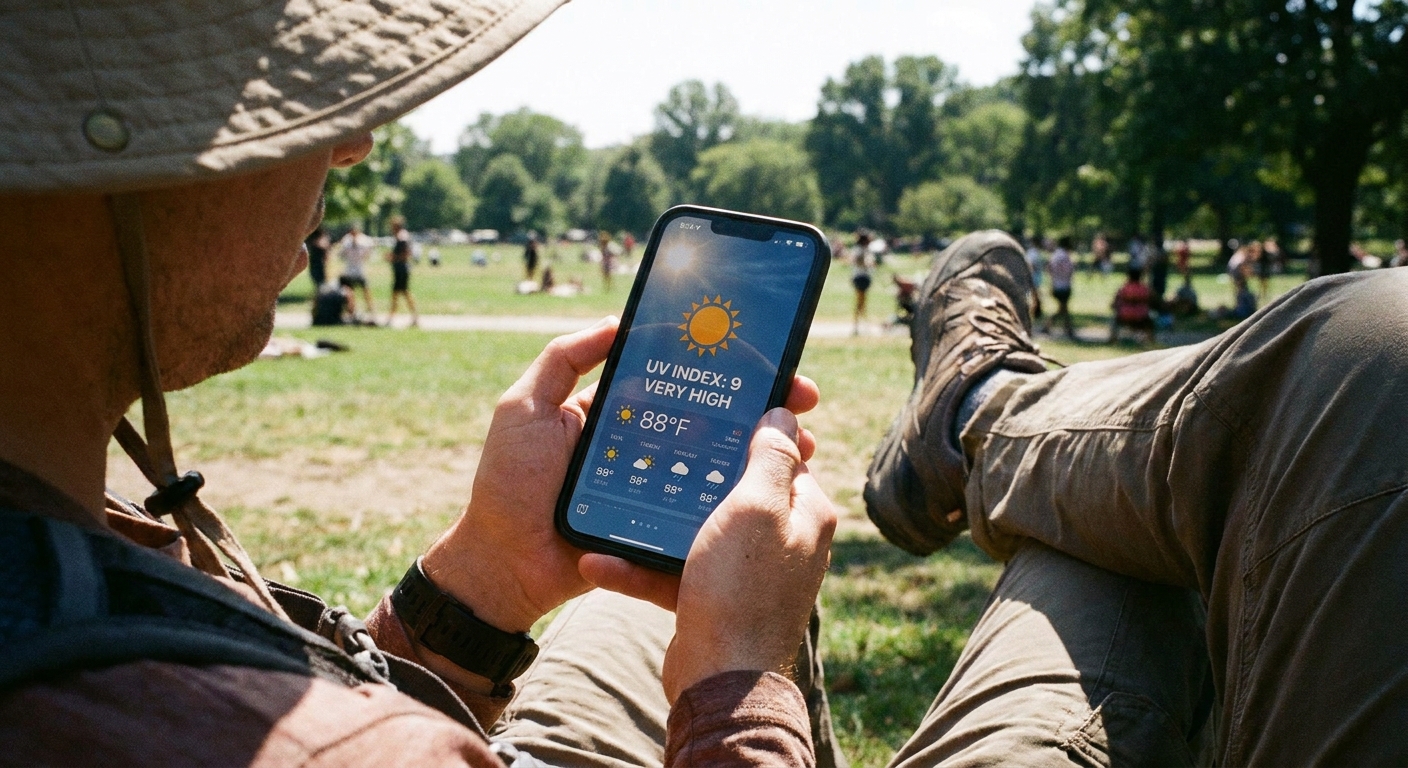
The UV Index (UVI) is a standardized measure of the strength of sunburn-producing ultraviolet radiation at the surface. It is reported as a number starting at 0 and climbing upward, with 11+ representing very intense UV.
Two quick clarifications help the scale make sense:
- It is about UV intensity, not heat. You can have a cool, breezy day with a high UV Index, and a sweltering day with lower UV if clouds or a low sun angle reduce UV. This is why spring can catch people off guard: mild air temperature, surprisingly punchy UV.
- It is based on “erythema” (sunburn risk), not the full UV story. The UV Index uses an erythemal action spectrum that weights UVB most strongly and includes some UVA contribution. UVA still matters for skin aging and eye risk, even when you do not feel burned.
Forecasts usually show a daily maximum UV Index, which commonly occurs near solar noon (when the sun is highest in the sky), not necessarily at 12:00 on the clock.
One more practical nuance: different apps may show a forecast peak, an observed value, or both, so small differences between sources are normal.
How to read the numbers
Most forecasts group UV Index values into categories. The exact minute you burn depends on skin type, how much skin is exposed, whether you are sweating or swimming, and how reflective your surroundings are. But the categories are very useful for choosing protection before you step outside.
UV Index categories and what to do
- 0 to 2 (Low): Minimal risk for most people. Sunglasses are still a good habit, and sunscreen can make sense for long outdoor time or very reflective environments.
- 3 to 5 (Moderate): Protection becomes worthwhile for routine outdoor time. Consider sunscreen, sunglasses, and shade during midday hours.
- 6 to 7 (High): Sunburn can happen quickly. Use broad-spectrum sunscreen (often SPF 30+), protective clothing, a hat, and seek shade around midday.
- 8 to 10 (Very High): Extra caution. Reduce time in direct sun around midday, reapply sunscreen (commonly every two hours and after swimming or heavy sweating), and use clothing plus shade as your main defense.
- 11+ (Extreme): Avoid midday sun when possible. Shade and clothing matter a lot, and sunscreen is the backup layer you keep renewing.
If you want one easy mental threshold: start thinking “serious sun protection” at UVI 3. That is the point where many public health agencies recommend planning for protection.
Why the UV Index changes during the day
UV intensity is driven by how much atmosphere sunlight must pass through before it reaches you. In the morning and late afternoon, the sun is lower, and its rays travel through more air, which reduces UV reaching the ground. Near midday, the path is shorter and the UV is stronger.
That is why your forecast might show something like a peak UVI of 8, but the value at 9 a.m. could be 3 or 4, then climb sharply toward midday, then fall again. The number is not moody, it is geometric.

Why it changes with season and latitude
Season is mostly about sun angle. In summer, the sun rises higher in the sky and stays up longer, which increases the daily UV peak and extends the hours when UV is significant. In winter, the sun stays lower, so UV tends to be weaker and peaks are shorter-lived.
Latitude matters for the same reason. Closer to the equator, the sun is often higher in the sky, so UV can remain strong across more months of the year. Farther from the equator, the seasonal swing is larger.
Altitude: why mountains amplify UV
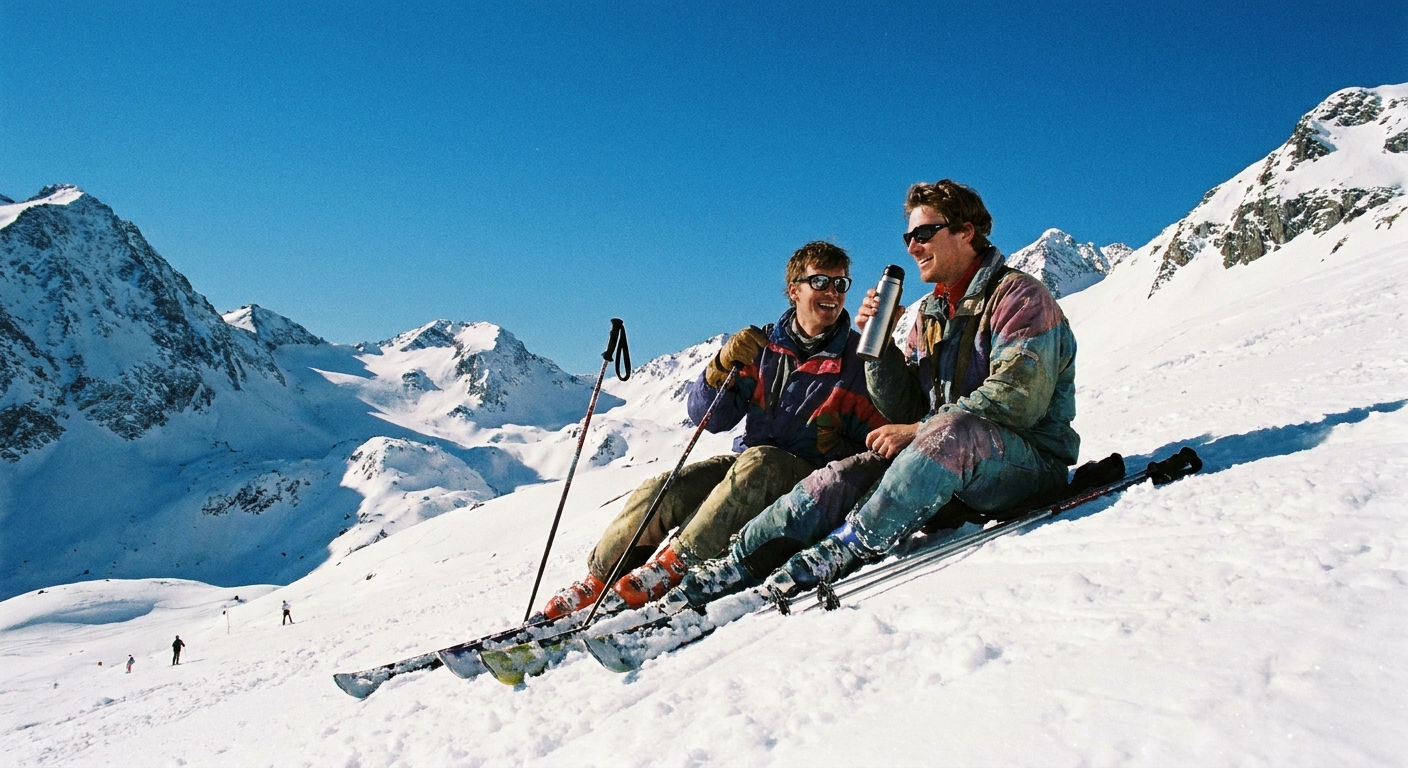
At higher elevations there is less atmosphere above you to absorb and scatter UV, so UV levels generally rise with altitude. A commonly cited rule of thumb is that UV can increase by roughly 10 to 12 percent per 1,000 meters of elevation gain (conditions vary). That is why UV exposure can surprise people on cool mountain days, especially when you add wind (which hides heat) and outdoor sports (which extend time in the sun).
Another mountain twist: snow can reflect a lot of UV, boosting exposure to your face and under your chin. You can get burned from above and below.
Cloud cover: not a simple switch
Clouds often reduce UV, but the effect depends on cloud type and thickness.
- Thick, widespread clouds can substantially lower UV at the ground.
- Thin clouds may only reduce UV modestly.
- Broken clouds can be tricky. In some situations, UV at the surface can briefly spike when sunlight is concentrated through gaps and scattered around cloud edges. These boosts are intermittent, and they are not guaranteed, but they are real enough to matter.
The practical takeaway: do not treat “cloudy” as automatic sun protection. If your forecast UVI is high, plan protection even if the sky looks milky or changeable.
Other factors that nudge the UV Index
Ozone, in one sentence
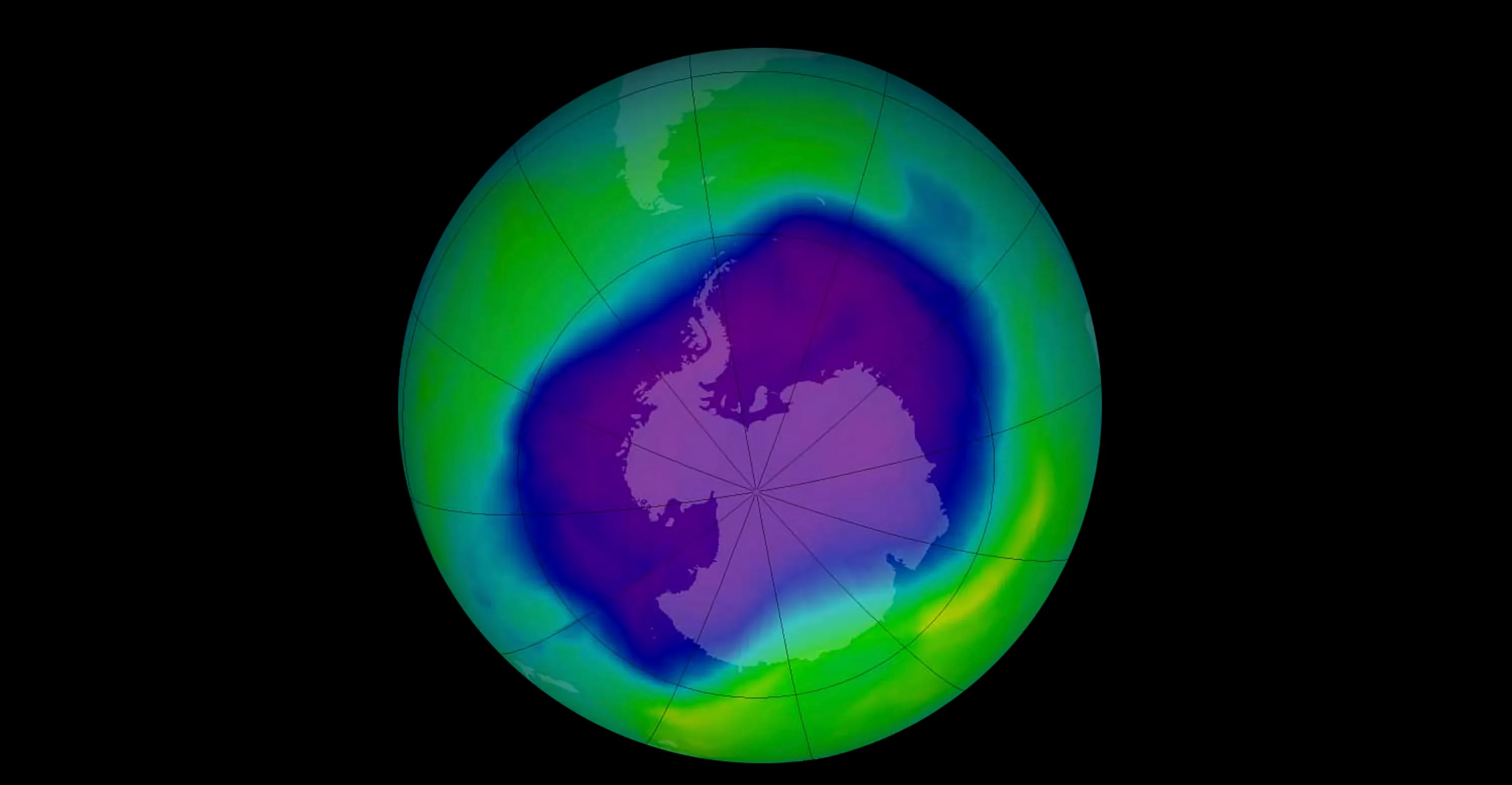
The stratospheric ozone layer absorbs a large fraction of the sun’s harmful ultraviolet radiation, so when ozone is lower overhead, more UV can reach the ground and the UV Index tends to rise.
Surface reflection
Different surfaces bounce UV back upward to your skin and eyes:
- Snow can be highly reflective.
- Sand and light-colored pavement can reflect enough to matter.
- Water reflects some UV, and time spent swimming often means less clothing coverage and more frequent sunscreen loss.
Air clarity
Haze, smoke, and pollution can reduce UV somewhat by scattering and absorbing sunlight, but they are not reliable protection. You can still burn on hazy days, and eye protection remains important.
Turning a forecast into a plan
If your weather app shows a single number, it is usually the day’s maximum UVI. The most useful next step is to connect that peak value to your schedule. In other words: are you outside near the peak, or mostly on the shoulders of the day?
A simple approach
- Check the peak and check the time: Many apps show an hourly curve. That curve matters more than the headline number if you are choosing when to run, hike, or take kids to the park.
- At 3 to 5: Bring sunglasses and sunscreen, and use shade if you will be outside for a while.
- At 6+: Treat protection as a system: clothing, hat, sunglasses, shade, and sunscreen that you actually reapply.
- At 8+: Consider shifting outdoor plans earlier or later in the day, especially for long activities like sports practices, hikes, or outdoor work.
Protection works best when it is layered. Clothing and shade do not wear off, while sunscreen is excellent but easy to under-apply and forget to renew.
Common UV Index questions
Can you get sunburned when it is cold?
Yes. Temperature is not the driver of UV intensity. Cold, clear days at high elevation or on snow can deliver a lot of UV even when it feels nothing like “sunburn weather.”
Is the UV Index the same everywhere in a city?
It can vary a bit with shade, nearby buildings, and surface reflections, but the biggest differences usually come from cloud cover timing and elevation. Regional forecasts are most useful as a planning tool, and your immediate surroundings determine how much UV actually reaches your skin.
Does sunscreen matter if the UV Index is low?
It depends on duration and setting. A low UVI might be fine for a short walk, but long time outdoors, reflective surfaces, or sensitive skin can still justify protection. Sunglasses are helpful year round because UV can irritate eyes even when sunburn risk is modest.
What does 11+ really mean?
It means the UV intensity is beyond the top labeled category, not that the scale stops working. In many places, values above 11 occur when the sun is very high, skies are clear, and other conditions are favorable for strong surface UV. The response is the same idea, just more urgent: limit midday exposure and lean on shade and covering clothing.
The quick takeaway
The UV Index is a daily snapshot of sunburn risk on a 0 to 11+ scale, driven mostly by sun angle, season, cloud behavior, and how much atmosphere is between you and the sun. If you remember one rule, let it be this: at UVI 3 and above, plan protection on purpose, not as an afterthought.