Curiosity, with all its quills showing.
If you have ever watched water in a bathtub slosh from one end to the other after a quick shove, you already have the right mental picture for a seiche. A seiche is a standing wave that rocks water across an enclosed or partly enclosed basin like a lake, bay, or harbor. The tricky part is that the “shove” is often weather: a strong wind, a passing thunderstorm line, or a sudden jump in air pressure.
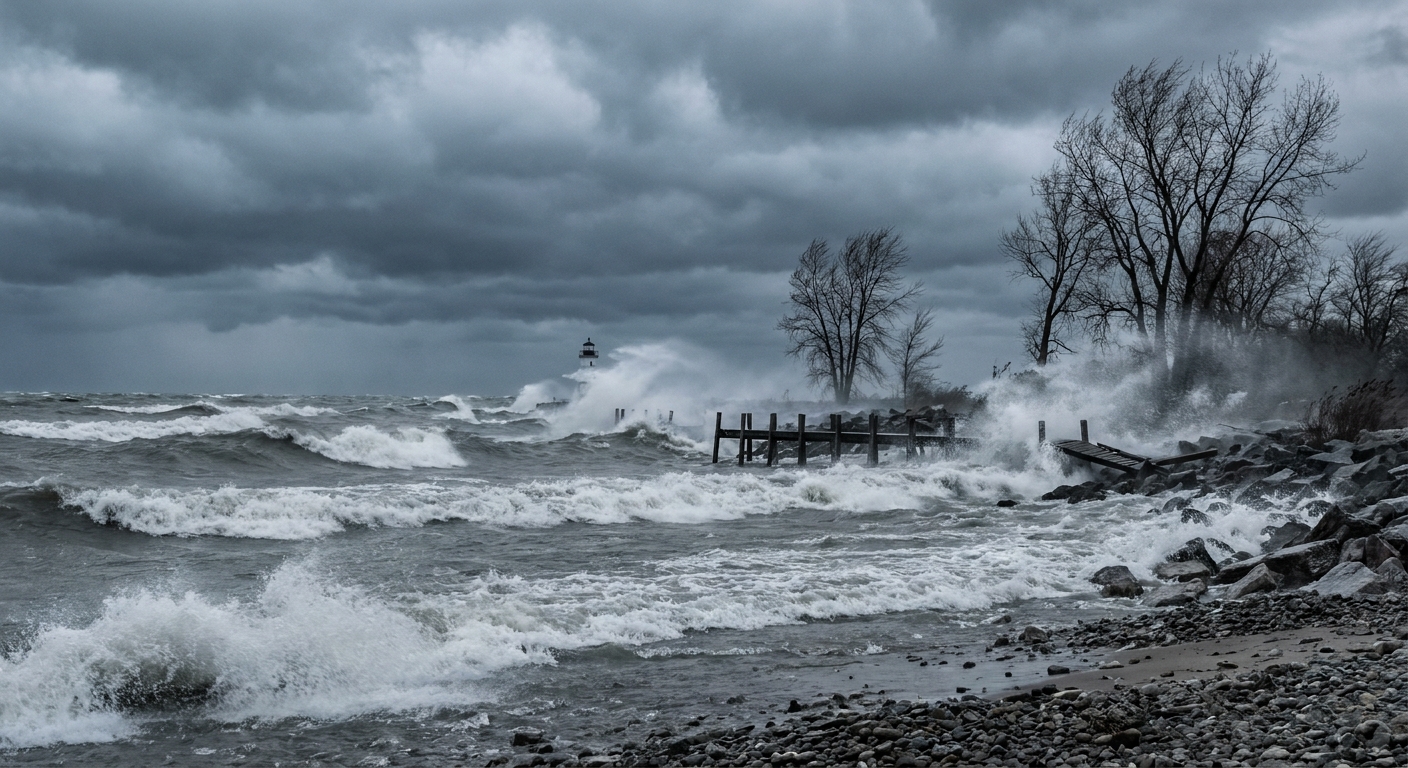
Seiche, in plain terms
A seiche (pronounced roughly “SAYSH” or “SAYSH-uh”) is an oscillation of water level in a basin. Instead of water traveling steadily in one direction like a river current, the whole system behaves more like a bowl of water rocking: one side rises while the other side falls, then it reverses, repeating for a while.
Scientists call it a standing wave because the basin tends to have persistent zones where the surface motion is small (nodes) and other zones where the rise and fall is largest (antinodes). You do not need to see a big cresting wave for it to matter. A seiche can show up as a rapid shoreline water-level change, strong currents in channels, and surprising surges in harbors.
What causes a seiche?
Seiches start when something displaces water and then the basin “rings” at its natural sloshing period, like a bell after it is tapped. Common triggers include:
- Strong, sustained winds that pile water up on the downwind shore. When the wind relaxes or shifts, the piled-up water rushes back and overshoots.
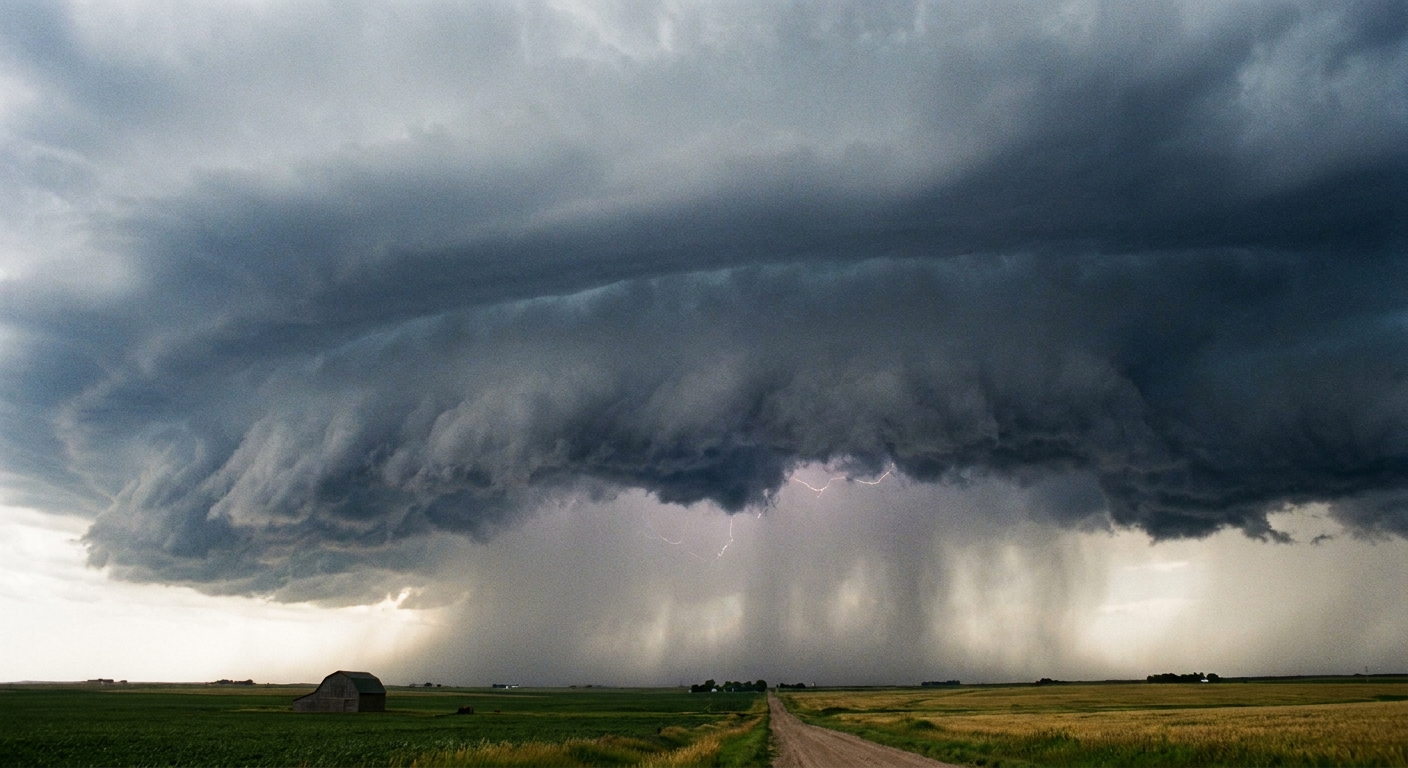
- Fast-moving storms that drag intense winds across the surface and push water around quickly.
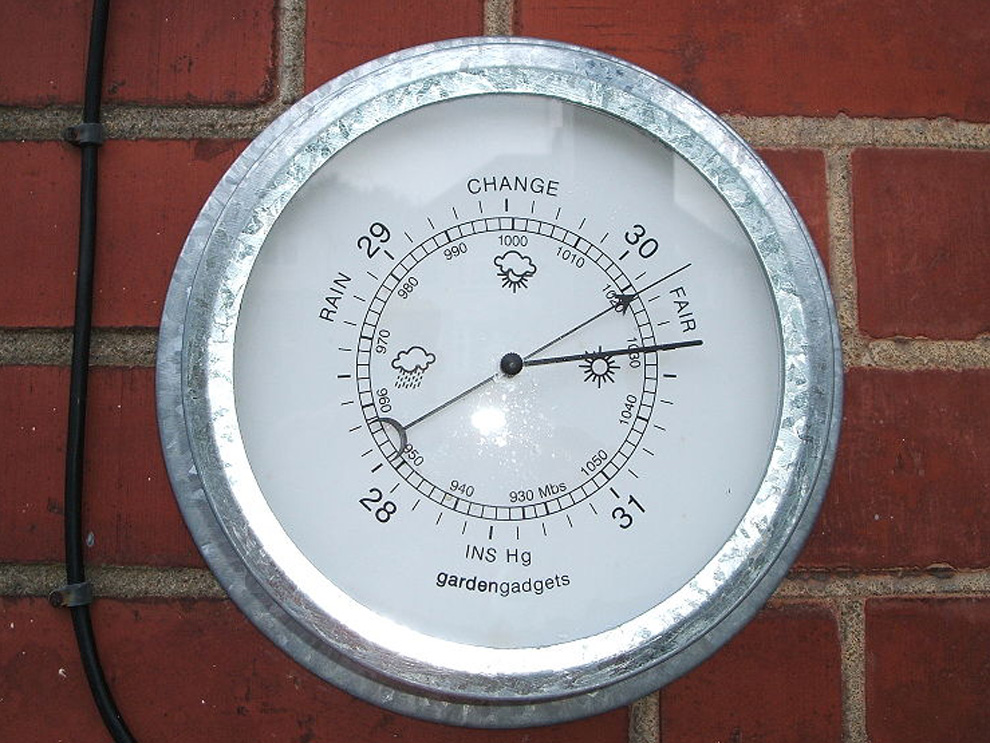
- Sudden air-pressure changes (for example along a squall line). Lower pressure allows the water surface to rise slightly; higher pressure pushes it down. A rapid “pressure shove” can kick off an oscillation.
Once started, friction with the lakebed and shoreline gradually damps the motion. But in large basins, the rocking can persist for hours and sometimes longer.
Why basins have a natural period
Every basin has preferred sloshing rhythms set mainly by its length, depth, and shape. Long, relatively shallow basins tend to favor longer-period oscillations, while smaller or deeper basins can slosh faster.
Here is the key idea: if the forcing matches the basin’s rhythm, the oscillation can grow larger. That is why some storm setups produce a minor wobble while others produce a shoreline rise and fall that is obvious even on a simple harbor gauge.
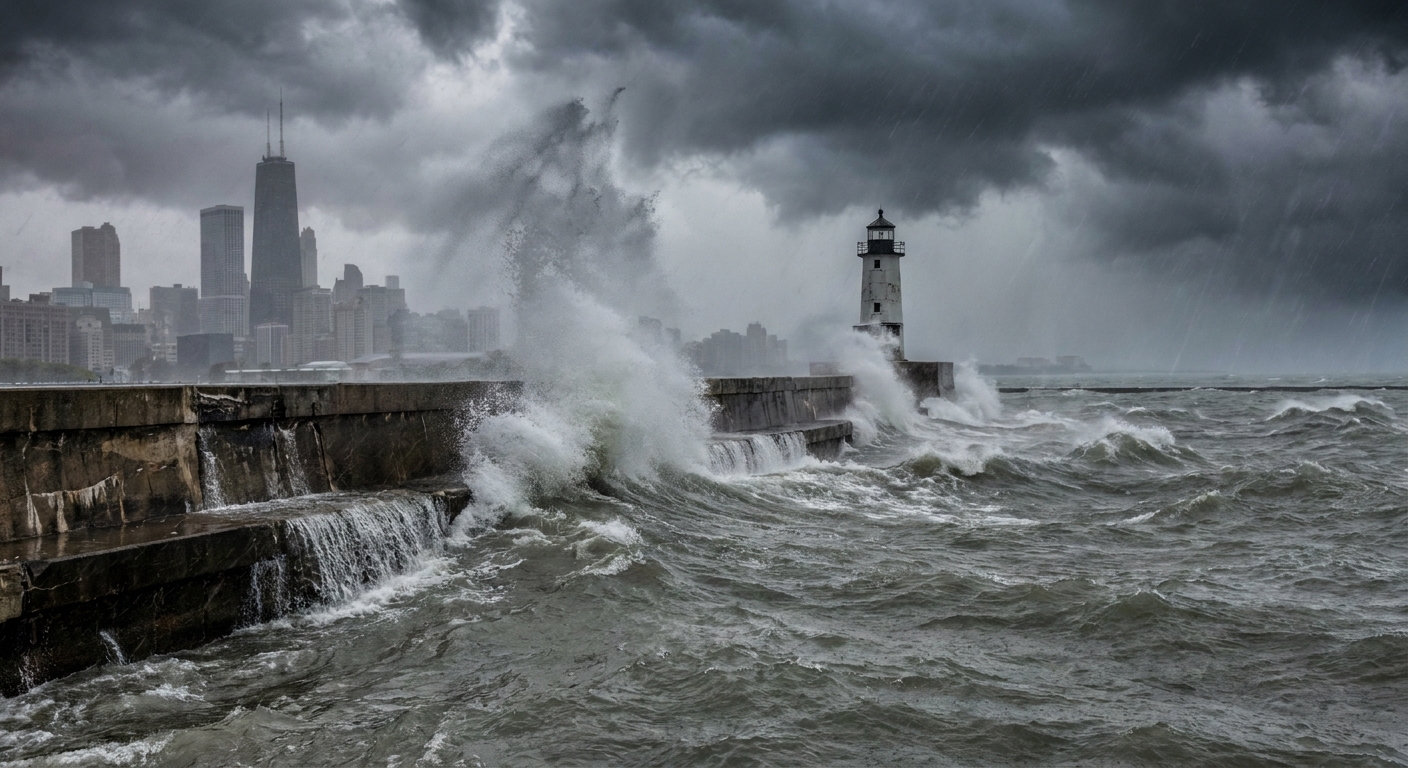
Great Lakes seiches
The Great Lakes are big enough to behave like inland seas, and they are also shaped in ways that encourage basin-wide rocking. Winds can push water toward one end of a lake and create a setup that later rebounds. Rapid pressure jumps from strong storm lines can do something similar, sometimes exciting the lake like a plucked string.
Lake Erie: shallow, wind-responsive
Lake Erie is the shallowest of the Great Lakes, which makes it especially sensitive to wind setup and setdown. When strong winds blow along the lake’s long axis, water can pile up at one end and drop at the other. When the wind eases, the rebound can race across the lake, changing water levels quickly along parts of the shoreline.
Michigan and Huron: harbors matter
Even when the whole lake is not dramatically rocking, local geometry can amplify the effect. Narrow harbors, bays, and inlets can see strong currents and abrupt level changes as a long wave reflects off walls and shorelines and reverberates.
Superior: big basin, longer rhythms
With its size and depth, Lake Superior can support longer-period oscillations. That does not automatically mean bigger shoreline swings everywhere, but it does mean the lake has room to keep moving after the triggering weather passes.
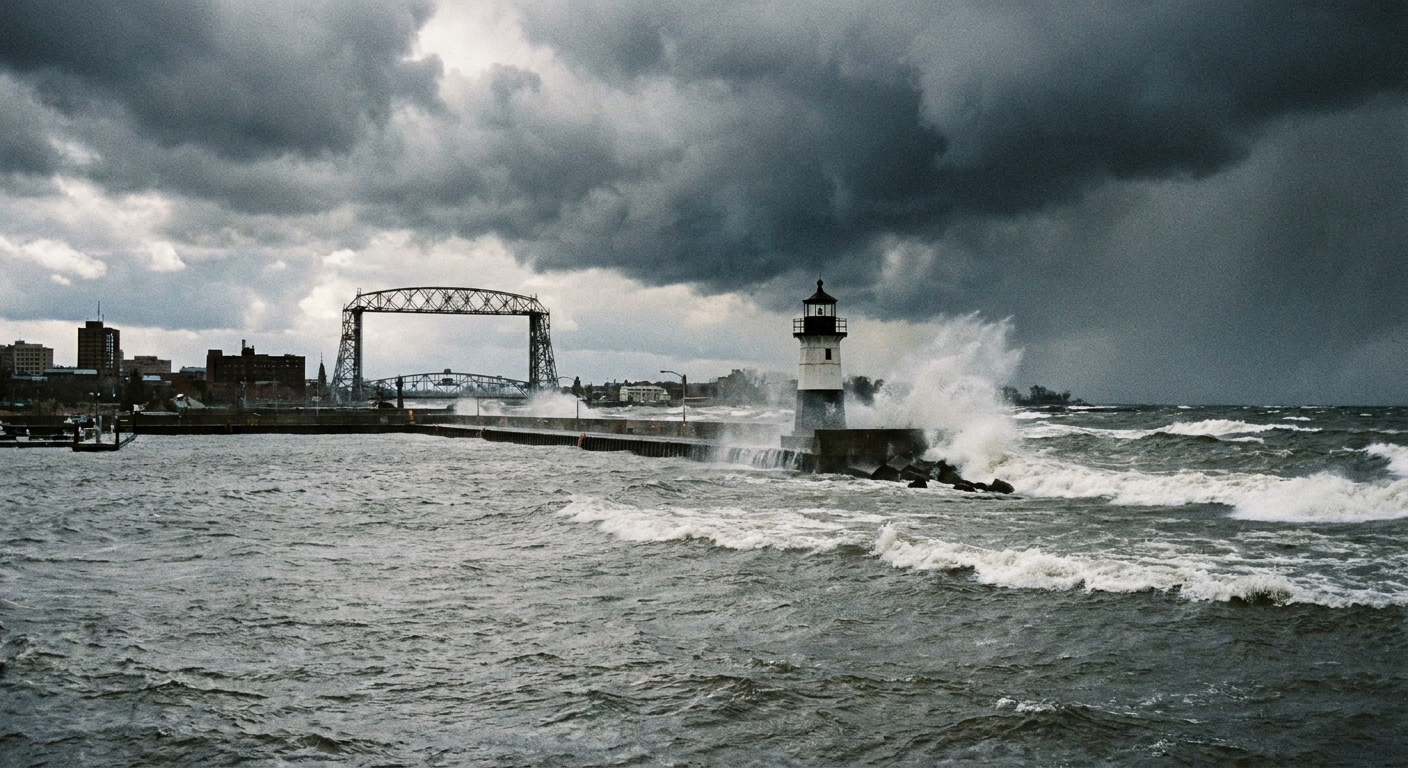
Seiche vs tide
It is tempting to call any regular rise and fall a “tide,” but tides and seiches have different engines.
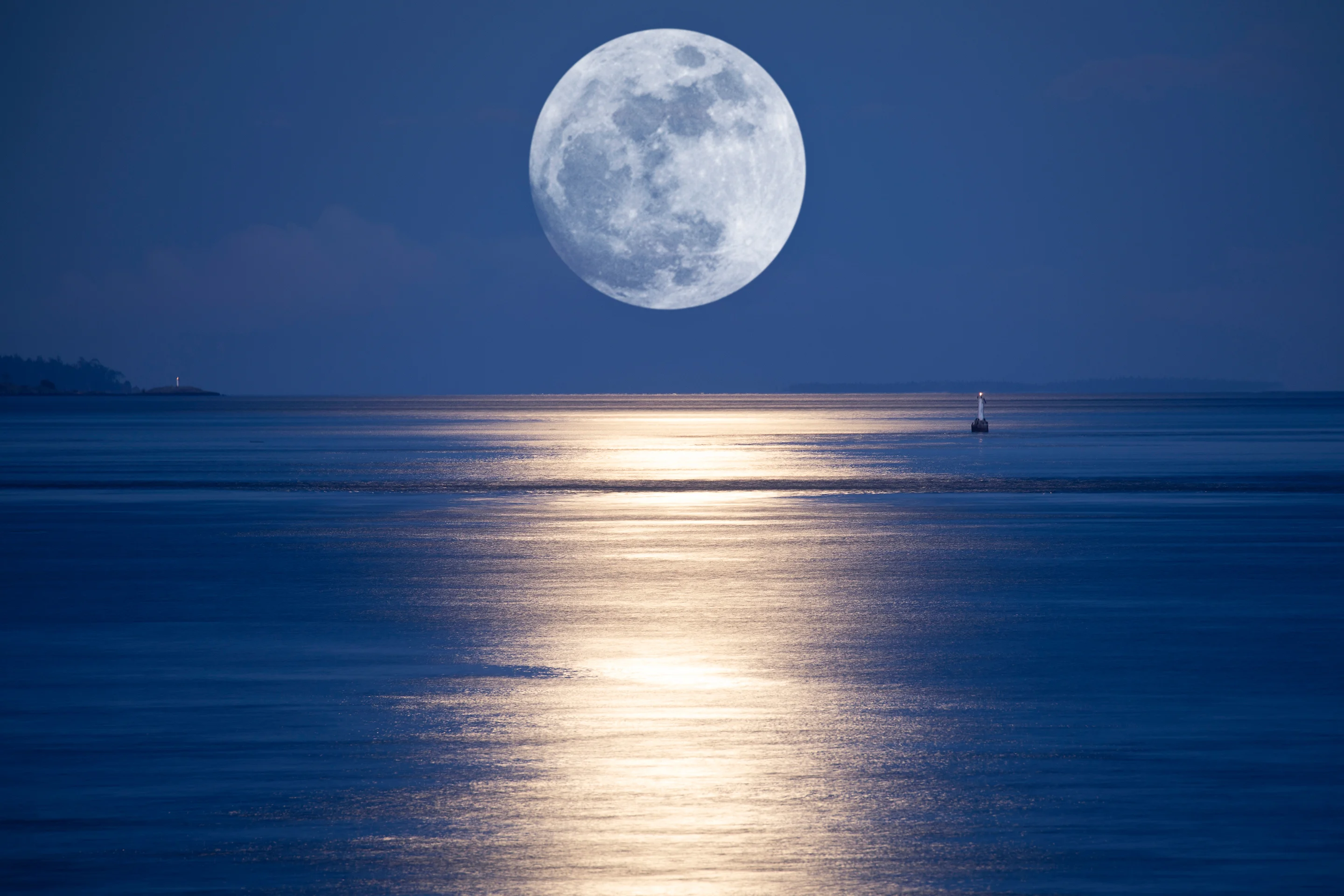
- Tides are driven primarily by the gravitational pull of the Moon and the Sun. They are predictable, with well-known cycles.
- Seiches are driven by weather and basin geometry. They are not scheduled. They start when the atmosphere gives the basin a shove and then fade as energy dissipates.
On the Great Lakes, astronomical tides exist, but they are small compared with typical wind and pressure effects, on the order of centimeters rather than feet. That is why big Great Lakes water-level swings during storms are usually meteorological, not tidal.
Seiche vs storm surge
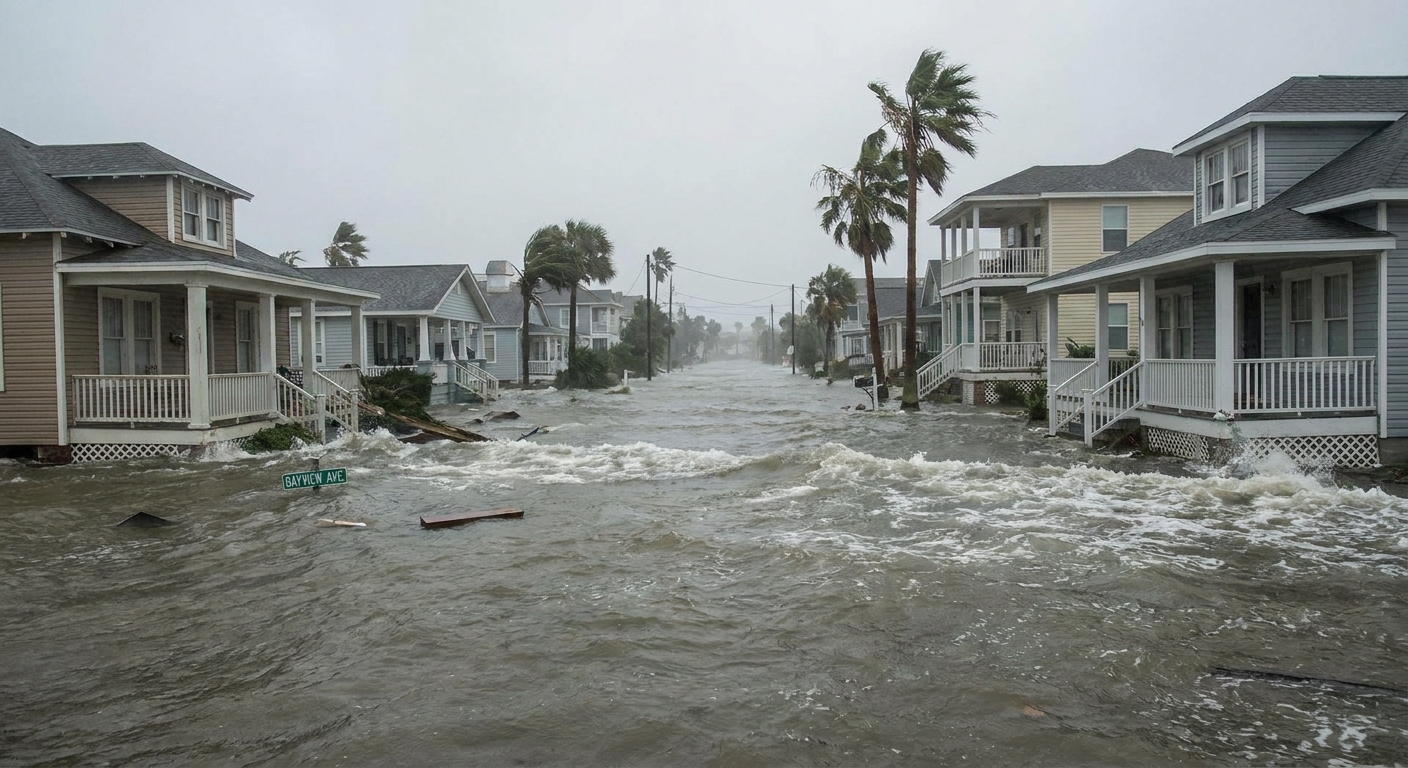
Storm surge is best known from hurricanes along ocean coasts. It is a rise in water level caused mainly by strong winds pushing water toward shore, plus the contribution from low air pressure. In that sense, storm surge and seiche are cousins: both can involve wind setup.
The difference is what happens next:
- In a classic storm surge event, water is driven onshore and can stay elevated for a while depending on storm structure, coastline shape, and tides.
- In a seiche, the basin responds like a sloshing container. After the push, the water level oscillates, producing alternating rises and falls that can shift the hazard from one shoreline to another over time.
On a large lake, you can see both ideas in the same event: wind piles water up (setup), then the system rebounds and rocks.
Seiche vs tsunami
Tsunamis are long waves usually generated by undersea earthquakes, landslides, or volcanic activity. They move fast across deep water and can produce powerful runup when they reach shore.
A seiche is not usually caused by geology. It is a basin’s response to atmospheric forcing or, less commonly, a local disturbance like a landslide into a lake.
There is an important gray area worth knowing about: meteotsunamis (short for meteorological tsunamis) are traveling long waves generated by atmospheric disturbances like pressure jumps and fast storm lines. When that traveling wave enters a bay or harbor and matches the local natural period, it can set off resonance and the back-and-forth oscillation you would call a seiche. In other words, a meteotsunami can be the punch, and a seiche can be the ringing that follows.
What it looks like
Because the “wave” is long, a seiche does not always look like a classic breaker rolling in. Signs can be subtle until they are not.
- Fast shoreline rise or drop: a noticeable change in water level over minutes to an hour.
- Reversing currents: flow in a channel or harbor mouth that speeds up, slows, and then flips direction.
- Harbor surging: boats tugging hard at lines, docks creaking, and water slapping unusually inside protected areas.
- Exposed hazards: sudden low water that reveals rocks, shoals, or makes some ramps temporarily unusable.
Are seiches dangerous?
They can be. The risk is less about a towering wave and more about unexpected water movement: strong currents, rapid level changes, and surges in confined spaces like harbors and marinas.
Seiches can contribute to:
- Flooding of low-lying shoreline areas when water piles in.
- Damage to docks and moored boats from repeated surging.
- Hazardous conditions for swimmers and anglers near piers, breakwalls, and river mouths where currents can intensify.
If a shoreline forecast mentions strong winds, rapid pressure changes, or unusual water-level swings, it is a good moment to treat the water like it has a mood swing coming.
Measurement and forecasting
Seiches are often detected using water-level gauges around a lake or inside harbors. A hallmark is out-of-phase behavior: while one side is higher than normal, another can be lower than normal, then they swap as the oscillation continues.
Forecasting is improving because meteorologists can model:
- Wind fields over the lake surface
- Pressure jumps and storm motion
- Basin response based on depth and shoreline shape
Still, the exact timing and local amplification inside a specific harbor can be hard to pin down. Local geography can act like an echo chamber for long waves.
Quick recap
- A seiche is a standing wave that makes a lake, bay, or harbor slosh back and forth.
- It is typically triggered by wind or a fast air-pressure change.
- It can cause rapid shoreline water-level changes and strong currents, especially in harbors and narrow inlets.
- It is not a tide (gravity-driven and predictable), not quite storm surge (though wind setup can start it), and not a tsunami (usually geology-driven). A meteotsunami is a traveling atmosphere-driven long wave that can kick off seiche-like oscillations in the right basin.
FAQ
How long can a seiche last?
Often hours. The oscillation fades as friction and turbulence dissipate energy, but large basins can keep rocking for a surprisingly long time after the triggering weather moves on.
Can seiches happen in small lakes or even pools?
Yes. The same physics applies at many scales. Smaller basins tend to have shorter natural periods, so the rise and fall can be faster and more localized.
Is a seiche the same thing as rip currents?
No. Rip currents are narrow jets of water moving away from shore, usually shaped by breaking waves and sandbars. A seiche is a basin-scale oscillation, though it can create or strengthen currents in certain spots.
What should I do if I think a seiche is happening near me?
Give the water extra space. Avoid breakwalls and pier edges, keep swimmers out of channels and harbor mouths where currents can surge, and make sure boats are securely moored with enough slack for rapid water-level changes.