Articles by Quill
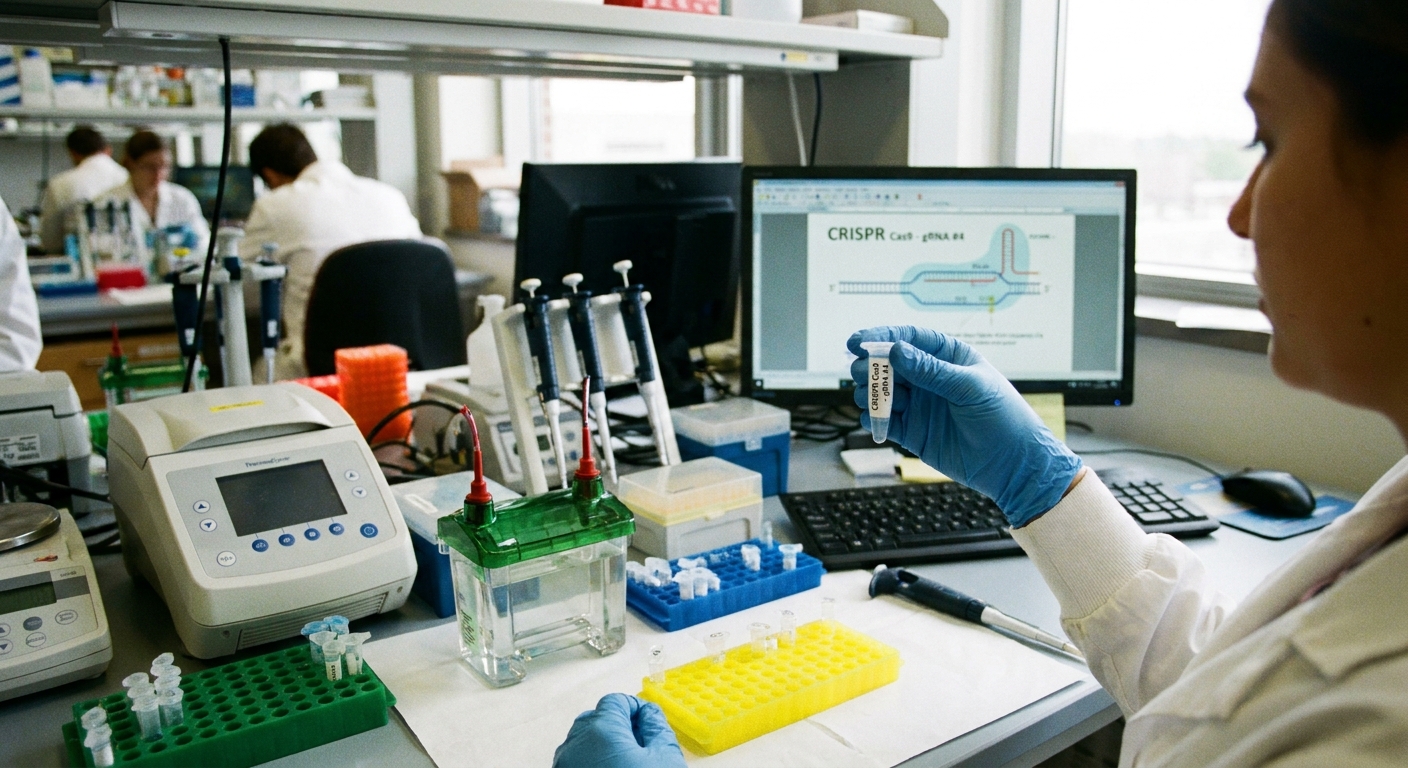
How Gene Editing Changes DNA Inside a Cell
Gene editing sounds like science fiction, but inside a cell it is closer to a very careful repair job. A tool like CRISPR does not “rewrite your whole genome.” It does something more specific: it locates a particular DNA sequence, triggers a change at that spot, and then the cell’s own repair...
Read more →
How Climate Scientists Track Extreme Weather Trends
When a record-breaking heat wave rolls through, or a “once in a century” flood hits twice in a decade, a natural question pops up: is this just bad luck, or a sign of a changing climate? Climate scientists answer that by doing something surprisingly down-to-earth. They count. They measure. They...
Read more →
Why the Northern Lights Change Color and Shape
The Northern Lights look like nature’s mood ring in the sky: sometimes a quiet green arc, sometimes red wisps, sometimes a whole curtain that seems to ripple like silk in a breeze. None of that is random. Auroras are physics you can see, and their colors and shapes are basically a live readout of...
Read more →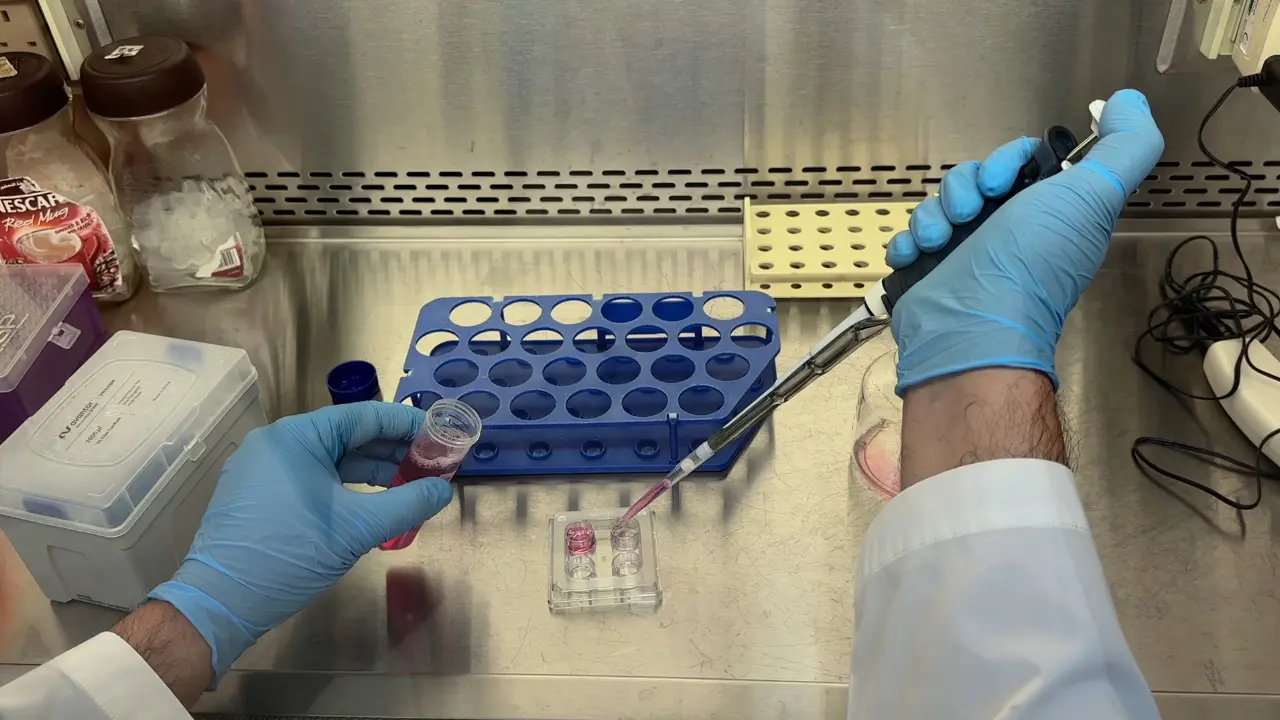
CRISPR vs. Gene Therapy
“CRISPR” and “gene therapy” often get tossed into the same bucket, like they are two names for the same thing. They are related, but not identical. If you want a quick mental model: gene therapy is the broader toolkit for treating disease by changing how genes behave in the body, while CRISPR is a...
Read more →
How to Tell a Meteor From a Satellite
The night sky is full of moving lights, and not all of them are “shooting stars.” Some are satellites gliding silently overhead. Some are airplanes blinking their way across the horizon. And once in a while, you will catch a true meteor: a tiny grain of space dust lighting up the upper atmosphere...
Read more →
Why the Moon Looks Bigger Near the Horizon
Every so often, the Moon pulls off a magic trick: it rises over the trees or city skyline and suddenly looks like a glowing beach ball you could roll down the street. Then, an hour later, it is higher up and feels… normal again. Your eyes are not broken, your camera is not lying, and the Moon is...
Read more →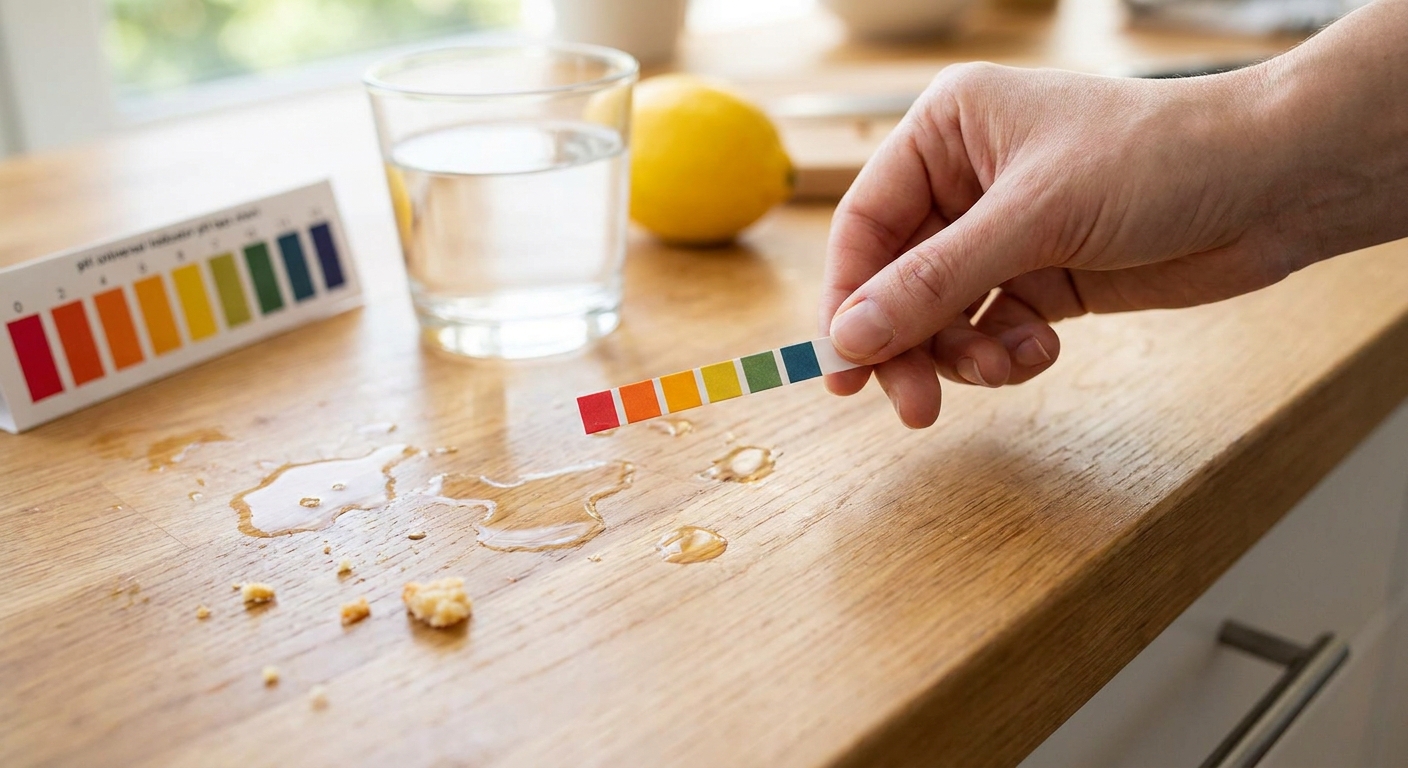
How to Read a pH Scale in Everyday Life
pH is one of those science concepts that sounds like it belongs in a lab coat. But it shows up everywhere you live. It is in the bite of a lemon, the sting of a cleaner, the way some hydrangeas change color, and the reason pool water sometimes makes your eyes feel weird. If you can read a pH...
Read more →
Aurora Borealis: What Causes the Northern Lights
If you have ever seen the aurora borealis in person, you know it does not feel like “weather.” It feels like the sky is alive. The good news is that the northern lights are not magic, and they are not random either. They are a physics story about our Sun tossing charged particles into space, and...
Read more →
How Lightning Forms and Why Thunder Follows
Lightning looks like a jagged streak of pure chaos, but the physics behind it is surprisingly orderly. A thunderstorm is basically a roaming battery: it separates electric charge, builds up voltage, and then discharges in a sudden, violent rush through the air. Thunder is what you hear when that...
Read more →
Solid vs. Liquid Rocket Fuel
If you have ever watched a rocket launch and felt that low, chest-thumping rumble through your screen, you have already met the central character of spaceflight: propulsion. Rockets are basically controlled explosions with excellent manners. They burn propellant, throw mass out the back at high...
Read more →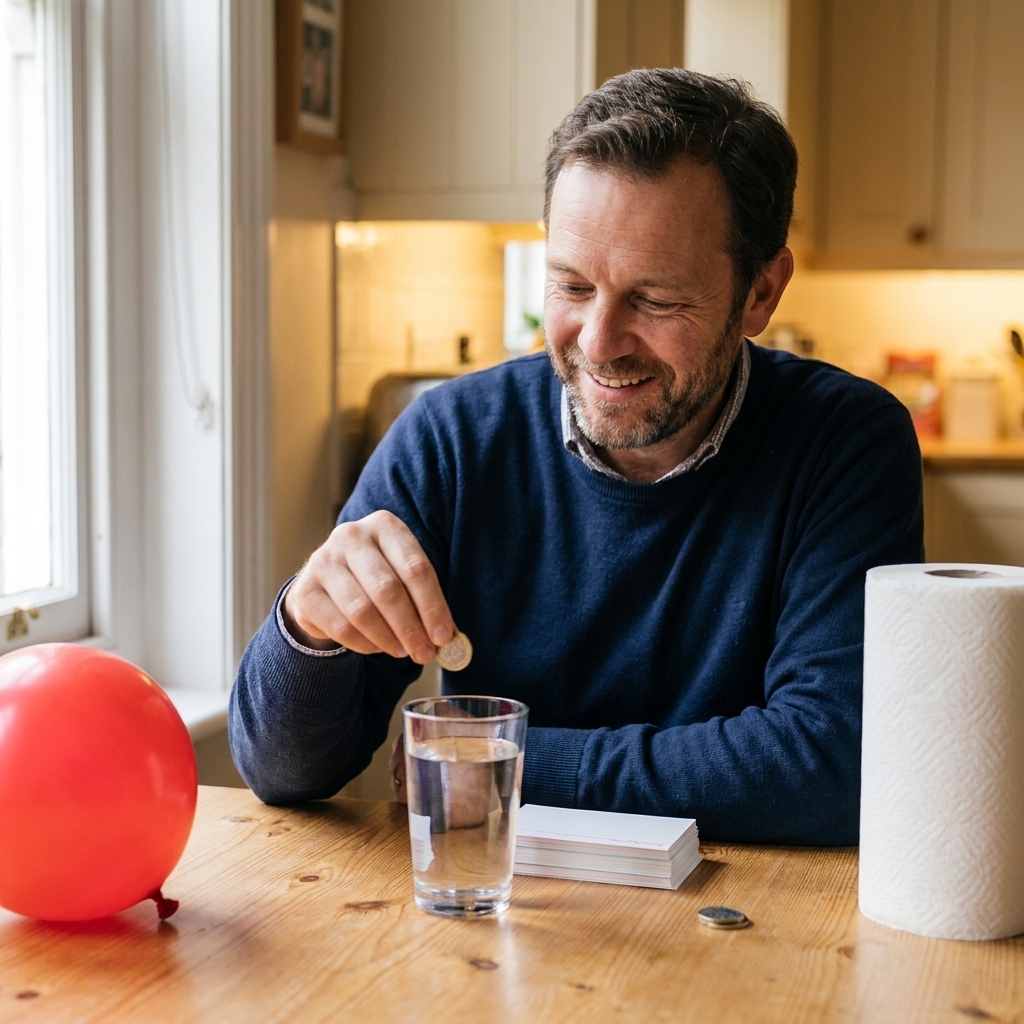
5 Easy Physics Experiments You Can Do at Home
One of my favorite things about physics is that it is not locked away in a lab. It is in your kitchen, your sock drawer, and that slightly chaotic junk drawer we all pretend is “organized.” Below are five low-stress, high-aha experiments you can do with everyday items. Each one is safe, fast (most...
Read more →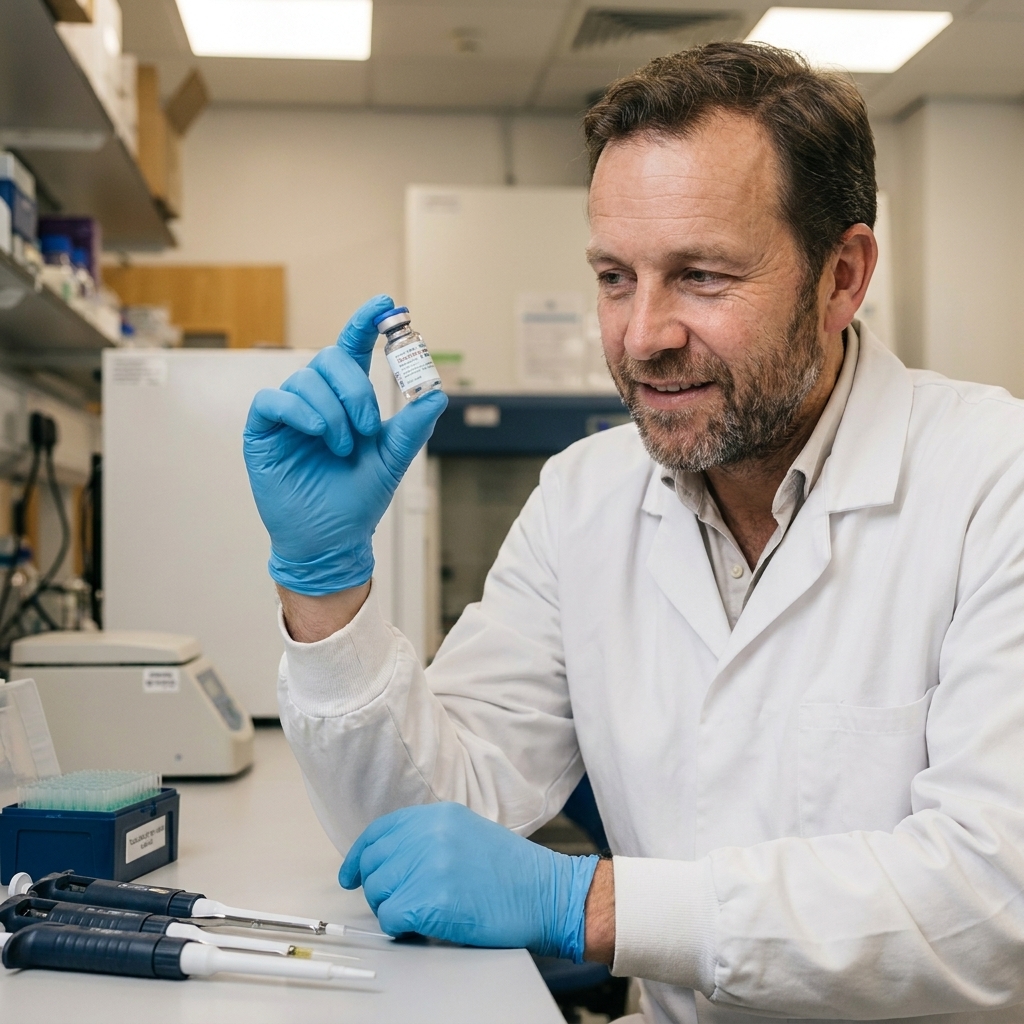
5 Nanotechnologies Changing Medicine Right Now
Nanotechnology can sound like sci-fi: machines smaller than a cell, medicines that “know” where to go, sensors that whisper updates from inside your body. But a lot of this is no longer futuristic. Some nanotech is already in clinics, and a wave of newer approaches is moving through trials right...
Read more →
7 AI Tools That Are Accelerating Scientific Research in 2024
In my old classroom, the fastest way to spark an “aha” moment was to hand students the right tool at the right time. A motion sensor turns a fuzzy idea like velocity into something you can see. AI is doing something similar in research right now. Not by replacing scientists, but by taking the parts...
Read more →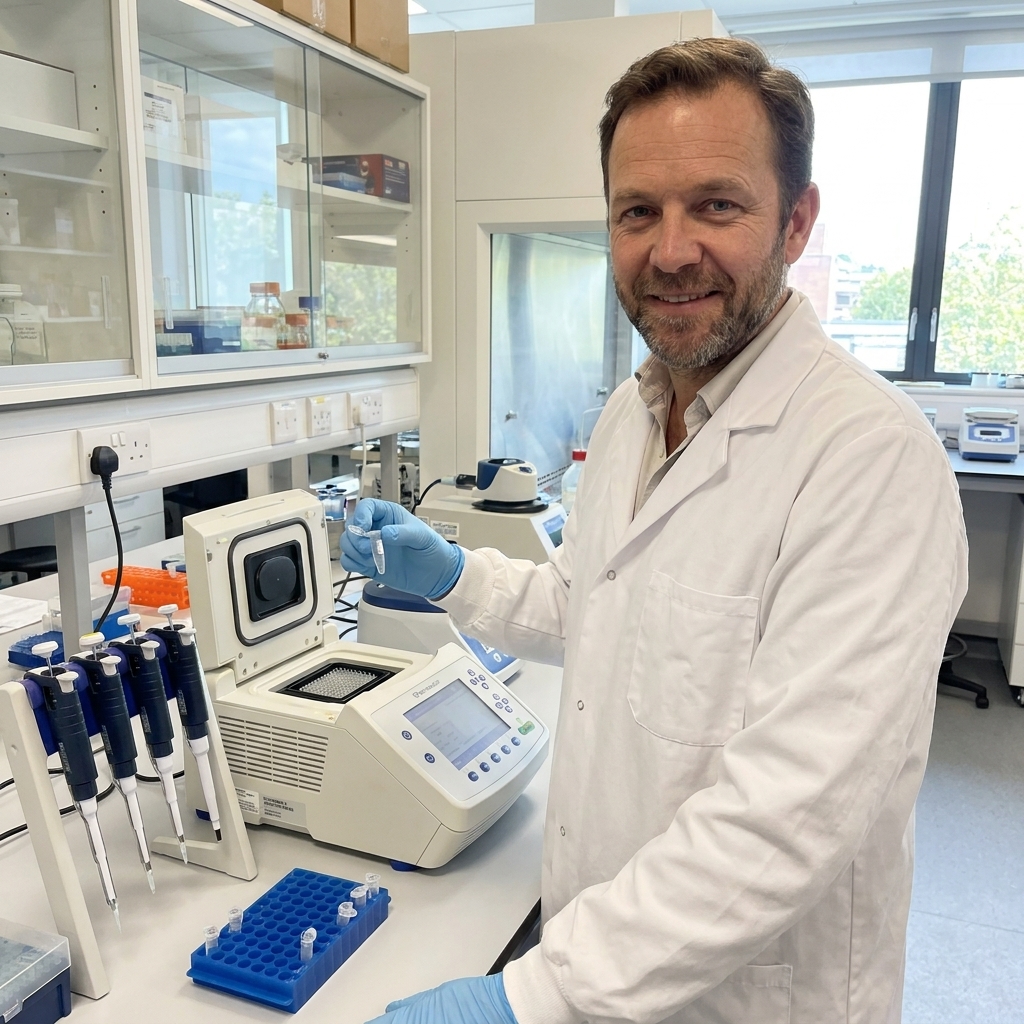
CRISPR vs. TALEN: Who Leads the Gene-Editing Future?
If you have ever wished biology came with an “edit” button, you are not alone. Over the last 10 to 15 years, gene editing has started to feel less like science fiction and more like a toolkit. Two of the best-known tools are CRISPR and TALEN . They both cut DNA at chosen spots so cells can repair...
Read more →
DIY Smart Weather Station
A smart weather station is a practical weekend project that gives you hyperlocal readings you can trust, and a fun excuse to learn a bit about sensors, calibration, and dashboards. This guide walks through a solid, buildable setup that measures temperature, humidity, pressure, and optional outdoor...
Read more →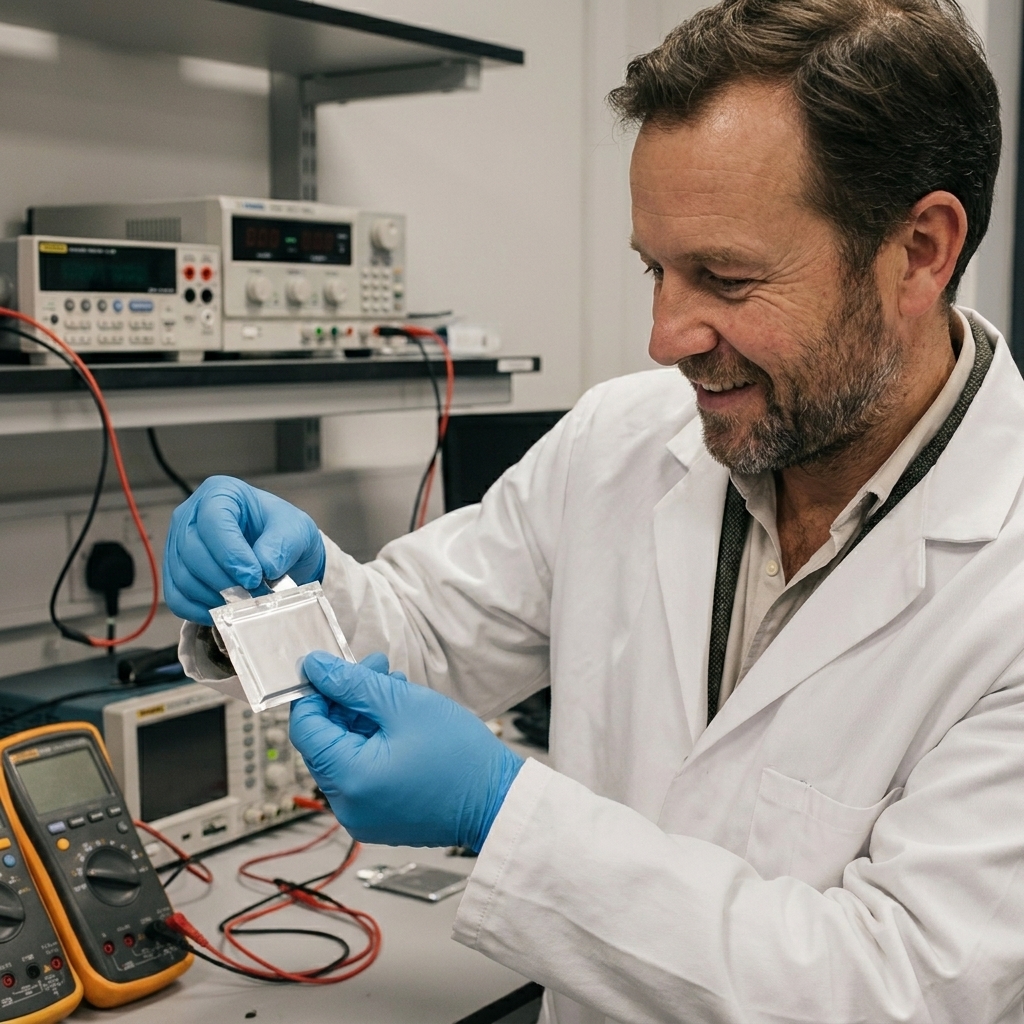
The Future of Solid-State Batteries
If you have ever wished your phone lasted two days, your electric car charged faster, or your solar panels could stash sunshine for a rainy week, you have wished for a better battery. Lithium-ion batteries have carried us a long way, but they are starting to feel like a backpack that is always...
Read more →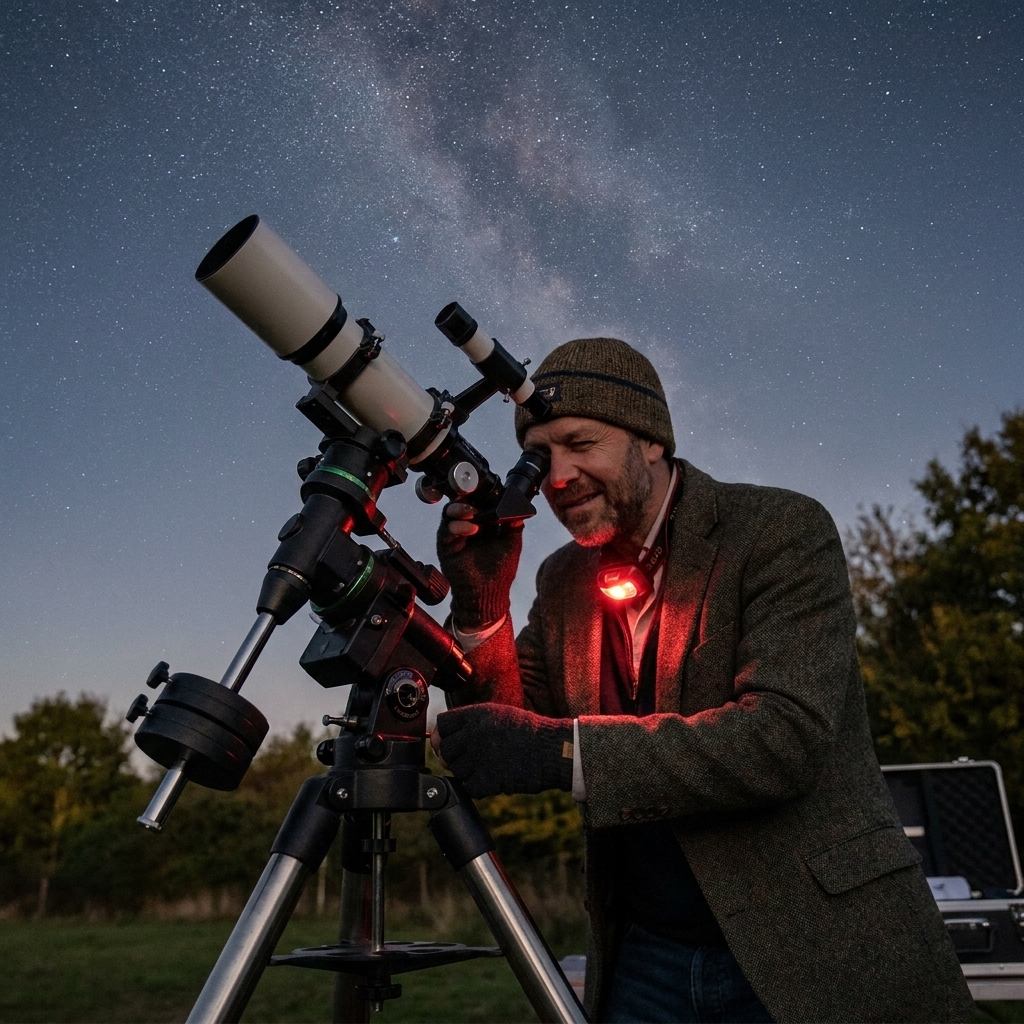
Best Home Telescopes for Astrophotography
Astrophotography is the rare hobby where your first big upgrade is not the telescope. It is the mount. A telescope is like a camera lens. The mount is the tripod, the gimbal, and the steady hands all rolled into one, except it has to track smoothly while Earth rotates about 15° per hour (roughly...
Read more →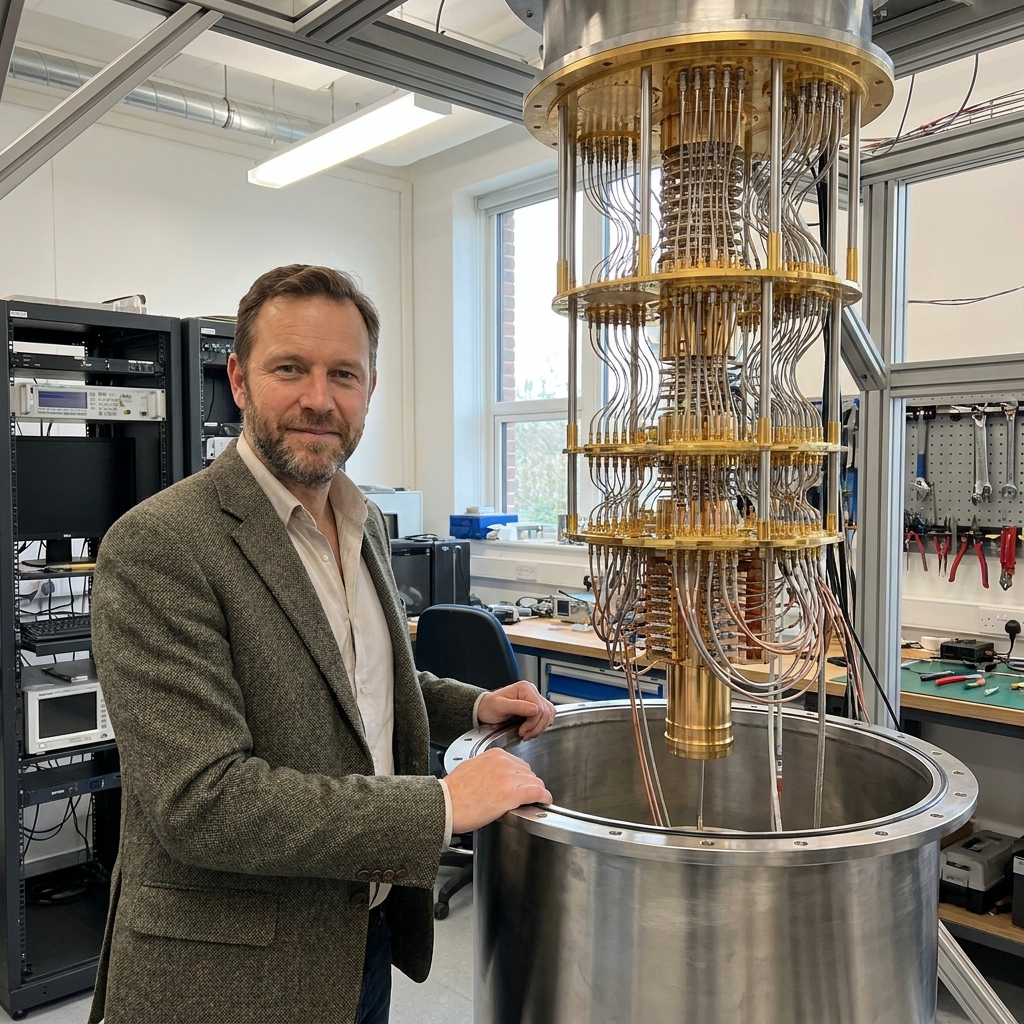
Quantum Computing for Beginners
Quantum computing has a reputation for being the “you need a PhD to enter” corner of technology. I get it. The vocabulary alone can feel like walking into a physics classroom mid-lecture. But here is the good news: the core ideas are simple enough to hold in your head. The hard part is accepting...
Read more →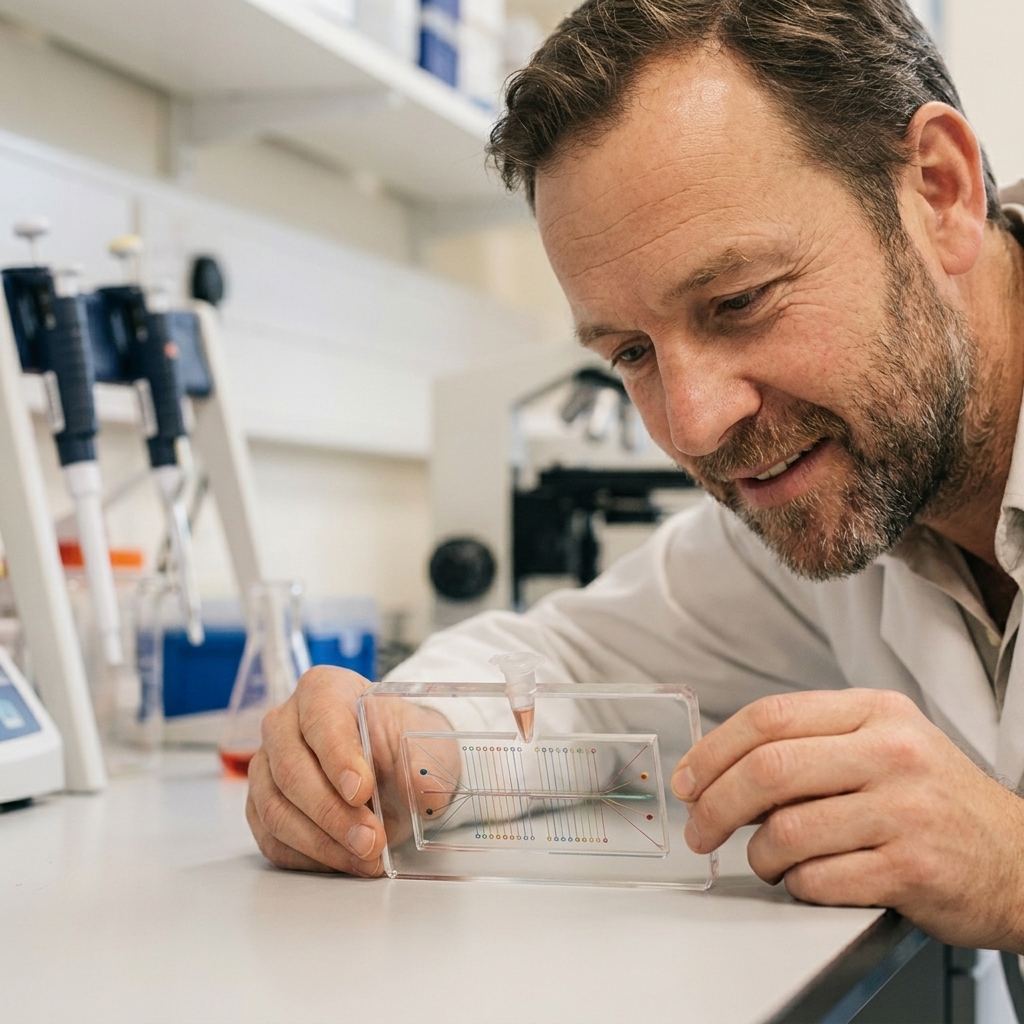
Lab-on-a-Chip and the New Accuracy of At-Home Tests
At-home medical tests have always promised something wonderfully modern: answers without the waiting room. For years, the tradeoff was that you often got convenience at the cost of confidence . A faint line. A confusing app message. A result that made you wonder if you did something wrong, or if...
Read more →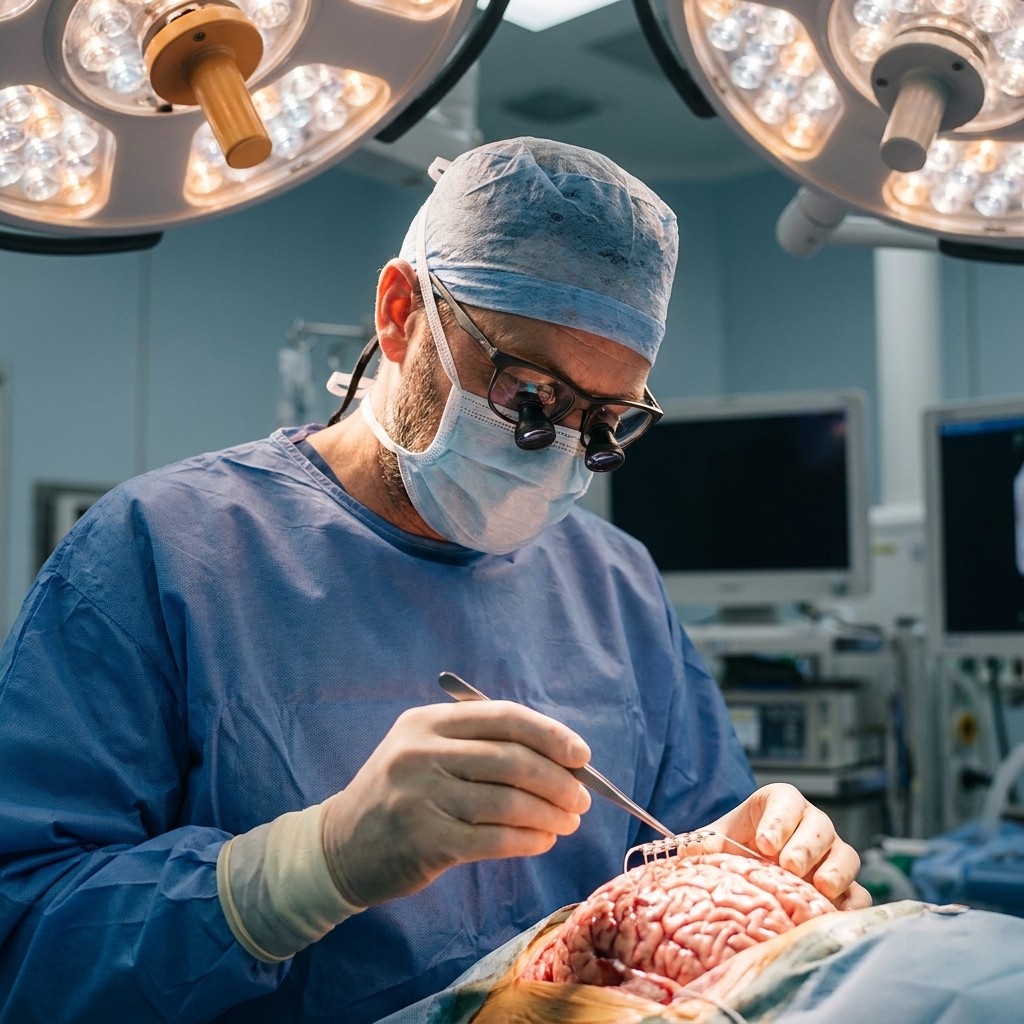
10 Ways BCIs Bridge Mind and Machine
When I taught physics, I used to tell my students that the brain is the most impressive “signal generator” we know. Roughly 86 billion neurons fire tiny electrical pulses, and somehow that living thunderstorm turns into a thought like, pick up the mug . Brain-computer interfaces, or BCIs, are our...
Read more →