If you have ever wished your phone lasted two days, your electric car charged faster, or your solar panels could stash sunshine for a rainy week, you have wished for a better battery. Lithium-ion batteries have carried us a long way, but they are starting to feel like a backpack that is always almost big enough. Solid-state batteries are one of the most promising ways to upgrade that backpack without changing the laws of physics.
The basic pitch sounds simple: swap the flammable liquid electrolyte used in most lithium-ion batteries for a solid material. In practice, “solid-state” covers a range of architectures, including some hybrid or semi-solid designs that still use small amounts of liquid or gel at interfaces. Still, the central idea is the same: rethinking the electrolyte triggers a cascade of chemistry and engineering changes that could mean higher energy density, improved safety, and longer lifetimes. It also introduces new problems that are, frankly, devilish at the atomic scale.
Battery basics, with the jargon translated
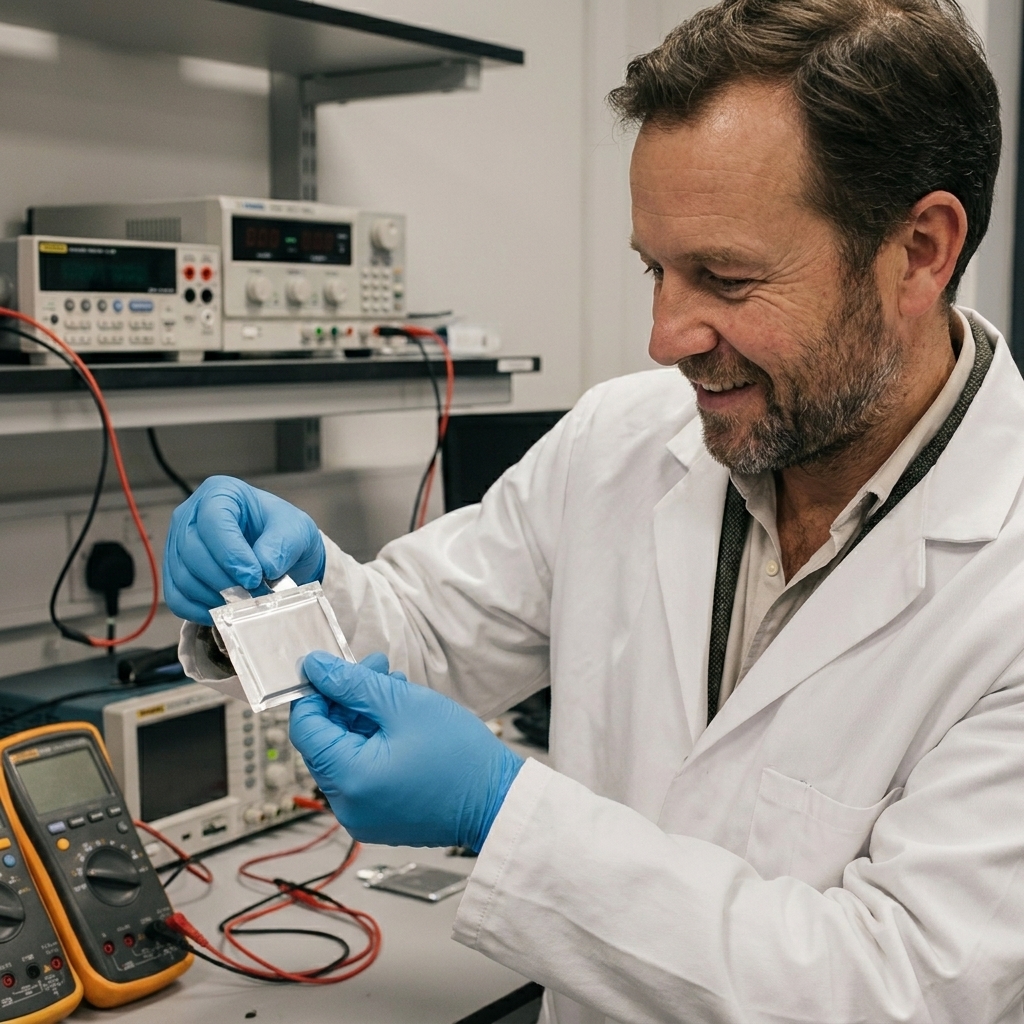
A battery is a controlled chemical slide for electrons. You have two electrodes, an anode and a cathode, separated by an electrolyte. During discharge, lithium ions move through the electrolyte inside the battery, while electrons take the long way around the external circuit to power your device.
Here are the key parts in everyday language:
- Anode: The “source” side during discharge. In most lithium-ion cells today, it is usually graphite, which stores lithium between its carbon layers.
- Cathode: The “sink” side during discharge. Often a lithium metal oxide like NMC (nickel manganese cobalt oxide) or LFP (lithium iron phosphate).
- Electrolyte: The internal “highway” that lets ions move between electrodes. In conventional lithium-ion, this is typically a lithium salt dissolved in organic solvents, meaning a flammable liquid.
- Separator: A porous membrane that keeps the electrodes from touching while letting ions pass.
Solid-state batteries keep the same overall job description, but they change the road system: the electrolyte is solid. In some designs, that solid layer can also serve the role of a separator. In others, engineers still add dedicated separator or interlayer films for mechanical support, manufacturability, or to improve interface stability. The exact stack depends on the chemistry and the company’s design choices.
What makes a battery solid-state?
A solid-state battery uses a solid electrolyte instead of a liquid one. That solid can be a ceramic, a glass or glass-ceramic, a polymer, or a hybrid. The big idea is to build an electrolyte that conducts lithium ions well but is mechanically rigid and far less prone to leakage or ignition than a typical organic liquid.
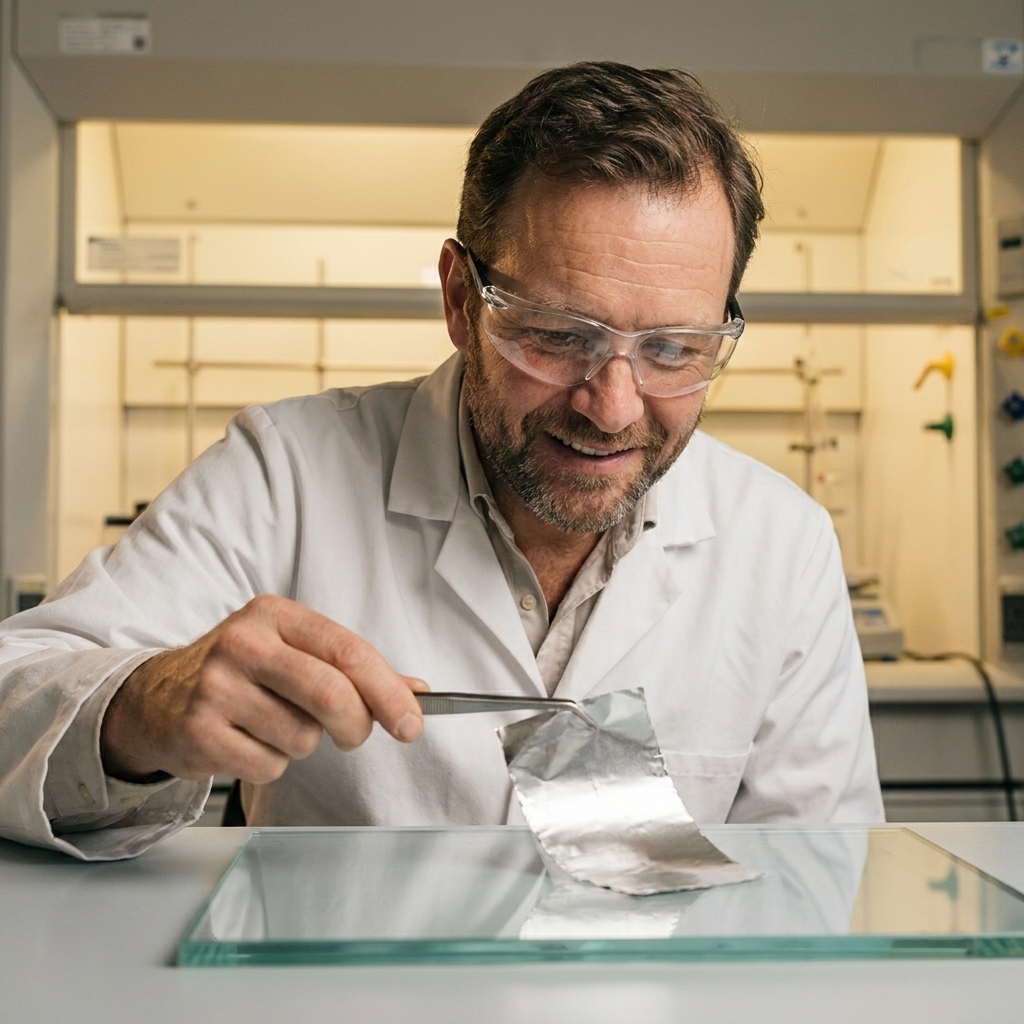
In many designs, solid electrolytes also open the door to a tempting anode choice: lithium metal. Lithium metal is like the high-test fuel of anodes because it can store a lot of charge per unit mass. The trouble is that liquid-electrolyte lithium-metal batteries tend to grow needle-like structures called dendrites that can pierce separators and short-circuit the cell. A solid electrolyte can, in theory, help suppress or redirect that dendrite growth, but the details matter.
The chemistry upside
1) More energy in the same space
Energy density is the battery world’s version of packing efficiency. If you can store more energy per kilogram or per liter, everything gets easier: longer range, lighter devices, more storage in a fixed footprint.
Solid-state batteries are exciting because they may enable:
- Lithium-metal anodes, which can store more charge than graphite.
- Thinner internal layers in some designs, reducing “dead weight” materials.
- Higher-voltage cathodes in the long run, if stable interfaces can be engineered.
Not every solid-state battery will beat the best lithium-ion cells right away. But the ceiling on performance looks higher, especially when lithium metal is involved.
2) A calmer failure mode
Traditional lithium-ion electrolytes are organic solvents. They are good ion conductors, but they are also flammable, and they can feed thermal runaway when something goes wrong (damage, overheating, internal short).
A solid electrolyte is typically much less likely to leak or ignite. That does not magically make every design “perfectly safe” because batteries still store a lot of energy. But it can reduce one of the nastier ingredients in the failure recipe.
The trade-offs
The reason solid-state is hard is also the reason it is interesting. Many promising designs come with trade-offs that engineers have to manage, not wish away.
- Interface resistance: Solid-on-solid boundaries can add resistance, which can limit power and fast charging if not carefully engineered.
- Pressure and mechanics: Some stacks perform best under sustained pressure to maintain contact over time, which can add hardware complexity.
- Temperature needs: Many polymer electrolytes conduct best when warm, while some inorganic electrolytes are more comfortable at room temperature.
- Brittleness: Certain ceramic electrolytes are stiff but can be brittle, making manufacturing and impact tolerance a real design constraint.
The hard part: interfaces
If I could bring every reader into my old classroom for one day, I would put this on the board: batteries are interface machines. The performance lives and dies at the boundaries where materials touch.
In a liquid electrolyte, the liquid can seep into pores and maintain contact even as materials expand, contract, and age. Solids do not “self-heal” contact the same way. That creates several core challenges.
Keeping solid-on-solid contact
Imagine trying to make two rough bricks touch perfectly across their entire surfaces. Real electrode materials are rough on microscopic scales. Any tiny gap can become a high-resistance bottleneck. Engineers often rely on pressure, specially engineered interlayers, or composite electrode structures to keep pathways open for lithium ions.
Preventing unwanted reactions
Electrolytes are not just passive highways. They can react with electrodes, especially at high voltages. Many solid electrolytes are chemically reactive at one or both interfaces, which can form resistive layers over time.
Think of it like corrosion that is only a few nanometers thick. It is tiny, but ions have to cross it over and over during cycling, so it matters.
Dendrites are not automatically solved
A rigid electrolyte can help, but dendrite suppression depends on material properties, current density, defects, and manufacturing quality. Some solid electrolytes can still be penetrated along grain boundaries or cracks. In other words: the “solid” in solid-state is not a magical shield if the microstructure has weak points.

Solid electrolytes: three families
Solid-state is a category, not a single material. The electrolyte choice influences performance, cost, and manufacturability.
Oxide ceramics
Oxide ceramics can be relatively stable and easier to handle in air than many sulfides, and they can offer wide electrochemical stability windows. The trade-off is that they can be brittle, and achieving low-resistance interfaces can be challenging.
One important caveat: even “air-stable” oxides can develop surface contamination from moisture and carbon dioxide, forming thin layers (often lithium carbonate) that raise interface resistance unless processing and storage are carefully controlled.
Sulfide ceramics
Sulfide-based electrolytes can have very high ionic conductivity, sometimes approaching or rivaling liquids. Many are easier to densify and form good contact with electrodes. But sulfides can be moisture-sensitive and may release hydrogen sulfide (H2S) if exposed to water, so manufacturing, dry-room control, and packaging become central parts of the problem.
Polymer electrolytes
Polymers are flexible and can make good contact. They are also more compatible with some existing manufacturing methods. The catch is that many polymer electrolytes conduct ions well only at higher temperatures, and boosting room-temperature conductivity without sacrificing stability is an active research frontier.
Why it matters for the grid
When people talk about batteries, the conversation often lands on electric vehicles. That is fair because EVs are a huge market. But I get especially excited about what better batteries could do for the grid.
Renewables like solar and wind are plentiful but variable. The grid has to balance supply and demand in real time. Storage helps by shifting energy from when it is produced to when it is needed.
Safety and siting
Large stationary storage installations are often placed near where electricity is used. Reduced fire risk and improved thermal stability could make permitting and siting easier, and could lower the cost of safety systems.
Lifetime and maintenance
Grid storage earns its keep by cycling reliably over years. Solid-state designs aim for longer lifetimes by reducing side reactions and improving stability. That is the goal, at least. In practice, proving long-term durability is one of the key steps between lab success and grid-scale trust.
Energy density where space is tight
Not every storage site has wide-open land. Denser batteries can matter in urban substations, behind-the-meter commercial installs, and constrained industrial sites.
That said, the grid also values low cost per kilowatt-hour more than extreme compactness. Some solid-state chemistries may end up better suited to vehicles first, then later to stationary storage as manufacturing scales and costs fall.
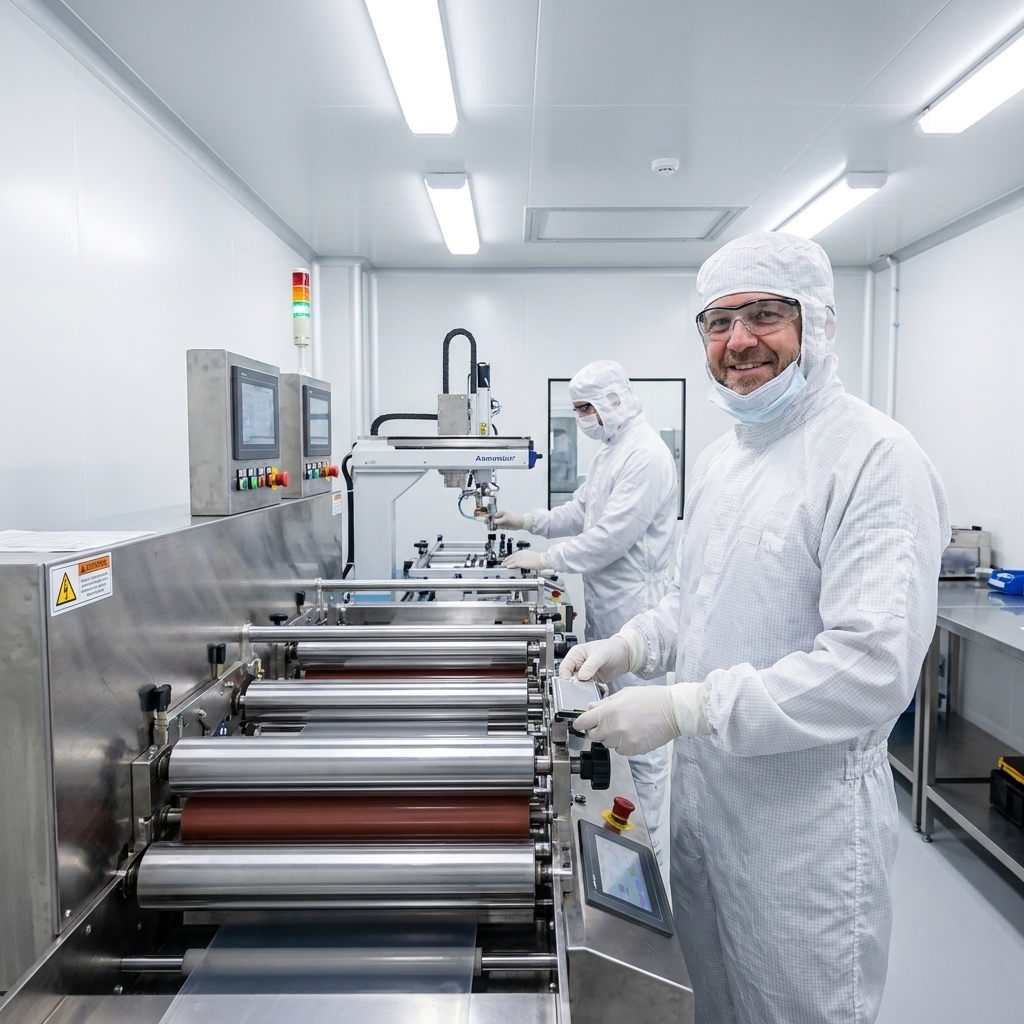
From lab to factory
In materials science, it is surprisingly easy to make something work once. It is brutally hard to make it work a million times at acceptable cost.
Solid-state batteries often require:
- Very clean processing to avoid defects that become short-circuit pathways.
- Precise layer control to keep interfaces thin and uniform.
- Moisture control for sensitive materials, especially many sulfides, which can raise facility costs.
- Energy-intensive steps in some approaches, such as high-temperature sintering or densification of ceramics.
- High yield across large-area layers, because tiny cracks or pinholes can ruin a cell.
- Pressure management hardware in some designs to maintain contact over life.
Some companies are pursuing “semi-solid” or hybrid approaches that keep parts of today’s lithium-ion manufacturing while swapping in solid components where they help most. That may not be the final destination, but it can be a practical bridge.
What it could change for EVs
If solid-state batteries reach mass production at competitive cost, the most noticeable changes for drivers could include:
- Longer range for the same vehicle weight, or lighter vehicles for the same range.
- Improved safety margins in crashes and under abusive conditions, depending on design.
- Faster charging potentially, though fast charge is also limited by heat, lithium plating, and interface kinetics.
- Cold-weather behavior that varies by electrolyte family. Many polymer systems need warmth, while some inorganic systems may hold up better at lower temperatures.
One caution: “solid-state” alone does not guarantee every benefit. The final performance depends on the full cell design, including cathode material, electrolyte thickness, current collectors, manufacturing quality, and thermal management.
Common questions
Are solid-state batteries already on the market?
Yes, but mostly in narrow slices of the market. Thin-film solid-state batteries have been used in small electronics such as sensors, smart cards, and certain medical or industrial devices where long cycle life and safety matter more than low cost per kilowatt-hour. Broad, high-volume solid-state EV batteries, especially those using lithium-metal anodes, are still emerging through pilot lines and early deployments.
Do solid-state batteries eliminate fire risk?
They can reduce risk by removing or reducing flammable liquid electrolytes, but any high-energy device can fail dangerously under certain conditions. The realistic goal is safer failure modes and wider operating margins, not invincibility.
Why not just use lithium metal in today’s batteries?
Because liquid electrolytes and lithium metal have a complicated relationship. Dendrites and unstable interfaces can cause shorts and rapid degradation. Solid electrolytes may offer a more stable environment for lithium metal, but it requires very careful engineering.
Will solid-state make renewables solved?
Storage is one of several pieces. Transmission upgrades, demand management, diversified generation, and seasonal storage solutions all matter too. Solid-state could be a meaningful upgrade in the toolbox, especially if it improves safety and lifetime while costs fall with scale.
When will it show up everywhere?
Commercialization is likely to be gradual. Expect earlier wins in premium or specialized applications first, then broader adoption if manufacturers hit the unglamorous targets that matter most: cost, yield, cycle life, and consistent performance across huge volumes.
The takeaway
Solid-state batteries are not a single breakthrough. They are a collection of clever material choices aimed at one theme: make the inside of the battery more stable while pushing energy density higher. The promise is huge, from safer EV packs to sturdier grid storage that helps renewables punch above their weight.
The limiting factor is not imagination. It is interfaces, defects, and manufacturability. And that is exactly why the field is exciting. The future of solid-state batteries will be written in tiny places, at the boundary where one material meets another, where a few atoms of unwanted reaction can decide whether a technology stays in the lab or changes the world.