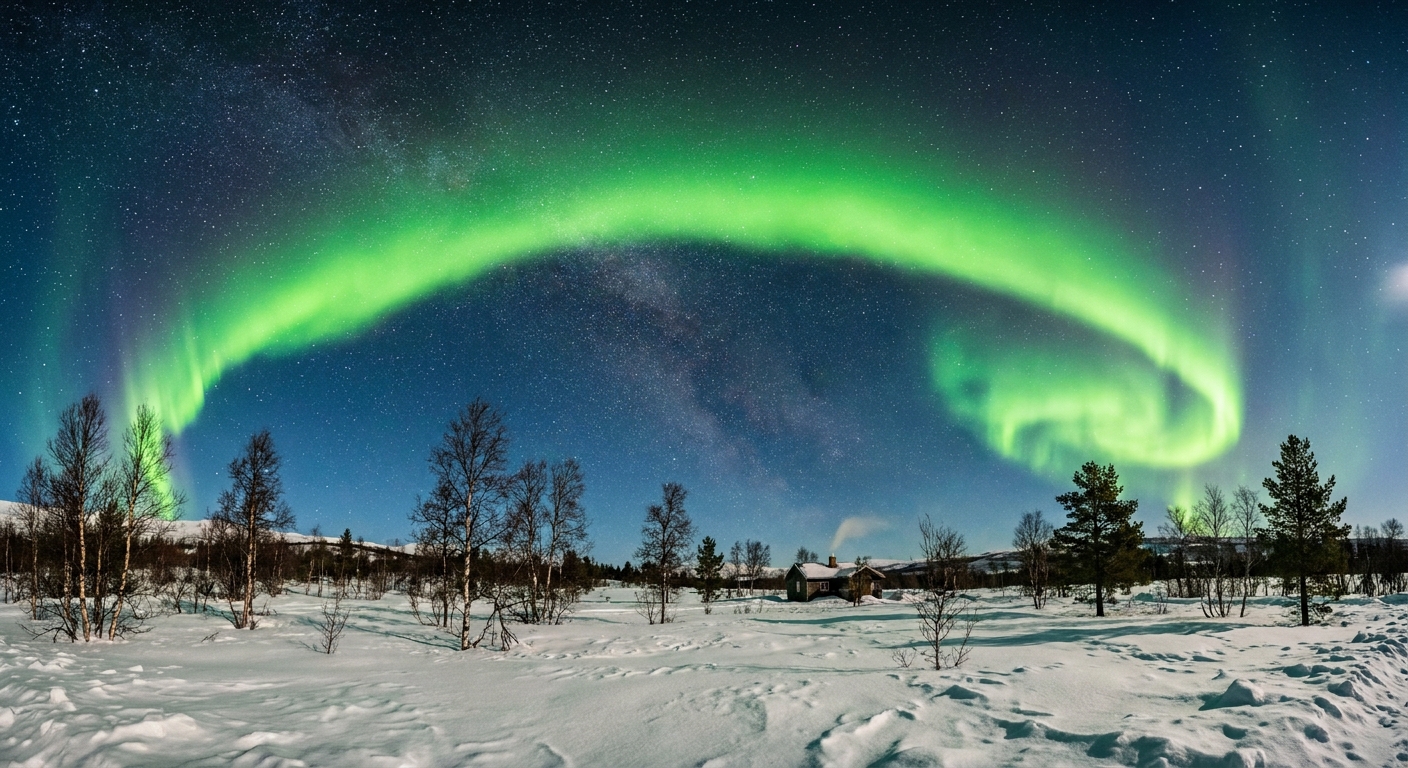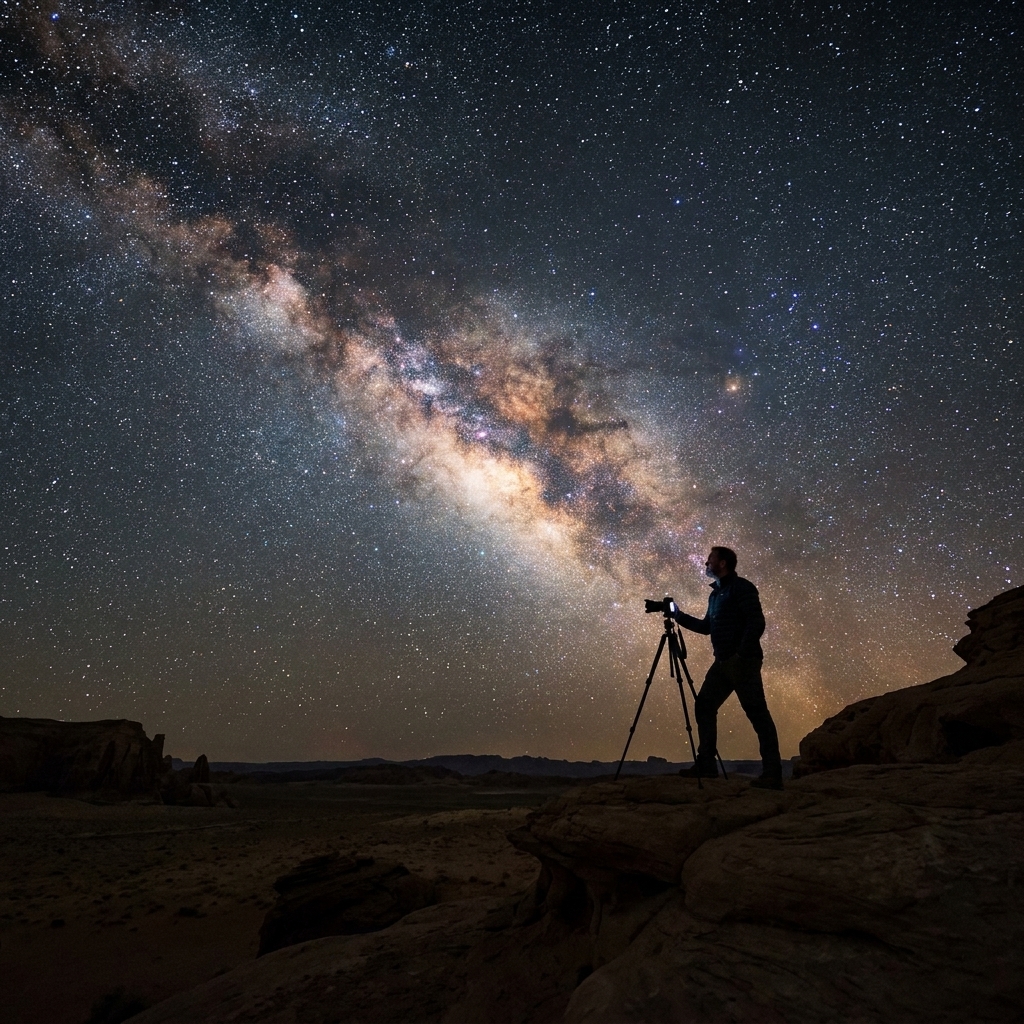
If you have ever seen the aurora borealis in person, you know it does not feel like “weather.” It feels like the sky is alive. The good news is that the northern lights are not magic, and they are not random either. They are a physics story about our Sun tossing charged particles into space, and Earth responding with a magnetic shield that turns that energy into light.
Let’s walk through what causes auroras, why the colors change, where you are most likely to see them, and what “aurora forecasts” actually mean.
The basic idea: Sun energy meets Earth’s shield
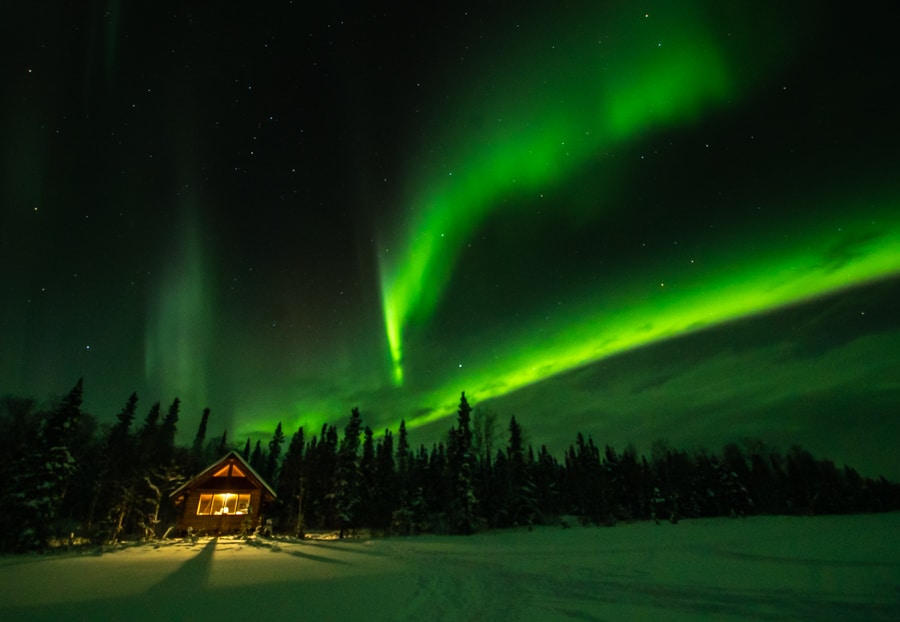
An aurora is what happens when charged particles from the Sun collide with gases high in Earth’s atmosphere, causing those gases to glow.
Here is the simple chain of events:
- The Sun releases a stream of particles called the solar wind.
- Earth’s magnetic field steers many of those particles around us, forming a protective bubble called the magnetosphere.
- Some particles get funneled toward the polar regions, where magnetic field lines dive into the atmosphere.
- When those particles collide with oxygen and nitrogen high above us, those gases get “excited” and then release energy as visible light.
So the aurora is not sunlight reflecting off clouds. It is the atmosphere itself glowing, like a giant neon sign powered by the Sun.
Solar wind: the Sun’s constant particle breeze
The solar wind is always flowing. But auroras get dramatically brighter when the Sun gets more stormy than usual.
What makes the Sun “stormy”?
Two solar events matter most for eye-catching auroras:
- Coronal mass ejections (CMEs): Huge bubbles of magnetized plasma thrown into space. If a CME is aimed at Earth, it can supercharge auroras for a night or even multiple nights.
- High-speed solar wind streams: Faster-than-usual wind from “coronal holes” on the Sun. These can also produce strong auroras, sometimes in repeating patterns over several weeks as the Sun rotates.
Think of the solar wind like a river. Most days it flows steadily. Some days a surge rushes through, and that is when the sky show tends to intensify.
Now here is the key point: the solar wind is the energy source, but Earth’s magnetic field decides where that energy gets focused.
Earth’s magnetic field: the reason auroras love the poles
Earth’s magnetic field is the main reason auroras cluster in a ring around the Arctic and Antarctic called the auroral oval.
Charged particles do not travel in straight lines through a magnetic field. They spiral along magnetic field lines. Near the poles, those field lines guide particles down into the upper atmosphere, increasing the chances of collisions that create light.
This is also why auroras can sometimes be seen farther south than usual: when solar activity is intense, the auroral oval can expand, pushing the lights into lower latitudes.
One more practical note: where you are on the aurora map depends on geomagnetic latitude, not just geographic latitude. That is why some places at similar “map latitudes” can have different odds.
What actually glows: oxygen and nitrogen in the upper atmosphere
The aurora happens high above typical clouds and storms, mostly in the thermosphere (roughly 90 to 300+ kilometers, or about 55 to 185+ miles up). Some auroral emissions can extend higher, but the most common visible displays tend to live in that range.
The key players are:
- Oxygen
- Nitrogen (and nitrogen molecules)
When solar particles collide with these gases, they transfer energy. The gas particles briefly jump to higher energy states. When they relax back down, they emit photons, which is the light you see.
Why aurora colors change
If you have seen photos, you have probably noticed the aurora is not always the same shade of green. Sometimes it looks pink, red, purple, or even blue. The color depends mainly on which gas is glowing and how high up the collisions occur.
Green: the classic aurora color
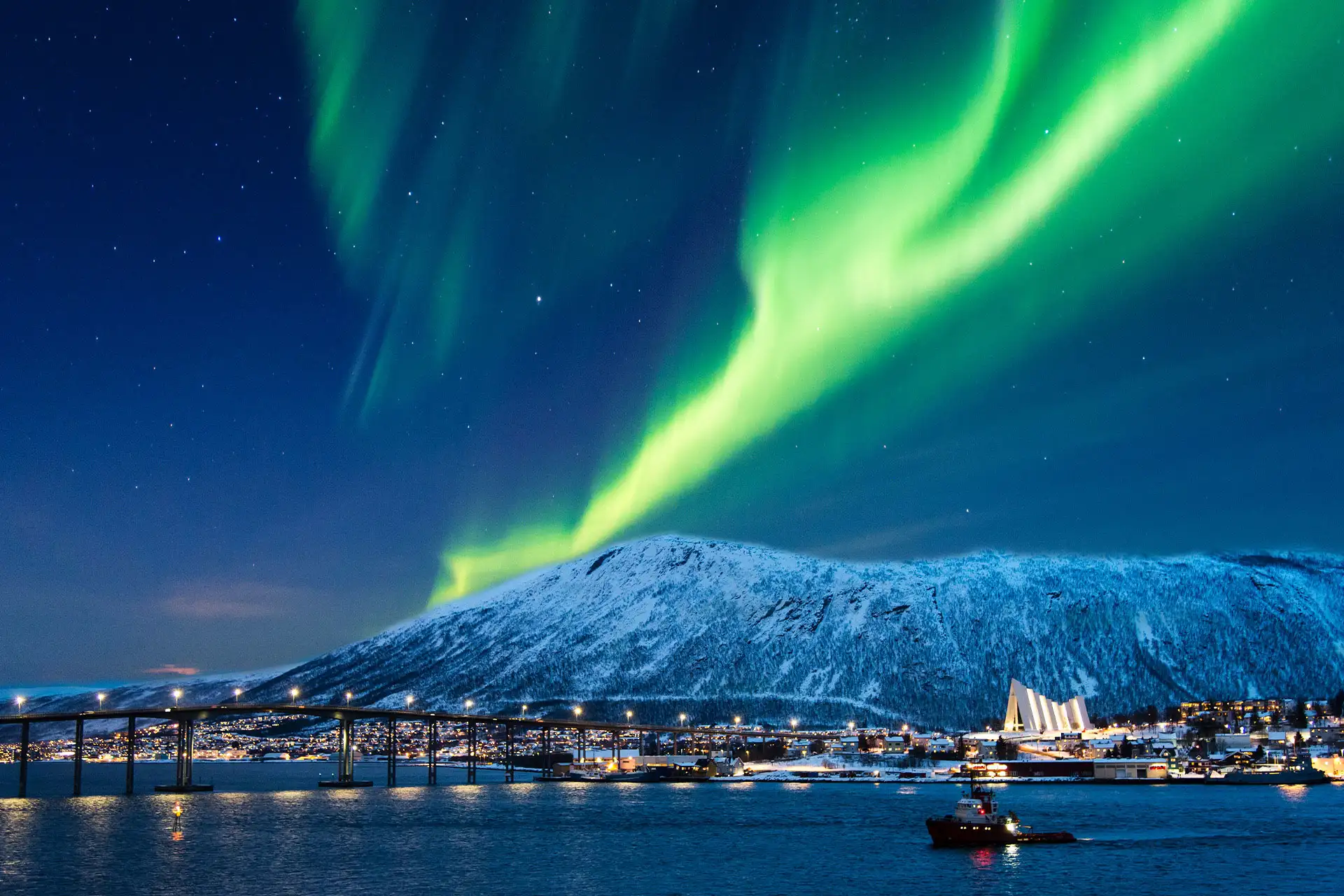
Green is most commonly produced by oxygen at roughly 100 to 200 kilometers (about 60 to 120 miles) altitude. It is common because those conditions occur frequently during active aurora displays.
Red: higher and often subtler
Red auroras can come from oxygen at higher altitudes, often around 200 to 400+ kilometers. They can show up during strong geomagnetic storms, and they can also appear as more stable, quieter features (including so-called stable auroral red, or SAR, arcs) under different conditions. Red is often faint to the eye and more obvious in photos.
Purple and blue: nitrogen joins the party
Nitrogen can contribute blue and purple hues, especially along lower edges of bright auroral curtains where energetic particles penetrate deeper.
One important caveat: cameras and phone sensors often pick up colors more strongly than human vision in low light. Your eyes may see more gray-green, while the camera pulls out vivid purples and reds.
Where you can see the aurora borealis
The aurora borealis is the northern hemisphere version of the aurora. (The southern hemisphere counterpart is the aurora australis.)
The “aurora belt” sweet spot
If you want reliable odds, aim for locations under the typical auroral oval, often around 65 to 70 degrees north latitude. Popular regions include:
- Alaska: Fairbanks and surrounding interior regions
- Canada: Yukon, Northwest Territories, and northern Manitoba
- Iceland: away from Reykjavik’s city lights
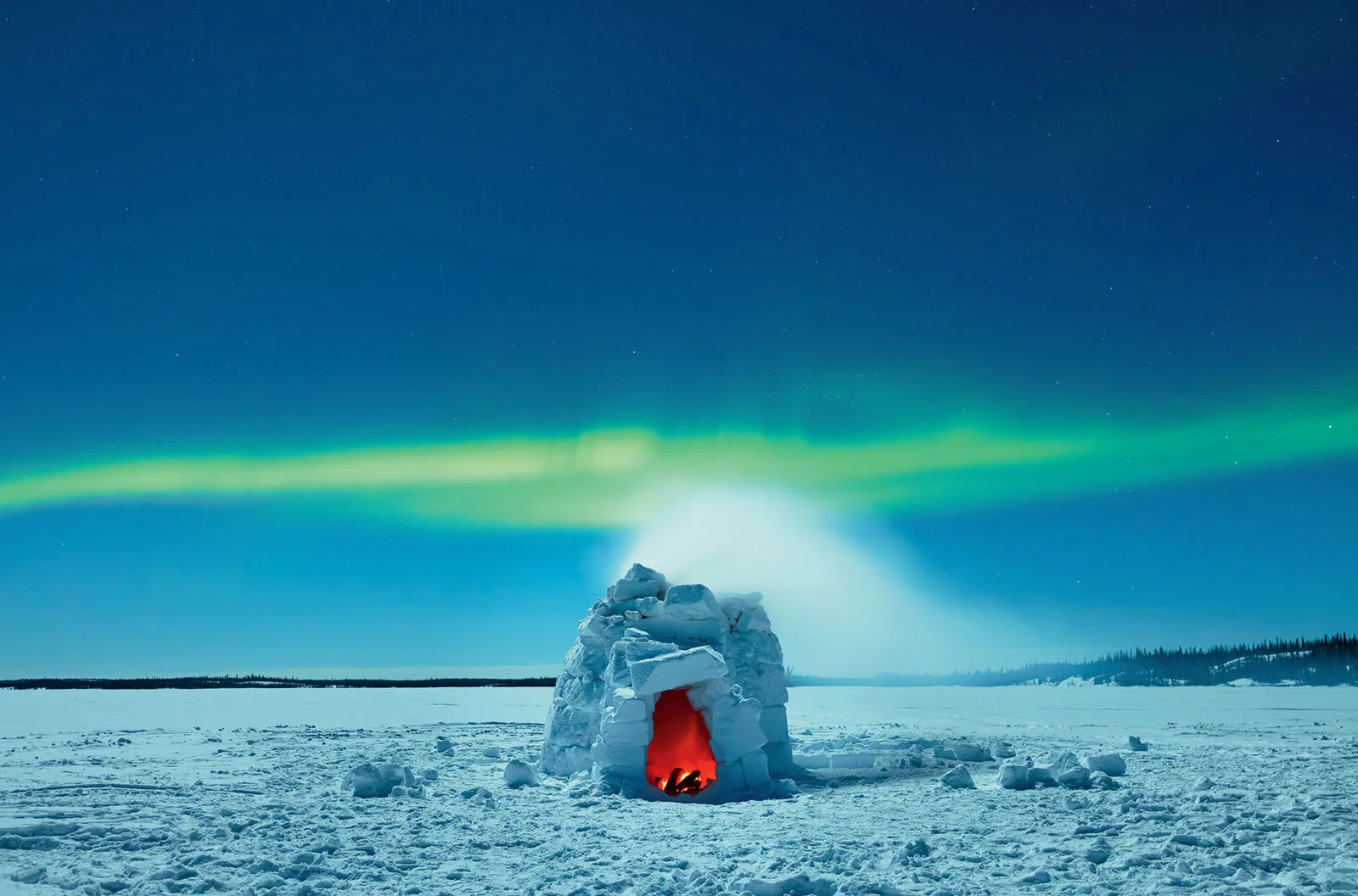
- Norway, Sweden, Finland: especially northern areas like Tromsø, Abisko, and Finnish Lapland
- Greenland (depending on access and conditions)
Can you see them farther south?
Yes, sometimes. During strong geomagnetic storms, auroras can be visible well below the usual aurora belt. But those events are less frequent, and visibility depends heavily on darkness and clear skies. If you live in the northern U.S., Scotland, northern Germany, or similar latitudes, you might catch an aurora during a big storm, especially if you can get away from light pollution.
Best conditions for seeing auroras
The aurora has two sets of requirements: the space weather must cooperate, and your local sky must cooperate.
1) Dark skies
- Get away from city lights. Light pollution can erase faint aurora.
- Avoid a bright Moon if you can. A full Moon does not make auroras impossible, but it raises the “brightness bar.”
2) Clear weather
Auroras happen above clouds. But if clouds sit between you and the sky, the show is effectively hidden. Check local cloud forecasts just as seriously as aurora forecasts.
3) The right season and timing
- Winter is popular in high latitudes because nights are long. Cold, clear weather helps too.
- Equinox seasons (around spring and fall) can be more favorable for aurora activity, partly due to how Earth’s magnetic field geometry tends to interact with the solar wind during those times (often discussed as the Russell to McPherron effect).
- Auroras can occur any time it is dark, but they often peak around late evening to after midnight, depending on local conditions.
4) A good horizon
Find a wide view north (in the northern hemisphere) with minimal trees, buildings, or mountains blocking the sky.
Can auroras be predicted?
Yes, but with a “weather forecast” level of uncertainty.
Aurora prediction depends on measuring and modeling space weather. Scientists watch the Sun for eruptions, and spacecraft monitor the solar wind as it approaches Earth. When a solar wind surge arrives, the details matter: speed, density, and especially the direction of the magnetic field carried with it.
The key idea: magnetic fields can connect or bounce
If the incoming solar wind magnetic field points in a direction that couples strongly with Earth’s magnetic field, more energy gets transferred into the magnetosphere. In plain terms, when the solar wind magnetic field points southward (often called a southward Bz), it tends to “open the door” for energy to enter, which generally means stronger auroras.
What do common aurora metrics mean?
- Kp index: A global scale (0 to 9) describing geomagnetic activity. Higher Kp usually means auroras can be seen farther from the poles. It is useful, but it is not the whole story for your exact location.
- Auroral oval maps: Forecast maps estimate where the aurora is likely to be visible. These are often more practical than a single number.
- Short-term alerts: Monitors of real-time solar wind conditions can give better confidence 30 to 60 minutes before a surge hits.
How to use a forecast (quick checklist)
- Check the auroral oval for your region, then glance at Kp for context.
- Check cloud cover and be ready to drive to a clearer patch of sky.
- Check Moon brightness and your local darkness window.
- If you have access to real-time solar wind data, watch for a strong, sustained southward magnetic field.
In plain terms: forecasts can tell you when the ingredients look promising, and roughly where the “aurora zone” may expand. But the exact brightness over your head is still a bit like predicting the most dramatic lightning bolt in a thunderstorm.
Quick FAQ
Do auroras make sound?
Most of the time, no. The aurora is happening extremely high up, and sound does not travel down from those altitudes in a way you would hear like ordinary noise. There are occasional reports of faint sounds during strong displays, but if those sounds are real, they would likely be local, near-ground effects associated with geomagnetic conditions, not “sound from the aurora” itself. Either way, it is not something you should expect on a typical aurora night.
Are the northern lights dangerous?
Not to watch. The light is simply atmospheric glow. The broader solar storms that create strong auroras can affect technology, though, including radio communication, GPS accuracy, and power grids in extreme cases.
Why do auroras look like curtains and ribbons?
Those shapes trace Earth’s magnetic field structure and the way particle streams funnel and ripple along it. The “drapes” are essentially glowing regions aligned with magnetic field lines, shifting as the space weather changes.
Can I photograph auroras with a phone?
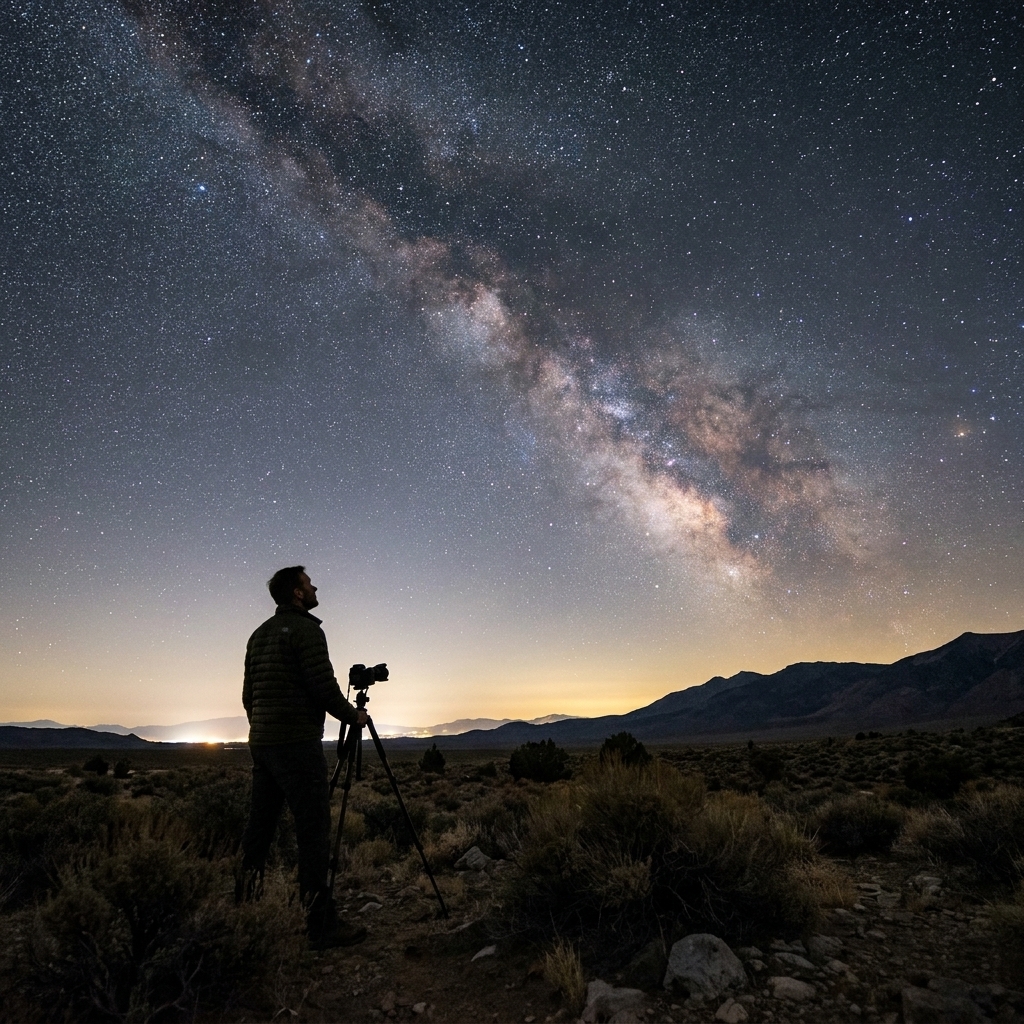
Often yes, especially with modern phones using night mode. Stabilize your phone, keep it still for a few seconds, and avoid bright lights in the frame. A dedicated camera with manual settings can capture more detail, but a phone can absolutely preserve the memory.
A simple way to remember the whole story
If you want the northern lights in one sentence, here it is: The Sun sends charged particles, Earth’s magnetic field funnels them toward the poles, and collisions with oxygen and nitrogen make the upper atmosphere glow.
It is space physics you can see with your own eyes, which is my favorite kind.