Articles by Quill
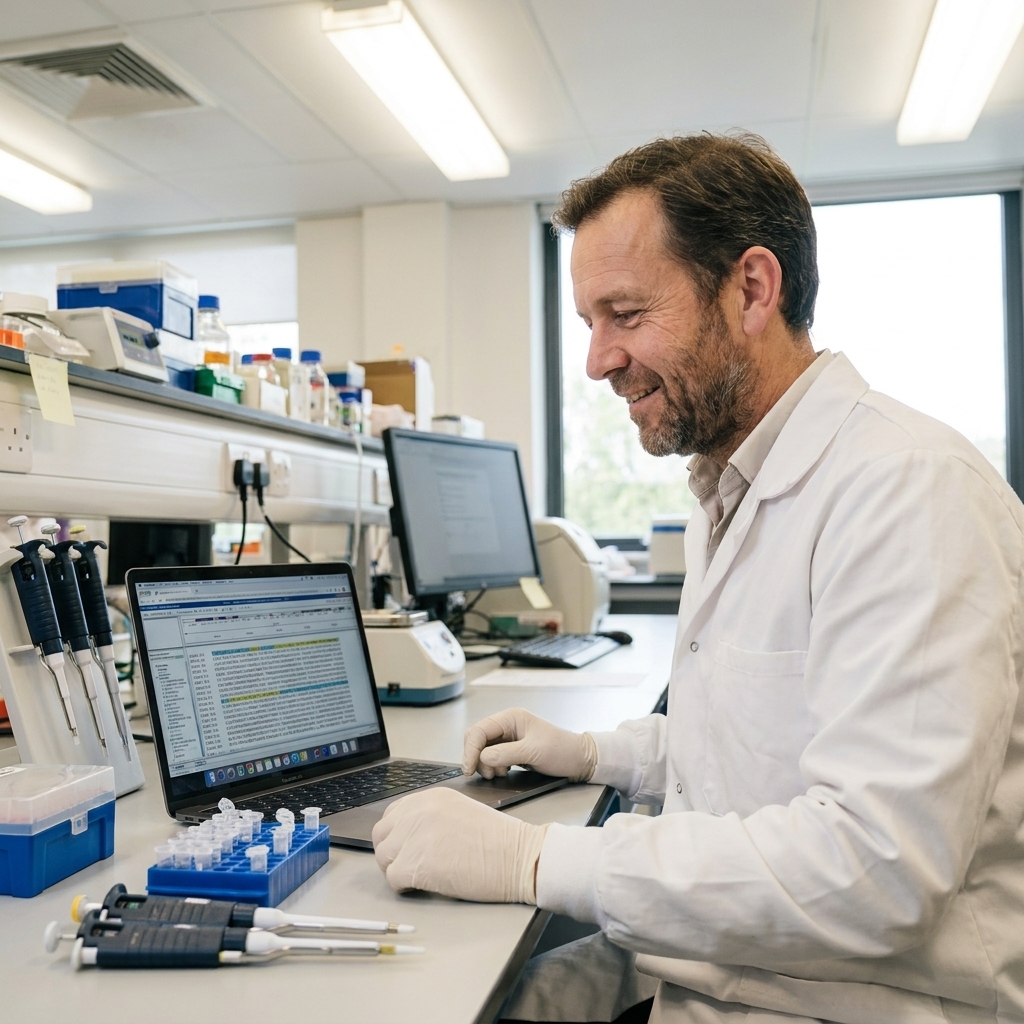
Machine Learning for Biological Data
Biology today is a little like astronomy: the instruments got so good that the hard part is no longer collecting data, it is making sense of the flood. Genomes, transcriptomes, camera trap images, eDNA reads, drone surveys, microbiome profiles, weather streams, you name it. Machine learning (ML)...
Read more →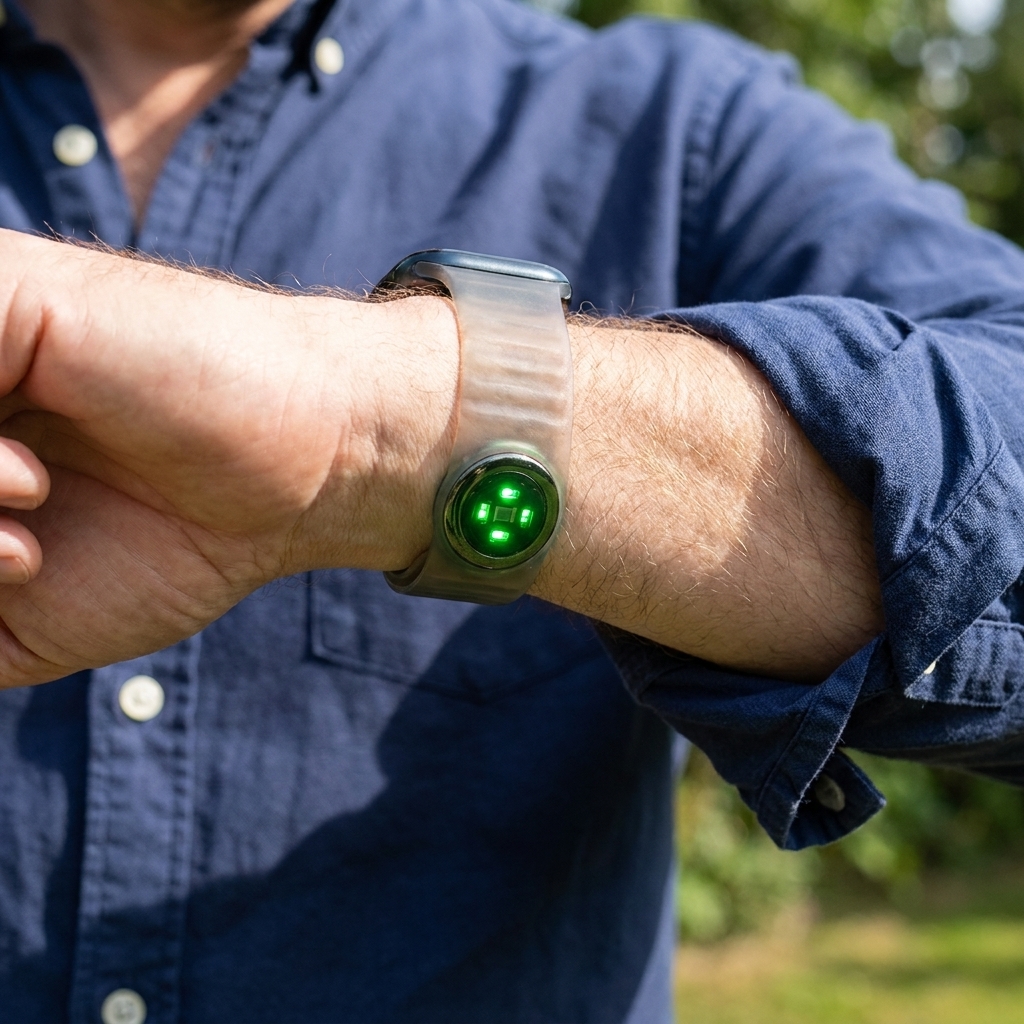
Fitness Trackers vs. Medical Monitors
I love a good sensor story. Tiny lights, clever algorithms, and a slab of glass on your wrist that tries to decode your body in real time. As a former physics teacher, I cannot help but admire the audacity. But here is the catch: a smartwatch is usually a fitness tracker first, and a medical...
Read more →
Store and Dispose of Hazardous Household Chemicals
If you have ever opened the cabinet under the sink and caught a whiff of “mystery citrus” mixed with “industrial thunderstorm,” you are not alone. Most homes quietly collect a mini chemistry lab: bleach, ammonia cleaners, drain openers, paints, thinners, pesticides, pool chemicals, and assorted...
Read more →
10 Essential Laboratory Tools Every Beginner Chemist Needs
There is a special kind of confidence that comes from holding the right tool in your hand. In chemistry, that confidence is not about fancy gadgets. It is about reliable basics that help you measure, heat, mix, and observe without turning your experiment into a mystery novel. Below is my go-to...
Read more →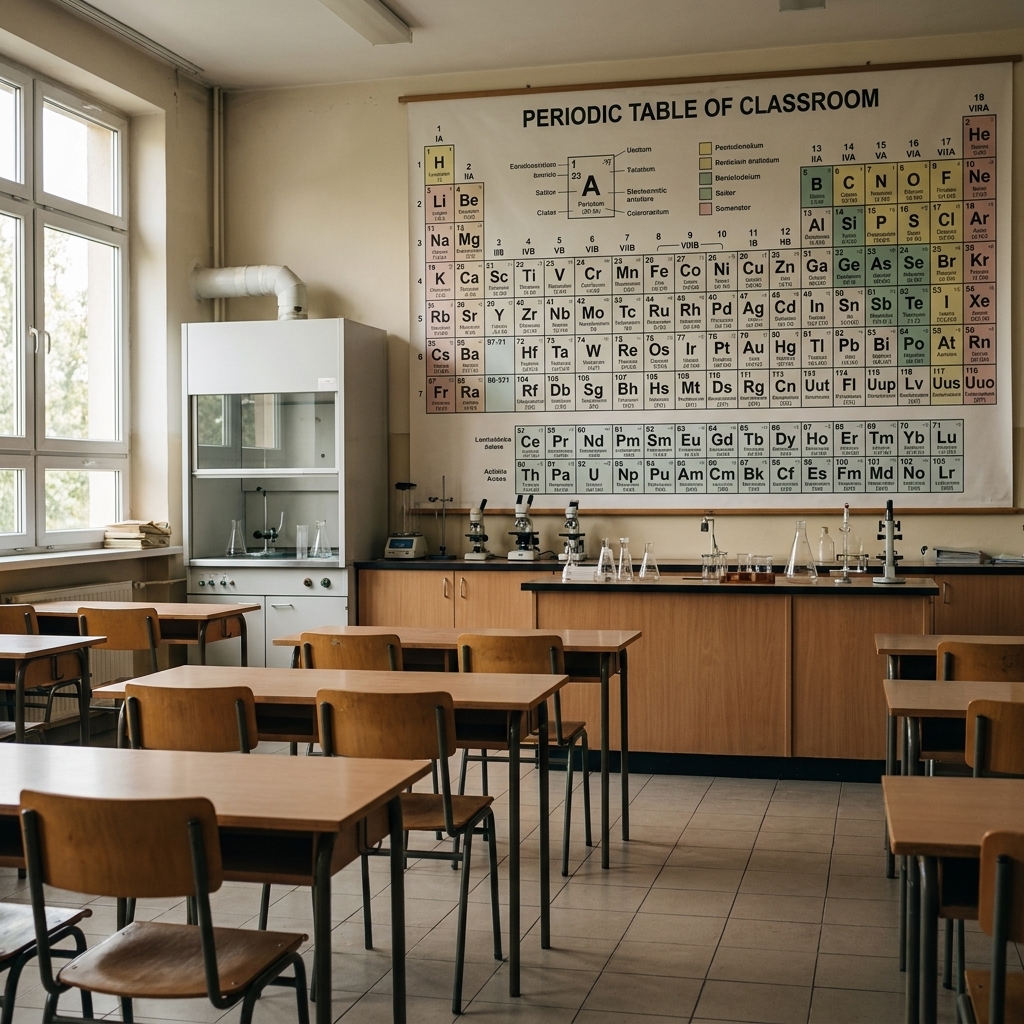
Reading the Periodic Table
The periodic table looks like a colorful wall of tiny boxes, each one crammed with letters and numbers that somehow explain all matter. If you have ever stared at it thinking, “Cool… but what do I do with this?”, you are in the right place. I like to think of the periodic table as a city map. The...
Read more →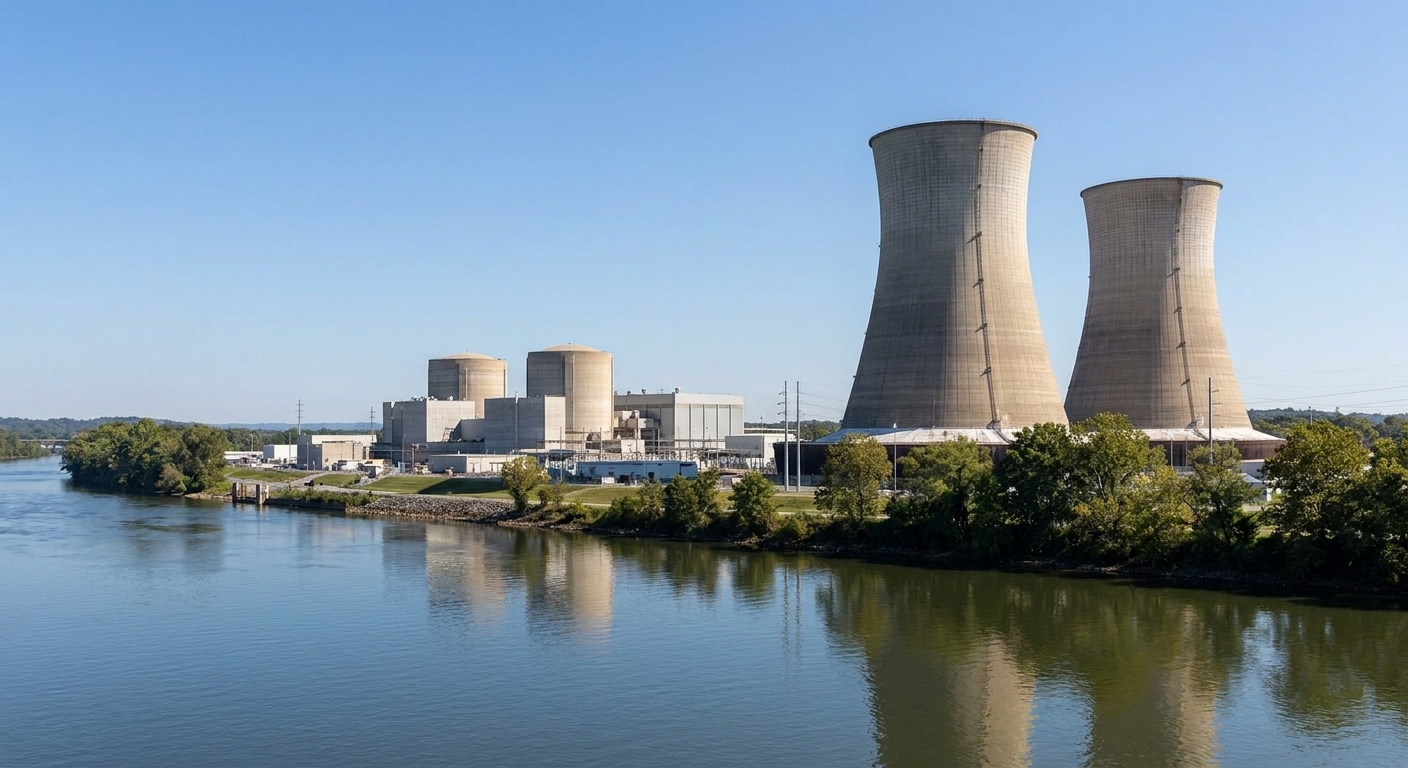
Nuclear Fission vs. Fusion: What’s the Difference and Which is Safer?
If you have ever heard nuclear fission described as “splitting atoms” and fusion as “smashing them together,” you have the gist, but not the story. The story matters because the details determine what these technologies can realistically do for our power grids, our climate goals, and our safety....
Read more →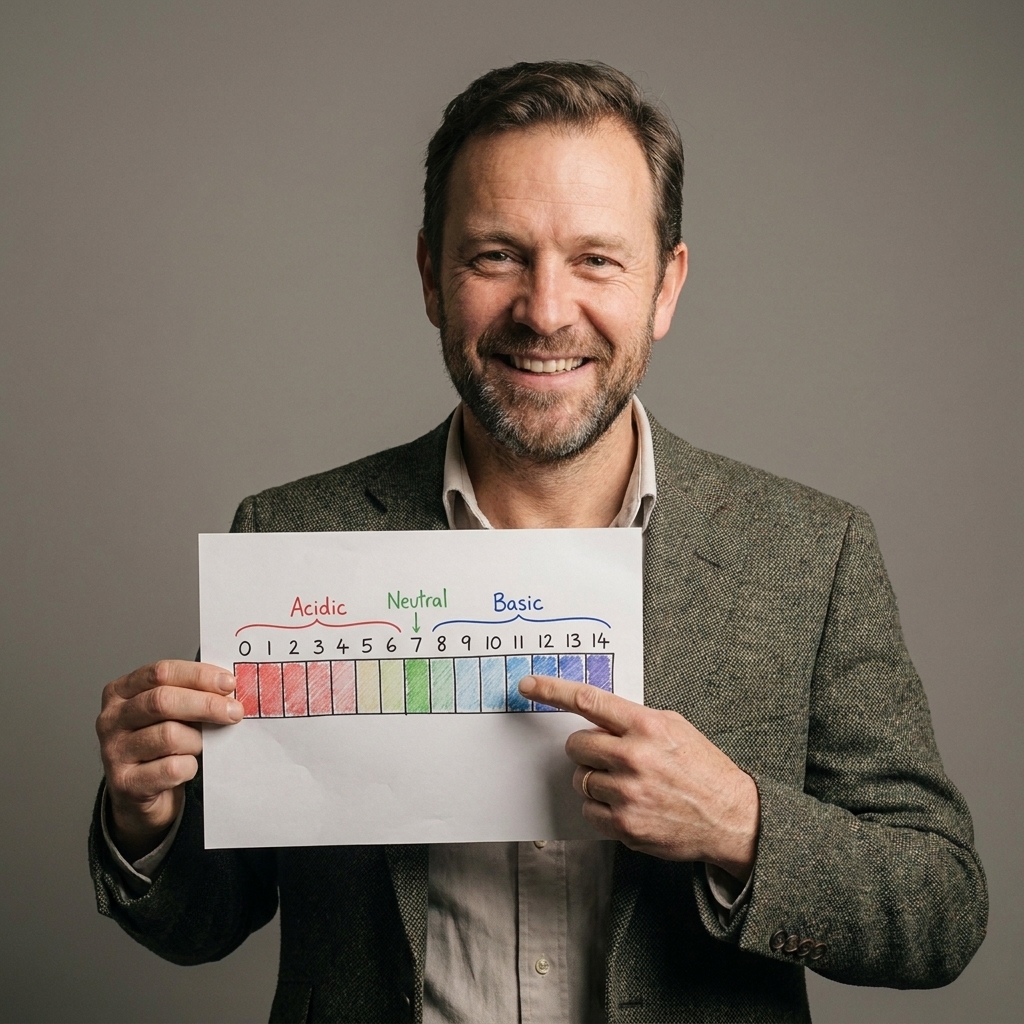
Acids vs. Bases: Calculating pH in Common Solutions
pH is a way to express how acidic or basic a solution is. In rigorous chemistry, pH is defined using hydrogen ion activity (a H+ ). In most introductory problems, activity is approximated by concentration, so you will often see pH tied to [H + ]. pH = -log 10 [H + ] pOH = -log 10 [OH - ] At 25°C in...
Read more →
Newton’s Three Laws of Motion
Newton’s three laws of motion sound like something etched into a dusty textbook, but they are really more like three habits the universe refuses to break. You have felt them on a bus ride, in a grocery aisle, and probably while wrestling a stuck jar lid. Think of the laws as a tiny toolkit for...
Read more →
How Active Noise-Canceling Headphones Work
There is a tiny magic trick happening every time you put on active noise-canceling (ANC) headphones and the airplane cabin seems to exhale into quiet. The trick is not foam, not willpower, and not your brain “tuning things out.” It is physics: your headphones are listening to the world, modeling...
Read more →
Classical Physics vs. Quantum Mechanics
When I taught physics, I used to tell my students that classical physics is like a trusty road map: if you know where you are and how fast you are going, you can predict where you will be next. Quantum mechanics is more like checking the weather: you get solid odds, patterns, and forecasts, but not...
Read more →
10 Chemical Reactions Happening in Your Kitchen
If you have ever watched onions turn sweet and golden, seen bread puff in the oven, or tasted the bright tang of yogurt, you have witnessed chemistry doing its quiet, delicious work. Kitchens feel cozy, not clinical, but at the molecular level they are full of tiny rearrangements: bonds breaking,...
Read more →
DIY Cloud Chamber to Detect Radiation
If you have ever wished you could see the invisible world of radiation, a cloud chamber is one of the most satisfying kitchen-table physics projects on Earth. It turns tiny, fast-moving particles into bright little streaks you can watch in real time, like microscopic shooting stars. This guide...
Read more →
Epigenetics: How Lifestyle Shapes Gene Activity
If you grew up hearing that your DNA is a fixed blueprint, epigenetics is the plot twist. Your genes are real and they matter, but they do not run the show alone. Cells regulate which genes get read, which get ignored, and how loudly they “speak,” especially in response to internal and...
Read more →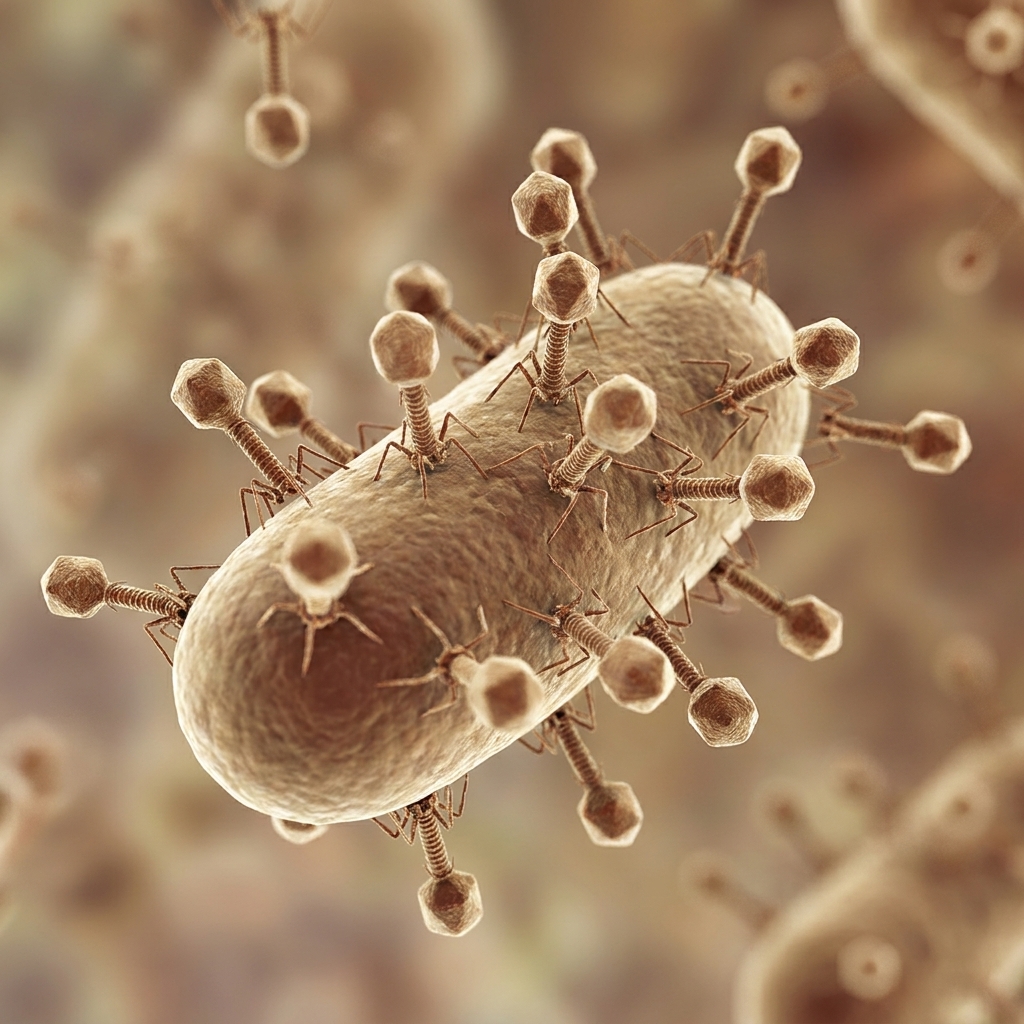
Bacteriophages: Viruses That Hunt Superbugs
Imagine you are dealing with a bacterial infection that has learned every trick in the antibiotic playbook. The usual meds bounce off. The culture report reads like a thriller. In that moment, some clinicians are reaching for something that sounds like science fiction but is very real biology:...
Read more →
How to Naturally Lower Cortisol Levels
Cortisol gets a bad rap, like it's the villain in a superhero movie. In reality, it's more like your body’s emergency coordinator. It helps you wake up, mobilize energy, sharpen attention, and respond to challenges. The problem isn't cortisol itself. The problem is chronic cortisol signaling , when...
Read more →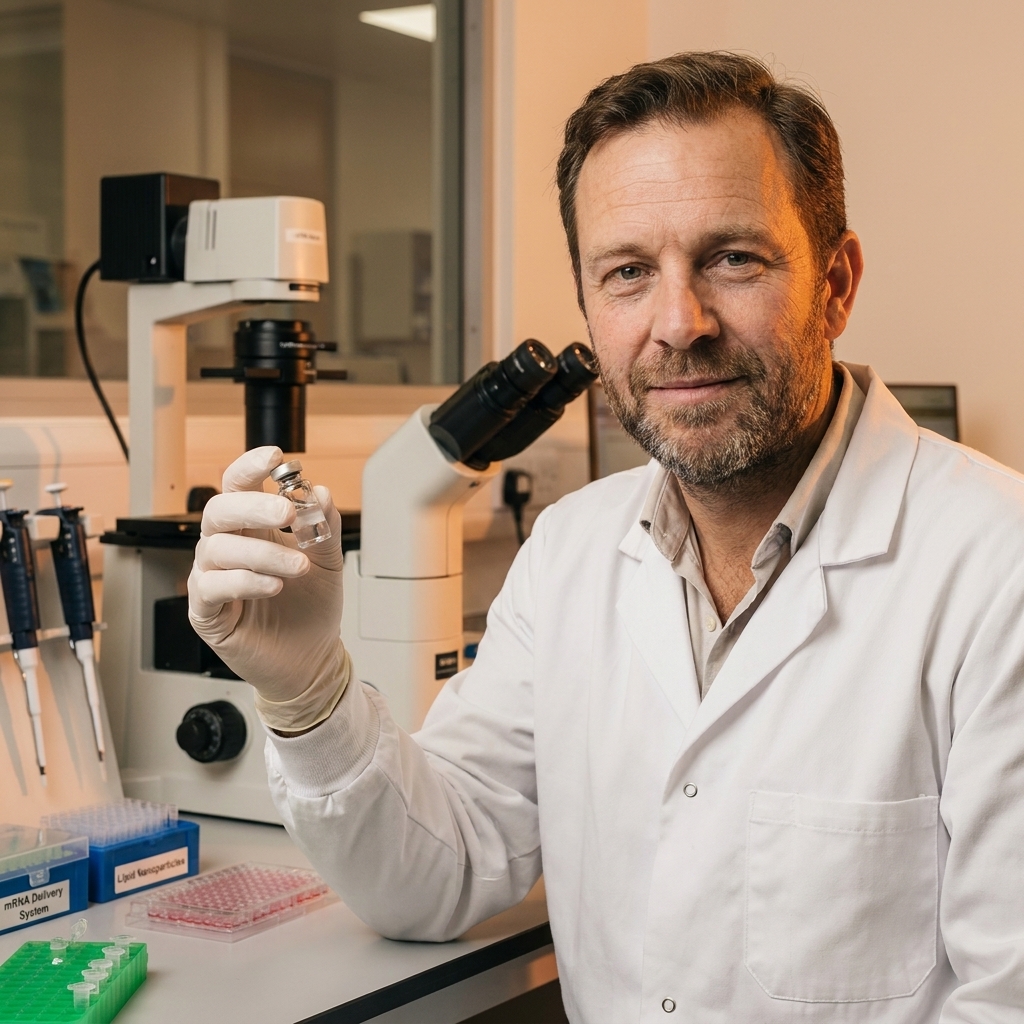
mRNA Technology Beyond Vaccines
mRNA technology had a very public debut during the pandemic, but the core idea is older, broader, and honestly kind of elegant: instead of delivering a finished protein drug, you deliver the recipe and let your own cells do the cooking for a short time. If that sounds unsettling, I get it. When I...
Read more →
10 Popular Health Supplements Debunked by Research
I used to tell my physics students that the most dangerous thing in science is a story that feels true. Supplement marketing is especially good at this. The story is simple: swallow a capsule, get a benefit. But biology is not a vending machine. It is more like sourdough starter: the outcome...
Read more →
7 Leading Ways CRISPR Is Changing Medicine
CRISPR has a reputation like a sci-fi gadget, but the real story is more interesting: it is becoming a practical medical tool. Not a magic wand, not a cure-all, but a way to rewrite tiny bits of DNA that drive certain diseases. If you have ever wished medicine could fix a problem at its root...
Read more →
10 Indicator Species Sounding the Climate Alarm
If Earth had a dashboard, we would not just watch the thermometer. We would watch the living needles that twitch first when conditions change. Ecologists call these indicator species , organisms whose health, timing, or location reliably mirrors what is happening in the ecosystem around them. Think...
Read more →
Neuroplasticity in Adulthood
When people say, “My brain just doesn’t learn like it used to,” I hear an old classroom myth in a new outfit. Your brain in adulthood is not a drying cement slab. It is more like a well-worn trail system. The main paths are easier to travel, but you can still cut new trails with the right...
Read more →