Nanotechnology can sound like sci-fi: machines smaller than a cell, medicines that “know” where to go, sensors that whisper updates from inside your body. But a lot of this is no longer futuristic. Some nanotech is already in clinics, and a wave of newer approaches is moving through trials right now.
When I taught physics, my students loved the moment they realized size changes the rules. At the nanoscale, materials can behave differently: surfaces dominate, particles slip through biological barriers, and light and magnetism can be harnessed in clever ways. Medicine is taking full advantage, sometimes in routine care, sometimes in carefully controlled studies.
Here are five nanotechnologies that are already reshaping medicine today, plus what they do well, what still needs work, and why they matter for everyday patients. I will be explicit about what is established versus what is still emerging.
1) Targeted drug delivery nanoparticles
If you take a pill or get an IV drug, a lot of that medicine wanders through your body like a flyer tossed into a city: some reaches the right address, plenty ends up in the wrong neighborhoods, and side effects are the litter left behind.
Nanomedicine tries to reduce that waste by packaging a drug inside a nanoscale carrier, often a liposome, polymer nanoparticle, or albumin-based particle. In practice, many clinically used “targeted” systems succeed less by perfect GPS-style homing and more by changing where the drug circulates, how long it lasts, and how it leaks into certain tissues.
How it works in plain language
- Wrap the drug in a protective shell so it does not break down too early.
- Tune where it tends to go by adjusting size, surface chemistry, and coatings that affect circulation time and immune recognition.
- Release the payload over time or in response to local cues like pH or enzymes.
Where it is already showing impact
Cancer therapy has been a major driver because some tumors, to varying degrees, have leaky blood vessels and distinctive microenvironments. That can allow certain nanoparticles to accumulate more than free drug, but the effect is highly variable by tumor type and patient.
Real-world examples: liposomal chemotherapy (such as liposomal doxorubicin) and albumin-bound paclitaxel are established examples of nanoscale carriers changing dosing and side-effect profiles.
The big challenges
Targeting is harder than marketing makes it sound. Active “homing” ligands can help in some cases, but clinical success has been mixed. The immune system can clear nanoparticles, different patients can respond differently, and “hitting the right tissue” does not always mean “entering the right cells.” Expect steady progress, not instant magic.

2) Lipid nanoparticles for genetic medicines
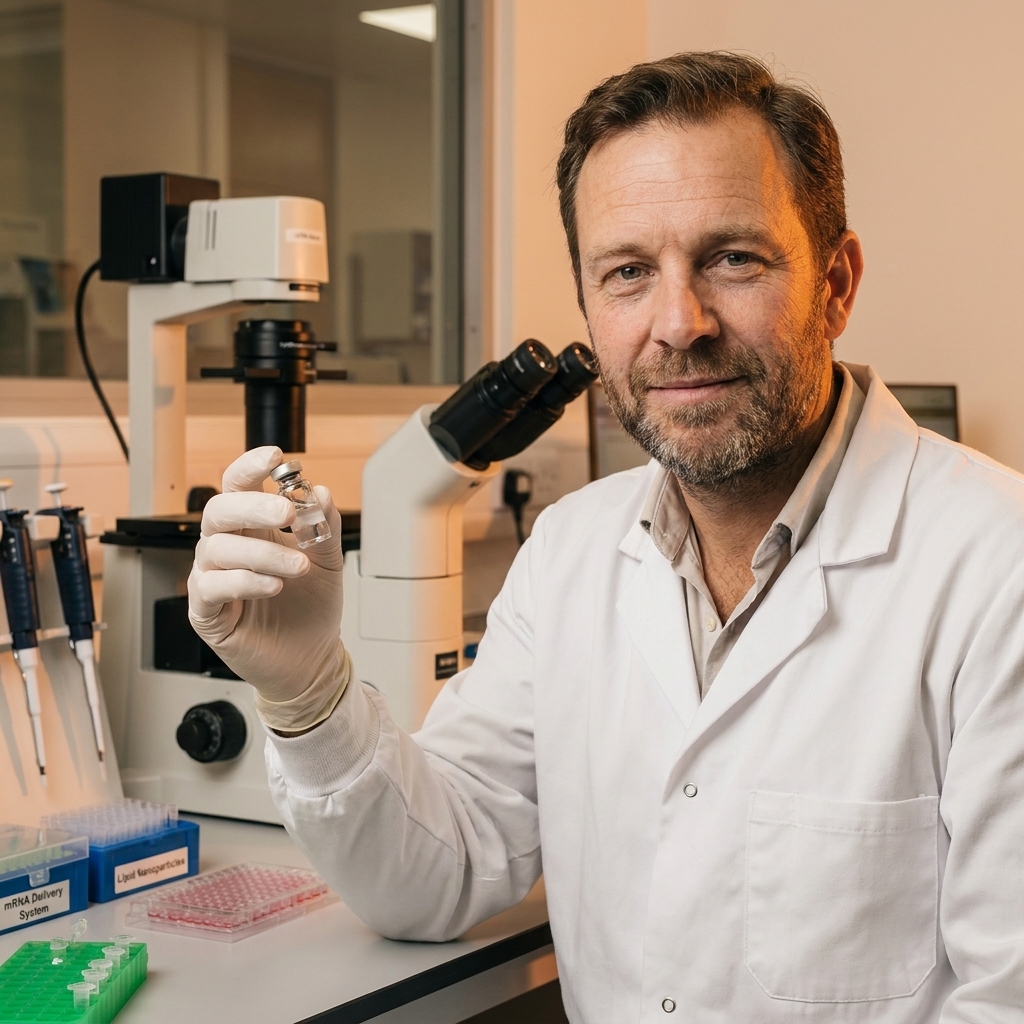
Lipid nanoparticles, or LNPs, quietly became household-relevant during the pandemic because they are the delivery vehicles that helped some mRNA vaccines work. But LNPs are bigger than any one vaccine story. They are a practical way to protect fragile genetic cargo long enough to get it into cells.
Nucleic acid therapies like mRNA and siRNA can be powerful, but they are also delicate and negatively charged, which makes crossing cell membranes difficult. LNPs solve a bundle of problems at once: protection in the bloodstream, improved cellular uptake, and better odds that the genetic message reaches the right place inside cells.
One important real-world nuance is that many current LNP designs naturally end up in the liver after IV dosing. That is useful for some diseases, limiting for others, and it is one reason “organ targeting beyond the liver” is such an active area of research.
Why LNPs are a big deal
- They make genetic instructions deliverable. Without a carrier, many nucleic acids get degraded quickly.
- They are tunable. Swap lipids, change particle size, adjust surface chemistry, and you can shift where the particles go and how cells respond.
- They enable rapid iteration. Once the delivery platform is established, changing the “message” can be faster than inventing a new drug from scratch.
What is emerging now
Researchers are developing LNPs that target organs beyond the liver, reduce inflammatory reactions, and deliver gene-editing systems. The next phase is not just “can we deliver genetic cargo?” but “can we deliver it precisely, repeatedly, and safely?” Repeated dosing, in particular, can raise tolerability and immune issues that developers have to engineer around.
Real-world examples: siRNA medicines delivered with lipid nanoparticles (such as patisiran) helped validate LNP delivery beyond vaccines, while newer LNP designs aim to broaden the target map.

3) Nano-enabled diagnostics and biosensors
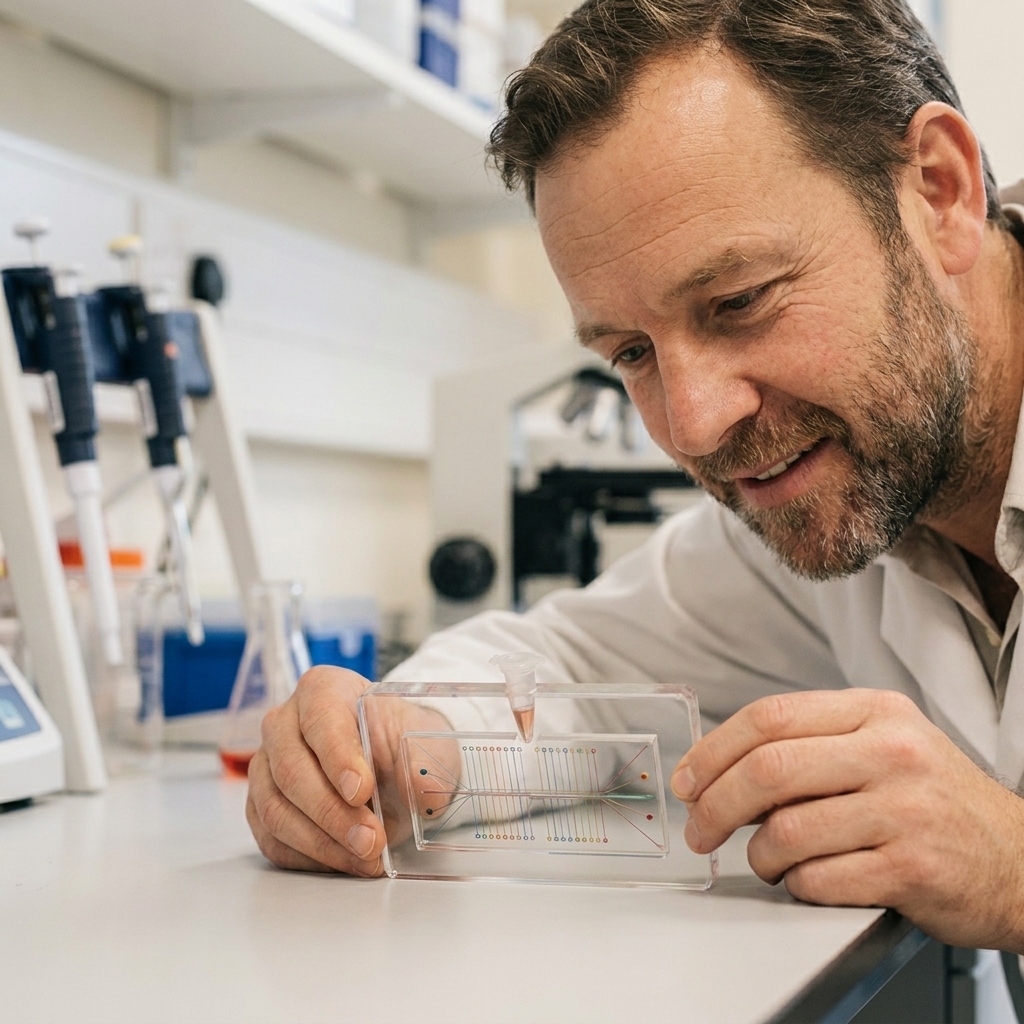
One of my favorite shifts in medicine is the move from treating late-stage disease to catching problems early, when a small intervention can prevent a big crisis. Nanosensors help because at tiny scales, a sensor can interact with tiny amounts of biology: a few molecules of a biomarker, a trace of viral material, a subtle chemical change in sweat, saliva, or blood.
These devices can show up in a few forms: nanoscale electrodes, nanoparticle-based test strips, or microchips that use nanostructured surfaces to grab specific molecules like a perfectly shaped piece of Velcro.
What nanosensors can do better
- Higher sensitivity: detect lower concentrations of biomarkers earlier in disease progression.
- Faster turnaround: some designs support near real-time readouts.
- Potential for wearable monitoring: more frequent measurements rather than occasional snapshots.
Where you may feel this first
Think rapid infectious disease tests, earlier screening signals, monitoring inflammation, or tracking metabolic markers. Some of this is already here in point-of-care tests. The more ambitious “always-on dashboard” vision is still largely developmental, with active work on sensor stability, calibration drift, skin compatibility, and data quality outside the lab.
Real-world examples: nanoparticle-enhanced lateral flow assays and nanostructured biosensor chips are already used in certain diagnostic platforms, even as truly continuous nanosensing remains a frontier.

4) Theranostic nanoparticles
In class, I used to tell students that measurement changes everything. In medicine, it certainly does. Theranostics blend therapy and diagnostics in one system, often by designing a nanoparticle that can both deliver a treatment and be visible to an imaging method like MRI, PET, or optical imaging.
That visibility is not magic. It usually means building in an imaging component such as an MRI contrast material, a radionuclide for PET, or an optical dye. The idea is simple: give a drug and also get a built-in tracking beacon that helps clinicians answer practical questions. Did it reach the target? How long did it stay? Is the tumor responding where we care about?
Why this matters
- Personalization: adapt dosing based on where particles actually go in a specific patient.
- Faster feedback: detect treatment response earlier than symptoms alone.
- Smarter trials: improve clinical studies by confirming delivery and distribution.
What is still tricky
Combining functions can complicate safety and approval. These can become combination products with more complex regulatory pathways because you are effectively validating a therapy and an imaging agent in one package. A particle that is great for imaging may not be ideal for drug release, and vice versa. The field is improving by using modular designs and materials with established safety records.
Real-world examples: some targeted radioligand approaches and nanoparticle-based imaging agents have reached clinical use or limited adoption, while many fully integrated “one particle does it all” systems are still trial-stage.
5) Nano-enabled cancer therapies
Cancer treatment has long been a balancing act: hit the tumor hard enough to matter, but gently enough to preserve the rest of the body. Nanotechnology offers extra control knobs by using physical effects that show up strongly at small scales. Several approaches are promising, and many are still being refined in clinical trials rather than used as everyday standard of care.
Three promising approaches
- Photothermal therapy: certain nanoparticles absorb light and convert it to heat, helping damage tumor cells locally when illuminated with a specific wavelength.
- Photodynamic therapy upgrades: nanoparticles can carry or enhance light-activated molecules that generate reactive oxygen species, aiming to harm cancer cells with spatial control.
- Immune-focused nanomedicine: nanoparticles can deliver immunostimulatory agents, tumor antigens, or RNA payloads, potentially shaping immune responses more precisely and reducing systemic toxicity.
These strategies are not always standalone cures. Often, their power is in combination: nano-enabled local tumor disruption plus immune therapy, or targeted delivery that makes chemotherapy more tolerable.
What to watch for
The key questions are practical: Can clinicians deliver light or energy deep enough in the body? Can the immune system be nudged without triggering dangerous inflammation? Can manufacturing stay consistent from batch to batch? Those are the unglamorous details that determine whether a breakthrough becomes a standard of care.
Real-world examples: localized photothermal and photodynamic approaches are used in select settings, and nanoparticle carriers are being explored to improve how immune-stimulating drugs are delivered and tolerated.

What makes nanomedicine hard
Nano is powerful because it operates at the same scale as biology. But that also means the body notices. Tiny particles can interact with proteins, immune cells, and membranes in ways that are sensitive to small changes in size, shape, and surface chemistry.
One concept researchers talk about a lot is the protein corona: as soon as a nanoparticle enters the bloodstream, proteins can coat its surface and change how the body “sees” it. This can affect targeting, clearance, and safety. Some particles can also trigger complement activation or infusion reactions, especially at higher doses or with repeated dosing.
Then there is the basic question of where nanoparticles go. Many are filtered or captured by the liver and spleen as part of normal immune surveillance. That can be a feature or a bug depending on the disease. Long-term accumulation is another concern, which is why biodegradable materials and predictable clearance pathways matter so much.
So the real revolution is not just inventing clever particles. It is learning to manufacture them reliably, characterize them precisely (size distribution, stability, surface charge), and deploy them safely across diverse patients. Cost, reimbursement, and clinical evidence thresholds also shape what actually makes it into routine care.
Grounded expectations
- Incremental wins matter. A 30 percent reduction in side effects can change lives.
- Platforms will spread. Once a delivery or sensor platform proves itself, it can be adapted to many diseases.
- Equity is a design constraint. If a nano-diagnostic requires expensive equipment or fragile supply chains, it will not deliver its full public health impact. Cold-chain requirements and point-of-care usability are not side notes. They are make-or-break constraints.
FAQ
Is nanomedicine safe?
Some nanomedicines are already widely used, and they go through the same safety and efficacy scrutiny as other medical products. The safety profile depends on the material, size, dose, and where it accumulates. A major focus in current research is designing particles that break down into harmless components, avoid problematic immune activation, and do not linger in the body.
Are nanoparticles already used in hospitals?
Yes. Several approved therapies use nanoscale carriers, and lipid nanoparticles are a well-known recent example in vaccines. The emerging wave adds better tissue selectivity, smarter release triggers, and more integrated measurement of where treatments go.
What is the difference between nanotech and gene therapy?
Gene therapy is about changing or regulating genetic information. Nanotechnology is often the delivery tool that makes genetic medicines feasible and potentially safer by protecting and transporting genetic cargo into cells.
When will these technologies become routine?
Some are routine now, others are in clinical trials, and a few are still largely in research labs. Translation tends to be fastest when a technology solves a clear clinical problem, can be manufactured consistently, and uses materials with known safety profiles.
The takeaway
Nanotechnology is not shrinking doctors or building tiny robots that patrol your veins. It is something more realistic and, honestly, more impressive: engineering at the scale of cells to make medicine more precise, more measurable, and often more humane.
If the last decade taught us anything, it is that delivery matters. At the nanoscale, delivery becomes a science of its own, and patients stand to benefit from every improvement, especially the ones that look small on paper but feel big in real life.