pH is one of those science concepts that sounds like it belongs in a lab coat. But it shows up everywhere you live. It is in the bite of a lemon, the sting of a cleaner, the way some hydrangeas change color, and the reason pool water sometimes makes your eyes feel weird.
If you can read a pH number, you can make better, calmer decisions about everyday stuff: which cleaner to use, how to adjust garden soil, why coffee tastes “bright,” and what “pH balanced” even means when it is printed on a shampoo bottle.
What pH measures
pH is a measure of how acidic or basic a water-based solution is. More precisely, it reflects the activity of hydrogen ions (H+) in water. Higher hydrogen ion activity means more acidity. Lower hydrogen ion activity means more basicity.
Here is the everyday translation:
- Acids tend to taste sour and can react with metals or minerals. Think citrus juice or vinegar.
- Bases tend to feel slippery and can be good at cutting grease. Think baking soda solutions or many household cleaners.
- Neutral is the middle ground. Pure water is the classic example (at room temperature).
One important detail: pH applies to aqueous mixtures, meaning water is involved. You will see pH discussed for things like juice, soil water, pool water, and cleaning solutions.
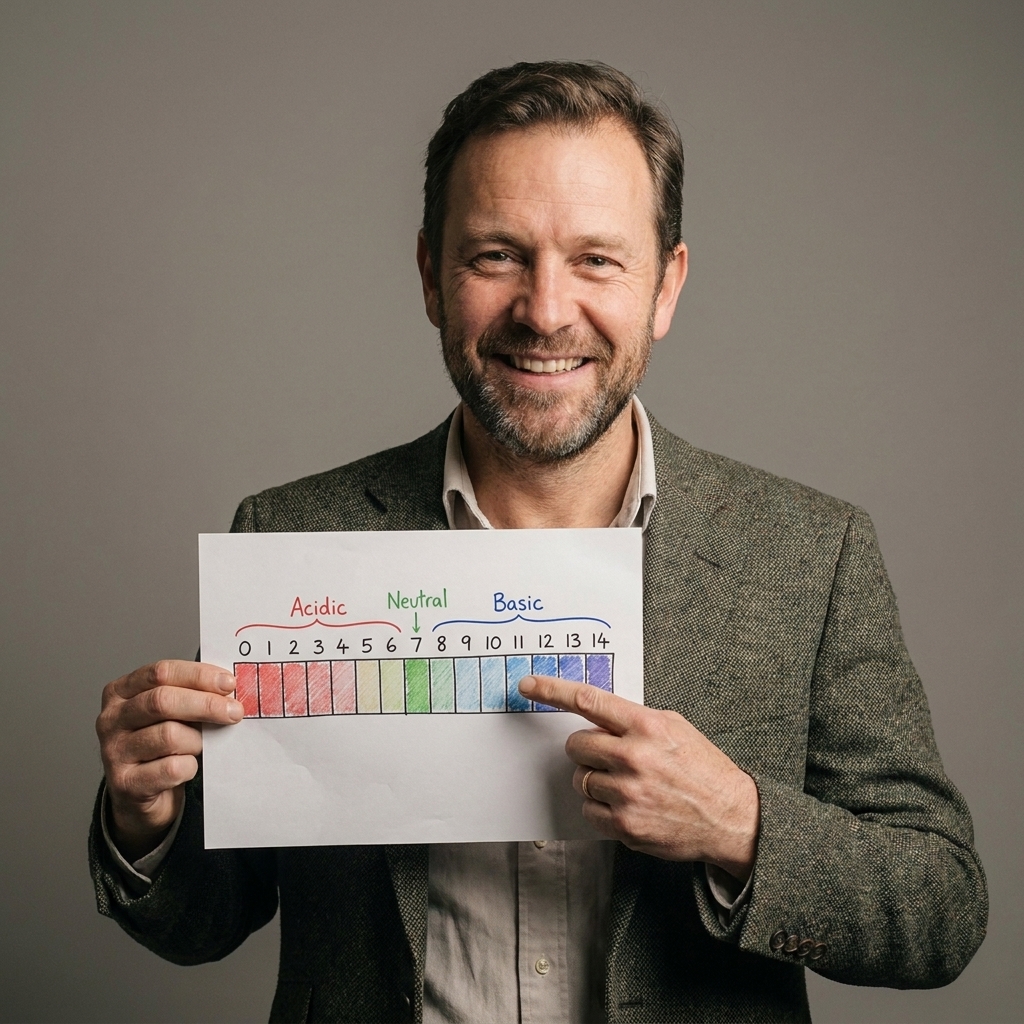
How the pH scale works (0 to 14)
The pH scale usually runs from 0 to 14:
- pH 7 is neutral.
- Below 7 is acidic.
- Above 7 is basic, also called alkaline.
The part that surprises people is that the scale is logarithmic. That is a math word that just means the steps are not evenly sized in the way your intuition expects.
Each whole pH number is a 10× change in hydrogen ion activity (roughly concentration in many everyday cases). So a liquid at pH 4 has about ten times more H+ than pH 5, and about a hundred times more than pH 6.
If you remember only one thing: a “small” pH change can be a big chemical change.
Reading pH like a normal person
When you see a pH value, you are usually trying to answer one of three questions.
1) Is it acidic, basic, or neutral?
This is the quickest read:
- 0 to 6.9: acidic
- 7.0: neutral
- 7.1 to 14: basic
2) How extreme is it?
The farther from 7, the more strongly acidic or basic it is. A pH 6 drink is mildly acidic. A pH 2 cleaner is a different beast. Same for bases: a pH 9 solution is mildly basic, while a pH 13 degreaser can cause serious burns.
3) What does that mean for me?
pH matters because it changes what chemicals do: how well they dissolve minerals, how they kill microbes, whether they irritate skin, and how they affect plumbing, plants, and taste.
One extra real-world twist: buffering affects how easy something is to change. Some liquids and soils resist pH shifts because they contain buffering ingredients (like carbonate systems in pools, or minerals and organic matter in soil). Two things can share the same pH but behave very differently when you try to “adjust” them.
pH in household products
Your home is basically a pH theme park, just with more laundry.
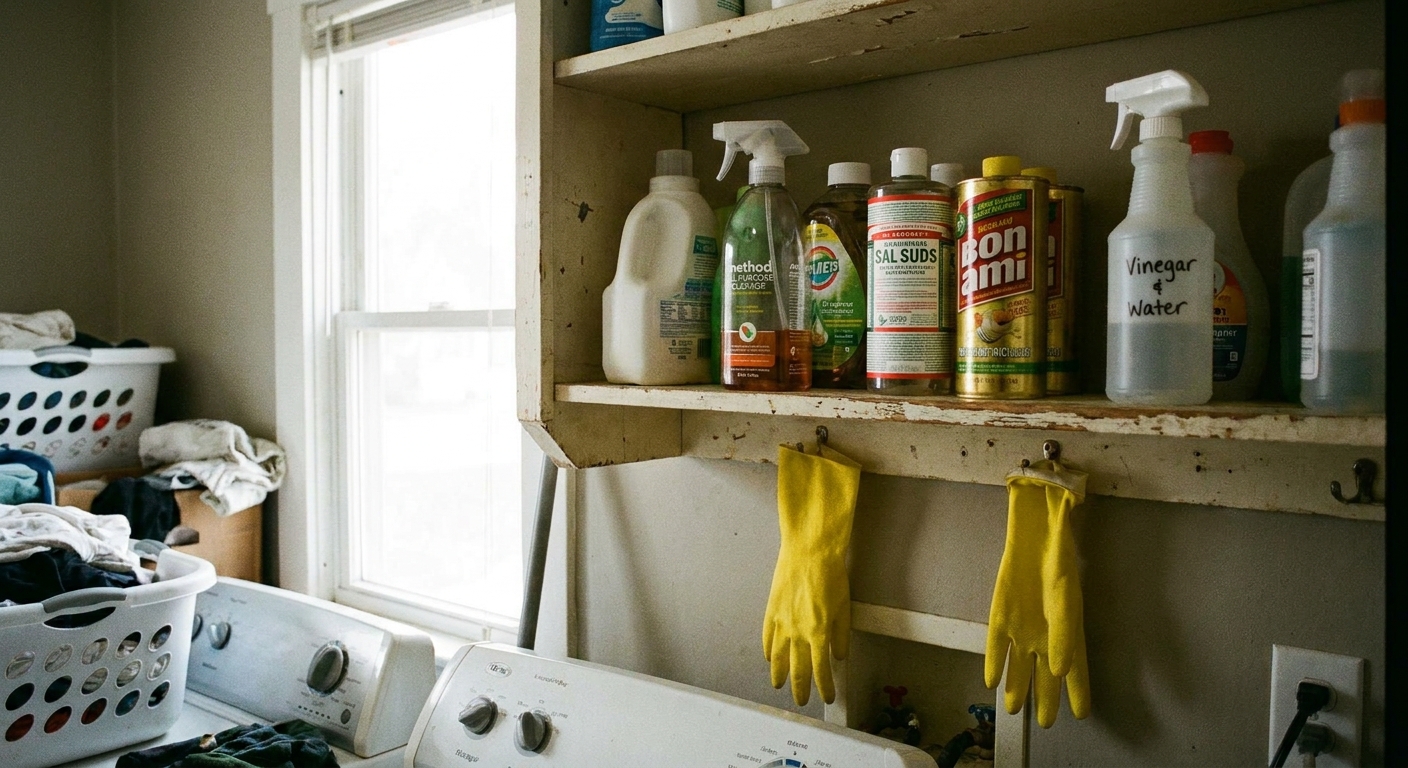
Cleaning products
- Acidic cleaners are often used to dissolve mineral buildup like limescale or rust stains. Many toilet bowl cleaners and descalers are acidic.
- Basic cleaners are often used to cut grease and oils. Many oven cleaners, degreasers, and some heavy-duty all-purpose cleaners are strongly basic.
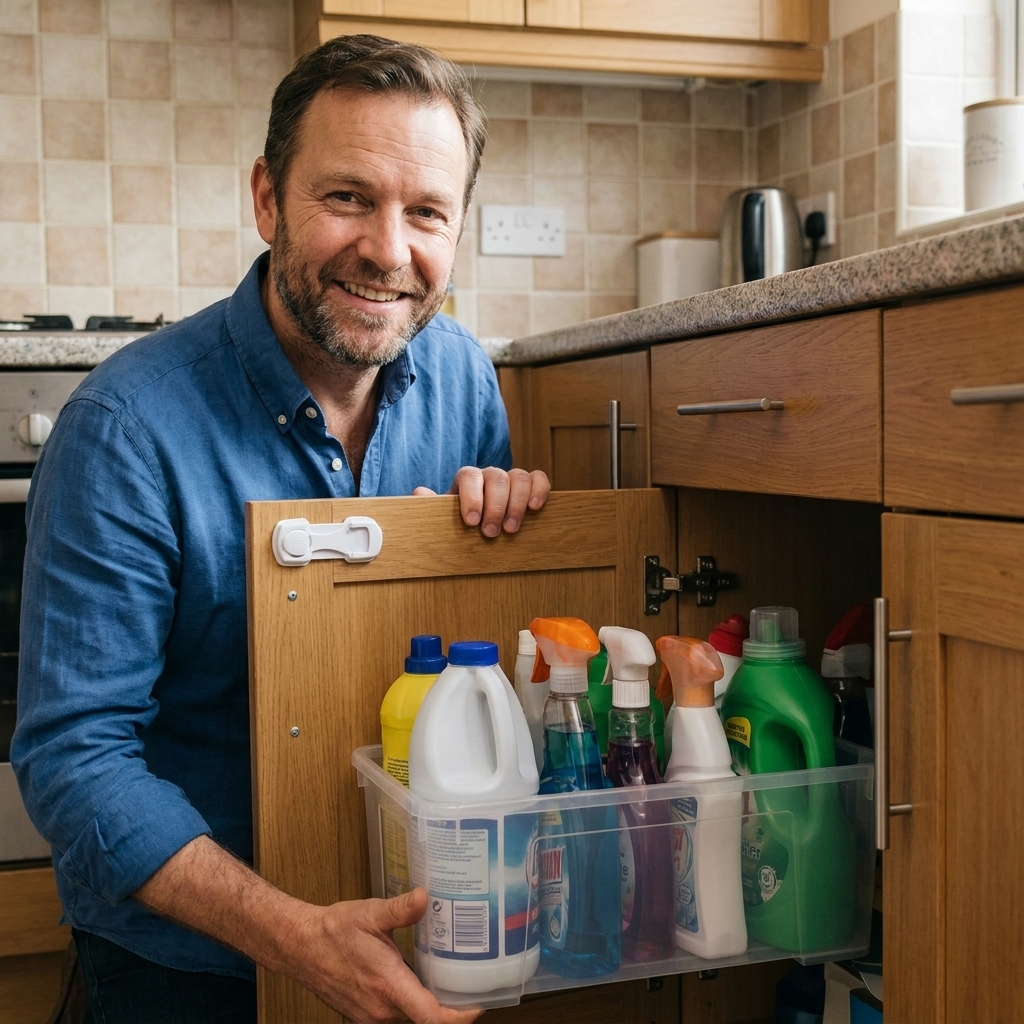
Safety note: strong acids and strong bases can both burn skin and damage eyes. “Natural” does not automatically mean “gentle,” and “strong” does not automatically mean “better.” Use gloves when the label suggests it and never mix cleaners. For example, bleach + ammonia can create toxic fumes, and bleach + acidic cleaners can release chlorine gas.
Personal care and “pH balanced” labels
Your skin has a slightly acidic surface. Many products aim to land in a skin-friendly range so they feel less irritating and help support the skin’s barrier. When you see “pH balanced,” it usually means the formula is tuned toward the pH that works well for its intended body area, not that it is neutral.
pH in food and drink
pH plays a quiet role in flavor, preservation, and cooking chemistry.
Flavor clues
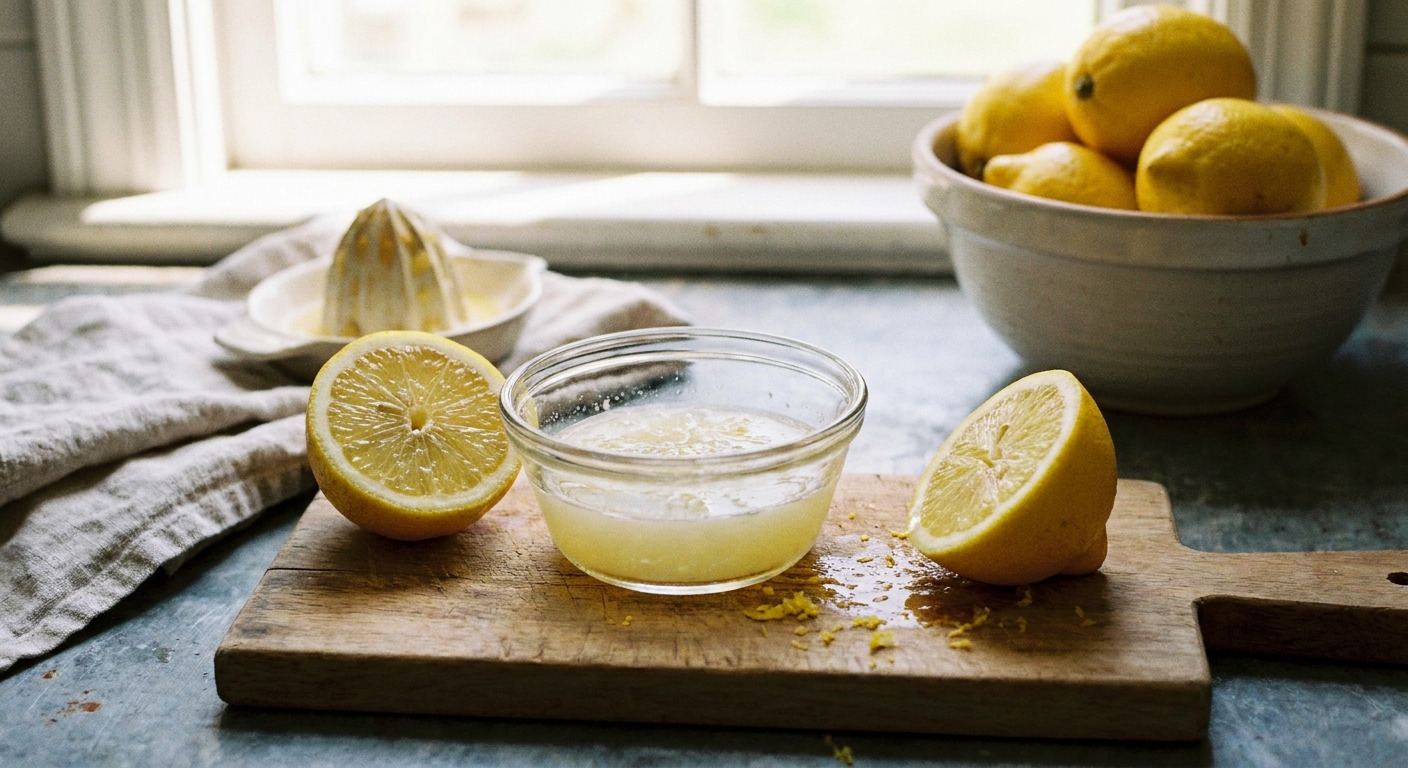
- Acidity often reads as bright, tart, or crisp. Think lemonade, yogurt, and many fruits.
- Lower acidity can taste smoother or flatter depending on the food.
Why acids help preserve food
Many harmful microbes struggle in more acidic environments. That is part of why pickling works: vinegar drops the pH enough to make life harder for a lot of bacteria.
Baking: the acid-base handshake
Baking soda is a base. When it meets an acid (like buttermilk, lemon juice, or cream of tartar), the reaction releases carbon dioxide gas, which helps baked goods rise. If you ever wondered why some recipes insist on a specific acidic ingredient, this is often the reason.
pH in soil and gardening
Soil pH matters because it controls how easily plants can access nutrients. Even if your soil has plenty of iron, phosphorus, or magnesium, the pH can lock those nutrients away in chemical forms roots cannot use efficiently.
What soil pH numbers mean
- Acidic soil can make some nutrients more available and others less available.
- Alkaline soil can make it harder for some plants to absorb iron and other micronutrients, sometimes leading to yellowing leaves.
Different plants have preferences. Blueberries famously like more acidic soil. And that hydrangea color trick is most noticeable in bigleaf hydrangeas, where soil chemistry can affect how available aluminum is to the plant.
How to check it
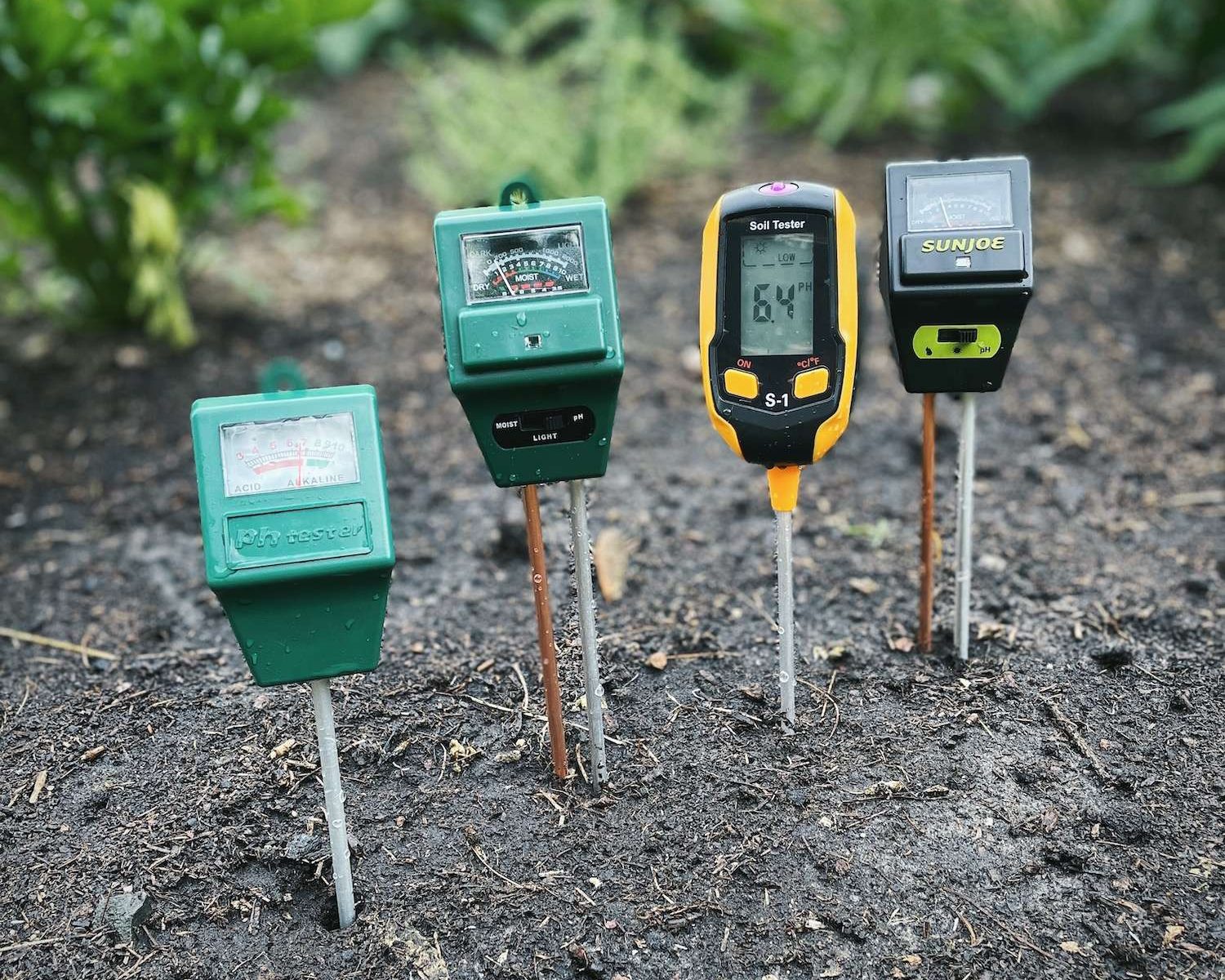
Home soil pH kits are usually color-change tests. They are not perfect, but they are good enough for garden decisions. If you need precision, a local extension service or a soil lab can run a more detailed analysis.
pH in water
Drinking water
pH is one of many water quality measures. It can influence taste, corrosion, and how plumbing behaves. Slightly acidic water can be more corrosive to pipes, while higher pH can encourage mineral scale. Water utilities monitor and adjust water chemistry to help protect infrastructure and keep water stable.
If your home uses a private well, periodic testing is a smart move because pH can shift with geology, rainfall, and seasonal changes.
Swimming pools
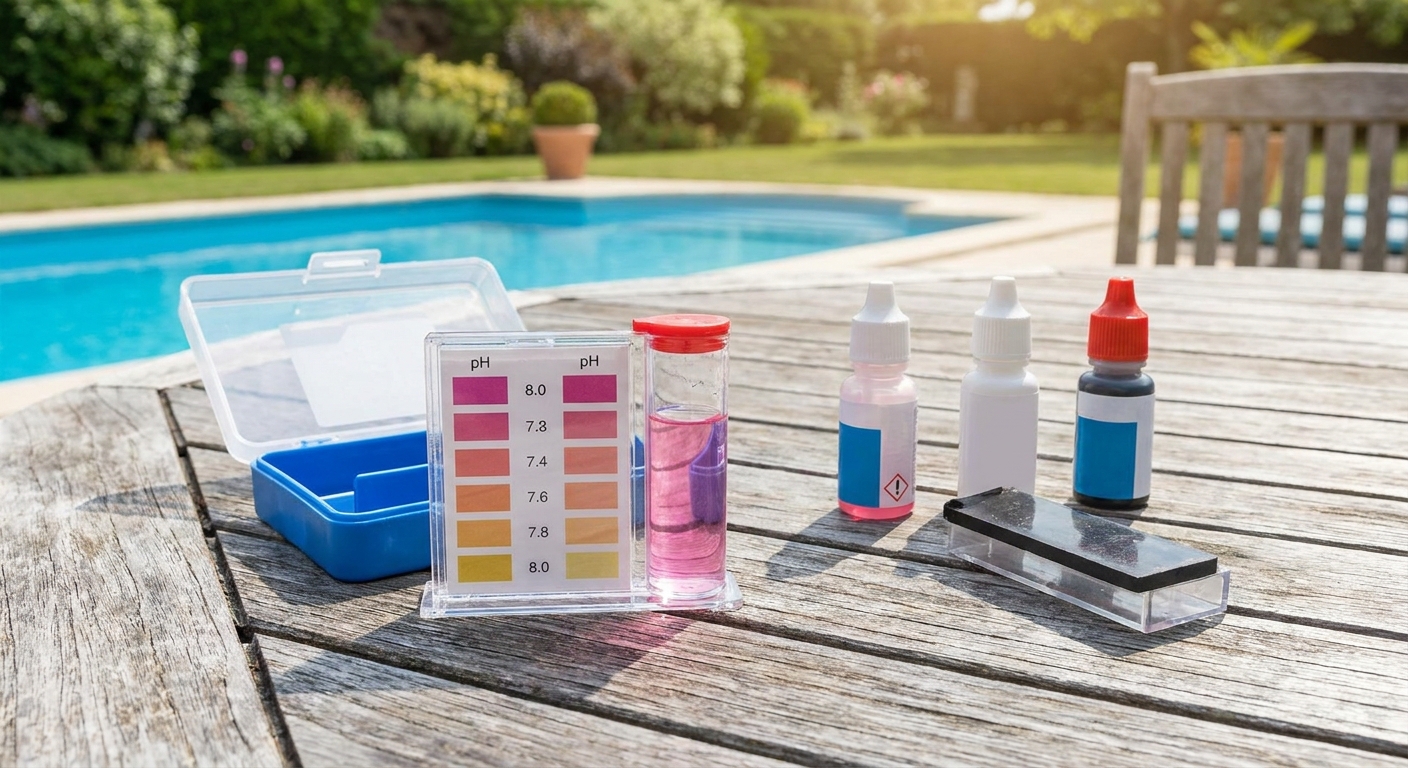
Pool pH is a comfort and maintenance issue. When pH drifts, chlorine can become less effective, and swimmers can experience more irritation. Many pools aim for a pH around 7.2 to 7.8, but always follow guidance for your specific pool system and test kit.
Also, pH is only half the story in pools. Total alkalinity helps buffer pH, which is why some pools swing wildly and others stay steady even with the same pH reading.
Aquariums
Fish and aquatic plants can be sensitive to pH. What matters most is choosing species that match your water and avoiding sudden swings. Stability is often safer than chasing a “perfect” number.
How pH is measured at home
pH paper and test strips
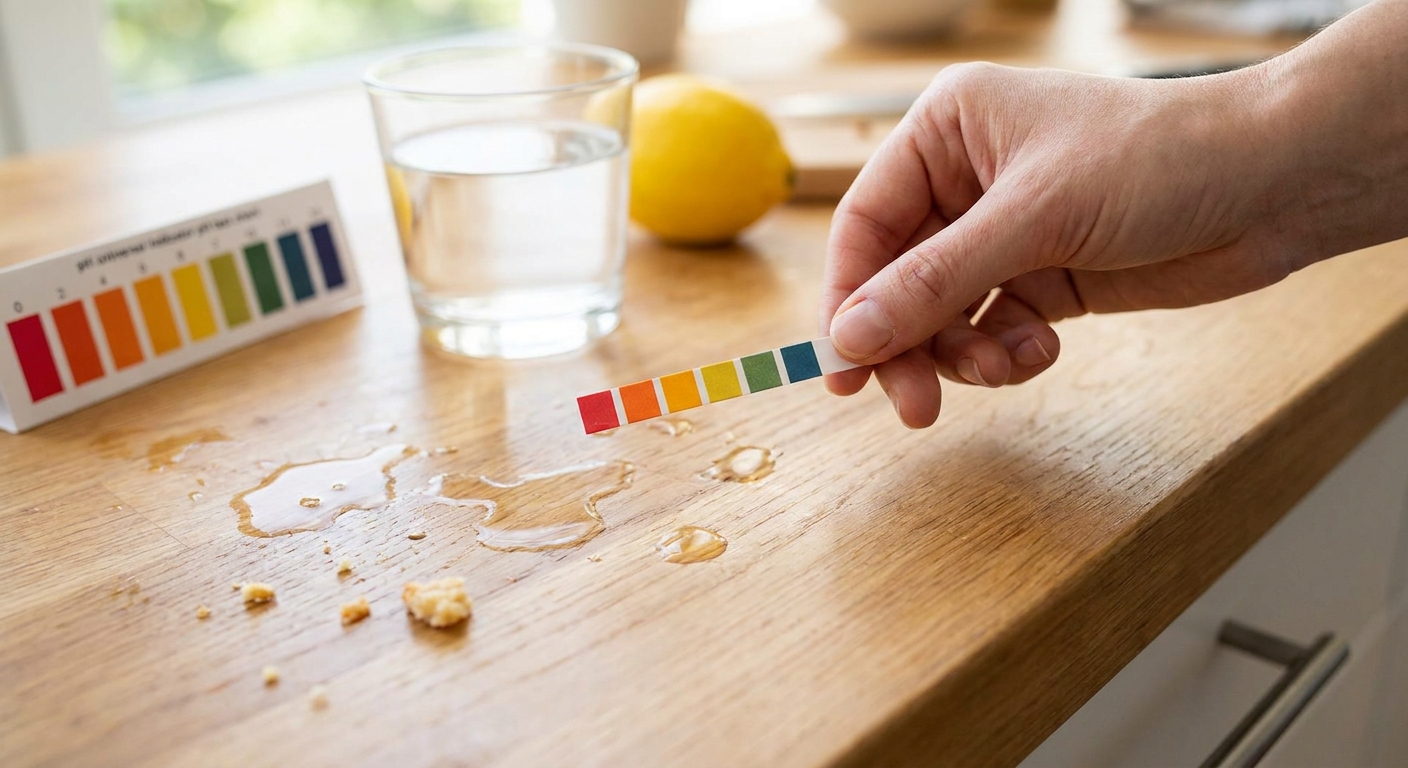
These change color depending on pH. You match the color to a reference scale. They are quick and inexpensive, and great for rough checks.
Liquid indicator kits
You add drops to a small water sample and compare the resulting color. These are common for pools and aquariums.
Digital pH meters
These can be more precise, but they require calibration and proper storage of the electrode. If you like tinkering and want repeatable measurements, they are satisfying tools. If you want quick answers twice a year, strips might be plenty.
Common pH myths
“Neutral is always safest”
Not necessarily. Your stomach is strongly acidic for good biological reasons. Many effective cleaners are basic. “Safe” depends on concentration, exposure, and context, not just pH.
“pH tells you everything about a solution”
pH is one useful number, not the whole story. Two liquids can share the same pH but have very different ingredients, buffering, and hazards.
“A one-unit change is small”
On the pH scale, one unit is a tenfold change in hydrogen ion activity. That is not small in chemical terms.
A quick pH cheat sheet
Exact pH values vary by brand and concentration, but these anchors help you build intuition:
- Lemon juice: strongly acidic
- Vinegar: acidic
- Coffee: mildly acidic
- Pure water: neutral (at room temperature)
- Baking soda solution: mildly basic
- Soap solutions: often basic
- Household ammonia cleaners: basic
- Oven cleaner: strongly basic
FAQ
Is “alkaline” different from “basic”?
In everyday use, they are usually used interchangeably. Technically, “alkaline” often refers to a base that dissolves in water, but you can treat them as synonyms in most household contexts.
Can something be acidic and still be dangerous at high pH?
High pH means basic, not acidic. But yes, it can still be dangerous. Strong bases can cause chemical burns just like strong acids can.
Why does my skin react to some soaps?
Many soaps are basic, and your skin surface is slightly acidic. That mismatch, plus fragrances or other ingredients, can contribute to dryness or irritation for some people.
Do I need to worry about the pH of what I drink?
For most people, the body handles a wide range of food and drink pH just fine. If you are thinking about tooth enamel, repeated exposure to acidic drinks can matter, especially if you sip slowly over time. Rinsing with water and limiting constant snacking or sipping can help.
The takeaway
Reading pH is like reading a weather report for chemistry. It does not tell you everything, but it tells you what kind of environment you are dealing with. Once you know that 7 is neutral and each step is a tenfold change in hydrogen ion activity, the numbers on test strips, pool kits, garden soil reports, and product labels start to feel less mysterious and more like useful everyday signals.