“CRISPR” and “gene therapy” often get tossed into the same bucket, like they are two names for the same thing. They are related, but not identical. If you want a quick mental model: gene therapy is the broader toolkit for treating disease by changing how genes behave in the body, while CRISPR is a specific kind of tool that can cut DNA to enable edits and, in some cases, targeted changes.
Both are part of a big shift in medicine: instead of only treating symptoms, we try to fix the underlying biological instructions. The catch is that biology is not a neat instruction manual. It is more like a messy kitchen where recipes get copied, smudged, and occasionally misread. The details matter.
CRISPR vs. gene therapy at a glance
- What it is: Gene therapy is a category of treatments that change gene activity or add genetic instructions. CRISPR is a gene editing method that can cut DNA to disrupt, remove, or sometimes precisely change a sequence.
- Main goal: Gene therapy often adds a working gene or turns genes up or down. CRISPR aims to edit the existing DNA sequence or gene control regions.
- Typical “tool delivery”: Both often rely on delivery vehicles, frequently engineered viruses or nanoparticles, to reach the right cells.
- Where it can work: Both are most straightforward when treating accessible tissues or cells that can be removed, modified, and returned (like blood stem cells).
- Big limitations: Gene therapy can be limited by how much genetic cargo you can deliver and how long the effect lasts. CRISPR is limited by delivery and by unintended outcomes from cutting and repair, including off-target edits and on-target changes you did not plan.
- Common misconception: Neither one is magic, and neither is currently a safe, simple way to “upgrade” complex traits like intelligence or height.
What people mean by “gene therapy”
Gene therapy is any medical approach that treats or prevents disease by altering genetic material or how it is used inside cells.
That sounds like one thing, but it includes several strategies:
- Gene addition: Delivering a functional copy of a gene to cells that lack it or have a broken version.
- Gene silencing: Reducing the activity of a gene that causes harm, often using RNA-based approaches.
- Gene regulation: Turning gene activity up or down without changing the DNA letters themselves.
Many approved gene therapies are gene addition rather than sequence correction. In other words, they do not “edit” your DNA letters in place. They more often deliver new instructions that the cell can use, like handing a mechanic a replacement part instead of machining a new one from scratch.
How gene therapy usually works
Most gene therapies have three big ingredients:
- The payload: the genetic instructions (DNA or RNA) you want cells to receive.
- The delivery vehicle: a way to get that payload into the right cells. Often this is a modified virus (commonly AAV or lentivirus) that has been engineered to be replication-defective (non-replicating) and non-disease-causing.
- The target tissue: where you want the effect, such as the eye, liver, muscle, or blood.
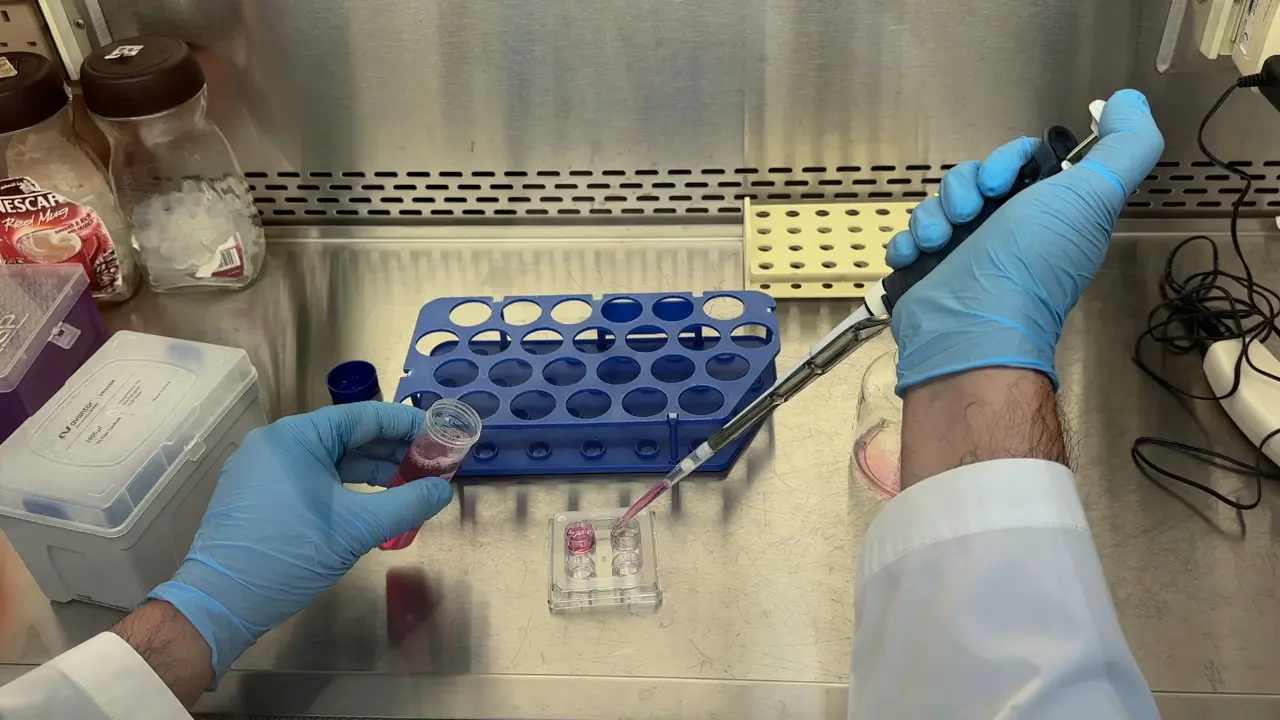
Some treatments are done in vivo (delivered directly into the body). Others are ex vivo: clinicians remove cells, modify them in the lab, and then put them back.
A couple of real-world anchors
- Eye disease: An AAV gene addition therapy can deliver a working gene to retinal cells to restore a missing function in certain inherited blindness conditions.
- Blood disorders: Cells can be removed, genetically modified (by adding a gene with a lentiviral vector or by editing with CRISPR), tested, and returned to the patient.
What people mean by “CRISPR”
CRISPR refers to a family of gene editing technologies adapted from a bacterial defense system. The best-known example is often Cas9, a protein that acts like molecular scissors. It uses a guide RNA to find a matching DNA sequence, then makes a cut there.
After the cut, the cell tries to repair the DNA. That repair step is where the real “editing” happens:
- Disrupting a gene: If the cell repairs the cut in a messy way, the gene can be knocked out, like snapping a key in a lock.
- Targeted changes: In some settings, with the right approach and biology cooperating, you can change specific letters or swap small sequences. In many in vivo contexts, true “correction” can be difficult because certain precise repair pathways are inefficient in many tissues.
- Newer approaches: Some CRISPR-based tools can change a single DNA letter or rewrite short stretches without making a full double-strand cut, depending on the system used (for example, base editing or prime editing).
CRISPR is a tool, not a treatment by itself
CRISPR is more like a word processor feature. You still need to open the correct document (reach the right cells), make the right change (target the right sequence), and save without corrupting the file (avoid harmful unintended edits). That means delivery, safety testing, and long-term follow-up are just as important as the scissors themselves.
CRISPR is not the only editor
CRISPR gets the most attention, but gene editing also includes other tool families like zinc finger nucleases (ZFNs) and TALENs. Different tools can make sense in different clinical situations.

Where the technologies overlap
Here is the part that causes confusion: CRISPR can be used as part of gene therapy. If you are using CRISPR to edit genes in a patient’s cells, you are doing a form of gene therapy.
So the relationship is:
- Gene therapy is the umbrella category.
- CRISPR is one powerful method under that umbrella, focused on editing DNA (and in some versions, editing how genes are regulated).
In practice, both may use similar delivery systems, face similar immune system challenges, and need careful targeting to avoid affecting the wrong tissue.
What gene therapy can do well
1) Replace missing or broken gene function
Some diseases are caused by a single gene that is missing or not working. In those cases, adding a functional copy can be straightforward in concept: give cells a working recipe so they can make the protein they have been missing.
2) Target specific tissues with local delivery
Certain body sites are more accessible for direct treatment. The eye, for example, is relatively contained and easier to monitor. Local delivery can reduce the amount of therapy needed and limit exposure elsewhere.
3) Modify cells outside the body and return them
Ex vivo approaches can be appealing because clinicians can check the modified cells before they go back in, like quality control in a workshop.
What gene therapy struggles with
- Delivery and targeting: Getting enough payload into the right cells is hard. The body is large, and cells are picky about what they let in.
- Cargo size limits: Some viral vehicles can only carry small genetic payloads, which matters for large genes.
- Durability depends on context: Some therapies can be long-lasting in slow-dividing tissues. Others fade as cells divide or as the payload is not maintained. Vector type matters too: AAV often remains as episomal DNA, while lentiviral vectors typically integrate into the genome in ex vivo cell therapies.
- Immune responses: The immune system may react to the delivery vehicle or the new protein being made.
What CRISPR can do well
1) Knock out harmful genes
If a disease is driven by a gene doing the wrong thing, knocking it out can be simpler than trying to replace it. This is one reason CRISPR is often discussed for conditions where reducing a protein is beneficial.
2) Make targeted changes in the right context
When everything lines up, CRISPR can correct a specific mutation or tweak a regulatory region. In practice, many of the most successful clinical strategies so far focus on knockouts or regulatory edits, because those can be more reliable than precise letter-by-letter correction in some tissues.
3) Enable long-lasting interventions
Because an edit can be permanent in the targeted cells, CRISPR raises the possibility of long-lasting effects after a single treatment. That promise is why it generates so much excitement.
What CRISPR struggles with
- Unintended edits: Even with good design, the system can sometimes cut at similar-looking DNA sequences. Researchers work hard to measure and minimize this.
- On-target, unwanted outcomes: Even when CRISPR cuts the intended site, DNA repair can produce large deletions, rearrangements, or, in rare cases, translocations. These are actively monitored in development and clinical testing.
- DNA repair is not fully predictable: Cells repair DNA in ways that can vary by cell type and timing, which can affect outcomes.
- Delivery is still the bottleneck: You cannot edit what you cannot reach. Many of the hardest diseases are hard because the right cells are hard to target safely.
- Mosaicism: Not every cell gets edited the same way, which can matter for tissues where you need near-total correction.
- Immune reactions: Cas proteins come from microbes, and some people may have immune memory that complicates treatment.
- DNA damage response: Cutting DNA can trigger cellular stress responses (including pathways involving p53 in some experimental settings). This is one reason developers measure cell health and genomic stability carefully, especially in ex vivo workflows.
Where each fits best
Without turning this into a list of every trial on the planet, there are a few patterns that help you predict where each approach shines.
Single-gene diseases
These are often the most conceptually “treatable” with gene-based approaches because there is a clear target. Both gene addition therapies and CRISPR editing strategies may be considered depending on what needs fixing and in which cells.
Blood and immune system disorders
Blood stem cells can often be collected, modified, and returned. That makes them a practical starting point for both gene therapy and CRISPR-based editing, because you can verify what you did before reinfusion.
Hard-to-reach tissues
Brain, heart, and widespread muscle disorders pose a delivery challenge. Progress happens, but it is slower and more cautious because dosing and targeting are tricky, and mistakes can be serious.
Cancer
Some gene-based approaches in cancer focus on engineering immune cells to better recognize tumors. In that setting, “gene therapy” often looks like cell therapy plus genetic modification. CRISPR may be used as a manufacturing tool to edit those cells, but it is rarely the whole story by itself.
Somatic vs. germline
One of the most important distinctions is not CRISPR vs. gene therapy. It is somatic vs. germline.
- Somatic interventions affect the treated person’s body cells. The changes are not passed to children.
- Germline interventions affect eggs, sperm, or early embryos. The changes could be inherited.
Most medical work and clinical use focus on somatic therapies. Germline editing raises profound ethical and safety issues, partly because unintended effects could echo through generations. If you have heard the most heated debates about “designer babies,” that is usually germline territory.
Risks and tradeoffs
Accuracy vs. control
CRISPR is famous for precision, but real-world biology introduces uncertainty. Gene therapy, especially gene addition, may be less “surgical” at the DNA letter level, yet can sometimes be more predictable in what protein gets produced.
Permanent vs. adjustable
Permanent changes can be a blessing if they work and a curse if they cause harm. Some gene regulation approaches may be more adjustable, while edits are often difficult to undo in living tissues.
Immune system reality check
Your immune system is trained to react to unfamiliar biology. Viral delivery vehicles and microbial proteins can trigger immune responses that limit effectiveness or increase risk. Managing that is a major part of modern development.
Equity and access
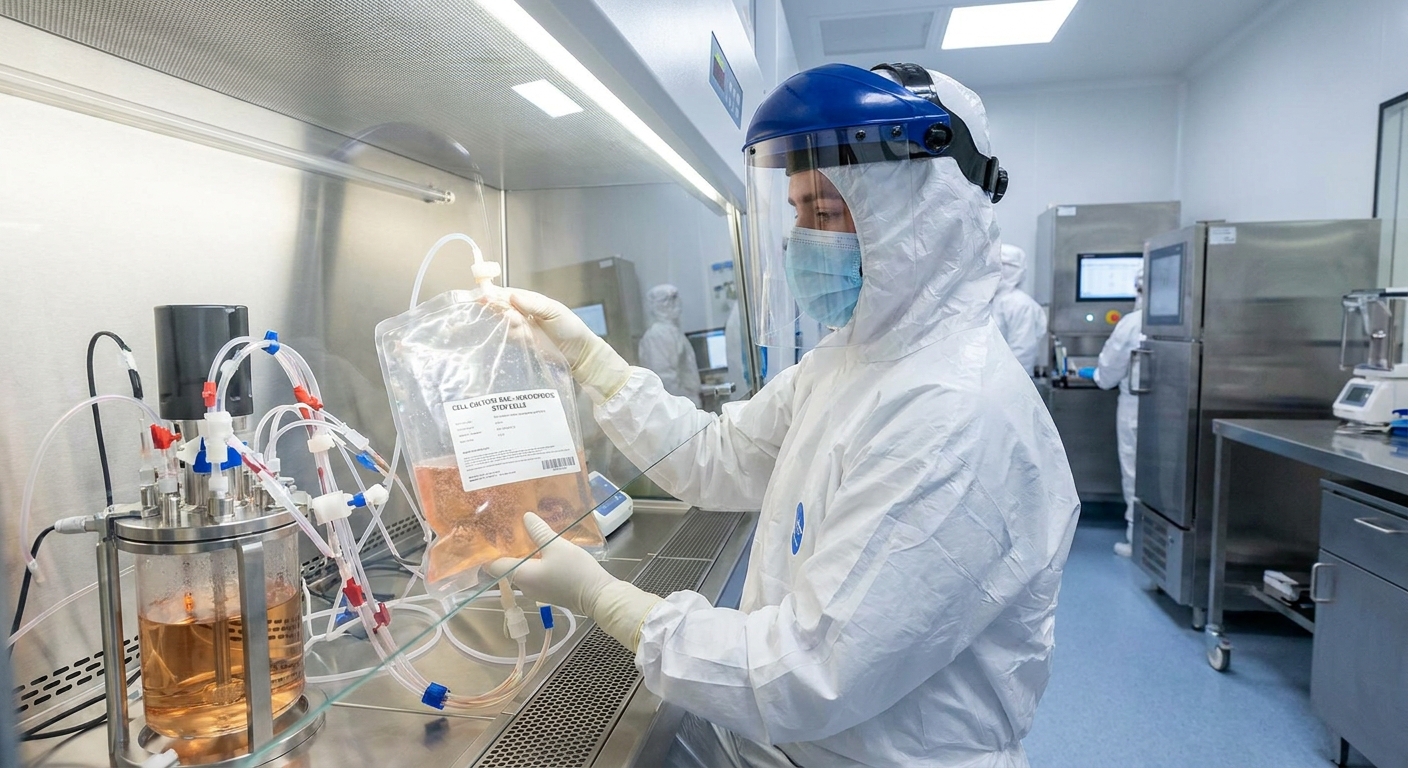
These treatments can be complex to manufacture and deliver, often requiring specialized facilities. That is not a scientific limitation exactly, but it is a real-world constraint on who benefits and how quickly.
Common misconceptions
“CRISPR is guaranteed to fix the mutation.”
CRISPR can be remarkably targeted, but outcomes depend on delivery, cell type, and how DNA repair plays out. Even small rates of unintended editing matter when you treat millions or billions of cells.
“Gene therapy is just CRISPR.”
No. Many gene therapies do not edit DNA. They add genes, silence genes, or adjust gene expression using other molecular tools.
“We can easily edit complex traits.”
Traits like height, intelligence, or athletic performance involve many genes plus environment. Even if you could edit dozens or hundreds of sites safely, predicting the outcome is another mountain entirely.
“One shot and you are done forever.”
Some approaches may last for years or longer, but durability varies. Cells divide, tissues renew themselves, and immune responses can complicate repeat dosing.
FAQ
Is CRISPR a type of gene therapy?
When CRISPR is used to treat disease in a person’s cells, it is considered a form of gene therapy. Gene therapy is the broader category.
Which is safer, CRISPR or gene therapy?
Neither is automatically safer. Safety depends on the disease, the tissue targeted, the delivery method, dosing, and how well unintended outcomes and immune reactions are controlled. Some gene therapies have decades of development behind them, while some CRISPR approaches are newer, though advancing quickly.
Can these technologies cure genetic disease?
Sometimes they can potentially provide long-lasting benefit that looks like a cure, especially for certain single-gene conditions and in tissues where enough cells can be successfully treated. But “cure” is a high bar, and long-term follow-up matters.
Why is delivery such a big deal?
Because your body is not one target. It is trillions of cells in many compartments. The challenge is getting the therapeutic tool into enough of the right cells, while avoiding the wrong cells, and doing it without causing harmful immune responses.
Will CRISPR replace gene therapy?
More likely, it will expand the menu. Gene therapy includes many approaches, and CRISPR is one of the most exciting additions. Some problems may be best solved by adding a gene, others by editing, and many by combining methods.
The takeaway
If gene therapy is the whole garage, CRISPR is a particularly sharp set of tools on one wall. Gene therapy can add, silence, or regulate genes. CRISPR can cut DNA to create edits, which opens doors that older methods could not, but also introduces unique risks and uncertainties.
Both fields are moving fast, and both are constrained less by “can we write genetic code?” and more by “can we deliver it safely, precisely, and predictably in real human bodies?” That is where much of the most important science is happening right now.