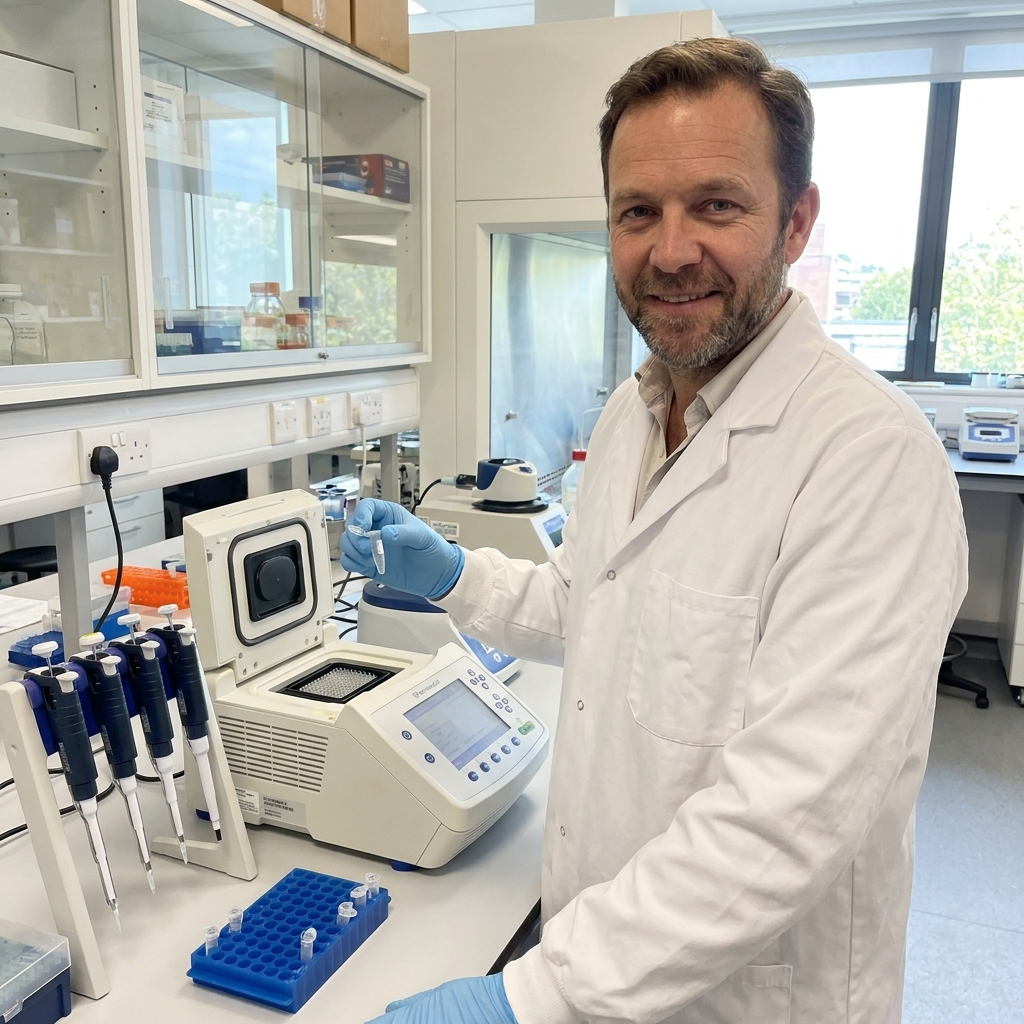
If you have ever wished biology came with an “edit” button, you are not alone. Over the last 10 to 15 years, gene editing has started to feel less like science fiction and more like a toolkit. Two of the best-known tools are CRISPR and TALEN. They both cut DNA at chosen spots so cells can repair the break and, in the process, change the genetic text.
But here is the twist I always told my students: in science, “can do it” is only the first checkpoint. The real questions are how reliably, how safely, and how easily you can do it at scale. CRISPR and TALEN answer those questions in very different ways.
The core idea
Both CRISPR and TALEN are “programmable nucleases.” That is a fancy way of saying they are molecular scissors you can aim at a particular DNA sequence. Once a cut is made, the cell scrambles to fix it using one of two main repair paths:
- Non-homologous end joining (NHEJ): quick-and-dirty repair that often introduces small insertions or deletions. Great for knocking out a gene.
- Homology-directed repair (HDR): a more precise repair process that can copy in a provided DNA template. This is how you aim for a specific correction, but it is harder to achieve efficiently in many cell types.
The big split is how each tool finds its target, and what that means for flexibility, accuracy, and real-world use.
How CRISPR works
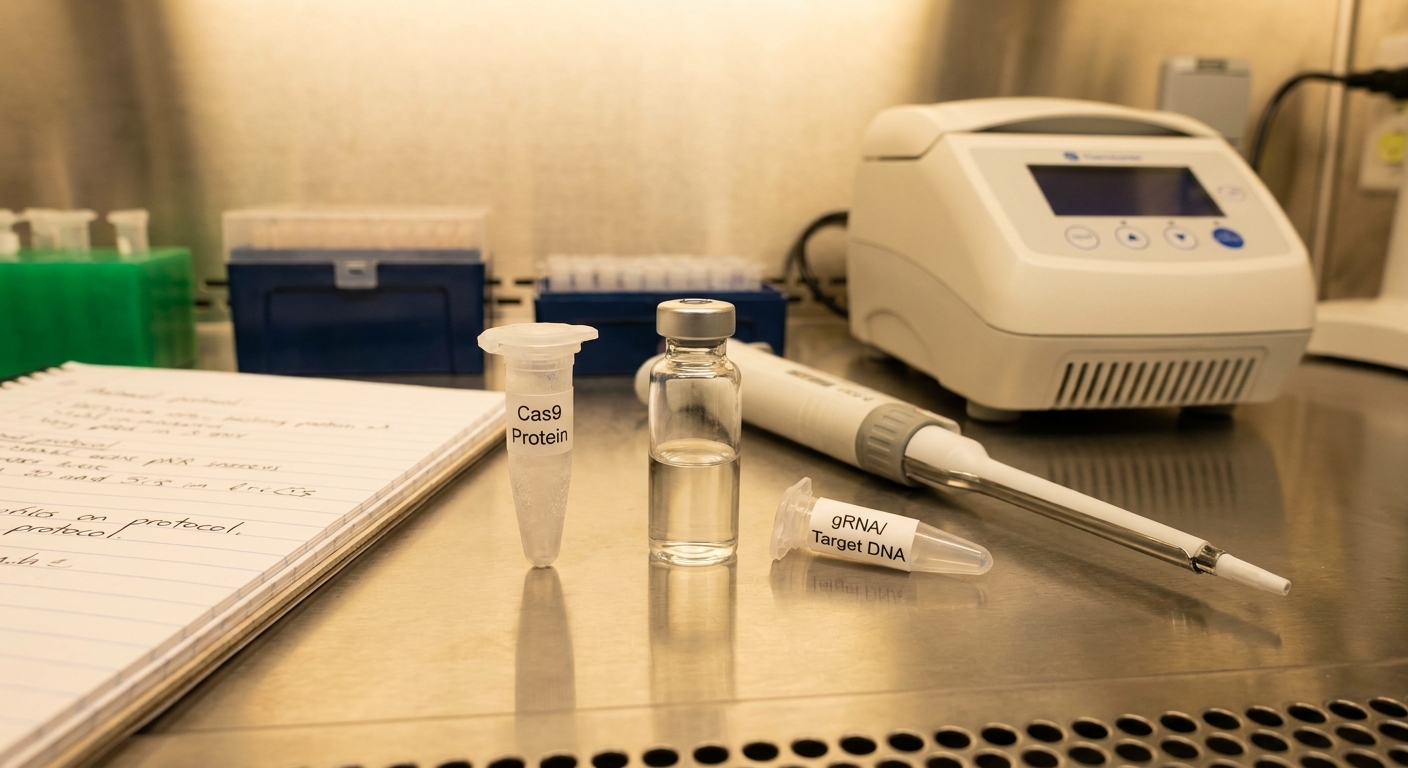
CRISPR, most commonly using a nuclease called Cas9 (or variations like Cas12), uses a short piece of RNA as a guide. Think of the guide RNA as a GPS address. It pairs with matching DNA letters, and the Cas enzyme makes the cut.
Why CRISPR spread so fast
- Easy retargeting: to aim CRISPR at a new gene, you usually redesign the guide RNA, not the protein itself.
- Fast iteration: labs can test many guides quickly, which accelerates research and early development.
- Expandable toolbox: beyond cutting, CRISPR systems can be adapted to turn genes up or down, tag DNA, or edit single letters with “base editors” and “prime editors.”
In classroom terms, CRISPR is the method that makes the first successful attempt feel surprisingly achievable. And that accessibility matters, because it is a major reason CRISPR became the default platform in many labs.
How TALEN works
TALEN stands for Transcription Activator-Like Effector Nucleases. TALEN uses engineered proteins that bind DNA directly. Each protein “module” is designed to recognize a specific DNA letter (in practice, some modules can be more tolerant than a perfect one-to-one match). By snapping modules together, researchers build a DNA-binding protein that matches a desired sequence. That binding domain is fused to a cutting enzyme (commonly FokI). Two TALENs bind on opposite sides of the target, bringing the cutters together to snip the DNA.
What TALEN is known for
- High specificity potential: longer recognition sequences and paired binding can reduce unintended targeting when designed well.
- Flexible target choice: TALEN does not rely on the same short neighboring DNA requirement that many CRISPR systems do (more on that next).
- Proven in cell engineering: TALEN has a track record in building edited cell lines and in some manufacturing workflows for edited cells.
My mental picture: CRISPR is like changing where you are driving by typing a new address. TALEN is like commissioning a brand-new key that fits one lock extremely well.
Target constraints
CRISPR and PAM
Many CRISPR systems require a nearby short DNA motif called a PAM (protospacer adjacent motif). Cas9 will only bind and cut if the target is next to a PAM it recognizes. This is not usually a dealbreaker, but it can limit where you can cut, especially if you need a very specific position for a precise correction.
Researchers have expanded PAM options with different Cas enzymes and engineered variants, but the constraint is still part of CRISPR’s personality.
TALEN design constraints
TALEN does not have a PAM requirement in the same way. Instead, its main limitation is build complexity: retargeting often means constructing or ordering a new protein pair, which has historically been slower and more labor intensive than ordering new guide RNAs for CRISPR.
There are also some light, practical target-site quirks people plan around. Many TALE designs have a preference for a 5’ T at the binding site, and TALEN pairs typically work within a spacer-length “sweet spot” between the two binding regions. These are manageable constraints, but they are part of the real workflow.
Precision and off-targets
When people ask “which is more accurate,” they often mean two different things:
- Targeting accuracy: does the tool cut only where you want?
- Outcome control: after the cut, does the cell repair the DNA in the exact way you intended?
CRISPR off-target cuts
CRISPR can sometimes tolerate mismatches between the guide RNA and DNA, which can lead to off-target cuts. The field has made major progress here: better guide design algorithms, high-fidelity Cas variants, and careful screening methods can reduce risk substantially. Still, off-target assessment remains a core part of therapeutic development.
Another nuance that matters for medicine: any approach that creates a double-strand break can occasionally produce unexpected on-target outcomes, such as larger deletions or complex rearrangements at the cut site. That is not a CRISPR-only issue. It is a “DSB editing” issue.
TALEN specificity
TALENs often use longer binding interfaces, and because they work as pairs that must both bind correctly to cut, they can achieve strong specificity profiles. That said, TALEN is not magically immune to off-target activity. Like any nuclease, it requires rigorous testing, especially when moving from lab experiments to patients.
Precision is not a single number. It is a full report card: where you cut, how often you cut there, what else gets nicked, and what the cell does afterward.
Ease and cost
If you wonder why CRISPR dominates headlines, part of the answer is simply iteration speed. Designing and synthesizing a guide RNA is typically faster and cheaper than engineering new protein-based binders.
That speed matters in three big ways:
- Research velocity: quicker experiments create faster discovery loops.
- Multiplexing: CRISPR can target multiple genes at once relatively easily by using multiple guides. This is valuable in studying complex diseases and engineering cells.
- Community tooling: once a technique becomes common, the ecosystem of protocols, software, and shared know-how grows around it.
TALEN, meanwhile, can shine when a project demands careful targeting and teams have the expertise and infrastructure to build and validate custom proteins.
Delivery
In medicine, the best editor in the world is useless if it cannot reach the right cells in the body. Delivery is where many gene-editing strategies feel more like engineering than biology.
Why delivery is tricky
- Size limits: some delivery vehicles, like AAV (adeno-associated virus), have tight cargo capacity. Large editor components can be hard to package.
- Where it goes: reaching liver cells is relatively achievable today compared to, say, widespread delivery to the brain.
- Immune response: the body can react to viral vectors or to the editor proteins themselves.
- Duration of activity: too short can reduce effectiveness; too long can raise off-target risk.
CRISPR vs TALEN in practice
Delivery difficulty is less about the name on the tool and more about the cargo format and the tissue. Both CRISPR and TALEN can be delivered as DNA, RNA, or protein, and both can be “large” depending on what exactly you are delivering (for CRISPR, the Cas protein is not small either). In practice, developers choose combinations that fit the delivery vehicle, the dose, and the safety profile they need.
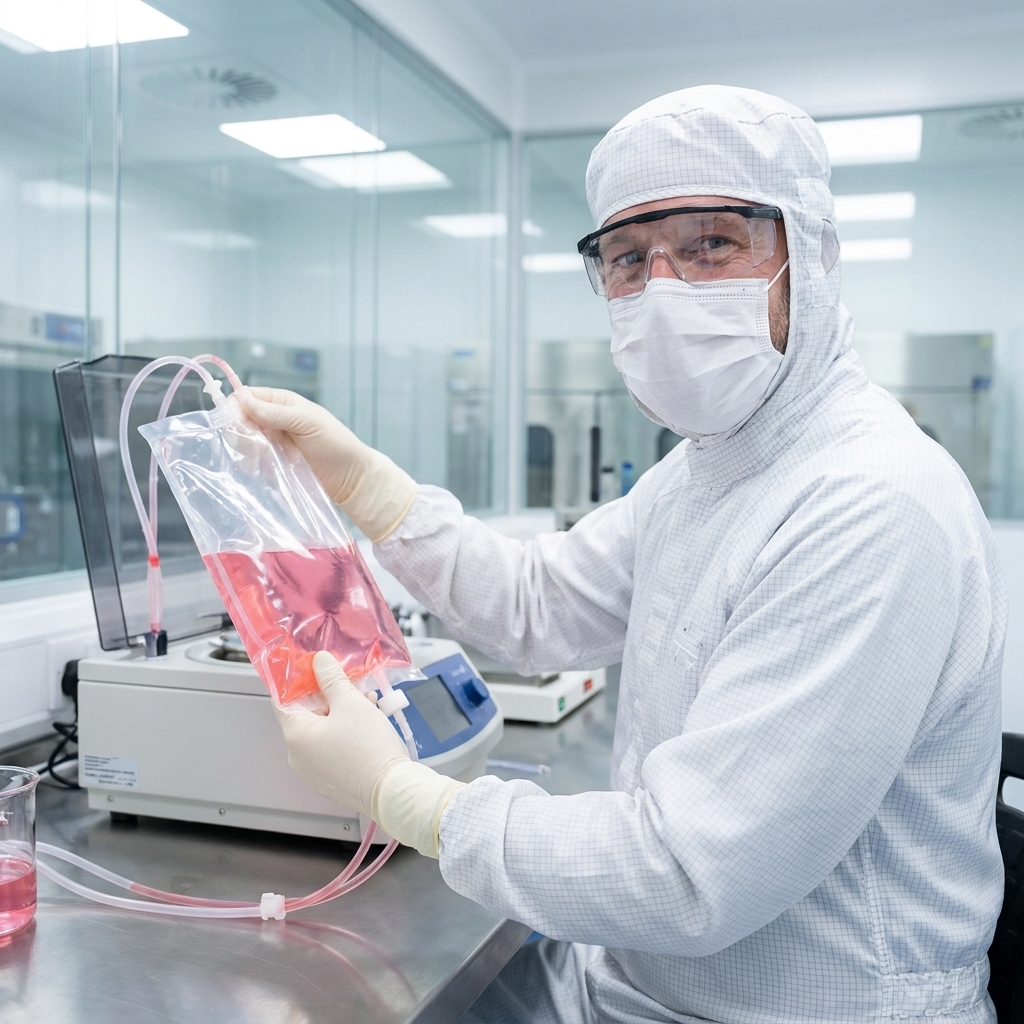
Many clinical programs focus on ex vivo editing, where cells are edited outside the body and then returned, because it allows tighter control and screening.
Medical uses
Ex vivo editing
This is one of the most mature areas for gene editing. Doctors can collect cells, edit them, test them, then infuse them back into the patient. It is a bit like upgrading the software on a device while it is on your workbench rather than trying to update it while it is bouncing around in your pocket.
- CRISPR: widely used for engineering immune cells, studying gene function, and developing edited cell therapies. Multiplex editing can be a big advantage.
- TALEN: used in some allogeneic (donor-derived) edited T-cell manufacturing approaches, where teams value paired targeting and a well-characterized, protein-based design. The specifics vary by program, so the cautious takeaway is that TALEN remains a practical option in real pipelines, not just a historical footnote.
In vivo editing
In vivo editing is where things get both exciting and hard. Delivery, tissue targeting, dosing, and safety monitoring become front and center.
- CRISPR: benefits from rapid innovation and newer editing modes like base editing and prime editing that can reduce reliance on double-strand breaks for some applications.
- TALEN: can be appealing for specific targets where PAM constraints are limiting or where long recognition sequences are advantageous, but building and validating each new TALEN pair adds overhead.
Beyond double-strand breaks
It is worth noting that “CRISPR” often functions as an umbrella for a rapidly expanding family of tools. Some next-generation CRISPR-based editors can change single DNA letters or make targeted insertions with fewer double-strand breaks. There are also CRISPR “nickase” strategies that cut only one DNA strand to shape outcomes in certain designs. TALEN is more closely tied to the cut-and-repair paradigm, although creative variants exist.
Real-world examples
- CRISPR in research: genome-wide CRISPR knockout screens to find genes involved in drug resistance or immune function.
- CRISPR in the clinic: ex vivo editing of patient cells for blood disorders and immune cell therapies, plus in vivo programs where delivery to specific tissues (like the liver) is feasible.
- TALEN in research and production: building stable edited cell lines and targeted edits in cell engineering workflows that prioritize paired binding and long recognition sequences.
- TALEN in cell therapy manufacturing: some donor-derived T-cell platforms have used TALEN-style edits for steps like disabling native T-cell receptor activity to reduce graft-versus-host risk. Which editor is used depends on the platform, target, and validation history.
Who leads?
If you define “leading” as breadth of use, rate of innovation, and ecosystem momentum, CRISPR is the clear front-runner. It is easier to program, faster to iterate, and has evolved into a platform that includes gene regulation tools, base editors, and prime editors.
If you define “leading” as best choice for a specific high-stakes therapeutic target, the answer becomes more nuanced. TALEN can be the better fit when you want long, protein-based recognition, you want to avoid PAM constraints, and you are willing to invest in custom engineering and validation. In some cell-therapy manufacturing contexts, TALEN remains a serious contender.
The future, realistically, is not a single winner. It is a toolbox. The more honest headline is: CRISPR is the dominant platform, and TALEN is the specialist that still matters.
Quick guide
CRISPR fits best when you need
- Fast target changes and rapid prototyping
- Multiplex editing across several genes
- Access to next-gen editing modes (base or prime editing)
- A large community of protocols and tools
TALEN fits best when you need
- Highly tailored DNA targeting without PAM limitations
- Strong specificity from long recognition sequences and paired binding
- A well-validated protein-based approach for a narrow set of targets
FAQ
Is CRISPR always more accurate than TALEN?
No. Accuracy depends on the specific design, the target sequence, the cell type, and how you measure off-target activity and on-target outcomes. CRISPR has improved dramatically with high-fidelity enzymes and better guide design, while TALEN can be highly specific when engineered carefully.
Which is safer for human therapies?
Safety is context-dependent. Both require extensive preclinical testing for off-target edits, unintended outcomes at the cut site (including larger deletions or rearrangements), immune reactions, and long-term effects. Some newer CRISPR-derived methods aim to reduce double-strand breaks for certain edits, which may change the safety calculus for specific applications.
Why do I hear more about CRISPR than TALEN?
CRISPR is easier to retarget and has expanded into a broad platform of related tools. That makes it a favorite in research and development, which naturally drives more papers, more projects, and more public attention.
Will TALEN become obsolete?
Unlikely. As long as there are targets where TALEN’s design advantages or specificity profile offer a better fit, it will remain part of the gene-editing toolkit, especially in specialized therapeutic and manufacturing settings.
The takeaway
CRISPR is shaping the future in the way the smartphone shaped computing: it is a platform that keeps absorbing new capabilities. TALEN is more like a precision instrument you pull out when the job demands it. If gene editing is going to deliver on its medical promise, we will need both the fast, flexible tools and the carefully engineered specialists, plus the unglamorous hero of the story: delivery.
As a former classroom teacher, I cannot help but root for the “aha!” moment here: gene editing is not a magic wand. It is a set of trade-offs. And the future will be written by teams who choose the right trade-off for the right patient at the right time.