Curiosity deserves a closer look
Big questions.
A clearer view.
Unpack an idea, question an assumption, and follow the details. Thoughtful explainers for a curious mind.
Explore the folioFollow your curiosity
Explore the articles and ideas behind the questions.
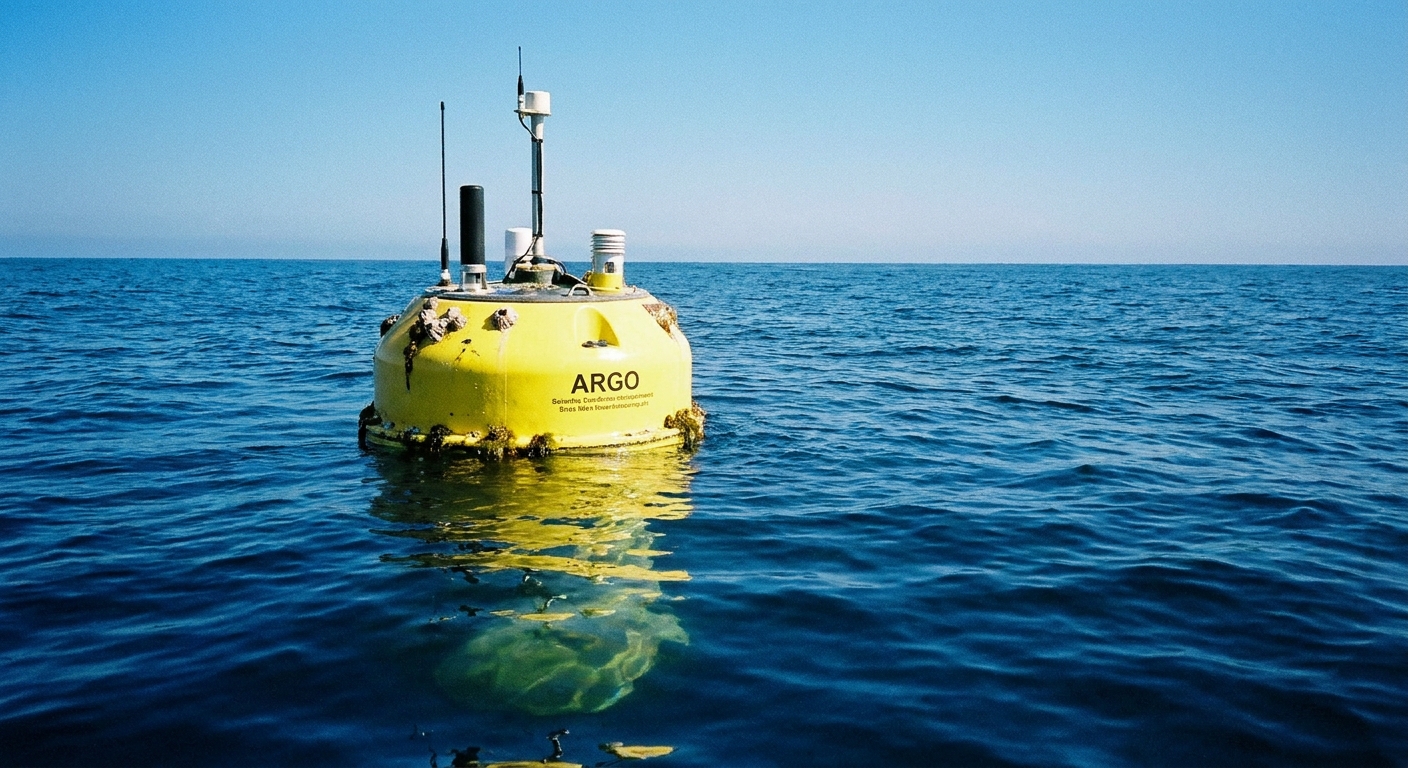
What Is Ocean Heat Content?
The ocean has a superpower that is easy to underestimate from the beach: it can swallow an enormous amount of heat without instantly looking “hot.” If you want a measurement that tells you how much extra energy Earth is actually storing as the climate warms, ocean heat content is one of the best...
Read more →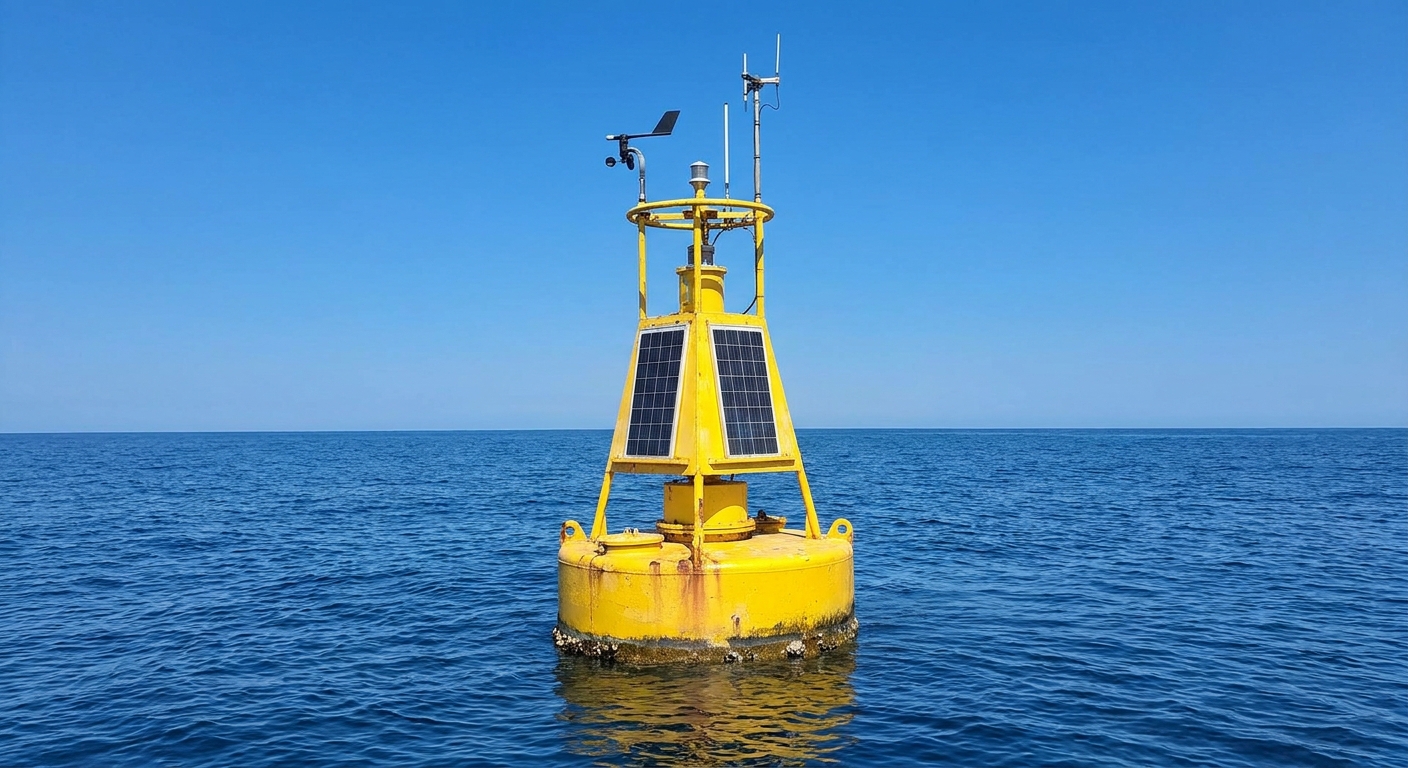
How the Global Average Temperature Is Calculated
The phrase “global average temperature” sounds like it should come from one giant thermometer hanging somewhere in space. If you have ever tried to get a reliable temperature reading from your own house, you already know the catch: shade matters, pavement matters, wind matters, and your back porch...
Read more →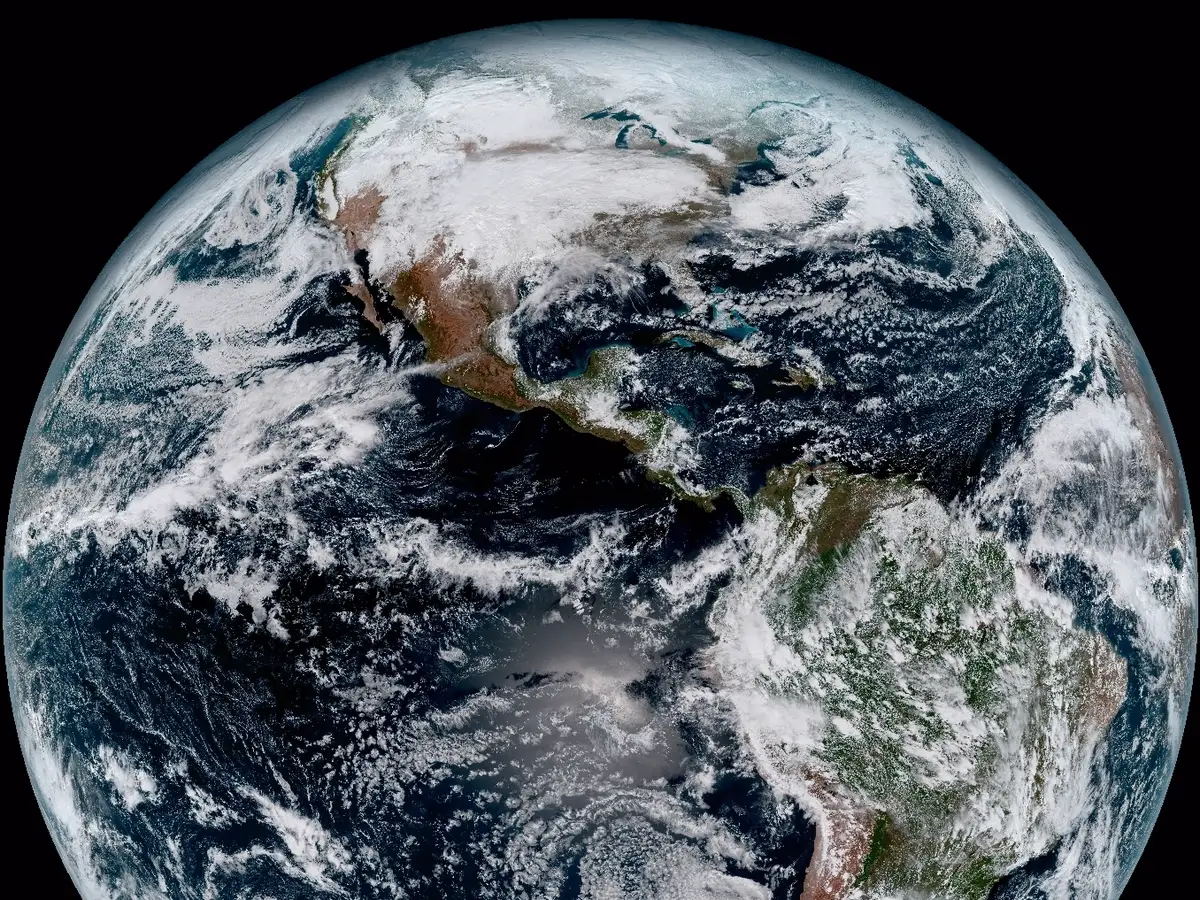
How Do Climate Models Work?
I used to tell my physics students that a model is basically a “what-if machine.” You feed it the rules of nature, give it a starting snapshot of the world, and then ask, “If we keep pushing in this direction, what tends to happen?” Climate models are that idea scaled up to the entire planet, with...
Read more →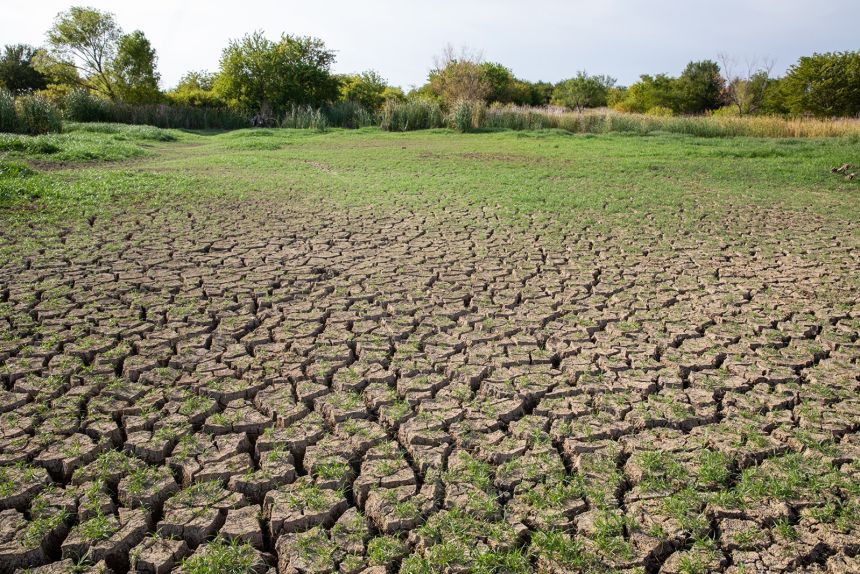
What Is a Flash Drought?
I used to teach my physics students that “rate” is where the drama lives. A car going 60 miles per hour is one thing. A car going from 0 to 60 in a few seconds is something else entirely. Flash droughts are the climate version of that sudden acceleration. They are droughts defined less by how dry a...
Read more →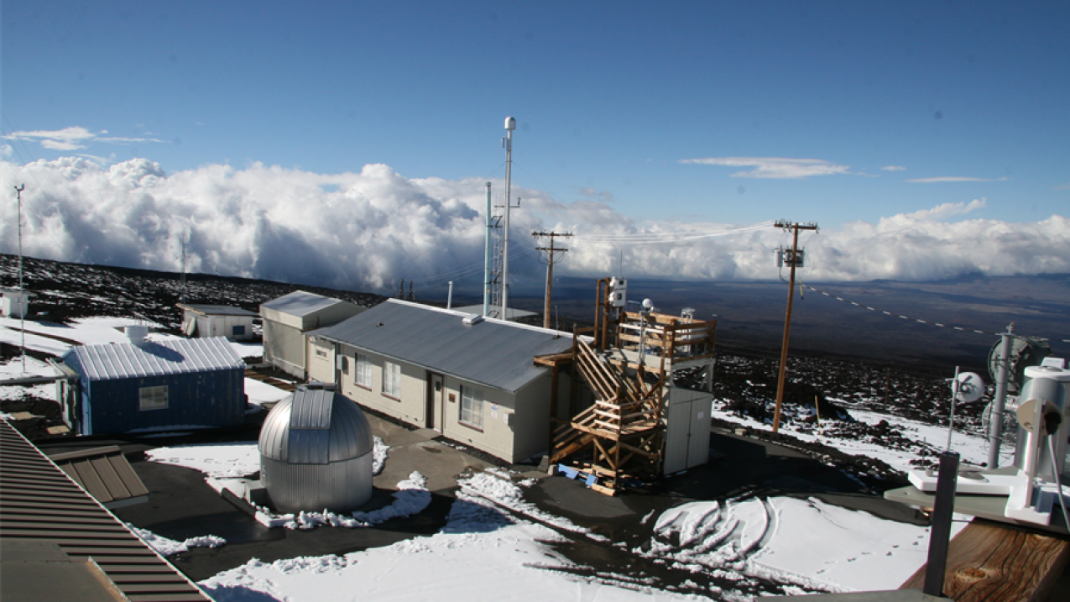
What Is Climate Sensitivity?
When I taught physics, my students loved questions with a clean switch to flip: if I double this, what happens to that? Climate scientists have a version of that same question. It goes like this: if we double the amount of carbon dioxide (CO2) in the atmosphere , how much warmer does Earth get?...
Read more →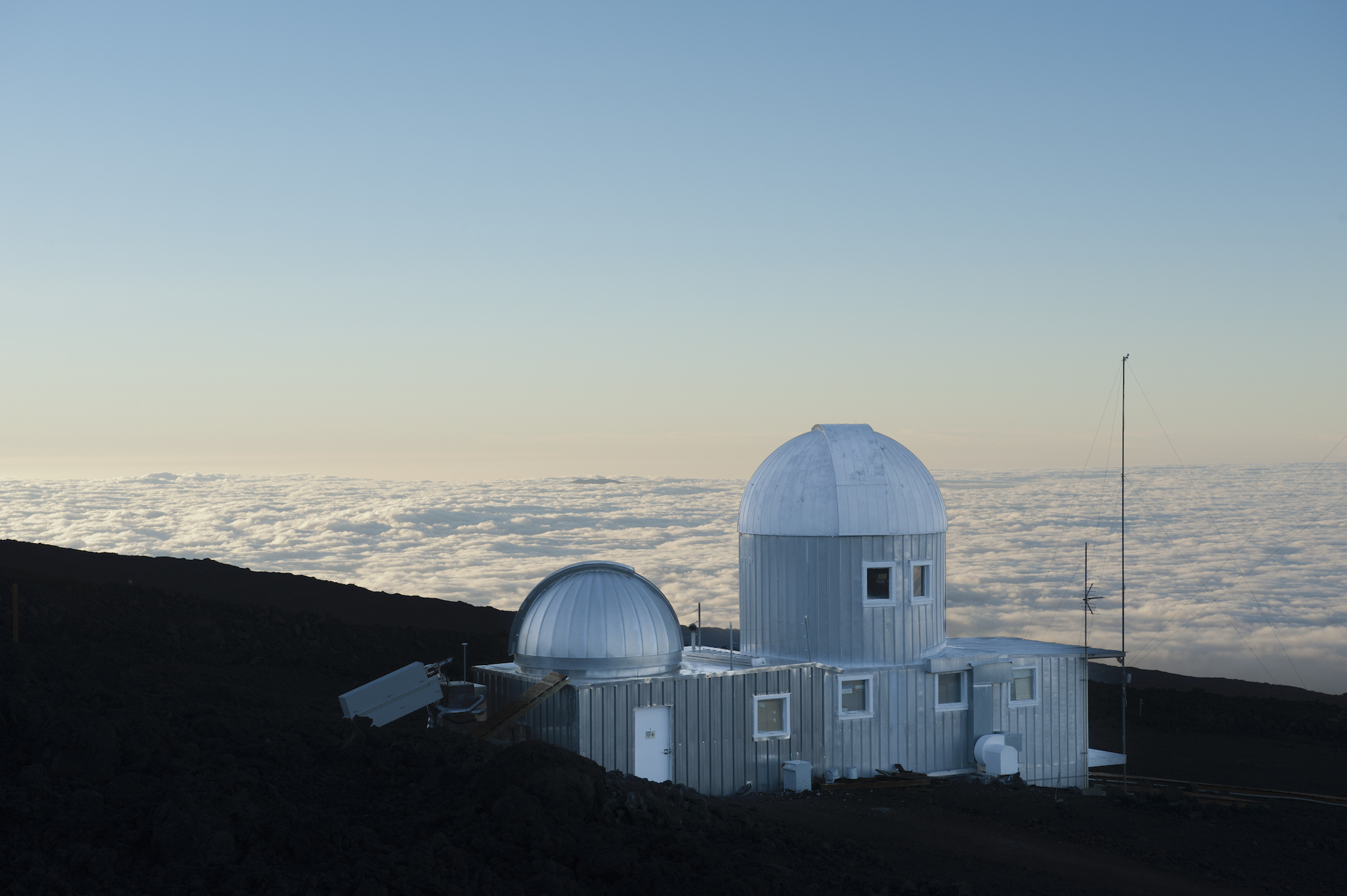
What Is the Keeling Curve?
I still remember the first time I showed my students the Keeling Curve. A few of them expected a straight line. Instead, the graph looked like a jagged staircase steadily climbing upward. That little zigzag did something magical in the classroom: it made the atmosphere feel alive. Breathing....
Read more →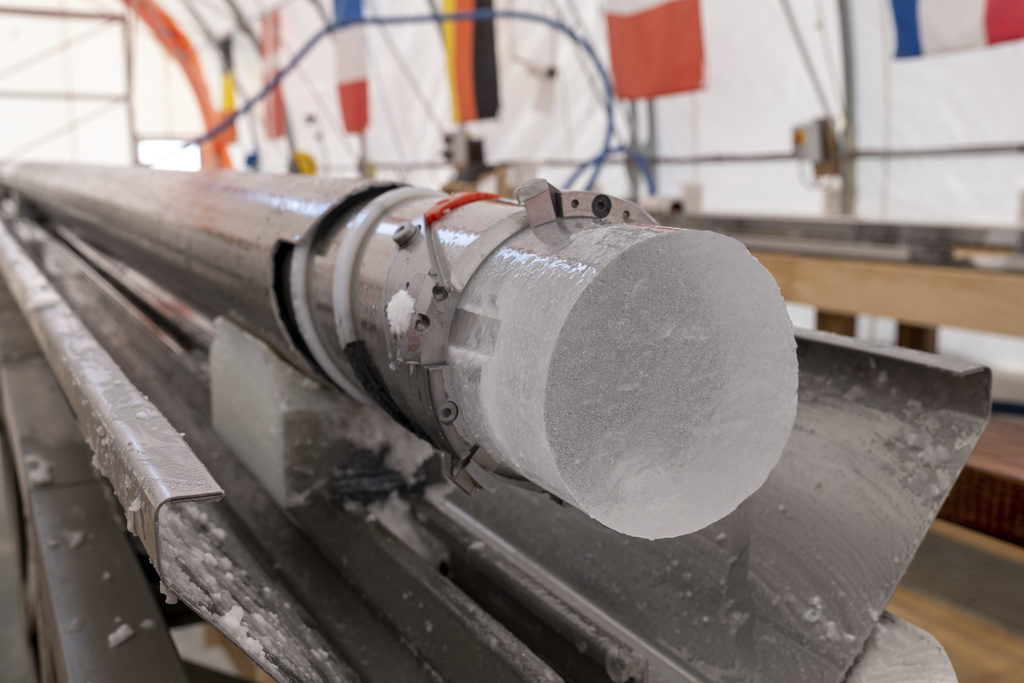
How Ice Cores Record Past Climate
The first time I held a photo of an ice core in my classroom, my students thought it looked like a giant frozen churro. Fair guess. But to a climate scientist, that cylinder of ice is closer to a hard drive than a snack: it stores physical traces of ancient winters, summers, storms, and even the...
Read more →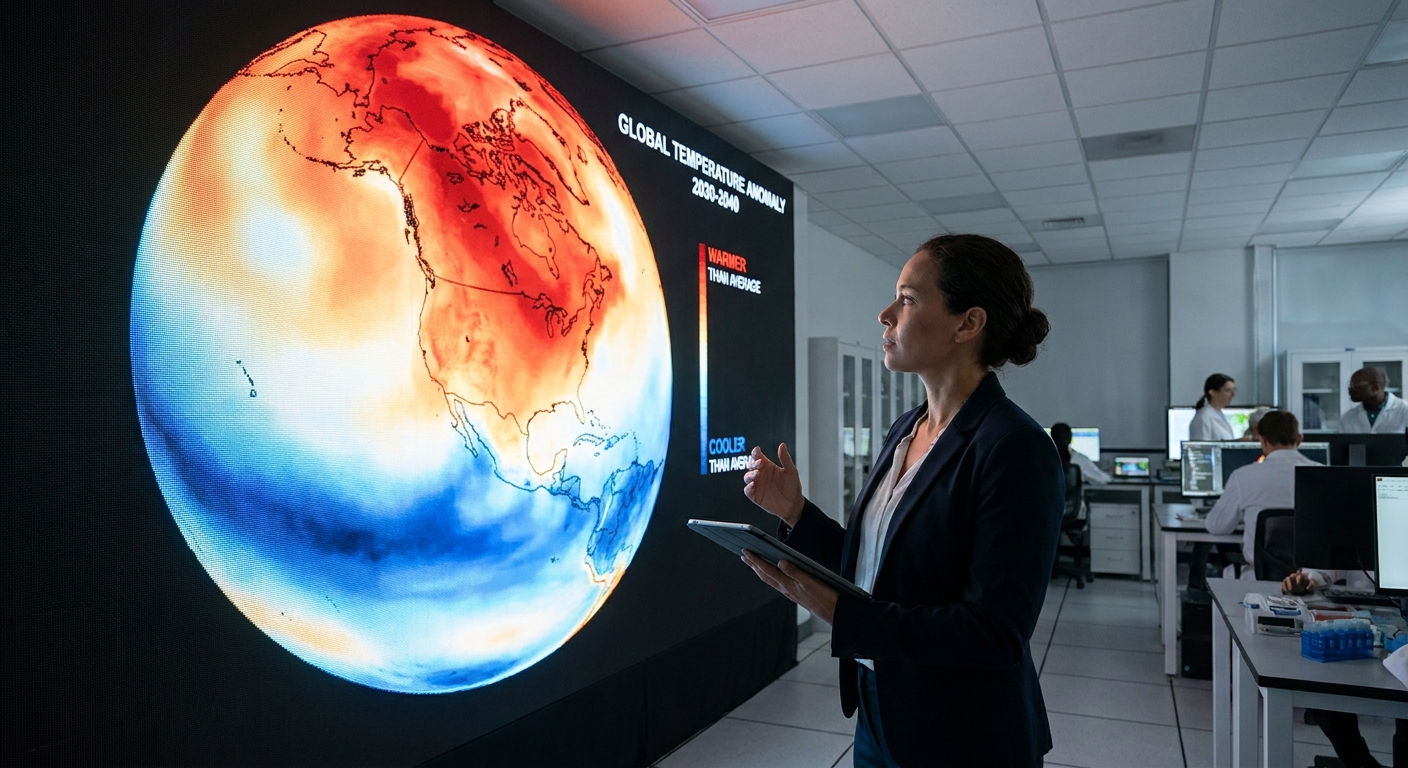
What Is a Temperature Anomaly?
One of my favorite classroom tricks was asking students a deceptively simple question: “Is 70°F warm?” Half the room would nod, the other half would shrug. Someone from Arizona would say it is chilly. Someone from Maine would call it T-shirt weather. Same number, different meaning. That is exactly...
Read more →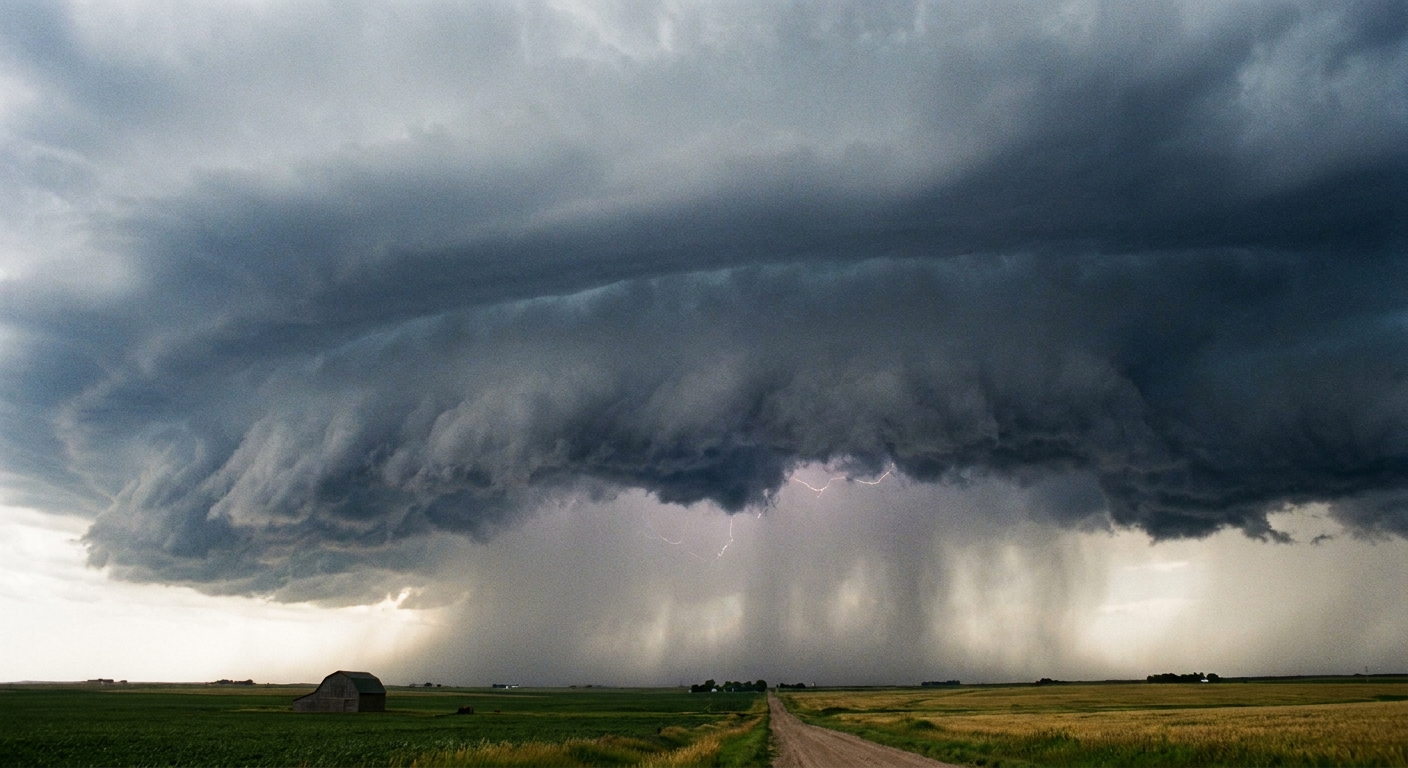
What Is a Squall Line?
The first time I saw a squall line “in the wild,” I was packing up a backyard telescope after an otherwise calm evening. The stars were out, Quark was doing his usual golden retriever patrol of the fence line, and then the western sky turned into a single, continuous bruised strip. It did not look...
Read more →
What Is Arctic Amplification?
I used to tell my physics students that Earth is a heat engine with quirks. The Arctic is one of its biggest quirks. Turn up the planet’s thermostat a little, and the far north responds like you just opened the oven door. That outsized response has a name: Arctic amplification . In plain terms,...
Read more →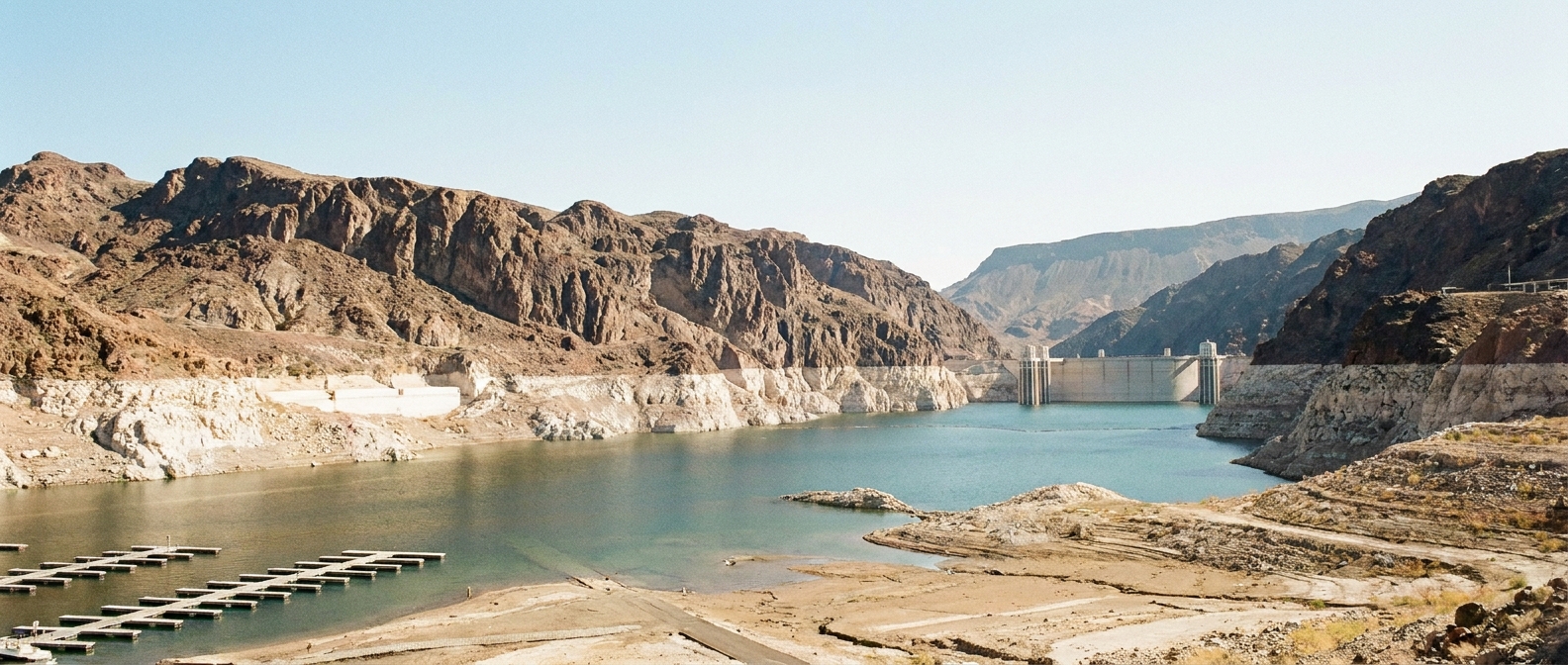
What Is a Megadrought?
I used to tell my physics students that nature keeps lab notebooks everywhere. You just have to know where to look. For droughts that stretch beyond a human career, the best notebooks are often trees, lake mud, and cave minerals. Those records are what let scientists recognize a special category of...
Read more →
What Is a Marine Heatwave?
The ocean has weather, too. Most days it is subtle: a patch of slightly warmer water sliding past your favorite pier, a current shifting like a slow conveyor belt. But sometimes the ocean gets stuck on “high heat” for weeks or months. That event has a name: a marine heatwave . When I taught...
Read more →
Attributing One Extreme Weather Event to Climate Change
I used to tell my physics students that the hardest part of science is not doing the math. It is asking the question in a way nature can actually answer. That lesson shows up in a big way after a catastrophic heat wave or a record-shattering flood, when the obvious question hits: was this climate...
Read more →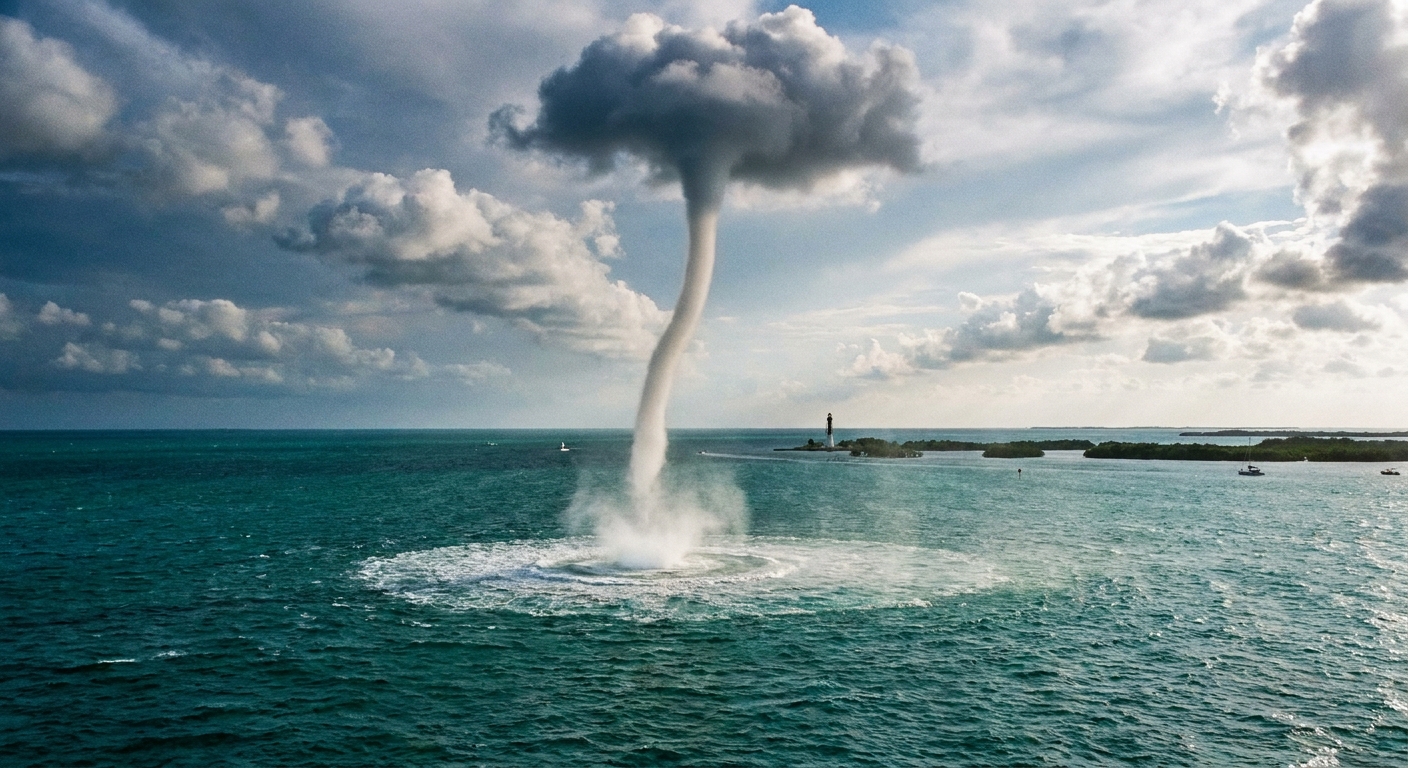
What Is a Waterspout?
The first time I saw a waterspout in person, my teacher brain did that annoying thing where it tries to turn awe into a lesson plan. The sky was bright, the lake looked calm, and then, off in the distance, a skinny gray tube connected a small patch of churning water to a puffy cloud overhead. It...
Read more →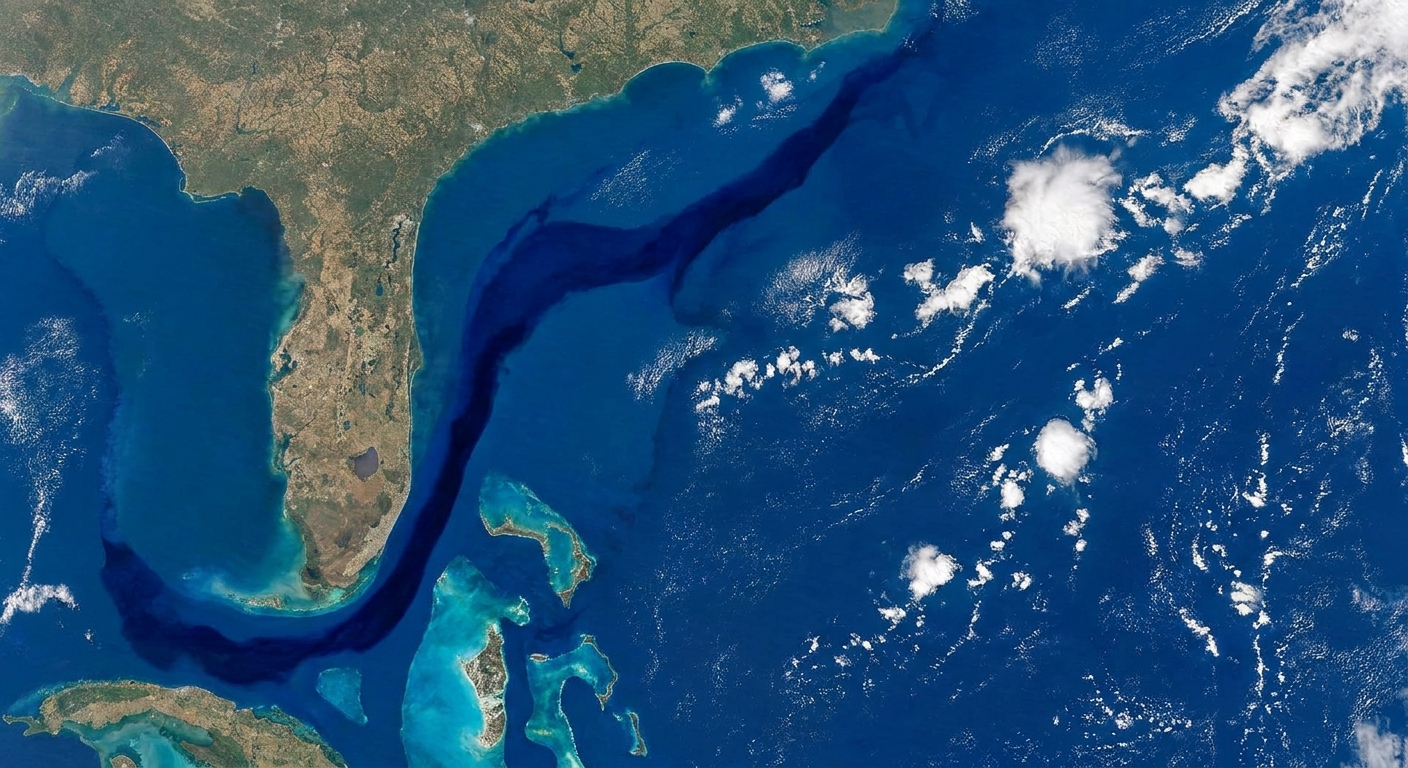
What Is the Gulf Stream?
If you have ever looked at a winter weather map and wondered why London is usually far milder than, say, places in Canada at similar latitudes, you have met the Gulf Stream, even if no one named it out loud. A big part of that story is also atmospheric: prevailing westerly winds and the moderating...
Read more →
What Is Albedo?
When I taught physics, one of my favorite class demos was shining a bright lamp on different materials. White paper stayed surprisingly cool. Black construction paper warmed up fast. That simple “ouch, that’s warmer than I expected” moment is the everyday heart of a climate term you will hear a...
Read more →
What Is Coral Bleaching?
The first time I saw a bleached reef photo in a classroom slideshow, it looked like someone had drained all the color from a living city. That gut punch is part of why coral bleaching gets so much attention. But the mechanics are surprisingly specific and, in a way, heartbreakingly simple: when...
Read more →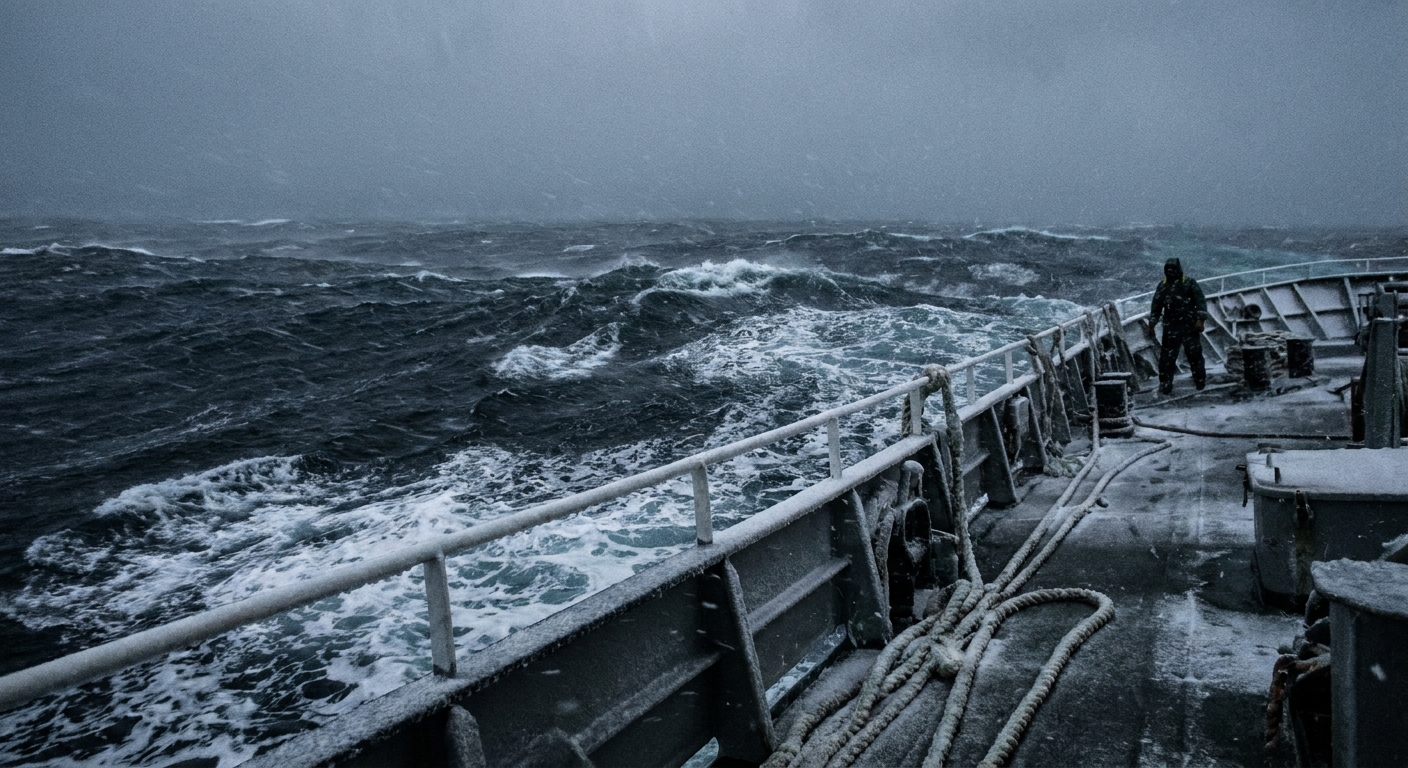
What Is the Atlantic Meridional Overturning Circulation?
I used to tell my physics students that if Earth had a central heating system, the ocean would be the boiler room. The Atlantic Meridional Overturning Circulation, usually shortened to AMOC, is one of the biggest pieces of that plumbing. It helps move heat, salt, oxygen, and nutrients around the...
Read more →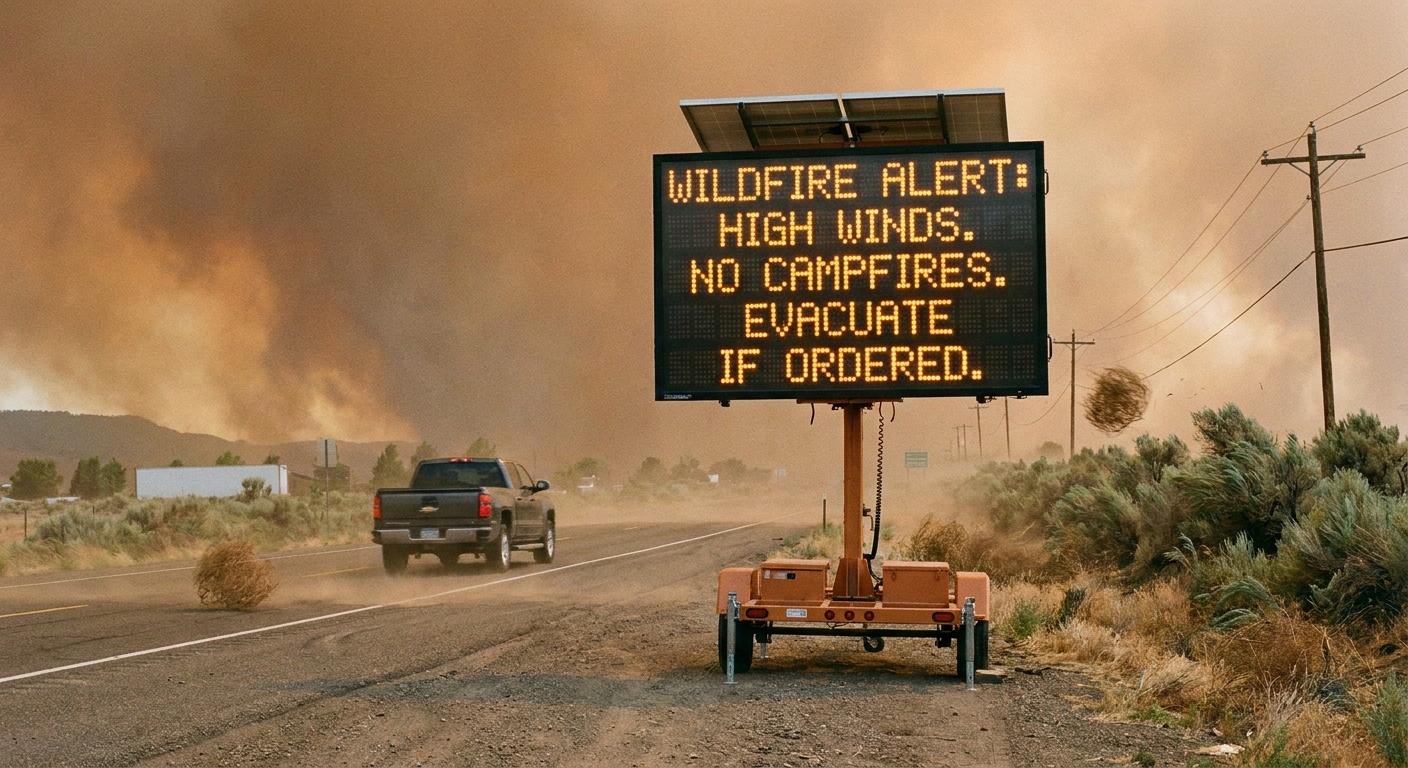
What Is a Red Flag Warning?
The phrase Red Flag Warning can sound a little mysterious if you do not live in a fire-prone area, but the idea is simple: the National Weather Service (NWS) is saying the atmosphere and the landscape are lining up in a way that makes fires easier to start and much easier to spread . When I taught...
Read more →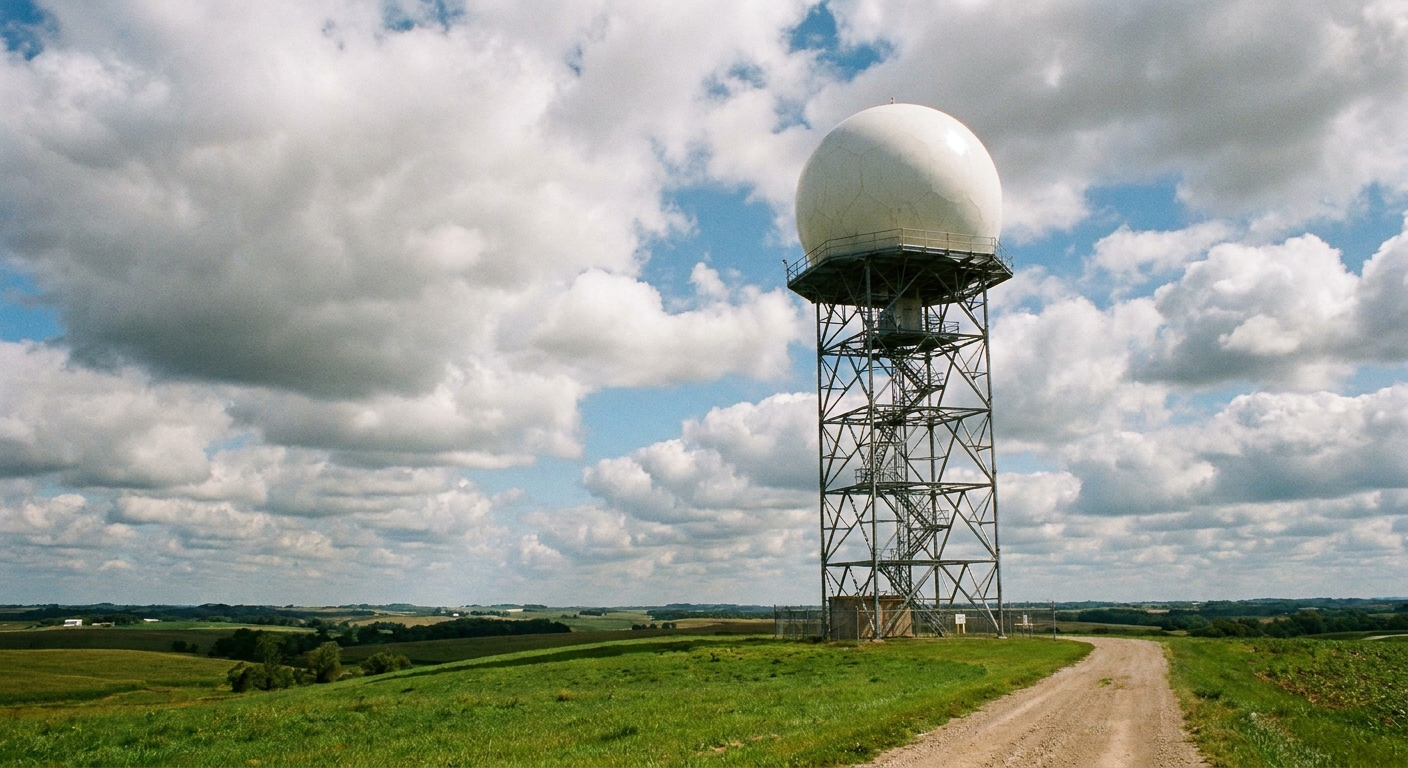
What Is Doppler Weather Radar?
I still remember the first time I showed my physics students a radar velocity scan. One kid leaned in, squinted at the red and green patches, and said, “So the storm is basically doing a treadmill test?” That is not a bad instinct. Doppler weather radar is, at its heart, a way to shine microwaves...
Read more →