When I taught physics, one of my favorite class demos was shining a bright lamp on different materials. White paper stayed surprisingly cool. Black construction paper warmed up fast. That simple “ouch, that’s warmer than I expected” moment is the everyday heart of a climate term you will hear a lot: albedo.
Albedo, defined
Albedo is the fraction of incoming sunlight (shortwave radiation) that gets reflected back upward by a surface. It is usually written as a number from 0 to 1, or sometimes as a percentage.
- Albedo = 0 means the surface reflects none of the sunlight and absorbs it all.
- Albedo = 1 means the surface reflects all of the sunlight and absorbs none.
Most real-world surfaces land somewhere in between. In climate science, when people say “albedo,” they usually mean solar reflectivity across visible and near-infrared wavelengths.
Surface albedo vs planetary albedo
One quick but useful distinction: surface albedo is about a particular surface, like snow, forest canopy, or ocean water. Planetary albedo is the big-picture fraction of sunlight reflected by the entire Earth system, including clouds, aerosols, and the surface.
Earth’s average planetary albedo is often given as about 0.3, meaning roughly 30% of incoming sunlight is reflected back to space and the rest is absorbed by the atmosphere, land, and oceans.
Typical albedo values
Exact values shift with season, sun angle, wetness, and surface texture. But climate scientists often use ballpark ranges like these:
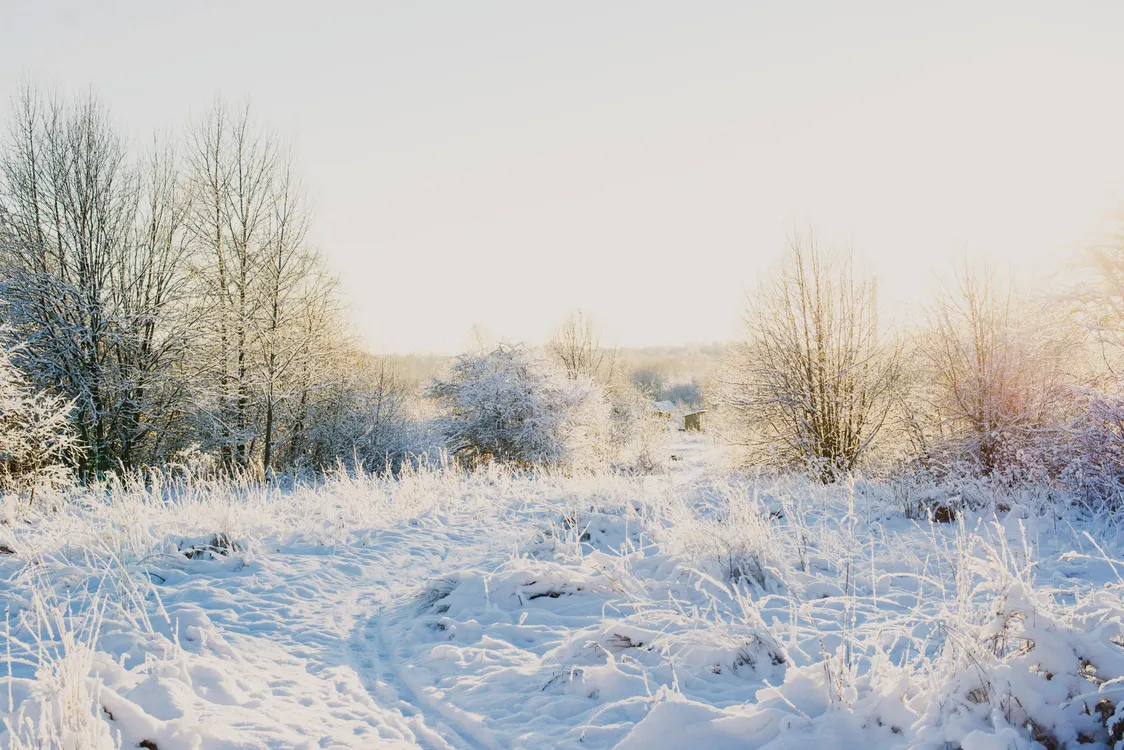
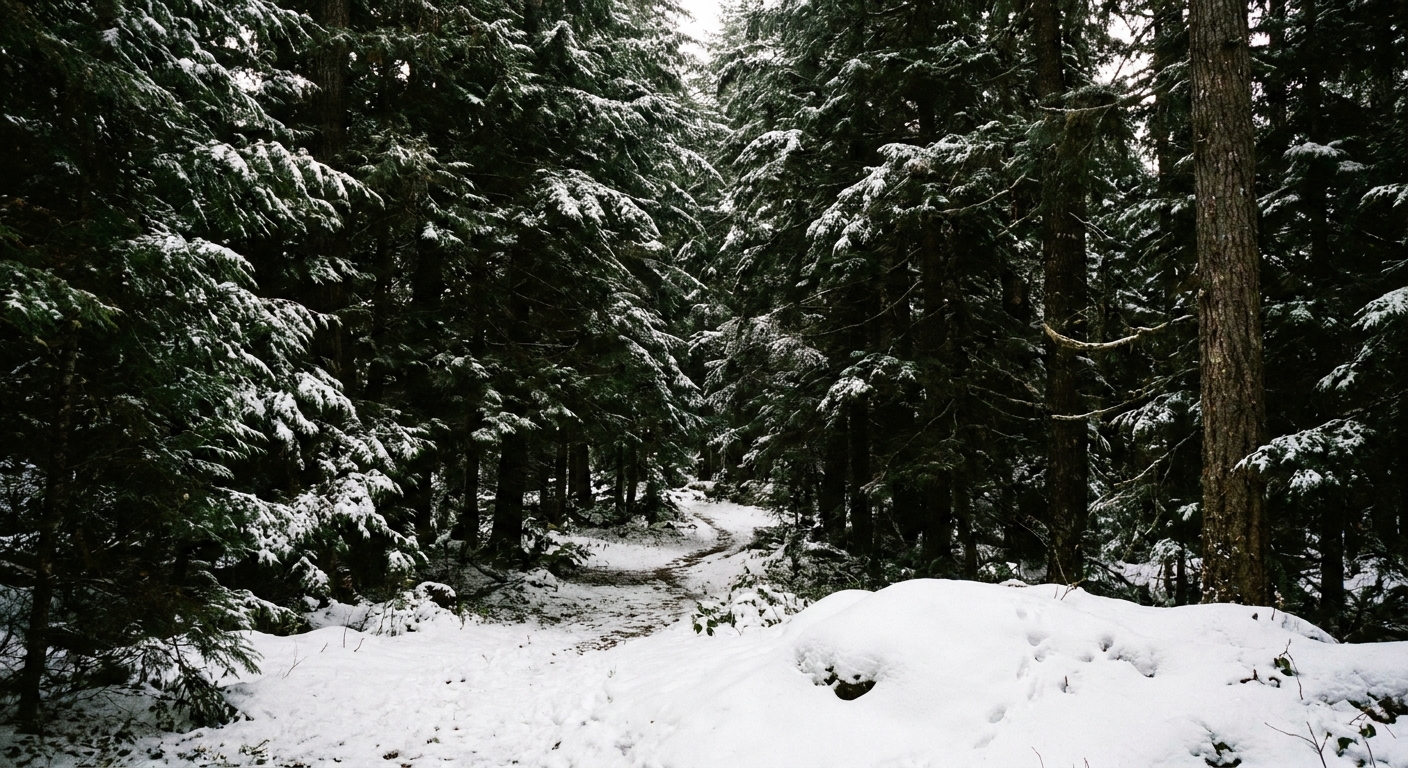
- Fresh snow: about 0.8 to 0.9 (reflects 80 to 90% of sunlight)
- Sea ice: about 0.4 to 0.7 (varies a lot with melt ponds and snow cover)
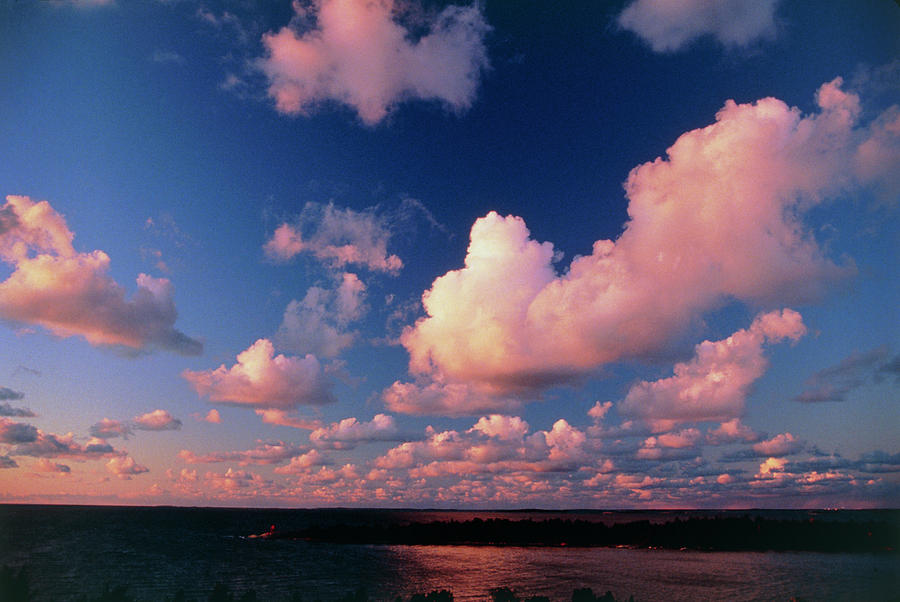
- Thick clouds: about 0.5 to 0.8 (depends on cloud thickness and droplet properties)
- Forests: about 0.1 to 0.2 (varies by canopy type, season, and snow cover)
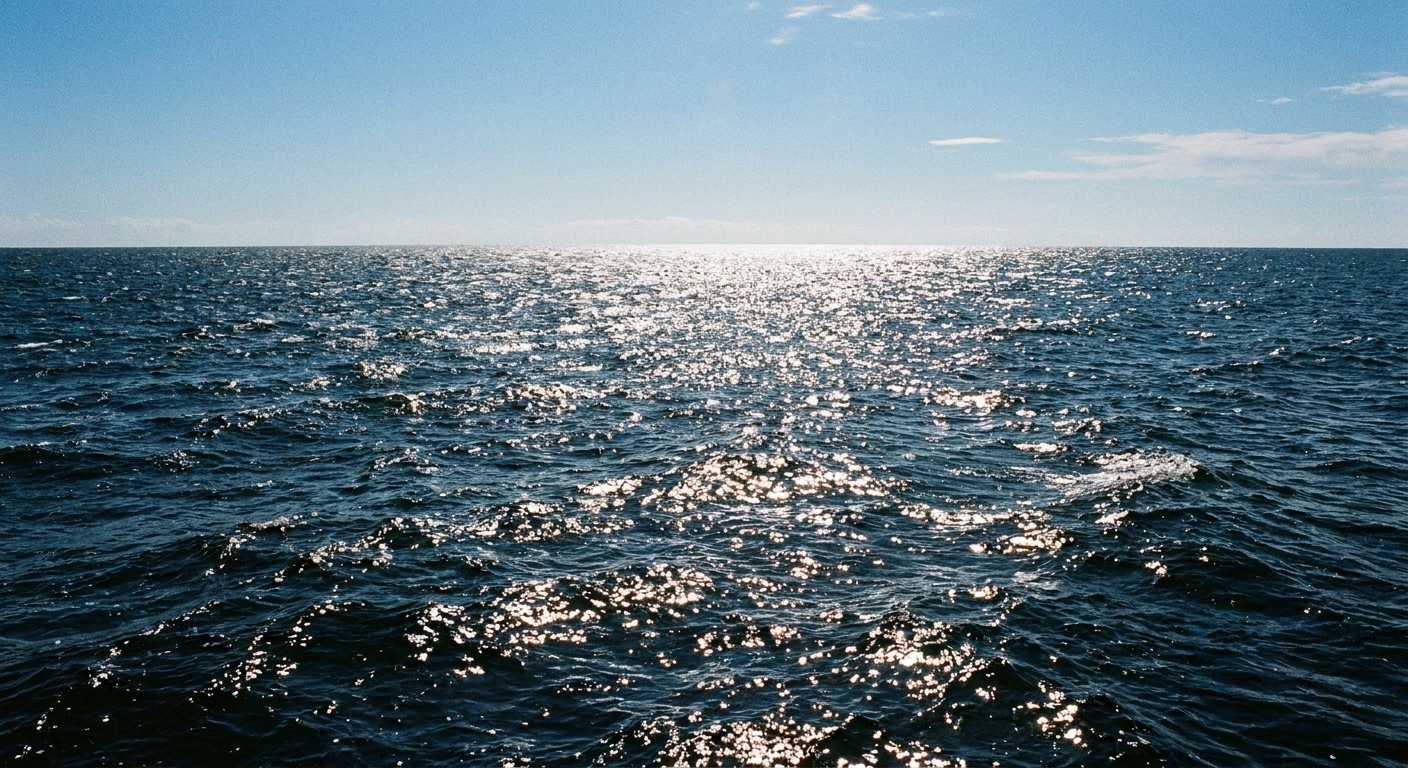
- Open ocean: about 0.05 to 0.1 when the Sun is high, and often higher when the Sun is low (more on that below)
If you prefer percentages: an ocean albedo around 0.06 means about 6% reflected and about 94% absorbed.
Why darker surfaces warm more
Here is the core idea: incoming sunlight carries energy. For an opaque surface, that incoming solar energy mostly has two fates:
- Reflected back upward (higher albedo).
- Absorbed, which usually warms the surface (lower albedo).
So when you swap a bright surface for a dark one, you typically reduce reflectivity and increase absorbed energy. That extra absorbed energy can raise surface temperature, melt snow or ice, dry soils, and shift local weather patterns.
A quick numeric example: imagine 100 units of sunlight hit two surfaces.
- Snow (albedo 0.85): reflects 85 units, absorbs 15.
- Ocean (albedo 0.06): reflects 6 units, absorbs 94.
That difference is why a dark surface in sunshine tends to warm more than a bright surface under the same conditions.
What changes albedo?
Albedo is not fixed. It changes with context. A few big drivers:
Sun angle
When the Sun is low on the horizon, some surfaces reflect more. Water, in particular, can look more mirror-like at low angles, which can raise ocean albedo compared with midday.
Moisture and melting
Wet snow is usually darker than fresh, fluffy snow. Meltwater on ice can form ponds that absorb sunlight, lowering albedo.
Dust, soot, and debris
Dark particles on snow and ice reduce reflectivity. Even small amounts can matter because snow starts out so bright.
Vegetation and land use
Replacing bright ground with darker vegetation can lower albedo, and vice versa. Seasonal leaf changes can nudge albedo too, especially in places with snow cover.
Albedo and climate
In climate conversations, albedo shows up because it affects Earth’s energy balance, the accounting of how much solar energy comes in versus how much energy the Earth system sends back out.
A helpful mental model is a thermostat with two knobs:
- Greenhouse gases mainly affect how efficiently Earth can lose heat to space as infrared radiation, by changing both outgoing longwave radiation and the amount of infrared energy sent back downward within the atmosphere.
- Albedo affects how much sunlight gets absorbed in the first place.
They interact, but they are not the same thing. Albedo is the “reflective umbrella” part of the story. The greenhouse effect is the “heat-trapping blanket” part.
Ice albedo feedback
One reason albedo matters so much in the real world is the ice albedo feedback. When snow and ice melt, they often reveal darker ground or ocean underneath. Darker surfaces absorb more sunlight, which causes more warming, which can melt more snow and ice.
That is a feedback loop, and it is one reason high-latitude regions can warm faster than the global average.
Cloud albedo
It is tempting to say “clouds reflect sunlight, so they cool things down” and stop there. Often, that is true for thick, bright clouds, which can have high albedo.
But clouds also interact with heat leaving Earth, and cloud types vary wildly. Thin high clouds, for example, can behave differently than low bright clouds. The key albedo takeaway is straightforward though: cloud brightness strongly influences how much sunlight is reflected, and that matters for temperature.
Common questions
Is albedo the same as reflectivity?
In everyday conversation, they are very close. In technical contexts, albedo usually means reflectivity averaged over certain angles and wavelengths. But for most climate discussions, treating albedo as “fraction of sunlight reflected” is accurate and useful.
Can albedo be greater than 1?
For a normal physical surface reflecting sunlight, no. Albedo values are bounded between 0 and 1.
Does higher albedo always mean a cooler climate?
Higher albedo generally means less absorbed sunlight, which tends to cool. But climate is a whole system. Where the albedo change happens, how long it lasts, and what else changes at the same time all matter.
Why do scientists care so much about snow and ice albedo?
Because snow and ice start out with very high albedo. If they shrink or darken, the surface beneath often absorbs much more sunlight. That shift can strongly affect regional energy absorption and can kick off feedbacks that amplify warming.