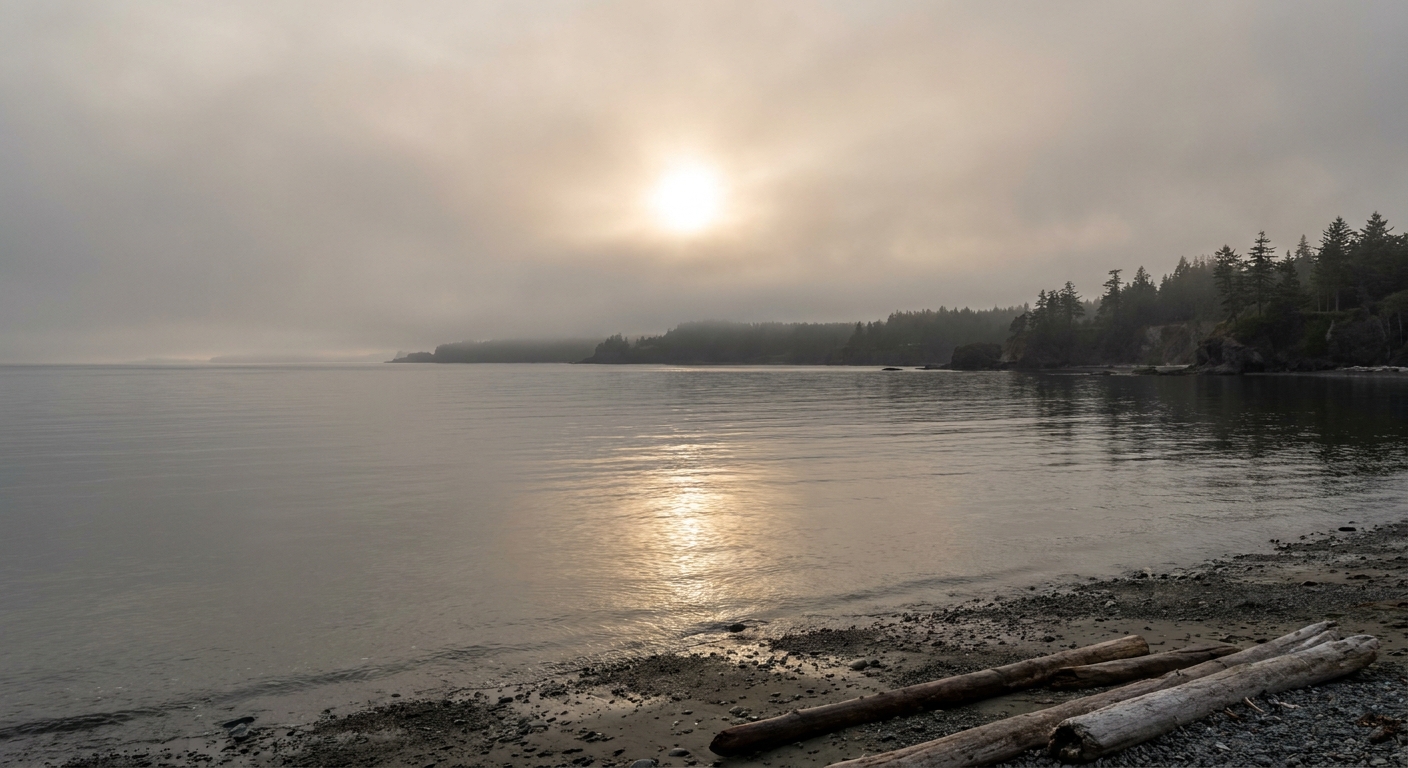
The ocean has weather, too. Most days it is subtle: a patch of slightly warmer water sliding past your favorite pier, a current shifting like a slow conveyor belt. But sometimes the ocean gets stuck on “high heat” for weeks or months. That event has a name: a marine heatwave.
When I taught physics, I used to tell students that averages are like a person’s normal body temperature. A fever is not defined by a single number everywhere on Earth. It is defined by being unusually high for you. Marine heatwaves work the same way: it is not just “warm water,” it is water that is much warmer than that location’s usual seasonal conditions, and it persists.
Marine heatwave, defined
A marine heatwave (MHW) is a prolonged period of unusually warm sea-surface temperatures in a particular region, relative to that region’s normal seasonal baseline.
That “relative” part is crucial. The ocean off Alaska can experience a marine heatwave at temperatures that would feel mild in the tropics, because what matters is the departure from local typical conditions, not a global fixed threshold.
How long does it have to last?
In the most widely used scientific approach (often credited to Hobday and colleagues), an event is commonly classified as a marine heatwave when sea-surface temperatures remain above a high local threshold for at least five consecutive days. This minimum duration filters out brief warm spikes and focuses on sustained events that can actually stress ecosystems.
How “unusually warm” is unusual?
Scientists typically compare temperatures to a long-term daily climatology for that exact location and time of year. A common approach defines the threshold as the 90th percentile of historical temperatures for that day of the year (often calculated using a small window around that date). In plain language: the water is warmer than about 90% of the historical observations for that time of year, and it stays that way for days or longer.
Because the ocean changes gradually, persistence is what turns heat into hazard. A single hot day is like standing in the sun. A month-long hot spell is like moving into a house with the heater stuck on.
Intensity
Once an MHW is identified, scientists describe it using metrics that capture how severe and how long it is.
- Duration: total number of days the event remains above the threshold.
- Maximum intensity: the largest temperature anomaly during the event, measured relative to the expected seasonal baseline.
- Cumulative intensity: a time-integrated measure, roughly “how much extra heat” accumulated over the full event.
You will sometimes see marine heatwaves categorized by severity, from moderate to extreme, based on how far above the threshold the temperatures climb. That is useful because ecosystems often respond nonlinearly: a little extra warmth might nudge growth rates, while more extreme heat can trigger mass die-offs.
What causes a marine heatwave?
Marine heatwaves can form through several overlapping mechanisms. Think of them as different ways the ocean can gain heat, or fail to shed it.
- Atmospheric heat and clear skies: Warm air temperatures, low winds, and strong sunshine can heat the ocean surface and reduce evaporative cooling.
- Weaker mixing: Winds usually stir surface waters and mix heat downward. When winds are weak, heat pools near the surface like warm water sitting on top of a colder bath.
- Ocean currents and eddies: Currents can transport warm water into new regions, and swirling eddies can trap it there.
- Large climate patterns: Events like El Niño can shift wind patterns and ocean circulation in ways that favor widespread warming.
- Long-term background warming: Human-driven climate change raises the baseline. That makes it easier for natural variability to push temperatures over heatwave thresholds, and it can make extreme events more extreme.
In reality, many headline-making marine heatwaves are stacked events: a naturally favorable setup amplified by an already warmer ocean.
If you want a concrete example, scientists often point to “the Blob”, a persistent marine heatwave in the northeast Pacific that peaked in the mid-2010s. It helped spotlight how a warm patch of ocean can ripple through ecosystems, fisheries, and coastal economies.
How scientists track marine heatwaves
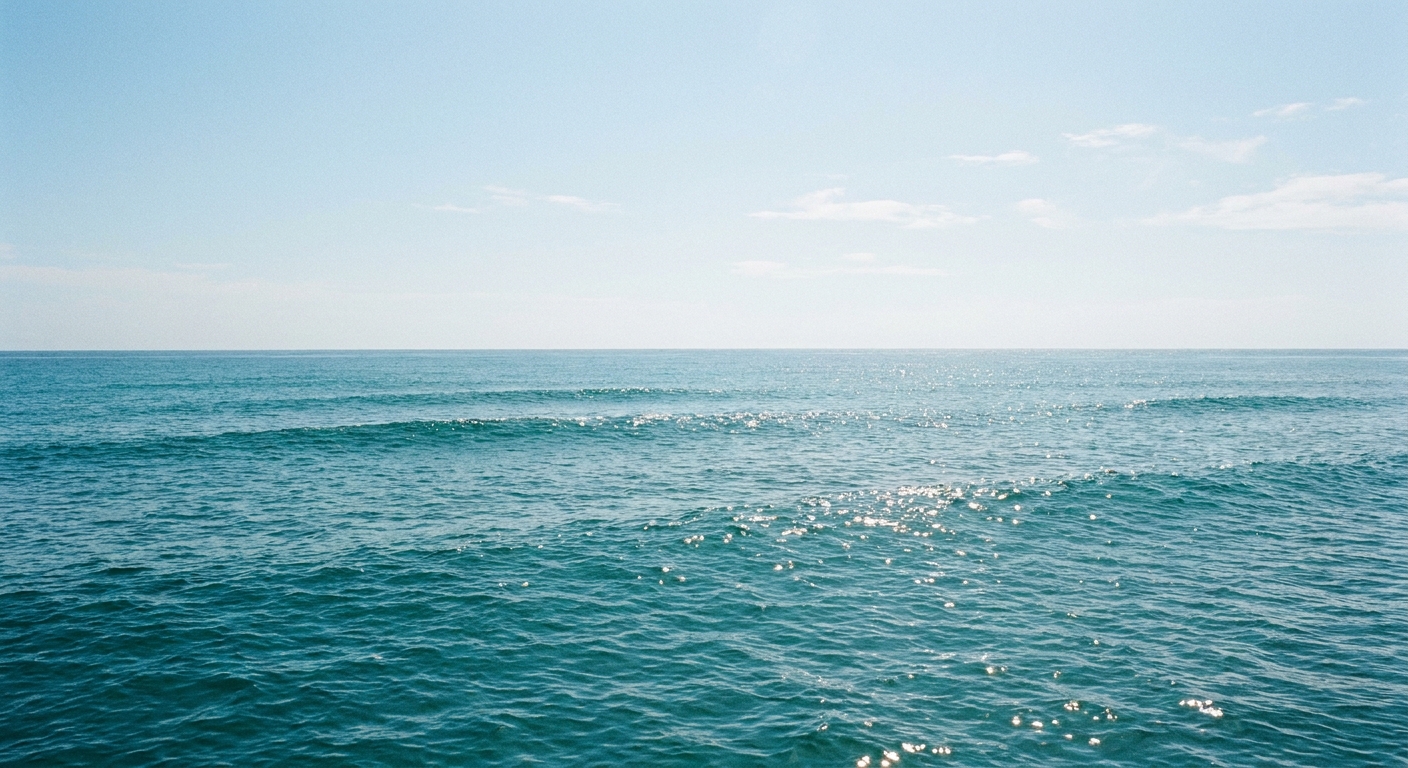
Tracking marine heatwaves is a bit like monitoring a slow-moving storm, except the key variable is temperature rather than wind. Researchers rely on a blend of satellite observations, in-water measurements, and computer models.
Satellites
Satellites measure sea-surface temperature across nearly the entire globe, day after day, giving the broad coverage needed to spot a heatwave’s footprint and estimate its intensity. One caveat: many satellite sea-surface temperature products use infrared sensors, and clouds can create gaps. Microwave sensors can see through many clouds, but typically at coarser resolution, and both are often blended with other data to improve coverage.
Buoys, Argo floats, and ships
Moored buoys, ship measurements, and drifting instruments such as Argo floats help validate satellite data and, importantly, show how deep the warmth extends. That depth matters. A shallow warm layer can disappear with a windy week. A deeper reservoir of heat can persist and keep rewarming the surface.
Baselines and thresholds
To say something is “unusual,” you need a reference. Scientists build location-specific seasonal baselines from decades of data, then compute thresholds such as the local 90th percentile. The result is a definition that respects the ocean’s natural variety: what is extreme off Tasmania is not the same as what is extreme near Hawaii.
Why marine life takes it hard
Marine organisms are tuned to their local temperature range. Many cannot migrate quickly, and even species that can move may not find suitable habitat if a heatwave spans a huge area.
Warm water also changes the ocean’s chemistry and physics in ways that compound stress:
- Less oxygen: Warmer water holds less dissolved oxygen, while many animals need more oxygen as their metabolism speeds up.
- Stratification: Heat can strengthen layering in the ocean, reducing nutrient mixing from deeper waters to the surface.
- Timing mismatches: Plankton blooms and fish spawning can fall out of sync, scrambling food webs.
Effects on fisheries
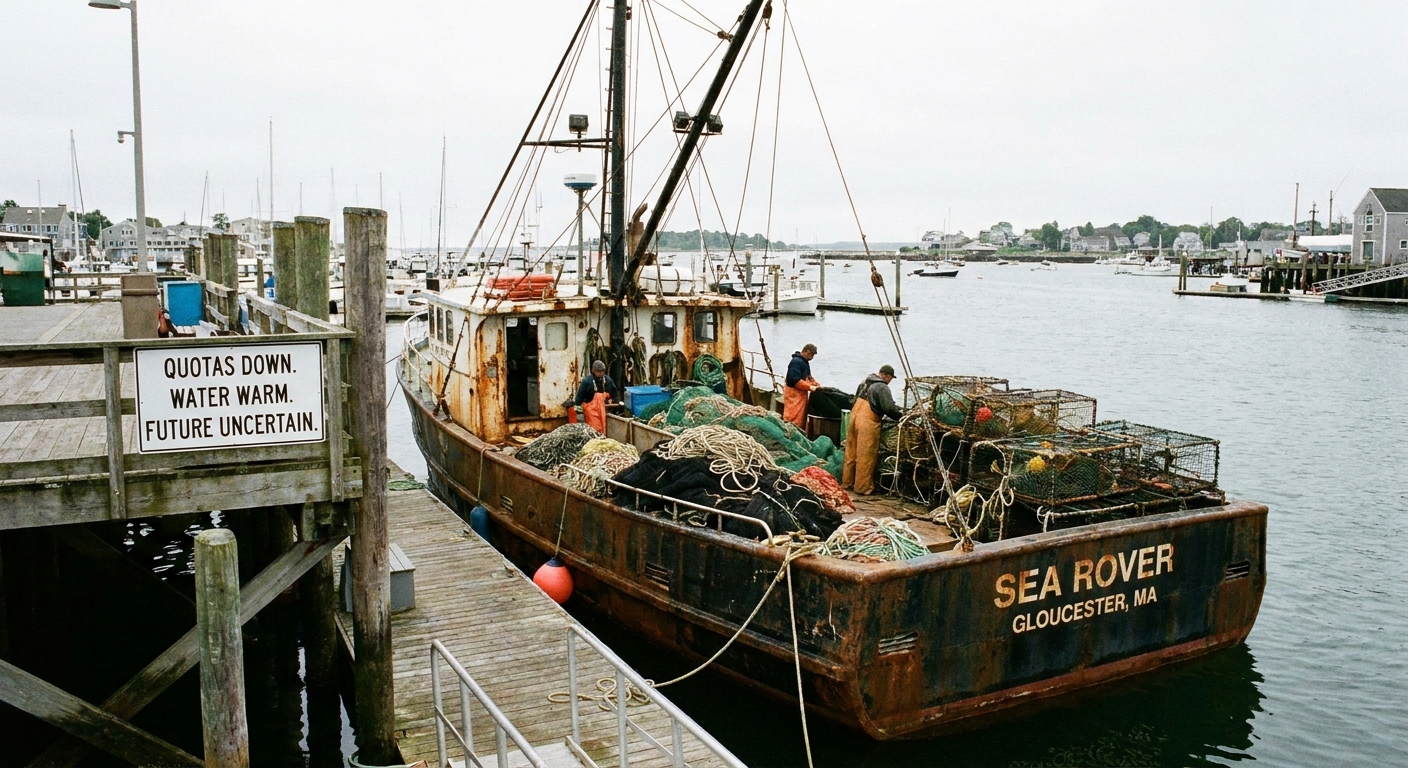
If you care about seafood, marine heatwaves are not an abstract climate metric. They can rewrite the local menu.
Where fish live
Many fish track their preferred temperature like a moving comfort zone. During a heatwave, populations may shift poleward or into deeper water. That can mean:
- Traditional fishing grounds suddenly produce less.
- New species appear in unexpected places.
- Fishing seasons and quotas become harder to set because historical patterns no longer apply cleanly.
Food web disruptions
Small forage species like anchovies, sardines, and krill are sensitive to temperature and nutrient availability. When their numbers drop or move, predators from salmon to seabirds feel it.
Harmful algal blooms
Warmer, more stratified conditions can favor harmful algal blooms in some regions. Certain blooms produce toxins that accumulate in shellfish and can close fisheries for public health reasons, even when the shellfish themselves look fine.
The human side is not just economics. Coastal communities often have cultural ties to fisheries that go back generations. A heatwave can be an ecological event and a social event at the same time. In some places it also shows up as aquaculture losses, disrupted tourism, and higher costs for monitoring and public health protections.
Kelp and seagrass
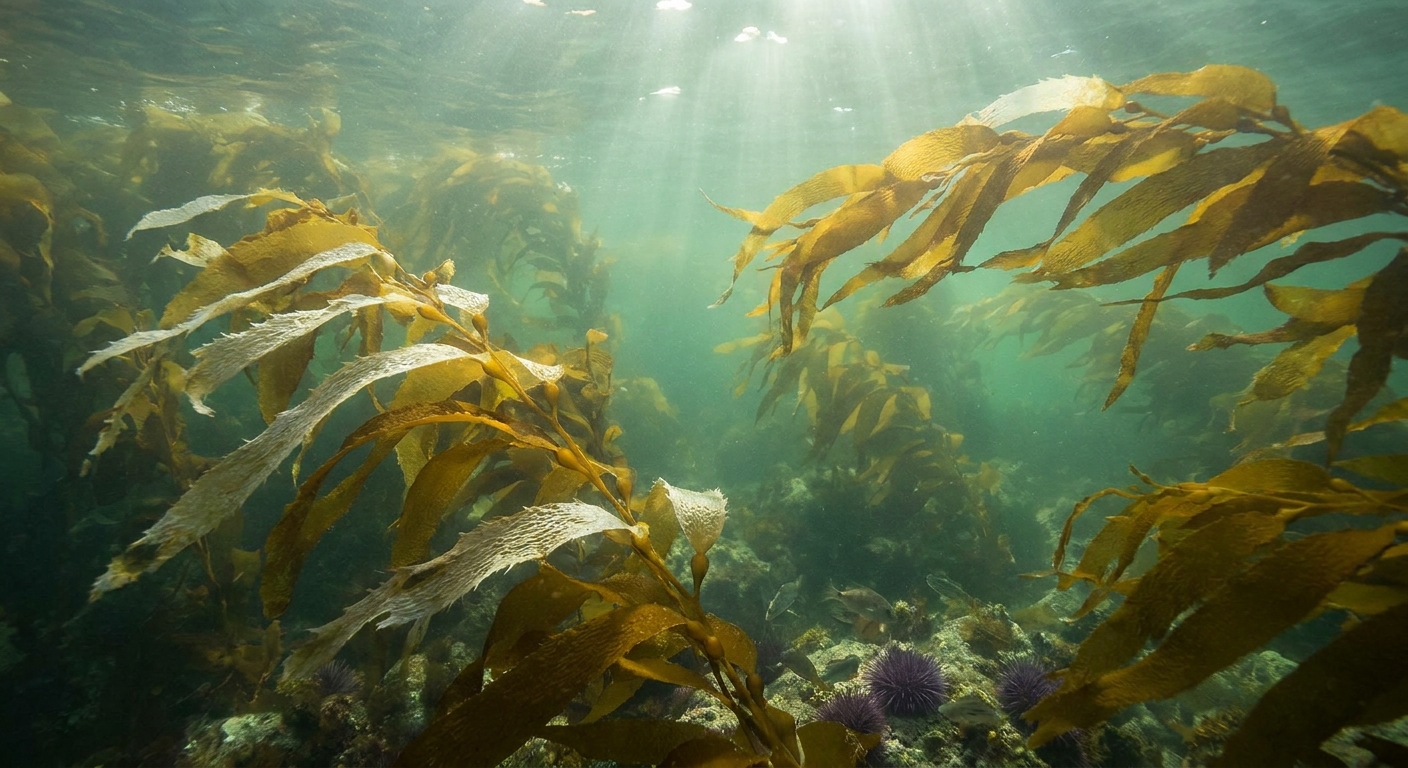
Not all marine heatwave casualties are coral. In many temperate regions, kelp forests and seagrass meadows can be hit hard by prolonged warm water, especially when heat combines with nutrient changes and grazing pressure. When these habitats thin out or disappear, fish nurseries shrink and coastlines can lose a layer of natural protection from waves and erosion.
Effects on coral reefs
Coral reefs are among the most vivid examples of marine heatwave impacts because they can respond quickly and dramatically.
Coral bleaching
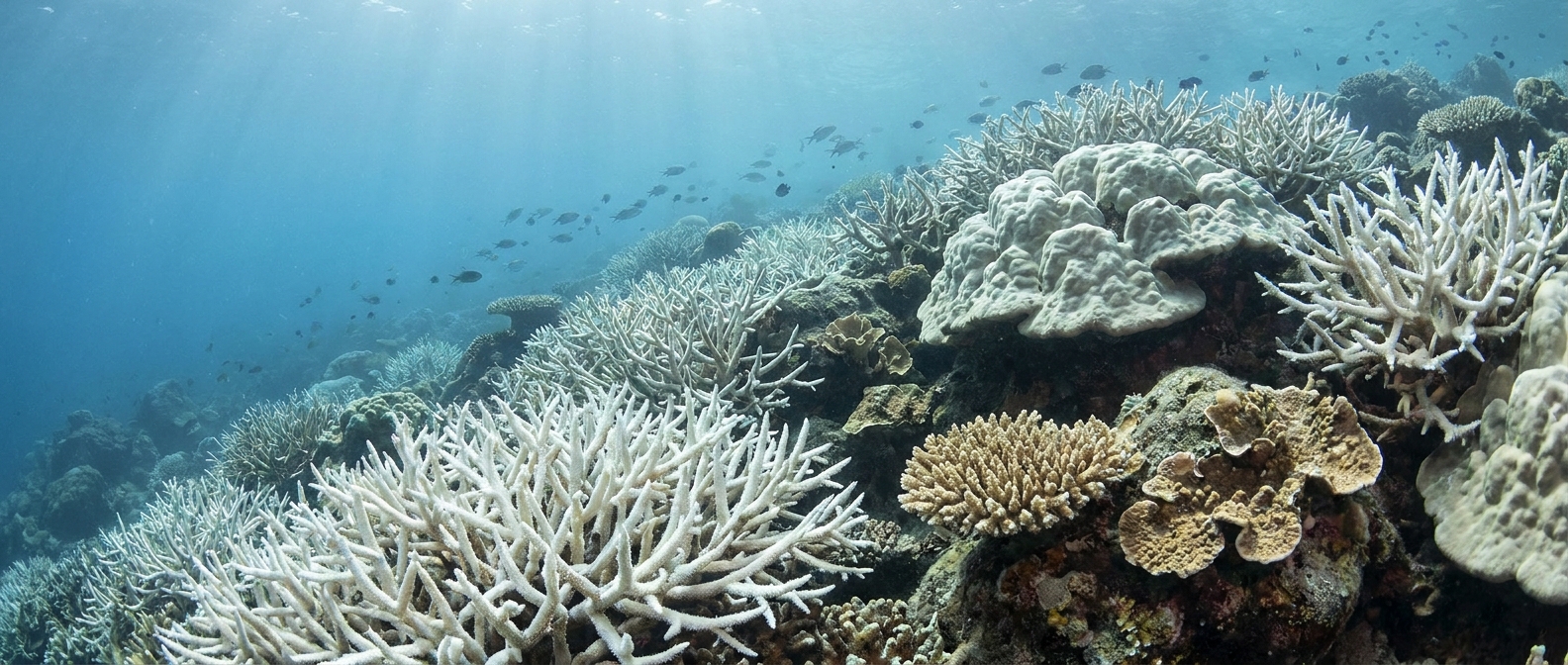
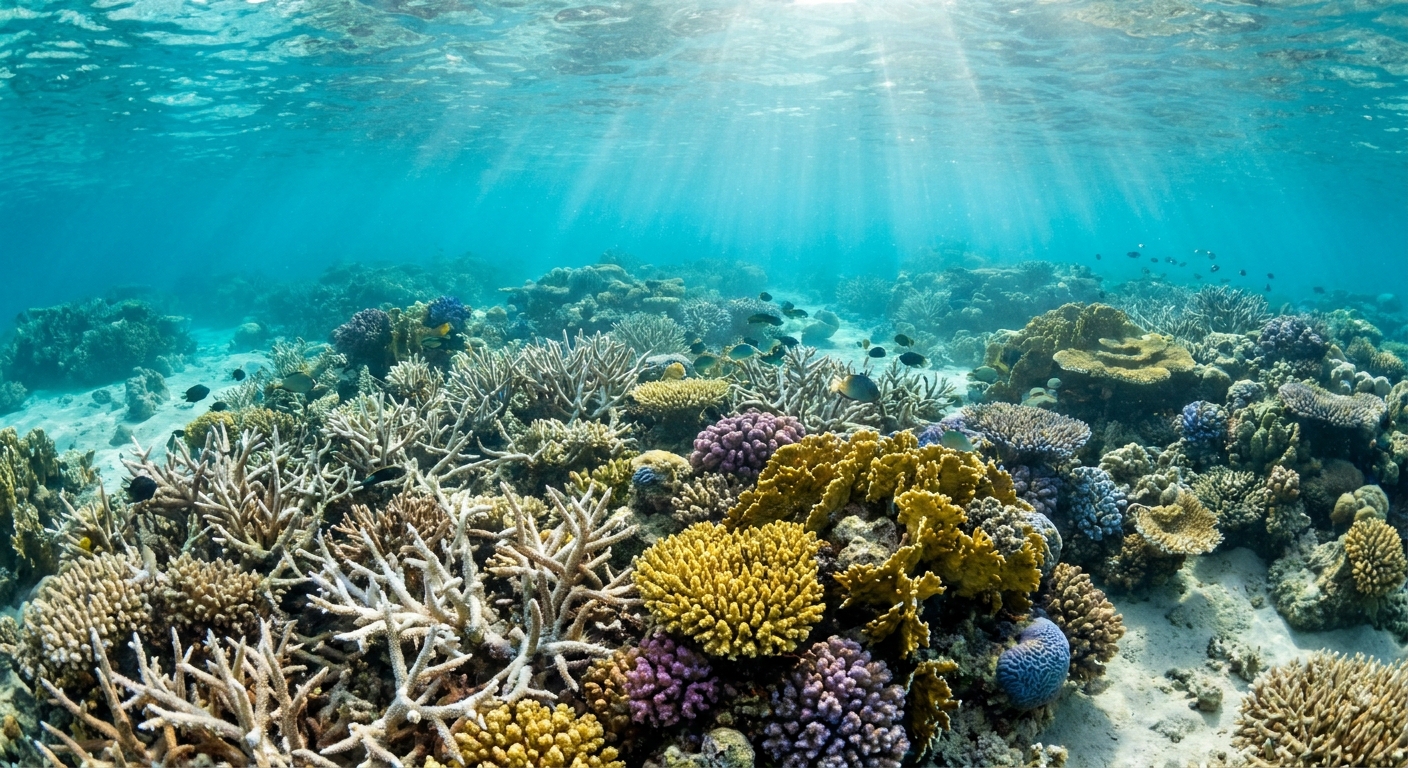
Corals are animals that live in partnership with tiny algae (zooxanthellae) that provide much of their energy and color. When water stays unusually warm, that partnership breaks down. The coral expels the algae or the algae lose pigments, and the coral turns pale. That is bleaching.
Bleaching does not automatically mean the coral is dead, but it is a serious stress signal. If temperatures return to normal soon enough, many corals can recover. If the heat persists or repeats, mortality rises and the reef can shift toward algae-dominated ecosystems.
Why duration matters
Corals can sometimes handle a brief temperature spike. Prolonged heat is different. It is the difference between stepping into a hot car for a minute and being locked inside for hours.
Ripple effects
Reefs are habitat. When corals decline, fish and invertebrates lose shelter and breeding grounds. That affects biodiversity, local fisheries, and coastal protection, since healthy reefs help break waves before they reach shore.
Heatwave vs. ocean warming
They are related, but not identical.
- Ocean warming is the long-term trend: the ocean absorbing excess heat over decades.
- A marine heatwave is an event: a distinct period of unusually warm water relative to the local seasonal norm.
Long-term warming loads the dice. It raises the baseline, which can make marine heatwaves more frequent, longer-lasting, and more intense, even if the short-term weather patterns that trigger them remain similar.
Can we predict them?
To some extent, yes, especially for regions where ocean conditions evolve predictably over weeks to months. Forecasting tools use:
- Current ocean temperature patterns and subsurface heat content
- Atmospheric forecasts (winds, air temperature, cloud cover)
- Large-scale climate indicators (like El Niño conditions)
Prediction skill varies by region and season, but it is improving. Even a modest early warning can help reef managers, aquaculture operations, and fisheries plan for stress, shift harvest timing, or increase monitoring for disease and harmful algal blooms.
Quick questions
Is a marine heatwave the same as a heatwave on land?
They are cousins. Both are periods of unusually high temperatures compared to what is typical for that place and time. The difference is that the ocean stores heat efficiently and moves it around, so marine heatwaves can persist and spread in ways that feel more like a slow, stubborn blanket than a passing hot day.
How hot does the ocean have to be?
There is no single “magic” temperature. A marine heatwave is defined relative to the local historical baseline for that day of the year, often using a threshold like the 90th percentile, plus a minimum duration such as five days.
Do marine heatwaves only affect the surface?
They are defined using sea-surface temperatures, but the impacts can extend deeper, especially if warm water penetrates below the surface or if stratification blocks nutrient mixing.
Are marine heatwaves becoming more common?
In many regions, observations show marine heatwaves are occurring more often and lasting longer than they did in past decades. Rising background ocean temperatures increase the odds of crossing heatwave thresholds.
The takeaway
A marine heatwave is the ocean’s version of a prolonged fever: unusually warm water for that location and season, lasting long enough to matter. It is tracked with clear thresholds for duration and intensity, and it can punch above its weight by reshaping ecosystems, stressing fisheries, hammering kelp forests, and triggering coral bleaching.
If you live near a coast, eat seafood, or care about reefs, marine heatwaves are not just a scientist’s term. They are one of the clearest ways the ocean tells us, in real time, that extra heat in the climate system has consequences.