Earth & Environment
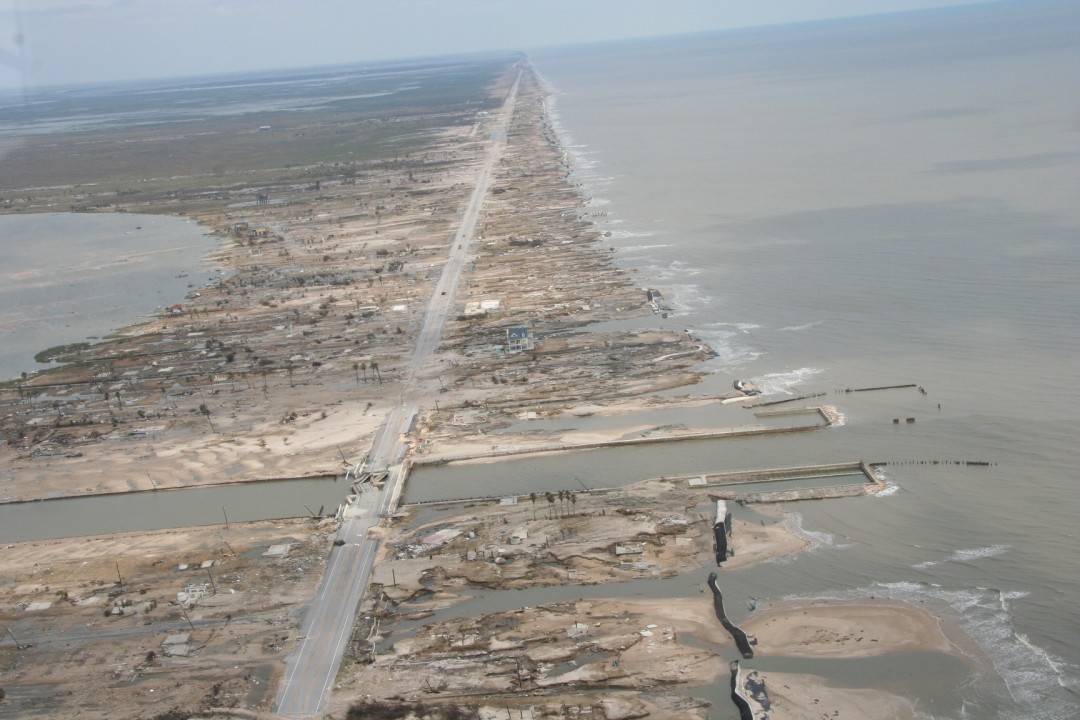
How the Saffir-Simpson Scale Classifies Hurricanes
I used to teach physics, and every year someone would ask a version of this: “If it is Category 3, does that tell me how bad it will be?” The honest answer is: it tells you one important thing really well, and several other important things not at all. The Saffir-Simpson Hurricane Wind Scale is a...
Read more →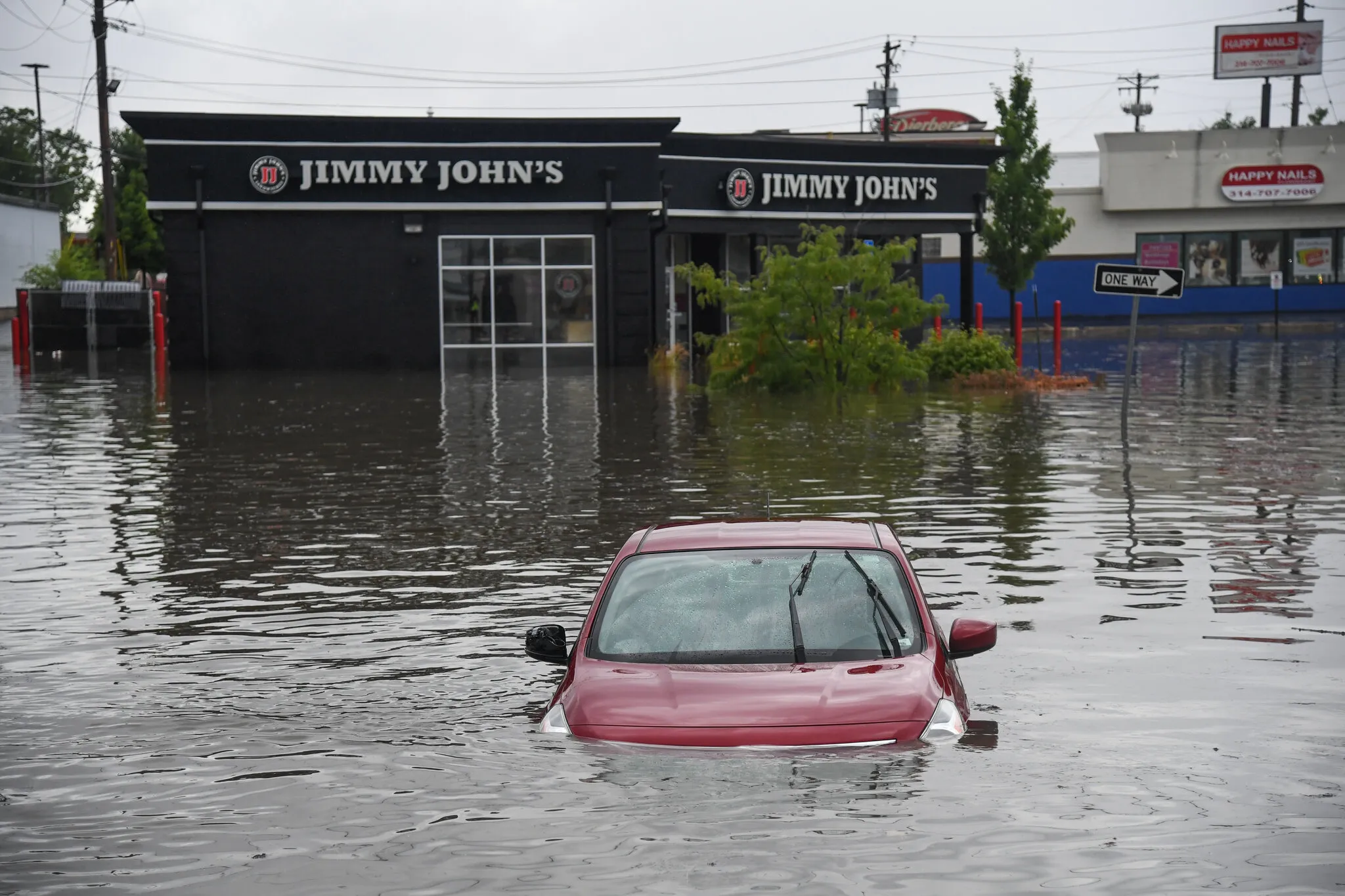
What Causes a Flash Flood?
I used to tell my physics students that nature does not “decide” to flood, it follows the rules of flow. A flash flood is what happens when those rules get pushed to an extreme: water arrives faster than the landscape can absorb it or move it downstream in an orderly way. The result can feel almost...
Read more →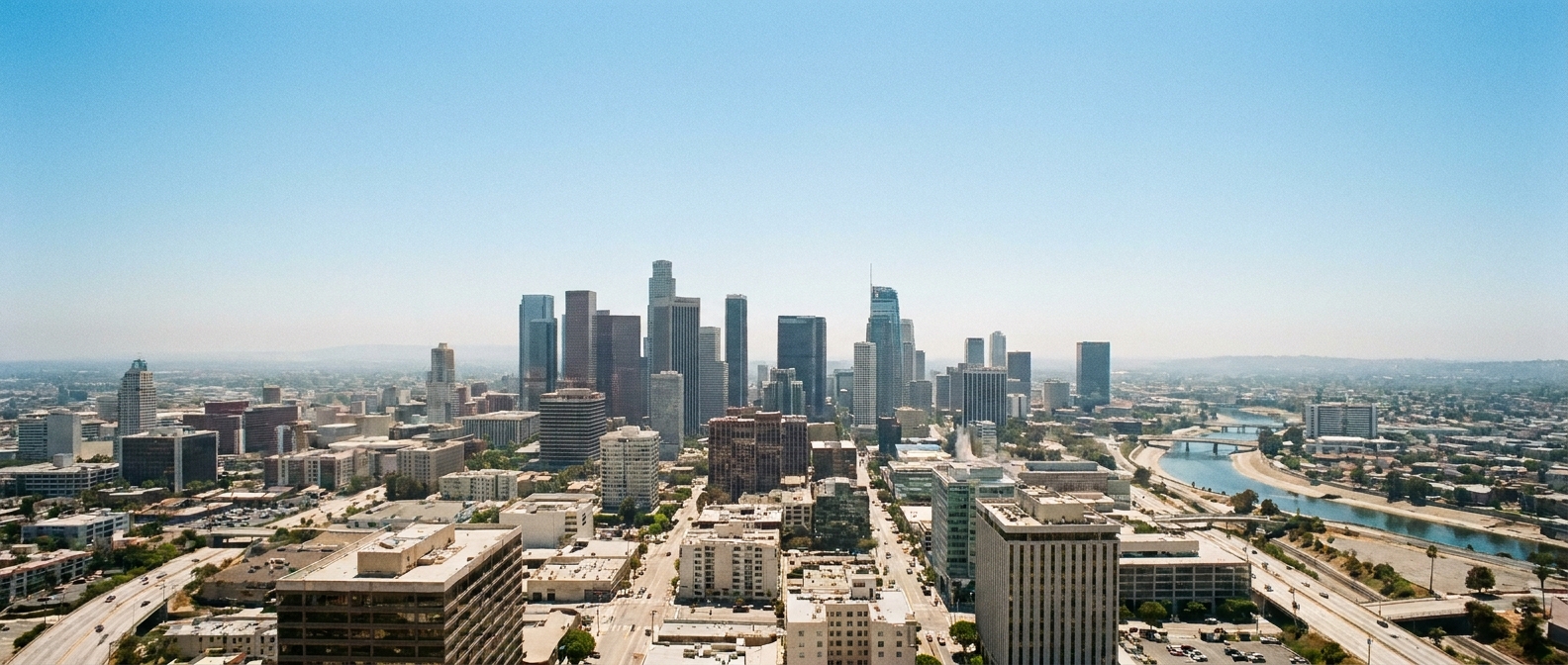
What Is a Heat Dome?
The first time I explained a heat dome to my physics students, I compared it to putting a lid on a pot. Not because the atmosphere has a literal dome-shaped roof over it, but because the pattern acts like one. It encourages sinking air, clear skies, and weak winds, which together make it much...
Read more →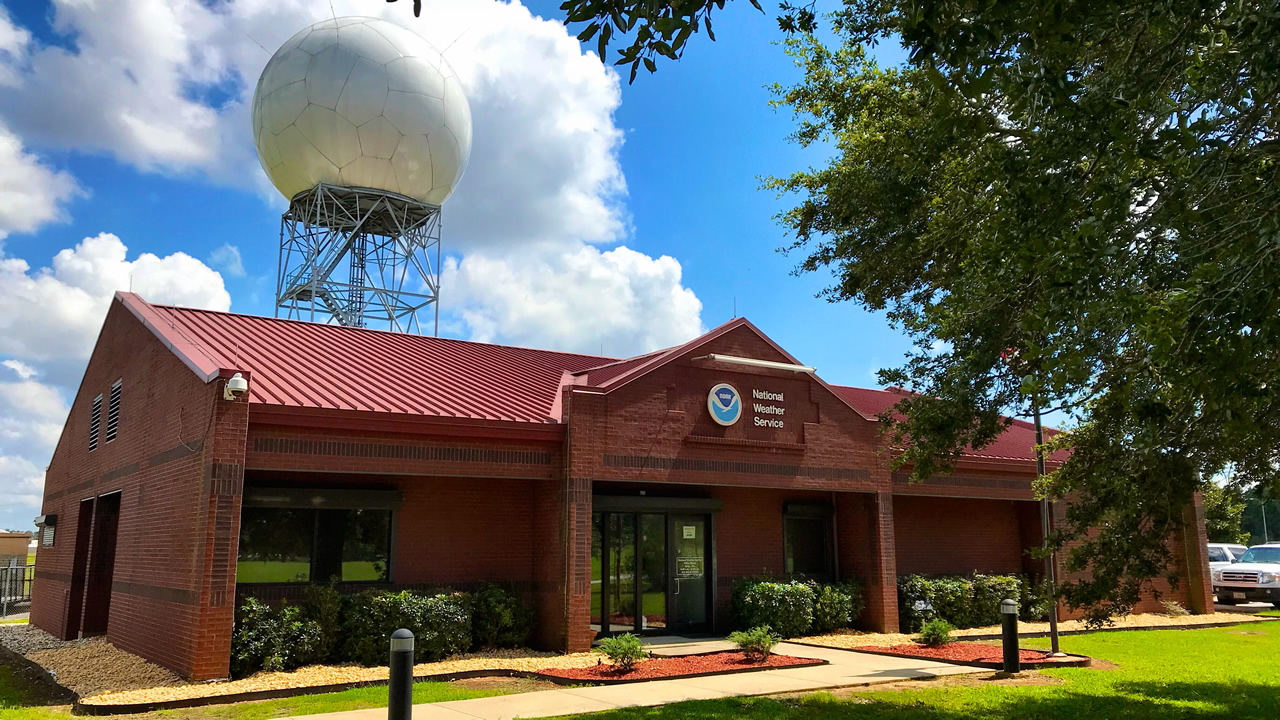
Weather Watch vs. Weather Warning
When I taught high school physics, my students loved asking the same question in a dozen different ways until the idea finally clicked. Weather alerts feel like that. Everyone has heard “watch” and “warning,” but in the moment, the real question is: Do I keep an eye on the sky, or do I take cover...
Read more →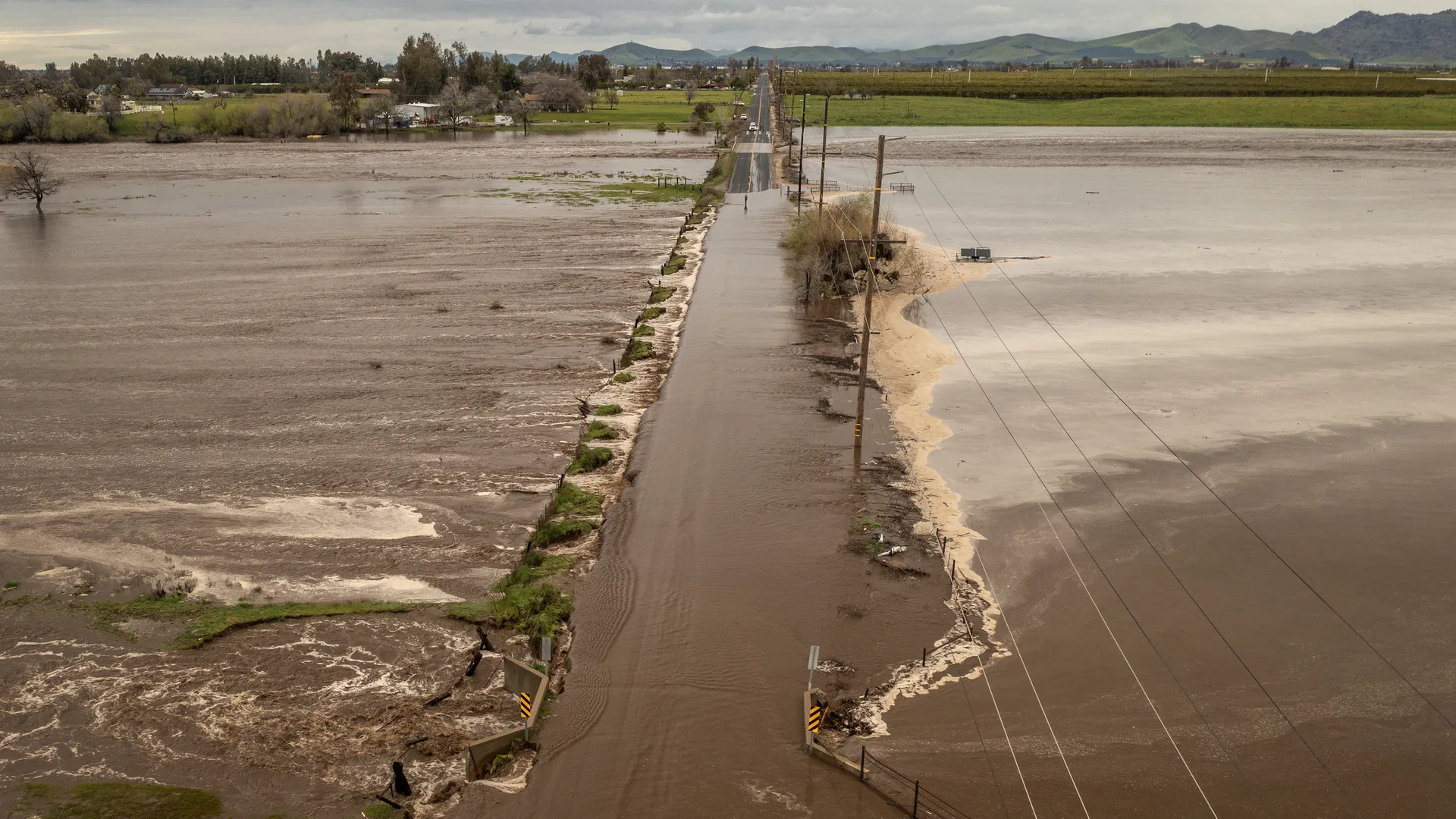
What Is an Atmospheric River?
The first time I heard the phrase atmospheric river , I pictured something like a liquid stream hanging in the sky. That is not quite right, but it is not totally wrong. An atmospheric river is more like a firehose-shaped corridor of humid air that can stretch for thousands of miles, quietly...
Read more →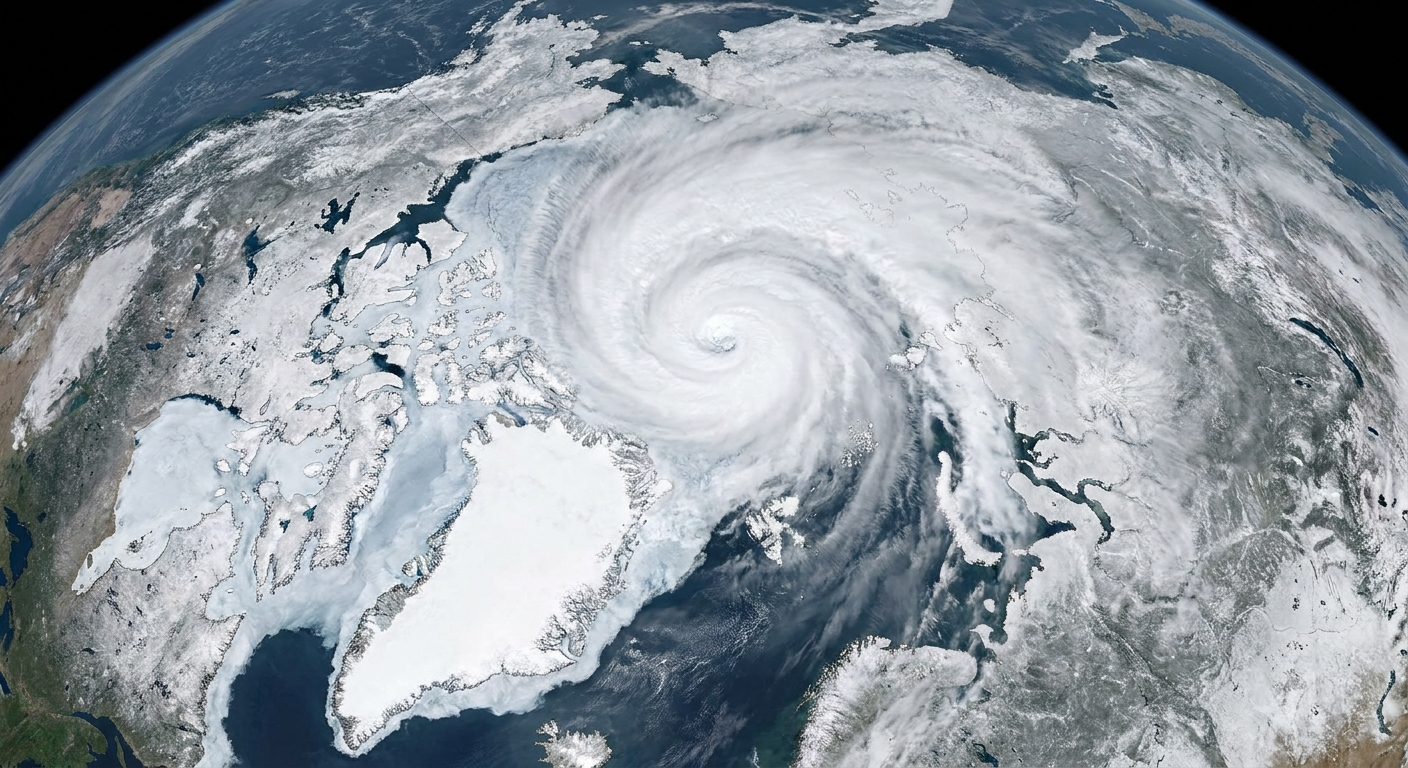
What Is the Polar Vortex?
I used to tell my physics students that Earth’s atmosphere is like a layered cake that refuses to sit still. Some days it looks calm from the outside, but up high it is constantly stirring, spinning, and swapping energy. The polar vortex is one of the biggest, most misunderstood swirls in that...
Read more →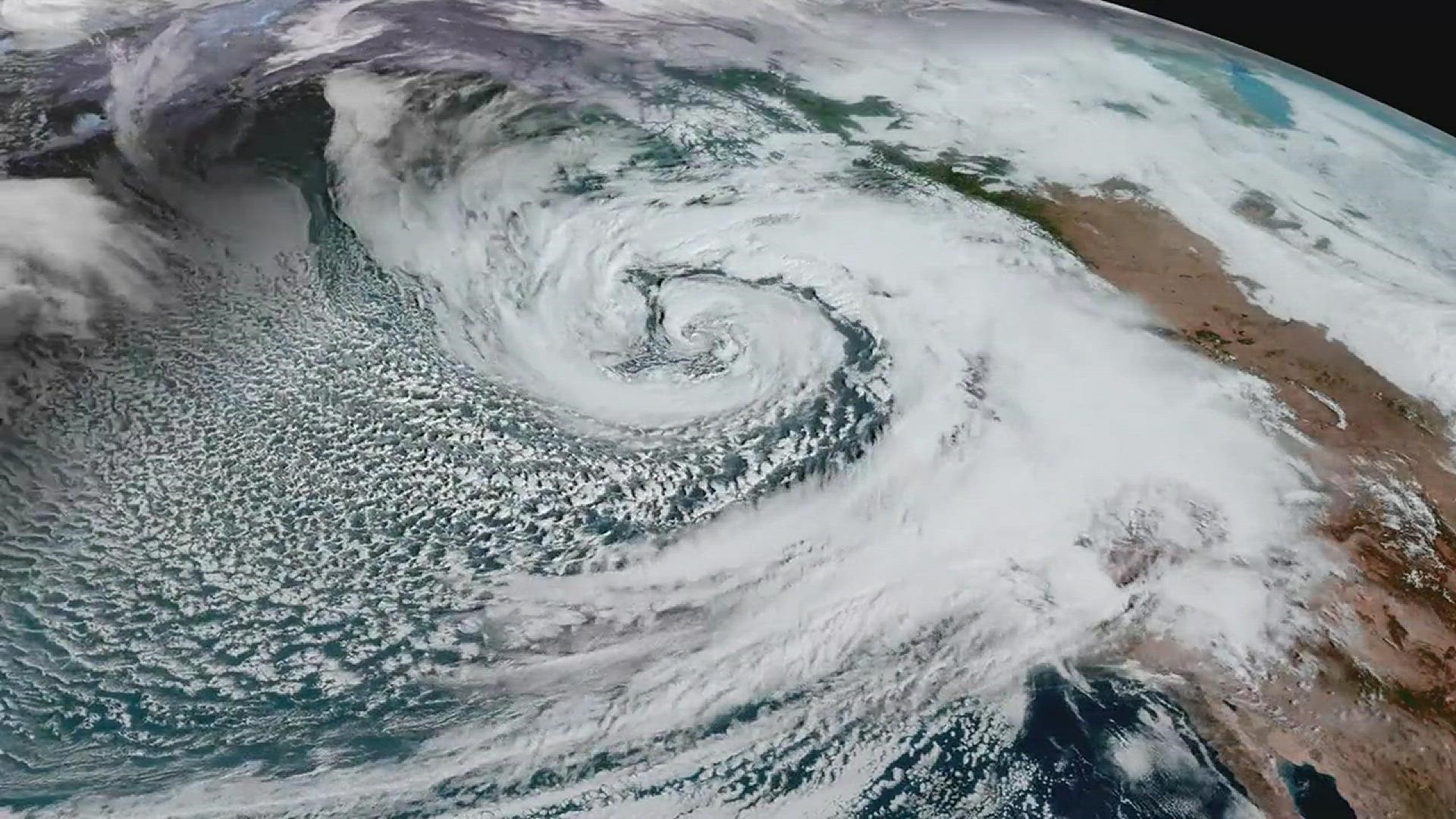
What Is a Bomb Cyclone?
I used to tell my physics students that air pressure is like the atmosphere’s “budget sheet.” When pressure plummets fast, the atmosphere is rapidly rearranging energy and momentum, and we feel the result as a storm that ramps up in a hurry. A bomb cyclone is not a special species of storm the way...
Read more →
What Weather Conditions Define a Blizzard?
I used to tell my physics students that nature loves to fool us with “obvious” labels. A “blizzard” sounds like it should mean “a lot of snow,” but the National Weather Service (NWS) defines it more like a visibility and wind problem than a snowfall problem. In other words, a blizzard is what...
Read more →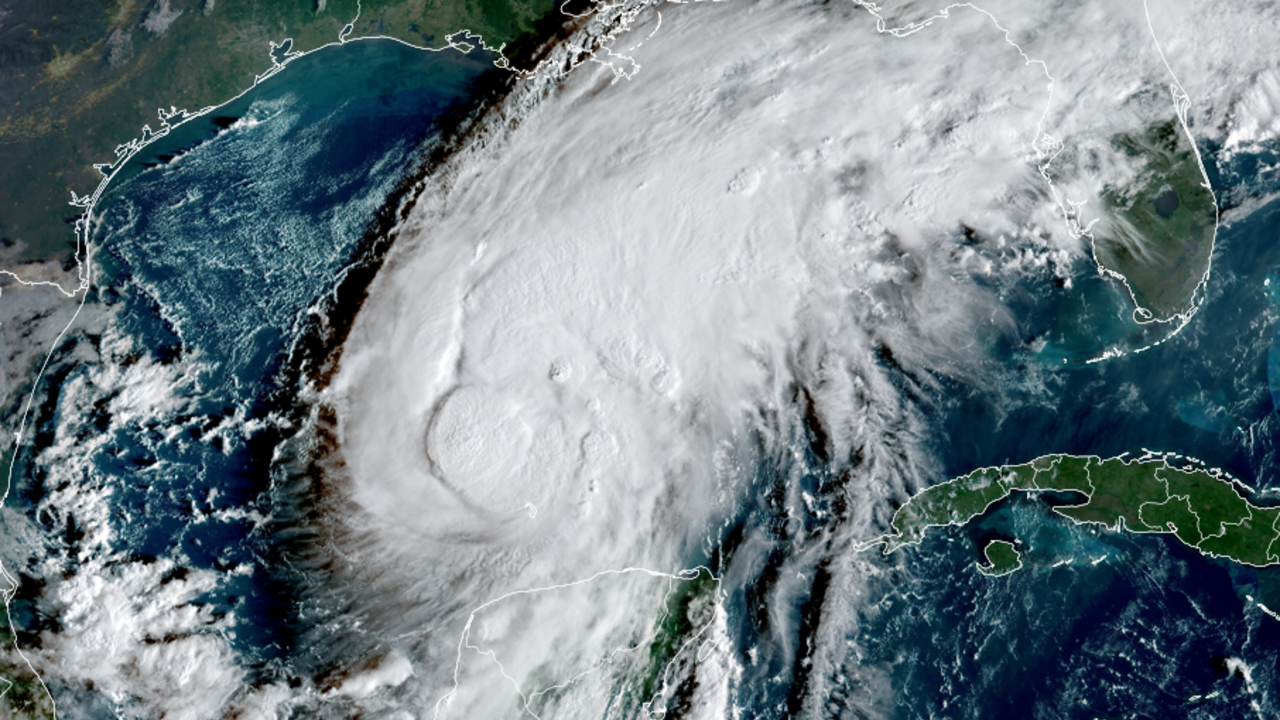
Hurricane Isaias Tracker: Strengthening Category 1 Near the Gulf Coast
Hurricane Isaias has become the first Atlantic hurricane of the season and is expected to strengthen as it approaches the northern Gulf Coast on Friday. The National Hurricane Center forecasts landfall late Friday or early Saturday as a Category 1 storm with damaging hurricane-force winds and the...
Read more →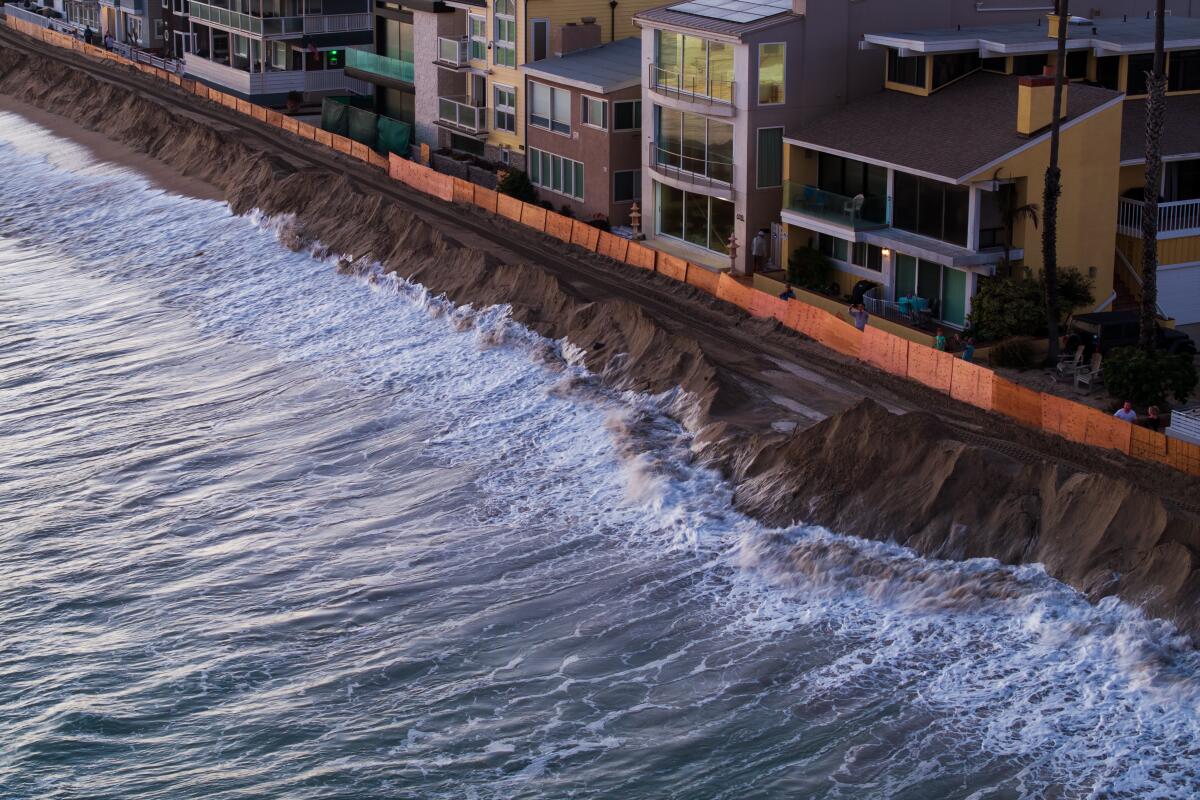
El Niño’s 2026 Kelvin Wave, Explained
If you have been hearing that a record-breaking El Niño is “sending a Kelvin wave” toward North America, here is the plain-language version of what is happening right now, why it is happening, and what it means for everyday life on California’s coast. The key idea is surprisingly simple: the...
Read more →
When Do the Clocks Change This Fall?
Every fall, we do the same little time trick: we give ourselves an “extra” hour overnight, and suddenly sunrise feels less rushed while sunset comes earlier. No. The fall schedule is uniform wherever Daylight Saving Time is observed, but not every place participates. The Uniform Time Act of 1966...
Read more →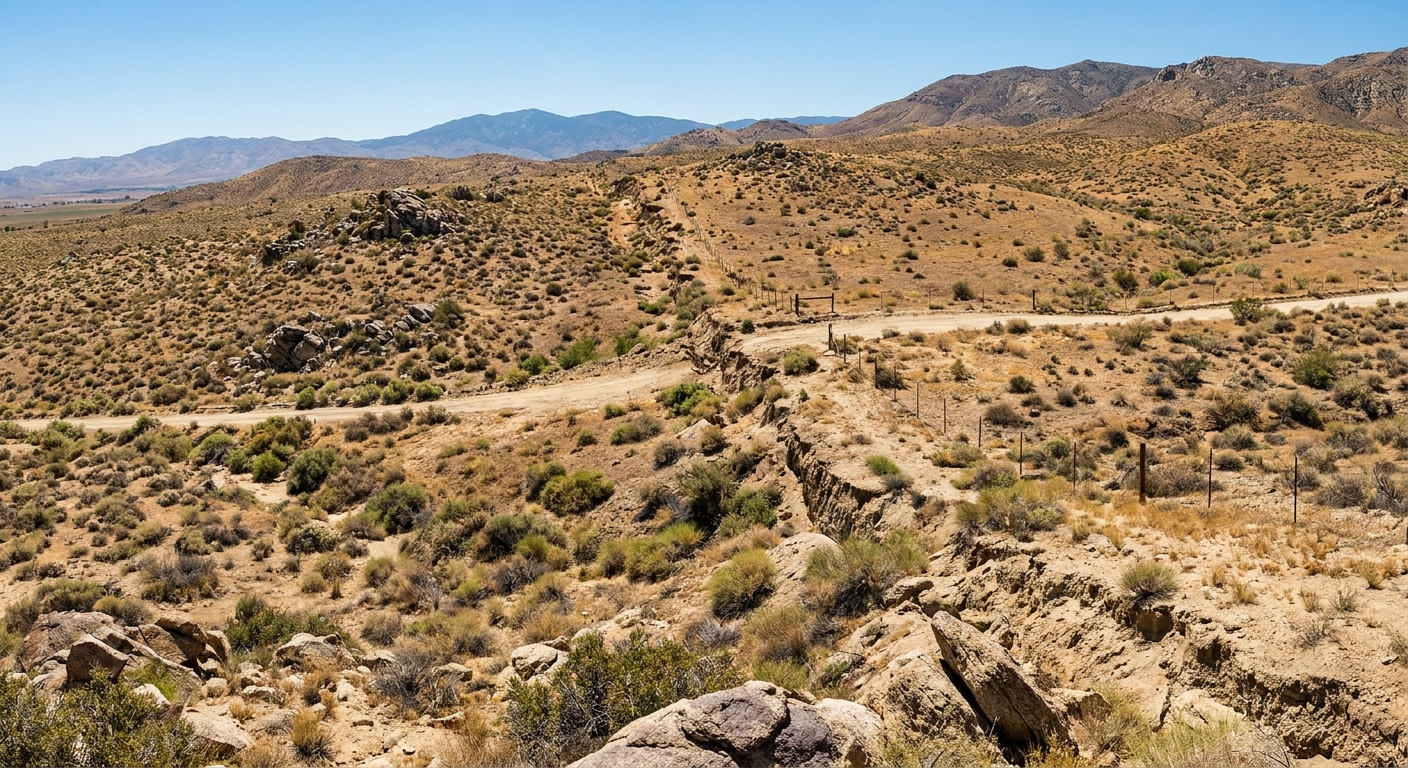
How Do Earthquakes Happen?
If you have ever felt the ground do that unsettling wiggle and wondered, “Wait, the solid Earth can move like that?”, you are not alone. Earthquakes are not random tantrums of nature. They are the release valve for a planet that is always in slow motion, with enormous slabs of crust pushing,...
Read more →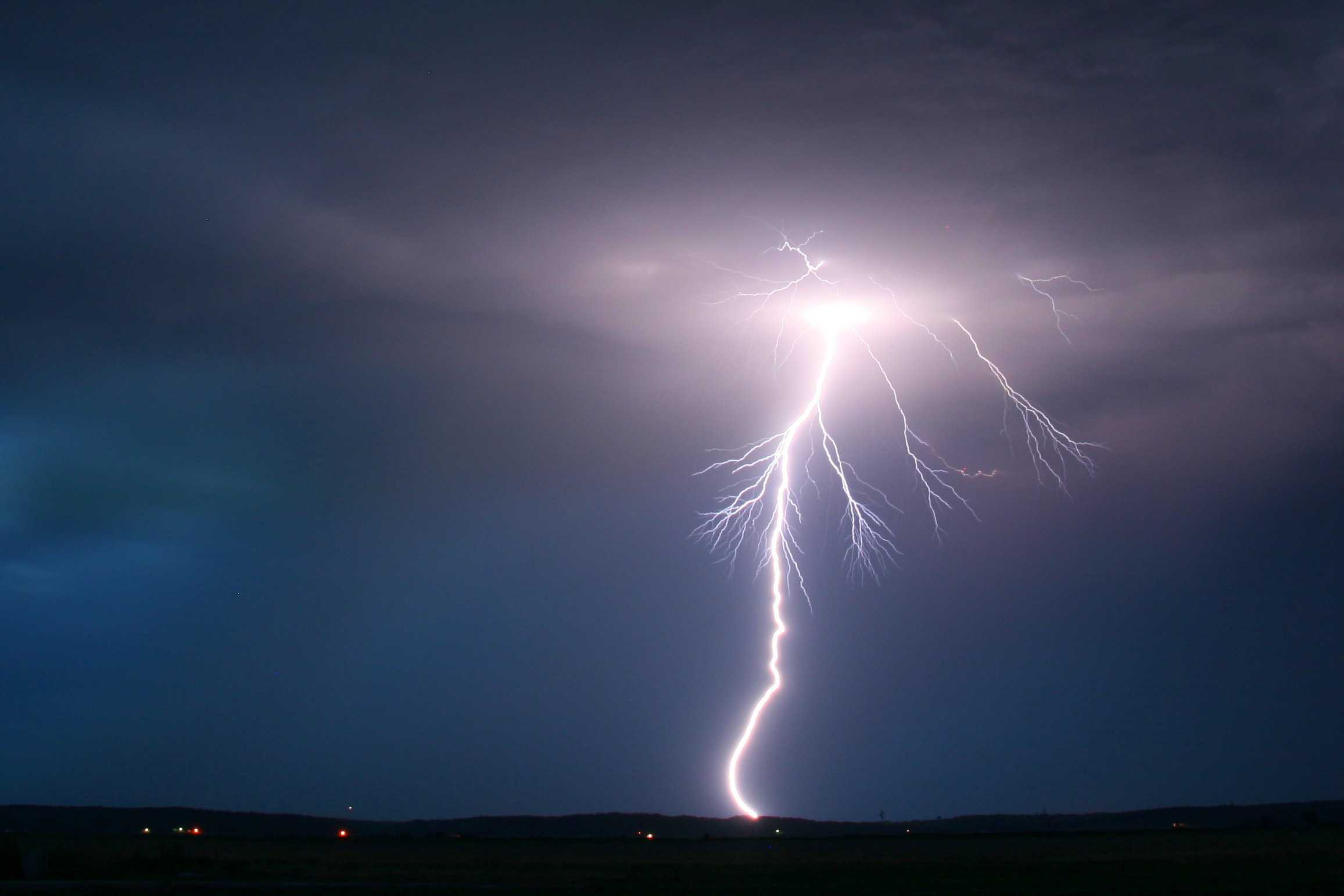
How Lightning Forms Inside a Thunderstorm
If a thunderstorm is nature’s live concert, lightning is the spotlight and thunder is the speaker system catching up. The part most of us never see is the setup inside the cloud: billions of tiny collisions sorting electric charge until the air can’t insulate anymore. Then, in a fraction of a...
Read more →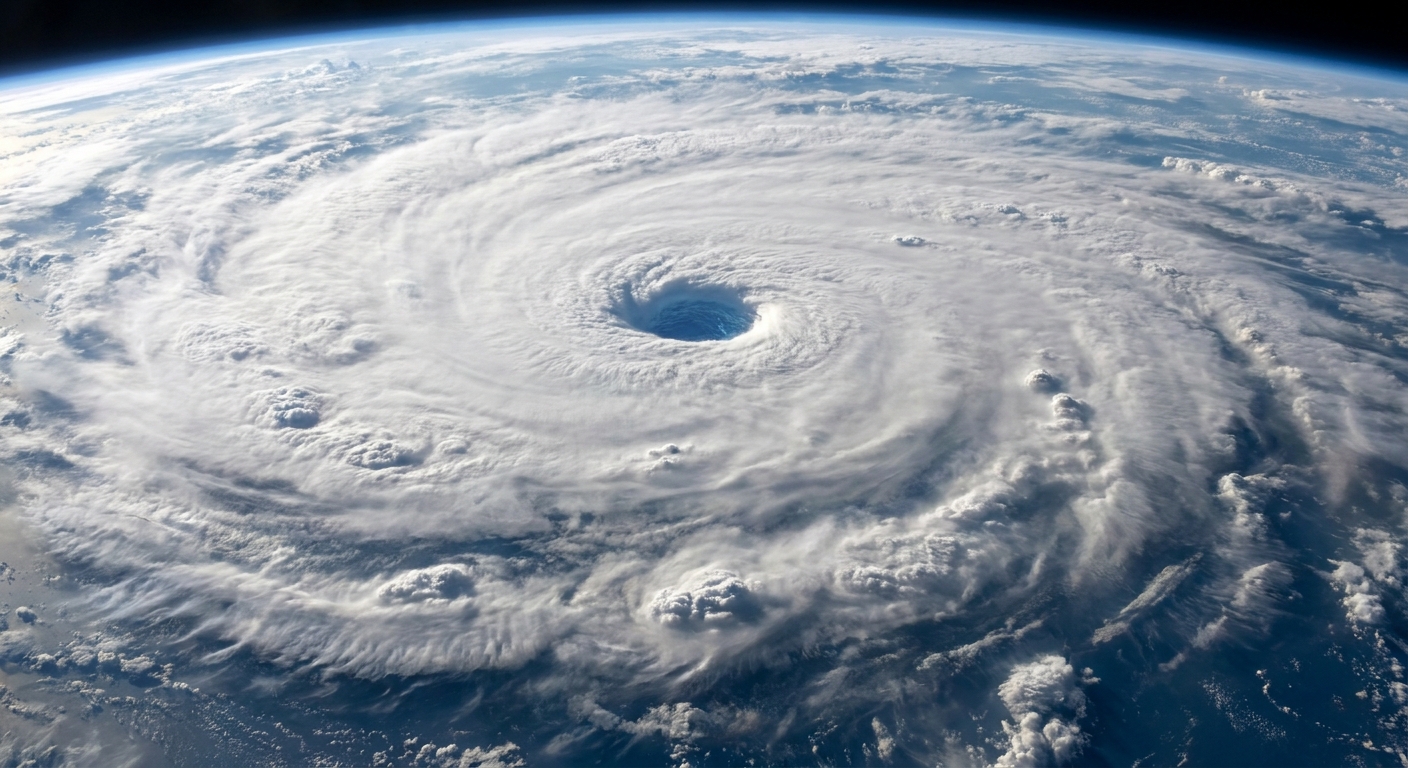
How Hurricanes Form
If you have ever watched a satellite loop of a hurricane, it can feel almost alive: a neat spiral of clouds, an eerie calm eye, and bands of rain sweeping across whole states. But hurricanes are not monsters. They are heat engines that run on warm ocean water, moist air, and some very particular...
Read more →
How Climate Scientists Track Extreme Weather Trends
When a record-breaking heat wave rolls through, or a “once in a century” flood hits twice in a decade, a natural question pops up: is this just bad luck, or a sign of a changing climate? Climate scientists answer that by doing something surprisingly down-to-earth. They count. They measure. They...
Read more →
Store and Dispose of Hazardous Household Chemicals
If you have ever opened the cabinet under the sink and caught a whiff of “mystery citrus” mixed with “industrial thunderstorm,” you are not alone. Most homes quietly collect a mini chemistry lab: bleach, ammonia cleaners, drain openers, paints, thinners, pesticides, pool chemicals, and assorted...
Read more →
10 Indicator Species Sounding the Climate Alarm
If Earth had a dashboard, we would not just watch the thermometer. We would watch the living needles that twitch first when conditions change. Ecologists call these indicator species , organisms whose health, timing, or location reliably mirrors what is happening in the ecosystem around them. Think...
Read more →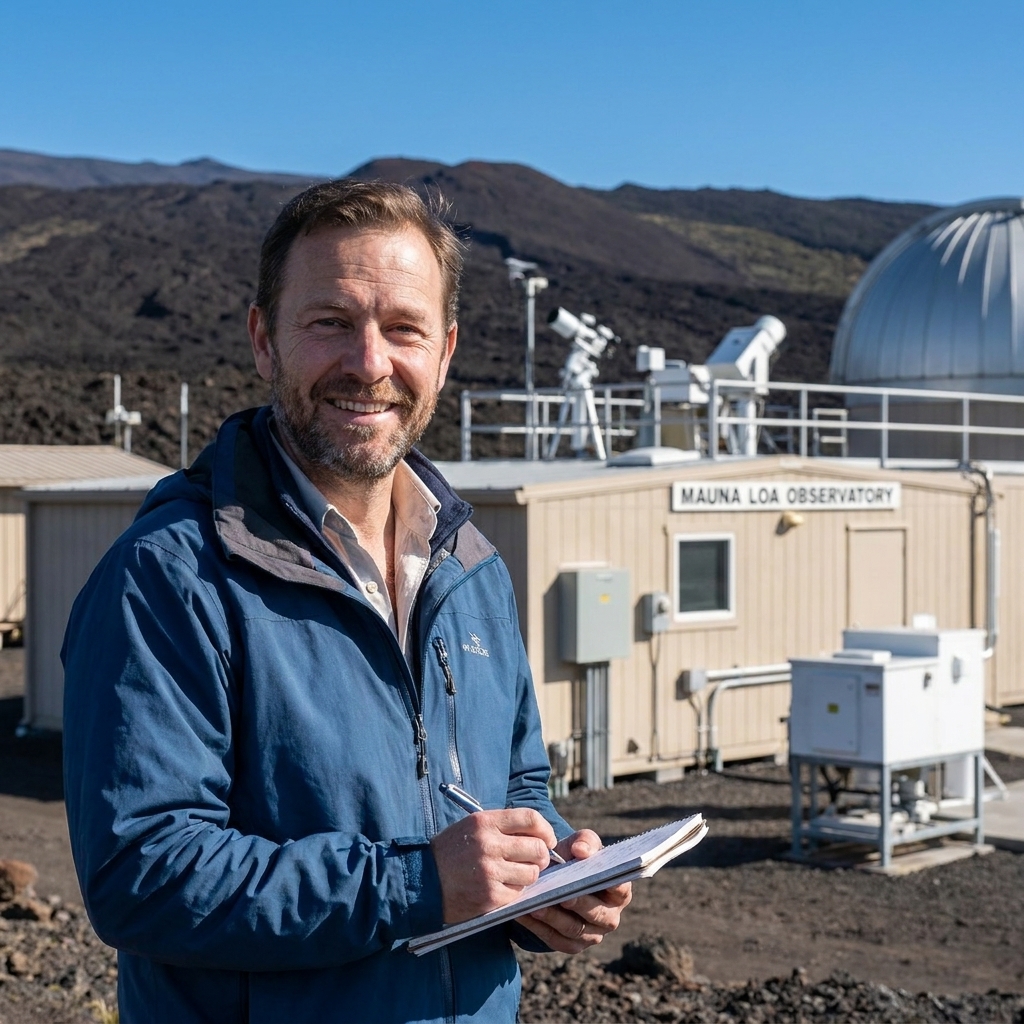
Natural Climate Cycles vs. Human Warming
If Earth’s climate were a long-running TV series, “plot twists” would be the norm. Ice ages come and go. Oceans shuffle heat around. Volcanoes blow their tops. So when someone asks, “Isn’t this just a natural cycle?”, they are asking a reasonable question. But science is less about impressions and...
Read more →
Understanding Ocean Acidification
The ocean has always been Earth’s great mood ring, quietly responding to what we put in the air. Right now it’s responding to one big thing: extra carbon dioxide (CO2). When CO2 dissolves into seawater, it triggers a chain of chemical reactions that shift ocean chemistry toward lower pH. Not...
Read more →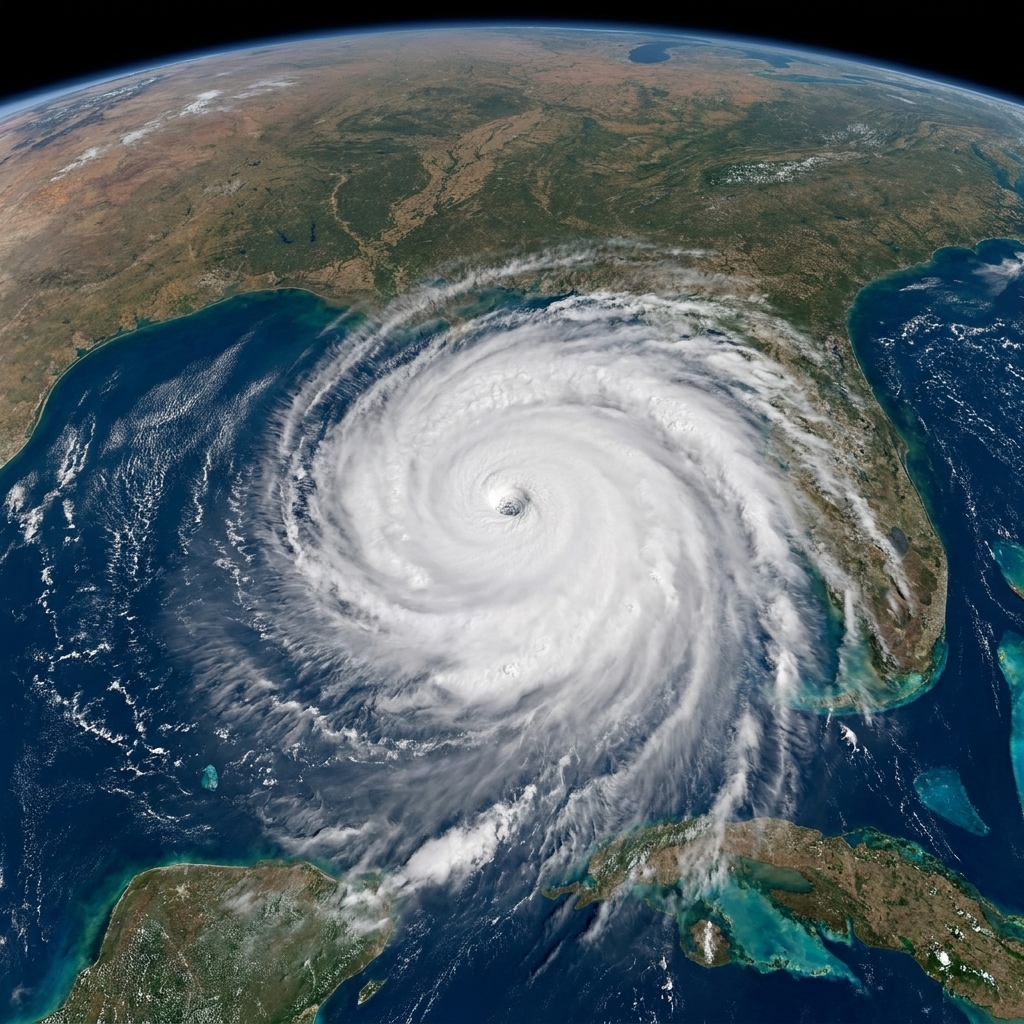
5 Extreme Weather Types Supercharged by Global Warming
I used to tell my physics students that the atmosphere is basically a heat engine wearing a very thin jacket. Add more heat to the system and the engine does not just get “a little warmer.” It starts running differently: more evaporation, more water vapor, more energy available for storms, and more...
Read more →