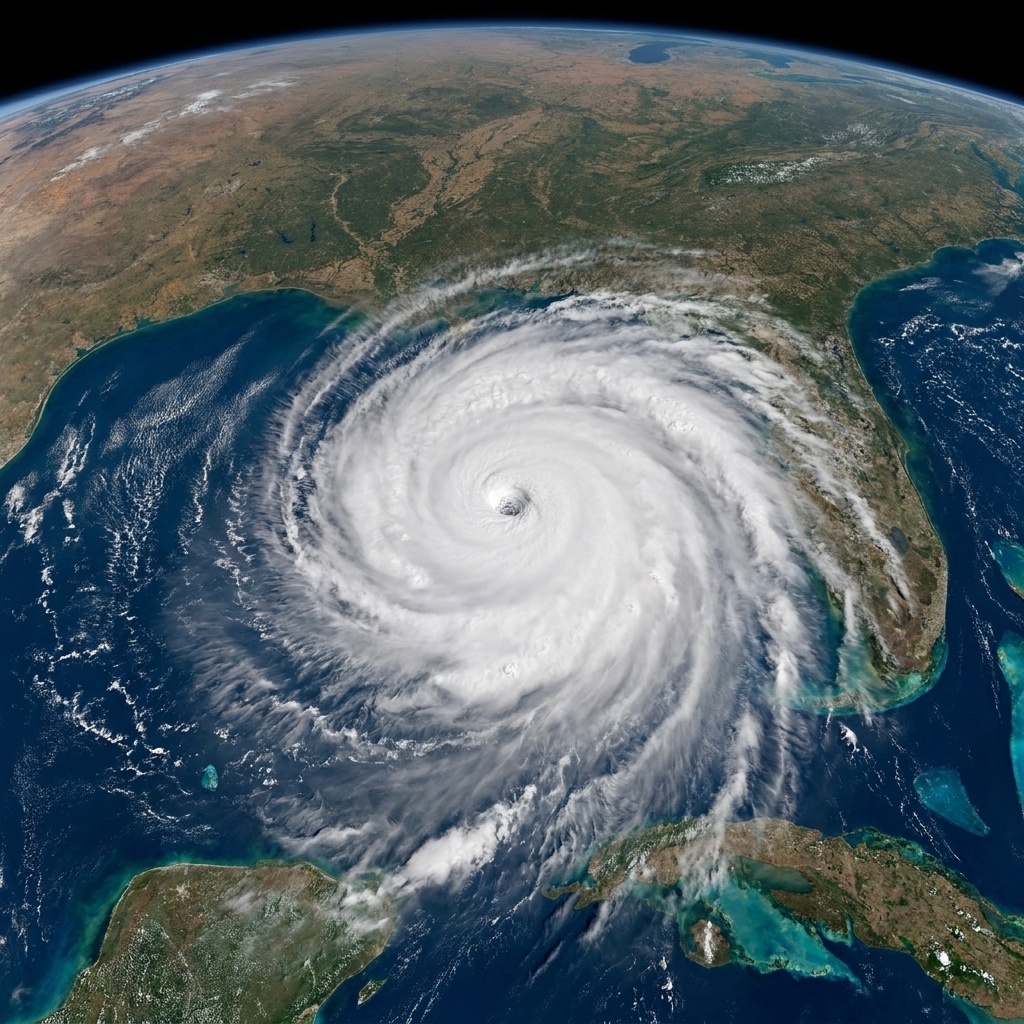
If Earth’s climate were a long-running TV series, “plot twists” would be the norm. Ice ages come and go. Oceans shuffle heat around. Volcanoes blow their tops. So when someone asks, “Isn’t this just a natural cycle?”, they are asking a reasonable question.
But science is less about impressions and more about fingerprints. Natural forces leave certain patterns in the data. Human-caused warming leaves a different set. When you line those fingerprints up with real measurements, today’s rapid warming lands squarely in the human column.
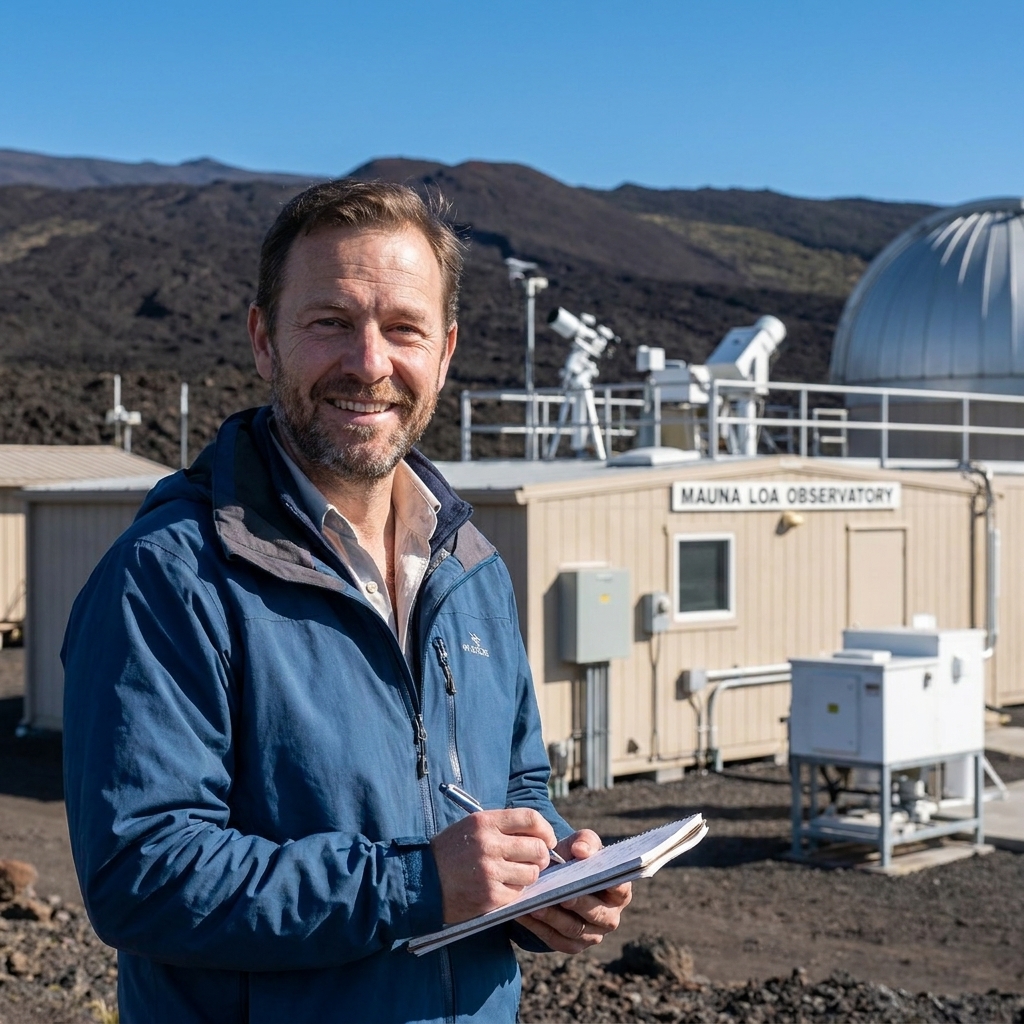
Two quick anchors help ground the story: global average temperature is now about 1.2°C warmer than the late 1800s, and atmospheric CO2 has risen from about 280 ppm (preindustrial) to roughly 420+ ppm today. (These are widely reported by NASA/NOAA and long-term measurements such as Mauna Loa.)
What “natural climate cycles” mean
Earth’s climate changes for many reasons. Some are slow, some are fast, and some mainly rearrange heat rather than adding or removing much energy from the planet.
1) Orbital cycles: the slow metronome
Over tens to hundreds of thousands of years, Earth’s orbit and tilt shift in predictable ways, called Milankovitch cycles. These cycles change how sunlight is distributed across seasons and latitudes. They help pace ice ages, but they are far too slow to explain the sharp warming since the late 1800s.
2) Solar variability: small nudges
The Sun’s output does vary slightly, including over the roughly 11-year sunspot cycle. Scientists track this with satellites and other measurements. The key point: recent solar changes are too small, and their pattern does not match the strong, sustained warming trend we see at Earth’s surface.
3) Volcanoes: short-term cooling
Big eruptions can cool the planet for 1 to 3 years (sometimes with smaller lingering effects) by injecting sulfur aerosols high into the atmosphere, reflecting sunlight back to space. That is a temporary cooling veil, not a long-term warming engine.
4) Ocean cycles (El Niño and friends): heat shufflers
El Niño and La Niña can make individual years warmer or cooler by moving heat between the ocean and atmosphere. But they do not create a multi-decade upward ramp on their own. Think of them as a seesaw on top of an escalator.
What instruments show
Thermometers, ocean measurements, satellites, and melting ice all tell a consistent story: the planet is warming, and the warming is happening quickly on geological timescales.
- Global surface temperature has risen markedly since the late 19th century, with the fastest increases in recent decades.
- Oceans have absorbed the vast majority of the extra heat (on the order of 90% or more in standard heat budget estimates), and measurements show rising ocean heat content over time.
- Sea level is rising due to thermal expansion (water expands as it warms) and melting land ice.
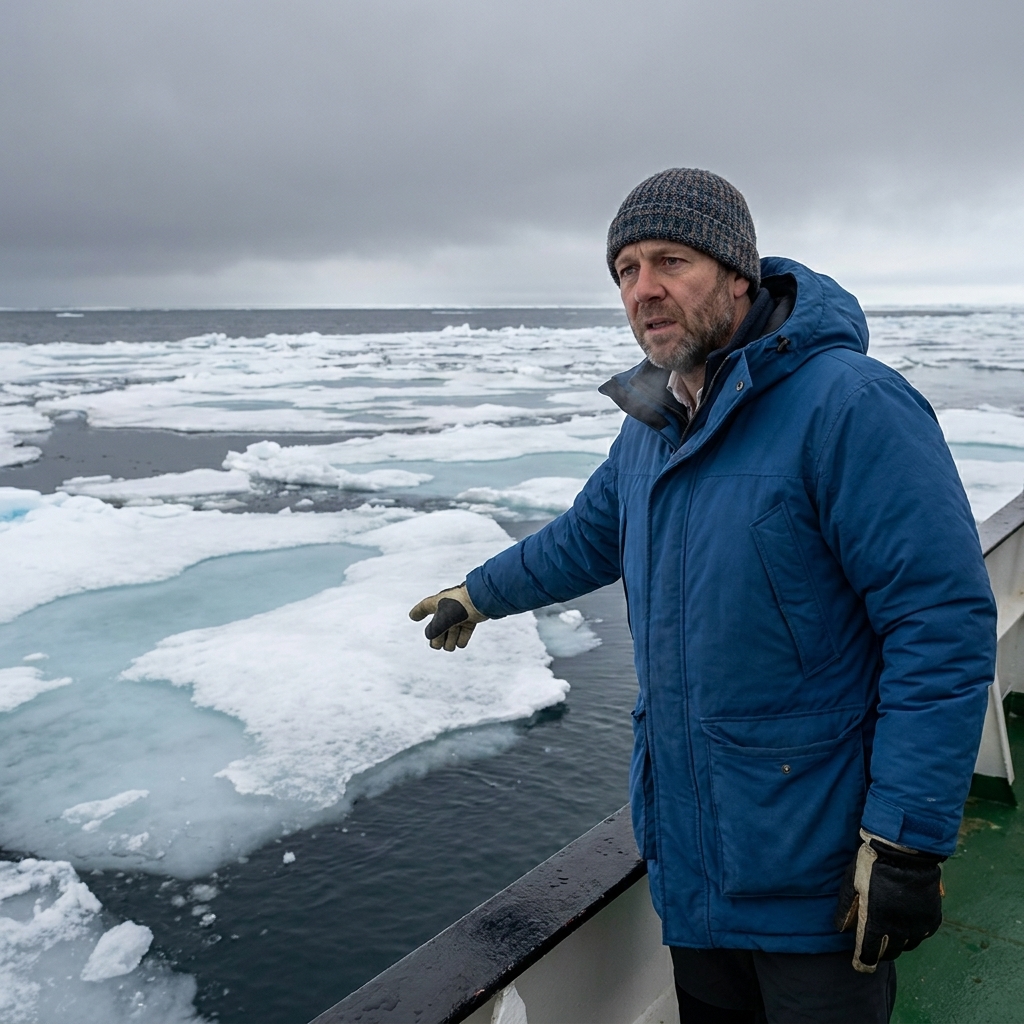
- Ice is shrinking, including glaciers worldwide and Arctic sea ice, consistent with a warming world.
If this were just internal variability, we would expect more of a back-and-forth wobble around a relatively stable baseline. Instead, multiple independent datasets move in the same direction, like several thermometers in different rooms all agreeing the house is heating up.
Natural variability still matters, though. It can temporarily speed up or slow down surface warming for a few years, especially when ocean cycles shift heat between the surface and deeper layers. But those bumps ride on top of a long-term climb.
The fingerprints that separate causes
Here is where climate science becomes delightfully detective-like. Different causes of climate change produce different patterns, and we can test those patterns against observations. These fingerprints are not just model ideas. Many have been directly measured in the atmosphere, oceans, and satellite records.
Fingerprint: nights often warming faster than days
Greenhouse gases act like extra insulation, making it harder for Earth to shed heat at night. In many regions and over many periods, that shows up as nighttime temperatures rising faster than daytime temperatures. It is not perfectly uniform everywhere, and it can be influenced by local factors like land use, aerosols, cloud cover, and humidity. That is why scientists use it as one fingerprint among several, not a standalone proof.
Fingerprint: warming below, cooling above
This is one of the clearest signatures. Solar forcing tends to warm both the troposphere (lower atmosphere) and the stratosphere (upper atmosphere). Increased greenhouse gases, in contrast, trap more heat in the lower atmosphere while allowing the stratosphere to cool. Observations show tropospheric warming alongside stratospheric cooling, aligning with greenhouse gas driven change.
Fingerprint: oceans gaining heat steadily
The ocean is Earth’s main heat reservoir. The steady rise in ocean heat content is a strong indicator of a persistent energy imbalance, not just a surface-level fluctuation.
Fingerprint: less heat escaping at key wavelengths
Satellites measuring outgoing longwave radiation show spectral changes consistent with increased greenhouse gases, including carbon dioxide and methane, reducing heat loss to space at their characteristic absorption bands. (This has been observed in satellite-era records spanning decades.)
CO2 leads, but it is not alone
Carbon dioxide gets the spotlight because it is abundant, long-lived, and directly tied to fossil fuel burning. But the full “human forcing” package includes several contributors:
- CO2 from coal, oil, and gas combustion, plus cement production and land use changes.
- Methane from fossil fuel operations, agriculture, and waste.
- Nitrous oxide largely from fertilizer use.
- Aerosols (tiny particles) that can cool by reflecting sunlight, partially masking some greenhouse warming in certain periods and regions.
One reason the science is so confident is that we are not relying on a single magic metric. We have chemistry, physics, direct measurements, and multiple lines of evidence pointing the same way.
“Climate changed before” is true
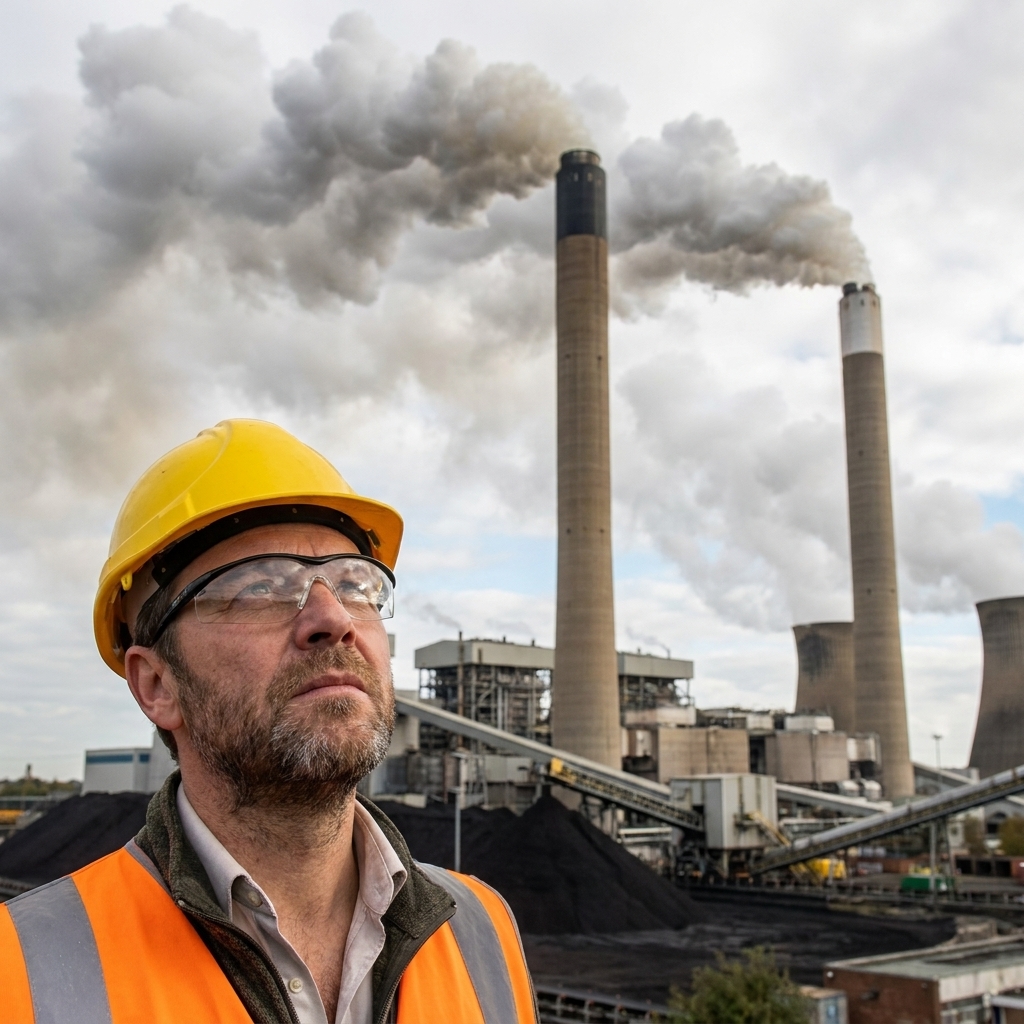
Yes, climate changed before humans built power plants and highways. The more useful question is: what caused those changes, and how fast did they happen?
Past climate shifts often involved triggers like orbital changes, with greenhouse gases acting as amplifiers. Today, humans are providing the greenhouse gas push directly, and we are doing it fast. That speed matters because ecosystems, agriculture, and infrastructure are adapted to the climate we had, not the climate we are rapidly creating.
Natural drivers still operate. They just cannot account for the size, direction, and distinctive pattern of the warming we observe today.
Why scientists attribute warming to humans
In science, confidence is earned by predictions that survive contact with reality. For decades, physical theory and climate models have predicted that adding greenhouse gases would warm the surface and lower atmosphere, cool the stratosphere, increase ocean heat content, and shift many extremes. Observations have broadly tracked those expectations.
Attribution is not guesswork. Detection and attribution studies compare observed patterns of change with the expected responses to different drivers (greenhouse gases, aerosols, solar variability, volcanoes, and internal variability). When researchers do that, the best match to the modern warming pattern requires a dominant human influence.
Meanwhile, proposed natural explanations fail at least one major test: they either point the wrong direction (for example, volcanic aerosols cool), are too small (recent solar changes), or operate on the wrong timescale (orbital cycles).
Common questions
Is today’s warming just recovery from the last ice age?
No. The slow warming after the last ice age occurred over thousands of years and is driven by orbital changes and feedbacks. The modern warming spike is much more rapid and aligns with the steep rise in greenhouse gases since industrialization.
What about water vapor, the biggest greenhouse gas?
Water vapor is a powerful greenhouse gas, but it is mainly a feedback, not the initial driver. A warmer atmosphere holds more moisture, which then amplifies warming. CO2 is a key forcing because we add it directly and it persists for a long time.
Could it be the Sun?
Measurements of solar output, plus the atmospheric fingerprint (warming in the troposphere alongside cooling in the stratosphere), do not support the Sun as the main cause of the recent warming trend.
Do scientists ignore natural cycles?
Quite the opposite. Natural factors like El Niño, volcanoes, and solar variability are built into analyses and models. They help explain year-to-year bumps and brief slowdowns. They do not explain the multi-decade climb.
Takeaway
Earth’s climate has always been dynamic. Natural cycles still sway the weather and tilt individual years warmer or cooler. But the long-term trend is being driven by an extra layer of heat-trapping gases that we have added to the atmosphere.
If you remember one mental image, make it this: natural variability is the waves. Human-induced warming is the rising tide. Both are real, but only one explains why the baseline keeps climbing.
Want to go one step deeper? The most compelling way is to look at multiple indicators together: surface temperatures, ocean heat, stratospheric cooling, satellite radiation measurements, and the measured rise in greenhouse gases. When those all agree, the story becomes hard to unsee.