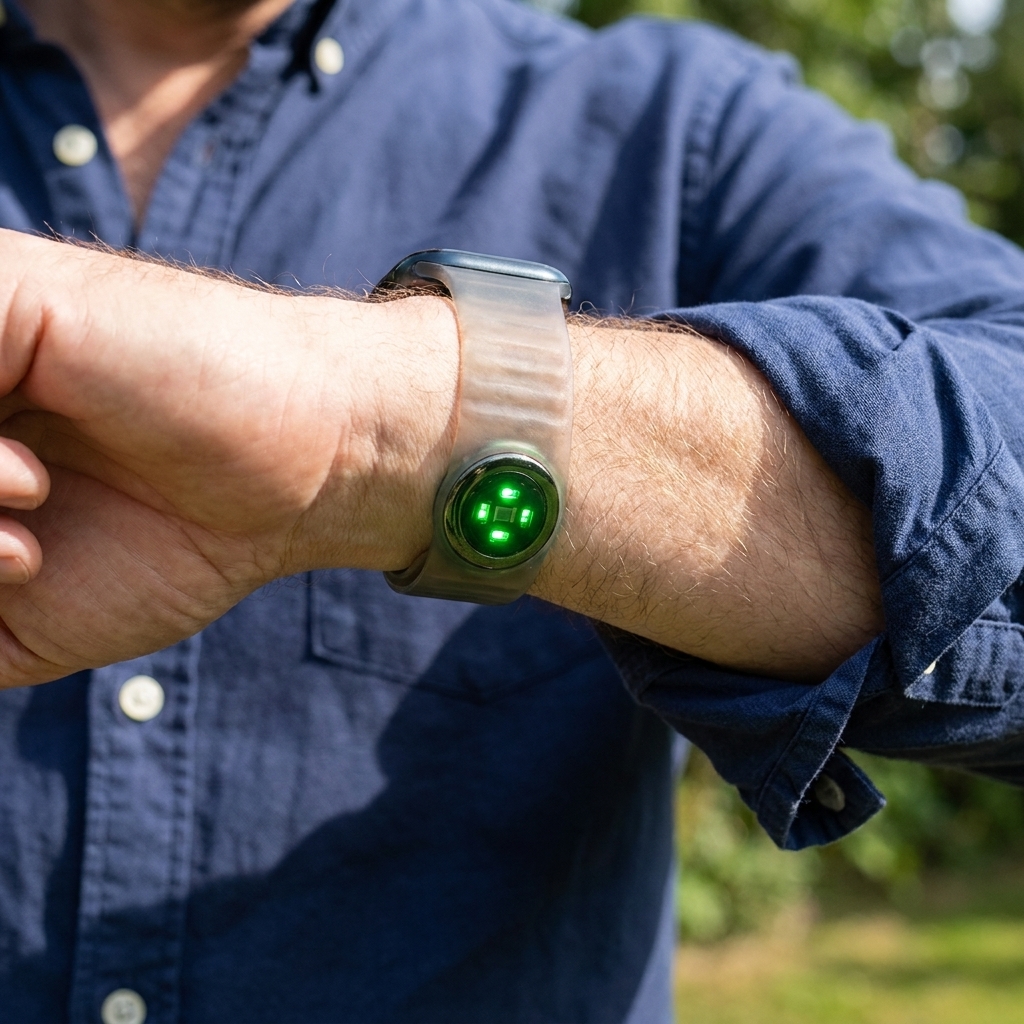
Every fall, we do the same little time trick: we give ourselves an “extra” hour overnight, and suddenly sunrise feels less rushed while sunset comes earlier.
Do all states change clocks?
No. The fall schedule is uniform wherever Daylight Saving Time is observed, but not every place participates.
The Uniform Time Act of 1966 sets a single national schedule, meaning there is no state-by-state variation in the date or time. A state either follows the same federally set clock-change dates or opts out completely.
Places that change clocks
- 48 states (Alabama through Wyoming): turn clocks back 1 hour on Sunday, November 1, 2026 at 2:00 a.m.
- Navajo Nation (in Arizona): turns clocks back 1 hour on Sunday, November 1, 2026 at 2:00 a.m.
Places that do not change clocks
- Arizona (most of the state): no change, stays on Mountain Standard Time (MST) year-round
- Hawaii: no change, stays on Hawaii Standard Time (HST) year-round
- U.S. territories (Puerto Rico, Guam, etc.): no change, remain on standard time year-round
Why change clocks?
The practice of changing the clocks, officially known as Daylight Saving Time (DST), was primarily introduced to save energy and maximize seasonal daylight. The original pitch was that if more people were awake during daylight hours, society could reduce the need for artificial lighting.
It helps to remember what DST is and what it is not. It does not create more daylight. It simply moves an hour of daylight from morning to evening on the clock.
The fall 2026 clock change
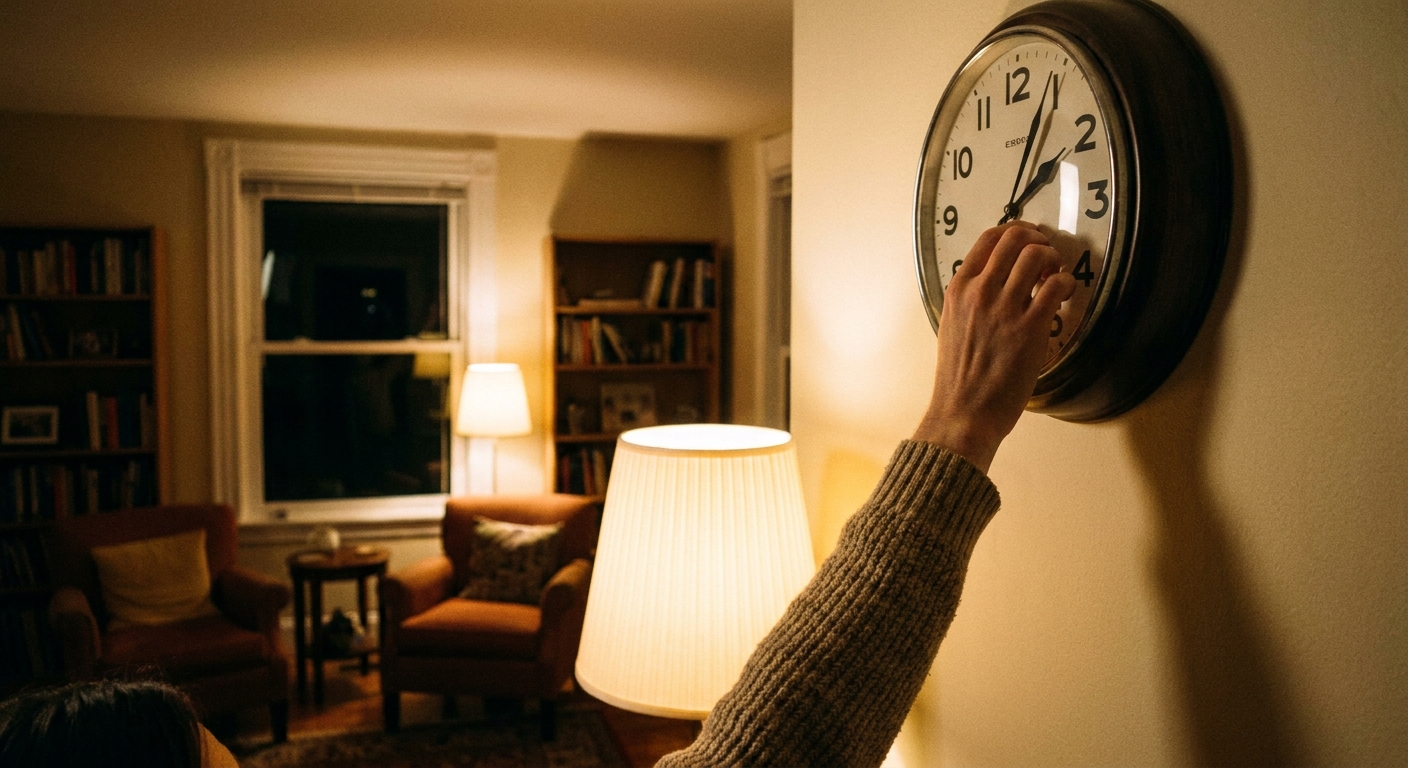
In the United States, clocks will turn back by one hour on Sunday, November 1, 2026 at 2:00 a.m. local time in nearly the entire country.
In practical terms: when the clock hits 2:00 a.m., it resets to 1:00 a.m. and you repeat that hour.
DST history
Despite the popular myth, DST was not created for farmers. Historically, many farmers opposed it because it disrupted tightly timed routines, including hired labor and market deliveries.
How the idea started
- 1895: New Zealand entomologist George Hudson proposed a two-hour shift so he would have more after-work daylight to collect insects.
- 1907: British builder William Willett campaigned for shifting the clocks so people would not waste daylight hours sleeping.
When it became policy
- 1916: Germany and Austria-Hungary were the first to adopt DST during World War I, aiming to conserve coal and fuel by reducing the use of artificial lighting.
- The U.S. and much of Europe adopted versions of DST soon after. The U.S. later repealed it after World War I, brought it back during World War II (as “War Time”), and ultimately standardized it nationwide with the Uniform Time Act of 1966.
The debate today
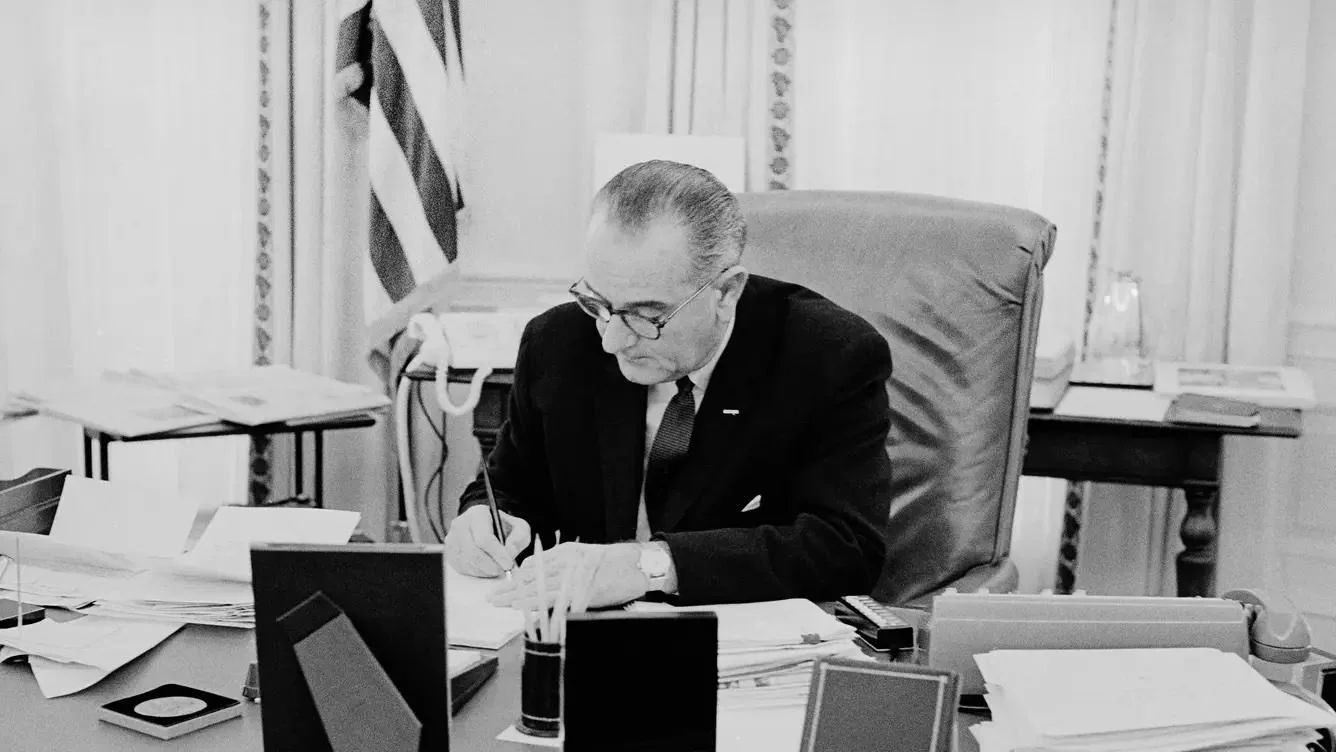
DST has turned into one of those policies that many people feel in their bones, even if they have never read the law behind it. Supporters point to practical benefits. Critics point to biology.
Arguments for DST
- Economic activity: longer evening daylight encourages people to go out after work, boosting spending at retail stores, golf courses, and restaurants.
- Outdoor activity: more daylight in the evening promotes outdoor exercise and sports, which can benefit public health.
- Traffic safety: studies show that driving in daylight during evening rush hour reduces pedestrian and car accidents.
Arguments against clock changes
- Health disruptions: turning the clocks forward in the spring causes sudden sleep deprivation. Studies link the spring transition to a temporary spike in heart attacks, strokes, and workplace injuries.
- Minimal energy savings: modern studies show that electricity saved on lighting is usually offset by increased air conditioning in summer evenings and more heating in winter mornings.
- Decreased productivity: the shift disrupts circadian rhythms, leading to grogginess and a drop in workplace productivity for days following the switch.
Why states cannot end it
This part surprises a lot of people: states have limited freedom here. Under current federal law, a state can choose to stay on permanent Standard Time (as Arizona and Hawaii do), but it needs Congress to approve a switch to permanent Daylight Saving Time.
That is why you may have heard news about state votes that did not immediately change the clock where you live. Nineteen states, including Florida, California, and Texas, have passed trigger laws or resolutions aiming for permanent DST, but they cannot legally implement that change yet.
A federal proposal called the Sunshine Protection Act passed the U.S. House earlier this summer but remains stalled in the Senate, so the twice-a-year clock change continues for now.
Which time should we keep?
Even among people who want the switching to end, there is a fork in the road.
Permanent Daylight Saving Time
This keeps evenings brighter year-round. It is popular with businesses, but the medical and scientific community warns it can mean very dark, icy winter mornings that are dangerous for children waiting for school buses.
Permanent Standard Time
This aligns closest to natural sun cycles. The medical and scientific community heavily favors this option because morning light is crucial for healthy sleep patterns.
Fast FAQ
Is fall the change where we lose sleep?
No. In the fall, we “fall back” and gain an hour. The spring change is the one that tends to feel harsher because the clock jumps forward.
How do I remember which way it goes?
Think of it like packing away patio furniture: in fall, you pull time back inside. In spring, you push it forward.