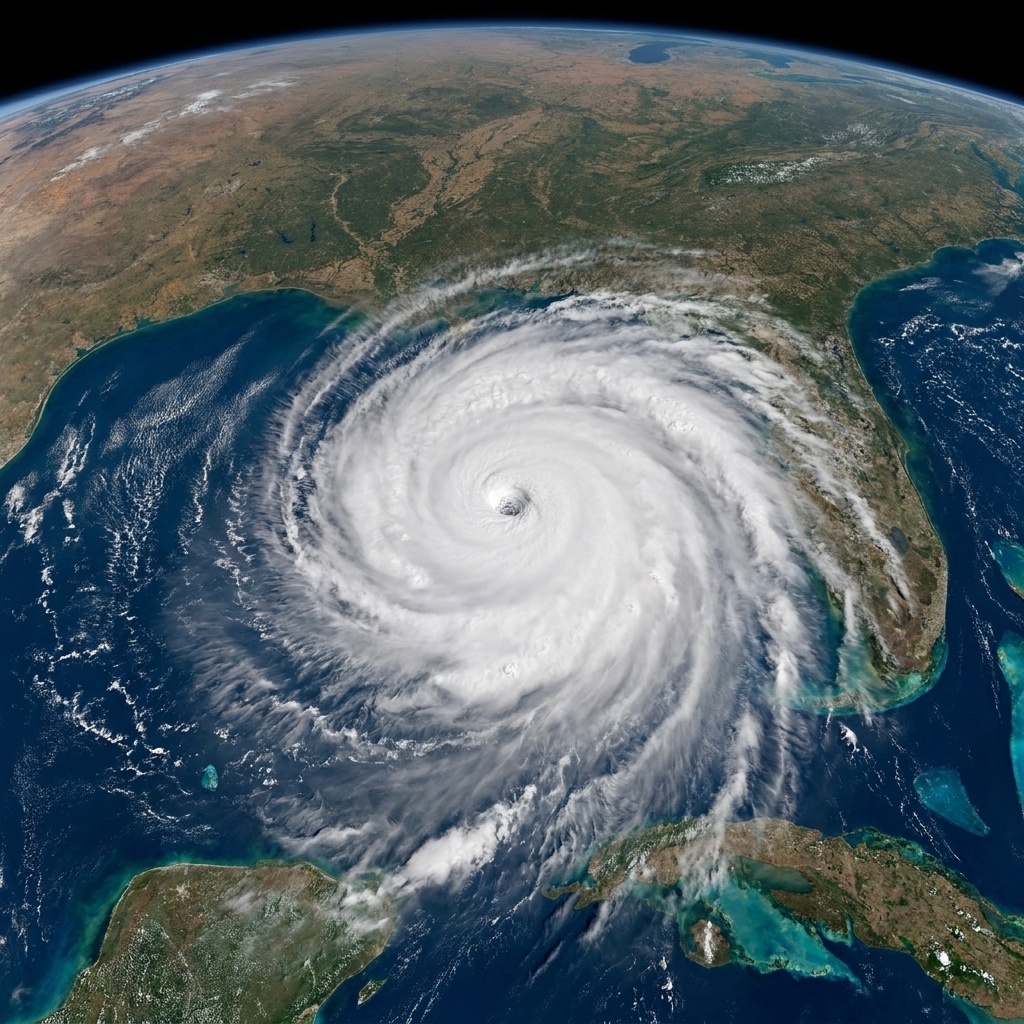
If Earth had a dashboard, we would not just watch the thermometer. We would watch the living needles that twitch first when conditions change. Ecologists call these indicator species, organisms whose health, timing, or location reliably mirrors what is happening in the ecosystem around them.
Think of them as nature’s smoke detectors. They do not “cause” climate change, but they can warn us when warming, shifting rainfall, earlier springs, or more acidic oceans are starting to rewrite the rules of life. Below are 10 indicator species that scientists track closely, plus what their signals mean for the rest of us.
One important note: species can change for lots of reasons, including habitat loss, overfishing, pollution, invasive species, and disease. Researchers look for patterns that line up across biology and measured climate trends, not one-off anecdotes.
What makes a good indicator?
Not every organism is equally chatty about environmental change. The best indicator species tend to share a few traits:
- They are sensitive to temperature, moisture, oxygen, or water chemistry.
- They respond quickly, sometimes within days or a single season.
- They are well studied, so we can separate true trends from random noise.
- They matter ecologically, meaning their shifts ripple outward to many other species.
With that in mind, let’s meet the messengers.
1) Reef-building corals
Where: Tropical oceans worldwide
Why they are indicators: Corals live close to their heat limit and depend on symbiotic algae for energy.
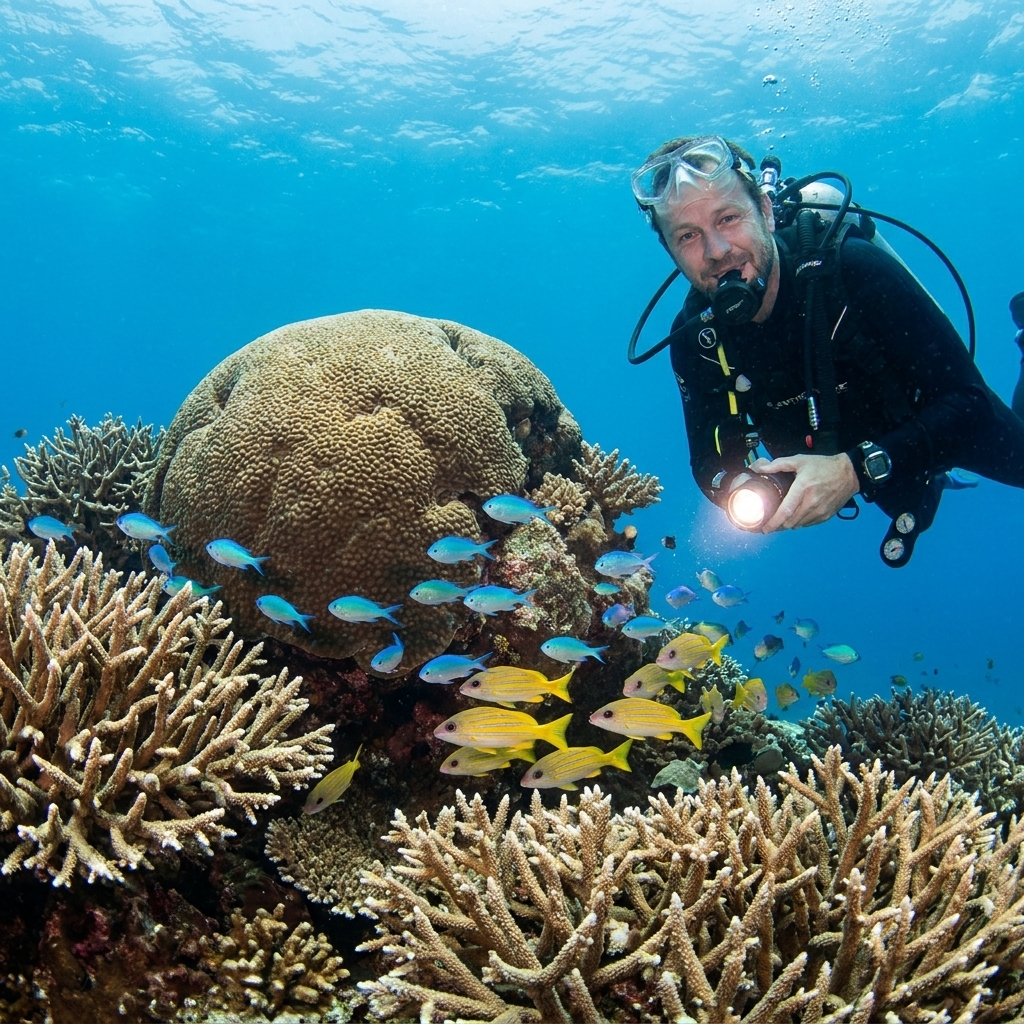
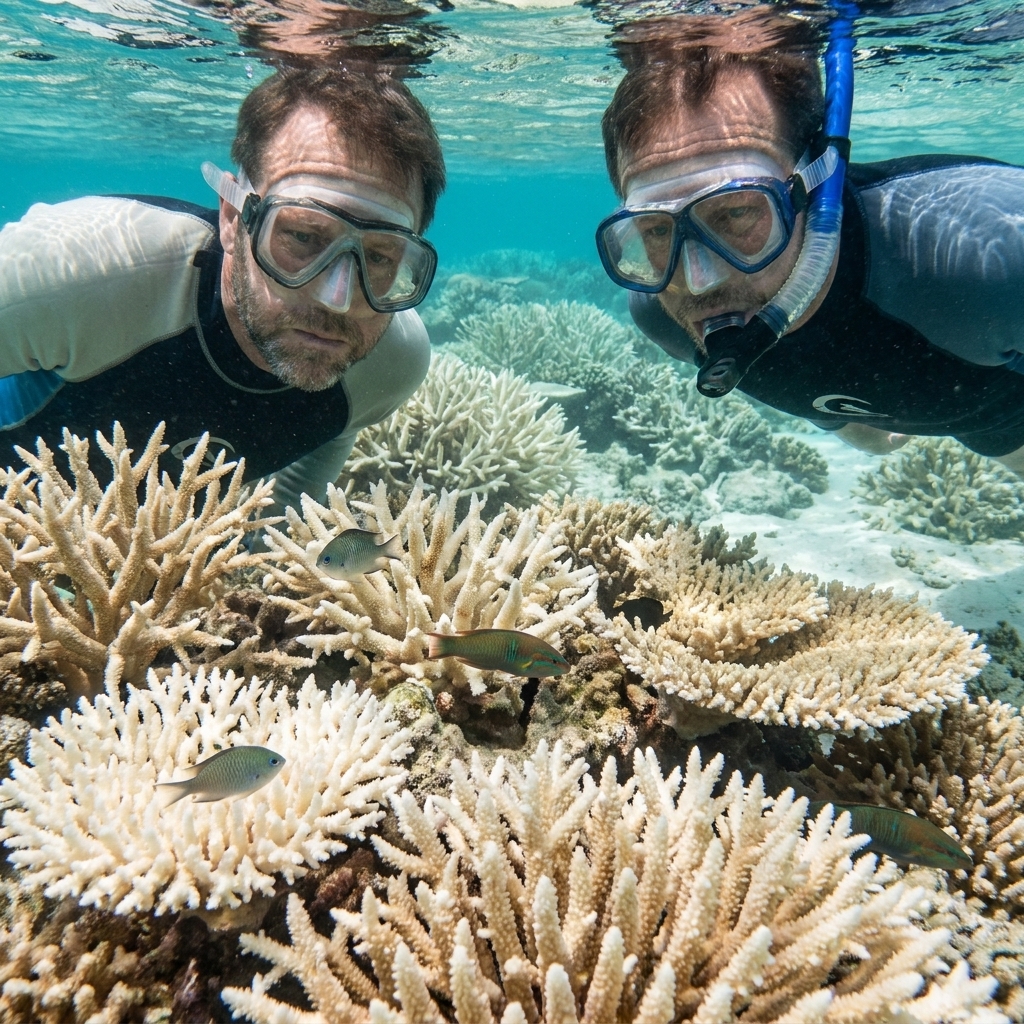
The climate signal: When ocean temperatures spike for weeks, corals can expel their algae and turn ghostly white, a stress response called bleaching. Marine heatwaves that used to be rare are becoming more common, and repeated bleaching can reduce coral growth and survival. Corals also signal another piece of climate change: as the ocean absorbs more carbon dioxide, seawater becomes more acidic , making it harder for corals to build calcium carbonate skeletons.
Why it matters: Coral reefs are often cited as supporting about a quarter of marine species at some point in their lives, and they support fisheries and coastal protection. When corals struggle, entire reef communities wobble.
2) Sea butterflies (pteropods)
Where: Cold and temperate oceans, including polar, subpolar, and upwelling regions
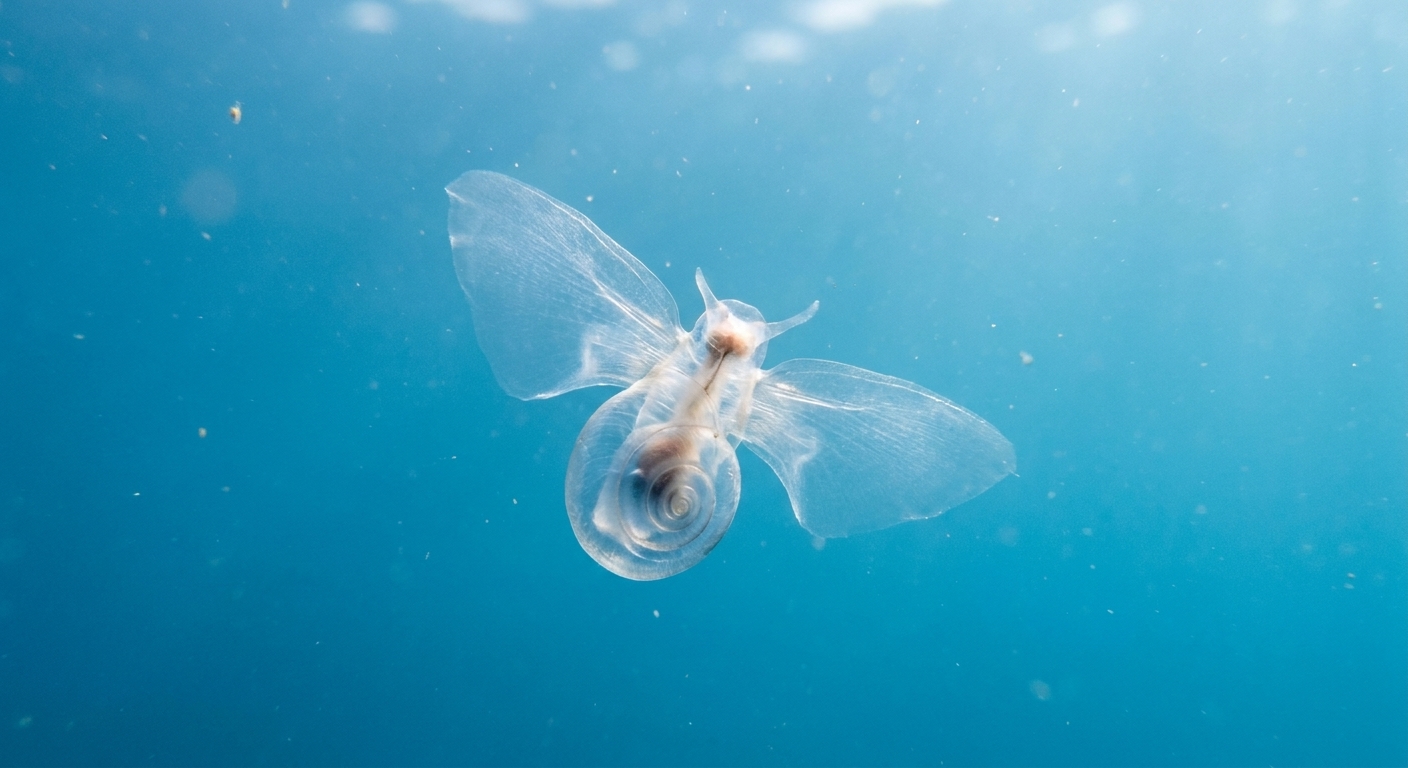
Why they are indicators: These tiny drifting snails build delicate shells that dissolve more easily as ocean acidity rises.
The climate signal: Ocean acidification reduces the availability of carbonate ions needed to form shells. In some regions, researchers have documented shell damage that aligns with more corrosive seawater conditions.
Why it matters: Pteropods are bite-sized but foundational, feeding fish, seabirds, and whales. If their populations drop or shells weaken, food webs above them feel it.
3) American pika
Where: High-elevation talus slopes in the western United States and Canada
Why they are indicators: Pikas are adorable, yes, but also heat sensitive. They can overheat quickly and rely on cool microclimates in rocky crevices.
The climate signal: As average temperatures rise and hot days become more frequent, pikas may shift upslope or disappear from lower, warmer sites. They also depend on predictable seasons for collecting “haypiles” of vegetation for winter, so changes in snowpack and plant timing can affect survival.
Why it matters: Pikas are like a high-altitude early warning beacon. If they cannot find enough cool refuge, many less-studied mountain species are likely under similar pressure.
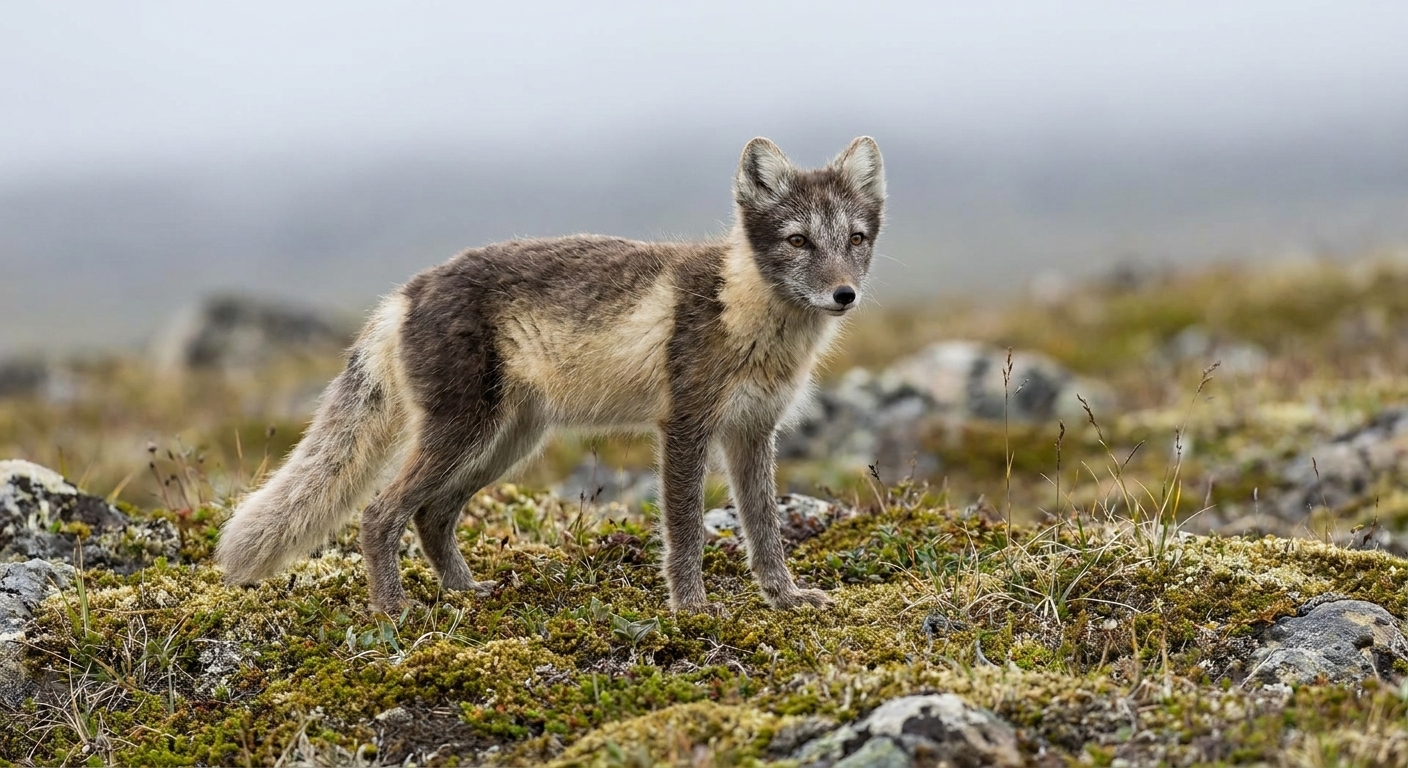
4) Arctic fox
Where: Arctic tundra across North America, Europe, and Asia
Why they are indicators: They are tightly linked to snow, sea ice, and tundra prey dynamics.
The climate signal: Warming in the Arctic is changing snow conditions and expanding shrubs into tundra. It also brings more overlap with the larger red fox, which can outcompete Arctic foxes in some areas. Meanwhile, sea ice loss can reduce access to certain food sources in coastal regions.
Why it matters: Arctic fox shifts can flag broader tundra change: altered prey cycles, shifting vegetation, and a new competitive landscape.
5) Polar bears
Where: Arctic sea ice regions
Why they are indicators: Polar bears depend on sea ice as a hunting platform for seals.
The climate signal: Earlier ice breakup and later freeze-up shorten hunting seasons. In many places, bears must spend longer periods on land with limited access to their highest-calorie prey. Body condition, cub survival, and movement patterns can reflect the pace of sea ice change.
Why it matters: Polar bears are not just a symbol. Their behavior and health are tied directly to sea ice, one of the clearest physical indicators of a warming planet.
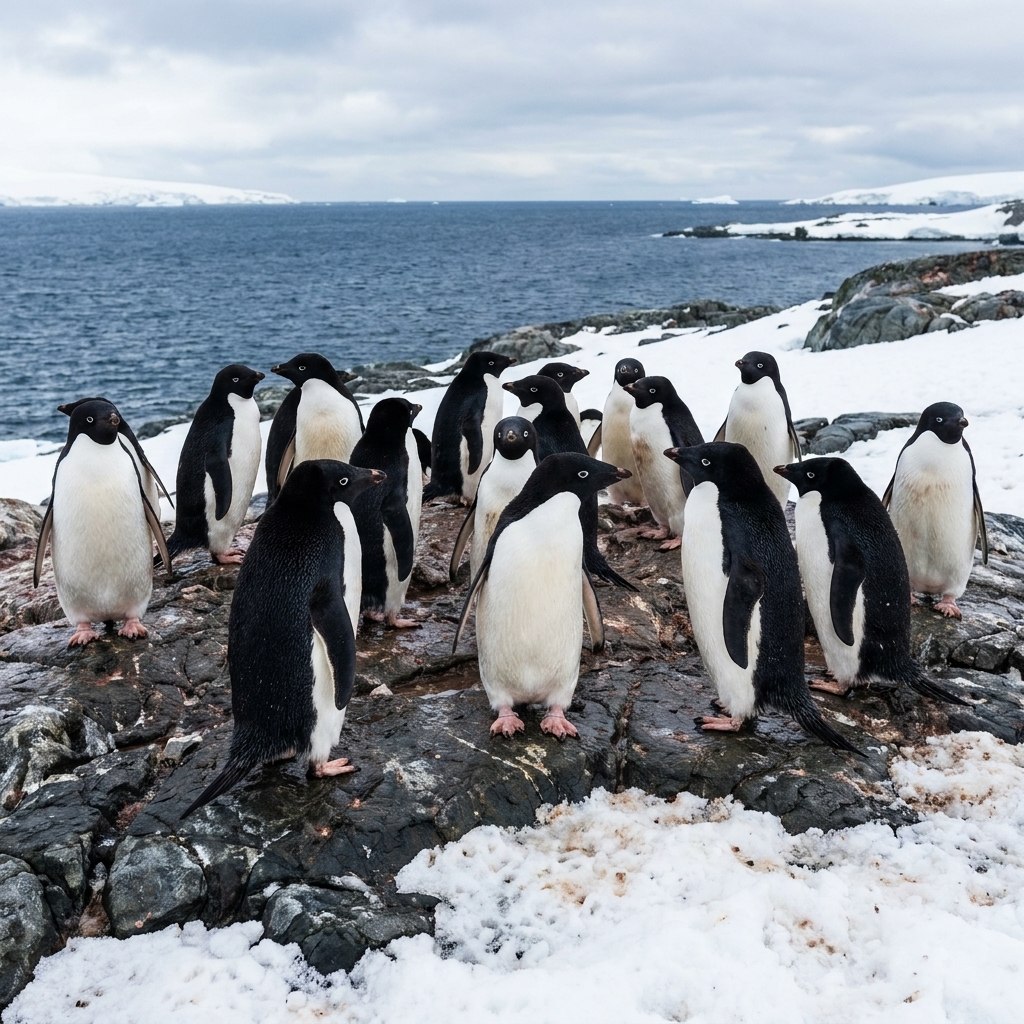
6) Penguins (Adélie and chinstrap)
Where: Antarctica and the Southern Ocean
Why they are indicators: Penguin breeding success depends on sea ice patterns, ocean conditions, and the availability of krill and fish.
The climate signal: In parts of the Antarctic Peninsula, warming and shifting sea ice have been linked with colony changes, with some populations declining where conditions no longer match their life history needs. At the same time, trends are not uniform across Antarctica, and some Adélie populations have increased in other regions. Changes in ocean temperature and winter sea ice can also affect krill, a key food source.
Why it matters: Penguins are high-profile, well-monitored sentinels. Their colony counts and chick survival offer a readable signal of Southern Ocean change.
7) Krill
Where: Southern Ocean (Antarctic krill) and other cold oceans
Why they are indicators: Krill are a central link between microscopic algae and larger animals like whales, seals, and seabirds.
The climate signal: Winter sea ice strongly shapes krill nursery habitat and food availability. Ocean warming and changing ice seasons can shift where krill thrive, how abundant they are, and when they peak. In the Antarctic, this matters enormously because so many species are built on a krill-based menu.
Why it matters: When krill falter, everything above them has to scramble. Tracking krill is like tracking the health of an entire cafeteria line in the ocean.
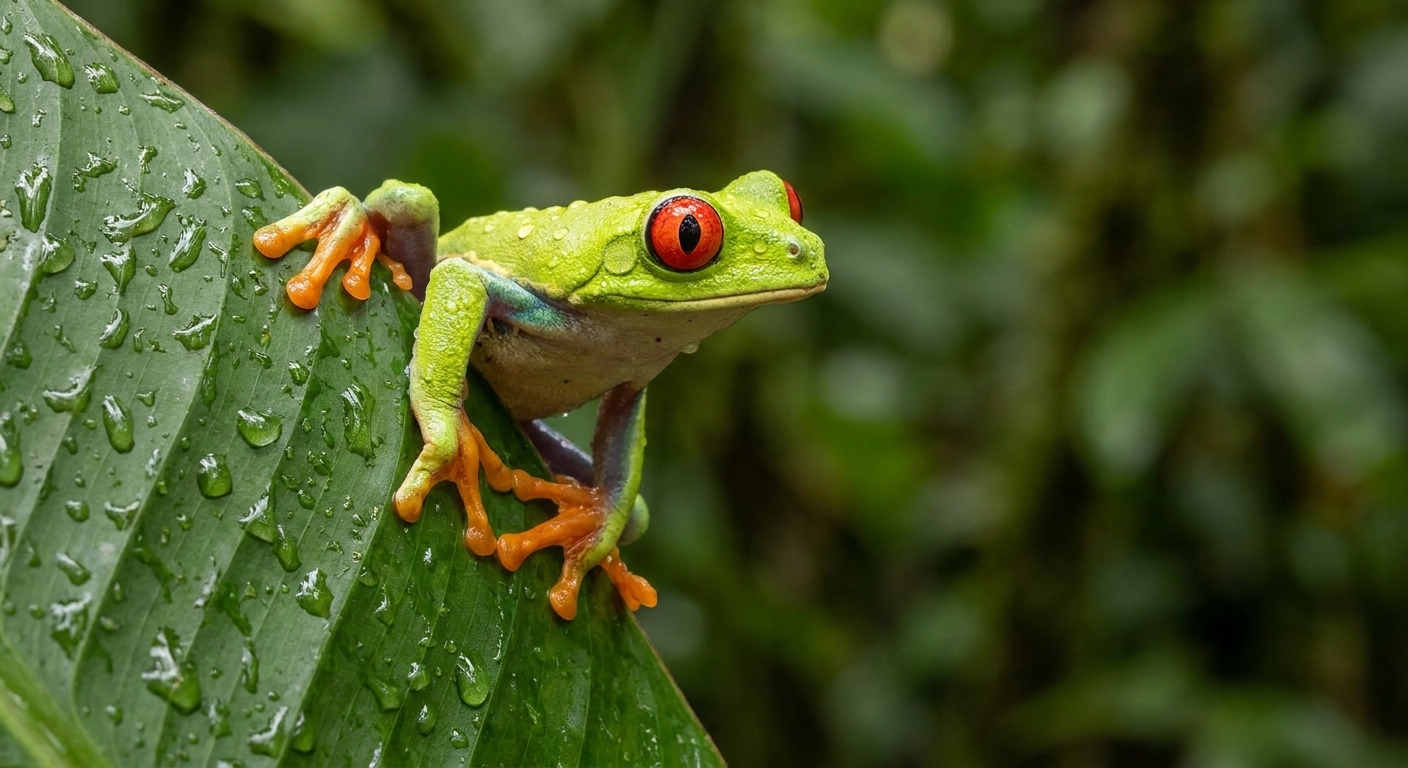
8) Amphibians (frogs and salamanders)
Where: Worldwide, especially in wetlands and forested watersheds
Why they are indicators: Amphibians breathe and drink partly through their skin, making them sensitive to moisture, temperature, and water quality.
The climate signal: Changes in rainfall patterns, drought frequency, heat waves , and the timing of spring can affect breeding ponds, egg survival, and tadpole development. Climate shifts can also influence disease dynamics by changing where and when pathogens and hosts overlap, alongside other major drivers like wildlife trade, habitat disruption, and local water conditions.
Why it matters: Amphibians sit at the boundary between water and land. If they are struggling, it often points to a broader stress on local hydrology and ecosystem balance.
9) Mangroves
Where: Tropical and subtropical coastlines
Why they are indicators: Mangroves occupy a narrow coastal zone where temperature, storms, and sea level all matter.
The climate signal: Rising sea levels can drown mangroves where sediment supply or landward migration is blocked. At the same time, warming winters can allow mangroves to expand poleward into areas that used to be dominated by salt marsh, a shift documented in places such as the Gulf of Mexico and parts of Australia. Extreme cold snaps can still cause die-offs, so changes in the frequency of freezes are also part of the story.
Why it matters: Mangroves buffer storm surge, store large amounts of carbon in soils, and provide nursery habitat for fish. Their shifts are a coastal report card on climate and sea-level change.
10) Spring wildflowers
Where: Temperate forests and meadows worldwide
Why they are indicators: Many plants cue flowering based on temperature and day length, and small seasonal shifts can cascade through pollination networks.
The climate signal: Earlier springs can push flowering earlier, sometimes faster than pollinators or migratory species adjust. This can create phenological mismatches, meaning the “appointment times” between flowers and their pollinators drift out of sync.
Why it matters: These changes are easy to miss day-to-day, but over years they can reshape who reproduces successfully in an ecosystem. Long-running observation projects and herbarium records help scientists measure these shifts.

How scientists use the signals
Indicator species are most powerful when they are paired with hard measurements like temperature records, snowpack, ocean pH, and satellite data. The goal is not to point at one animal and declare a verdict, but to see a consistent pattern across biology and physics.
- Field surveys track population size, breeding success, and range shifts.
- Remote sensing measures sea ice extent and timing, vegetation greenness, and surface temperatures.
- Long-term monitoring separates true climate trends from short-term weather noise.
- Community science adds scale, especially for flowering times and migration dates.
Indicator species, bioindicators, and sentinel species are sometimes used interchangeably in public writing. In practice, they overlap: bioindicator is the broad umbrella for organisms that reflect environmental conditions, sentinel often emphasizes early warning for a specific threat, and indicator species highlights a reliable link to ecosystem change.
What you can do
Knowing indicator species is not just trivia for nature nerds. It helps you recognize when climate change is not an abstract global average, but a local, living shift.
- Support habitat connectivity through local conservation groups, because many species need to move as climates shift.
- Reduce stressors that pile on, like pollution and invasive species, which make climate impacts worse.
- Join local monitoring projects that track frogs, flowering times, or coastal ecosystems.
- Vote and advocate for climate-smart policies, because the big lever is still emissions .
When the “smoke detector” species start chirping, it is not to scare us. It is to give us time. Nature is handing us data in the most direct language possible: life responding to physics. The earlier we listen, the more options we have.
FAQ
Are indicator species the same as keystone species?
Not necessarily. Keystone species have an outsized effect on their ecosystem, like sea otters controlling sea urchins. Indicator species are especially good at revealing environmental change. Some species can be both, but the terms describe different roles.
Do changes in one species prove climate change?
A single species can be influenced by many factors, from land use to disease. Scientists look for consistent patterns across multiple species and match them with climate and chemistry measurements.
What is the quickest indicator on this list?
Corals can bleach within weeks of unusual heat, and pteropod shells can show damage as water chemistry shifts. Phenology changes in plants can also show up clearly within just a few seasons.