I used to tell my physics students that nature does not “decide” to flood, it follows the rules of flow. A flash flood is what happens when those rules get pushed to an extreme: water arrives faster than the landscape can absorb it or move it downstream in an orderly way. The result can feel almost impossible. A dry wash becomes a roaring river. A low underpass turns into a bathtub. And it can happen in the time it takes to make a sandwich.
Let’s unpack what causes a flash flood, why it can strike miles from any major river, and how it differs from slower, more predictable types of flooding.
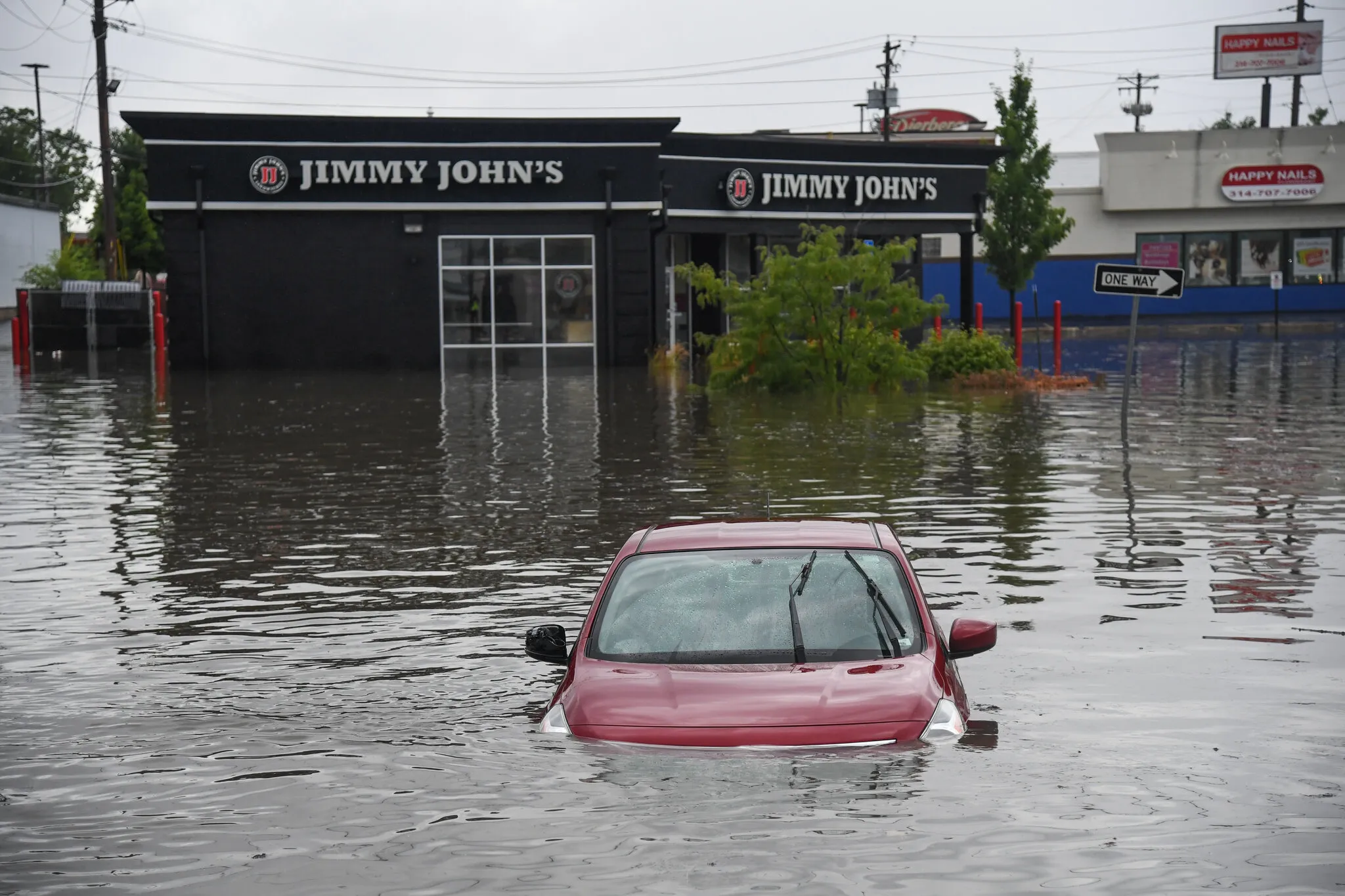
Flash floods: fast onset flooding
A flash flood is rapid flooding that develops quickly, typically within minutes to a few hours of the triggering rainfall or sudden water release. What makes it “flash” is speed: fast onset, fast rise, and often a fast-moving current.
In plain language, a flash flood is runoff that shows up all at once.
- Flash flooding: Sudden, localized, driven by intense rain and a quick runoff response.
- River flooding: A slower rise in a larger river system as water accumulates over days (and sometimes longer in very large basins).
- Coastal inundation: Water pushed in from the ocean by storm surge, tides, sea level, and waves, often with more lead time.
The core cause: rainfall beats infiltration
The simplest “physics sentence” behind a flash flood is this: the rainfall rate exceeds the ground’s ability to absorb water, and the extra water becomes runoff.
Soil can take in water only so fast. Think of it like pouring water onto a sponge. If you drizzle slowly, the sponge drinks it up. If you dump a cup all at once, water sheets off the surface.
With intense thunderstorms, rainfall rates can be extreme over a small area. In many flash flood setups, you are looking at rainfall rates on the order of 1 to 3 inches per hour or even higher in the heaviest cores. When rain comes down harder than the infiltration capacity of the soil and faster than local drainage can move it away, water starts moving downhill immediately.
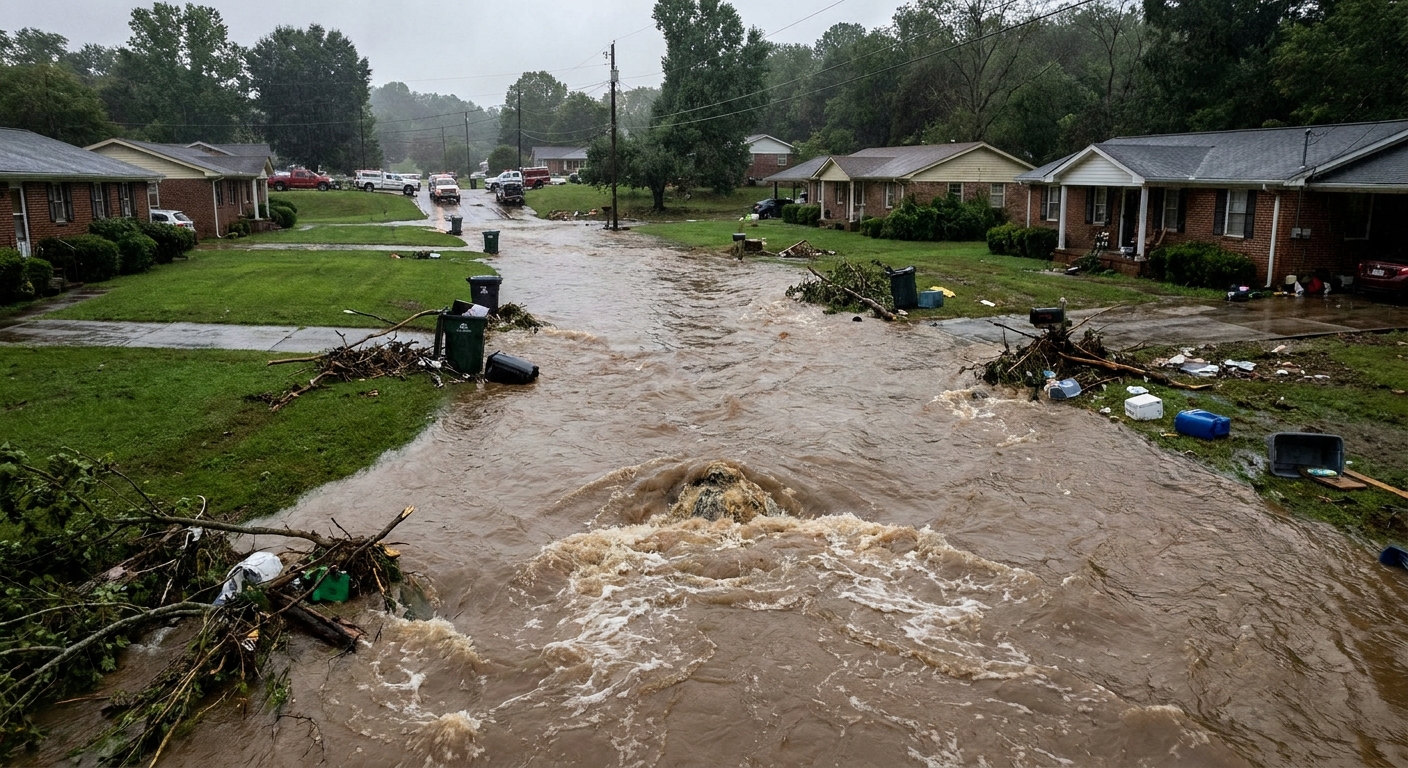
Why some places flood in minutes
Two neighborhoods can get the same storm, and one floods while the other just gets wet sidewalks. The difference is the basin. Hydrologists use “basin” or “watershed” to mean the area that drains toward a common outlet like a creek, culvert, or low point.
Flash floods love watersheds that move water quickly. Here are the biggest accelerators.
1) Steep terrain and tight valleys
Gravity is an excellent project manager. On steep slopes, water gains speed quickly, has less time to soak in, and concentrates into channels fast. Narrow canyons and arroyos act like funnels, taking runoff from a wide area and squeezing it into a smaller cross section, which makes water rise rapidly.
This is why desert slot canyons can be dangerous even when it is not raining overhead. A storm upstream can send a surge downstream like a surprise delivery you did not order.
2) Pavement in cities
Urban areas often behave like raincoats: roofs, roads, and parking lots are designed to shed water. Less water infiltrates, more becomes runoff, and it reaches storm drains and channels quickly.
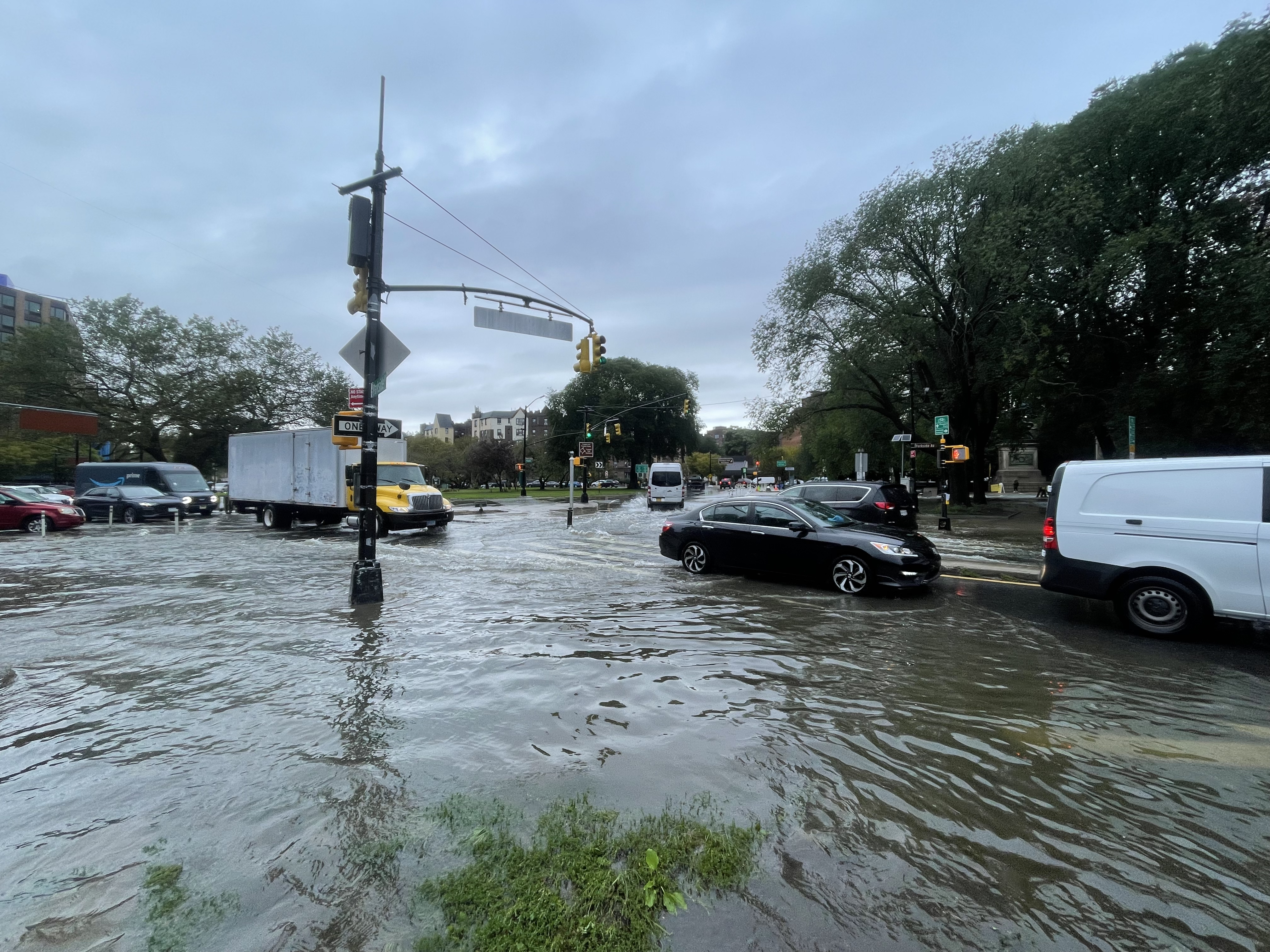
Even with good drainage, city systems have limits. If rainfall intensity outpaces what storm drains can carry, water ponds on streets, backs up into underpasses, and spills into buildings. Small creeks that were engineered into culverts can jump their banks rapidly because the water arrives in a concentrated pulse.
3) Saturated soil from prior rain
Soil is not a bottomless cup. If the ground is already wet, its infiltration capacity drops. That means a new storm produces runoff sooner and in larger volumes.
A common flash flood recipe is “rain on rain”: a wet week followed by a short, intense downpour. The second storm does not need to be historic. It just needs to arrive when the ground is already near its water holding limit.
4) Burned soils after wildfires
Wildfire changes watersheds dramatically. Vegetation that used to intercept raindrops and slow runoff is gone. Roots that helped hold soil in place are damaged. And heating can create water repellent layers in the soil, making infiltration worse.
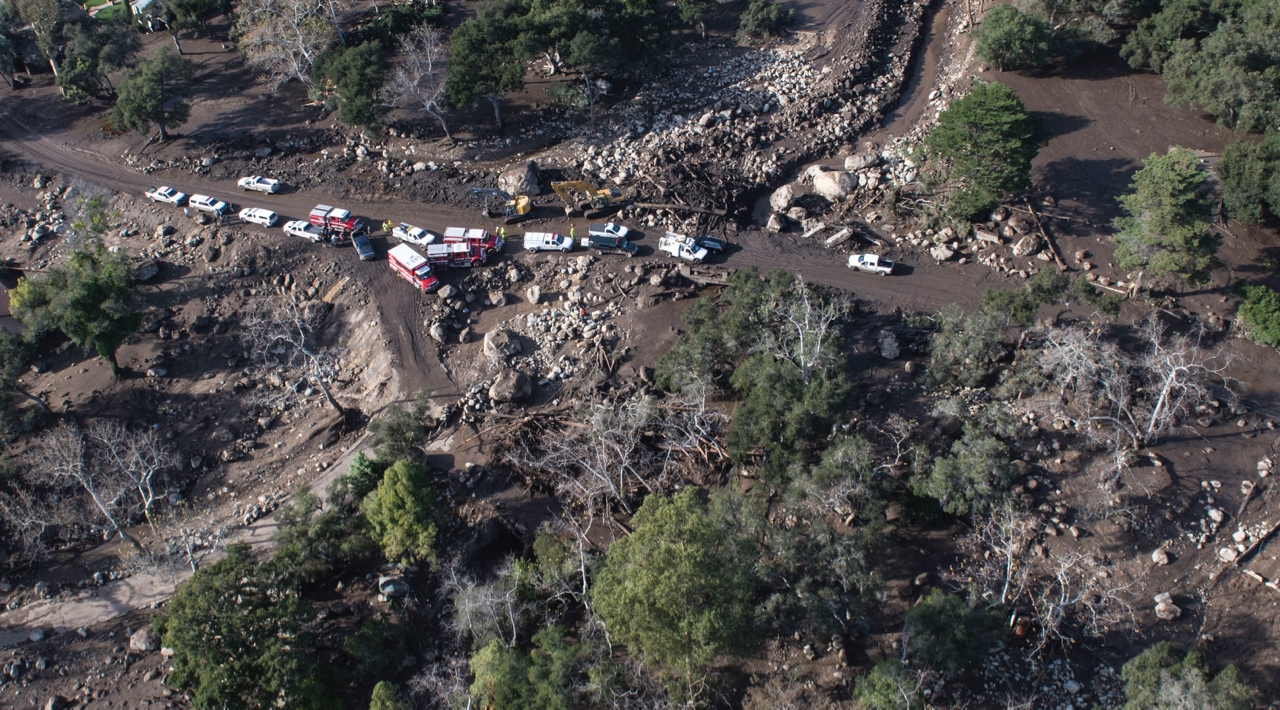
After a burn, even moderate rain can generate rapid runoff and debris flows. In these cases, the hazard is often a slurry of water, ash, soil, and rocks that moves with frightening momentum.
One quick nuance: people sometimes use “flash flood” and “debris flow” interchangeably after fires, but they are not the same thing. A flash flood is mostly water with sediment and debris mixed in. A debris flow is often much thicker, with a higher solids content, and it can behave more like wet concrete than a river.
How water rises fast without big rivers
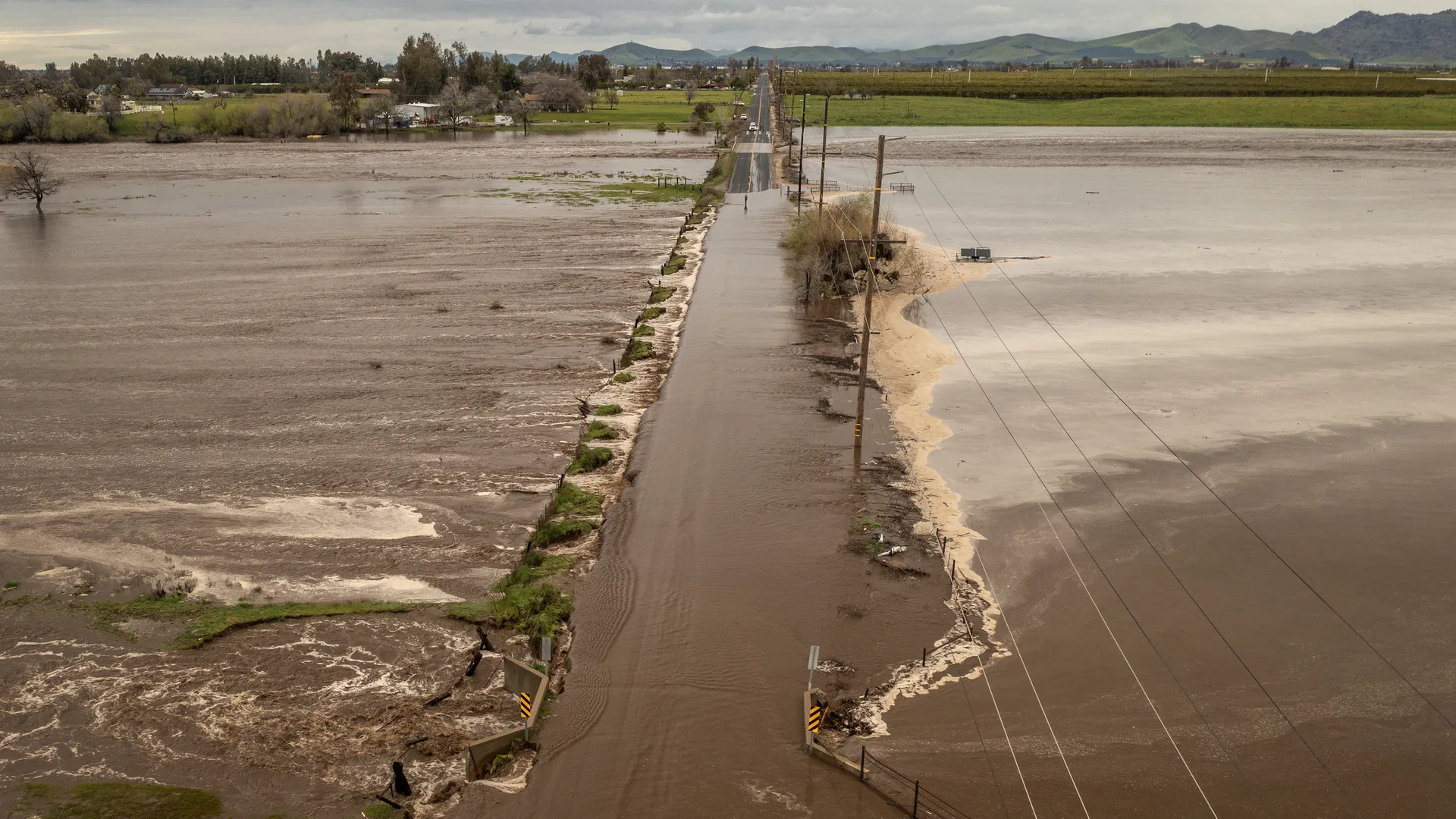
One of the most confusing things about flash floods is the location. People picture floods as something that happens next to a major river, but flash floods often happen on small creeks, in dry channels, or in built environments where the “river” is basically a drainage network.
Here is the key idea: you do not need a big river to have a big surge. You need a quick delivery of water to a low point.
- Small basins respond fast. Water has less distance to travel, so the lag time between rain and rising water can be very short, sometimes measured in minutes.
- Convergence happens quickly. Dozens of tiny rivulets join into a channel, multiplying flow in a short time.
- Storm training can park rainfall. Sometimes thunderstorms move over the same corridor repeatedly, like train cars on the same track. That stacks rainfall totals rapidly over one watershed.
- Hidden flow paths exist. In cities, water can rush along streets, underpasses, storm drains, and culverts, surfacing where the system bottlenecks.
If you have ever watched water run down a driveway and collect at the lowest spot, you already understand the first draft of a flash flood. Scale it up, add a steep watershed, and pour rain at firehose intensity.
Other triggers besides rainfall
Rain is the big driver, but it is not the only one. Flash flooding can also follow a sudden release of water, especially when that release outruns the channel’s ability to carry it.
- Dam or levee failure can send a fast-moving surge downstream.
- Ice jams can act like temporary dams, then release abruptly when the jam breaks.
- Blocked culverts can cause water to pond and then spill suddenly when the blockage fails or water overtops the road.
Flash flooding vs. river flooding
Both flash floods and river floods are about too much water moving through too little space, but the timeline and the predictability often differ.
River flooding is an accumulation problem
Large rivers integrate water from huge areas. It may take days of widespread rain, snowmelt, or upstream releases for levels to rise downstream. That slower response is why river floods often come with longer warning lead times, more measurable crests, and broader regional impacts.
Flash flooding is a rate problem
Flash floods are often triggered by localized, intense rainfall where the watershed response is quick. The peak can arrive before people realize anything is happening upstream. The most dangerous window is often early on, sometimes within the first hour.
What “100-year flood” really means
Another common point of confusion: people hear “100-year flood” and interpret it as a calendar promise, like Halley’s Comet. It is not.
A “100-year flood” is shorthand for a flood with a 1 percent chance of being equaled or exceeded in any given year, based on a statistical model using historical records and assumptions. You can have two 100-year floods within a few years, or even in back-to-back years, because probabilities do not have memory.
Also, a flash flood can be severe without neatly matching the classic “100-year” framing, especially in small basins where peak flows can be hard to measure and records can be short.
What it looks like on the ground
Because flash floods are about speed, their warning signs are often physical and immediate. If water is starting to do any of the following, conditions can deteriorate rapidly:
- Flowing across roads or pooling at underpasses
- Rising quickly in a ditch, wash, or small creek
- Turning muddy or carrying branches and debris
- Making a sudden increase in sound, like a growing roar
Fast-moving water is powerful. A shallow flow can knock an adult off balance, and vehicles can lose traction quickly when water lifts tires or erodes the roadbed underneath.
What to do right away
When I talk about the physics of flash flooding, I try not to forget the practical reality: you usually do not get much time. If you think a flash flood is starting or imminent, these are the moves that matter.
- Get to higher ground. Move uphill and away from channels, washes, and low crossings.
- Do not drive through floodwater. Turn around. A flooded road can be deeper than it looks, and the surface underneath can be gone.
- Avoid underpasses. They can fill quickly and become traps.
- Leave creeks and slot canyons immediately. If the water starts rising, you are already behind the curve.
- Watch for debris. Branches and trash are not just messy, they are a sign of fast flow and a lot of force.
- Pay attention to alerts. Flash Flood Warnings mean flooding is happening or about to happen. Treat them like a fire alarm, not a weather forecast.
Coastal inundation is different
Coastal flooding can be dramatic, but the setup is different. With slow coastal inundation, water typically creeps in from the ocean due to some combination of high tides, storm surge, sea level, and wave runup. The rise can be measured over hours and often aligns with tide cycles and storm forecasts.
Flash flooding is more like tipping a bucket over the land. Coastal inundation is more like the bathtub slowly filling from the far end.
Both are dangerous, but they ask different questions:
- Flash flood question: How fast can this watershed convert rain into runoff?
- Coastal inundation question: How high will the ocean water get, and how far inland can it push?
Quick recap: the flash flood recipe
If you want the simplest checklist, it is this:
- Short, intense rainfall that overwhelms infiltration and drainage
- A fast responding basin, often steep, narrow, or heavily paved
- Reduced absorption because soils are saturated, compacted, or fire-affected
- Efficient routing through channels, streets, culverts, and canyons that concentrate flow
When those factors line up, water levels can rise in minutes, even in places that look bone dry most of the year.
FAQ
Can a flash flood happen when it is not raining where I am?
Yes. If you are downstream from the storm, runoff can arrive after the rain has ended, or without any rain at your location at all. This is common in canyons, desert washes, and urban drainage networks.
Are flash floods only a desert thing?
No. Deserts are famous for them because dry channels fill dramatically, but flash floods also happen in mountains, suburbs, and dense cities. Anywhere a watershed can shed water quickly is a candidate.
Does “100-year flood” mean I am safe for 99 years after one happens?
No. It is a probability, not a schedule. A 1 percent annual chance event can happen multiple times in a short period.