When I taught high school physics, my students loved asking the same question in a dozen different ways until the idea finally clicked. Weather alerts feel like that. Everyone has heard “watch” and “warning,” but in the moment, the real question is: Do I keep an eye on the sky, or do I take cover right now?
One quick clarification before we get into it: in the U.S., alerts are usually hazard-specific (Tornado Watch, Flood Warning, Winter Storm Warning, and so on), and other countries may use slightly different terms. But the basic idea is consistent.
Here is the core difference, in plain language:
- Watch means conditions are favorable for a hazardous weather event. The risk is elevated, but the event may or may not happen where you are.
- Warning means the hazard is happening now or is imminent. Confidence is higher, the threat is more immediate, and it is time to act.
Time and confidence
Think of a watch as the atmosphere setting the table. The ingredients are out: warm moist air, a strong front, wind shear, saturated ground, bitter cold, or whatever recipe fits the hazard. Confidence is often high that something could happen in the region, but not always exactly where or when.
A warning is the moment you are expected to move from planning to protection. The hazard is being detected, observed, or expected very soon. Warnings are often issued based on radar data, storm spotter reports, river gauges, ground truth reports, and forecast thresholds, depending on the hazard.
What you should do
- Watch: Get ready. Review your plan, check supplies, charge devices, and stay alert for updates. If you are traveling or planning outdoor activities, reconsider now.
- Warning: Take protective action now. Get to shelter, get out of flood-prone areas, or avoid travel depending on the hazard.
Tornado watch vs. tornado warning
Tornado alerts are where the watch versus warning difference matters most, because the timeline can be brutally short.
Tornado watch
What it means: The atmosphere could support tornadoes in and near the watch area. Thunderstorms may develop or are already developing, but a tornado is not confirmed for your exact location.
What to do:
- Identify your safest shelter location now (basement, storm shelter, or a small interior room on the lowest floor).
- Make sure you can receive warnings (wireless alerts, weather radio, trusted local sources).
- Secure outdoor items and decide exactly where you will go if a warning is issued.
Tornado warning
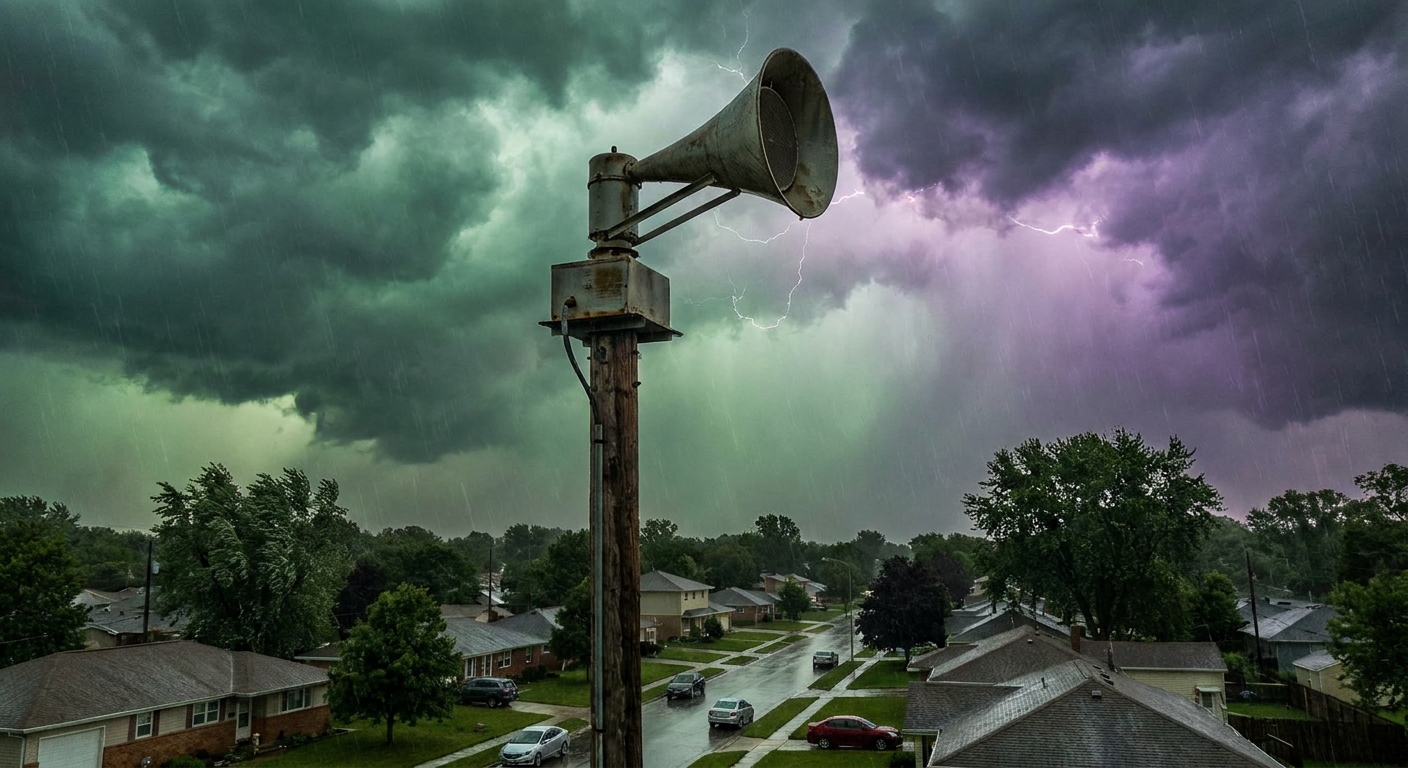
What it means: A tornado is observed or radar indicates a tornado threat (for example, strong rotation and sometimes a debris signature). It may be moving toward your area. This is not a “wait and see” message.
What to do:
- Go to your shelter spot immediately.
- Protect your head and neck (helmet, sturdy shoes, blankets, mattress if feasible).
- Do not try to outrun a tornado. Get to sturdy shelter. If you are in a vehicle and cannot reach a safe building, follow official local guidance as closely as you can.
Flood watch vs. flood warning
Flooding is tricky because it can be slow and creeping or sudden and violent. Either way, the watch versus warning distinction maps to preparedness versus immediate action.
Flood watch
What it means: Flooding is possible. Forecasts may call for heavy rain, rapid snowmelt, or conditions that make runoff more likely. In some cases, rivers are projected to rise toward flood stage.
What to do:
- Check whether your home, commute, or usual routes cross low-lying areas.
- Clear storm drains near your property if it is safe to do so.
- If you live in a flood-prone area, move valuables and review evacuation routes.
Flood warning
What it means: Flooding is occurring or imminent. This can be based on observed water levels, radar-estimated rainfall, reports from the ground, or river gauges showing flood stage has been reached or is about to be reached.
What to do:
- Move to higher ground if instructed or if water is rising.
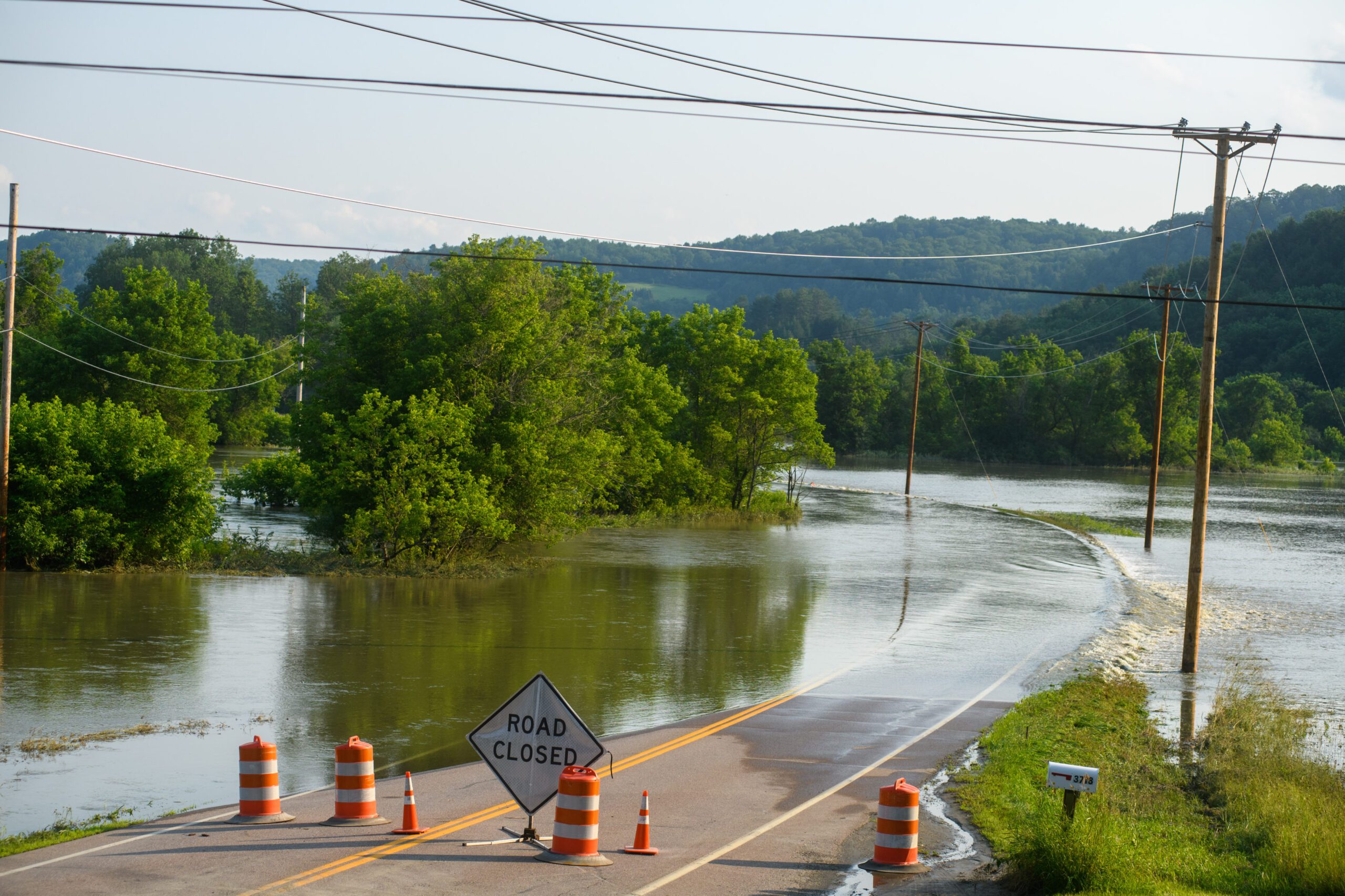
- Avoid driving through flooded roads. A shallow-looking sheet of water can hide a washed-out roadway.
- Follow local emergency guidance quickly, especially for flash flooding.
Winter storm watch vs. winter storm warning
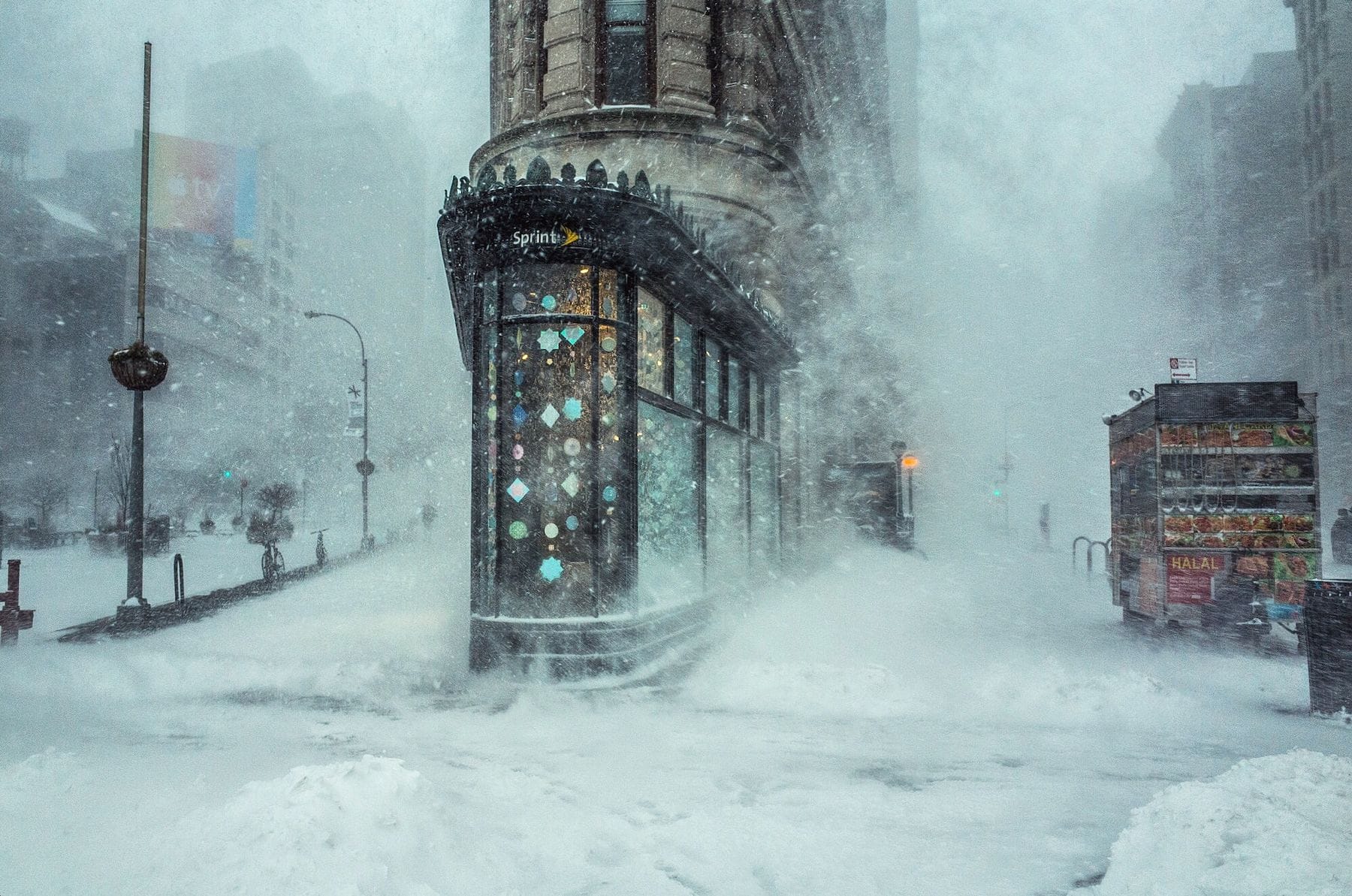
Winter weather alerts are about timing and impact. Snow totals matter, but so do wind, ice, visibility, and road conditions. Watches help you prepare before a travel day turns into a mess.
Winter storm watch
What it means: A significant winter storm is possible in the watch area, often within the next day or two. Confidence is rising, but details like the storm track and exact snow or ice amounts may still shift.
What to do:
- Plan for changing travel conditions. Consider leaving earlier, delaying, or rescheduling.
- Stock essentials like food, water, batteries, and needed medications.
- Check heating sources and confirm carbon monoxide detectors are working.
Winter storm warning
What it means: Hazardous winter weather is expected or occurring and will likely cause significant impacts like dangerous travel, power outages, or near-whiteout conditions.
What to do:
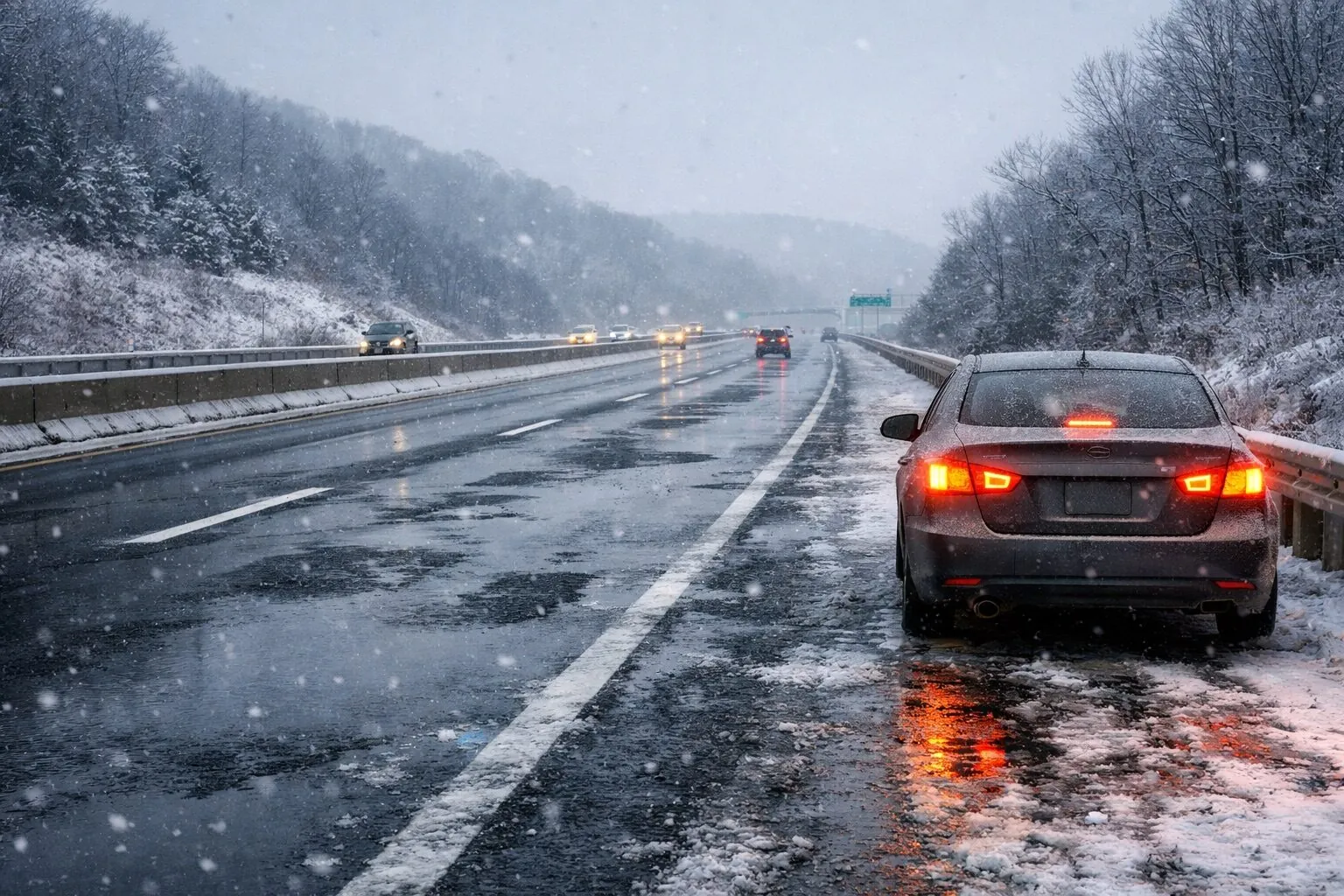
- Avoid travel if possible. If you must drive, bring a winter kit and tell someone your route.
- Prepare for power interruptions by charging devices and keeping flashlights handy.
- Limit time outdoors and dress in layers if you must be outside.
Severe thunderstorm watch vs. warning
This is one of the most common watch and warning pairs people see, and it is easy to underestimate.
Severe thunderstorm watch
What it means: Thunderstorms may develop that can produce damaging winds, large hail, and dangerous lightning. Tornadoes are not the main headline, but they can still happen in some setups.
What to do: Secure loose outdoor items, plan to move indoors quickly, and keep an eye on radar and updates.
Severe thunderstorm warning
What it means: A severe storm is occurring or about to occur, typically capable of damaging winds and or large hail.
What to do: Get indoors, stay away from windows, and protect vehicles and pets if you can do so safely.
A quick rule to remember
If you only remember one line, make it this:
Watch: Be ready. Warning: Do it now.
Watches are your lead time. Warnings are your action time. Both are useful, and taking a watch seriously is often what makes a warning feel less chaotic.
Common questions
Can a watch be “worse” than a warning?
Not in the way most people mean. A warning is more immediate. A watch can cover a larger area and a longer time window, which sometimes makes it feel dramatic, but it is fundamentally about potential.
Why do watches cover such big areas?
Because the atmosphere is a messy fluid. Forecasters often know the broader region is primed, but the exact spots where storms train, rotation tightens, or ice bands set up can vary. A watch is a way of saying, “This area is in the zone.”
What about advisories?
You will also see products labeled advisory for less severe but still disruptive conditions, like a wind advisory or winter weather advisory. Naming is not perfectly uniform across hazards, and you may also see things like special weather statements. In many places, the practical ladder is: advisory for caution, watch for elevated potential, and warning for happening or imminent.
Who issues watches and warnings?
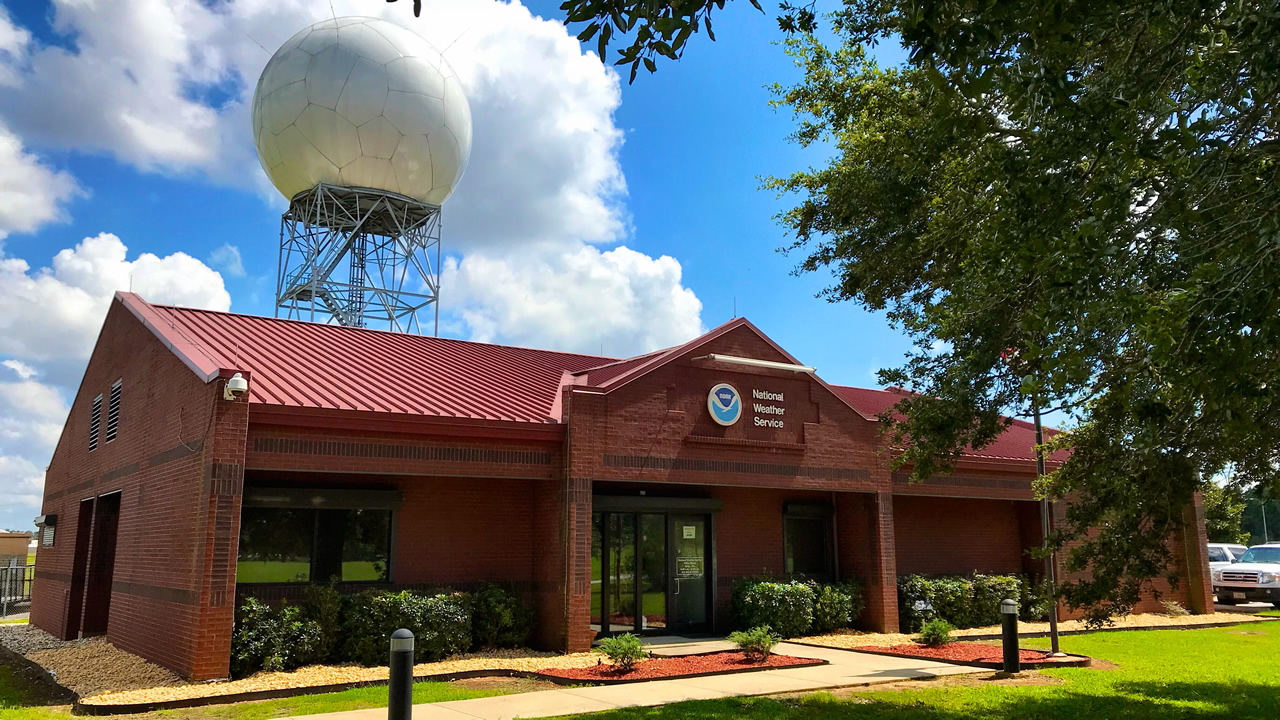
In the U.S., it depends on the hazard. For example, some convective watches (like Tornado Watch and Severe Thunderstorm Watch) are commonly issued by NOAA’s Storm Prediction Center, while warnings are issued by local National Weather Service offices. For floods and winter weather, your local NWS office is usually the one issuing the products.
How much lead time do warnings give?
It varies. Tornado and flash flood warnings can be minutes. Winter storm warnings can be hours. “Imminent” means you should treat it as a near-term threat, even if the exact lead time depends on the type of weather.
Where should I get alerts?
Use multiple layers: phone emergency alerts, local broadcast or trusted local meteorologists, and official sources like the National Weather Service. The best system is the one that reliably reaches you when you are asleep, driving, or away from your usual routine.
Bottom line
A watch is your cue to prepare and pay attention because hazardous weather is possible. A warning is your cue to protect yourself because hazardous weather is happening or about to happen.
And if you are ever unsure, treat the alert like smoke in the kitchen. A watch is the smell that makes you check what is going on. A warning is the moment you take action.