The ocean has always been Earth’s great mood ring, quietly responding to what we put in the air. Right now it’s responding to one big thing: extra carbon dioxide (CO2). When CO2 dissolves into seawater, it triggers a chain of chemical reactions that shift ocean chemistry toward lower pH. Not battery-acid acidic, but enough to matter for animals that build shells and skeletons from calcium carbonate, like corals, clams, oysters, some plankton, and even tiny snails called pteropods.
Think of it like this: marine builders need a steady supply of the right “bricks” to keep their homes sturdy. Ocean acidification doesn’t just lower pH. It reduces the availability of one of the key brick ingredients, carbonate ions. And that is where the trouble starts.
What ocean acidification means
“Acidification” can sound like the ocean is turning into a giant vat of acid. It’s not. Seawater is still slightly basic on the pH scale. The important point is the direction of change: the pH is dropping.
pH is a measure of hydrogen ion activity (H+) in water. More H+ activity means lower pH, which chemists call “more acidic.” Even small pH shifts matter because ocean chemistry is finely balanced, and many organisms evolved in a relatively stable pH environment.
A quick pH refresher
The pH scale is logarithmic. That means a change of 0.1 pH units is not “a tiny change” in the everyday sense. It corresponds to about a 26% change in H+ activity. For a real-world anchor, average surface ocean pH has dropped by roughly 0.1 units since preindustrial times, driven mainly by human CO2 emissions.
The chemistry: how CO2 changes seawater
Here’s the core story in three steps. This is the classic chemistry sequence that makes the mechanism click.
CO2 dissolves into seawater. The ocean and atmosphere constantly trade gases at the surface, like two neighbors passing ingredients over a fence.
Dissolved CO2 becomes carbonic acid (in a practical sense). In seawater, dissolved CO2 exists mostly as CO2(aq), with a small fraction forming true carbonic acid (H2CO3). Many explanations group these together because they move through the same reaction pathway.
That pathway releases hydrogen ions. Carbonic acid can break apart, releasing H+ and forming bicarbonate (HCO3−). Those extra hydrogen ions are what push pH downward.
Now for the crucial twist: those hydrogen ions tend to latch onto carbonate ions (CO3 2−), turning them into bicarbonate. So as H+ increases, carbonate decreases.
If you remember only one line, make it this: more CO2 means more H+, and more H+ means fewer carbonate ions available for shells and coral skeletons.
Why shells and corals are vulnerable
Many marine organisms build hard parts out of calcium carbonate (CaCO3). To do that efficiently, they rely on seawater containing enough carbonate ions. When carbonate becomes scarce, building becomes harder. In some conditions, existing structures can even begin to dissolve.
One extra layer that matters: calcium carbonate comes in different crystal forms, mainly aragonite and calcite. Aragonite is generally more soluble, which is one reason many corals and some shell-forming plankton are especially sensitive when chemistry shifts.
Coral reefs
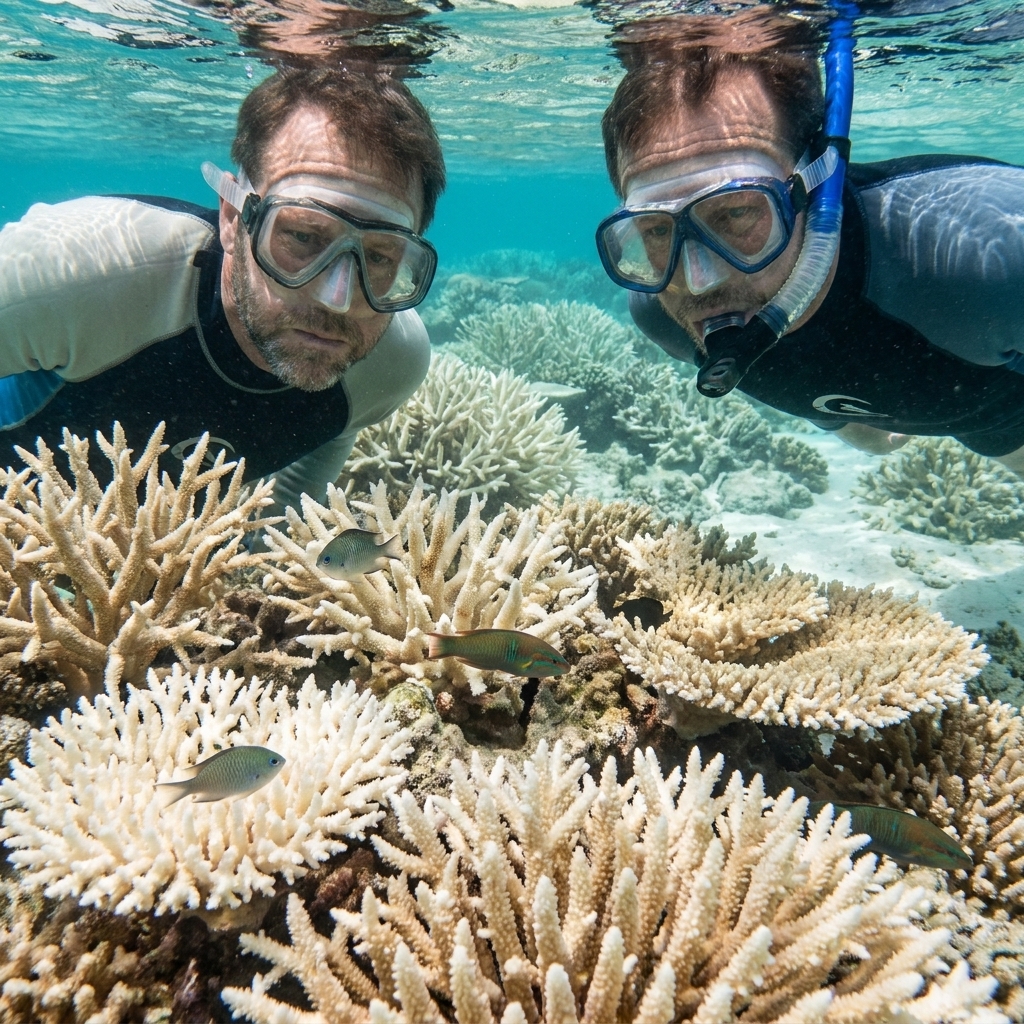
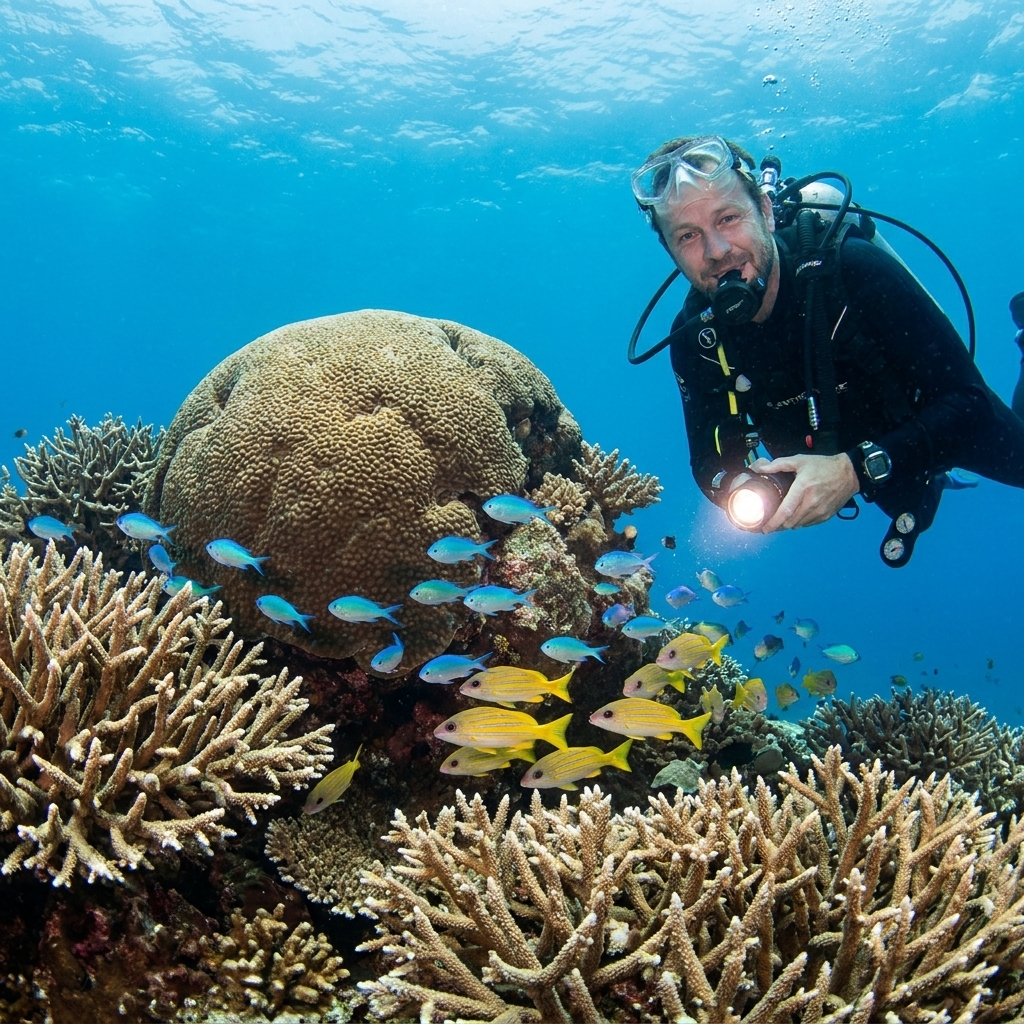
Corals are animals that build calcium carbonate skeletons, forming reefs over time. Reefs protect coastlines from storm waves, support fisheries, and create habitat for an astonishing variety of marine life. When acidification reduces carbonate availability, corals can have slower growth rates and weaker skeletons. That makes reefs more fragile in the face of other stressors like warming waters, pollution, and physical damage.
Shellfish
Shellfish are “natural engineers” and also dinner for millions of people. Their most vulnerable stage is often early life. Larvae have to build their first tiny shells quickly. More acidic conditions can make that first construction project harder, which can reduce survival rates and ripple into aquaculture and wild populations.
Tiny creatures, big consequences
Some plankton, including certain species of coccolithophores and pteropods, also use calcium carbonate. These are not just obscure trivia organisms. They are foundational pieces of ocean food webs. When their populations shift, predators from small fish to whales can feel it.
Acidification and climate change
Ocean acidification and ocean warming both trace back to excess CO2, but they are different problems with different mechanisms.
- Warming happens because CO2 traps heat in the atmosphere, and the ocean absorbs most of that extra heat.
- Acidification happens because the ocean absorbs CO2 as a gas, and that CO2 changes seawater chemistry.
That means you can have acidification impacts even in places where temperature changes are not the main story, especially in regions where natural processes already push CO2 higher, like upwelling zones.
Where it hits hardest
Acidification is global, but the experience is local. Different waters start with different chemistry, and local conditions can amplify the effect.
Upwelling coasts
In places like the U.S. West Coast and parts of South America, winds can pull deep water up to the surface. Deep water often contains more dissolved CO2 from decomposing organic matter. If that deep water is already carbonate-poor, adding the modern CO2 burden can push conditions into a range that stresses shell builders.
Cold waters
Colder water absorbs more CO2, which can make high-latitude oceans particularly susceptible. Polar ecosystems are already dealing with rapid changes, and acidification adds another pressure point.
Estuaries and coastal zones
Coastal waters are complicated. Nutrient runoff can fuel algal blooms; when that organic matter decomposes, it releases CO2 and can lower pH locally. So in some places, communities are confronting a one-two punch: global CO2 plus local chemistry swings.
One important nuance: coastal pH can also swing naturally day to day and season to season due to tides, storms, photosynthesis, respiration, and freshwater input. Acidification is the long-term baseline shift underneath that natural variability, like lowering the floor even as the waves keep moving.
What scientists measure
pH gets the headlines because it’s familiar, but marine chemists track a toolkit of related indicators.
- Total alkalinity: the ocean’s capacity to neutralize acid, largely set by geology and long-term processes.
- Dissolved inorganic carbon: how much carbon is present in forms like CO2, bicarbonate, and carbonate.
- Aragonite saturation state: a measure of how easy it is for organisms to build aragonite. When saturation drops, building becomes energetically costly, and dissolution becomes more likely.
That last one, saturation state, is a big deal for biological outcomes. It connects the chemistry directly to whether marine builders have enough raw materials.
What to watch
- Periods of low saturation state during upwelling events, especially in spring and summer.
- Early-life stress in shellfish at hatcheries and in the wild, when first shells are forming.
- Slower reef growth where warming and acidification stack together over time.
What this means for people
Ocean acidification can sound distant until you connect it to the things we rely on: food, jobs, coastal protection, and cultural traditions tied to the sea.
Seafood and coastal economies
Shellfish industries are already experimenting with monitoring and adaptation, especially hatcheries that need stable conditions for larvae. Acidification can increase costs and risk. It also threatens wild harvests that many communities depend on.
Reefs and shoreline protection
Healthy reefs act like natural breakwaters, absorbing wave energy. When reef growth slows and structures weaken, coastlines can become more vulnerable to storms and erosion.
Biodiversity and ecosystem stability
Reefs and plankton-rich waters support complex food webs. When the base of the web changes, the whole structure can wobble. Not always in a neat, predictable way, which is precisely what makes it risky.
Can marine life adapt?
Some organisms can acclimate or adapt better than others. Biology is resourceful, and evolution never stops. But adaptation has speed limits.
Species with short generation times may evolve tolerance more quickly. Others may rely on physiological tricks like regulating internal chemistry, but that can require extra energy, leaving less for growth, reproduction, or escaping predators.
There is also good news in the nuance: local actions can improve resilience. Cleaner water, reduced nutrient pollution, and habitat protection can give ecosystems more breathing room while we tackle the bigger CO2 problem.
What helps
Ocean acidification has a straightforward root cause: too much CO2 in the atmosphere. That means the most effective long-term solution is also straightforward in concept, even if challenging in practice.
1) Cut CO2 emissions
Reducing fossil fuel use and improving efficiency directly slows the chemical push toward lower pH. This is the main lever.
2) Protect and restore blue carbon ecosystems
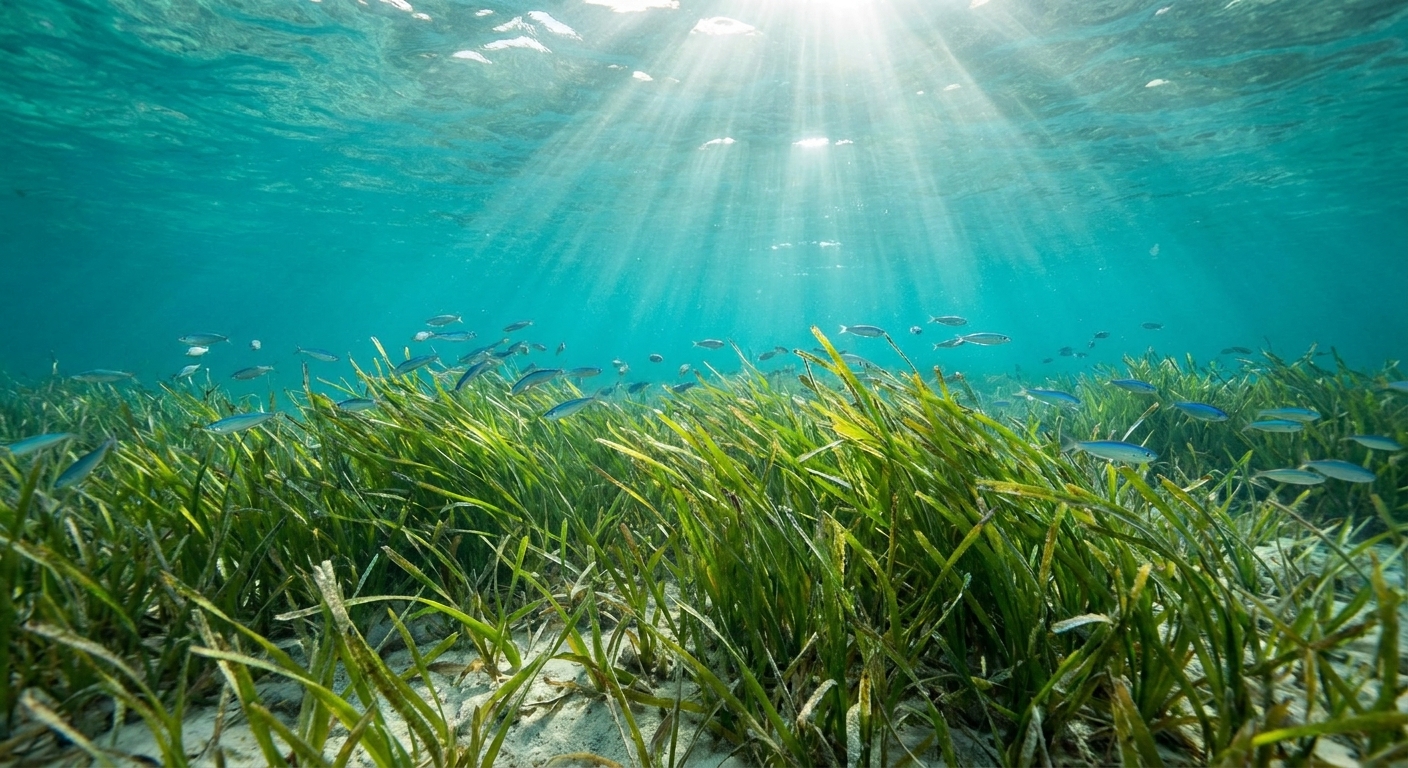
Mangroves, seagrasses, and salt marshes store carbon in biomass and sediments. Protecting them helps with climate mitigation and can support local water quality. Their chemistry effects can be complex and site-specific, but their ecological value is clear.
3) Reduce nutrient pollution
Runoff from agriculture and wastewater can worsen coastal acidification by fueling blooms and decomposition. Better nutrient management is one of the most practical regional tools we have.
4) Monitor smarter
Many regions are expanding pH and carbonate monitoring networks. For shellfish growers, timely data can be the difference between a successful hatch and a failed one.
5) Support reef resilience
Marine protected areas, sustainable fishing, and reducing local stressors like sediment and chemical pollution can help reefs stay healthier under chemical strain.
FAQ
Is the ocean becoming acidic like vinegar?
No. The ocean is still slightly basic. “Acidification” means it is shifting toward lower pH. That shift is enough to change carbonate chemistry and stress some organisms.
Does ocean acidification cause coral bleaching?
Bleaching is primarily driven by heat stress that causes corals to expel their symbiotic algae. Acidification is a different stressor. It can slow coral growth and weaken skeletons, making recovery from bleaching harder.
Can we reverse ocean acidification quickly?
Surface waters respond relatively quickly to changes in atmospheric CO2, but the ocean is huge and mixes slowly. The most reliable path is preventing further CO2 buildup and supporting ecosystems while chemistry gradually stabilizes.
How do scientists know it’s happening?
We have decades of direct measurements of seawater chemistry, plus a strong understanding of carbon chemistry and how CO2 moves between air and sea. The observed trends match what the chemistry predicts.
The takeaway
Ocean acidification is chemistry on a planetary budget: billions of tons of extra CO2, absorbed by seawater, nudging pH downward and thinning the supply of carbonate “bricks” that many marine organisms depend on. Coral reefs and shell builders are on the front lines, but the ripples extend to food webs, fisheries, and coastal protection.
If you like a hopeful ending, here it is: this is not a mysterious threat. The mechanism is well understood, the measurements are clear, and the main solution is the same one that helps with climate change. Less CO2 in the air means a healthier chemical balance in the sea.