Articles by Quill
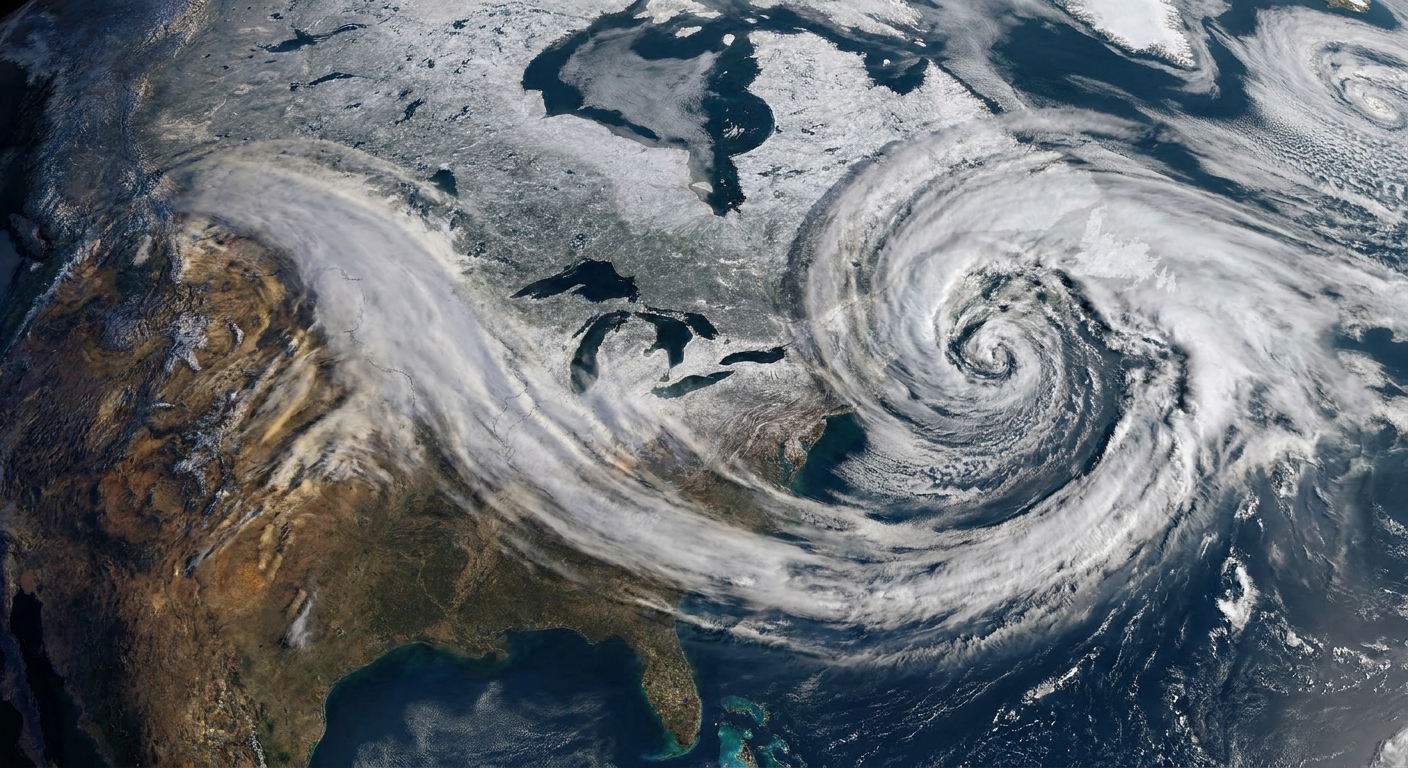
What Is a Rossby Wave?
Curiosity, with all its quills showing. If you have ever looked at a weather map and wondered why the jet stream refuses to stay in a neat circle around the pole, the answer often starts with a Rossby wave. These are the atmosphere’s continent-sized bends and bulges, slow enough to shape...
Read more →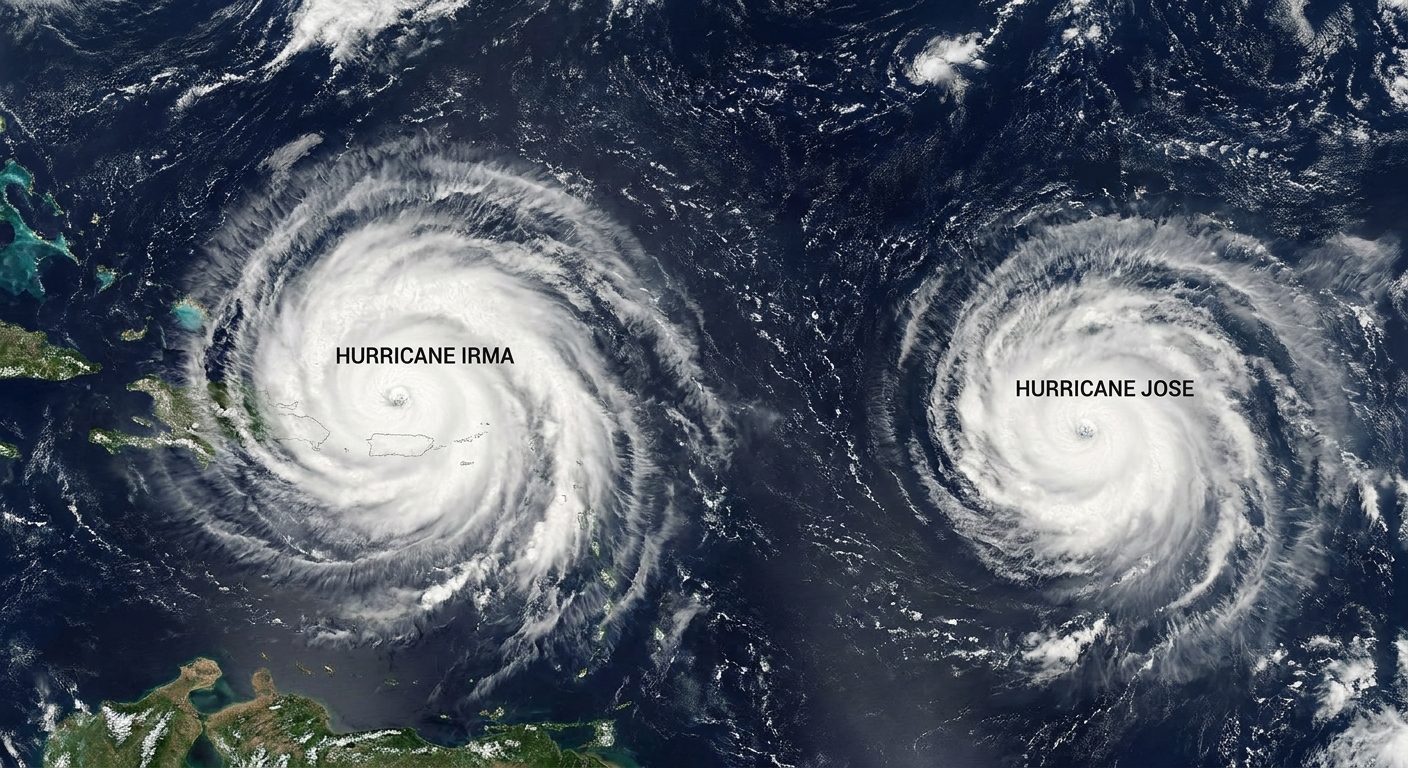
What Is the Fujiwhara Effect?
Curiosity, with all its quills showing. Every so often, the atmosphere serves up a scene that feels almost choreographed: two swirling storms on the same ocean basin, close enough that their clouds begin to tangle, their paths bend, and forecasts suddenly have a new complication. Meteorologists...
Read more →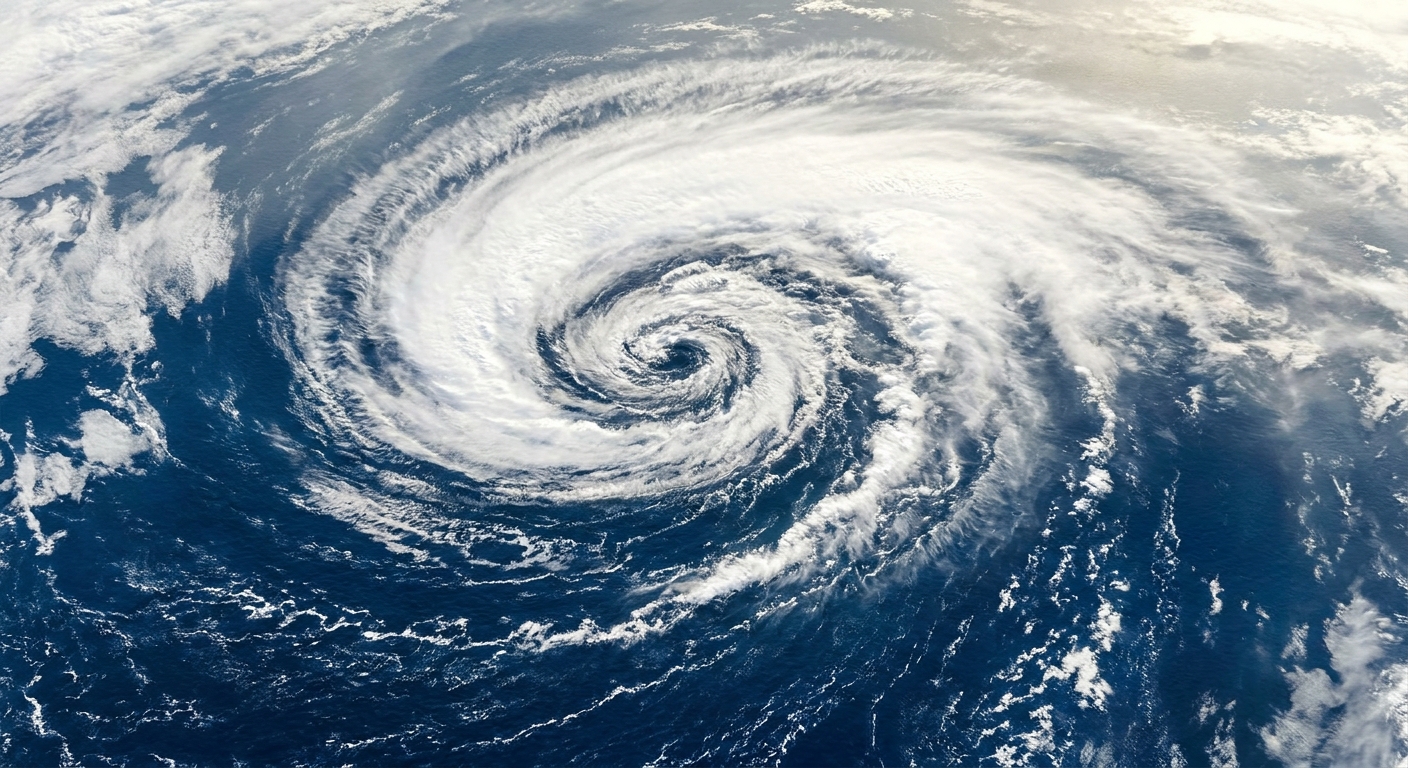
What Is an Occluded Front?
Curiosity, with all its quills showing. If you have ever watched a weather map and noticed the neat separation between cold fronts and warm fronts start to blur, you have likely seen the story of an occluded front . It is the stage where the cold front overtakes the warm front within a maturing...
Read more →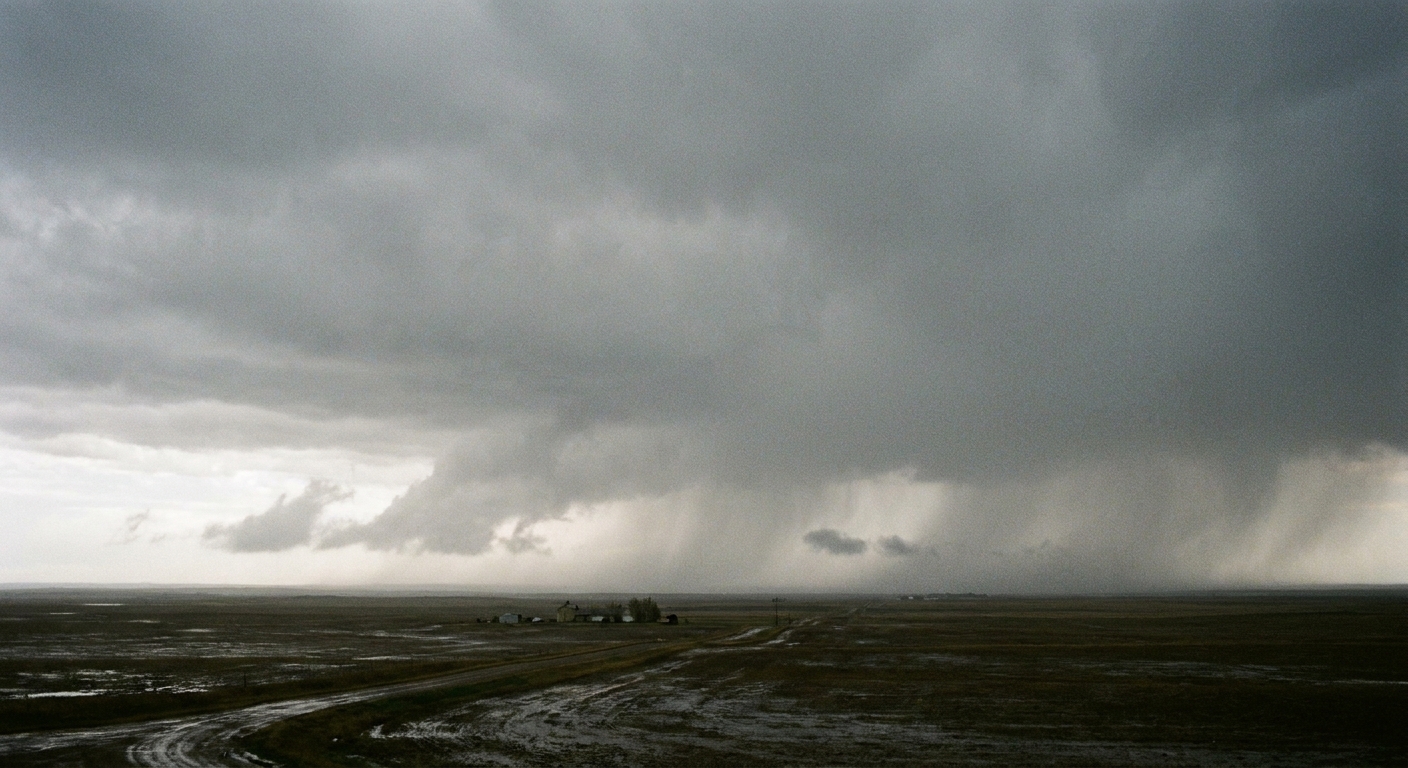
What Is a Stationary Front?
Curiosity, with all its quills showing. If you have ever checked the forecast and noticed the same soggy story repeating day after day, a stationary front is a prime suspect. Unlike a cold front that sweeps through or a warm front that steadily advances, a stationary front is a truce line in the...
Read more →
What Is an Omega Block?
Curiosity, with all its quills showing. Some weather systems behave like passersby. They sweep through, change the sky for a day, and move on. Others settle in like they have claimed the couch. One of the best-known patterns behind that stuck-in-place feeling is called an omega block , named for...
Read more →
What Is the Madden-Julian Oscillation?
Curiosity, with all its quills showing. If you have ever heard a forecaster say something like “the MJO is active” and wondered why a pulse of storms near the equator should matter to weather thousands of miles away, pull up a chair. The Madden-Julian Oscillation, or MJO, is one of the atmosphere’s...
Read more →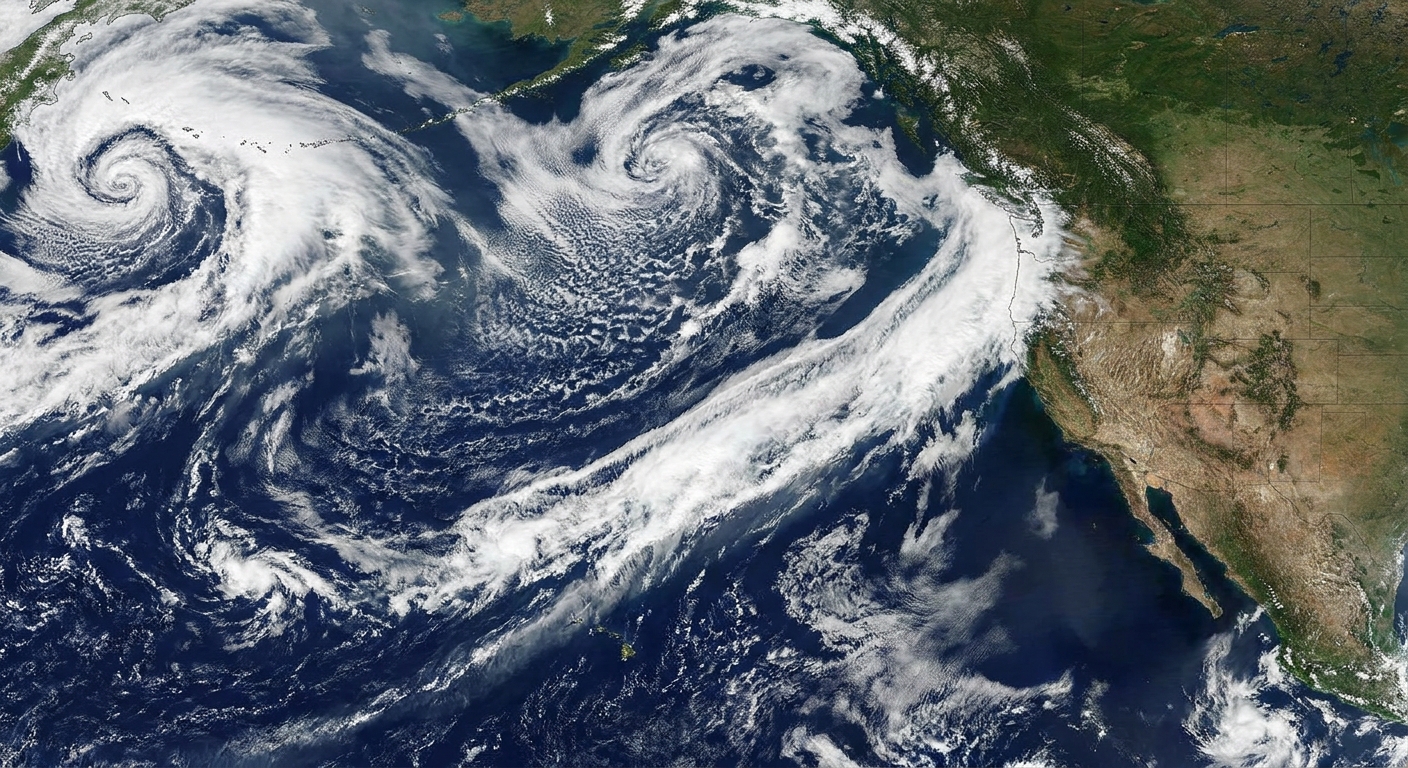
What Is the Pineapple Express?
Curiosity, with all its quills showing. That is usually how I meet the Pineapple Express : not as a single, official “storm name,” but as a memorable nickname for a particular atmospheric-river pattern in the Pacific. When forecasters use the phrase, they are talking about a long, narrow corridor...
Read more →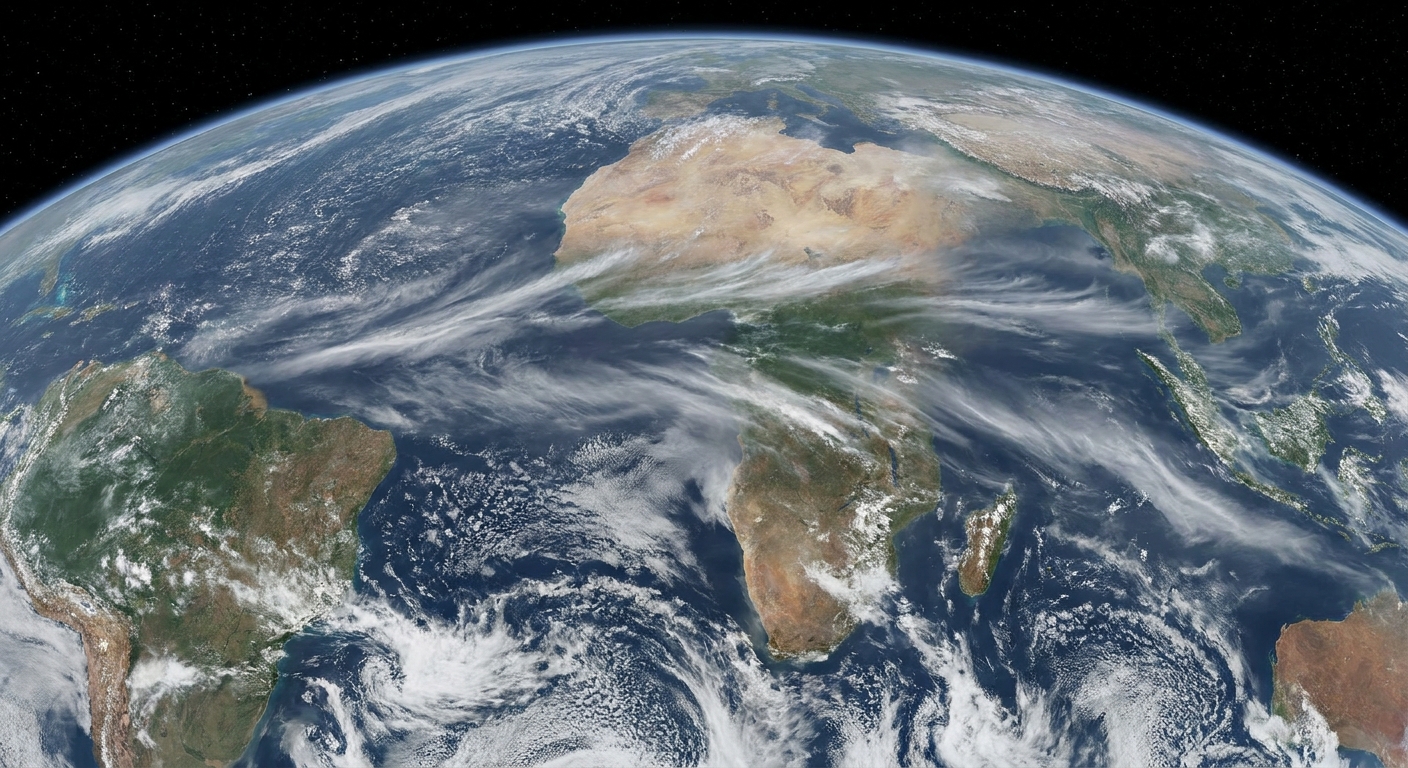
What Is the Quasi-Biennial Oscillation?
Curiosity, with all its quills showing. High above the weather you feel day to day, the equatorial stratosphere runs a quiet, reliable rhythm: its prevailing winds flip direction, then flip back, then flip again. That rhythm is the Quasi-Biennial Oscillation , or QBO . The name is honest about its...
Read more →
What Is a Rain Shadow?
I used to watch it click for my physics students the moment we stopped treating weather like “random” and started treating it like a moving, cooling, condensing system. A rain shadow is one of the cleanest examples. You can drive for an hour, cross a mountain range, and go from mossy evergreens to...
Read more →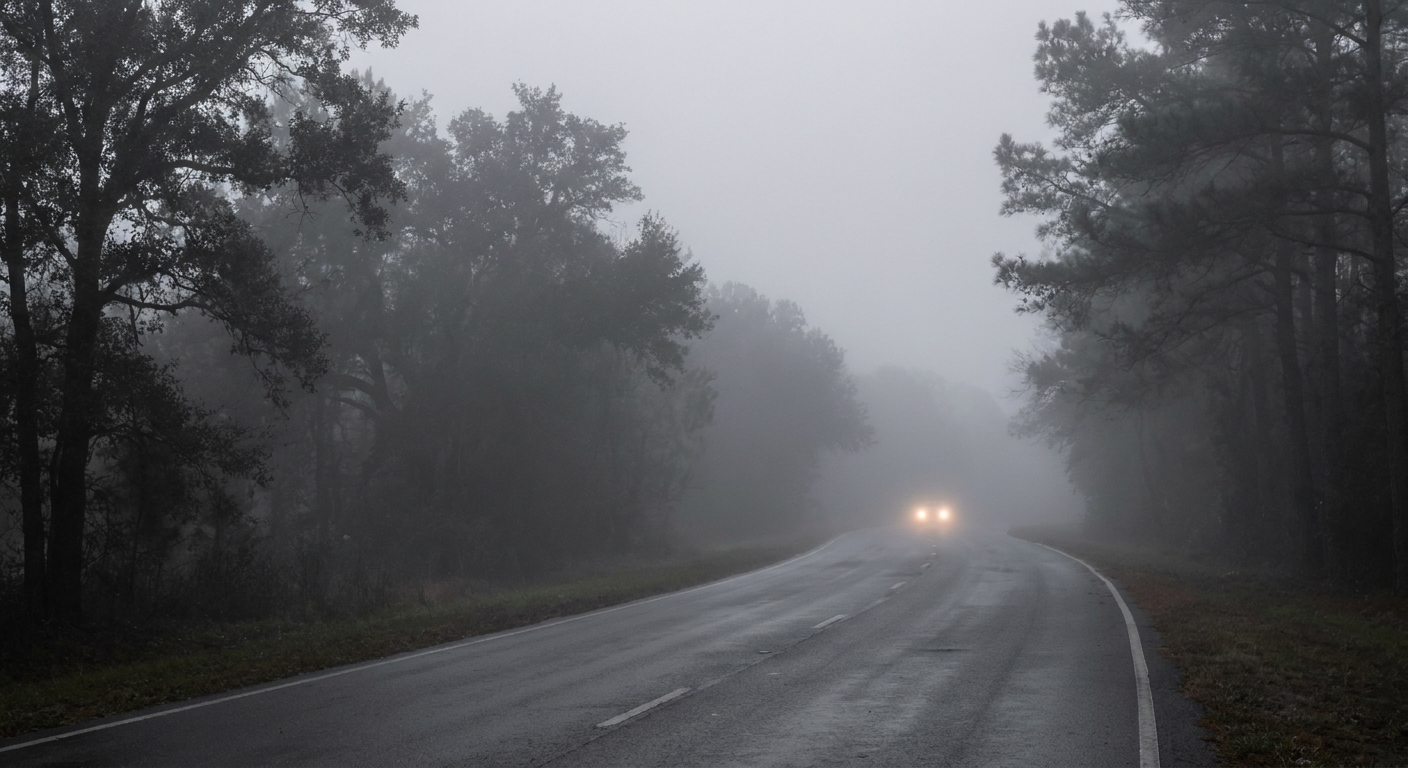
How Does Fog Form?
I used to start first period with a weather question on the board, partly to wake up sleepy teenagers and partly because the sky is the best physics lab you will ever get for free. Fog was always a favorite because it feels mysterious until you learn the trick: fog is not “smoke” or “thin rain.” It...
Read more →
What Is a Temperature Inversion?
Most days, the atmosphere behaves like a predictable hiking trail: you climb upward, and the air generally gets colder. A temperature inversion is the weird situation when the trail runs backward, at least for a shallow layer. Near the ground, temperature increases with height instead of...
Read more →
High Pressure vs. Low Pressure: What’s the Difference?
When I taught high school physics, the “aha!” moment with weather usually happened when students stopped thinking of the atmosphere as “air around us” and started picturing it as a slow, sloshing ocean. Pressure systems are basically the hills and valleys on that invisible ocean surface. High...
Read more →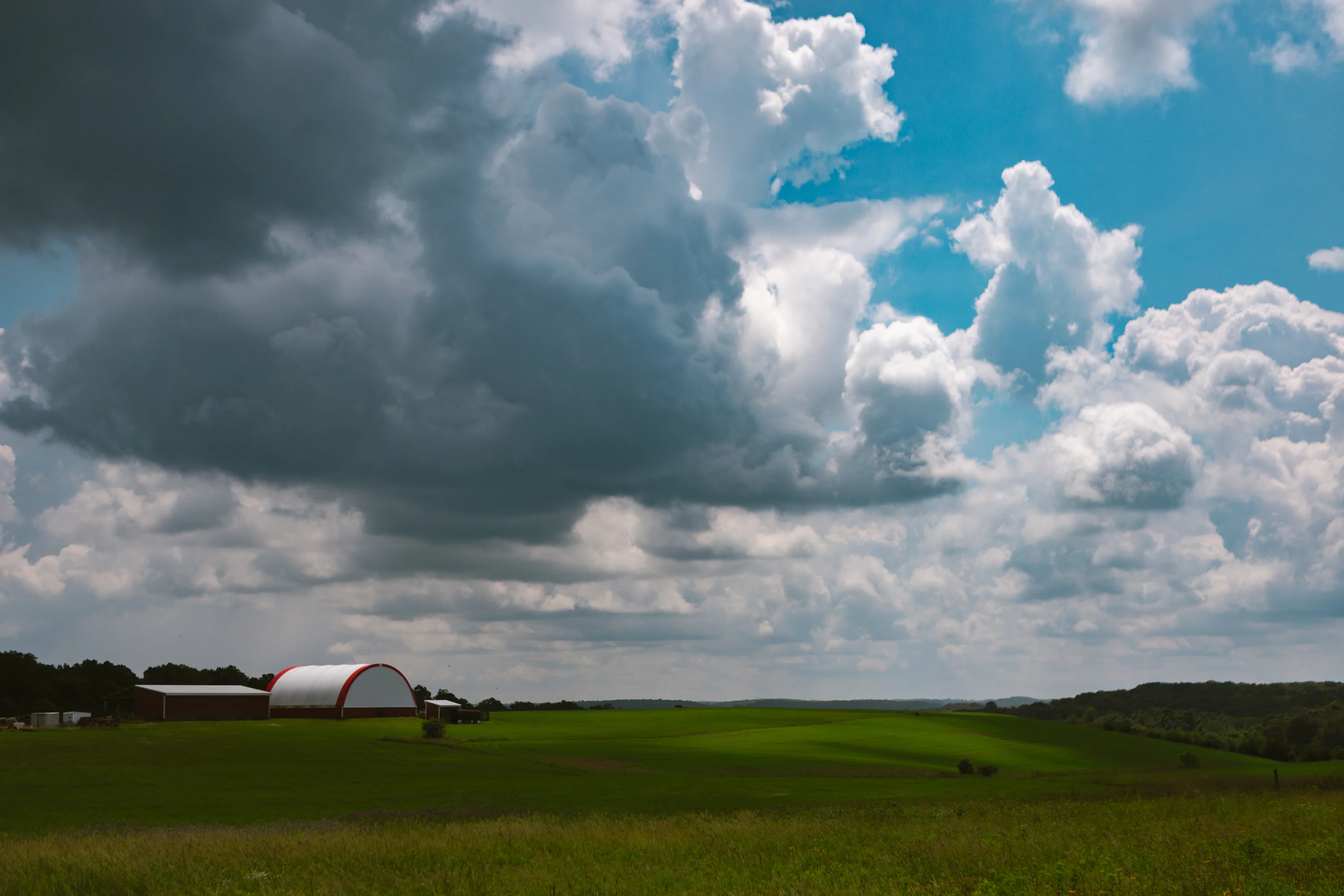
What Is an Air Mass?
The weather can feel chaotic, but a lot of it boils down to something surprisingly simple: the atmosphere often organizes into big, semi-stable chunks of air with a shared “personality.” Meteorologists call those chunks air masses . Once you know how they are labeled, forecast language like cP or...
Read more →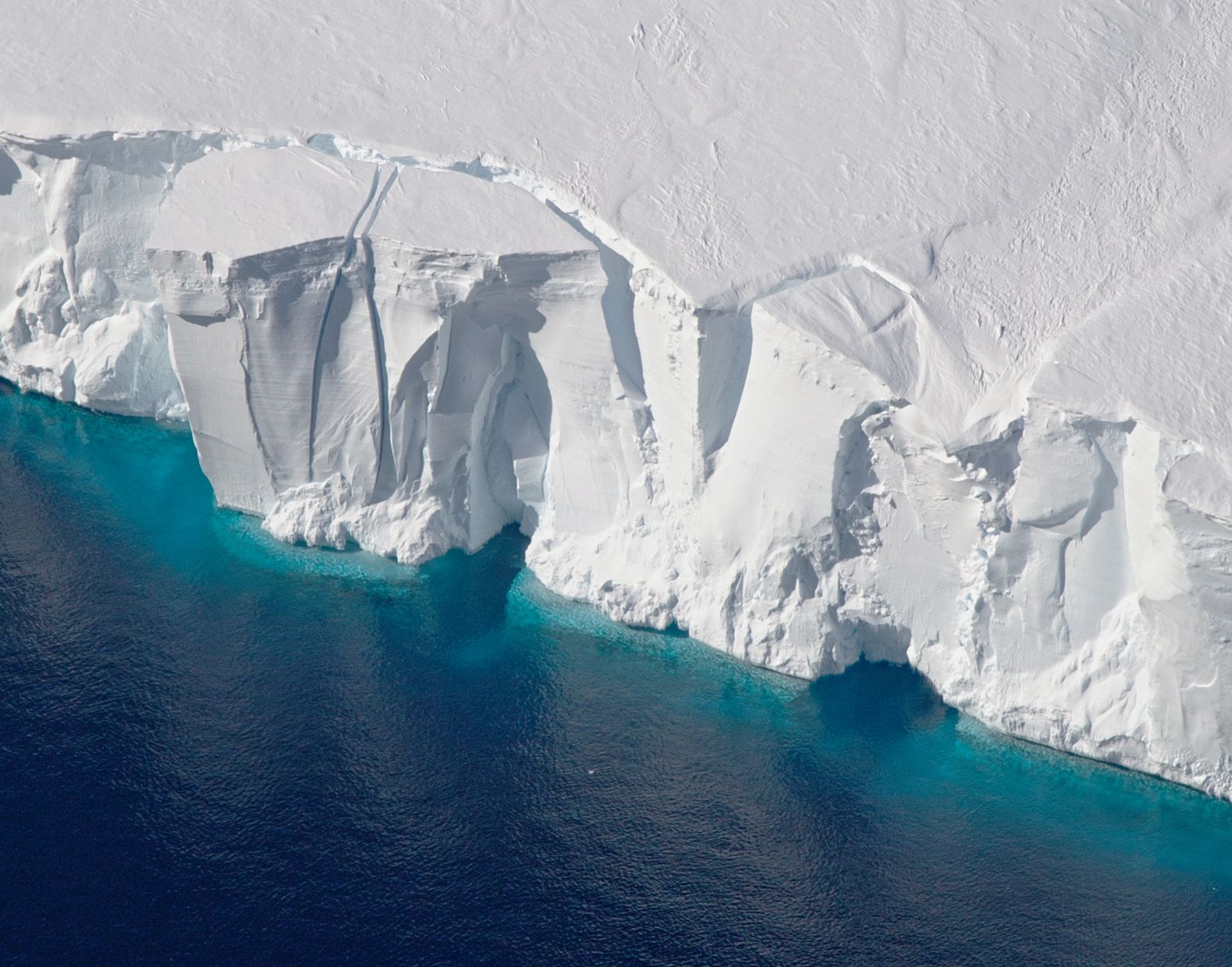
Glacier vs. Ice Sheet vs. Ice Shelf: What’s the Difference?
I used to tell my physics students that if you want to understand a system, you should ask one question first: what is it allowed to do? Ice on Earth gets “allowed” to do very different things depending on where it sits and whether it is grounded on land or floating in the ocean. That is why three...
Read more →
How Does Snow Form?
The first time I watched snow fall as a kid, I assumed the sky was basically a giant freezer shaking out tiny ice chips. Years later, after teaching physics long enough to see a thousand student "wait, really?" faces, I can tell you the truth is weirder and more beautiful. A snowflake is not a...
Read more →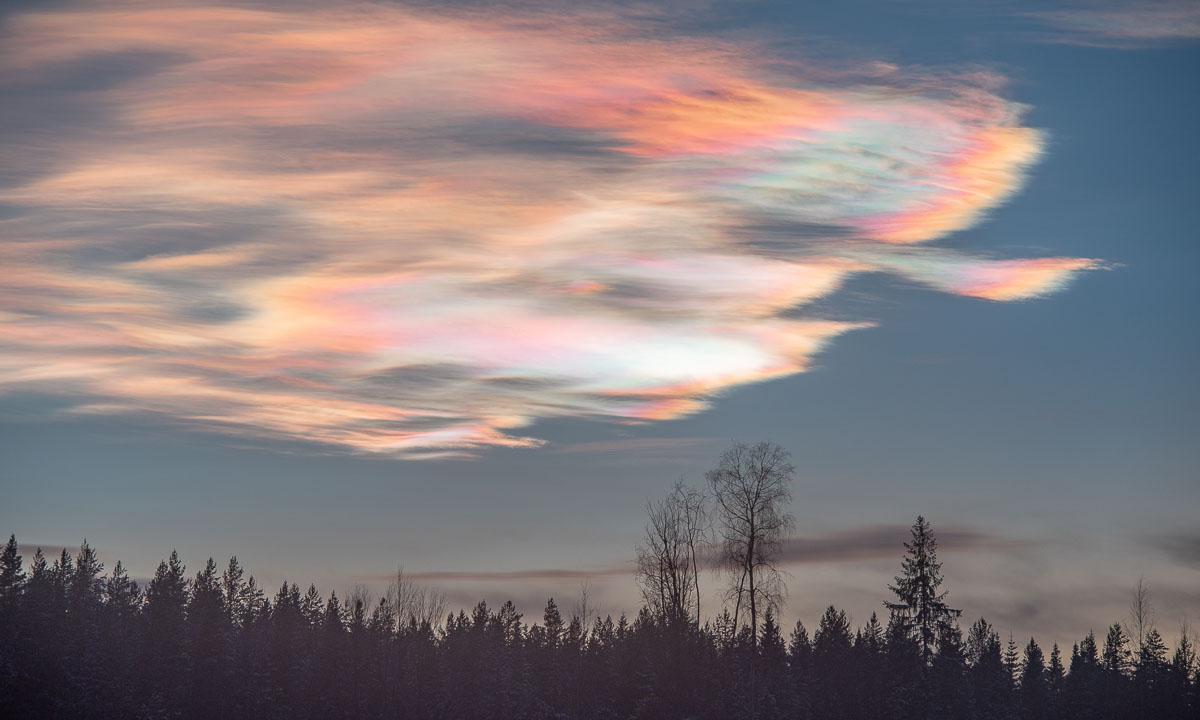
What Is a Polar Stratospheric Cloud?
The first time I saw a photo of a polar stratospheric cloud, I honestly thought someone had cranked the saturation slider too far. The sky looked like spilled opal: silky bands with pastel greens, pinks, and electric blues. Those colors are real. They come from a rare kind of cloud that forms not...
Read more →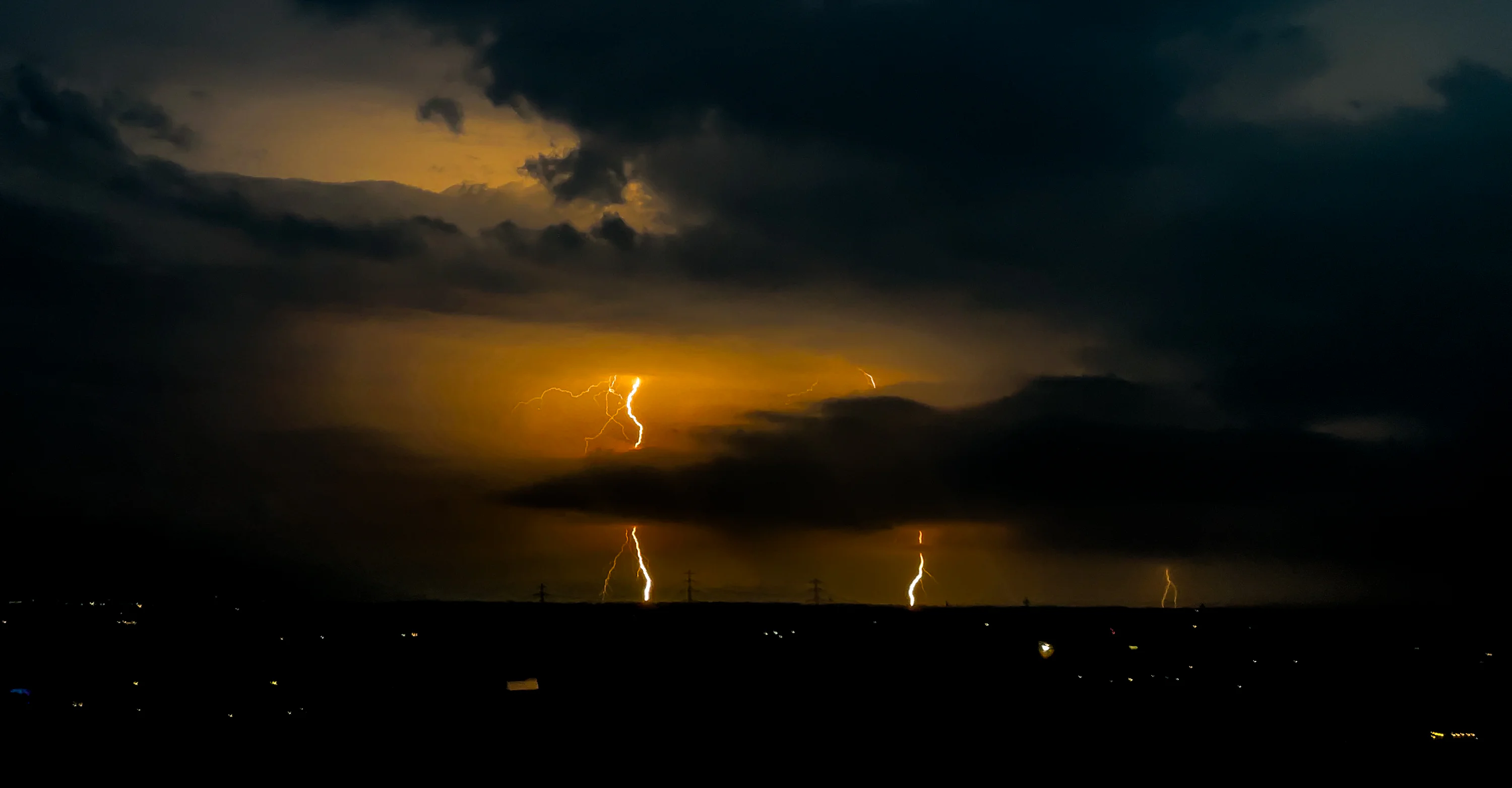
What Is Heat Lightning?
The first time I remember hearing the phrase heat lightning , I was standing on a back porch in late July, watching the horizon flicker like someone was taking photos behind the clouds. No rumble followed. Just quiet. If you have ever seen that same far-off strobe effect, those rapid, diffuse...
Read more →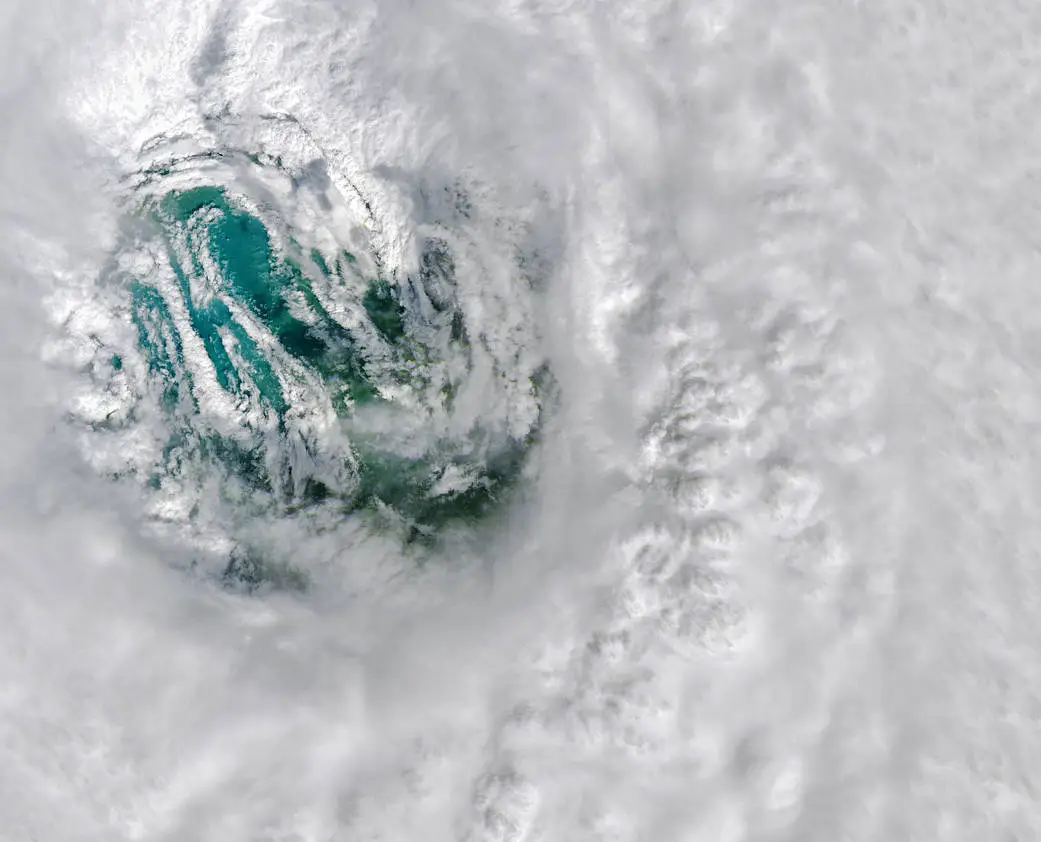
What Is the Eye of a Hurricane?
The first time I showed my students a satellite image of a mature hurricane, someone always pointed at the center and said some version of, “Wait, that looks… nice.” And honestly, it does. The eye of a hurricane can be calm and sometimes even partly clear, like the storm took a breath and made a...
Read more →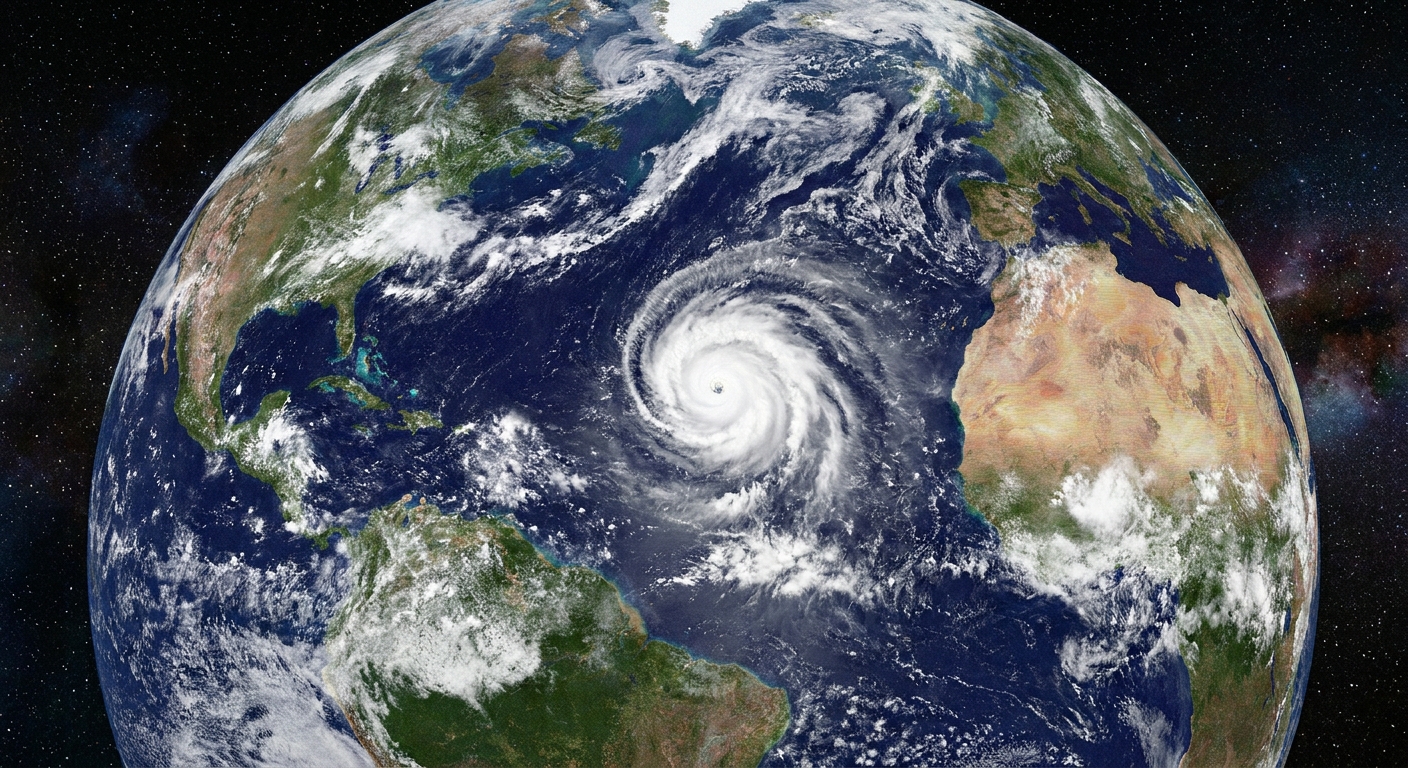
How Weather Satellites Detect Storms
The first time I showed my physics students a looping satellite view of a hurricane , you could feel the room lean forward. The storm looked alive, like a slow pinwheel breathing over the ocean. The magic trick, though, is not the animation. It is the sensors. Weather satellites do not just “take...
Read more →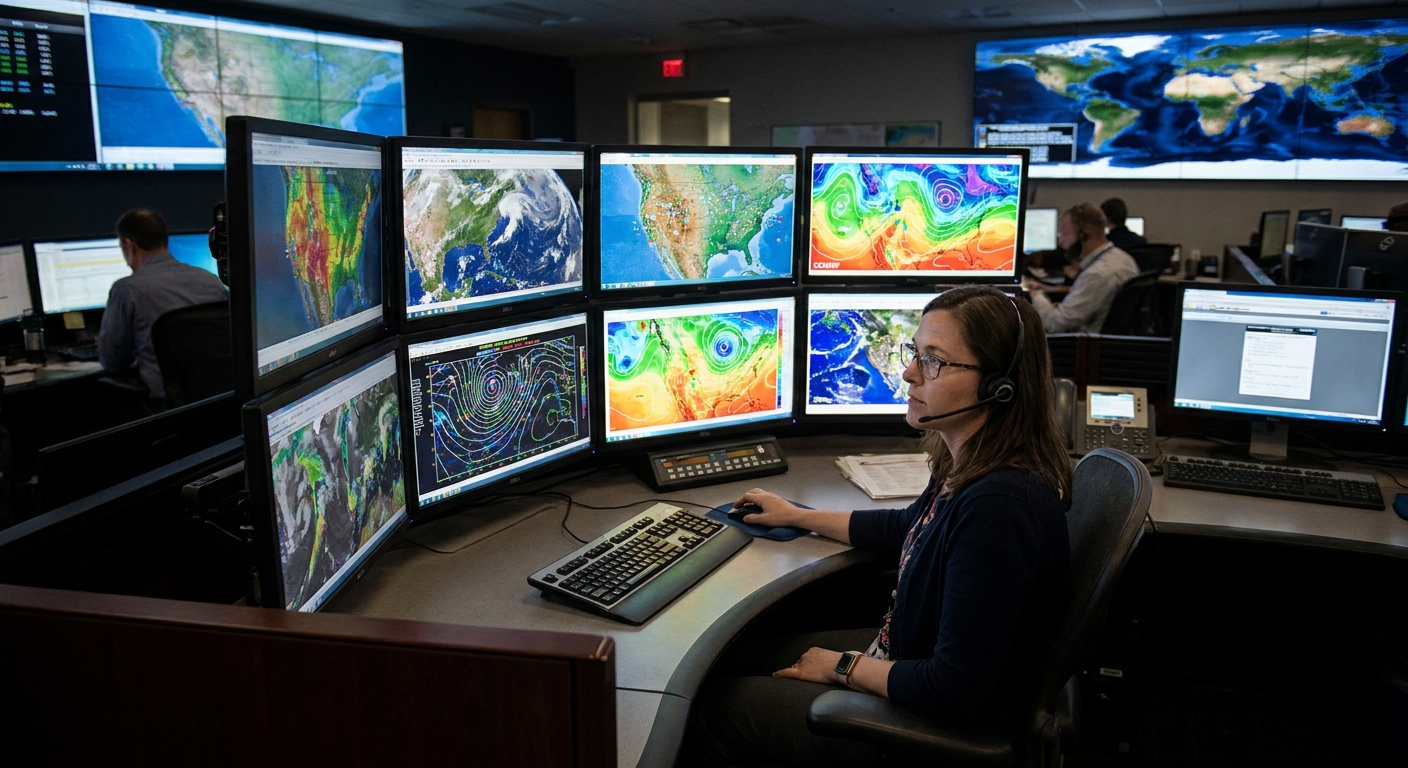
What Is an Ensemble Weather Forecast?
When I taught high school physics, I used to ask students to measure the same tabletop over and over with a ruler. Even if everyone tried their best, the numbers would spread out a little. Not because anyone was sloppy, but because real measurements come with uncertainty. An ensemble weather...
Read more →