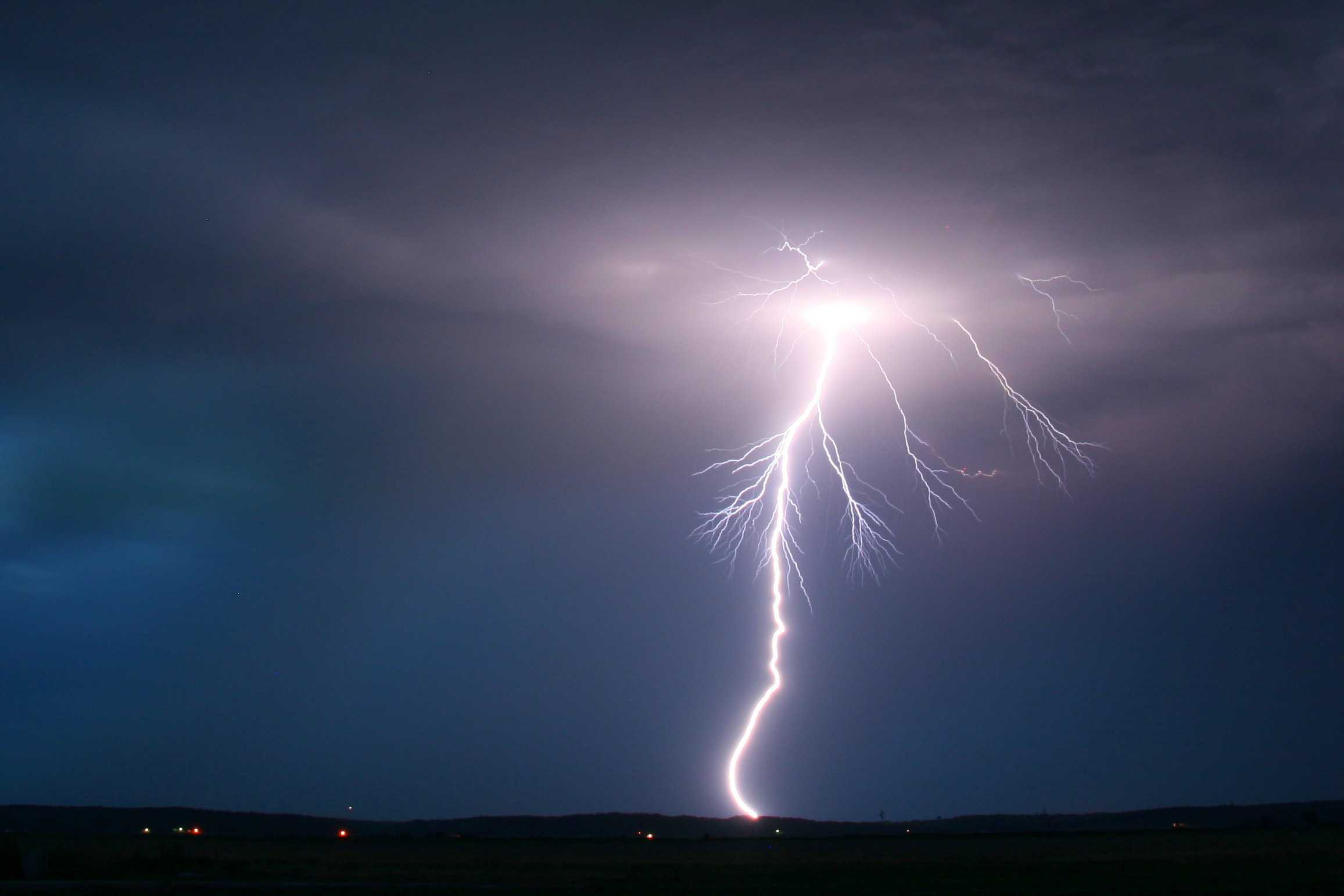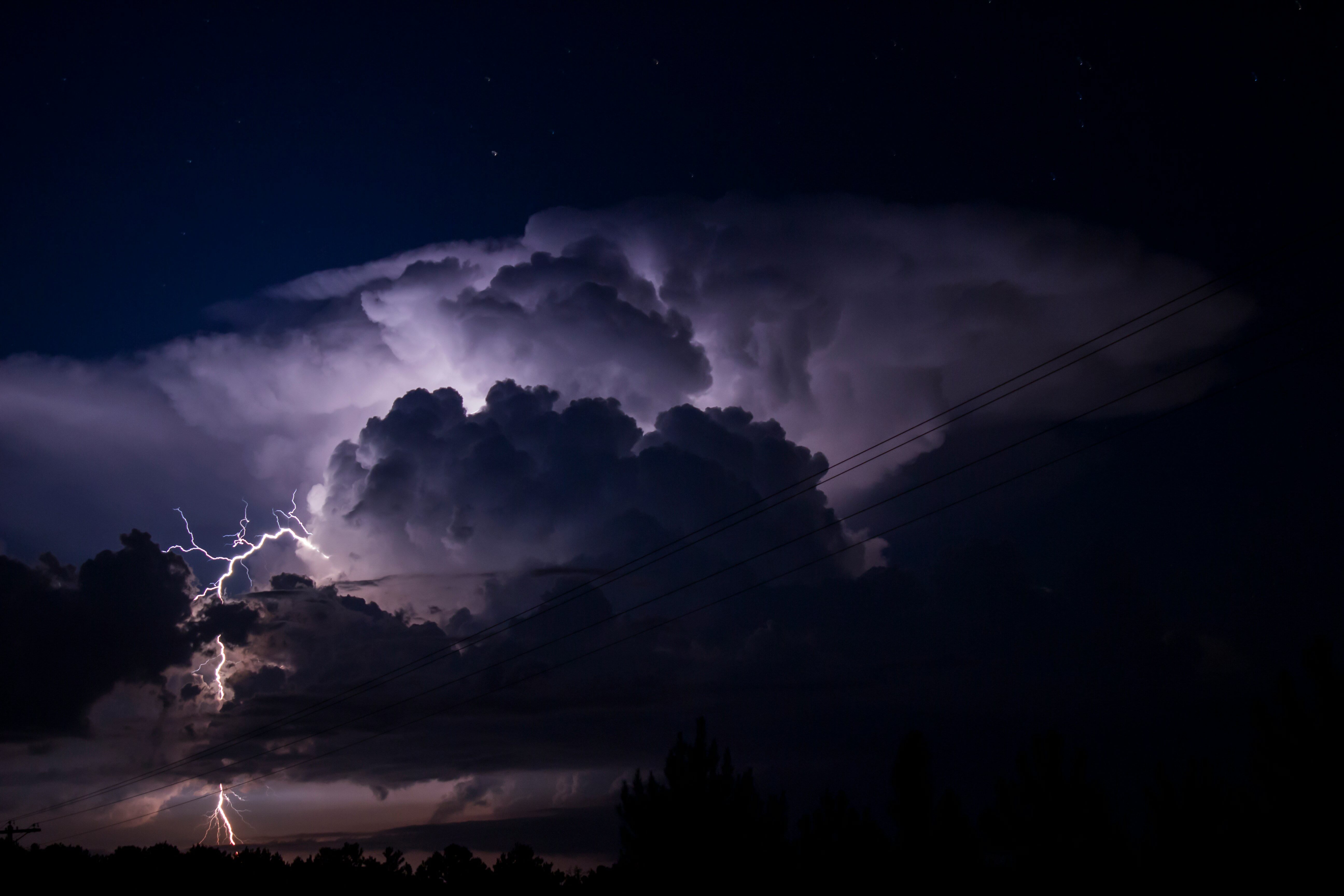
The first time I remember hearing the phrase heat lightning, I was standing on a back porch in late July, watching the horizon flicker like someone was taking photos behind the clouds. No rumble followed. Just quiet. If you have ever seen that same far-off strobe effect, those rapid, diffuse flashes, on a warm night, you have met one of weather’s most persistent myths.
Heat lightning is not a special kind of lightning caused by heat. It is regular lightning from a thunderstorm that is simply too far away for you to hear the thunder.
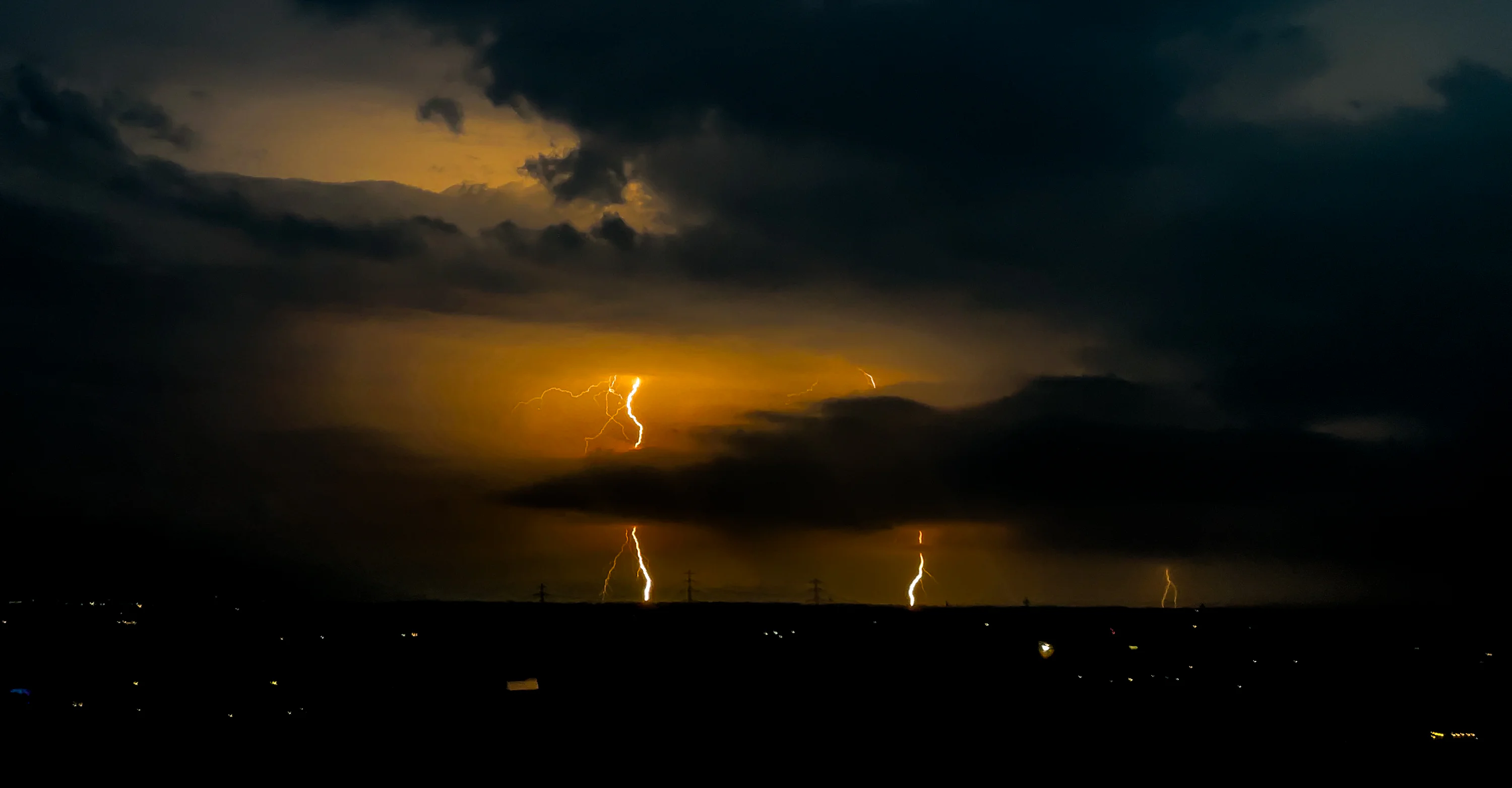
Heat lightning, defined
Heat lightning is a common name for lightning you can see from a distant thunderstorm when you cannot hear the thunder.
Lightning produces both:
- Light, which travels extremely fast and can be seen from very far away.
- Sound (thunder), which travels much more slowly and gets weakened by distance, wind, terrain, and the structure of the atmosphere.
So the “silent” part is not because the storm is quiet. It is because the sound does not make it to you at an audible level.
Why you see the flash but not the thunder
Light outruns sound, and sound dissipates
Lightning’s flash reaches you essentially instantly. Thunder is a pressure wave in air, moving at roughly 343 meters per second (about 1,125 feet per second) at room temperature. That is fast on human scales, but tiny compared to light.
More importantly, thunder does not just arrive late. It also loses strength as it spreads out and as the atmosphere absorbs and scatters its energy. Over enough distance, it drops below the level your ears can pick out from the background noise of wind, insects, traffic, and indoor hum.
How far is “too far” to hear thunder?
There is no single magic number because it depends on humidity, wind direction, temperature layers in the air, terrain, and local noise. But in typical conditions, thunder often fades beyond about 10 to 15 miles. Sometimes you can hear it a bit farther if the atmosphere is carrying sound efficiently, and sometimes it disappears sooner.
That is why heat lightning so often appears to be “just beyond town” and “definitely not raining here.” You are watching a storm that is somewhere else.
Does heat cause heat lightning?
No. Heat alone cannot create lightning. Lightning is produced by electric charge separation, most commonly inside thunderstorm clouds with strong updrafts and the right ice and water physics.
Hot weather can help set the stage for thunderstorms by:
- Increasing evaporation and moisture in the air
- Fueling instability that helps air rise
- Supporting tall, energetic thunderstorm clouds in the afternoon and evening
To be extra precise, lightning can also happen in some rarer situations, such as volcanic plumes or intense wildfires. But when people say “heat lightning,” they are almost always talking about a normal thunderstorm whose thunder is not reaching them.
The “heat” part of the name is more about when you tend to notice it, not what causes it.
Why summer nights make it easy to spot
Warm season storms are common and far-reaching
In many regions, summer is prime thunderstorm season. Even if the storm is not over your neighborhood, it might be active 20, 40, or 80 miles away, firing off lightning you can see from your vantage point.
After dark, your eyes become better lightning detectors
At night, your pupils open wider and your visual system becomes more sensitive. A flash that would be easy to miss in bright daylight can look dramatic against a dark sky, even at long distances.
Humid nights often come with haze that spreads the light
Summer air often holds more moisture and also tends to come with haze and aerosols (tiny particles) that scatter light. That can spread the glow from a distant flash and make it look like the clouds themselves are lighting up. The thunder, meanwhile, is still struggling to make the trip.
Common misconceptions
“Heat lightning means a storm is forming right above me.”
Not necessarily. It usually means a storm already exists, just far away. You might get the storm later, or it might drift in another direction and never arrive.
“If there is no thunder, there is no danger.”
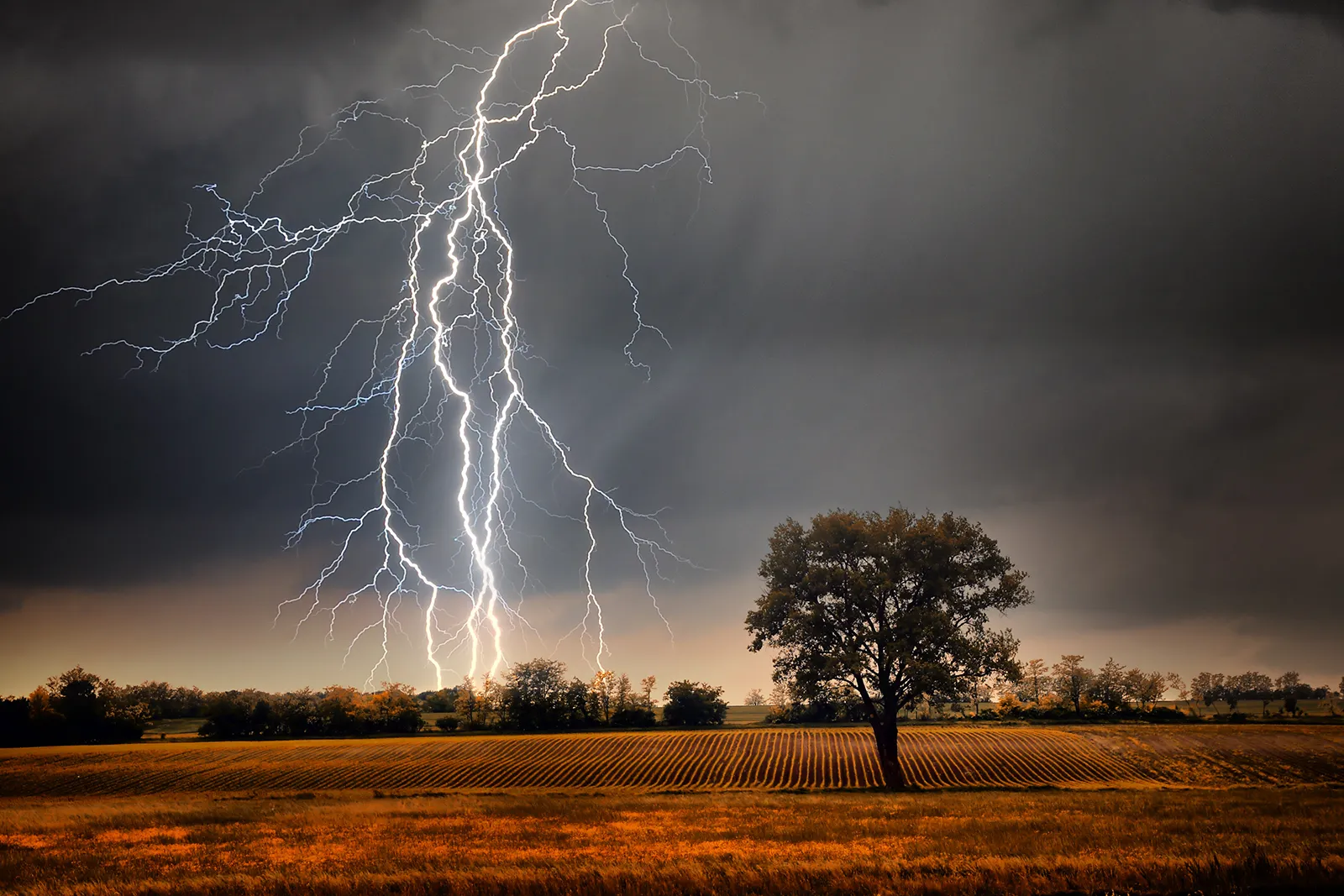
This is where the myth can get risky. Lightning can strike well away from the heaviest rain, including those “bolts from the blue” that shoot out from the side of a storm.
Two good safety habits can coexist here:
- When thunder roars, go indoors.
- If you can see lightning, you are close enough to take it seriously. Keep an eye on the sky and radar, and be ready to head inside quickly.
“Heat lightning is a different color or weaker.”
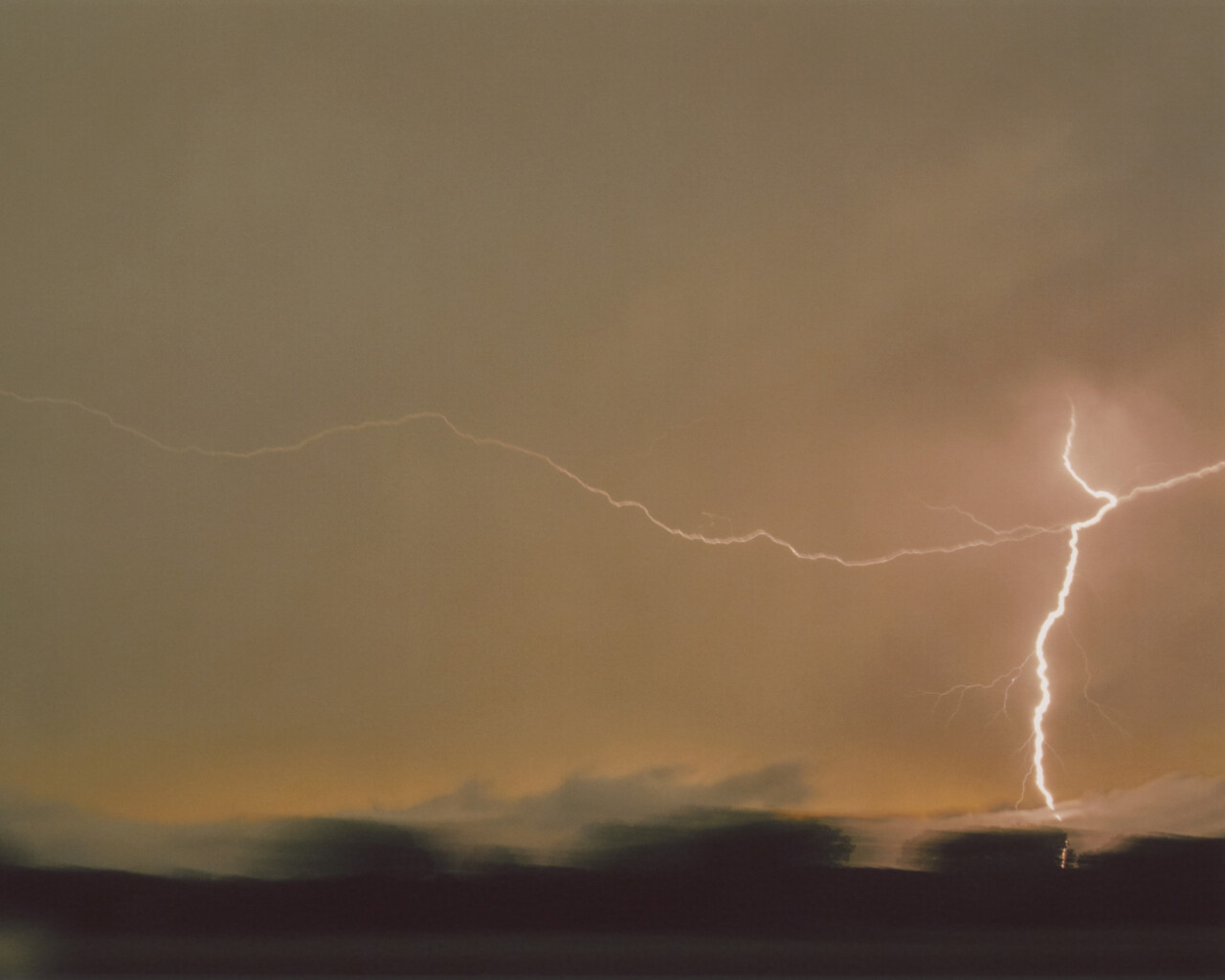
The lightning itself is not a special variety. What changes is your perspective through the atmosphere. Distance, haze, and cloud thickness can soften edges, dim brightness, or tint the flash slightly, especially near the horizon.
How to tell what you are seeing
- Look low on the horizon. Heat lightning is often seen as repeated flashes lighting up faraway cloud tops.
- Watch the cloud deck. Sometimes you are seeing lightning from storms over the horizon, with the flashes reflecting off higher clouds that you can see even when the storm itself is hidden.
- Check for a faint breeze shift. Sometimes you will feel outflow winds from the storm before anything else reaches you.
- Notice the rhythm. Distant storms can produce clusters of flashes, then pauses, then more clusters as storm cells pulse.
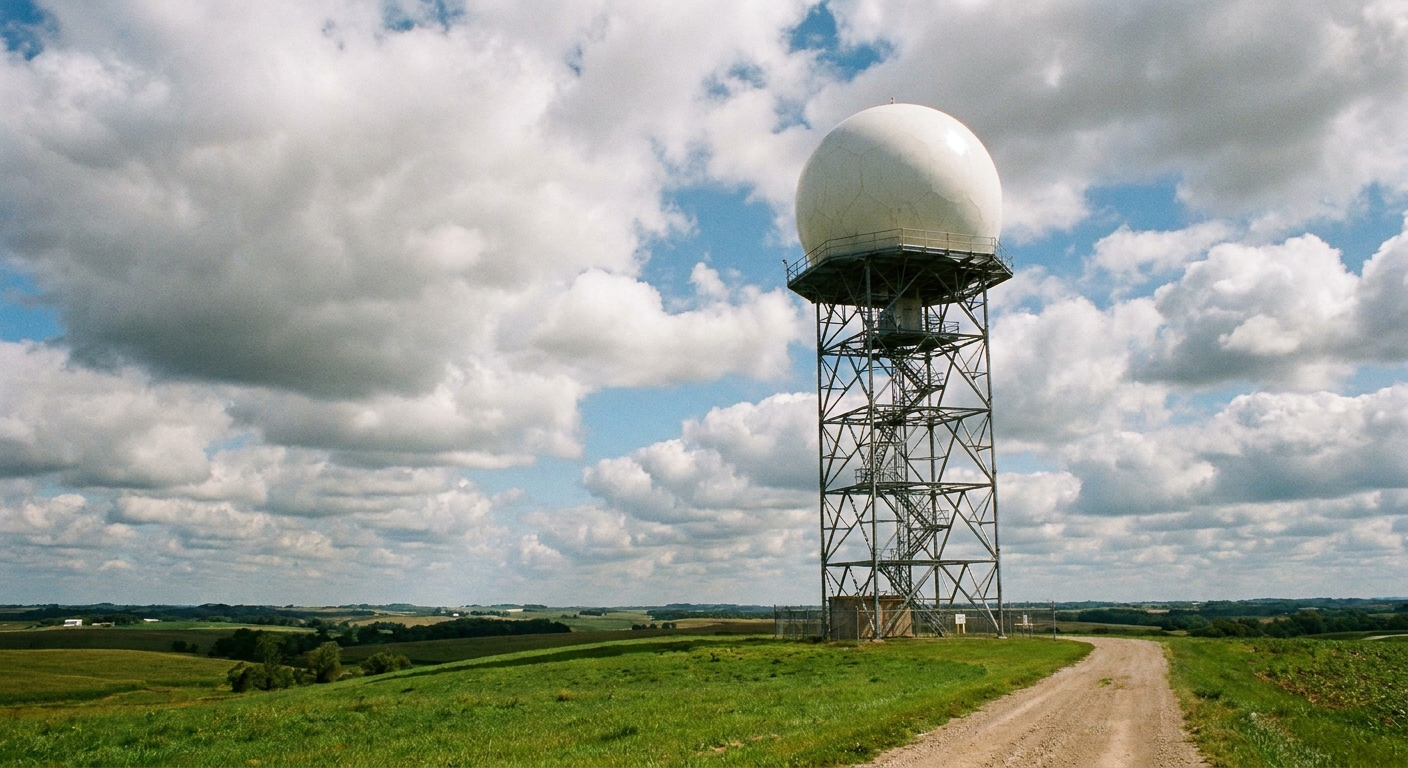
- Use a weather radar app if you have one. You will often find a thunderstorm sitting exactly where the flashes are coming from.
FAQ
Is heat lightning real?
The lightning is real. The idea that it is lightning created by heat, separate from thunderstorms, is not. Heat lightning is simply lightning from a faraway storm.
Can you have lightning without thunder?
Lightning always creates thunder because it rapidly heats the air and generates a shock wave. If you do not hear thunder, it is because the sound did not reach you at an audible level.
How far away can you see lightning?
Depending on terrain, cloud height, and air clarity, you can sometimes see lightning from storms dozens of miles away, especially at night when flashes light up tall clouds.
Is it safe to sit outside and watch heat lightning?
It can be, but do not assume “silent” means “safe.” If lightning is visible, stay alert. Storms can move toward you, and lightning can occur well away from the heaviest rain. When in doubt, head indoors.
The simple takeaway
Heat lightning is ordinary lightning from a distant thunderstorm. You see the flash because light travels far and fast. You do not hear thunder because sound fades with distance and atmospheric conditions. Summer nights make it easier to notice because storms are common, the sky is dark, and haze can make clouds glow.
So the next time the horizon flickers on a sticky evening, you are not watching “heat” spark the sky. You are just getting a long-distance light show from a storm doing storm things somewhere over the next county.