I used to tell my physics students that if you want to understand a system, you should ask one question first: what is it allowed to do? Ice on Earth gets “allowed” to do very different things depending on where it sits and whether it is grounded on land or floating in the ocean. That is why three terms that sound similar in everyday conversation, glacier, ice sheet, and ice shelf, actually describe three different machines in the climate system.
Here is the quick version you can keep in your back pocket:
- Glacier: a moving river of ice on land.
- Ice sheet: a continent-scale mass of land ice, basically a glacier turned up to maximum size.
- Ice shelf: a floating extension of land ice that is still attached to the coast.
Now let’s unpack what makes each one tick, how each gains and loses ice, and why ice shelves are often described as “holding back” the ice behind them.
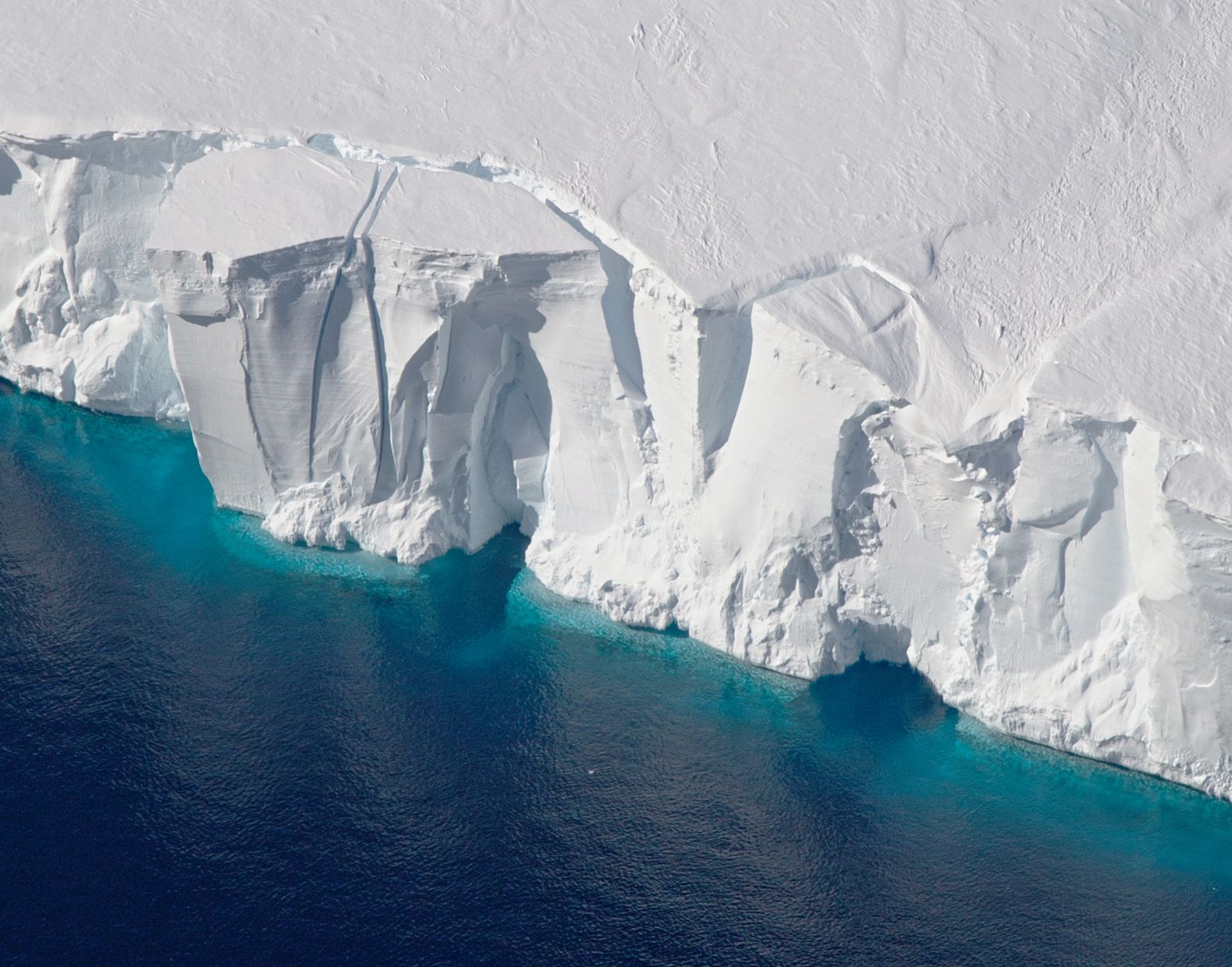
The simplest difference: grounded vs. floating
The cleanest way to separate these terms is with a yes or no question: Is the ice resting on land (grounded) or floating in seawater?
- Glaciers are grounded on land.
- Ice sheets are grounded on land, too, just vastly larger.
- Ice shelves are floating, but they are fed by grounded ice and remain attached to the coastline.
That last detail matters: an ice shelf is not just sea ice. Sea ice forms when ocean water freezes. An ice shelf forms when land ice flows out over the ocean and begins to float, like a tongue of ice extending from shore.
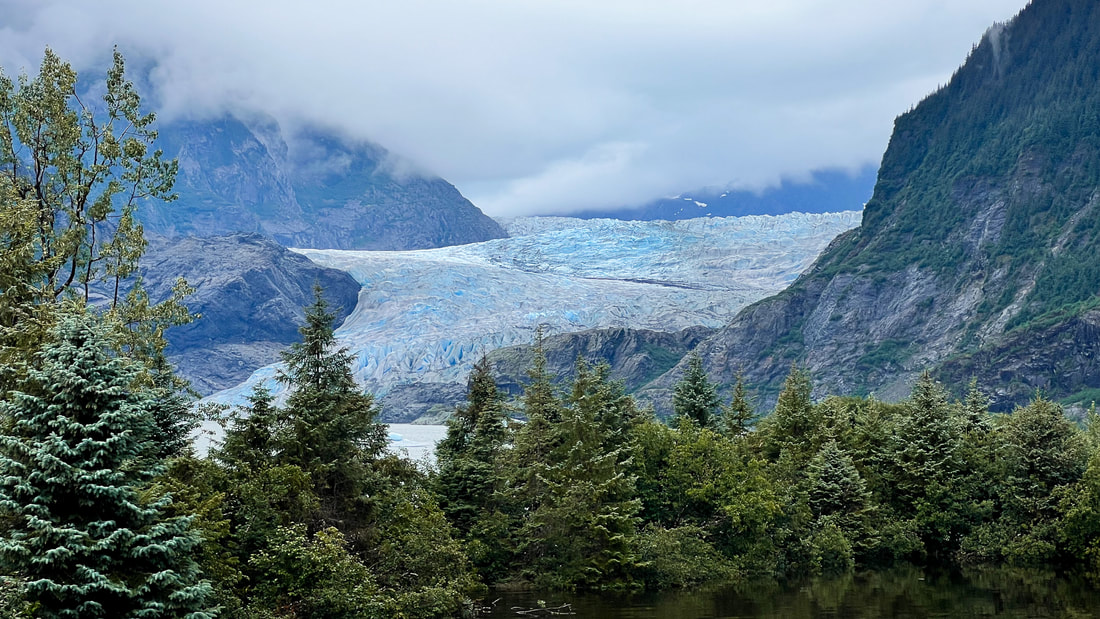
Glaciers: rivers of ice that flow downhill
A glacier is a body of ice on land that is thick enough to deform and flow under its own weight. “Flow” might sound dramatic, but glacier motion can be as subtle as a few centimeters per day, or as fast as several meters per day in some regions.
Where you find them
Glaciers show up in mountainous places and polar regions, from Alaska and the Andes to the Himalayas and the European Alps. They can fill valleys, drape over volcanoes, or spread out as ice caps on islands.
How glaciers gain and lose ice
How glaciers gain ice (accumulation)
- Snowfall: The main input. Over time, snow gets compacted into firn and then into glacier ice.
- Wind-blown snow: Snow can be transported from nearby slopes and deposited on the glacier.
- Refreezing meltwater: Some meltwater percolates into cold snow and refreezes, adding mass locally.
How glaciers lose ice (ablation)
- Surface melt: Warm air and sunlight melt the top layers. Meltwater can run off the glacier and into streams.
- Sublimation: Ice can turn directly into water vapor in cold, dry, windy conditions.
- Calving: If a glacier terminates in a lake or ocean, chunks can break off into icebergs.
- Basal melt: Heat from the ground or friction from sliding can melt ice at the base.
When losses exceed gains over time, a glacier thins and its front usually retreats uphill. That retreat is a sign of negative mass balance, even though the ice is still flowing forward like a slow conveyor belt.
Ice sheets: glaciers on a continental scale
An ice sheet is essentially a glacier complex so large it covers huge swaths of land and shapes its own weather. Today, Earth has two:
- The Greenland Ice Sheet
- The Antarctic Ice Sheet
Ice sheets are so thick and heavy that they can flow outward in many directions from high interior regions toward the coast, feeding fast-moving “outlet glaciers.” Think of the interior as a very slow, very broad dome of ice, and the edges as multiple drainpipes delivering ice to the ocean.

How ice sheets gain and lose ice
How ice sheets gain ice
- Snow accumulation: Like glaciers, the dominant input is snowfall that compacts into ice.
How ice sheets lose ice
- Surface melt and runoff: Especially important in Greenland, where summer meltwater can drain away.
- Ice discharge into the ocean: Ice flows to the coast through outlet glaciers and can calve icebergs.
- Basal melting under floating edges: Warm ocean water can melt ice where it transitions from grounded to floating.
Here is the sea-level key: ice sheets are land ice. If they lose mass, that water ultimately reaches the ocean and raises global sea level. The exact pathways can be complex, but the accounting principle is straightforward.
Ice shelves: floating extensions that still matter for sea level
An ice shelf is a thick, floating platform of ice that forms where glaciers or ice sheets reach the ocean and spread out over the water while remaining attached to land. Most of the planet’s ice shelves are in Antarctica, where they can be enormous, with surface areas comparable to U.S. states.
Because ice shelves are already floating, you might wonder: if an ice shelf melts, does sea level rise? The direct answer is: not much, for the same reason melting ice cubes do not overflow your drink. Floating ice already displaces water.
But the indirect effect is where things get serious.
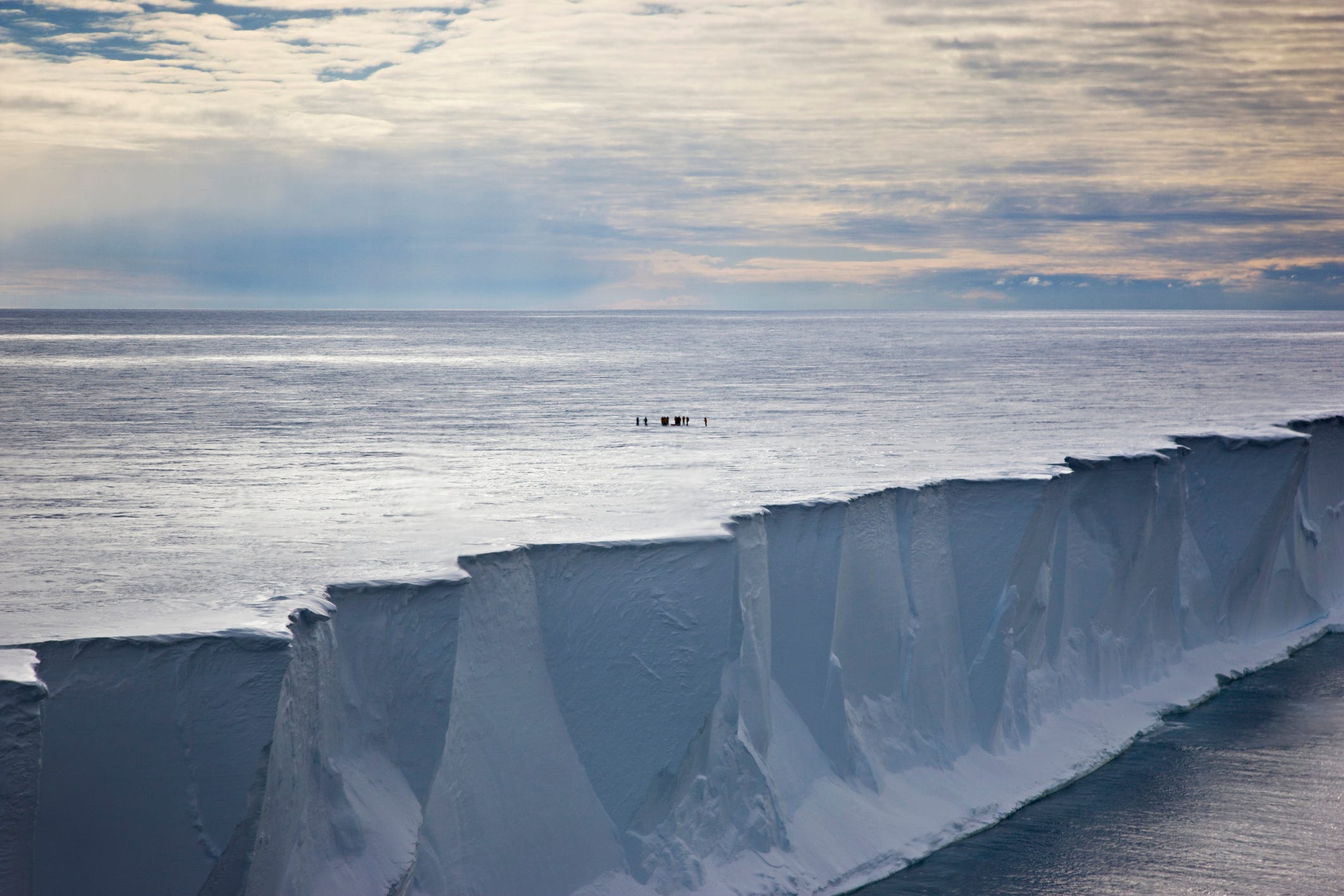
How ice shelves gain and lose ice
How ice shelves gain ice
- Ice flow from land: The main supply is grounded ice flowing outward from an ice sheet or glaciers.
- Snowfall on top: Snow can accumulate on the shelf surface and gradually compact.
- Marine ice accretion: In some settings, ocean water can freeze onto the underside of the shelf.
How ice shelves lose ice
- Bottom melting (basal melt): Often driven by relatively warm ocean water circulating underneath.
- Surface melt and ponding: Meltwater can collect in ponds, which can weaken the shelf.
- Calving: Large icebergs can break off from the front edge. This is a normal process, but it can accelerate when shelves thin or fracture.
- Breakup events: In some cases, shelves can disintegrate rapidly once cracks and meltwater-driven fracturing reach a tipping point.
Why ice shelves “hold back” the ice behind them
This is the part that feels almost like science fiction the first time it clicks: a floating ice shelf can slow down grounded ice upstream.
Even though the shelf is floating, it is not frictionless. It can be pinned on seafloor bumps (called pinning points) or constrained by contact with sidewalls in bays. Those contacts create back stress, a resistive force that acts like a buttress on a cathedral. The shelf is the buttress; the inland ice is the wall it supports.
When an ice shelf thins or retreats, it can lose some of that buttressing. The result is often:
- Faster flow of outlet glaciers into the ocean
- Increased calving and ice discharge
- Greater contribution to sea level rise because the extra ice being delivered is grounded land ice
So while losing an ice shelf does not add much water by itself, it can open the door for much larger losses from the ice sheet behind it.
A quick cheat sheet
- Glacier: grounded, flows like a slow river, typically mountain-scale or regional. Adds to sea level when it melts or calves because it is land ice.
- Ice sheet: grounded, continent-scale, feeds outlet glaciers, major potential driver of long-term sea level rise.
- Ice shelf: floating but attached to land, acts like a brake on upstream ice, does not directly raise sea level much when it melts but can indirectly increase sea level by speeding up land ice loss.
Common mix-ups (and how to avoid them)
Ice shelf vs. sea ice
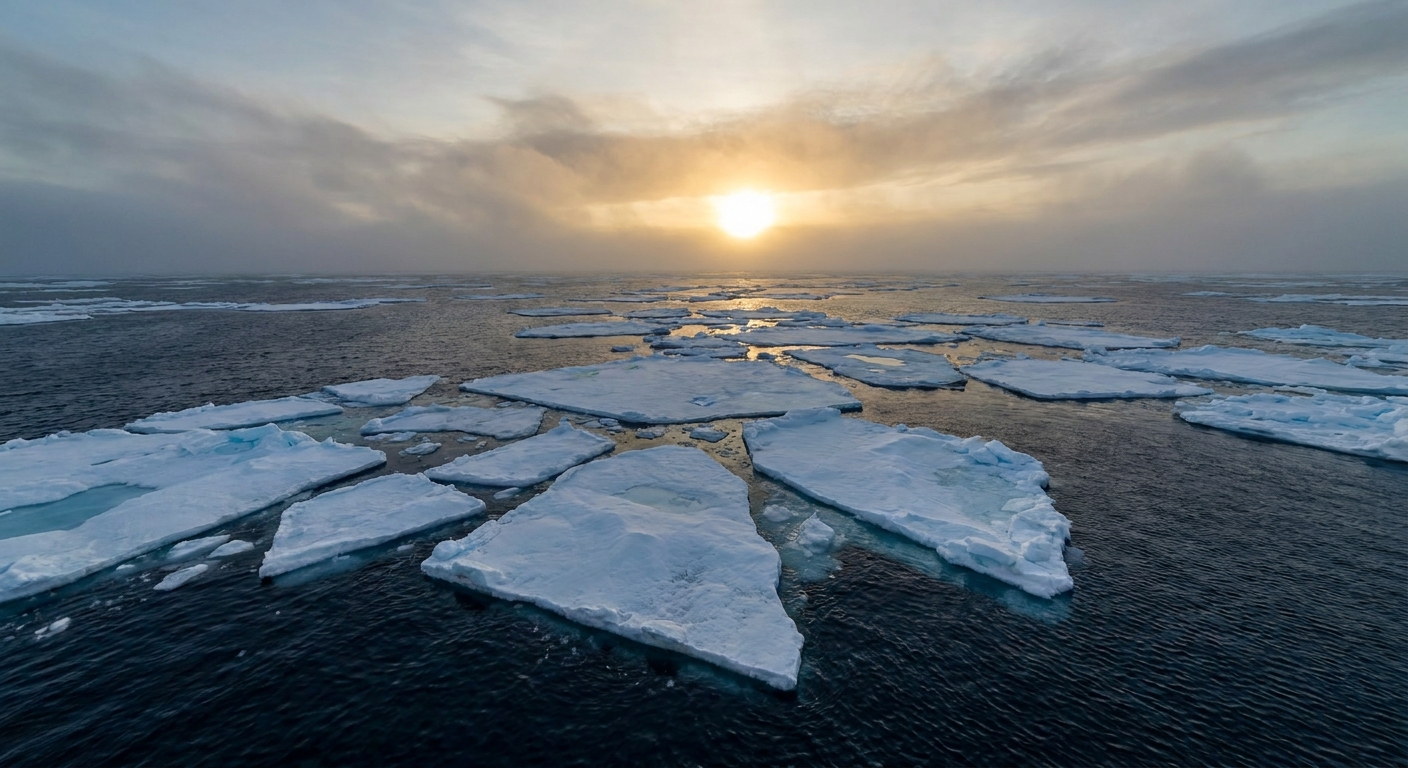
Sea ice forms from frozen ocean water and is typically much thinner than an ice shelf. Ice shelves come from land ice flowing out over the sea and can be hundreds of meters thick.
Ice sheet vs. ice cap
An ice cap is like a mini ice sheet, usually covering less area and often sitting on islands or high plateaus. It is still grounded land ice and can feed outlet glaciers.
Glacier vs. iceberg
A glacier is connected to land and flows. An iceberg is a chunk that has broken off and is floating independently.
FAQ
Do glaciers always move?
If it is truly a glacier, yes. The movement can be very slow, but the defining trait is that the ice deforms and flows under gravity.
Does melting sea ice raise sea level?
Not significantly. Like a floating ice cube, sea ice already displaces its weight in water. The big sea level contributors are land ice loss (glaciers and ice sheets) plus thermal expansion as oceans warm.
Why do scientists pay so much attention to Antarctica’s ice shelves?
Because many of them sit in front of outlet glaciers and vulnerable parts of the Antarctic Ice Sheet. Changes to ice shelves can change how quickly land ice drains into the ocean.
What is the “grounding line” I keep hearing about?
The grounding line is where ice transitions from being grounded on bedrock to floating as an ice shelf. It is a hotspot for change because ocean-driven melting near that line can affect the stability of the ice upstream.
The takeaway
If you remember only one idea, make it this: glaciers and ice sheets are grounded land ice, and ice shelves are floating extensions that can control how fast that land ice escapes to the ocean. The vocabulary is not just academic. It is how scientists keep track of where Earth’s frozen water is stored, where it is moving, and how quickly it can influence sea level in a warming world.