Mars is close enough to dream about and far enough to punish sloppy planning. It is not just “Earth, but colder.” It is a planet with thin air, elevated radiation , abrasive dust that may be chemically hazardous, and a supply chain measured in months. If you want a settlement that lasts longer than a photo op, you need systems that can survive failures, repair themselves, and keep humans healthy for years.
Below are the biggest technological, biological, and environmental hurdles aerospace engineers and mission designers must clear, plus the solutions that look most realistic based on what we know today.
Getting there is only the first problem
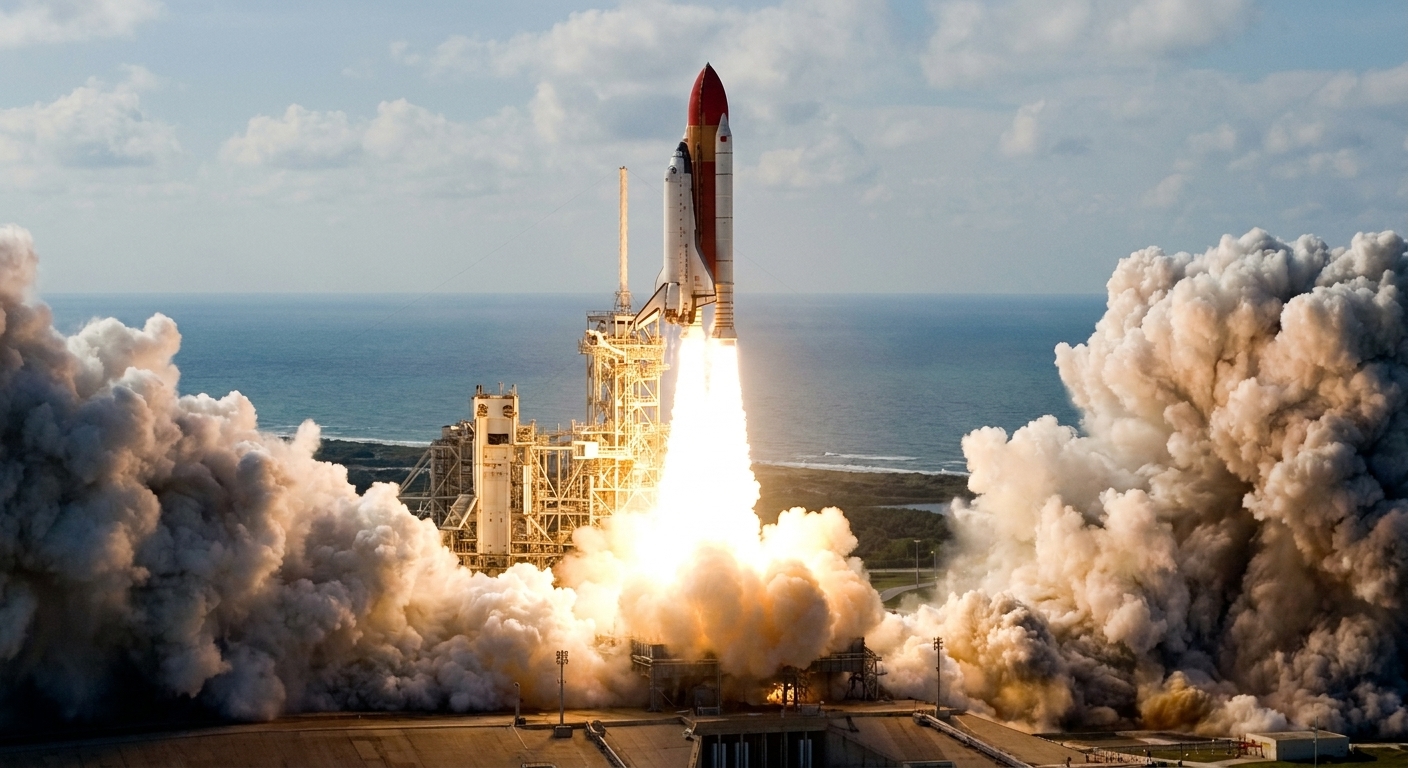
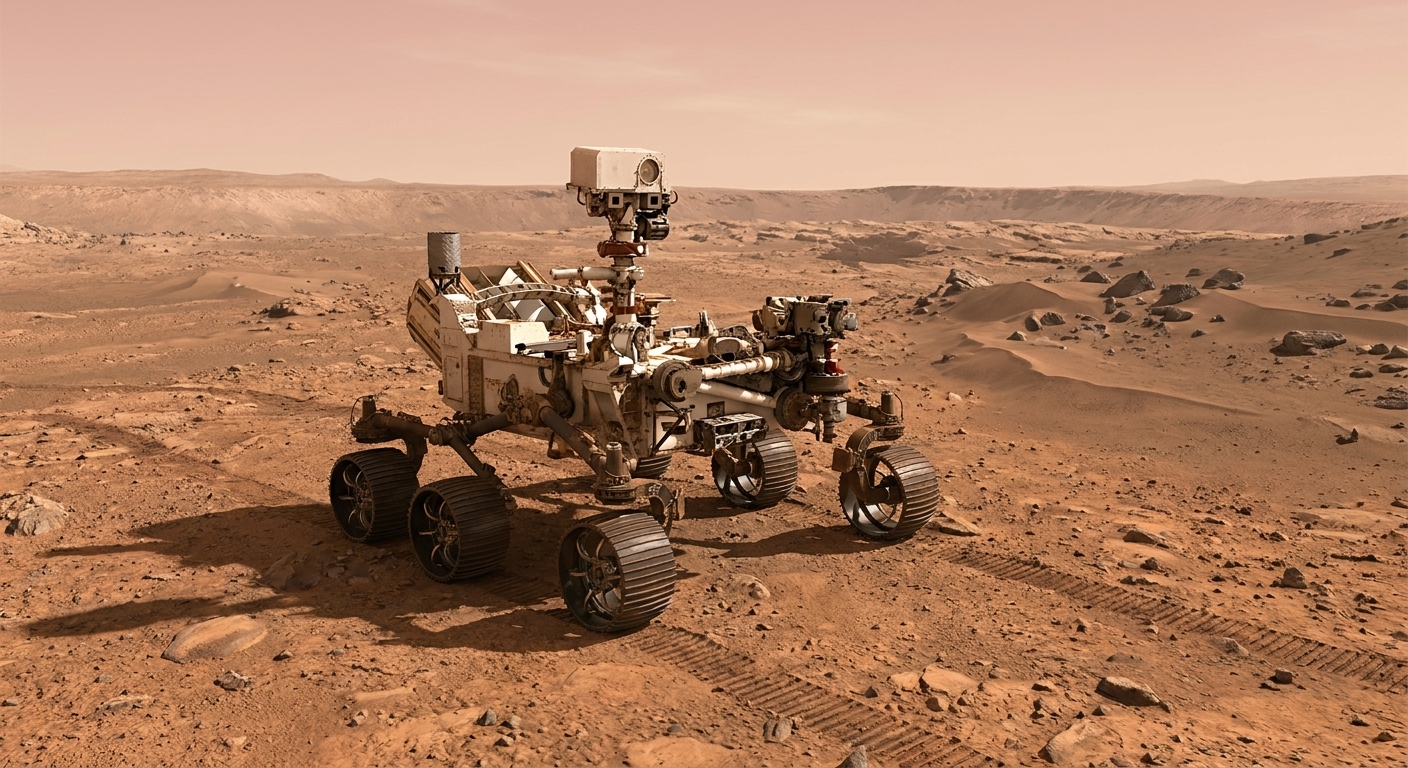
Landing humans on Mars is an engineering high wire act. The atmosphere is thick enough to create dangerous heating, but too thin to provide easy aerodynamic braking. That awkward middle zone is why landing big masses on Mars is still one of the hardest parts of the entire concept.
Challenge: Entry, descent, and landing for heavy payloads
To date, the largest successfully landed Mars payloads are on the order of ~0.6 to ~1.0 metric ton (Curiosity and Perseverance sit at the top end). A crewed mission, by contrast, likely needs tens of tons of delivered mass per major element: habitats, power systems, food, machinery, spares, and ascent vehicles. Scaling up is not linear. Bigger vehicles face higher heating and higher forces, and parachutes become less effective in the thin air.
Proposed solutions
- Supersonic retropropulsion: using rocket engines while still moving at supersonic speeds to slow down when parachutes cannot do enough. (This has heritage in testing and flight experience from modern reusable launch systems, even if Mars adds its own headaches.)
- Inflatable or deployable heat shields: increasing drag area without needing a rigid shield too large for current launch fairings.
- Precision landing near pre-positioned cargo: reducing the “drive for weeks” problem by touching down close to stored supplies and infrastructure.
Radiation: the invisible weather
On Earth, our thick atmosphere and magnetic field are like a sturdy roof. On Mars, that roof is mostly gone. Astronauts would face two main types of radiation: steady galactic cosmic rays and bursts from solar particle events. Over long stays, radiation increases cancer risk and can affect the nervous system, cardiovascular health, and more.
Challenge: Long-duration exposure
The trip to Mars is months in deep space with limited practical shielding, then the surface adds chronic exposure because Mars has a thin atmosphere and no global magnetic field (though it does have localized crustal fields).
Proposed solutions
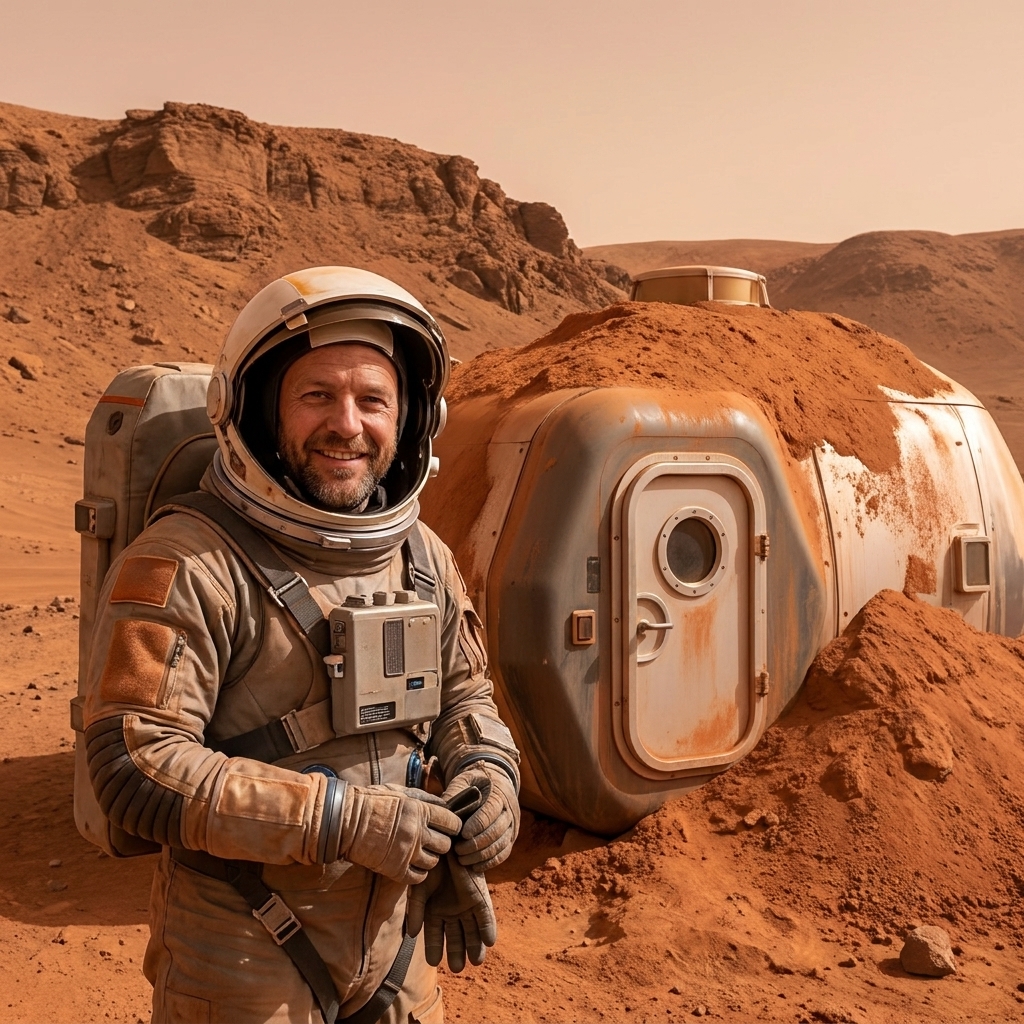
- Mass shielding using local materials: covering habitats with Martian regolith, or building partially underground. Thickness matters and the exact benefit depends on geometry and material, but ~2 to 3 meters of regolith equivalent is often cited as a meaningful reduction target that is at least within the realm of what robotic earthmoving could plausibly achieve.
- Water and polyethylene-rich shielding: hydrogen-rich materials are good at slowing down certain radiation components. Water tanks can double as shielding around sleeping quarters.
- Storm shelters: a small, heavily shielded room for solar particle events, paired with space weather forecasting.
Air, water, and waste
On the International Space Station, life support is advanced, but it still depends on resupply and spare parts. A Mars settlement cannot. Engineers have to treat air and water like precious atoms in circulation that must keep cycling with minimal losses.
Challenge: Closed-loop life support
Life support failures on Mars are not inconveniences. They are existential. Systems must be fault-tolerant, modular, and easy to maintain with limited tools.
Proposed solutions
- High-efficiency water recycling: combining condensation capture, filtration, and distillation approaches to reclaim water from humidity, hygiene, and waste streams.
- Robust oxygen generation: electrolysis of water to produce oxygen, paired with redundant units and on-site water extraction to keep the loop supplied.
- Carbon dioxide management: scrub CO2 from cabin air and either store it, vent it, or feed it into chemical processes that produce fuels and plastics.
- Design for maintenance: standardized parts, accessible piping, and diagnostic sensors so crews can fix problems without waiting for Earth.
Power
Every other system depends on energy. Heat, air circulation, water purification, food production, and communications all draw power. Mars offers sunlight, but it comes with dust storms, seasonal variation, and nighttime gaps. If you are serious about sustainability, power has to be redundant and resilient.
Challenge: Dust storms and reliability
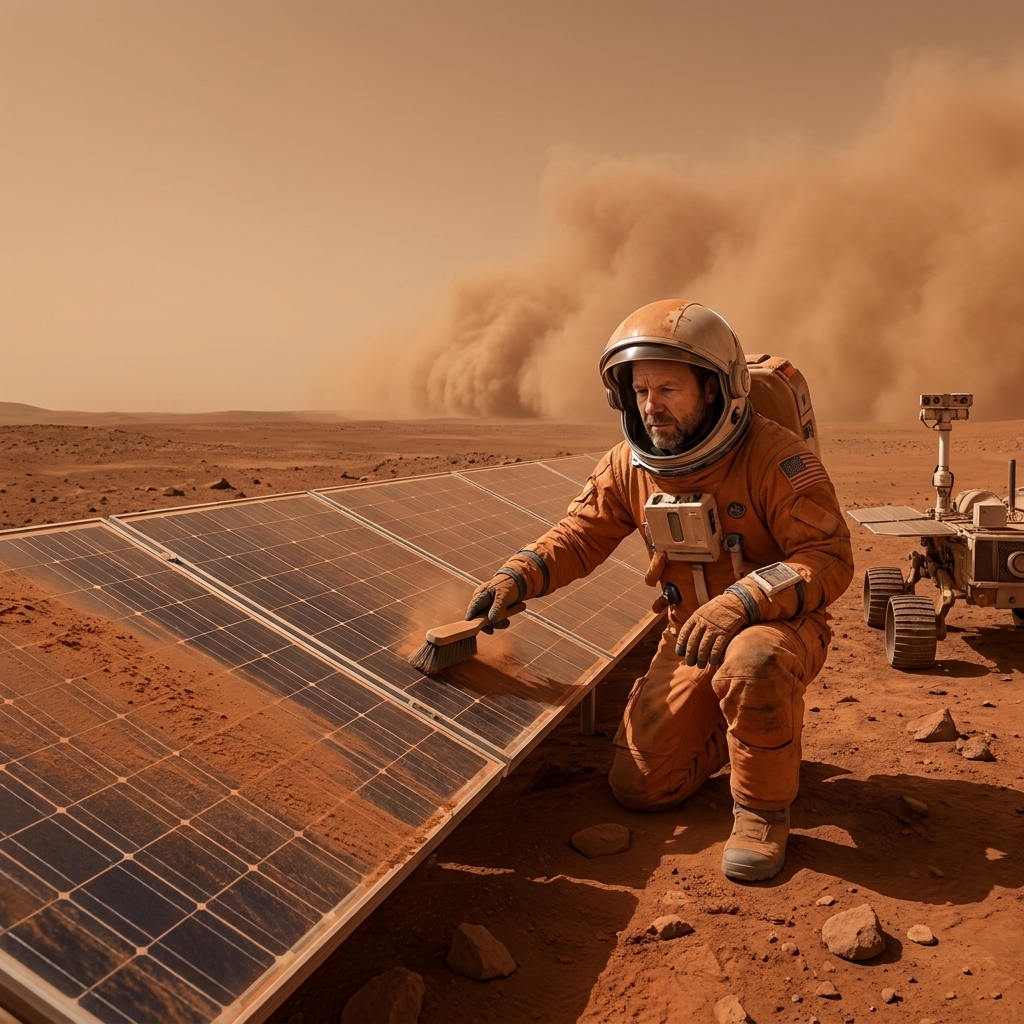
Global dust storms can dim sunlight for weeks. Even outside major storms, fine dust coats solar panels and mechanical joints. Cold temperatures also mean more energy spent on heating.
Proposed solutions
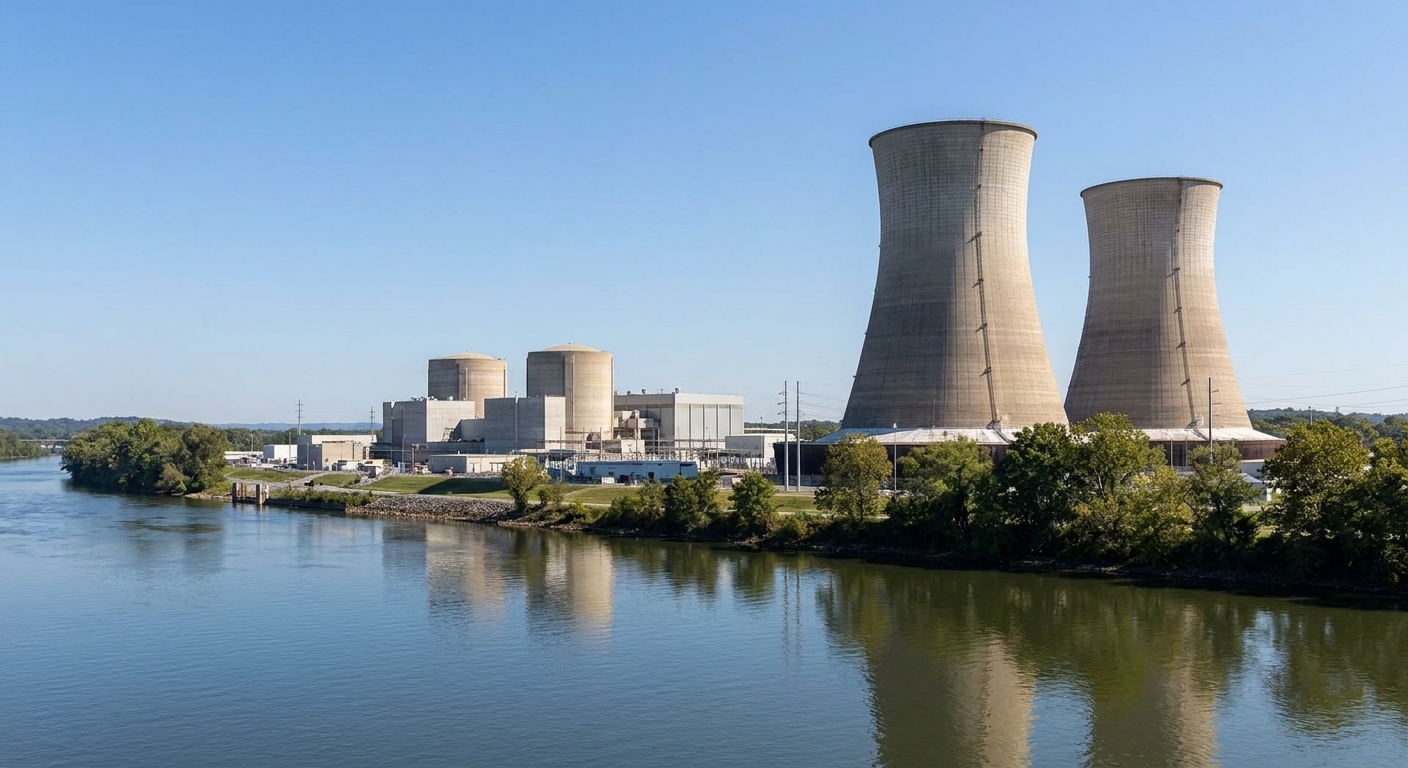
- Nuclear fission for baseload power: small reactors can provide steady energy day and night, storm or no storm. (NASA’s Kilopower-class concepts are the kind of reference point people mean here.)
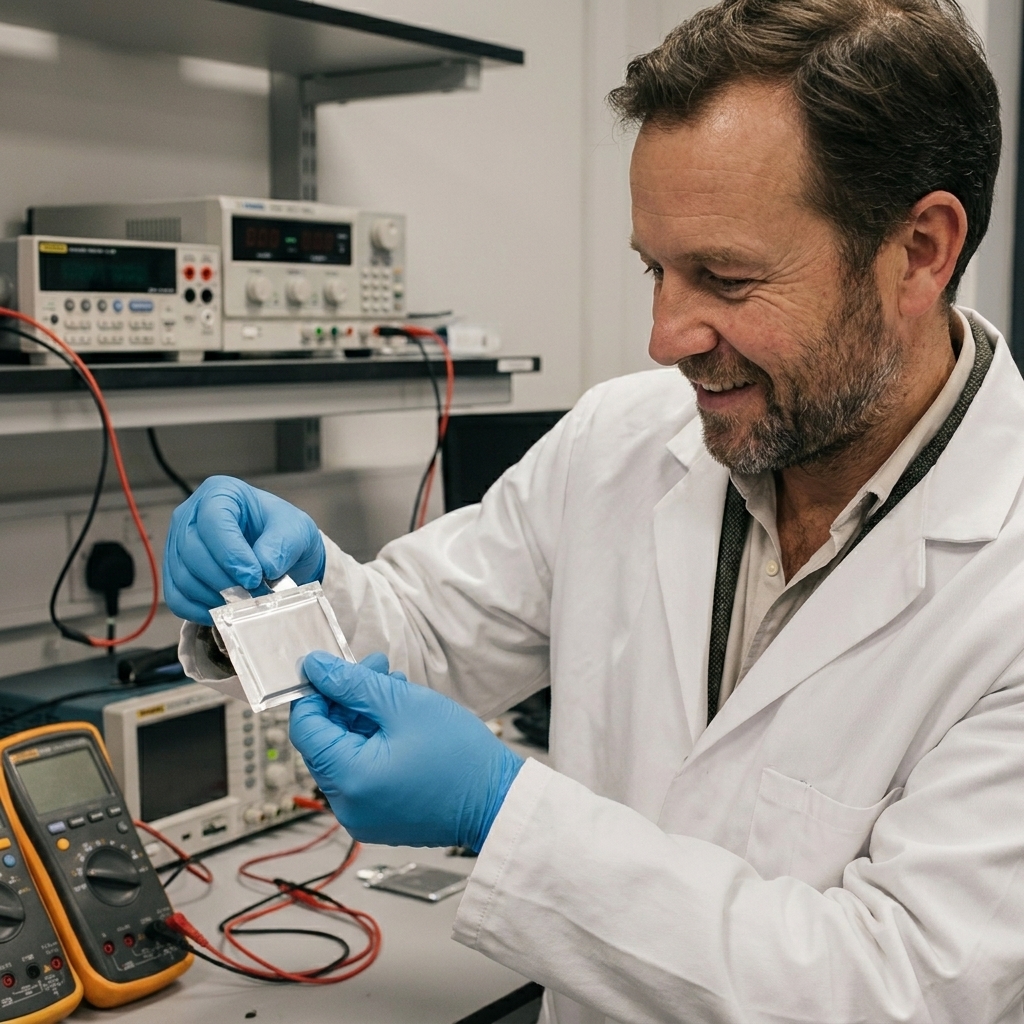
- Hybrid grids: solar plus nuclear, with batteries and other storage to smooth peaks and provide emergency backup.
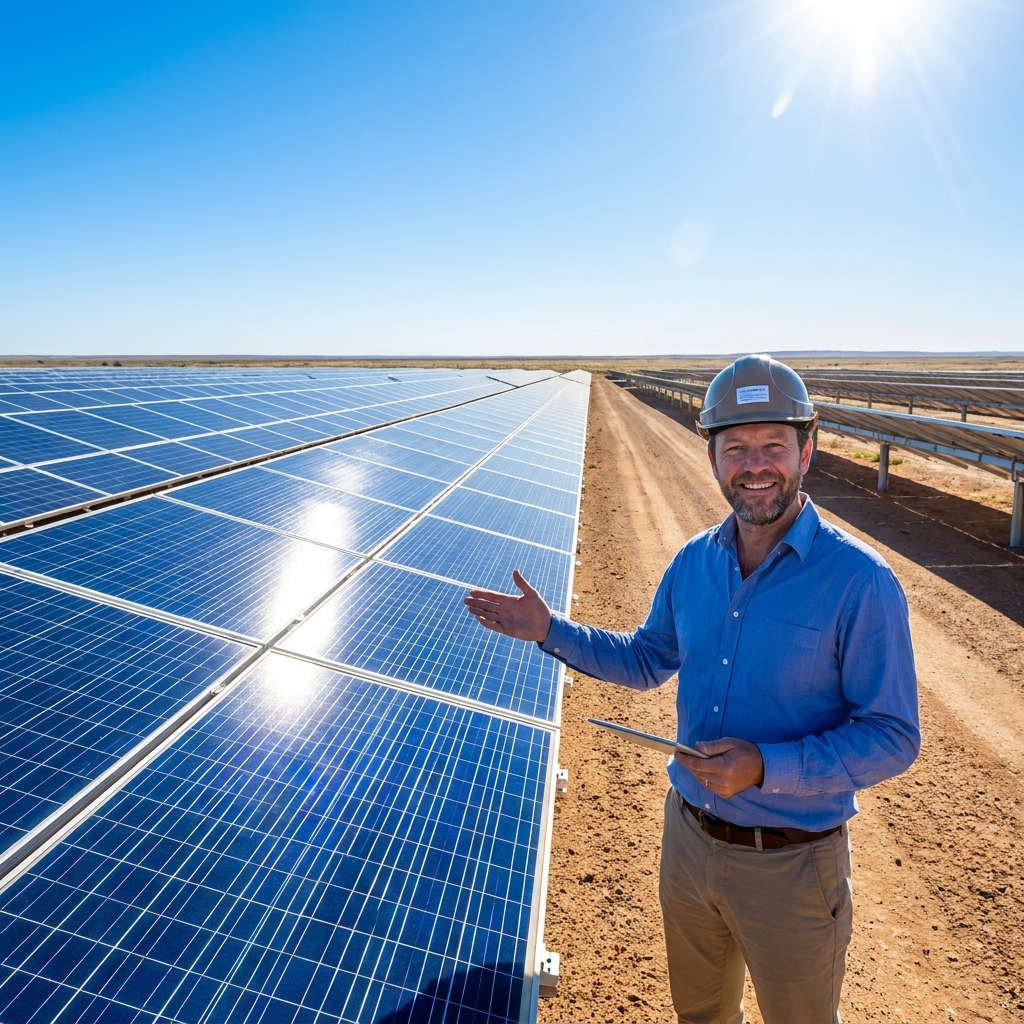
- Dust-tolerant solar operations: panel designs and cleaning methods that reduce dust buildup, plus siting strategies that take prevailing winds into account.
Food is a system
If you have ever tried to keep a sourdough starter alive, you already understand the vibe here: biology is wonderfully productive, but it is also picky. Growing food on Mars is not just about light and water. The regolith is chemically harsh, low in organics, and can contain perchlorates, which are reactive salts that are problematic for human health.
Challenge: Farming under Mars constraints
A settlement needs fresh food for nutrition and morale. But open-air farming is impossible in Mars conditions. Even greenhouse farming must manage pressure, humidity, pests, and contamination, all while using as little water and energy as possible.
Proposed solutions
- Hydroponics and aeroponics: growing plants without soil, using nutrient solutions and careful control of water use.
- Regolith processing: washing and treating Martian soil to remove or reduce perchlorates before using it as a growth medium.
- Controlled-environment agriculture: sealed greenhouses with LED lighting tuned to plant needs, plus CO2 enrichment to boost growth.
- Microbial helpers: using beneficial microbes to support plant growth and recycle nutrients, with strict biosecurity to avoid runaway contamination.
ISRU
The only way a Mars settlement becomes more than an expensive campsite is by making useful stuff locally. Engineers call this in-situ resource utilization, or ISRU. The basic idea is simple: bring machines, not mass. Let those machines turn local CO2, water ice, and regolith into air, fuel, building materials, and spare parts.
Challenge: Industry in a hostile place
Mars is cold, dusty, and remote. ISRU equipment must run for long periods, tolerate contamination, and be repairable. It also must be validated well before humans stake their survival on it.
Proposed solutions
- Fuel from atmosphere: Mars has abundant CO2. Combine it with hydrogen (ideally sourced from local water) to produce methane and oxygen, a commonly proposed propellant pair.
- Water extraction: mining subsurface ice or processing hydrated minerals, then purifying the output for life support and industry.
- Construction with regolith: sintering or binding regolith into bricks and radiation shielding berms, reducing the amount of structural mass launched from Earth.
- On-site manufacturing: metal and polymer printing for tools and replacement components, paired with standardized designs to simplify production.
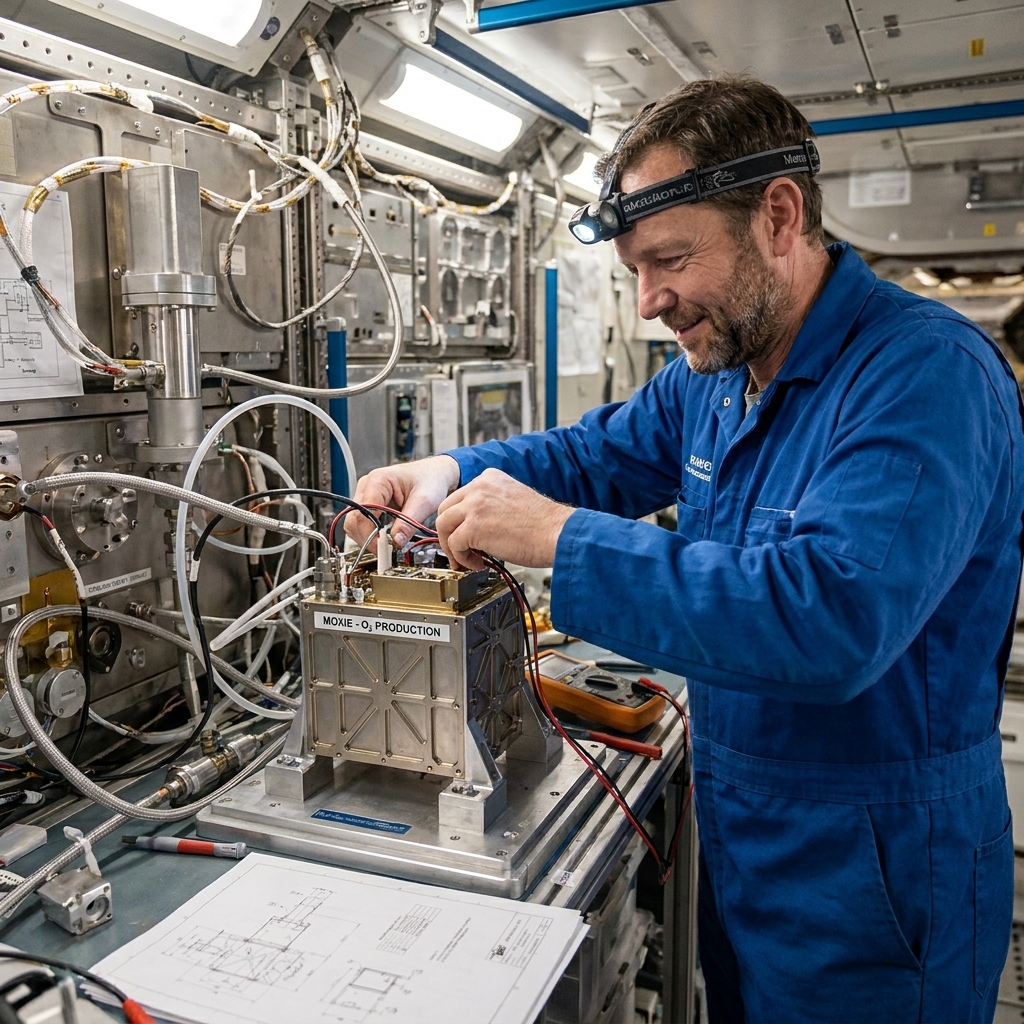
For an existence proof that “make oxygen from Mars” is not pure PowerPoint, NASA’s MOXIE experiment on Perseverance demonstrated oxygen production from the Martian atmosphere at rover scale. A settlement scales that idea up and wraps it in redundancy.
Dust
Martian dust is not just “dirt.” It is fine, electrostatically clingy, and abrasive. It can infiltrate seals, wear down moving parts, and become a health hazard if it gets into habitats. Chemically, it may also be irritating or potentially toxic due to perchlorates and fine particulates, even if we still have open questions about real long-term human exposure.
Challenge: Keeping habitats clean
Dust control is a systems problem: suit design, airlocks, filtration, maintenance schedules, and habitat layout all matter.
Proposed solutions
- Suitports: suits that dock to the outside of the habitat so astronauts do not track dust inside.
- High-grade filtration and compartmentalization: keeping dusty zones separate from living spaces, with strong air handling.
- Materials and coatings: using abrasion-resistant surfaces, better seals, and dust-repellent coatings where possible.
Human health
Mars gravity is about 38 percent of Earth’s. That is enough to keep you grounded, but it is still a very different long-term environment for bones, muscles, circulation, and balance. Add isolation, confinement, disrupted day-night cues, and the stress of genuine risk, and you have a biology and psychology experiment you cannot afford to lose.
Challenge: Performance and well-being
We have good data on microgravity from the ISS. We have far less on partial gravity for years. And we know that isolation and monotony can erode decision-making and morale, especially when communication delays make Earth feel emotionally distant.
Proposed solutions
- Artificial gravity research: rotating habitats or short-radius centrifuges are technically challenging, but could reduce long-term health risks.
- Exercise and medical monitoring: robust fitness systems, continuous biometrics, and on-site medical capability with telemedicine support.
- Habitat design for psychology: private space, naturalistic lighting, sound control, and green areas with plants for mood and routine.
- Crew selection and training: prioritizing teamwork, conflict resolution, and cross-training so every person can cover multiple roles.
Habitats
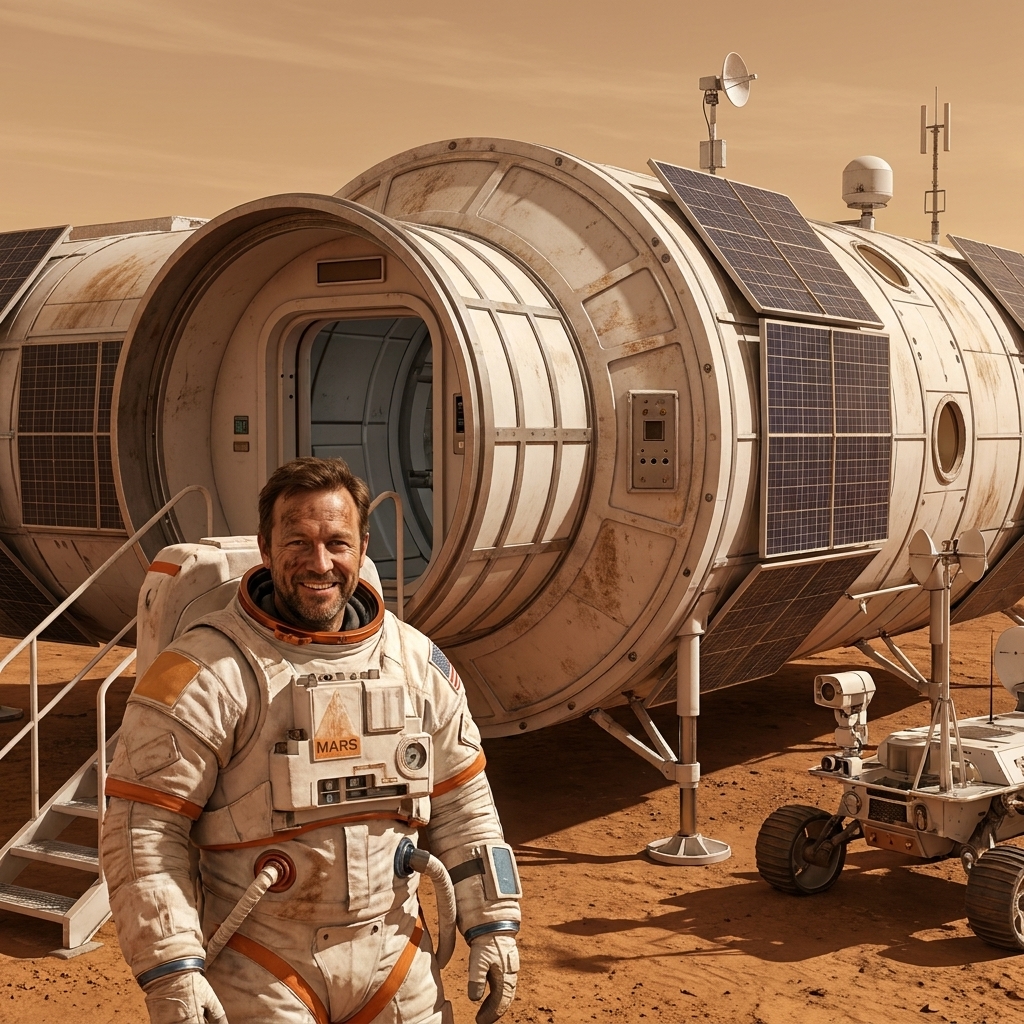
In sci-fi, Mars bases are sleek domes. In real engineering, the first homes are more likely to look like rugged modules with layers of redundancy. The goal is boring reliability. A sustainable settlement needs structures that can handle pressure differences, temperature swings, micrometeoroid impacts, and gradual wear.
Challenge: Durability and expansion
Even a small leak is serious when your outside world is very low pressure by human standards. Materials will age under radiation. Seals will degrade. Engineers must plan for inspection, patching, and growth from a starter habitat into something closer to a town.
Proposed solutions
- Layered shells: pressure vessel plus shielding layer plus regolith cover, so damage does not immediately become catastrophic.
- Modular expansion: standardized connection ports and inflatable modules for quick volume, followed by more permanent builds.
- Autonomous construction aids: robots that prepare sites, move regolith, and assemble structures before humans arrive.
Thermal control and fire safety
Mars is cold, but habitats are heat engines full of electronics, people, and sealed air. That means you are always doing thermal management, whether you admit it or not. On top of that, fire is one of the nastiest risks in any closed environment, especially around high-power systems and oxygen handling.
Challenge: Heat balance and emergency response
You need to shed waste heat to a cold outside while keeping internal systems from freezing. You also need fire detection and suppression that works in confined modules, without turning “put out the fire” into “poison the crew.”
Proposed solutions
- Redundant thermal loops: pumped fluid loops, heat exchangers, and radiator systems sized for worst-case operations.
- Fire compartmentalization: isolate modules, shut down airflow, and keep critical life support on protected power buses.
- Strict materials standards: low-flammability interiors, careful cable management, and conservative oxygen system design.
Planetary protection
A settlement is also a contamination problem, in both directions. Forward contamination risks compromising the search for life or the integrity of sensitive sites. Backward contamination, while considered low probability, still demands careful protocols for samples and returning hardware.
Challenge: Living on a planet we are still studying
You cannot treat cleanliness and biosecurity as paperwork. On Mars, it becomes infrastructure: where you land, where you drill, how you handle waste, and how you certify that “this lab is clean” actually means something.
Proposed solutions
- Site selection and zoning: keep human activity away from high-priority scientific regions when possible.
- Containment and sterilization: controlled sample handling, waste processing, and robust filtration to reduce biological release.
- Clear governance: enforceable rules on drilling, disposal, and exploration boundaries, not just good intentions.
Autonomy and comms
Depending on where Earth and Mars are in their orbits, a message takes about ~3 to ~22 minutes one way. That makes real-time remote control impossible. A settlement must operate with a high degree of independence, which changes everything from emergency response to software design.
Challenge: Handling crises without instant help
On Earth, if something goes wrong, experts can jump on a call and guide you. On Mars, the crew must already have the skills, tools, and procedures to respond.
Proposed solutions
- AI-assisted operations: onboard systems that detect anomalies, suggest fixes, and automate routine maintenance.
- Local decision authority: procedures that empower crews to act quickly, paired with clear safety thresholds.
- Redundant communications: multiple relay paths via orbiters and surface stations to reduce outage risk.
Logistics and quality
On Mars, “we will just ship a replacement” is not a plan. It is a wish. Sustainability is as much about logistics and quality assurance as it is about rockets: spares strategy, inspection cycles, and the ability to investigate failures without a factory down the street.
Challenge: Keeping a supply chain alive
Parts will break, seals will age, sensors will drift, and software will do something creative at 3 a.m. The settlement has to keep operating while it diagnoses, repairs, and verifies fixes with limited tooling.
Proposed solutions
- Smart spares: carry the failure-prone parts, the tools to install them, and the test gear to confirm they worked.
- Standardization: fewer unique components means fewer unique disasters.
- Verification culture: checklists, calibration routines, and “trust but verify” engineering, because you cannot afford mystery failures.
What “sustainable” means
When engineers say sustainable, they do not mean self-sufficient overnight. Early settlements will depend on Earth for specialized electronics, medications, and replacement hardware. A realistic path to sustainability is gradual: reduce resupply needs mission by mission until the colony can survive long periods of isolation and manufacture a meaningful fraction of its essentials.
Milestones that matter
- Survivable downtime: the base can ride out weeks of reduced solar power or equipment outages without losing life support.
- Local propellant production: the ability to make return fuel and oxygen from local resources, which changes mission economics dramatically.
- Reliable food supplementation: producing a significant fraction of calories and fresh nutrients on Mars.
- Parts and materials pipeline: on-site manufacturing for routine spares, with Earth supplying only the hardest-to-make components.
FAQ
Why not just build domes and live at Earth pressure?
Large domes at full Earth pressure create big structural loads and big failure consequences. Early habitats will likely be smaller, stronger pressure vessels, often covered by regolith for radiation shielding and micrometeoroid protection. Over time, larger pressurized volumes may become feasible, but they have to earn their keep with reliability.
Can we breathe Mars air if we add oxygen?
No. Mars atmosphere is mostly CO2 and far too thin. Even if you added oxygen, you would still need pressure and the right gas mixture. A breathable environment requires a sealed habitat with controlled composition and pressure.
Is terraforming a near-term solution?
Not in any practical timeframe. Terraforming would require planetary-scale changes to atmosphere and temperature, likely over centuries or longer, with enormous unknowns. Near-term settlement science is about habitats, life support loops, radiation shielding, and ISRU.
What is the single biggest risk to a long-term settlement?
If I had to pick one category, it is systems reliability. Mars colonization is not a single invention. It is dozens of life-critical systems that must work together, be repairable, and survive the unexpected.
The honest takeaway
Mars colonization is not blocked by one magical missing technology. It is blocked by the hard work of integration: making power, life support, shielding, food production, landing systems, human factors, and operations function as a coherent ecosystem.
The good news is that none of these challenges are mystical. They are engineering problems, biology problems, and operations problems. The kind we can chip away at with testing, iteration, and a stubborn refusal to pretend Mars is friendly.