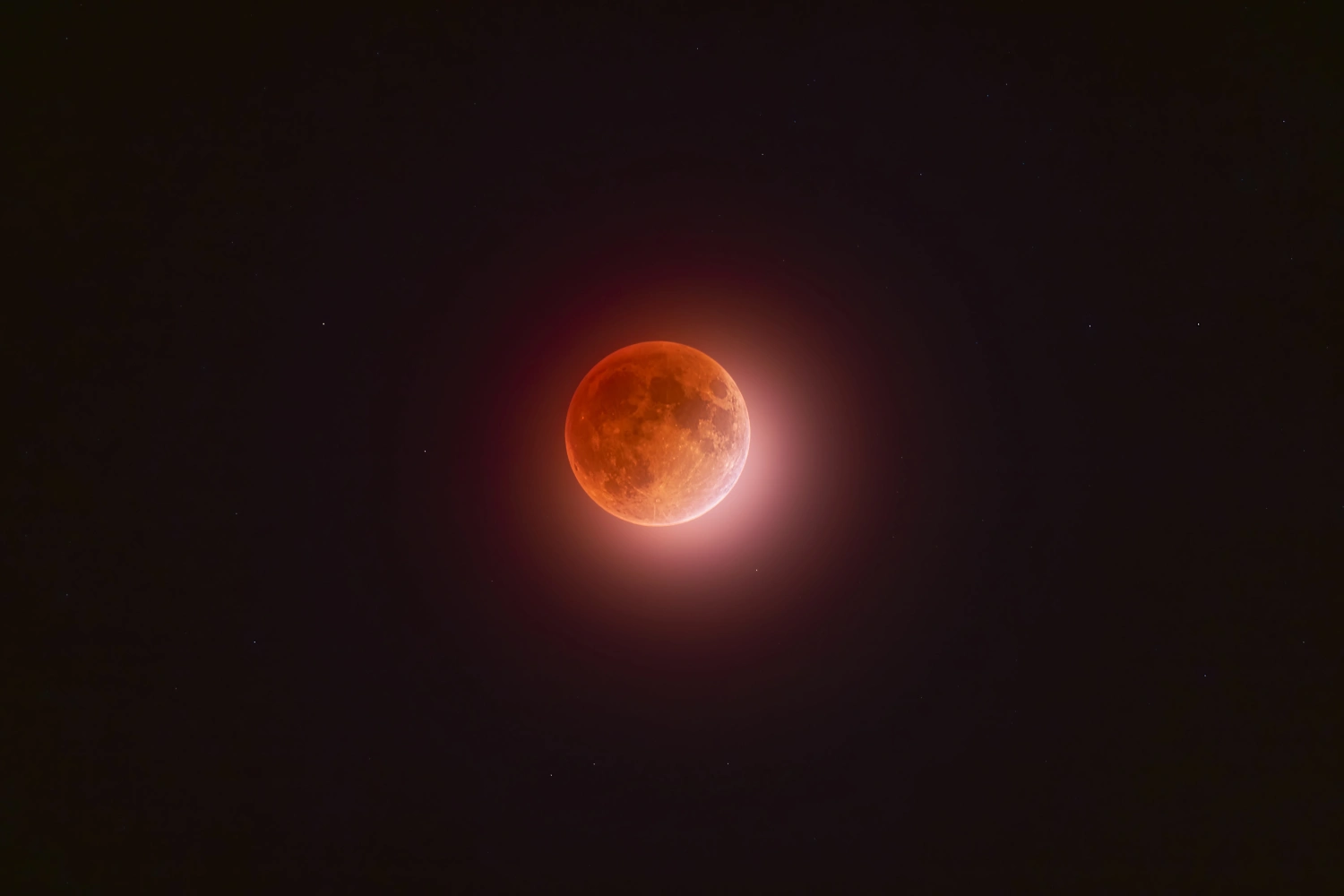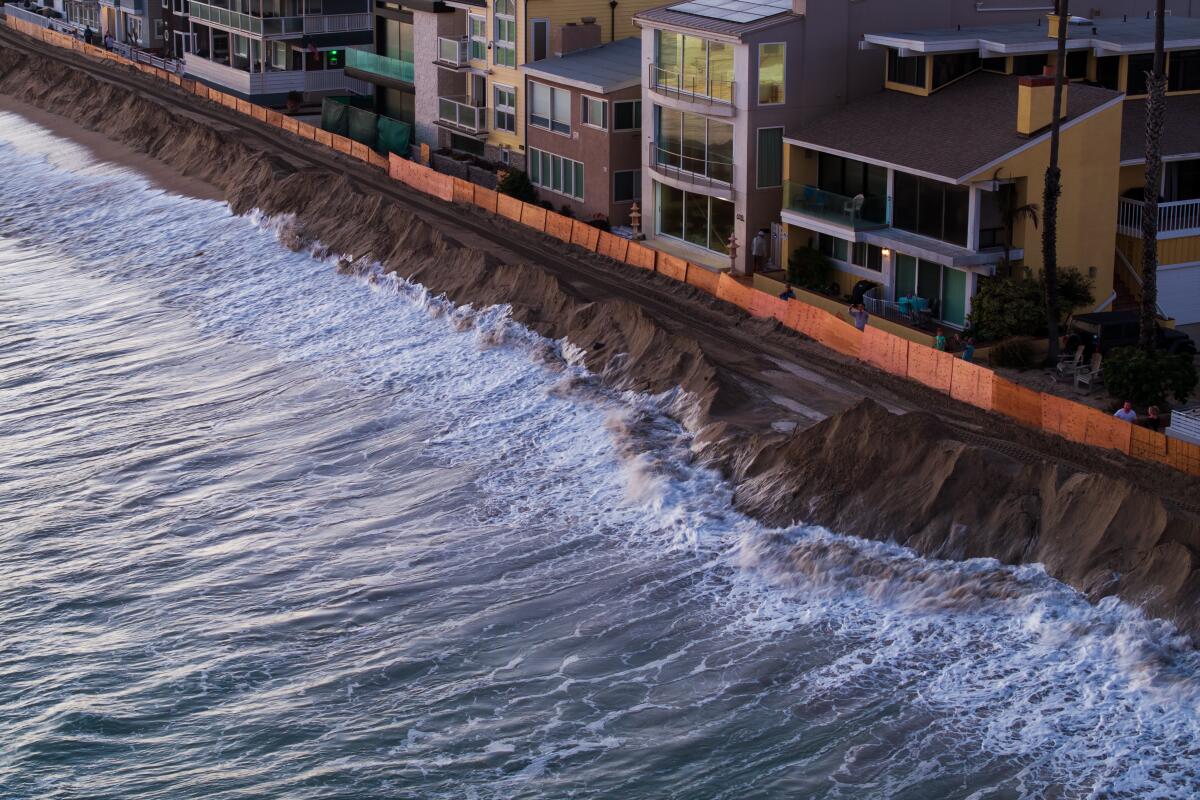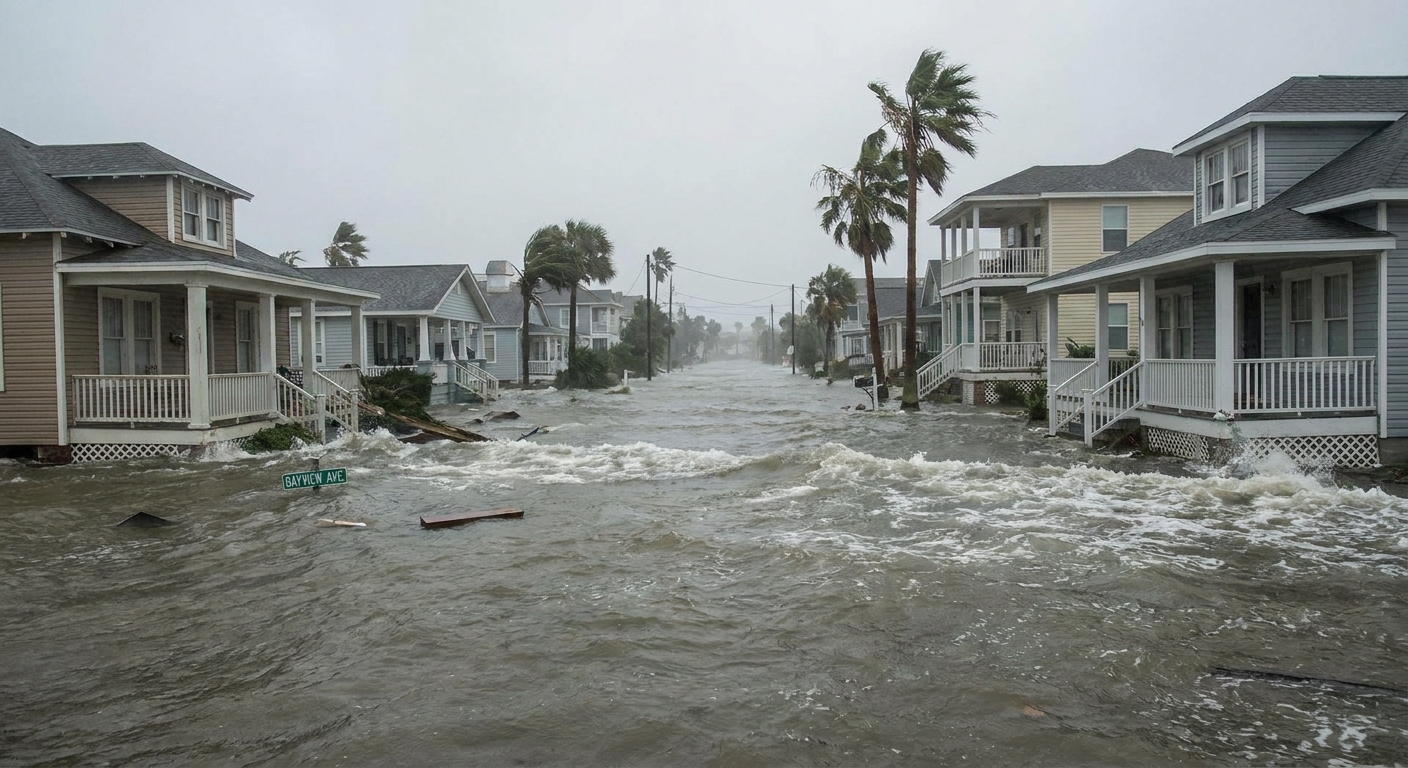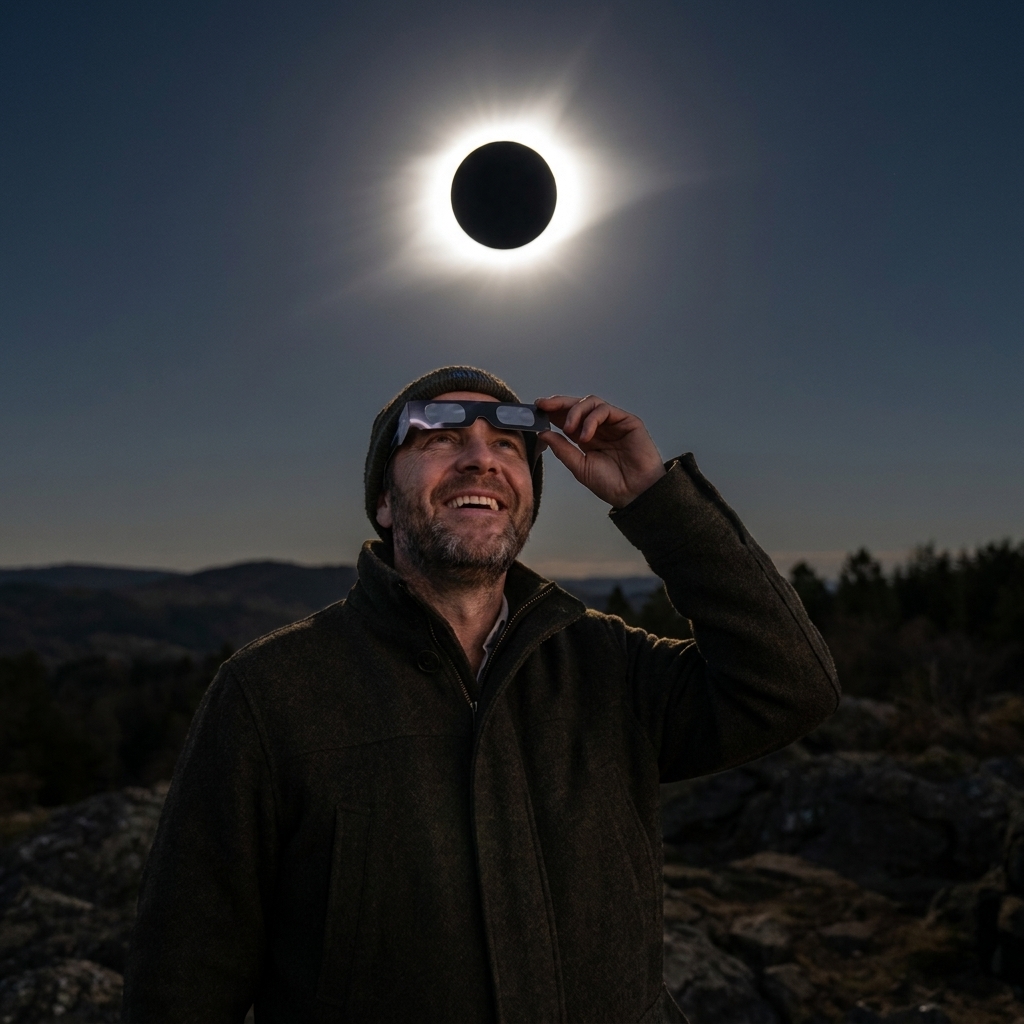
If you have ever stood on a beach and watched the waterline creep up the sand like it has a schedule, you have already met one of Earth’s most dependable physics demos. Tides are not random. They are the ocean responding to gravity and motion in a repeating, clockwork pattern.
In short: the Moon tugs on Earth, the Sun tugs too, and Earth’s daily rotation carries coastlines through the ocean’s tidal highs and lows. The details get subtle, but the big picture is surprisingly intuitive once you see the moving parts.
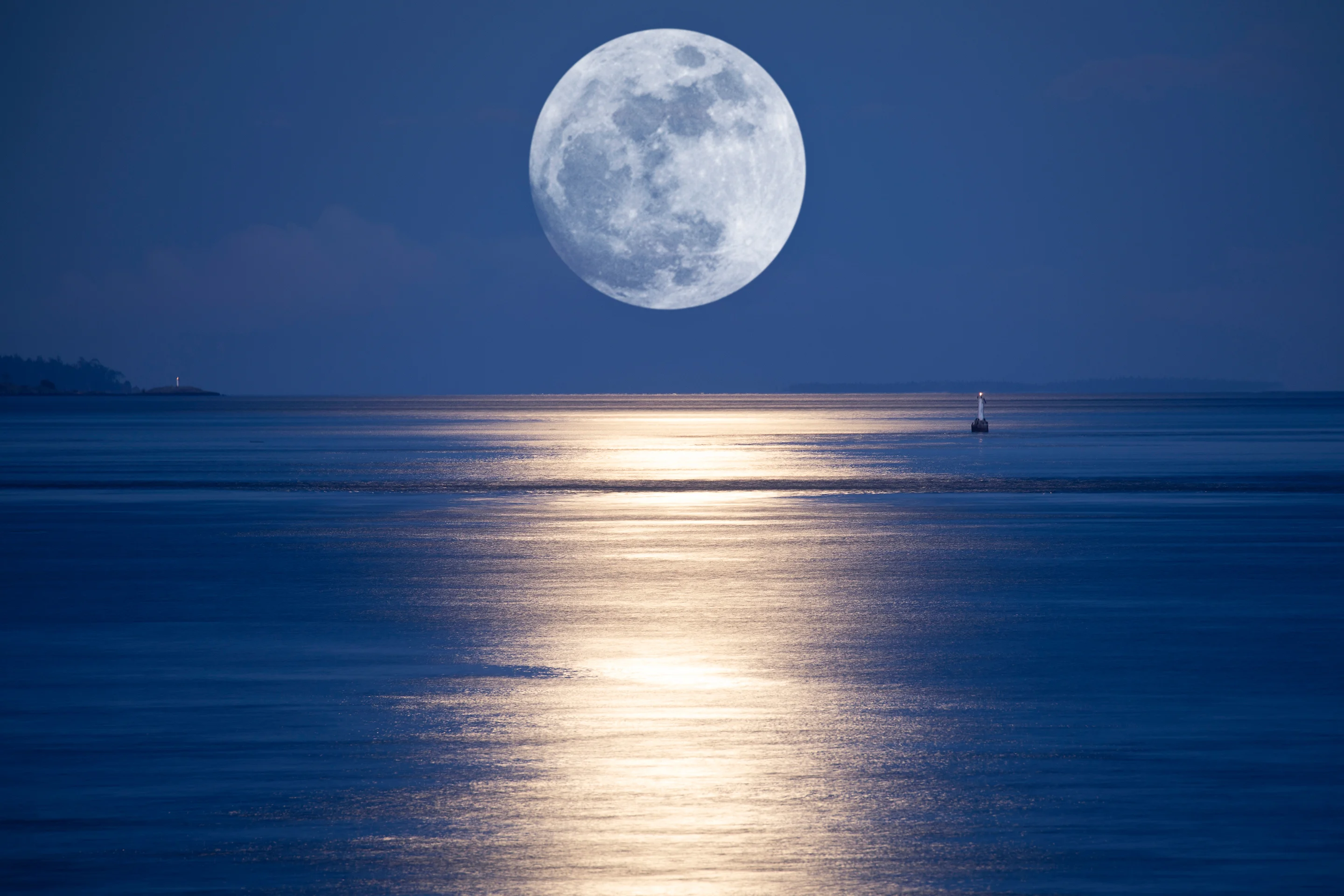
The main driver: the Moon’s gravity
The Moon is not massive compared with the Sun, but it is close. And for tides, closeness matters even more than raw mass because the Moon’s pull changes noticeably from the near side of Earth to the far side. That change across Earth’s diameter is called the tidal force, and it is the real engine of the system.
Think of Earth and its oceans as a big, slightly squishy system. The Moon’s gravity pulls hardest on the side of Earth facing it. Water there is tugged outward a bit, creating a tidal bulge on the near side.
But we also get a bulge on the far side. This is the part that trips people up, including plenty of my physics students over the years. The far side bulge is not because the Moon is pulling harder there. It is because the Moon pulls more strongly on Earth’s center than it pulls on the far side ocean. In other words, the whole Earth is accelerated toward the Moon a little more than the far-side water is, so relative to the planet the far-side water ends up slightly higher. You will also hear this explained in the rotating Earth-Moon frame (using the barycenter), but it is describing the same underlying idea: tides come from the difference in gravitational pull from one side of Earth to the other.
Result: in the simplest global picture, Earth tends to have two broad ocean bulges, one roughly facing the Moon and one roughly opposite it. Real oceans complicate the shape and exact alignment, but this model gives you the right starting intuition.
Why most places get two high tides a day
If there are two tidal bulges, you can already guess the basic rhythm: as Earth rotates, most coastlines pass through both bulges.
- When your coastline rotates into a bulge, you tend to get a high tide.
- When it rotates into the valley between bulges, you tend to get a low tide.
That is why many locations experience two high tides and two low tides each day. But there is a twist: it is not exactly 24 hours between repeats. Because the Moon is orbiting Earth in the same direction Earth rotates, Earth has to spin a little extra to bring the Moon back to the same spot in your sky. That adds roughly 50 minutes to the lunar day.
So the time from one high tide to the next is commonly about 12 hours and 25 minutes, and the whole pattern slides later each day. In real harbors, the exact times can vary a lot because coastlines and ocean basins can delay, amplify, or reshape the tide as it moves in.
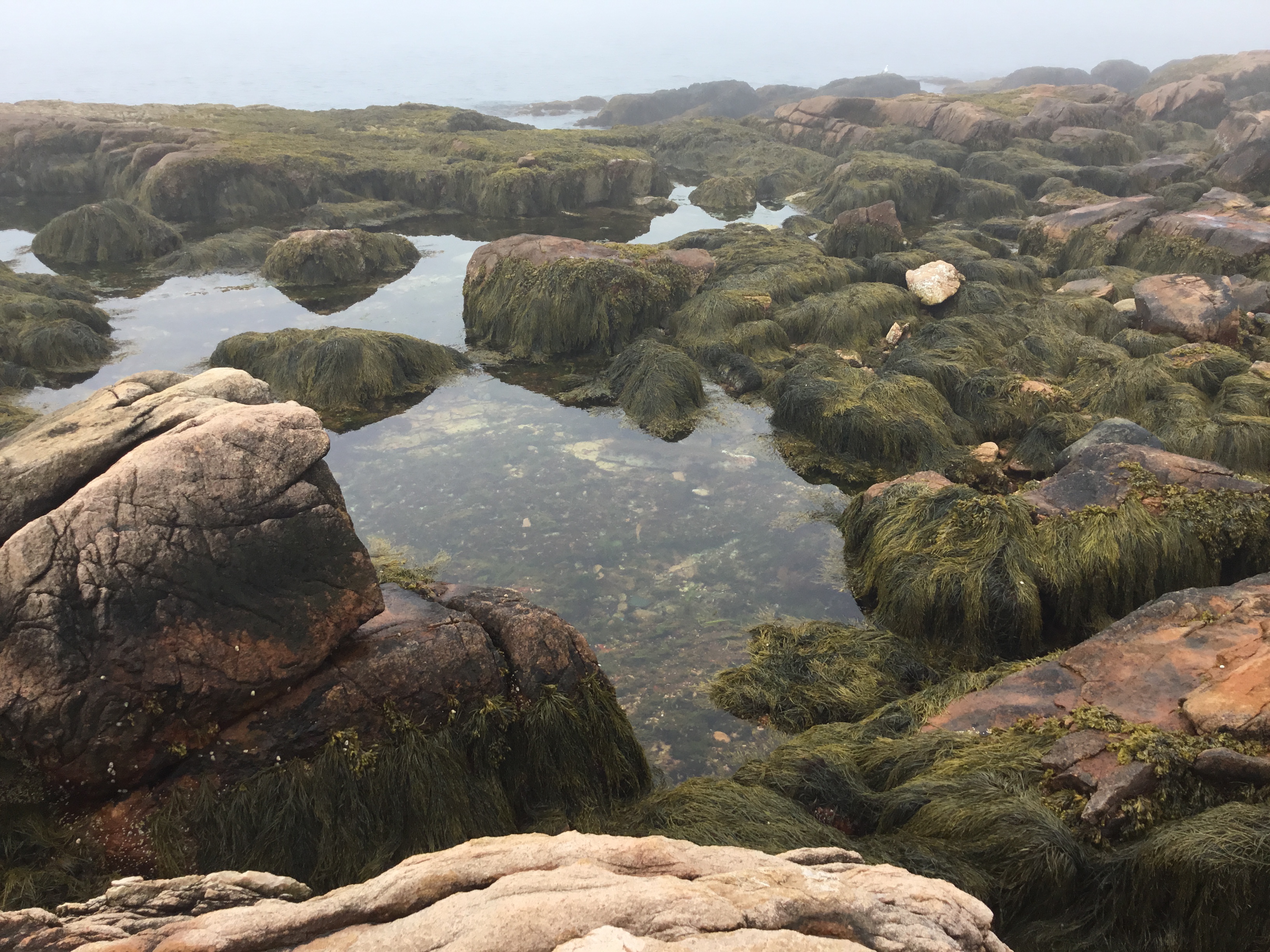
The Sun also raises tides
The Sun’s gravity absolutely affects Earth’s oceans. The solar tide exists for the same reason as the lunar tide: the Sun pulls more on the near side of Earth than the far side. But because the Sun is so far away, the change in its pull across Earth is smaller. In practice, the Sun’s tide-raising effect is typically about half the Moon’s.
Still, “half” is not “small.” The Sun’s pull can either boost the Moon-driven tides or partly cancel them, depending on how the Sun and Moon line up.
Spring and neap tides
When you hear spring tide, do not think springtime. The word comes from the idea of the tide springing forth, meaning a larger range between high and low water.
Spring tides
Spring tides happen when the Sun, Moon, and Earth line up, so their tidal effects mostly add together. This occurs around:
- New Moon, when the Moon is between Earth and the Sun
- Full Moon, when Earth is between the Sun and the Moon
During spring tides, high tides tend to be higher and low tides tend to be lower, giving a larger tidal range.
Neap tides
Neap tides happen when the Sun and Moon are at roughly right angles as seen from Earth, which occurs around the:
- First quarter Moon
- Third quarter Moon
Then the Sun’s tide partly cancels the Moon’s, producing a smaller tidal range.
This spring-neap cycle repeats about every two weeks, because it tracks the Moon’s phases through the month. And if a spring tide lines up with the Moon being unusually close to Earth (near perigee), you can get an extra-strong event often called a perigean spring tide.
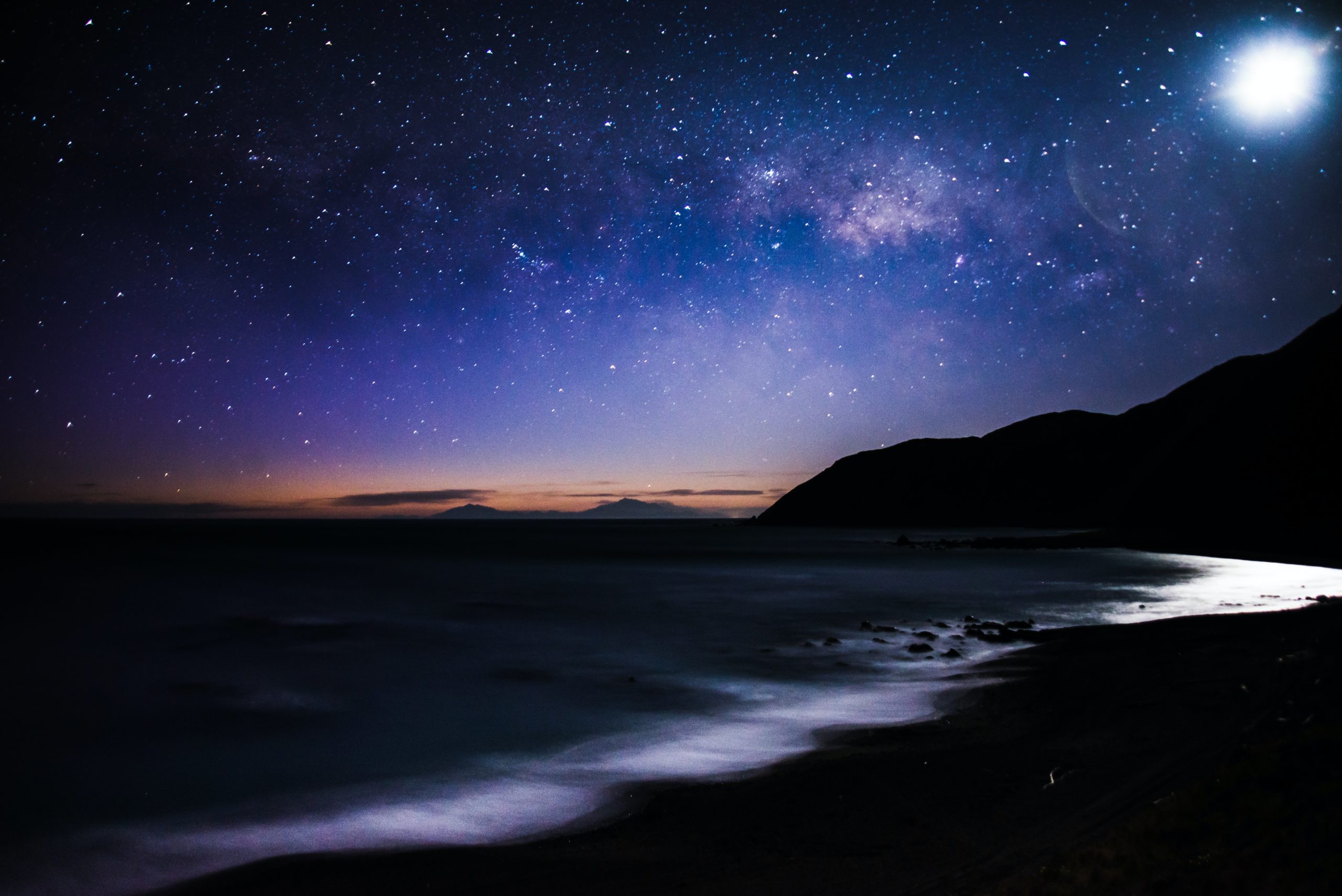
Why tides vary by location
The gravitational forcing is global, but real oceans are not a perfectly smooth water shell. Continents get in the way, ocean basins have different shapes and depths, and coastlines funnel and reflect moving water. Also, tides behave less like a pair of static humps and more like a slow, basin-scale wave system sloshing around the planet, with turning points and rotating patterns (amphidromic systems) in many regions. So while the Moon and Sun set the timing and the energy input, local geography strongly reshapes the result.
A few common outcomes you might notice:
- Semidiurnal tides: two similar high tides per day (common on many coasts).
- Diurnal tides: one high tide and one low tide per day (more common in some regions, including parts of the Gulf of Mexico).
- Mixed tides: two highs and two lows, but with noticeably different heights.
If you want a dramatic example of local amplification, the Bay of Fundy in Canada is famous for an enormous tidal range, largely because its shape and natural timing help the tide build up. In other places, the height change can be modest but the currents can be fast, especially in narrow inlets or around headlands where the same tidal “volume” has to squeeze through a smaller opening.
In other words, the sky provides the rhythm section, but the ocean basins and coastlines play the melody.
Earth’s rotation matters
Earth’s rotation is often mentioned alongside gravity, and it is important to be precise about why. Rotation does not supply the main tide-raising force. The Moon and Sun do.
What rotation does is:
- Carry coastlines into and out of the tidal pattern, producing the familiar rise and fall at a given beach.
- Help shape tidal timing, including the roughly 50-minute daily delay tied to the Moon’s orbital motion.
- Influence ocean movement through effects like the Coriolis force, which can steer large-scale flows and contribute to rotating tidal patterns in some basins.
If you want a clean mental model: imagine the tide as a global, Moon-driven pattern that Earth spins through, with the real ocean basins constantly reshaping how that pattern shows up on any particular shoreline.
Common tide questions
Does the Moon pull on the water but not the land?
The Moon pulls on everything, including the solid Earth. The ground actually rises and falls a bit too, sometimes by tens of centimeters in some locations. The ocean simply responds more visibly because water flows.
Are tides strongest when the Moon is closest to Earth?
Yes, distance matters. When the Moon is closer (near perigee), tidal forces are stronger; when it is farther (near apogee), they are weaker. This effect stacks on top of the spring-neap cycle.
Are tides the same every day?
No. The Moon’s orbit is tilted and slightly elliptical, and the Sun’s contribution changes with the seasons. Add local coastline and seafloor effects, and tide heights and times vary from day to day.
Is a spring tide the same thing as coastal flooding?
No. A spring tide is an astronomical pattern that increases tidal range. Flooding depends on where you live and what else is happening, like onshore winds or low air pressure. You can have spring tides with no flooding at all.
A simple way to picture it
When I taught this, I would ask students to imagine Earth wearing an invisible, watery belt with two bumps. The Moon sets the basic pattern of where those bumps want to be. The Sun sometimes makes them bigger and sometimes flattens them. And Earth’s rotation moves your shoreline under the belt, so the ocean level at your feet rises and falls like a slow breathing pattern.
That breathing is gravity made visible, twice a day, for free, on beaches all over the planet.