Seeing a meteor shower for the first time is one of those rare science moments that feels like the universe is putting on a show just for you. The trick is that meteor showers are less like fireworks and more like fishing. You want the right season, the right spot, and a little patience.
Below is everything I teach friends before we head out with a thermos of tea and a blanket: how to read meteor shower calendars, how to pick the best local viewing time, where to aim your gaze, and what gear actually helps.
What you are really watching
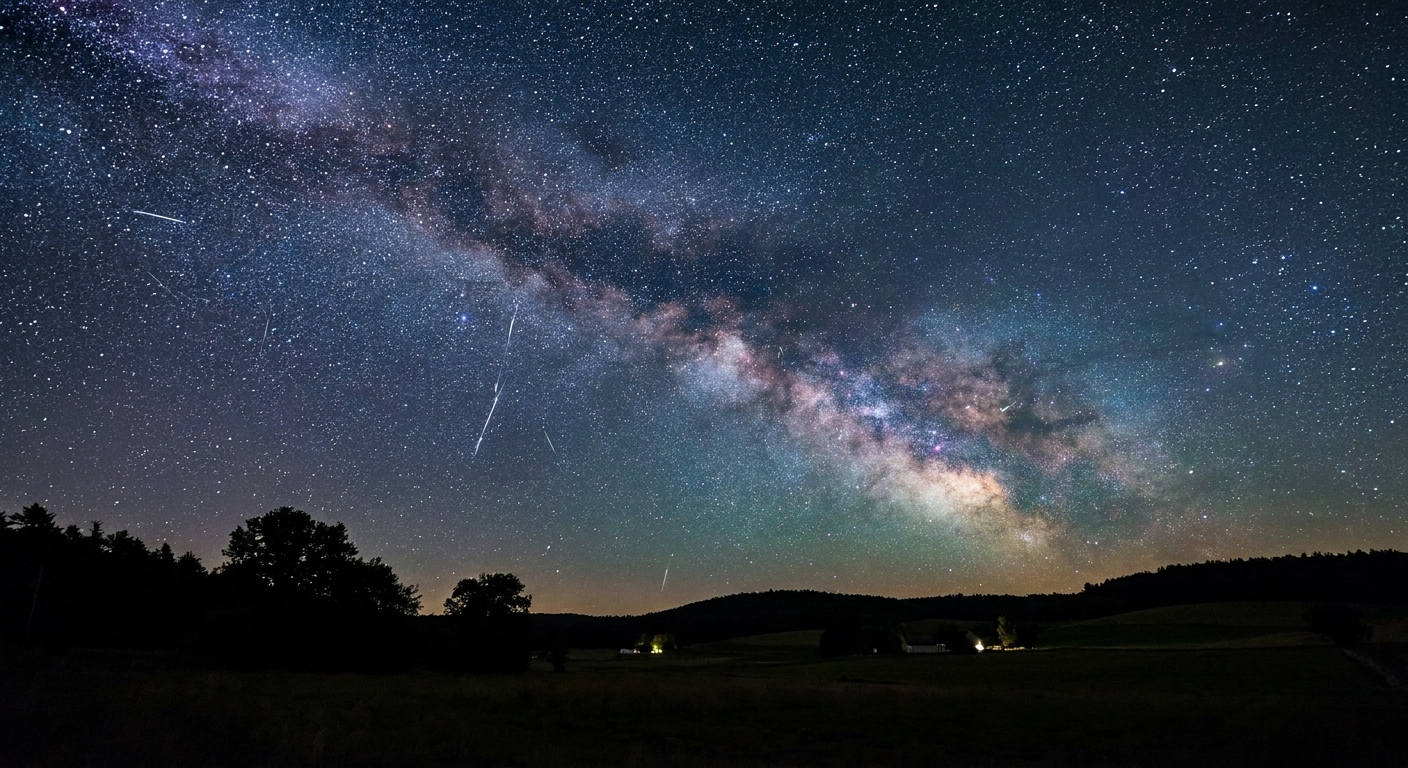
Meteors are tiny bits of dust and rock, often no bigger than a grain of sand, hitting Earth’s upper atmosphere at tens of kilometers per second. The bright streak is light from superheated, excited air (and a little vaporized meteoroid material) as the incoming particle plows through and creates a shock of compression heating.
A meteor shower happens when Earth moves through a stream of debris left behind by a comet (and occasionally an asteroid). Because the particles follow similar paths, the streaks appear to radiate from one point in the sky, called the radiant. That is a perspective effect, like railroad tracks seeming to meet in the distance.
Quick vocabulary that pays off outdoors
- Meteor: the streak of light in the atmosphere.
- Meteorite: a fragment that survives to the ground (uncommon for showers).
- Radiant: the point in the sky the shower seems to originate from.
- Zenithal Hourly Rate (ZHR): a best-case “up to” number under perfect dark skies with the radiant overhead.
How to read a meteor shower calendar
Meteor shower calendars can look wonderfully precise, right up until you try to watch from your backyard at 9 pm and see… nothing. Here is what matters most on any listing.
1) Peak date is not the whole story
Most showers are active for days or weeks. The “peak” is when Earth is expected to pass through the densest part of the debris stream, but you can still see meteors on nights near the peak, especially for strong showers.
2) Moon phase can make or break your night
The Moon is the single biggest “weather” factor for meteor showers. A bright Moon washes out faint meteors, which are most of them.
- Best: new Moon or a thin crescent that sets early.
- Okay: first quarter Moon if it sets around midnight or shortly after.
- Tough: gibbous Moon or full Moon in the sky during your observing window.
If the Moon is up, you can still watch. Just aim your gaze to the darkest part of the sky and put the Moon behind a tree or building so it is not in your direct line of sight.
3) ZHR is an upper limit, not a promise
If a shower lists “ZHR 100,” that does not mean you will see 100 meteors per hour from your location. Real-world counts depend on light pollution, how high the radiant gets in your sky, and your own dark adaptation. Under suburban skies, cutting that number down significantly is normal.
Also, a “big” hourly rate often includes a lot of faint streaks that only show up when you are fully adapted and actually watching continuously. Casual viewing can feel like fewer, even on a good night.
4) Radiant location tells you when the show improves
When the radiant is low, many meteors are hidden below your horizon. As it climbs higher, you generally see more. That is why the best viewing is often after midnight into the pre-dawn hours, when your side of Earth is rotating into the oncoming debris stream. (There are exceptions, and some showers can still be enjoyable earlier, especially if the radiant is already up.)
5) Use reliable sources
If you want predictions that are consistently solid, stick with sources like the International Meteor Organization (IMO), the American Meteor Society (AMS), NASA skywatch updates, or a local astronomy club. They usually include the details that actually matter, like moon interference and peak timing by time zone.
Picking the best local viewing time
If you remember one rule, make it this: meteor showers often look best late at night, especially in the last couple of hours before dawn.
My simple time-picking checklist
- Check moonrise and moonset for your location.
- Choose the darkest window, ideally when the Moon is below the horizon.
- Aim for late night to dawn if you can, especially near the peak.
- Give yourself at least 45 to 60 minutes of real watching time. Meteors come in clusters and lulls.
What if you can only go earlier?
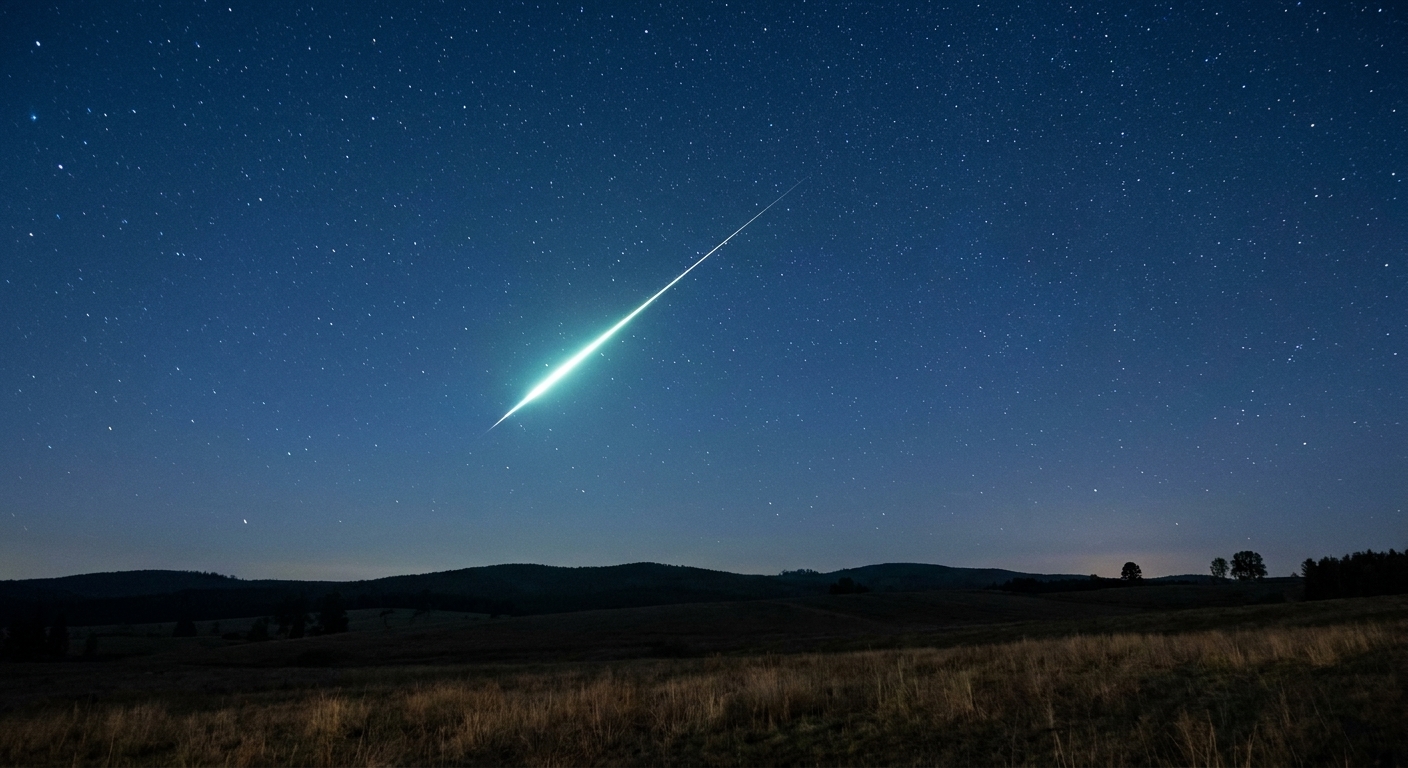
Go anyway, especially for major showers. You may see fewer meteors, but you can still catch bright “earthgrazers” when the radiant is low. These are long, skimming streaks that can be spectacular.
Where to look in the sky
This is where beginners overthink it, so here is the liberating truth: you do not need to aim like a sniper. You need a wide view and patience.
Start here
- Face the darkest part of your sky with the widest, most open view you can get.
- Keep the radiant in the same general half of the sky, but do not stare at it.
- Look about 30 to 60 degrees away from the radiant, roughly halfway up the sky. That is where you tend to see longer streaks.
A quick note on hemispheres
Some showers favor one hemisphere simply because their radiant climbs higher there. If a shower’s radiant stays low for you, you can still see meteors, but your counts will usually be lower than the headline numbers. This is another reason to trust local predictions from IMO, AMS, or astronomy clubs in your region.
Myth-buster
You do not have to look at the constellation the shower is named for. The name tells you where the meteors seem to come from, not where the best streaks will appear.
Find dark skies without an expedition
Light pollution is the silent meteor killer. The bright streaks still happen, but the faint ones disappear into the skyglow. Your goal is not perfection. Your goal is darker than your usual.
What to look for in a good spot
- Wide open view, especially toward the part of the sky where the radiant will be (but you do not need to stare at the radiant).
- Minimal local lights: avoid streetlights, porch lights, and parking lots.
- Safe, legal access: a park, open field, rural turnout, or a friend’s property.
- Comfort: if you are miserable, you will quit early, and meteors reward patience.
A practical trick: block the nearest light
Even a single nearby light can ruin your night vision. If you cannot escape it, use your body, a tree, or the side of your car to block it while you watch.
Let your eyes adapt
Give your eyes at least 20 to 30 minutes away from bright white light. Longer is even better if you can manage it. Use a dim red flashlight if you need to check a map or adjust gear. And yes, that includes phone screens. “Night mode” helps, but dimming is what really matters.
Gear that helps (and gear that does not)
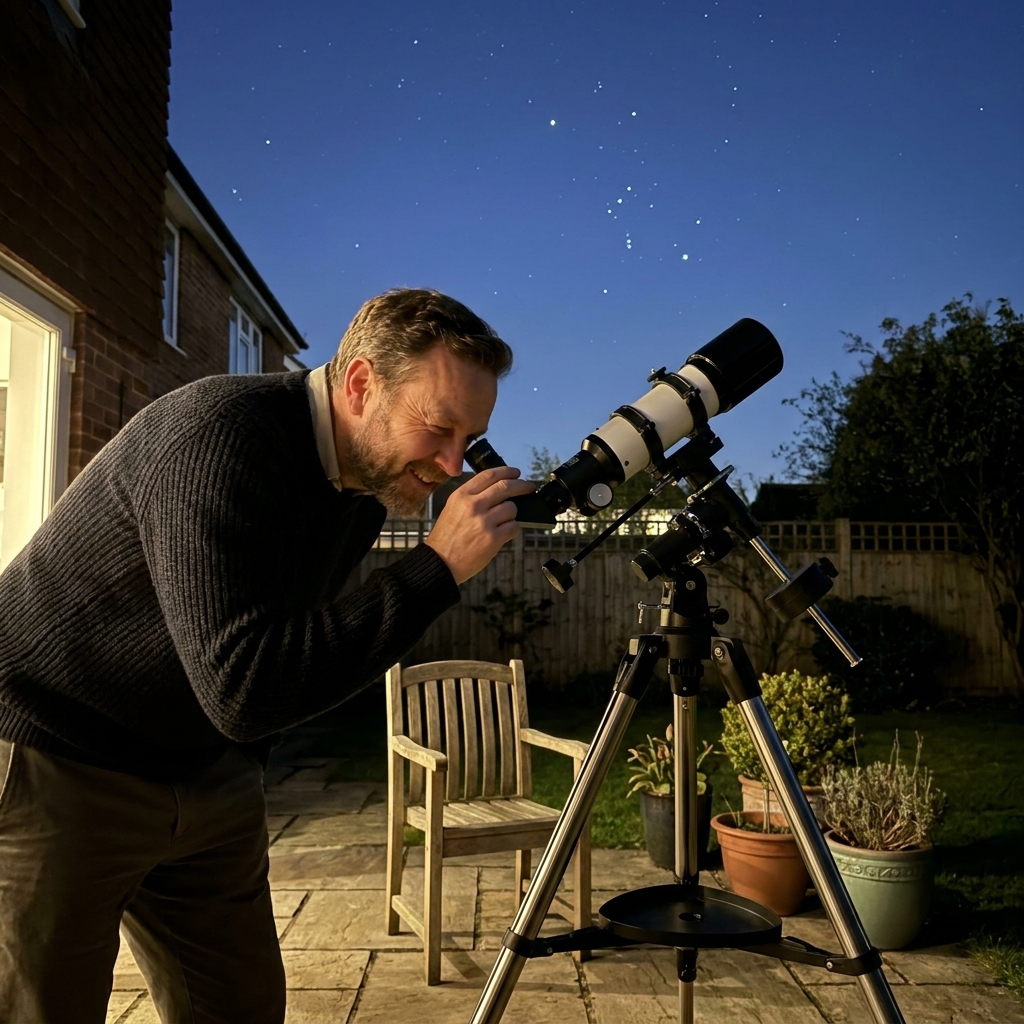
Meteor watching is wonderfully low-tech. You do not need a telescope. In fact, a telescope usually makes it harder because meteors can appear anywhere in a huge swath of sky.
The best meteor shower kit
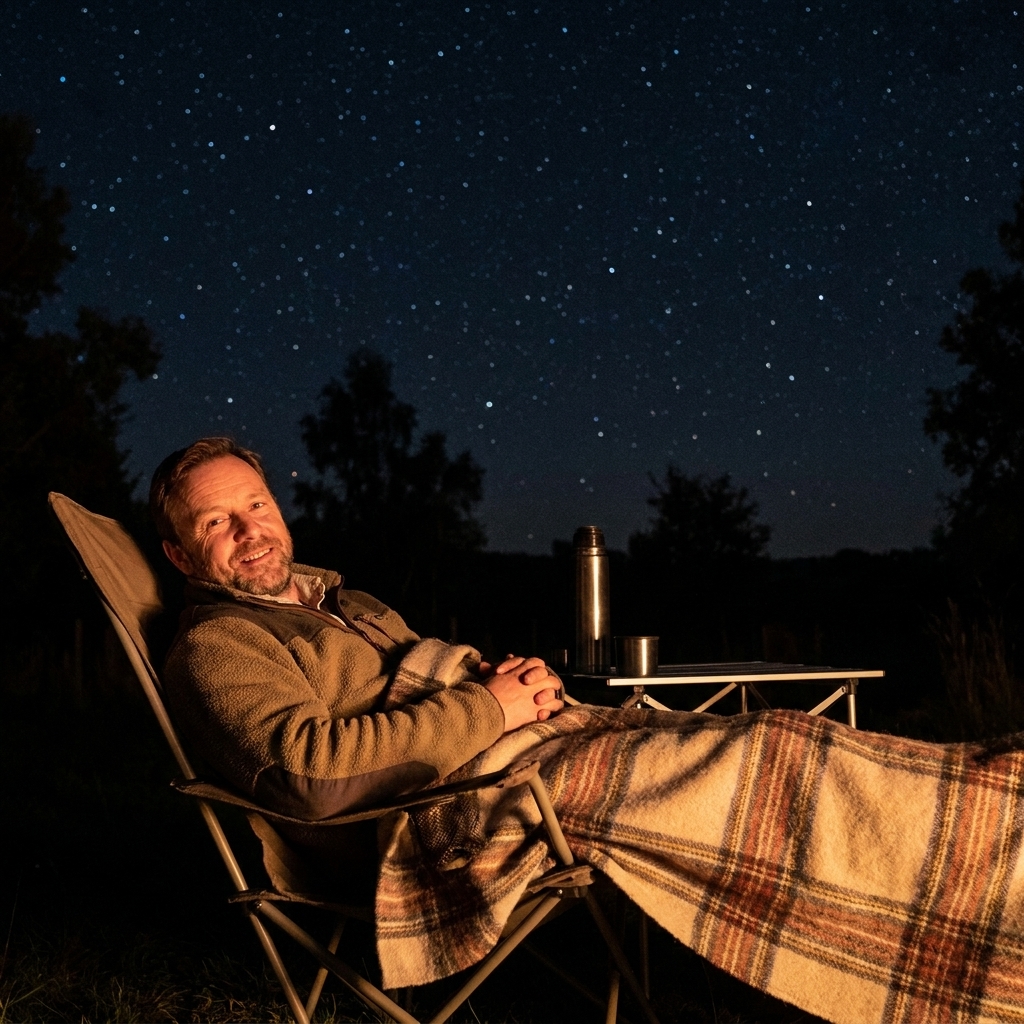
- A reclining chair or sleeping pad: neck comfort is meteor comfort.
- Warm layers: nights get colder than you expect, even in summer.
- Blanket and hat: you lose heat upward while staring upward.
- Hot drink and snacks: morale is a real observing tool.
- Red flashlight: preserve night vision.
- Bug protection: if applicable, it is non-negotiable.
Optional upgrades
- Binoculars: not for meteors, but great for star fields and taking breaks.
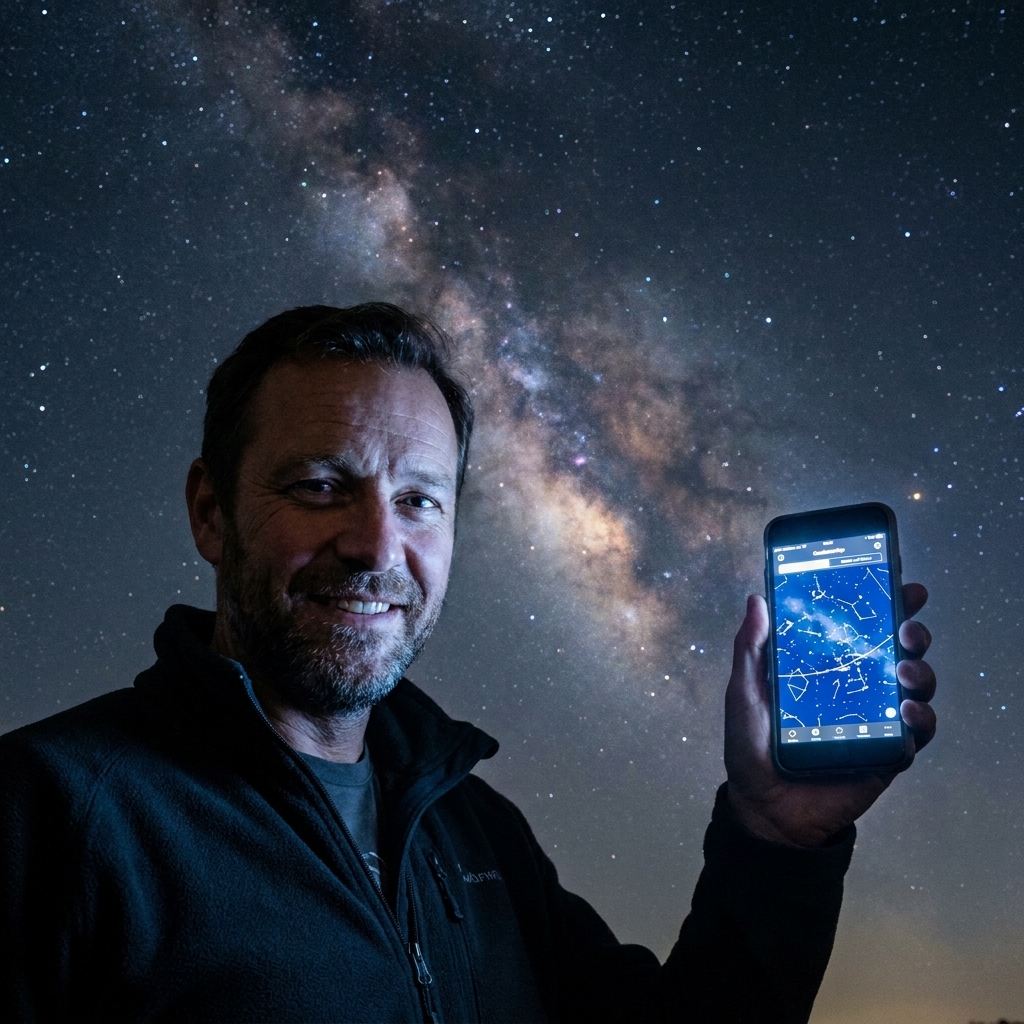
- Star app or printed sky map: helpful for finding the radiant constellation, but not required.
- Hand warmers: tiny miracles in cold weather.
What not to bother with
- Telescopes for meteor counting: field of view is too narrow.
- High-powered “night vision” gadgets: often overpriced and not necessary for a great experience.
How to actually watch so you see more
This is the part that feels almost too simple, but it matters.
Do not stare at the radiant
Meteors near the radiant often look short because they are coming almost straight at you. Instead, look about 30 to 60 degrees away from the radiant, roughly halfway up the sky. You will catch longer, more dramatic streaks.
Use the “soft gaze”
Instead of laser-focusing on one star, relax your vision and take in a wide area. Your peripheral vision is surprisingly good at detecting motion and sudden flashes. It is like letting your eyes become a meteor net.
Commit to time blocks
Try 15-minute chunks. Meteors can come in flurries, then go quiet. If you leave after five minutes, you are basically walking out during the opening credits.
Expect natural variability
Even strong showers have lulls. That does not mean you missed it or did something wrong. It means the dust stream is clumpy, and Earth is driving through it.
Weather, haze, and thin clouds
Clear is best, but “mostly clear” can still work. Thin high clouds are the most frustrating because they can look harmless while quietly dimming faint meteors.
- Transparency matters: dry, crisp air beats humid haze.
- Check smoke and haze if your region deals with wildfire seasons.
- Give your eyes time: sometimes the sky feels better once your vision adapts and local lights become less glaring.
Want photos? Start simple
Photographing meteors is part science, part luck. Your goal is to take many exposures and let probability do the rest.
Beginner-friendly settings (starting points)
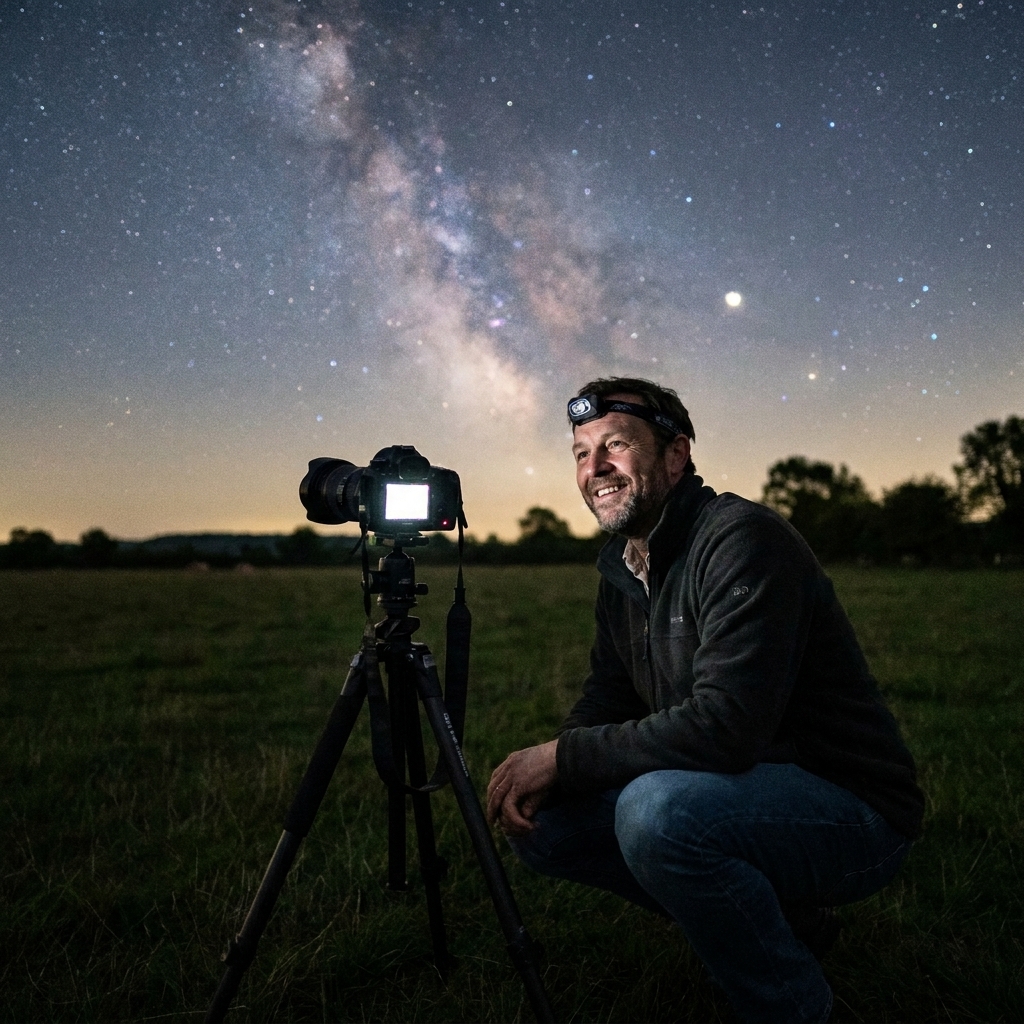
- Camera: phone with a manual night mode can work, but a camera with manual controls is easier.
- Tripod: essential.
- Lens: wide angle is best.
- Exposure: 10 to 25 seconds (shorter if you are using a longer focal length and start seeing star trails).
- ISO: 800 to 3200 depending on sky brightness.
- Focus: manual focus on a bright star, then do not touch it.
If you want a simple sanity check for star trails, look up the “500 rule” (or NPF rule) for your focal length. You do not need to memorize it, you just need to know that exposure time is not one-size-fits-all.
A good composition trick
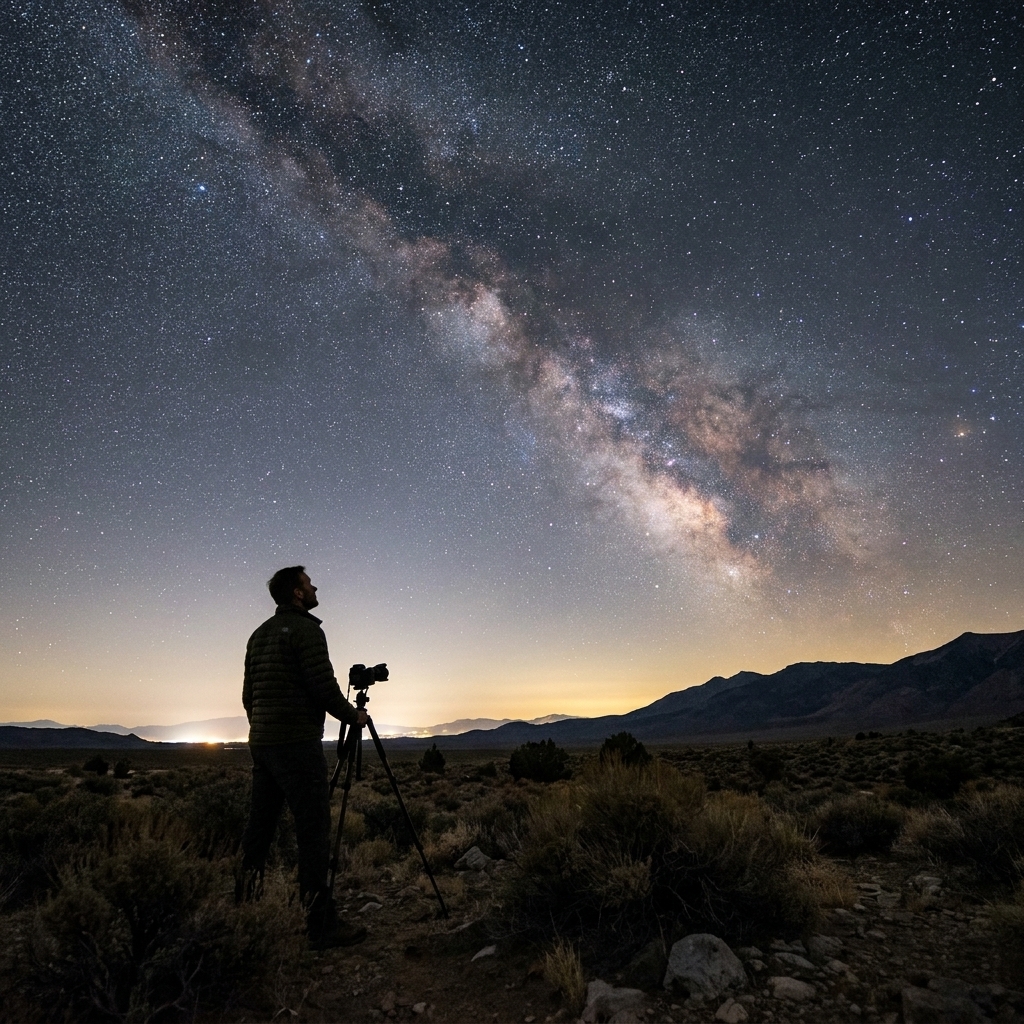
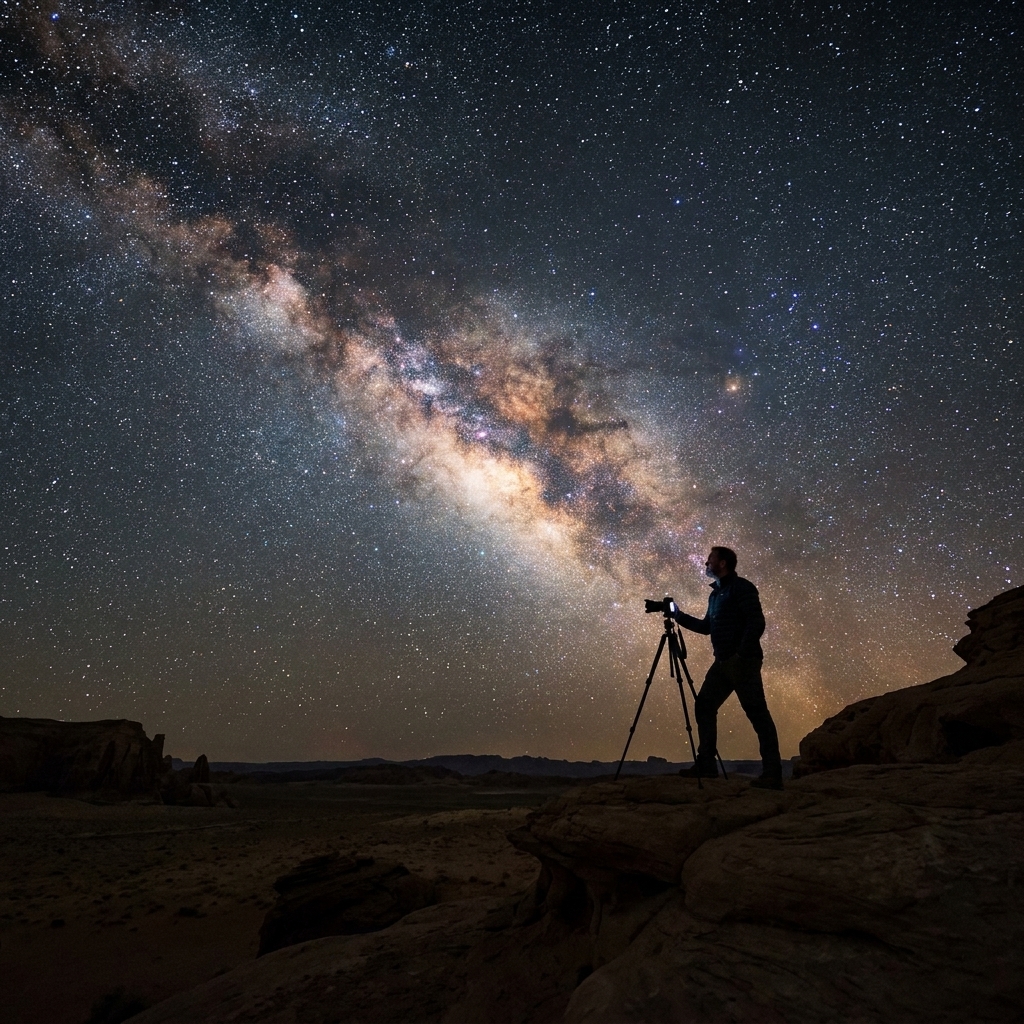
Include some foreground, like trees, mountains, or a quiet road. It gives the sky scale, and it turns a lucky meteor capture into a photo you will actually want to print.
Safety and comfort
- Tell someone where you are going, especially if you are heading to a remote area.
- Bring more warmth than you think you need. Standing still in the dark is colder than hiking.
- Use dim red light so you do not ruin your night vision or anyone else’s.
- Watch for wildlife and uneven ground. Do your setup before it gets fully dark if possible.
- Pack out what you pack in. Dark skies are a shared resource.
Common questions
How many meteors should I expect to see?
It depends on the shower strength, moonlight, and your sky darkness. Under darker rural skies near a peak, you might see dozens per hour during good stretches. Under suburban skies, it might be a handful per hour, with occasional bright ones that make the whole trip worth it.
Do meteors happen at an exact time?
Peaks are predictions, and the best hour can shift. If you can, observe on the peak night and the nights just before and after. Give yourself a solid hour or two of watching time.
Can I see a meteor shower from a city?
You can sometimes catch the brightest meteors, especially fireballs, but the experience improves dramatically even 30 to 60 minutes outside city lights.
Do I need to know constellations?
No. Constellations help you orient to the radiant, but for casual viewing you can simply face the darkest part of the sky with a wide view and let the meteors come to you.
A one-minute checklist
- Pick a night near the peak with the darkest Moon conditions you can.
- Choose a safe, legal spot with minimal local lights and a wide sky view.
- Bring a reclining chair or pad, warm layers, and a red light.
- Plan for late night or pre-dawn if possible.
- Give your eyes at least 20 to 30 minutes to adapt and watch in 15-minute blocks.
If you go out and only see three meteors, that is still three pieces of comet dust, often older than any city on Earth, burning up above your head at cosmic speed. Not a bad way to spend a night.