There is a special kind of joy in realizing that the “star” you are pointing at is not a star at all. It is a whole other world, sunlight bouncing off a planet and traveling millions to hundreds of millions of miles to land on your retinas for free.
The best part is you do not need a telescope. With a little timing and a couple of reliable patterns, you can spot Mercury, Venus, Mars, Jupiter, and Saturn with your naked eye from a backyard, park, or balcony.
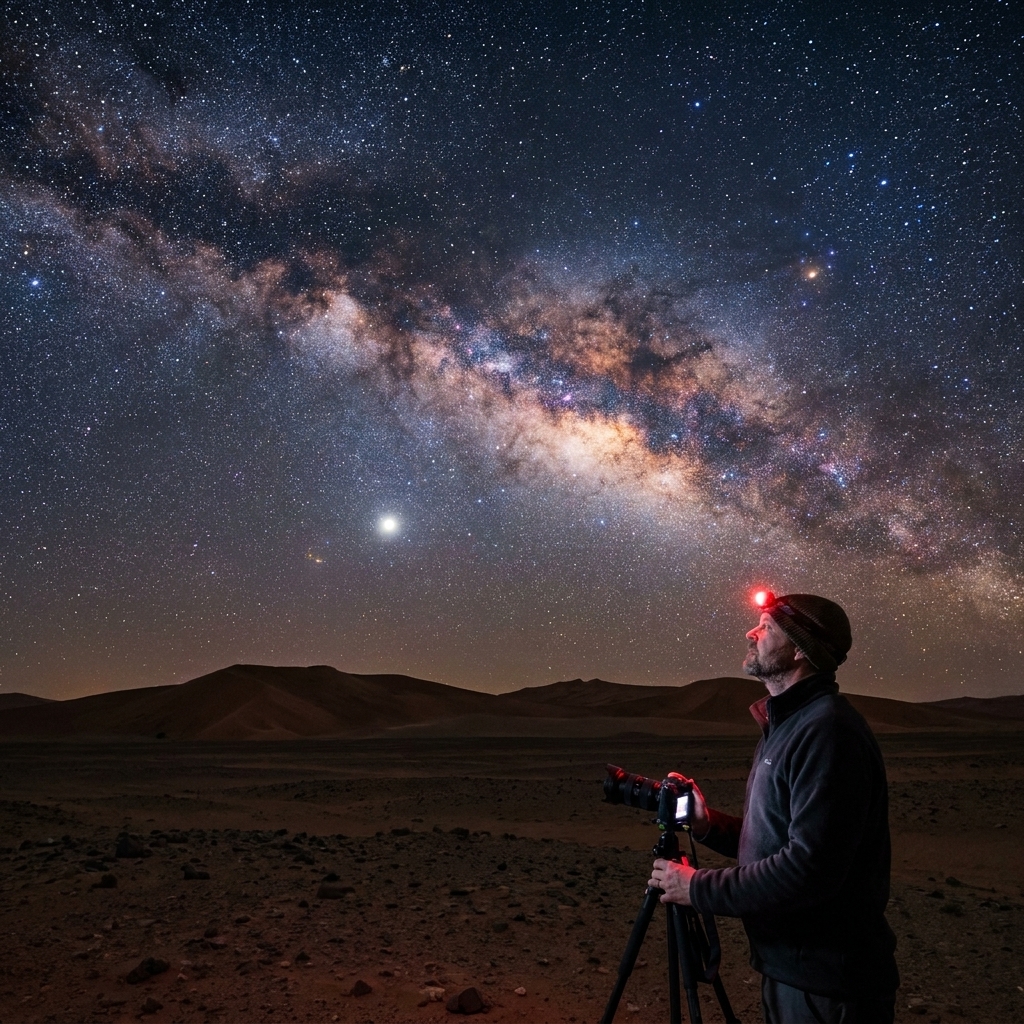
Before you start: two quick rules
1) Planets hug the ecliptic
The planets all orbit in roughly the same plane, so from Earth they appear to travel along a shared path across the sky called the ecliptic. If you can find the Moon, you can usually find the neighborhood where planets hang out, because the Moon also stays close to that same line.
2) Planets usually do not “twinkle”
Stars are tiny points of light, so Earth’s atmospheric turbulence makes them shimmer. Planets look more like steadier points or tiny disks, so they tend to flicker less. This is not a perfect test, especially low on the horizon, but it is surprisingly useful.
- Best viewing tip: Give your eyes 10 to 15 minutes to adapt to darkness, and shield them from phone screens and porch lights.
- Best direction tip: Learn the cardinal directions on your phone once, then put it away. For Mercury and Venus you will care most about west after sunset and east before sunrise.
When to spot them: the yearly shift
Planets do not show up at the same time every night like constellations do. Instead, they drift because we are moving too. The simplest way to think about good planet timing is this:
- Inner planets (Mercury, Venus): They stay close to the Sun in our sky, so you catch them in twilight windows near the horizon.
- Outer planets (Mars, Jupiter, Saturn): They can appear anywhere along the ecliptic, and they are often best when they are up for most of the night.
If you want a dependable rhythm without memorizing orbital mechanics, use these anchors:
- Evening visibility happens when a planet is “east of the Sun,” so it sets after the Sun.
- Morning visibility happens when a planet is “west of the Sun,” so it rises before the Sun.
- Best all-night viewing tends to cluster around a planet’s opposition (for Mars, Jupiter, Saturn), which occurs roughly once per year for Jupiter and Saturn, and about every 26 months for Mars.
For exact dates in your location, a free sky app can help , but the identification tricks below work even if you are just stepping outside on a whim.
1) Mercury: the quick one
Mercury is the planet that makes beginners think, “Maybe I am just bad at this.” You are not. Mercury is simply always close to the Sun, low in bright twilight, and easily swallowed by haze or buildings.
When to look
- Best windows: A few weeks at a time, several times each year, around Mercury’s greatest elongations.
- Best season rule of thumb (mid-northern latitudes): Mercury is often easier to catch after sunset in spring and before sunrise in autumn, when the ecliptic meets the horizon at a steeper angle.
- Time: Start looking about 20 to 40 minutes after sunset for an evening appearance, or 40 to 60 minutes before sunrise for a morning appearance. Depending on season and latitude, you may need a bit more or less time.
Where to look
Low in the west after sunset or low in the east before sunrise, along the same general line where the Sun set or will rise.
How to identify it
- It is not as bright as Venus. Think “modest bright star,” not “headlight.”
- It stays close to the horizon, and it sets quickly. If you wait too long, it is gone.
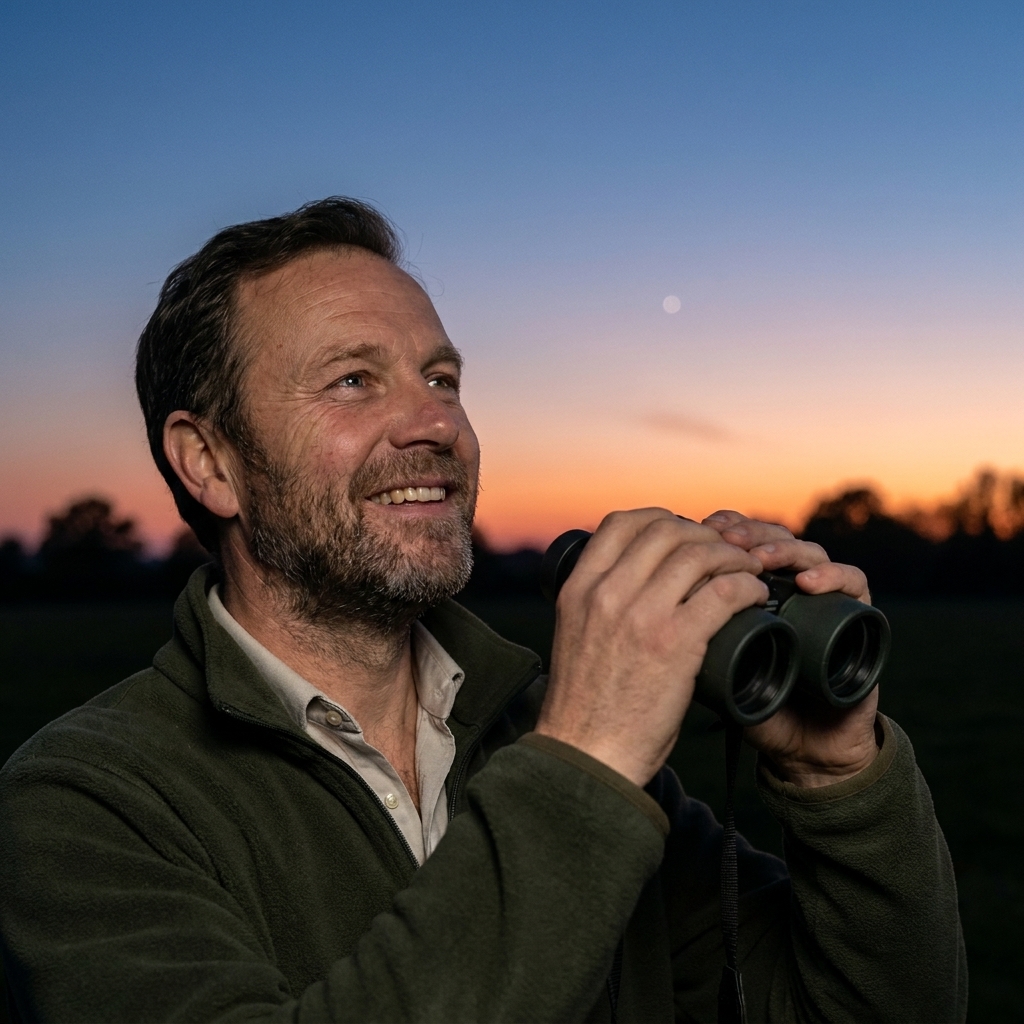
- Try the “Moon helper” method: when a thin crescent Moon is in twilight, Mercury is often somewhere nearby along the ecliptic.
2) Venus: the beacon
Venus is the planet that converts casual sky watchers into “Wait, what is that?” sky watchers. When it is up, it is usually the brightest natural object in the sky after the Sun and Moon.
When to look
- Best windows: Months at a time as either the “Evening Star” (after sunset) or “Morning Star” (before sunrise).
- Seasonal note: Venus does not belong to one season. It cycles between evening and morning appearances roughly every 19 months.
- Time: You can often spot it in bright twilight, sometimes even before the first stars appear.
Where to look
In the west after sunset during an evening apparition, or in the east before sunrise during a morning apparition.
How to identify it
- If you are thinking “Is that a plane?” check for blinking. Venus does not blink like aircraft lights.
- If you are thinking “Is that a streetlight?” take two steps to the side. Streetlights do not move relative to trees and rooftops. Venus does.
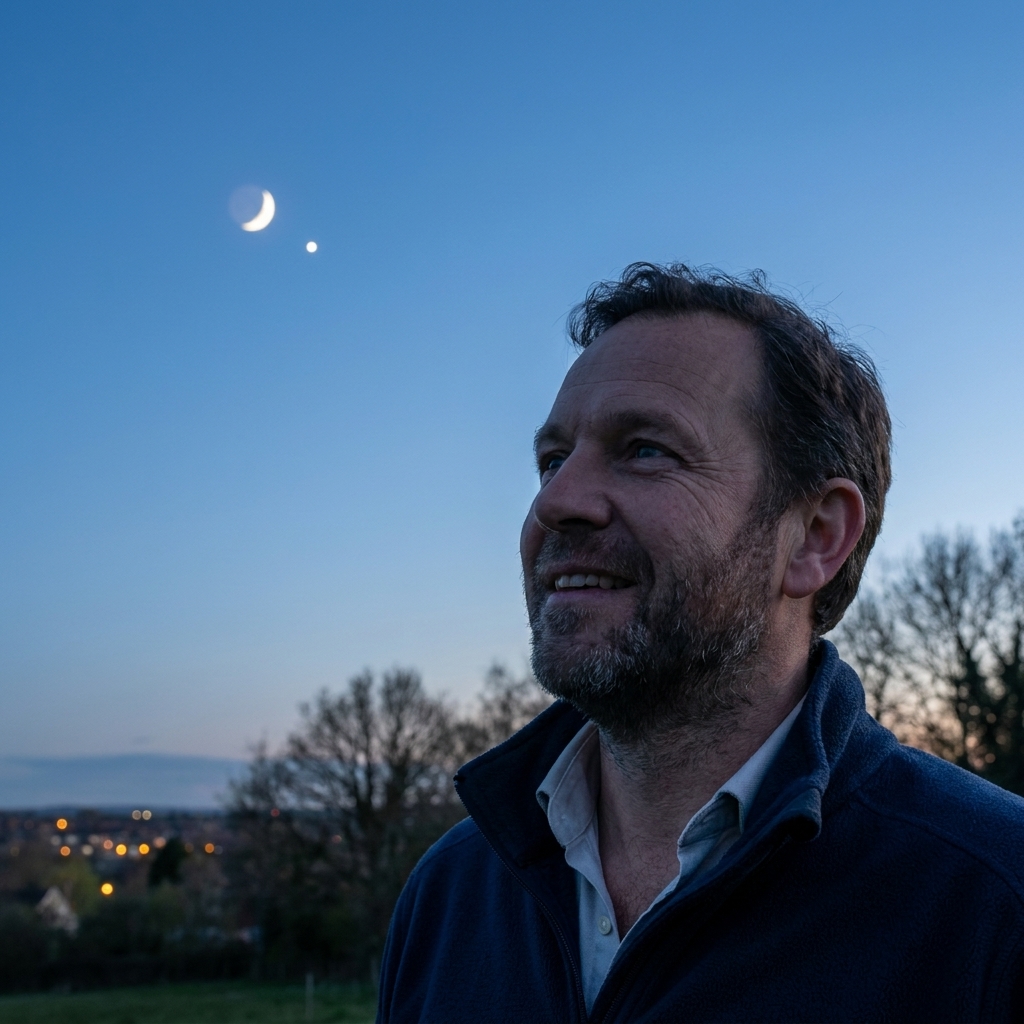
- Venus often pairs beautifully with a crescent Moon. If you see a thin Moon in twilight, scan nearby.
3) Mars: the rusty spark
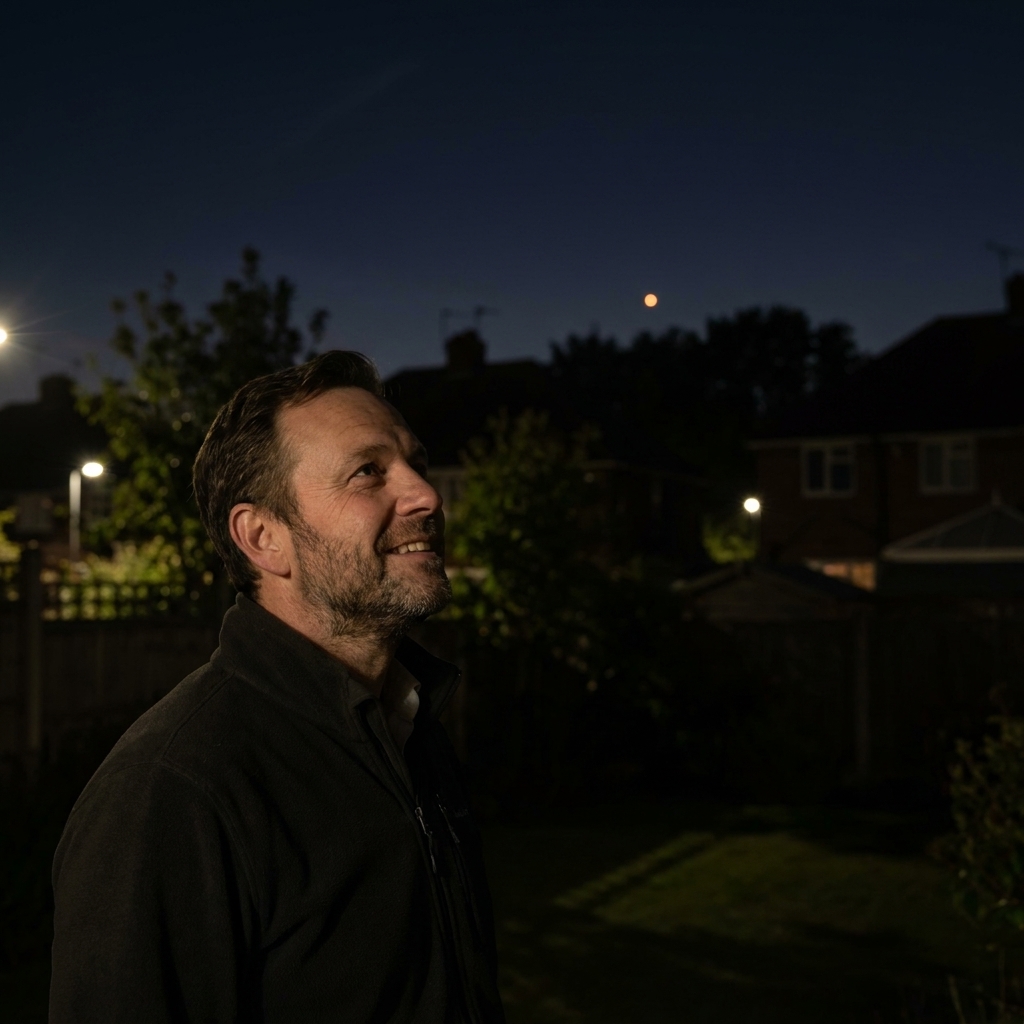
Mars is the one planet that looks like it has been dipped in cinnamon. Its color is the giveaway: a warm orange that stands out from most stars, which tend to look white or blue-white.
When to look
- Best windows: For weeks to months around opposition, when Mars is closest to Earth and up much of the night.
- Yearly shift approach: Each year, Mars appears in a different part of the sky at a different time because its cycle is about 26 months. If you remember “Mars is best every couple of years,” you are already 80 percent of the way there.
- Time: When Mars is well placed, it can be visible from evening through after midnight, and near opposition, essentially all night.
Where to look
Along the ecliptic, often near zodiac constellations. A sky app is helpful here, but your eyes can do it too if you compare colors and brightness.
How to identify it
- Look for a steady orange point.
- Confirm by checking over several nights. Mars noticeably shifts position compared to the background stars over time.
- Do not over-trust brightness. Mars can be bright near opposition and fairly modest when farther away.
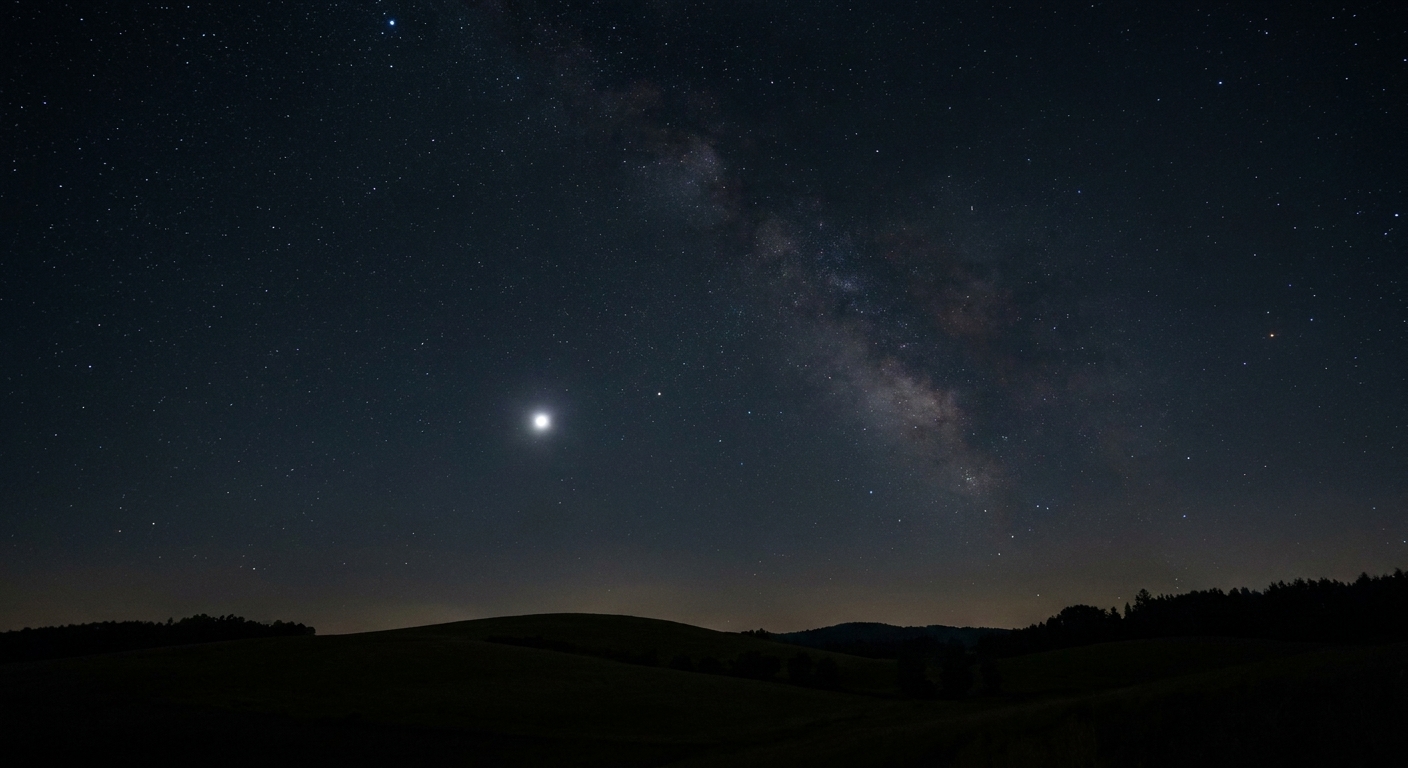
4) Jupiter: the bright giant
Jupiter is the “bright star” that feels almost too bright to be a star, but not as blinding as Venus. When it is around, it is usually the brightest object in the night sky after the Moon and Venus, though Mars can rival it near a favorable opposition.
When to look
- Best windows: Months around opposition, which happens about once every year.
- Yearly shift approach: Jupiter shifts into a different season each year. If it is great in the fall one year, expect it to be great closer to late summer the next.
- Time: Around opposition, Jupiter rises near sunset and sets near sunrise, giving you a long viewing window.
Where to look
Somewhere along the ecliptic, often standing out as a bright, cream-colored point. If the Moon is nearby, Jupiter may be the brightest “star” close to it.
How to identify it
- It is bright and steady, with less twinkle than nearby stars.
- If you have even small binoculars, you can often see its four Galilean moons as tiny dots. Naked eye, you will not see them, but knowing they are there makes Jupiter feel alive.
5) Saturn: the golden light
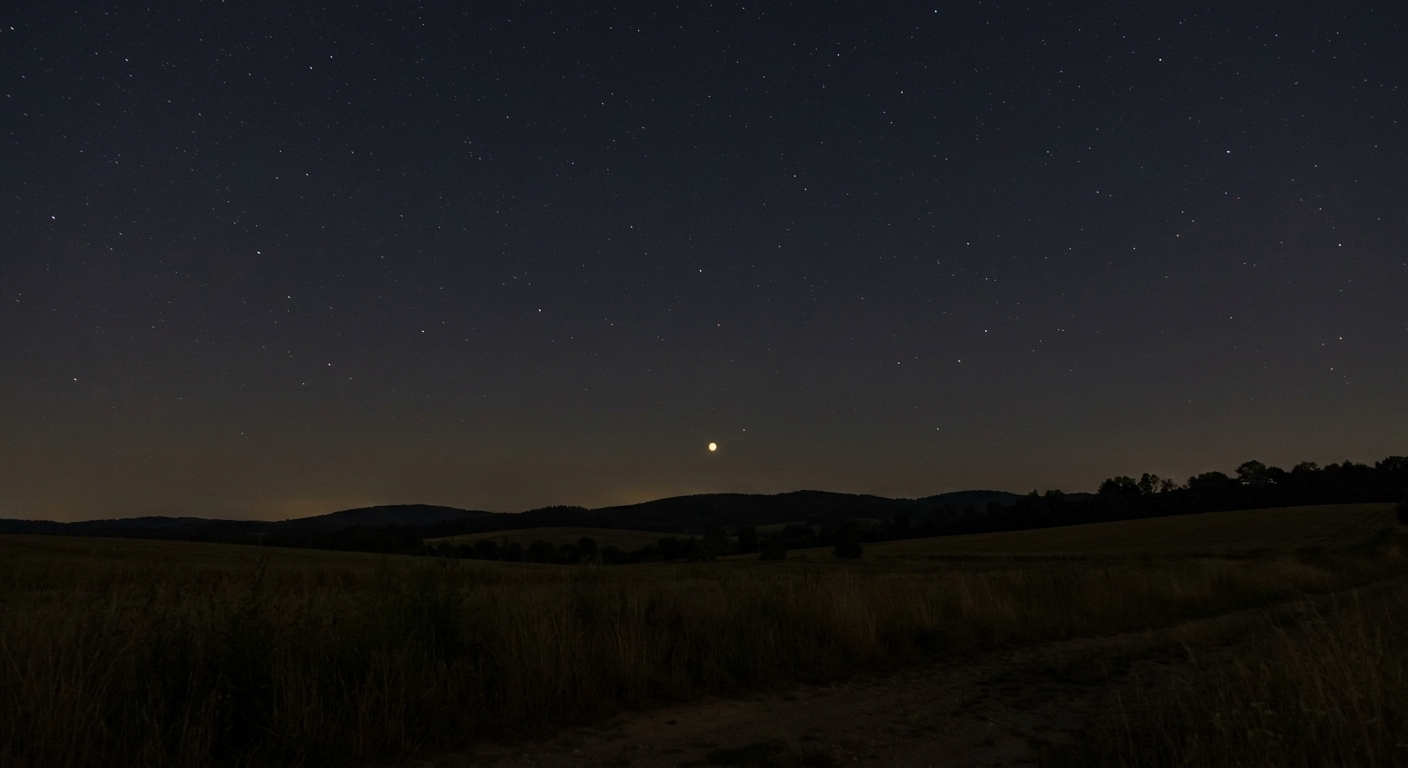
Saturn is visible to the naked eye, but it is more subtle than Jupiter or Venus. Think of it as a calm, golden “star” that rewards a slower look.
When to look
- Best windows: Months around its yearly opposition.
- Yearly shift approach: Like Jupiter, Saturn slides earlier through the calendar from year to year, but more slowly.
- Time: When well placed, Saturn is up for long stretches of the night.
Where to look
Along the ecliptic in the zodiac constellations. It will not be as bright as Jupiter, so it helps to compare: if you see two “planet-bright” points along the same general line, the brighter one is usually Jupiter and the dimmer, slightly golden one is often Saturn (when both are in the sky).
How to identify it
- Look for a steady, yellowish point.
- Use the “two-night check”: if you return a couple nights later, Saturn will have shifted slightly relative to background stars.
- Binoculars will not show the rings clearly, but a small telescope will . Naked eye, it is all about the satisfaction of spotting it at all.
Quick routine (no gear)
- Pick your time: Twilight for Mercury and Venus, late evening for the outer planets, or anytime the Moon is near the ecliptic.
- Find the Moon: If it is up, use it as your anchor and scan along the same general line across the sky.
- Look for “too bright”: Venus and Jupiter jump out first.
- Check color: Orange hints Mars. Creamy-white suggests Jupiter. Soft golden points can hint Saturn.
- Return tomorrow: Planets wander. Stars do not (at least not on human timescales). That motion is your confirmation.
Common mix-ups
- Bright stars near the ecliptic: Stars like Regulus, Spica, and Aldebaran sit near the zodiac path and can look planet-bright when the air is steady. The easiest tell is that stars hold their pattern night after night, while a planet slowly shifts position.
- Satellites and the ISS: They move steadily across the sky over minutes, like a silent, unblinking “star” on a mission. Planets do not drift across the sky that way in real time.
- Aircraft: Planes usually blink and often show red or green navigation lights. Planets do neither.
Visibility tips
- Horizon matters: Mercury lives low. Find a spot with a clear view of the western or eastern horizon.
- Skip the hazy nights: Humidity and smoke scatter twilight and hide low objects.
- Use your hand as a measuring tool: At arm’s length, your fist is about 10 degrees wide. That helps you judge how high a planet is above the horizon.
- Safety first: Never search for Mercury or Venus with binoculars or a telescope until the Sun is fully below the horizon (even then, be cautious). Accidental sunlight through optics can permanently damage your eyes.
FAQ
Can you really see Saturn without a telescope?
Yes. Saturn is bright enough to see with the naked eye from many locations. What you cannot see without magnification is the ring shape. To your eyes it will look like a steady, slightly golden point of light.
Why do planets not twinkle as much as stars?
Planets appear as tiny disks rather than perfect points. Atmospheric turbulence still affects them, but the light fluctuations average out across that small disk, so they look steadier than stars. Near the horizon, even planets can shimmer dramatically.
What is the best planet to start with?
Venus is the easiest when it is visible. Next is usually Jupiter. After that, chase color with Mars , then practice with the more subtle Saturn. Save Mercury for a clear-horizon evening once you have the bug.
Do I need dark skies?
Not for Venus, Jupiter, or often Mars. Saturn is doable in suburbia too. Mercury is the one most affected by haze and light-polluted horizons. Dark skies help, but timing and a clear view matter more for these five planets.
What about Uranus?
Uranus is technically visible to the naked eye under very dark skies, but it is faint and easy to confuse with background stars. For most people and most locations, it is a binocular or telescope target, not a reliable “step outside and spot it” planet.
If you want a fun challenge, try this: spot Venus or Jupiter, then come back the next night and notice how the planet has inched along the ecliptic. You are watching the Solar System run in real time, no telescope required.