What You Are Seeing
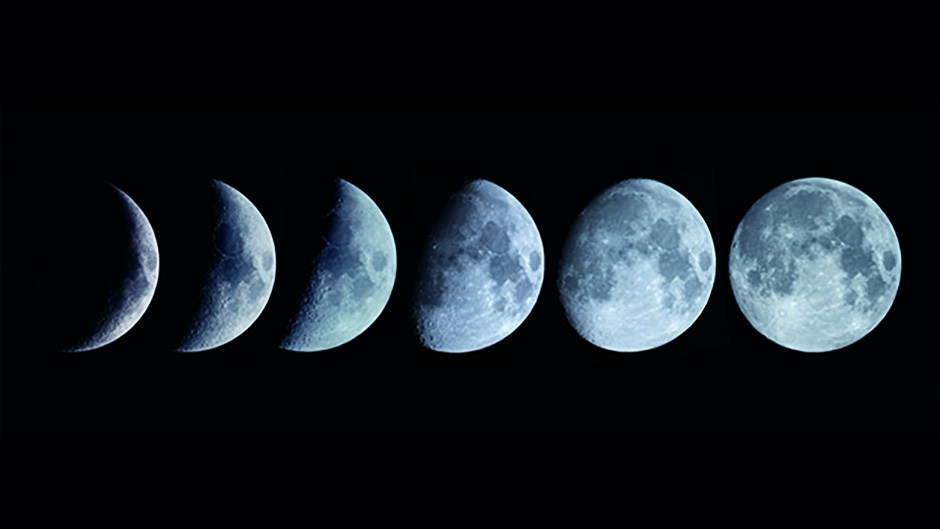
The Moon does not actually change shape. What changes is how much of the Moon’s sunlit half we can see from Earth. As the Moon travels around our planet, our viewing angle shifts, and the bright portion appears to grow, shrink, or take on a curved edge. Those familiar patterns are called phases.
The Big Idea
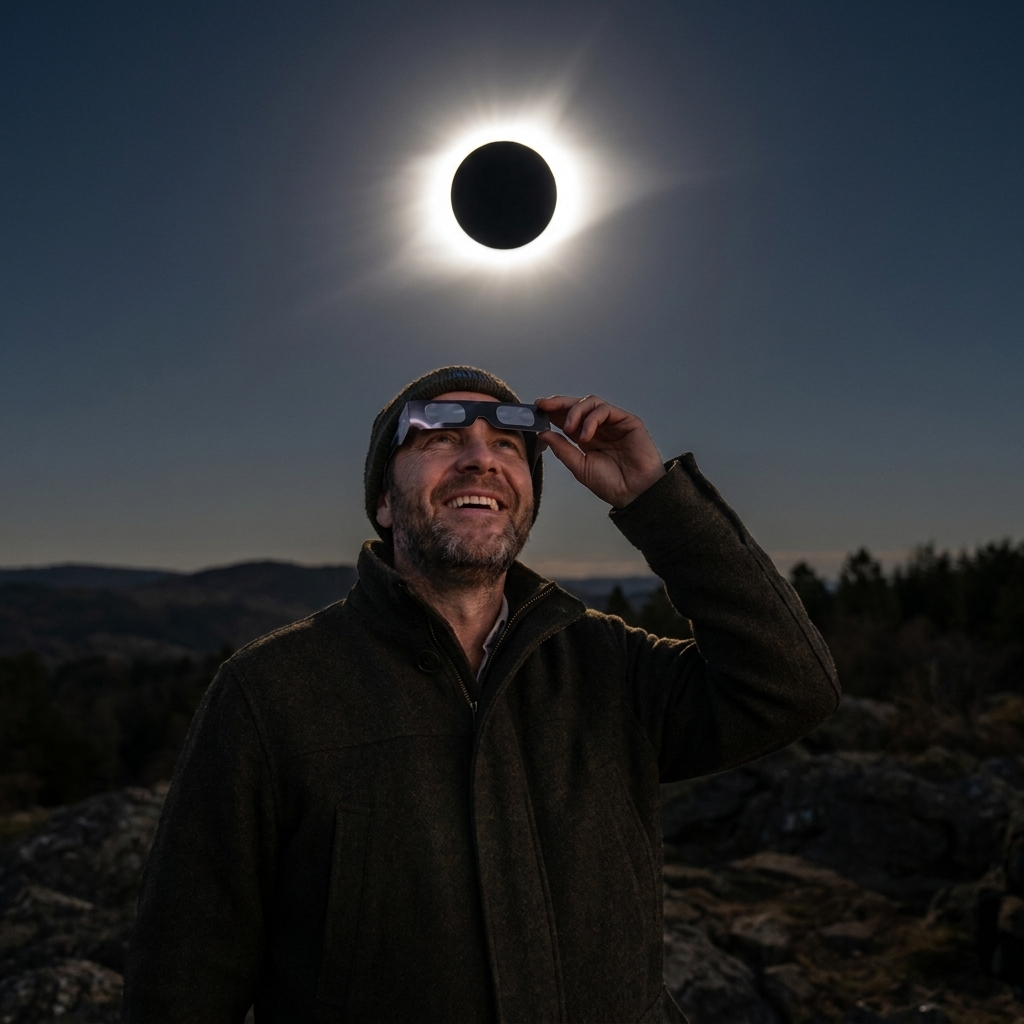
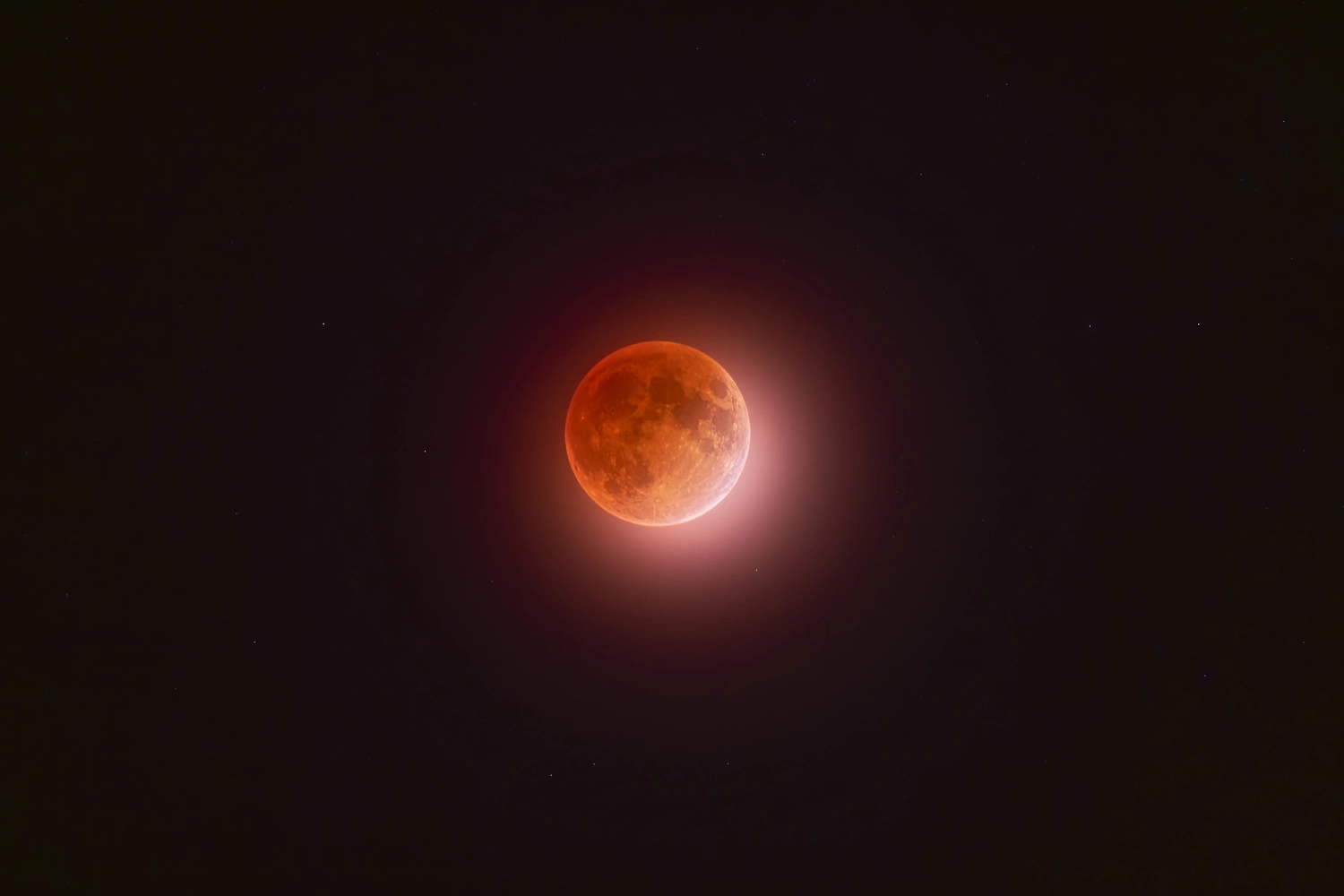
At any given moment, one hemisphere of the Moon is lit by the Sun, just like half of Earth is always in daylight. (The main exception is during a lunar eclipse , when Earth blocks some or all of that sunlight.) The phases happen because the Moon orbits Earth about once every 27.3 days (its sidereal orbit), but the cycle of phases takes about 29.5 days (the synodic month). That extra time is because Earth is also moving around the Sun, so the Moon has to travel a little farther to line up the same way again.
One more helpful detail: the Moon is tidally locked, meaning it rotates once for each orbit. So we see nearly the same face all month, even as the lighting changes.
The Main Phases
Over a month, you will usually hear these phase names:
- New Moon: The Moon is between Earth and the Sun. The sunlit side faces away from us, so the Moon looks dark or nearly invisible. It is often in the daytime sky, close to the Sun from our point of view.
- Waxing Crescent: A thin slice of sunlight becomes visible and grows each night. This is also when you may notice earthshine, a faint glow on the dark part caused by sunlight reflecting off Earth.
- First Quarter: About half of the Moon’s visible face is lit. (The Moon has completed roughly one quarter of its trip around Earth.) This is typically about 7 days after new moon.
- Waxing Gibbous: More than half is lit, and it keeps growing.
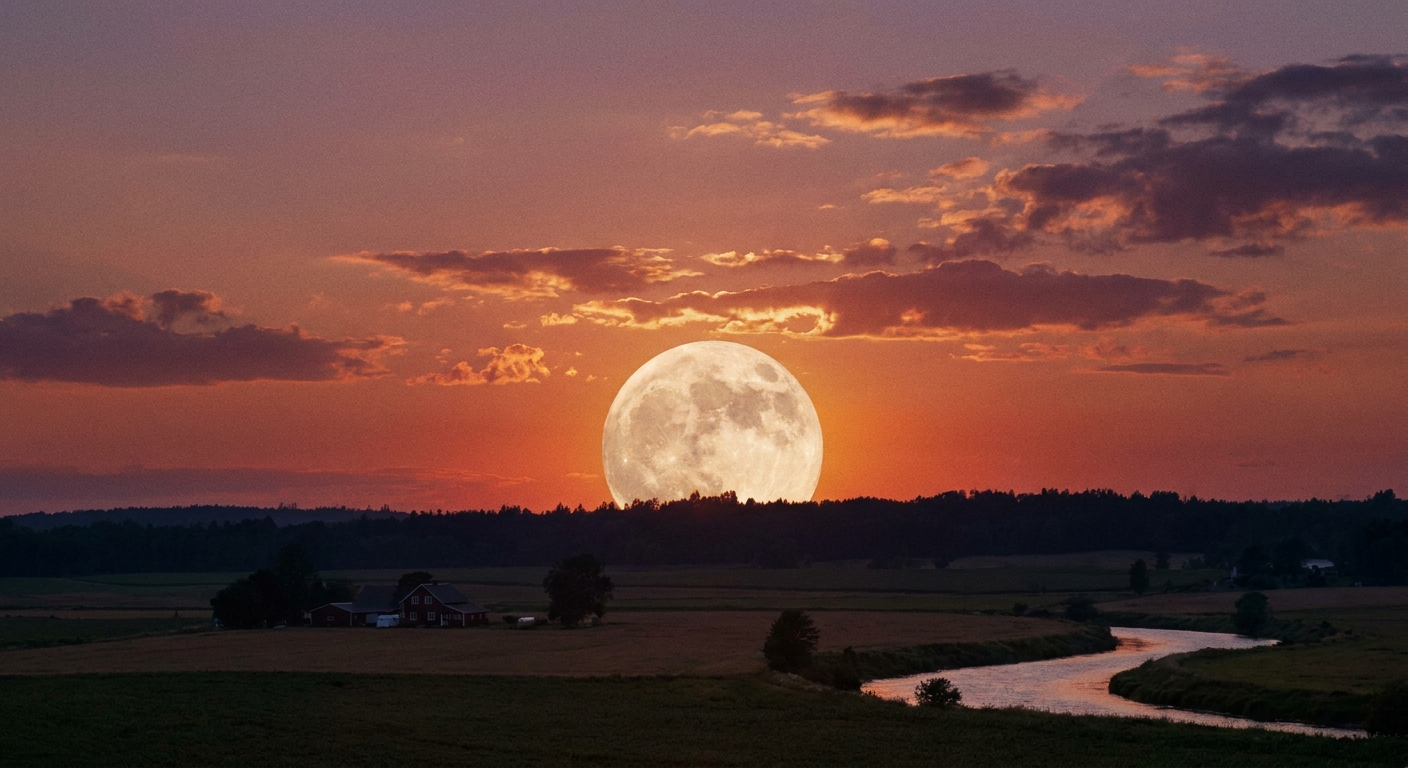
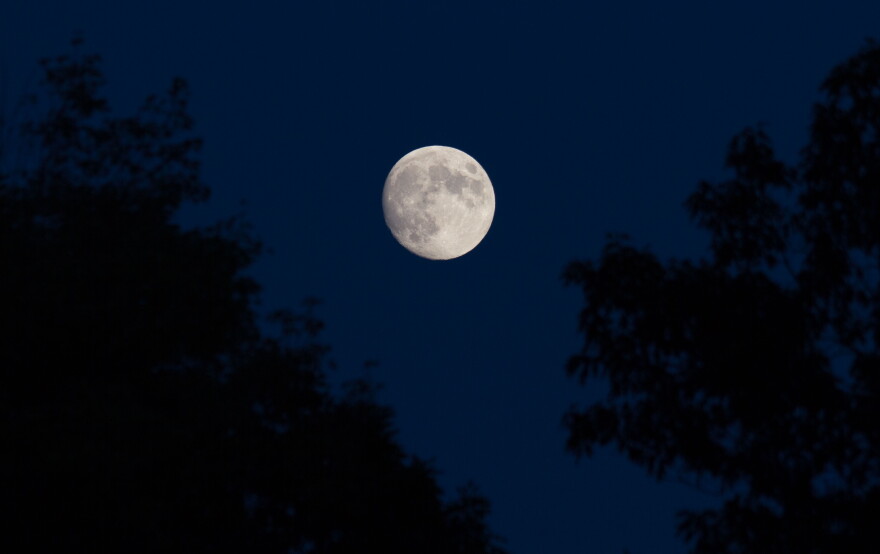
- Full Moon: Earth is between the Sun and the Moon. We see the sunlit side facing us. This is typically about 14 to 15 days after new moon.
- Waning Gibbous: After full, the lit portion starts shrinking.
- Third Quarter (Last Quarter): Again, about half the visible face is lit, but the opposite half compared to first quarter. This is typically about 3 weeks after new moon.
- Waning Crescent: A thinning sliver remains until the cycle returns to new moon.
If you are new to these terms, here is a quick guide: waxing means the lit portion is growing, waning means it is shrinking, crescent means less than half is lit, and gibbous means more than half is lit.
Why It Looks Flipped
People in different parts of the world can see the same phase oriented differently. In the Northern Hemisphere, the lit portion may appear on one side, while in the Southern Hemisphere it can look reversed or tilted. The phase itself is the same. The difference comes from your viewing angle and the way you are oriented on Earth.
Phases and Eclipses
A common mix-up is thinking that the Moon’s phases are caused by Earth’s shadow. They are not. Earth’s shadow only falls on the Moon during a lunar eclipse, which does not happen every full moon because the Moon’s orbit is tilted by about 5 degrees compared to Earth’s orbit around the Sun. Most months, the alignment is not exact, so no eclipse occurs.
A Simple Way to Picture It
Imagine standing in a dark room with a lamp (the Sun) and holding a ball (the Moon) at arm’s length while you slowly turn in place (the Moon’s orbit around Earth). The ball is always half lit by the lamp, but you see different fractions of that lit half depending on where the ball is relative to you and the lamp. That is the basic geometry behind every Moon phase.
When to Look
- Crescents are easiest to spot shortly after sunset (waxing) or before sunrise (waning).
- First quarter is great for craters because the shadows are long and detailed.
- Full Moon is bright and dramatic , but its lighting is flatter for surface detail.
Key Takeaway
The Moon changes phase because it orbits Earth and we see changing portions of its sunlit half. The Moon’s shape stays the same. If you watch for a few nights in a row, you can see the pattern clearly as the lit edge shifts from crescent to full and back again.