Articles by Quill
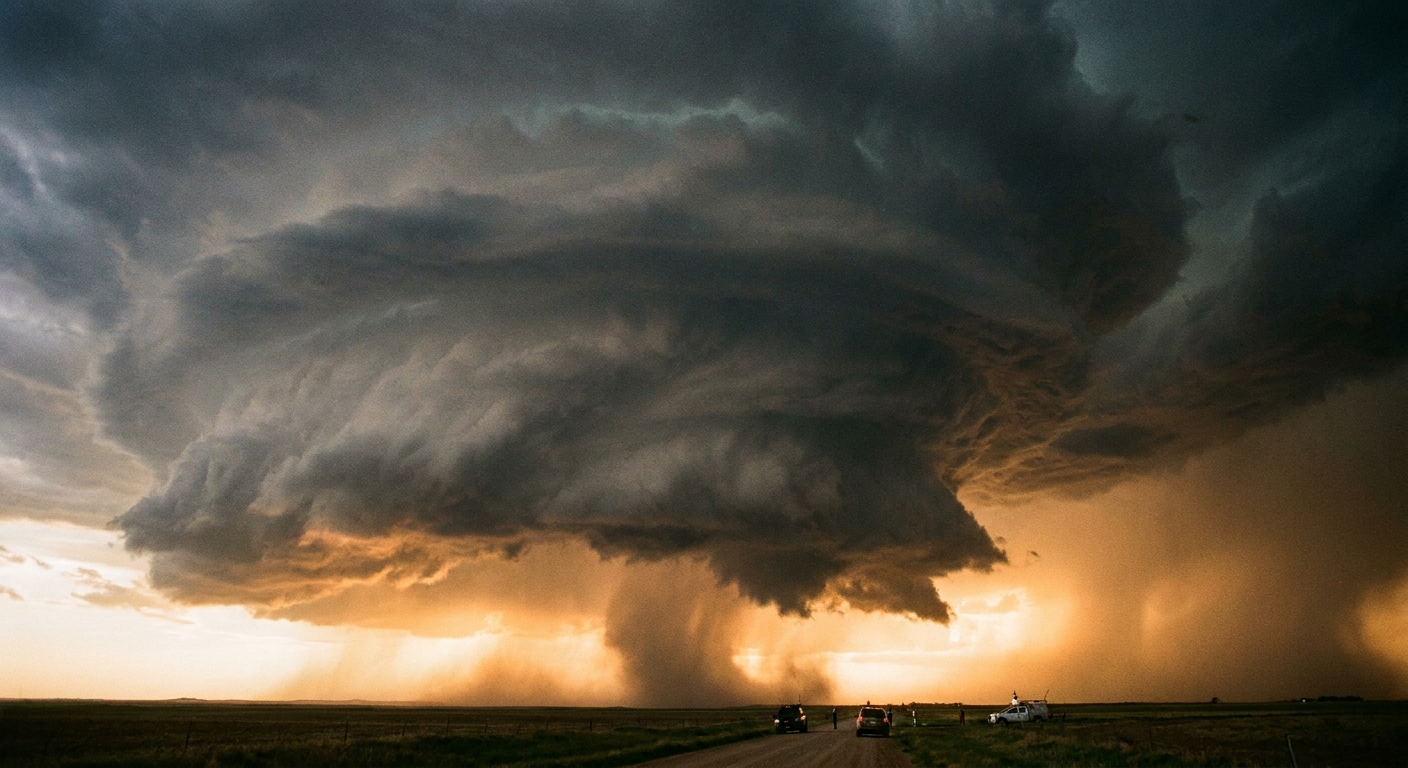
How Do Tornadoes Form?
The first time I watched a classic rotating thunderstorm build on the horizon, it reminded me of kneading bread dough. You start with something messy and wide, then you stretch, fold, and tighten it until a thin strand forms. Tornado formation is like that, except the “dough” is air, the “hands”...
Read more →
What Is a Santa Ana Wind?
The first time I really felt a Santa Ana wind, I remember stepping outside and thinking: the air feels like it came out of a hair dryer. My golden retriever, Quark, did his usual “sniff the whole universe” routine and then looked up at me like, “Why does everything smell extra crunchy today?” That...
Read more →
What Is Black Ice?
The first time I truly noticed black ice, it was because I did not notice it at all. I was walking my golden retriever, Quark, on what looked like a damp sidewalk at dusk. One step later, my feet tried to audition for figure skating. That is the problem with black ice: it is not dramatic, not...
Read more →
Stratosphere vs. Troposphere
On most hikes with my golden retriever, Quark, the air changes in ways you can feel: warmer valleys, cooler ridgelines, that crisp bite as you climb. But if you could keep going straight up, the atmosphere eventually flips its script. The layer where temperature usually drops with altitude gives...
Read more →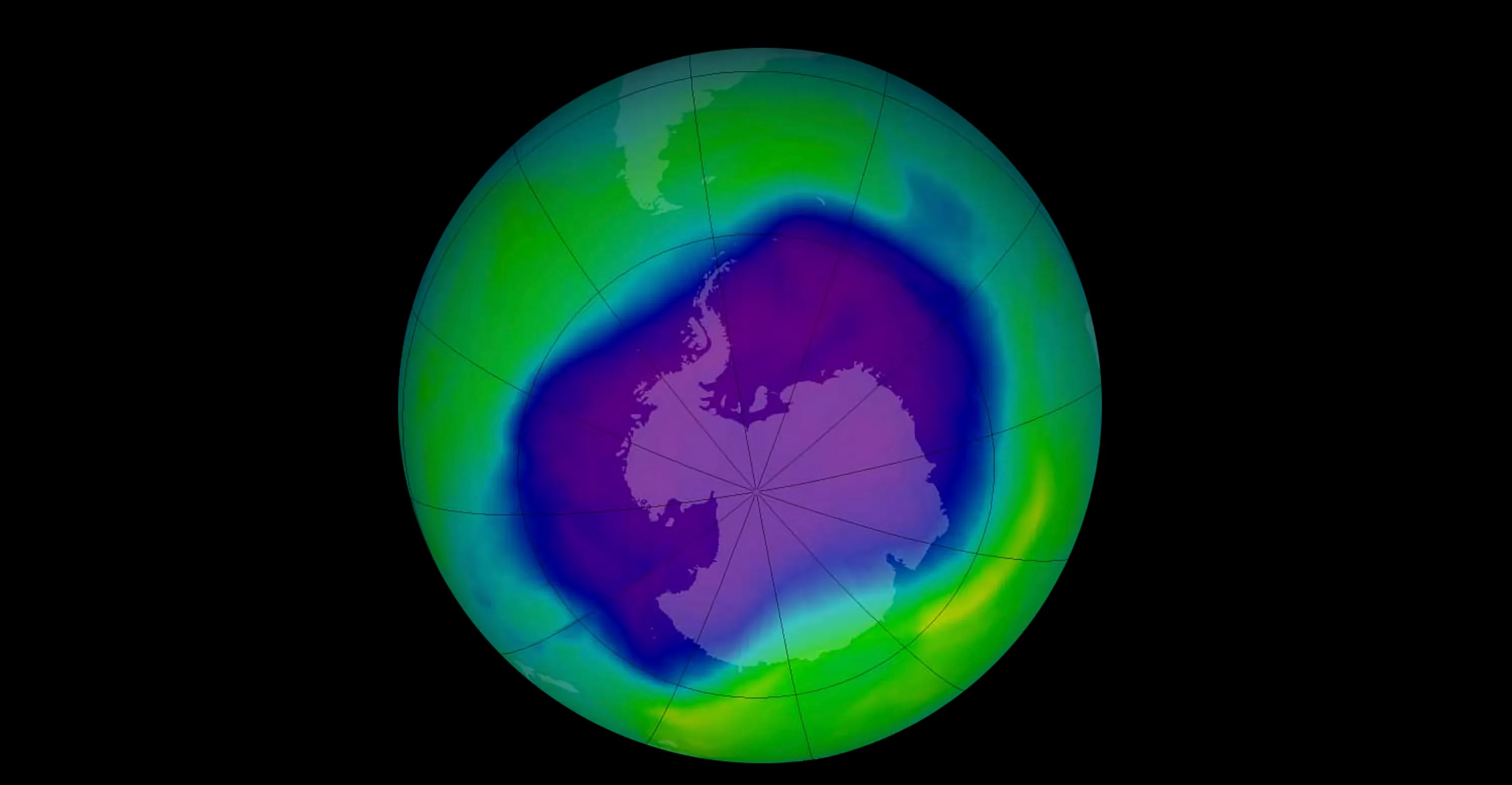
What Is the Ozone Hole?
I used to tell my physics students that Earth has “quiet protectors” you never see, but you absolutely benefit from. One of the biggest is ozone high in the stratosphere , a thin concentration of the three-oxygen form of oxygen (O 3 ) that helps block much of the Sun’s most harmful ultraviolet (UV)...
Read more →
What Is a Monsoon?
If you have ever heard someone say, “The monsoon is coming,” it can sound like they are talking about a single massive storm rolling in on schedule. But a monsoon is not one storm. It is a seasonal shift in large-scale circulation, often including a reversal in the prevailing winds, that reshapes...
Read more →
What Is the Arctic Oscillation?
If you have ever heard a forecast say “the Arctic Oscillation is positive” and wondered if that is just another way of saying “polar vortex,” you are not alone. In my classroom days, this is exactly the kind of mix-up that would trigger a chorus of excellent questions. The short version is this:...
Read more →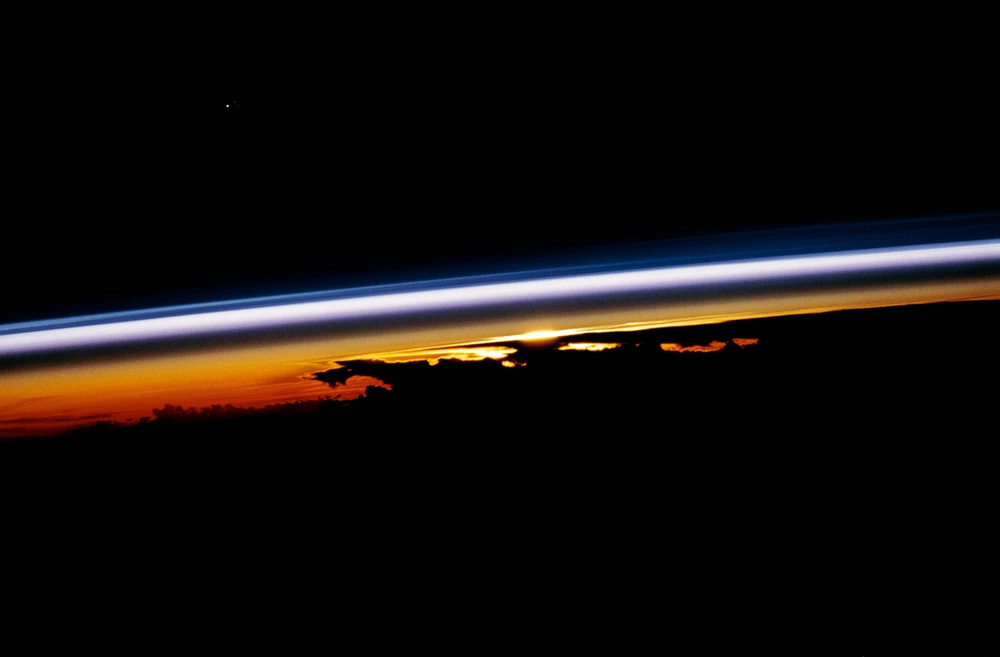
How the Greenhouse Effect Works
I used to tell my physics students that Earth has a budget problem. Not money, energy. Every day, sunlight arrives like a paycheck. And every day, the planet has to “pay it back” by sending energy back out to space. The greenhouse effect is what happens when the atmosphere changes the timing and...
Read more →
Dew Point vs Relative Humidity
One summer afternoon when I was still teaching physics, a student walked in and said, “It’s only 45% humidity. Why does it feel like I’m breathing through a warm towel?” That question shows up every year, usually right around the first sticky heat wave. The short answer is this: relative humidity...
Read more →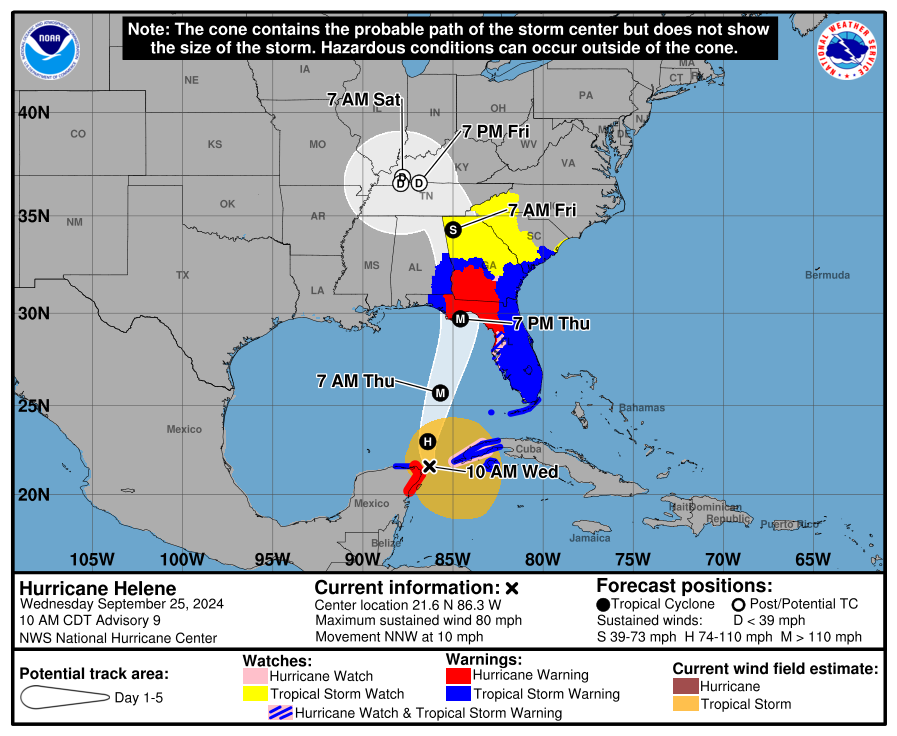
What the Hurricane Cone of Uncertainty Means
The first time I taught hurricane forecasting in a classroom, I watched a familiar misunderstanding spread faster than a rumor before prom: students saw the “cone of uncertainty” and assumed the storm itself would fill that whole shape. It is an easy mistake to make because our brains treat shapes...
Read more →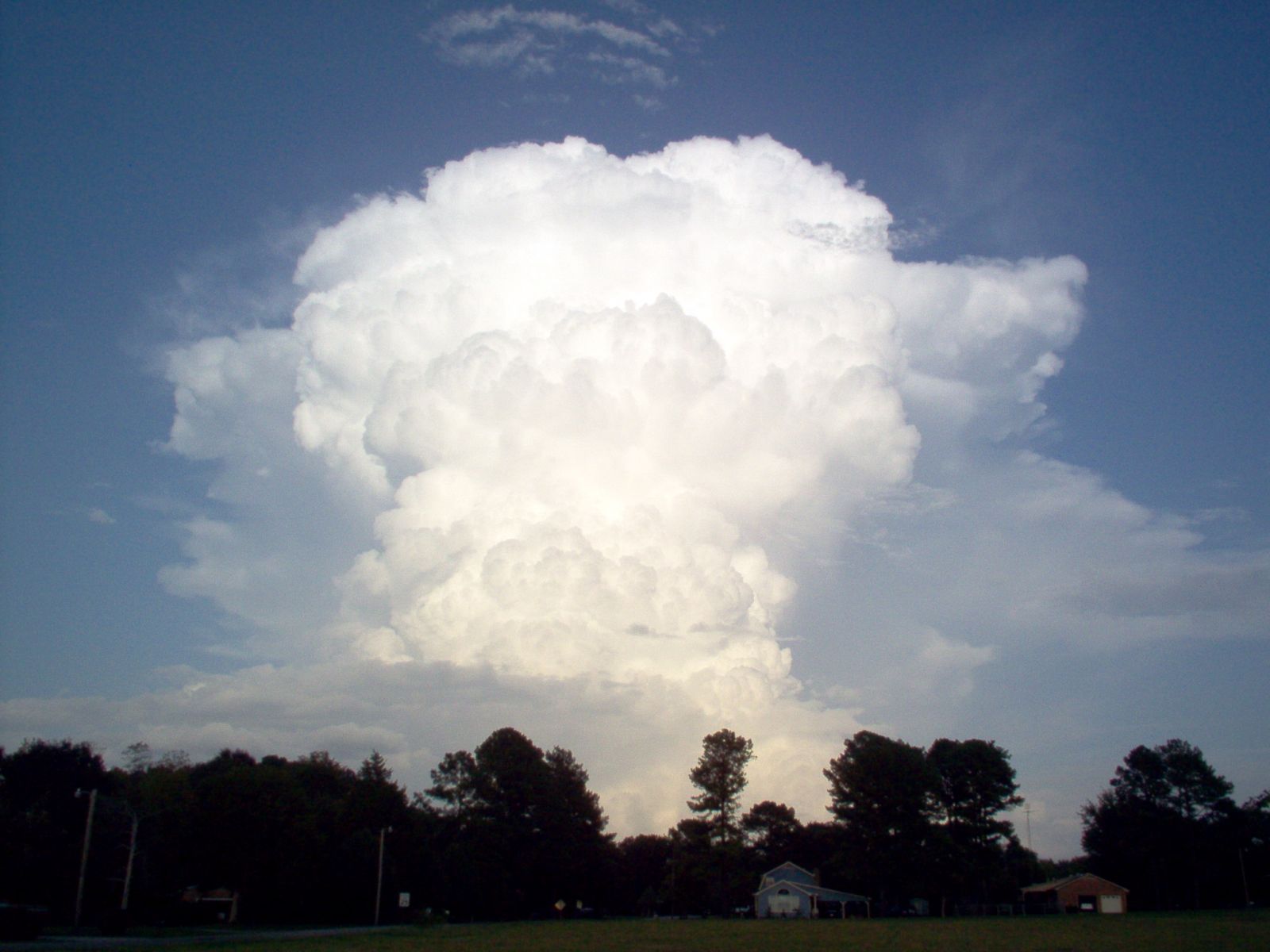
What Counts as a Severe Thunderstorm?
I used to tell my physics students that nature is full of “grading rubrics.” We may argue about effort, vibes, and drama, but the rubric decides the score. In U.S. weather, the phrase severe thunderstorm has a rubric too, and it is more specific than most people expect. Here is the key idea: a...
Read more →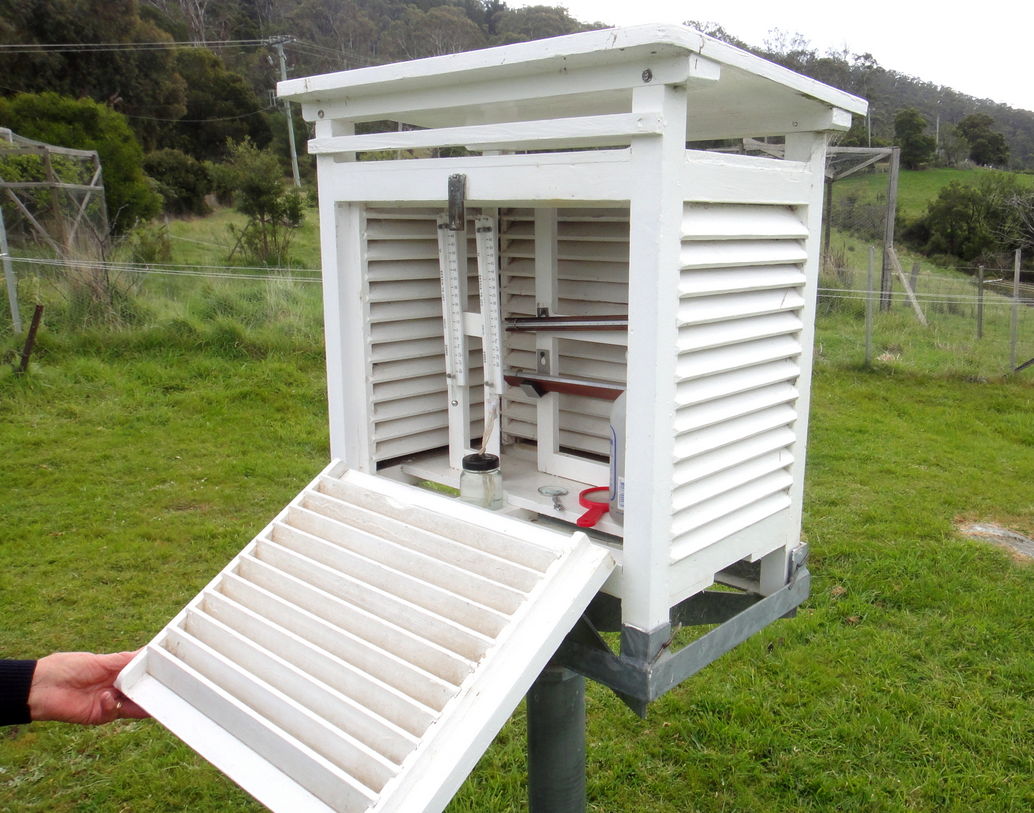
Why Official Temperatures Are Measured in the Shade
I used to run a little classroom stunt when we hit the weather unit. I would bring two identical thermometers outside, tape one to a clipboard in full sun, and tuck the other in the shade under a white overhang. Ten minutes later, the “Sunny” thermometer would be dramatically higher. Students would...
Read more →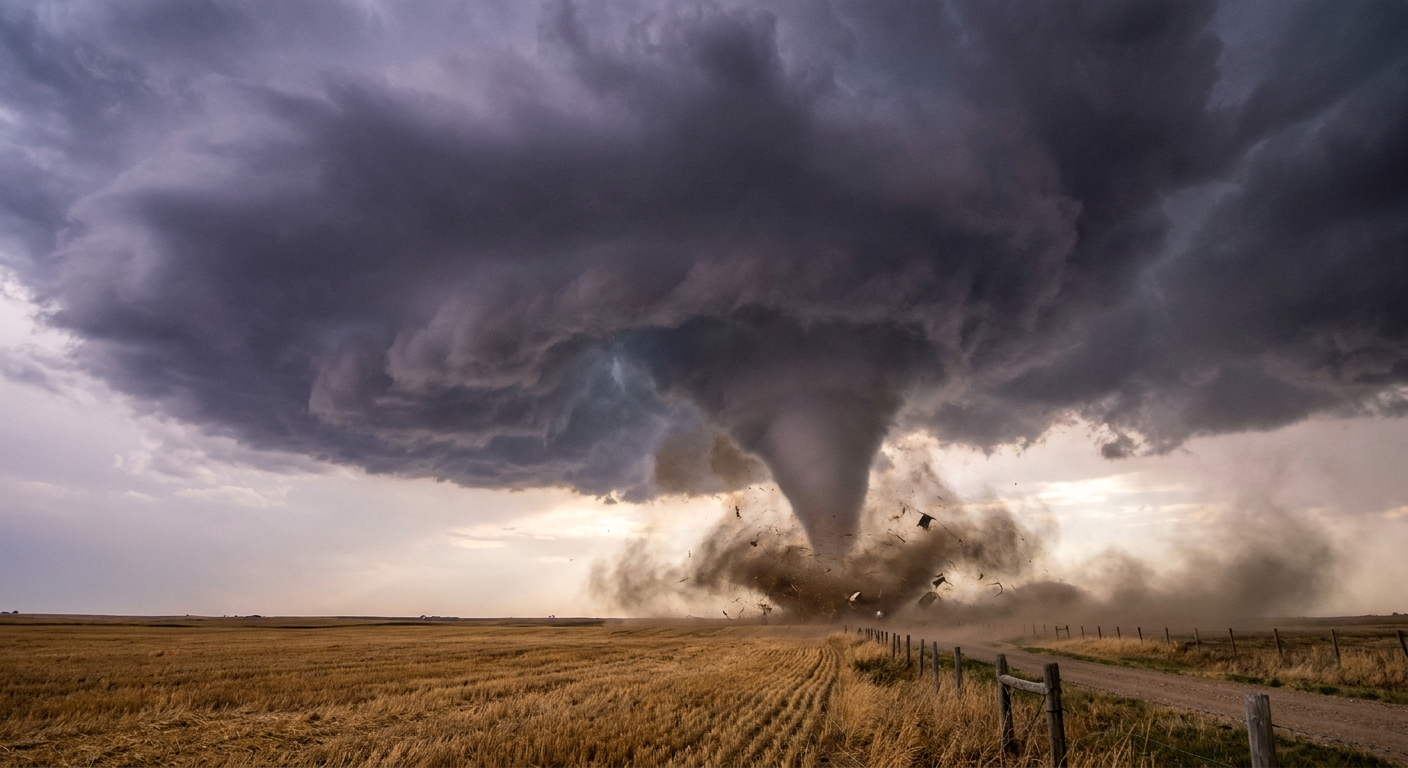
Funnel Cloud vs. Tornado: What’s the Difference?
I used to tell my physics students that weather is basically fluid dynamics with a flair for drama. And few things stir up more confusion than the words funnel cloud and tornado . They can look similar, they can evolve from one to the other, and sometimes the most important part is the part you...
Read more →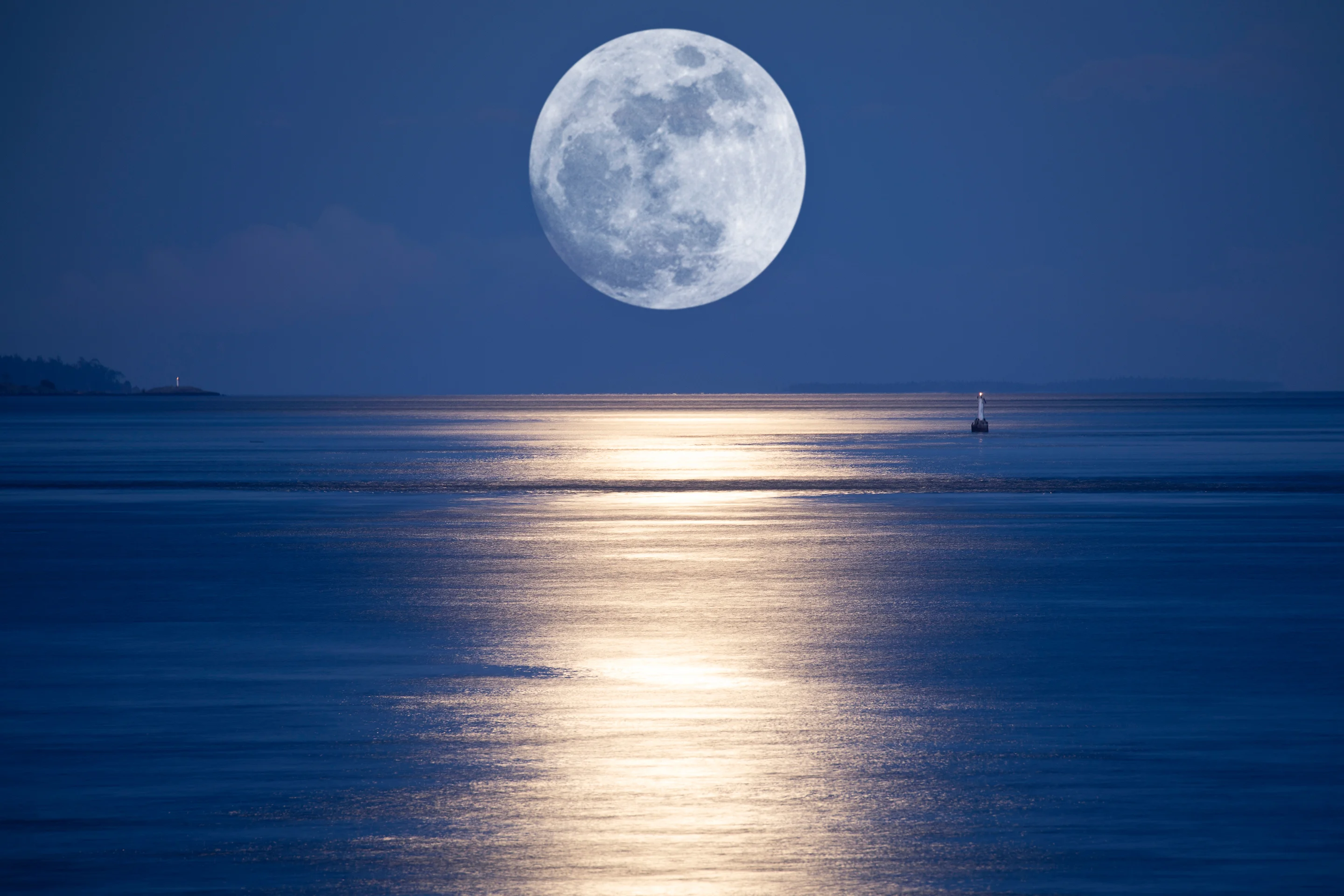
What Causes Tides?
If you have ever stood on a beach and watched the waterline creep up the sand like it has a schedule, you have already met one of Earth’s most dependable physics demos. Tides are not random. They are the ocean responding to gravity and motion in a repeating, clockwork pattern. In short: the Moon...
Read more →
Frost vs. Freeze: What’s the Difference?
If you have ever stepped outside on a crisp morning and seen your lawn glitter like it was sprinkled with sugar, you have met frost . But weather forecasts also warn about a freeze , and that word carries a different, more temperature-focused meaning. For gardeners, commuters, and anyone who trusts...
Read more →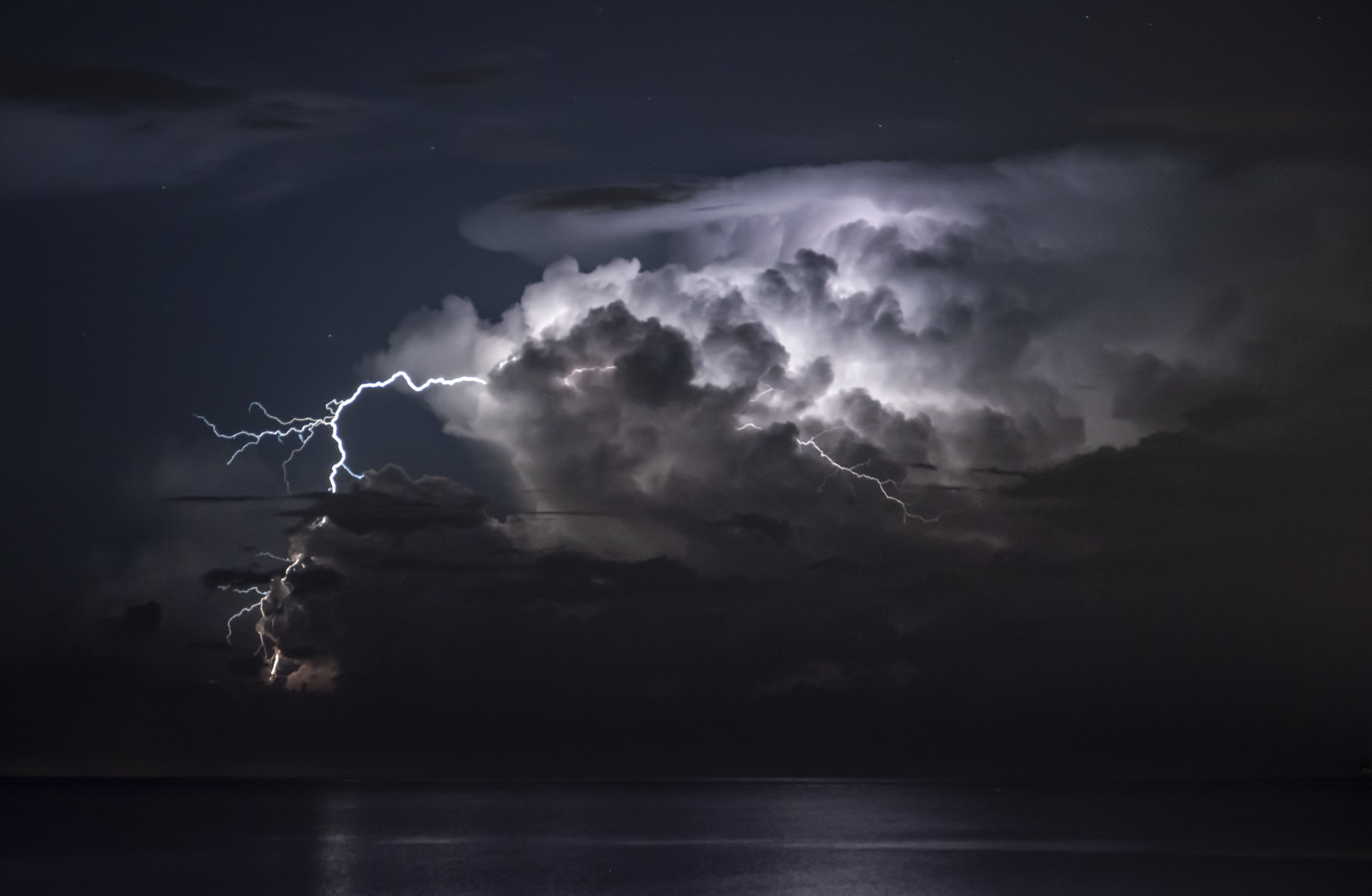
Weather vs. Climate: What’s the Difference?
When I taught high school physics, I’d sometimes start class by asking, “So, what’s the weather doing?” Hands would shoot up: raining, windy, weirdly warm for October. Then I’d ask a second question: “What’s the climate like here?” Suddenly it was sweaters, snowy winters, humid summers, the stuff...
Read more →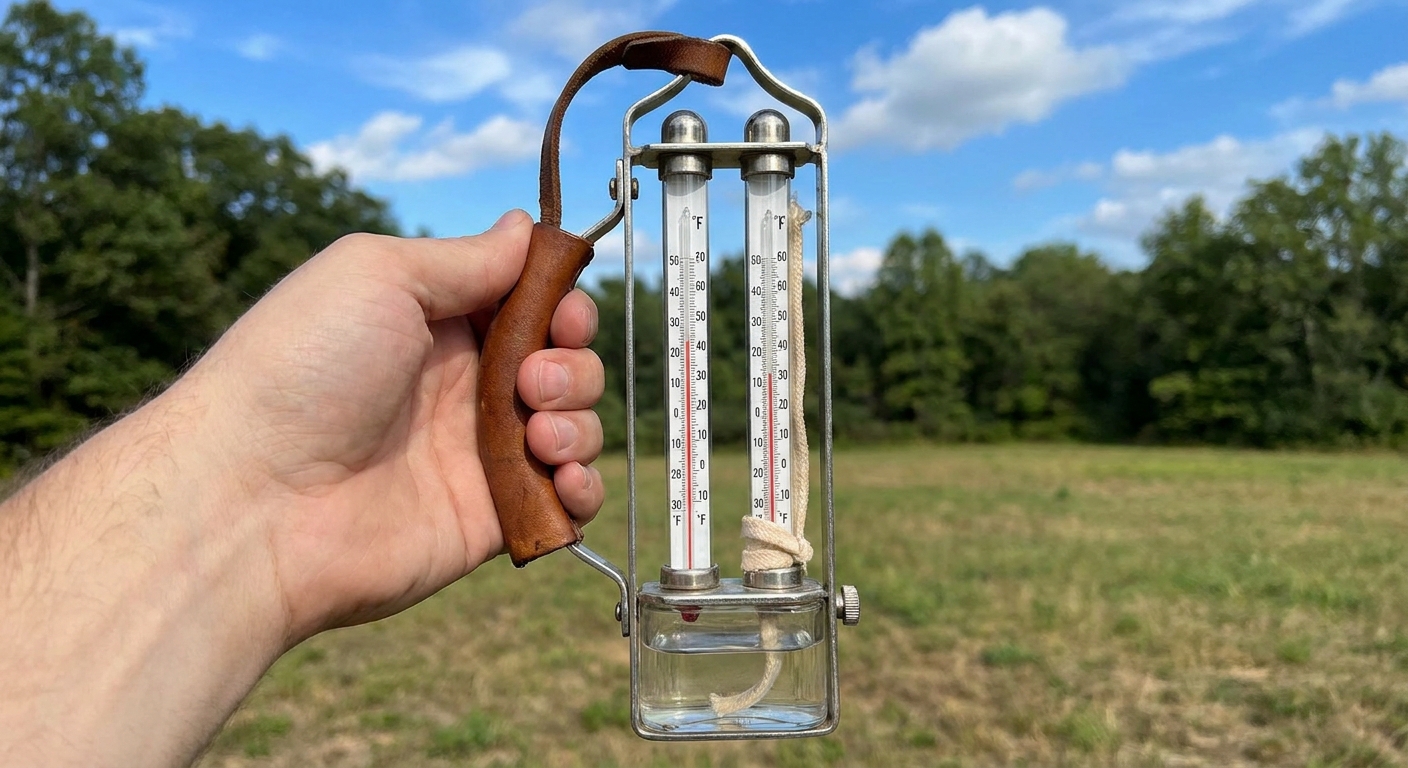
What Is Wet-Bulb Temperature?
I used to do a little classroom magic trick with two thermometers: one dry, one wrapped in a damp wick. The room temperature would read the same on the dry one every time, but the “wet” thermometer would dip lower, sometimes by a lot. Students would squint at it like it was cheating. It was not...
Read more →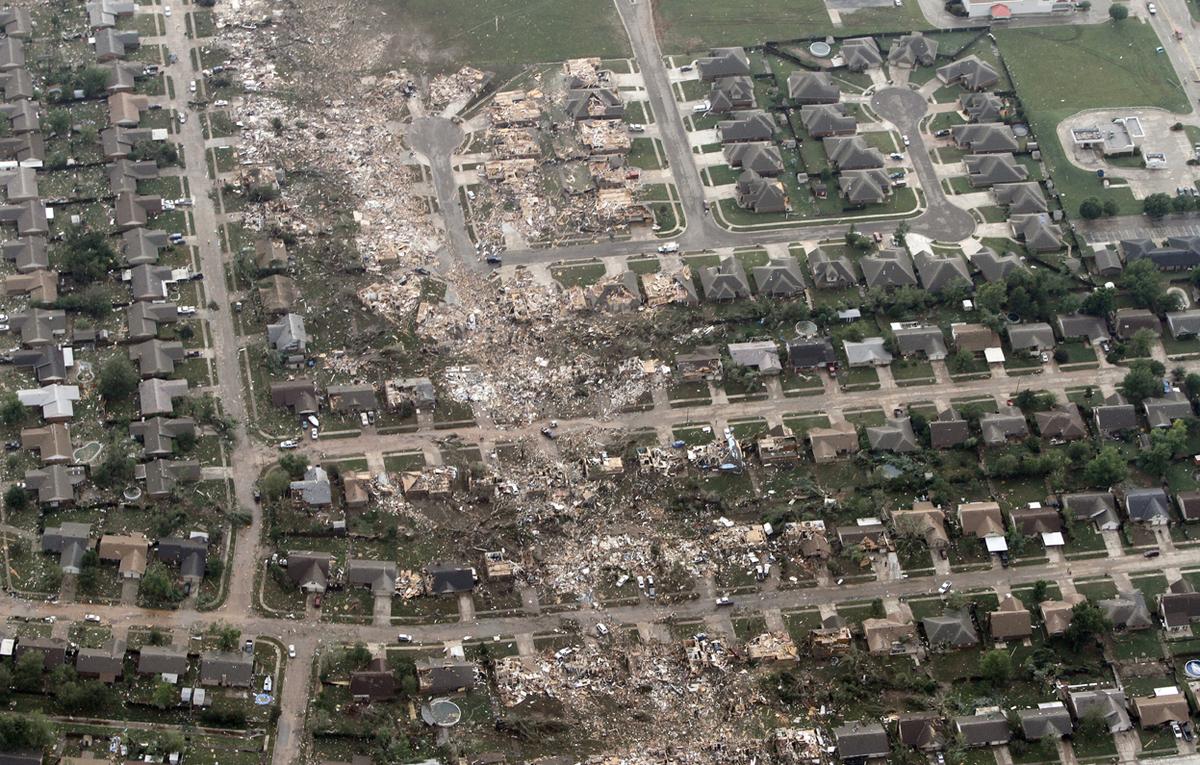
What the Enhanced Fujita Scale Measures
If you have ever heard a tornado described as an EF2 or EF4, that label is not a “wind speed reading” the way a thermometer reads temperature. The Enhanced Fujita Scale is a damage-based rating assigned after the storm, using careful ground and aerial surveys to estimate what winds were likely...
Read more →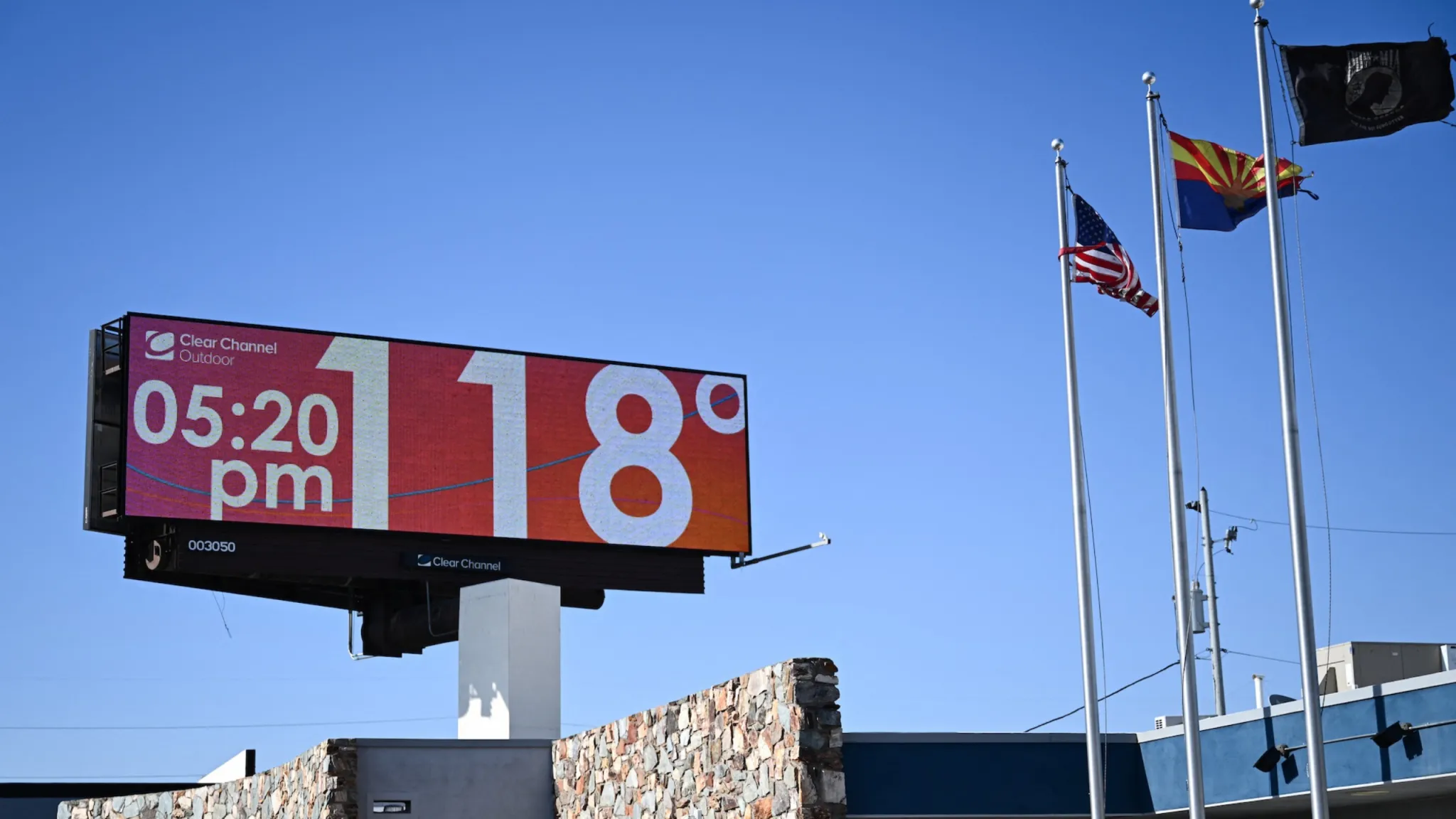
What Temperature Defines a Heat Wave?
I used to tell my physics students that “hot” is one of the sneakiest words in science. It feels absolute, like it should come with a number, but it is deeply contextual. Walk outside into 92°F air in Phoenix and some people might call it a tolerable warm day. Step into 92°F air in Seattle and you...
Read more →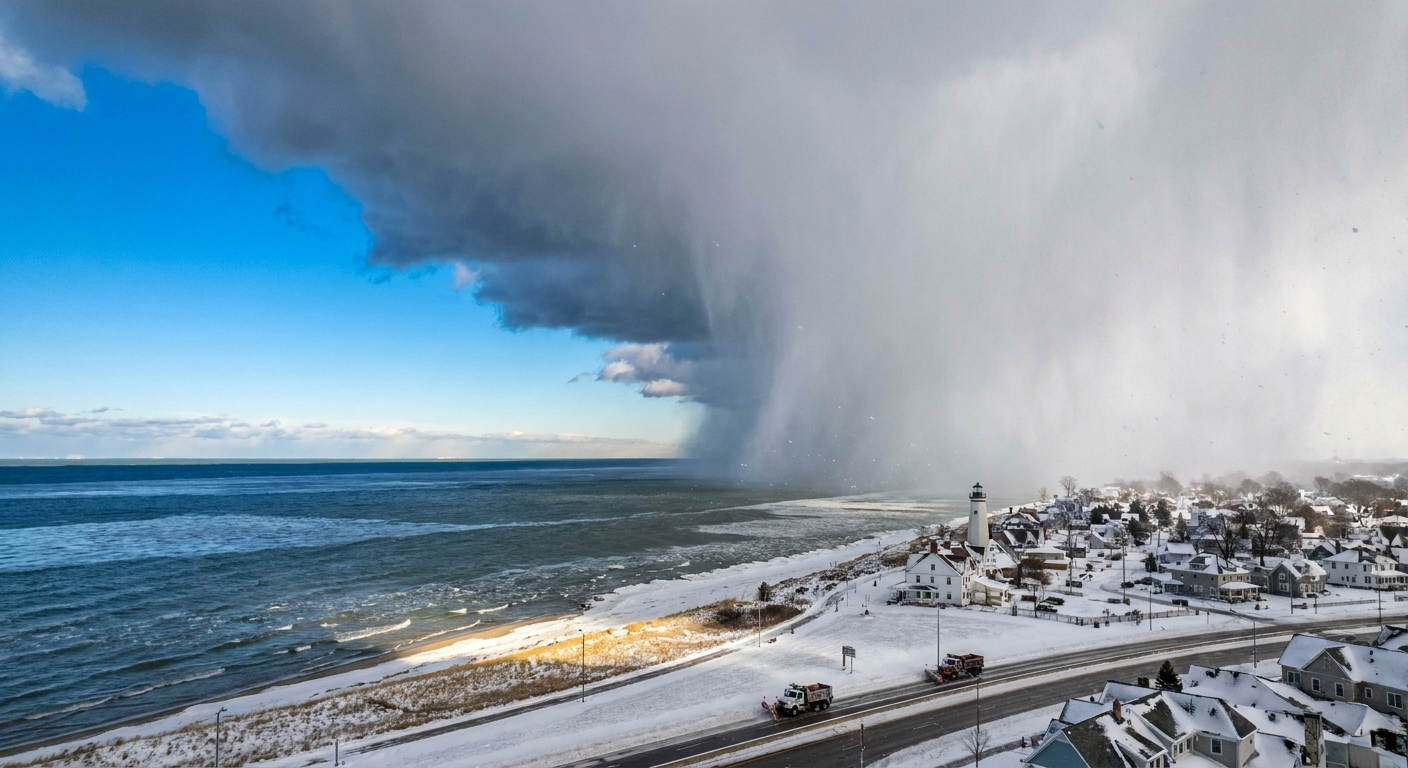
What Causes Lake-Effect Snow?
The first time I really felt lake-effect snow, I was driving along the southern shore of Lake Erie. The sky ahead looked like someone had drawn a pencil line across it, a hard edge between clear blue and a gray-white curtain. I crossed that line and suddenly it was full winter: thick flakes, low...
Read more →