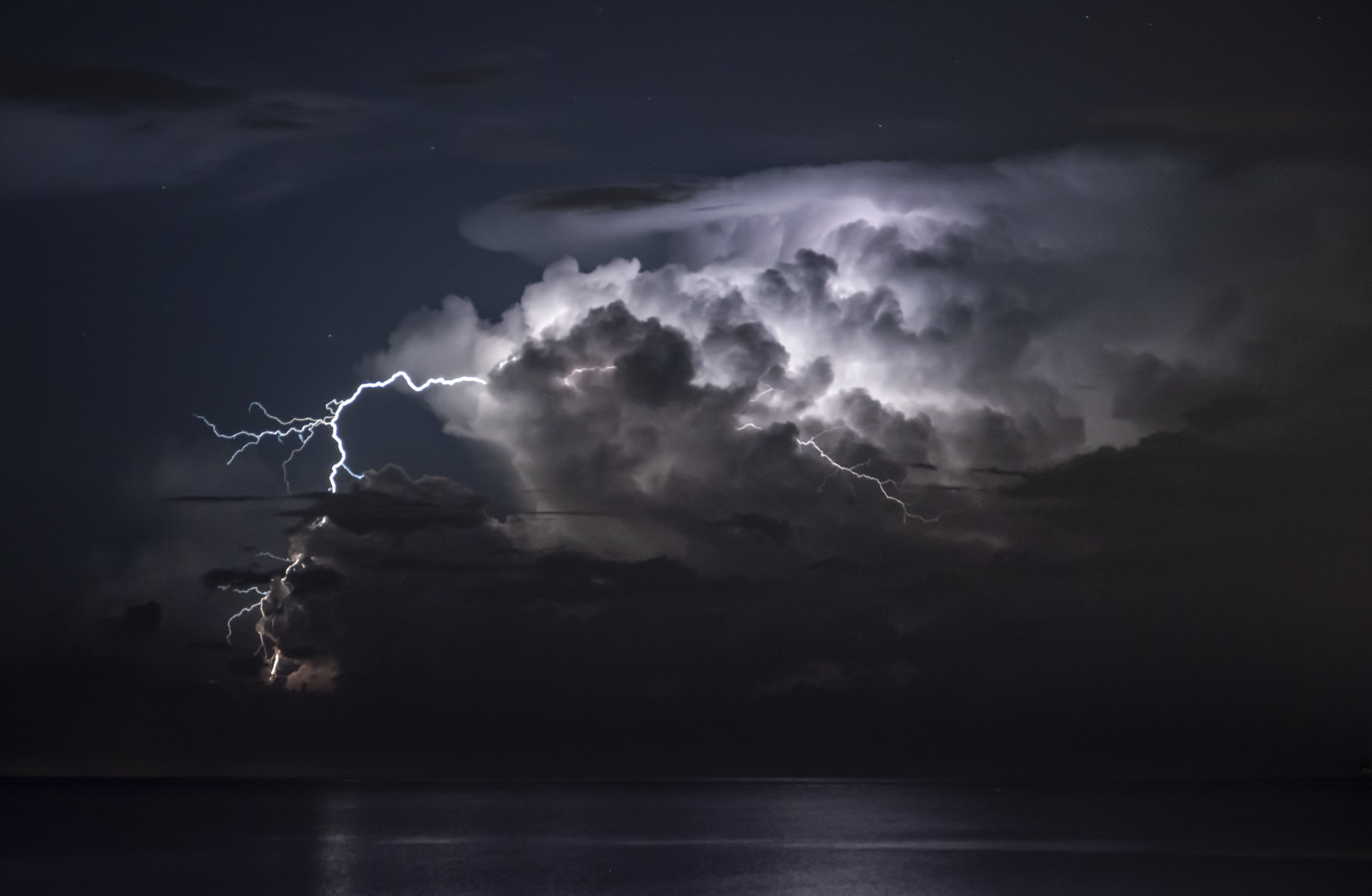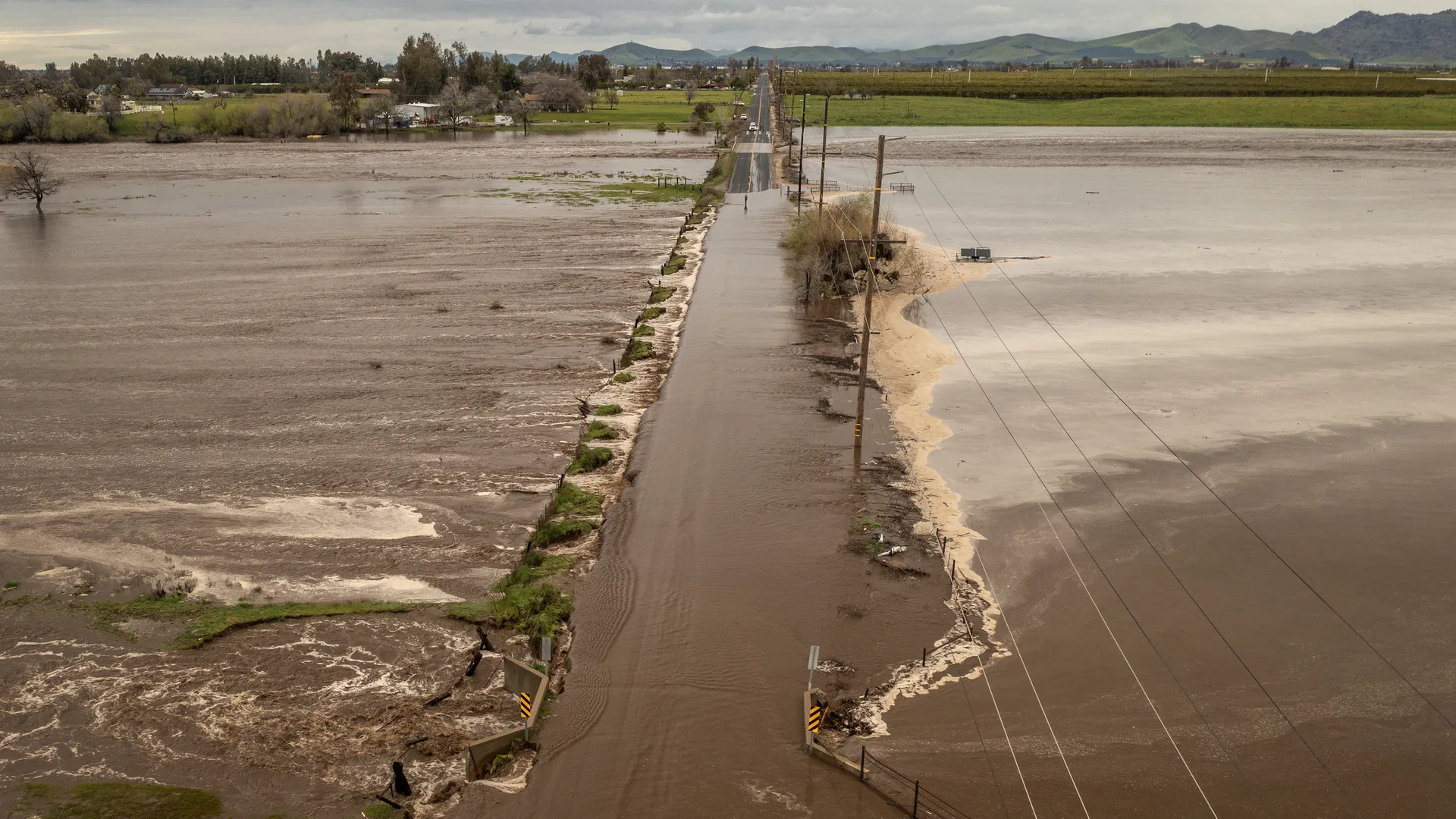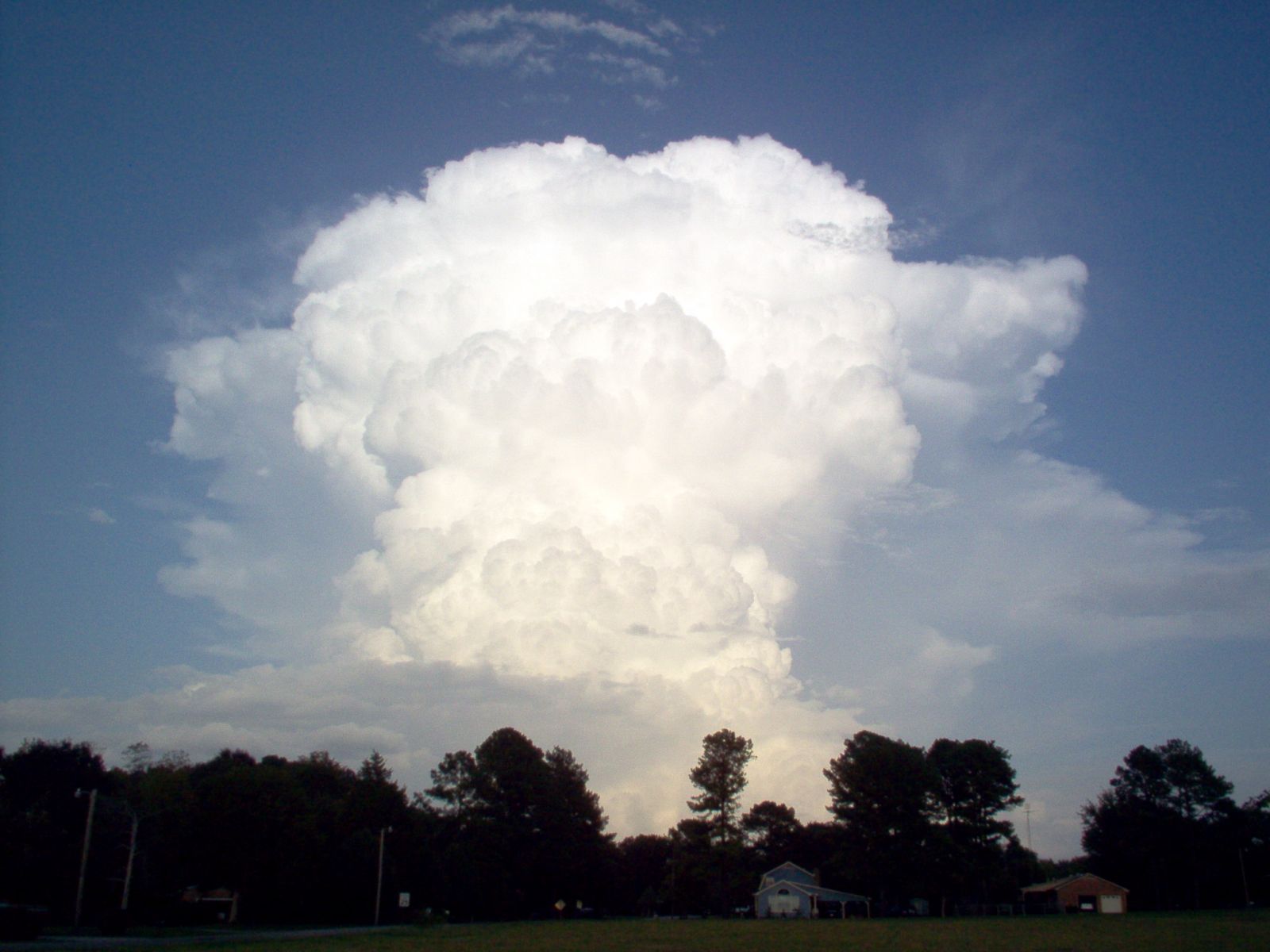
If you have ever heard someone say, “The monsoon is coming,” it can sound like they are talking about a single massive storm rolling in on schedule. But a monsoon is not one storm. It is a seasonal shift in large-scale circulation, often including a reversal in the prevailing winds, that reshapes an entire region’s weather for months at a time and commonly brings a distinct rainy season.
Think of it like nature switching the direction of a giant ceiling fan over a continent. Once the flow shifts, moisture delivery changes, clouds build differently, and rainfall patterns reorganize. The rain can be intense, but the defining feature is the seasonal circulation change that makes the wet season possible.
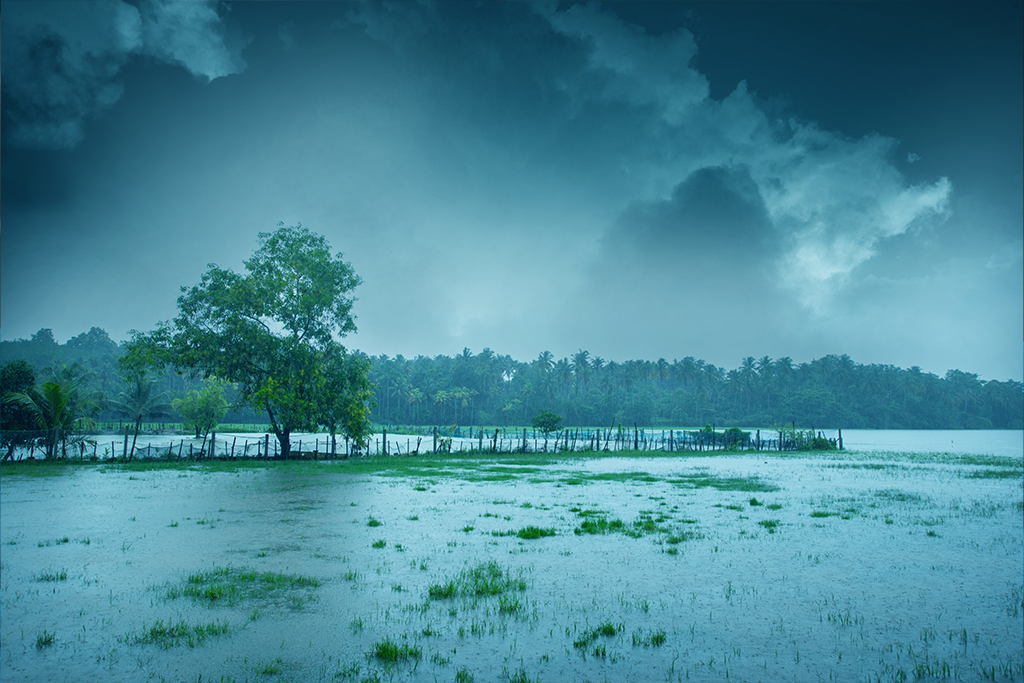
The simple definition
A monsoon is a seasonal shift in prevailing winds that typically produces a wet season and a dry season. In many monsoon climates, the wet season brings a large share of the year’s rainfall.
Two important clarifiers:
- Monsoon does not mean “a lot of rain” by itself. The rain happens because winds shift in a way that pulls moist air into a region.
- Monsoons are seasonal. They unfold over weeks to months, not days. Individual storms can be part of monsoon season, but they are not the monsoon.
What causes a monsoon?
The core driver is surprisingly relatable: land heats and cools faster than the ocean. If you have ever walked barefoot from a sandy beach into the water on a hot day, you have felt this difference firsthand.
That said, major monsoon systems are not powered by just one knob. For example, the seasonal migration of the tropical rain belt (often discussed as the ITCZ), the heating of high terrain, and year-to-year climate patterns can all shape how strong a given monsoon becomes.
Step 1: Summer heating creates a pressure contrast
In summer, land surfaces warm quickly. Warm air over land expands and rises, which tends to create lower air pressure near the surface compared with the cooler air over the ocean.
Step 2: Pressure differences set air in motion
Air accelerates from relatively higher pressure toward lower pressure. But on a rotating Earth, that motion gets turned by the Coriolis effect and slowed by friction near the surface, so winds do not blow straight down the pressure gradient. The result is a large-scale onshore flow, meaning winds blow from ocean toward land.
Step 3: Onshore winds import moisture
Ocean air is moisture-rich. When that air is pushed inland, it is lifted by terrain, by convection from surface heating, or by converging winds. Rising air cools, water vapor condenses, clouds thicken, and rainfall increases.
Step 4: The pattern flips in the cool season
In the cooler season, land cools faster than the ocean. Surface pressure over land becomes relatively higher, and winds tend to blow offshore, which usually supports a drier season.
That repeating seasonal switch is the heartbeat of a monsoon system.
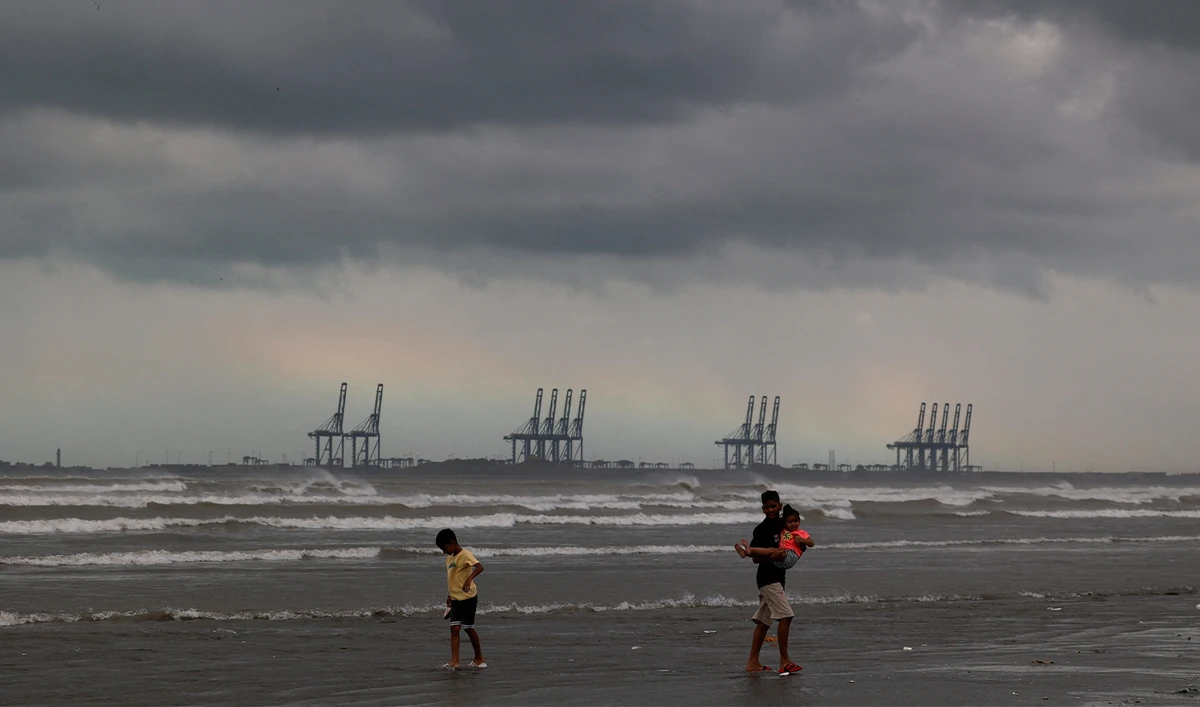
A regional example: South Asia
If you want a classic, high-impact example, the South Asian monsoon is the one many people mean when they say “the monsoon.” It strongly shapes summer weather across India and neighboring countries.
How the wind shift plays out
As the Indian subcontinent heats up in late spring and summer, surface pressure over land drops compared with the surrounding oceans. Winds strengthen and shift to bring moist air inland, including moisture from the Arabian Sea and the Bay of Bengal. Once that flow is established, large areas see frequent showers and thunderstorms, with bursts of very heavy rain.
It is also not a single light switch date everywhere. Meteorologists often talk about monsoon onset and withdrawal because the rainy season arrives and retreats in stages, and timing can vary from year to year.
Why the rain is so uneven
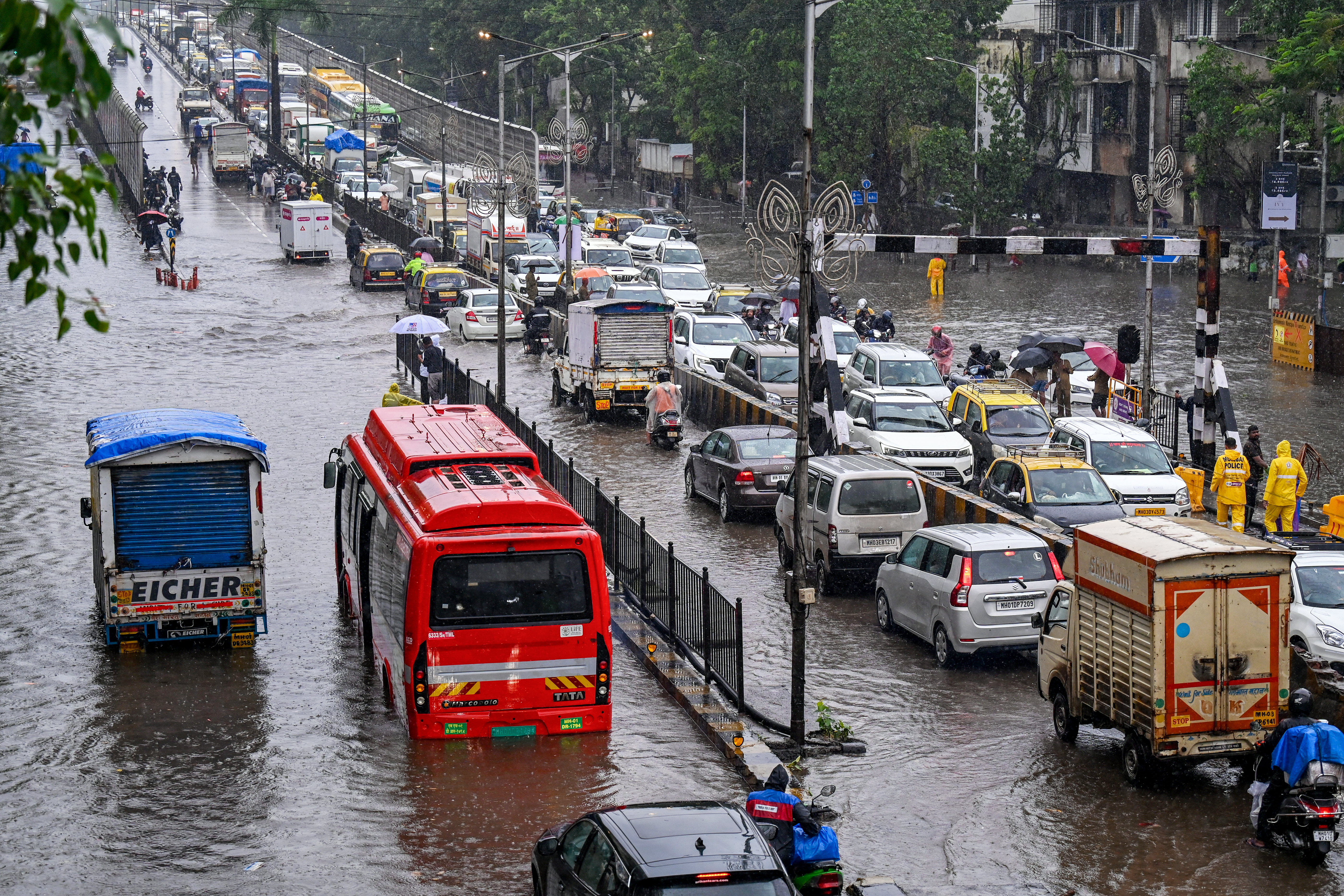
Even within one monsoon region, rainfall can vary a lot. One major reason is topography. When moist winds encounter mountain ranges like the Western Ghats or the Himalayas, air is forced upward, which can wring out huge amounts of rain on windward slopes while leaving leeward areas comparatively drier.
This is why monsoon season can mean flooding in one location and only modest rainfall in another, even though both are “in the monsoon.”
And while the monsoon is not “a storm,” individual weather systems can still matter. Monsoon depressions and other disturbances can organize moisture and turn an already-wet pattern into a few days of especially heavy rain.
Another example: North America
Monsoons are not only an India story. The North American monsoon is a well-known example that affects parts of northwestern Mexico and the U.S. Southwest. In summer, winds shift to bring more moisture into the region, helping fuel afternoon thunderstorms after months of dry heat.
Monsoon vs. thunderstorm season
It is easy to confuse “monsoon season” with “a time of year when storms are common,” but meteorologists separate these ideas.
- Thunderstorm season can happen without a seasonal wind reversal. It might be driven by local heating, passing weather systems, or humidity spikes.
- Monsoon season is specifically tied to a large-scale seasonal circulation change that shifts prevailing winds and reorganizes moisture transport for weeks or months.
In other words, monsoons are about the atmosphere’s plumbing changing direction, not just the faucet running harder for a day.
Does a monsoon mean nonstop rain?
No. Many monsoon climates get rain in pulses, with breaks in between. The wet season is wetter on average, but that does not always translate to constant rainfall. You can have bright mornings, humid afternoons, then a late-day downpour. Or several stormy days followed by a calmer stretch.
What stays consistent is the seasonal background setup: winds and moisture transport are aligned to make rain far more likely than in the dry season.
Why monsoons matter
Monsoons are one of the clearest examples of how physics scales up into daily life. A seasonal difference in heating between land and ocean can help determine:
- Water supply for cities and agriculture
- Flood risk and landslide conditions
- Heat stress, because humidity often rises during monsoon season
- Ecosystems that depend on predictable wet and dry cycles
As a former classroom physics teacher, I love that the big idea is so tangible. Different materials warm at different rates. That simple fact can steer seasonal winds. Winds move moisture. Moisture becomes rain. And suddenly you have a season that millions of people plan their lives around.
Quick FAQ
Are monsoons only in India?
No. Monsoon systems exist in several parts of the world, including parts of Africa, Australia, and the Americas. The common thread is a seasonal shift in circulation tied to land and ocean heating contrasts, often expressed as a reversal in prevailing winds.
Is a monsoon the same thing as a hurricane or cyclone?
No. Tropical cyclones are rotating storm systems. A monsoon is a seasonal circulation pattern. Cyclones can occur during monsoon season in some regions, but they are different phenomena.
What is the one-sentence takeaway?
A monsoon is a seasonal shift in large-scale winds, often a reversal, driven largely by land versus ocean heating that commonly brings a distinct rainy season.