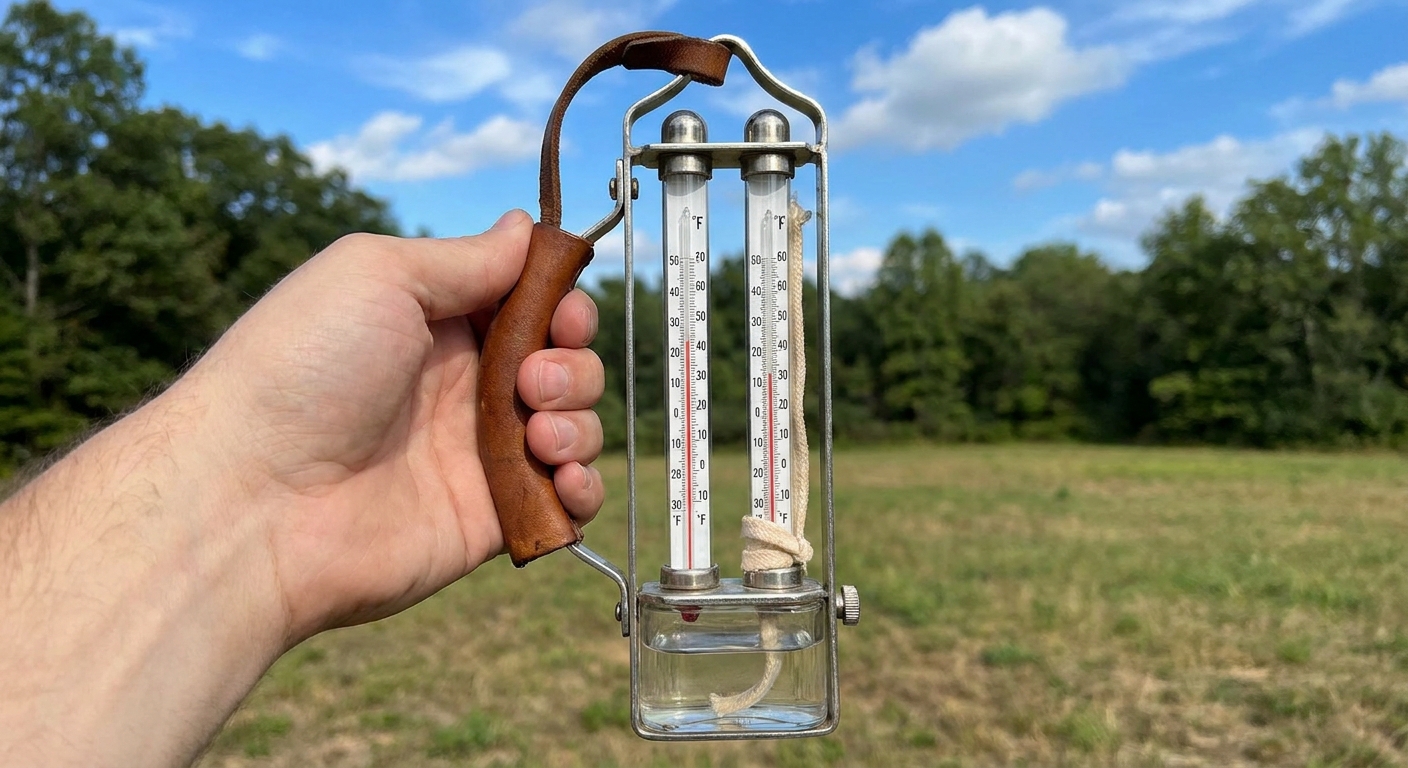
I used to run a little classroom stunt when we hit the weather unit. I would bring two identical thermometers outside, tape one to a clipboard in full sun, and tuck the other in the shade under a white overhang. Ten minutes later, the “Sunny” thermometer would be dramatically higher. Students would immediately conclude the air was hotter in the sunlight.
But the air is not the thing changing that fast. The thermometer is. And that is a main reason official temperatures are measured in the shade, inside a carefully designed shelter, at a carefully defined height, in a carefully sited location. The goal is not to measure how hot objects get in sunshine. The goal is to measure the temperature of the air itself in a way that is consistent across thousands of stations and many decades.
The number is air temperature
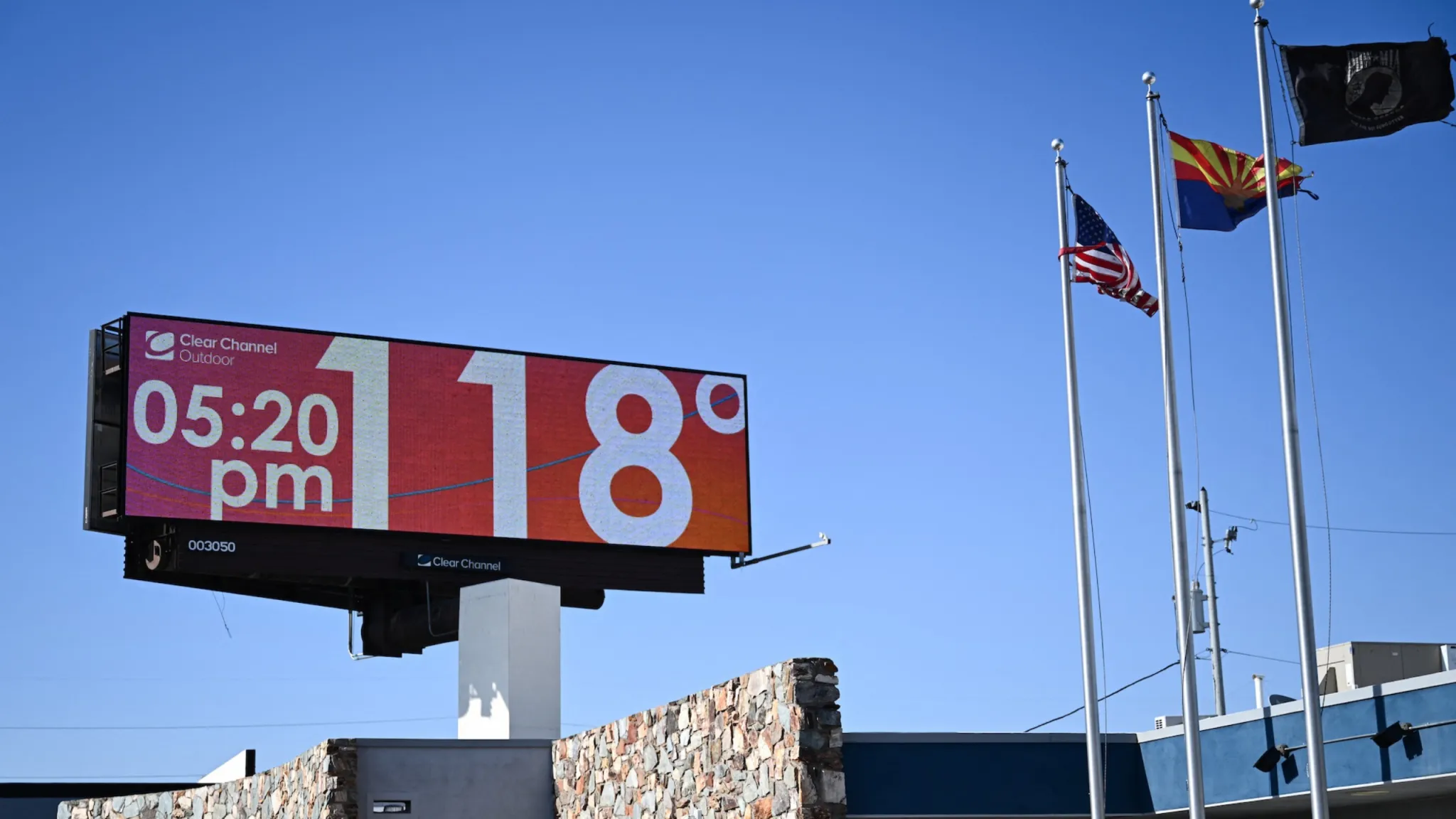
When a weather app says it is 95°F (35°C), that number is meant to represent the temperature of the air about where people live and work, not the temperature of a surface baking in direct sunlight. If you have ever walked barefoot on a sunny sidewalk, you have felt the mismatch: the pavement can be far hotter than the surrounding air because sunlight pumps energy straight into it.
A thermometer placed in direct sun starts behaving like that sidewalk. Sunlight heats the sensor body and its housing. Then the sensor warms the tiny layer of air right next to it. What you record is a blend of:
- True air temperature flowing past the sensor
- Radiant heating from direct sunlight and reflections off nearby surfaces
- Heat exchange with the sensor’s own mount, wiring, and enclosure
That is why meteorology treats shielding from radiation as non-negotiable. It is not about making temperatures look lower. It is about measuring the correct physical quantity.
Stevenson screen basics
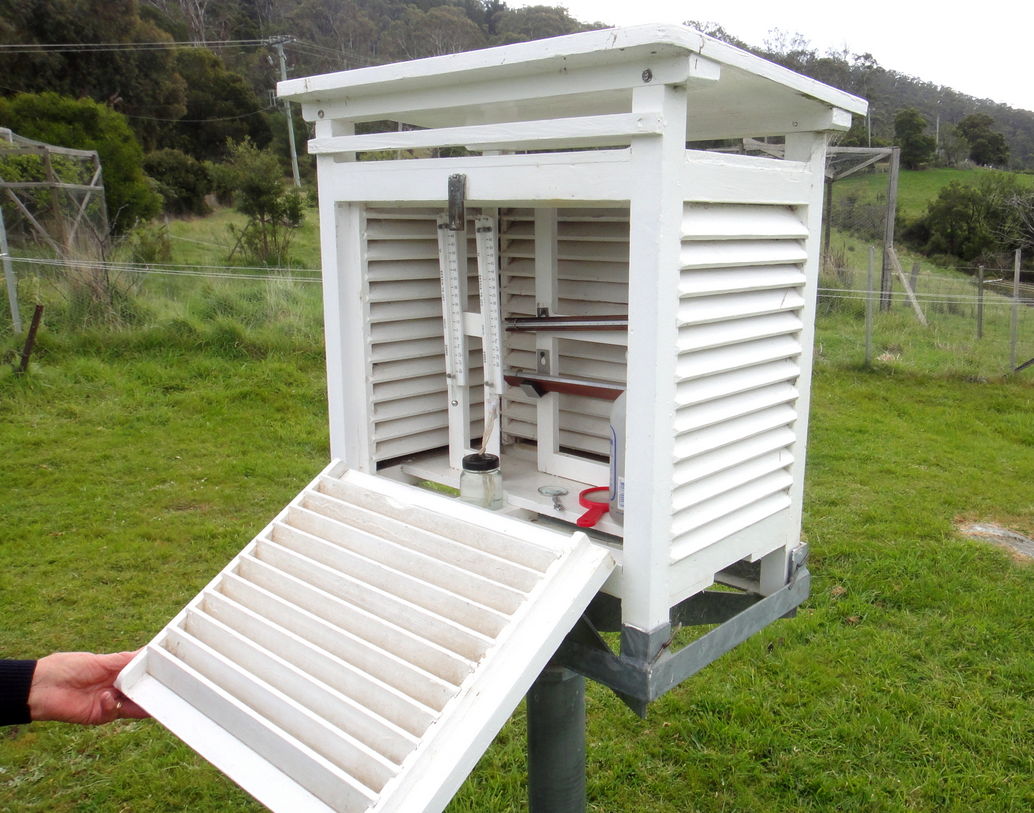
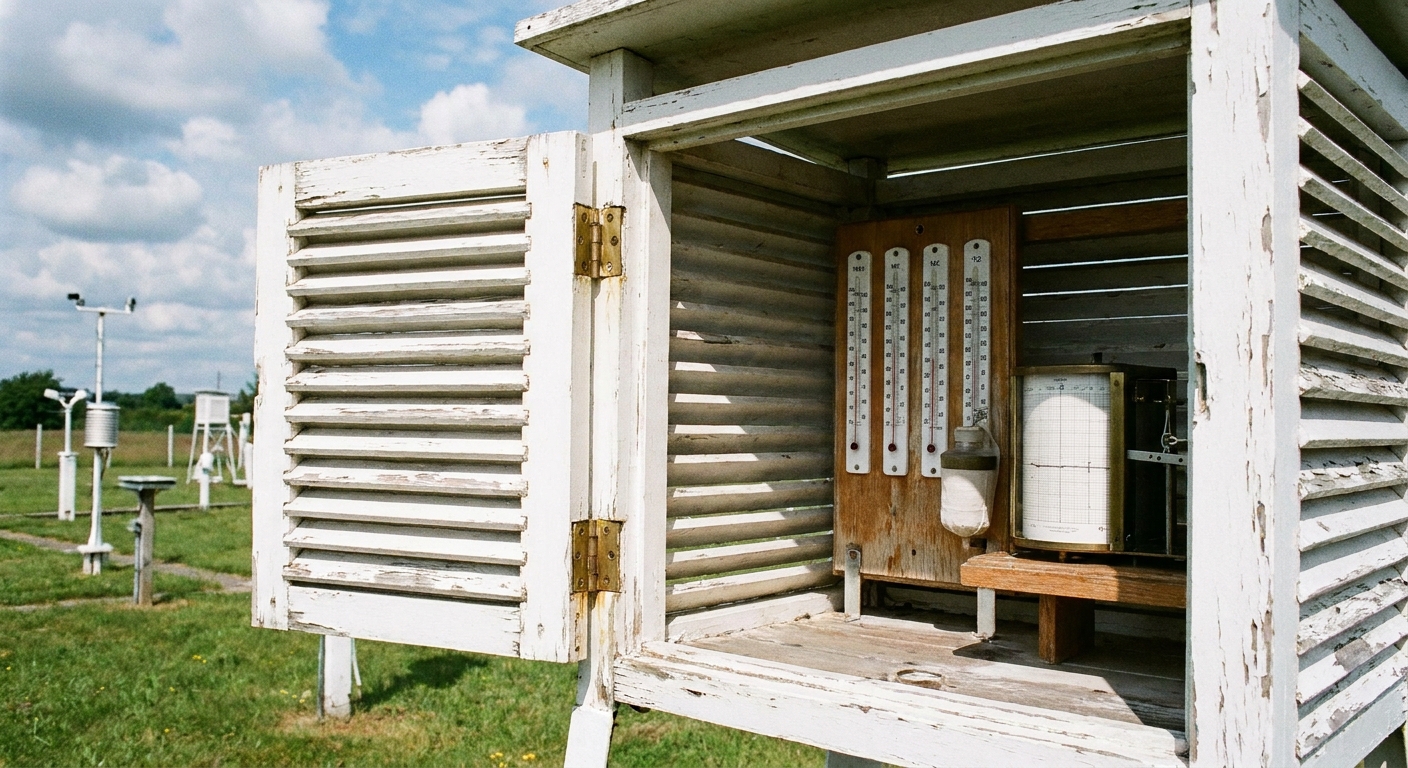
The classic tool for official air temperature is the Stevenson screen, a white, louvered box that looks like a tiny, tidy cupboard on legs. Many modern stations use electronic sensors inside a radiation shield instead, but the purpose is the same: block direct radiation while allowing air to circulate.
Why it works
- White exterior: reflects most sunlight to minimize heating.
- Louvered sides: let air flow through so the sensor can equilibrate with the surrounding air.
- Roofed design: reduces heating from overhead sun. Some designs are double-roofed to cut that heating further.
- Sensor sits in shade all day: no direct beam hits the instrument.
It helps to be clear about what “shade” means here. A tree shadow or the cool side of a building can be shady, but it can also trap air, block wind, and surround the sensor with warm surfaces that radiate heat right back at it. A proper screen aims for shade without creating its own weird microclimate.
Standard height matters
Air temperature changes rapidly with height very close to the ground, especially on calm, sunny days. The ground warms and cools faster than the air above it, so a thermometer at ankle height can read noticeably different from one at head height.
To avoid a global mess of “official” temperatures taken at whatever height happened to be convenient, meteorological agencies follow international standards. WMO guidance for near-surface air temperature places the sensor roughly 1.25 to 2.0 meters above the ground (often summarized as “about 2 meters”). That range is a compromise:
- High enough to reduce the immediate influence of the ground’s hottest and coldest extremes.
- Low enough to represent the air where most human activity happens.
- Practical for maintenance and consistent station design.
This is also why you might see a “feels hotter near the ground” effect on scorching days. It can be true, and it is one reason standardized height is essential if you want numbers that compare cleanly from place to place.
Siting rules still matter
You can put a sensor in a perfect shade shelter and still get a misleading temperature if it is too close to things that store or reflect heat. Concrete, asphalt, brick walls, air conditioner exhaust, and even large boulders can raise local temperatures around a station.
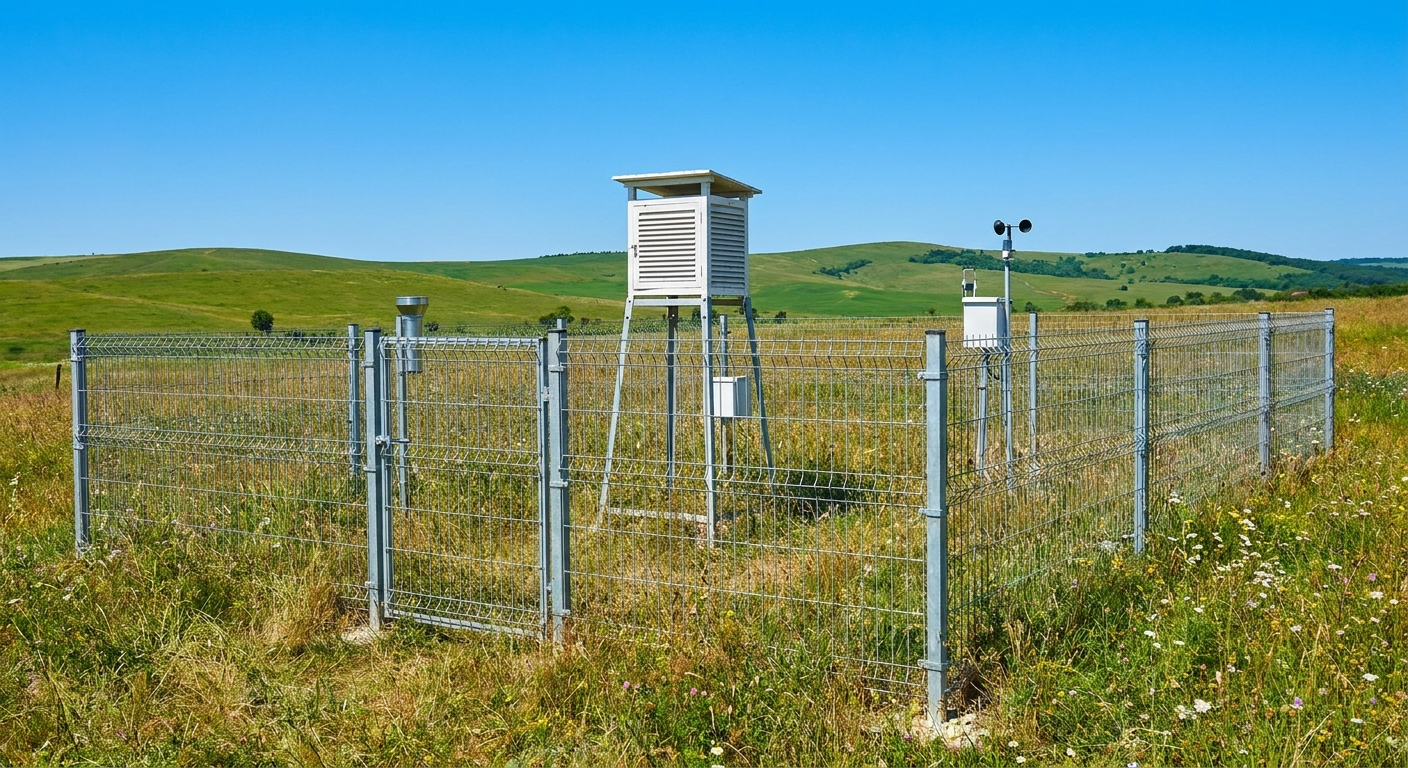
That is why official stations follow siting rules that aim for a representative patch of near-surface air. The details vary by network, but the logic is consistent: place the instrument over a representative natural surface (often short grass where feasible), keep airflow open, and keep it away from artificial heat sources and reflective structures.
What good siting avoids
- Radiant reflections: sunlight bouncing off light-colored walls or windows onto the screen.
- Stored heat: paved surfaces releasing heat late into the day and overnight.
- Blocked airflow: fences, hedges, buildings, and dense trees reducing ventilation.
- Direct heat sources: HVAC exhaust, engines, generators, and grills.
In plain language: if the goal is to measure the air, the station must not be dominated by the temperature of nearby objects.
Why sunlit thermometers read hot
Here is the physics in one tidy loop. Sunlight carries energy. When it hits the thermometer body or its shield, some fraction is absorbed. That raises the instrument’s temperature. A warmer instrument then transfers heat to the sensor element by conduction and to the nearby air by convection. If wind is light, the warmed boundary layer around the sensor is not stripped away quickly, and the reading can climb even more.
Importantly, this error is not constant. It depends on:
- Sun angle and cloud cover
- Wind speed (more wind usually reduces the error)
- Sensor design (size, materials, and shielding)
- Nearby surfaces that reflect or radiate heat
That variability is exactly what climate scientists do not want in an official record. A calm, sunny afternoon can exaggerate the solar-heating error, while a breezy afternoon might not. Likewise, a station that gets a new mount, a different sensor casing, or a slightly different nearby surface could show a temperature “trend” that is really just a change in how much sunlight warms the hardware.
Modern stations, same idea
Many networks have moved from liquid-in-glass thermometers inside wooden screens to electronic sensors. But the principle has not changed: the sensor must be protected from radiation while remaining well-ventilated.
You will commonly see:
- Passive radiation shields: stacked white plates that shade the sensor while allowing airflow.
- Aspirated shields: a small fan pulls air past the sensor at a controlled rate, reducing solar heating errors, especially on calm, sunny days.
Think of aspiration as giving the sensor a steady breeze even when the atmosphere is being lazy.
What you feel in the sun
If official temperature is a shaded air measurement, why does standing in the sun feel so much hotter? Because your body is an energy budget, not just a thermometer.
In direct sunlight, you absorb radiation. Your skin and clothing warm up. If humidity is high, sweat evaporates more slowly, so cooling is less effective. Add light wind or still air, and the “same” air temperature can feel dramatically different.
This is why meteorologists also use measures like the heat index (temperature plus humidity) and the wet-bulb globe temperature (which incorporates humidity, radiant heat, and wind or ventilation effects). Those are about heat stress on bodies. Official air temperature, meanwhile, is about a standardized baseline that can be compared across time and space.
Heat waves and climate records
The shaded, standardized measurement is not just a tradition. It is the backbone of long-term datasets. When agencies declare a record high, issue heat warnings, or define a heat wave statistically, they are using the official air temperature measured under these controlled conditions.
That consistency is what lets scientists answer questions like:
- Are heat waves becoming more frequent or more intense in a region?
- How do today’s extremes compare to those in the mid-20th century?
- Are nights warming faster than days in a given city or ecosystem?
And when stations move, surroundings change, or instruments are upgraded, climate networks also rely on careful metadata and, in many datasets, homogenization methods to reduce artificial jumps and keep the record comparable. The point is the same: consistency first, because the climate signal is subtle compared to all the ways a thermometer can be nudged around by its environment.
Quick FAQ
Is measuring in the shade cheating?
No. It is measuring a specific quantity: ambient air temperature. A sensor in the sun is strongly influenced by radiation heating of the instrument, which is not the same thing as the air temperature meteorologists are defining and tracking.
Why not measure in the sun if that is what people experience?
Because “in the sun” is not a single condition. It depends on clouds, surface reflectivity, wind, and how the sensor is built. Human heat stress is better handled with separate metrics that intentionally include radiation and humidity effects.
Why do my car thermometer and my porch sensor disagree with the official temperature?
Cars sit near hot pavement and have limited ventilation around their sensors. Porch sensors are often near walls, roofs, and reflective surfaces, and sometimes get partial sun. All of those can bias readings warm.
Does shade placement matter?
Yes. A proper instrument shelter provides shade without trapping heat or blocking airflow. A dense tree canopy, a corner beside a building, or a tight alcove can create its own microclimate that is not representative of the surrounding air.
The takeaway
Official temperatures are measured in the shade because weather services are not trying to measure how hot a thermometer can get. They are trying to measure the temperature of the air in a standardized way: shielded from radiation, ventilated, mounted at a consistent height, and sited to avoid local heat quirks.
Those shaded readings are the numbers that feed heat-wave definitions, record books, and the climate datasets scientists use to track how extremes are changing. In other words, the shade is not a loophole. It is quality control.