The first time I truly noticed black ice, it was because I did not notice it at all. I was walking my golden retriever, Quark, on what looked like a damp sidewalk at dusk. One step later, my feet tried to audition for figure skating. That is the problem with black ice: it is not dramatic, not crunchy, not obviously white. It is a sneak attack of physics.
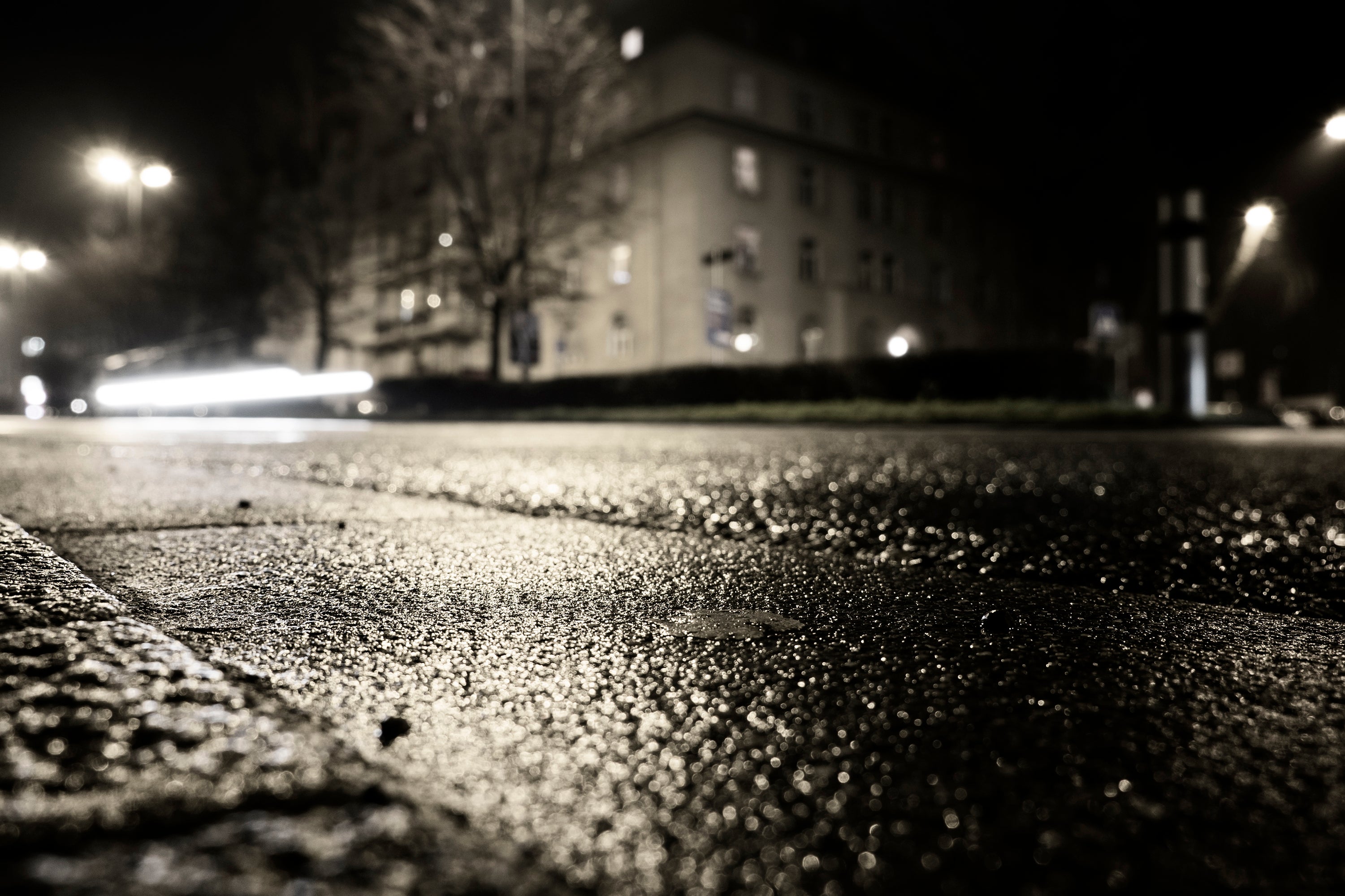
Black ice is a thin, transparent glaze of ice that forms on pavement and blends in with the dark road surface underneath. Because it is clear and smooth, it often looks like ordinary wet pavement, even though it can be far more slippery.
What black ice is
Despite the name, black ice is not a special kind of ice. It is regular ice that is clear, thin, and tightly bonded to the road. You see the black or dark gray of asphalt through it, so the road can look simply wet or slightly shiny.
Two details make it especially hazardous:
- It can be extremely smooth. A thin glaze can level out the pavement texture that normally gives tires and shoes grip.
- It is hard to spot. Our eyes are good at noticing contrast. Clear ice has very little of it, especially at night.
How black ice forms
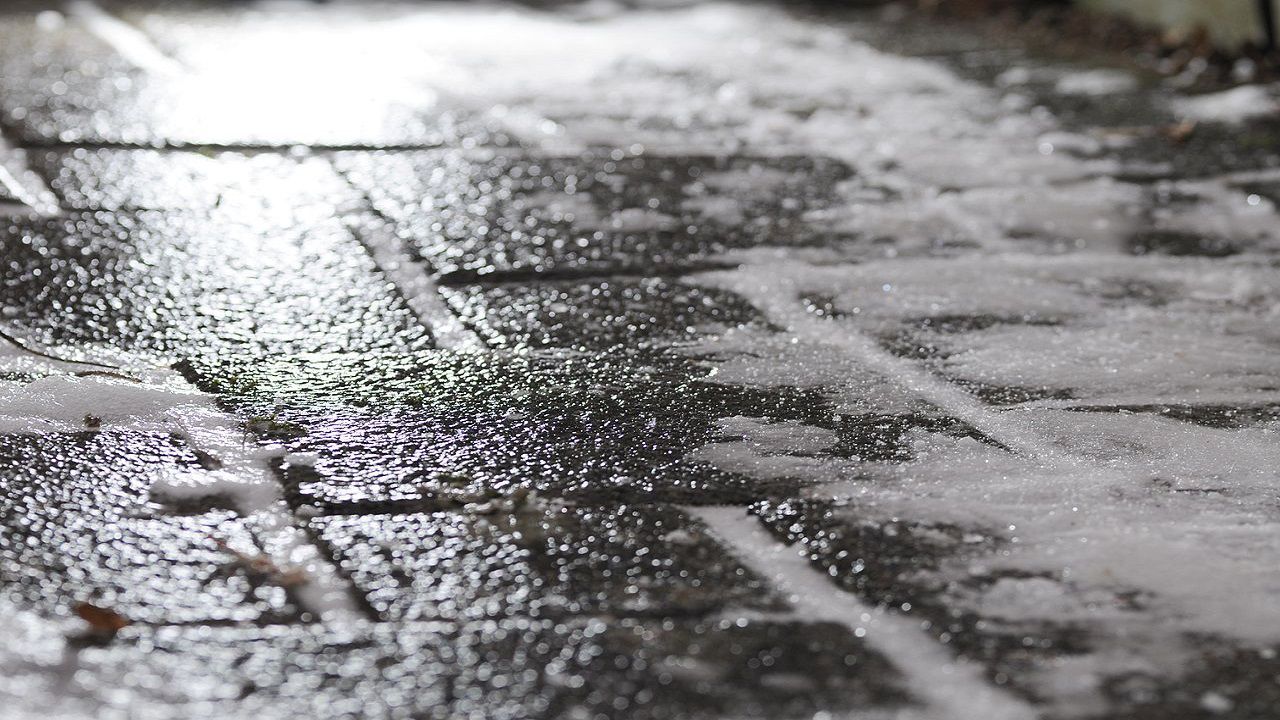
Black ice tends to show up when the pavement temperature dips to around freezing, and there is a small amount of moisture available to turn into a glaze. You do not need a big snowstorm. You need the right timing.
1) Light freezing drizzle
One classic setup is light freezing drizzle, when supercooled droplets fall through air that may be slightly above or near freezing but freeze on contact with a surface that is at or below 32°F (0°C). The result can be a nearly invisible coating, especially on roads that look merely damp.
2) Meltwater that refreezes after sunset
Another very common pathway is a daily thaw and refreeze cycle. During the day, sunlight and traffic warmth can melt a little snow or ice. After sunset, the ground can lose heat quickly to the clear night sky, and that thin film of meltwater can refreeze into a smooth glaze.
This is why black ice is so often a morning or evening problem, even when midday conditions seemed fine.
3) Local wet spots that freeze first
Black ice also forms when small, localized wet areas freeze before everything else, such as:
- Runoff from snowbanks along the road edge
- Water dripping from vehicles at intersections
- Over-irrigated lawns or sprinkler runoff in cold snaps
- Shaded areas that stay colder than sunlit pavement
Where it hides
If you are trying to predict black ice, think like heat does: it flows, it leaks, and it gets trapped.
Bridges and overpasses
Bridges cool faster because they are exposed to air underneath and do not have warm ground packed beneath them to store and feed back heat. In plain terms: they lose heat more easily, so bridge decks can dip below freezing even when nearby roads are merely cold.
Shaded stretches
Roads shaded by trees, buildings, or canyon walls can stay colder longer, allowing refreezing while sunny areas dry out.
Near water and low spots
Valleys and dips can collect colder air, and moisture near rivers, lakes, or wetlands can add just enough water to create a glaze.
Intersections and high-traffic zones
Stopping and starting keeps pavement damp, and tire spray can spread a thin film of water across the road. If temperatures are near freezing, that dampness can turn into an ice layer fast.
Why it is so slippery
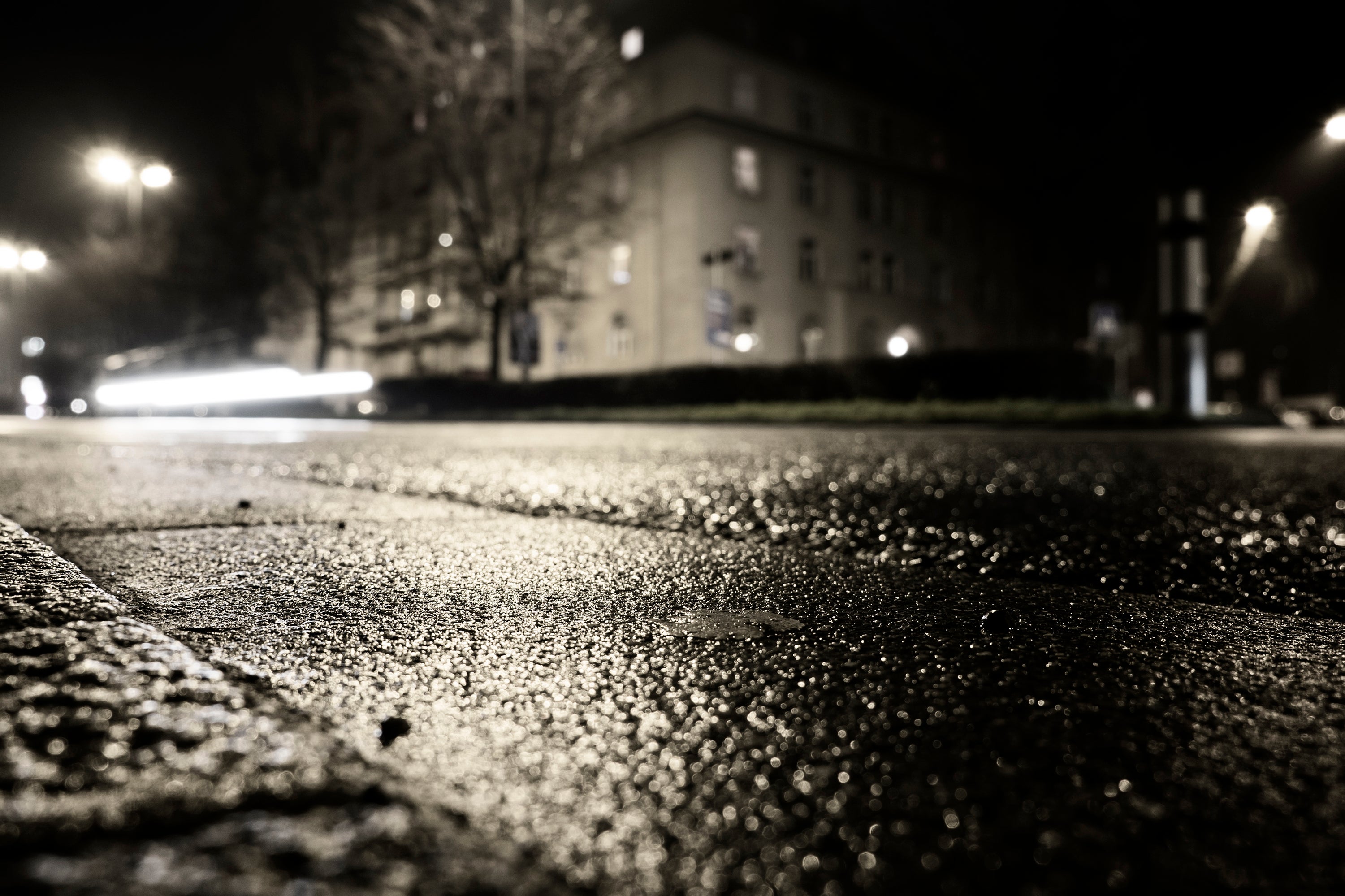
Traction depends on tiny points of contact and roughness. A thin glaze can act like a clear varnish, reducing the tire tread and rubber ability to interlock with the road texture.
Also, when temperatures hover near freezing, a very thin, slick layer at the ice surface can develop, helped along by friction, pressure, and naturally occurring surface melting. The practical takeaway is simple: a road can look fine and still offer dramatically less grip.
How to spot the risk
You usually cannot confirm black ice by sight alone. But you can look for clues that raise the odds.
- The road looks wet even though the air feels cold and other surfaces are frosty.
- Other cars are driving unusually cautiously, or you see subtle fishtailing.
- Your steering suddenly feels light, or your tires may sound quieter than usual on the pavement.
- Temperature is near freezing, especially in the evening, overnight, or early morning.
If you suspect black ice, treat the whole stretch as low-traction until proven otherwise.
If you hit it while driving
This is the part I wish everyone could rehearse in their head before winter, because the right response is more about not adding extra forces than it is about quick reflexes.
Do
- Stay calm and look where you want to go. Your hands tend to follow your eyes.
- Ease off the accelerator. Let the car slow gradually.
- Keep steering gentle. Small corrections are safer than big ones.
- Leave extra space. Following distance is your best winter technology.
Avoid
- Sudden braking. On ice, abrupt inputs can break traction. If you have ABS and you need to slow quickly, brake firmly and steadily and let the system pulse. If you do not have ABS, use smooth, controlled braking and avoid locking the wheels.
- Jerking the wheel. Abrupt steering changes can break traction further.
- Accelerating to power out. More torque can mean more spin.
If your vehicle begins to skid, the details depend on what the car is doing, but a small mental cheat sheet helps: if the rear steps out (oversteer), gently steer in the direction the rear is sliding. If the front is pushing straight (understeer), ease off the throttle and straighten a bit to help the tires regain grip. Smooth beats heroic.
Also, if conditions are questionable, skip cruise control. You want full, immediate control of speed and traction.
If you hit it on foot
Sidewalk black ice is the same idea in miniature, and it can be just as punishing.
- Take shorter steps and keep your center of mass over your feet.
- Walk like a penguin, which is less silly than it sounds: slight forward lean, feet pointed outward a bit, slow pace.
- Use handrails on stairs, and assume any glossy patch may be ice.
- Choose traction when possible, like boots with winter soles or add-on ice cleats for frequent walking.
Prevention basics
You cannot negotiate with ice, but you can stack the odds in your favor.
- Slow down before bridges, shaded turns, and known trouble spots. Braking and turning are where traction disappears first.
- Check your tires. Good tread depth and proper tire pressure matter more in winter than most people want to admit.
- Consider winter tires if you regularly drive in freezing conditions. All-seasons can be fine in mild climates, but winter rubber stays grippier as temperatures drop.
Myths
Is black ice only on roads?
No. It can form on sidewalks, steps, parking lots, bike paths, and even decks, anywhere a thin film of water can freeze into a clear glaze.
Is it always literally black?
No. It can appear dark gray, glossy, or simply wet-looking. On concrete, it may look like a slightly darker patch rather than black.
Does it only happen when it is extremely cold?
It often shows up near the freezing point, when melting and refreezing are common and small temperature changes matter.
FAQ
What temperature does it form?
Most commonly around 32°F (0°C), especially when the pavement temperature dips below freezing while moisture is present. It can also form below that in cold snaps, but the near-freezing range is prime time for thin glaze formation.
Why does it look like wet pavement?
Because it is typically clear and thin. Light passes through it and reflects off the dark road surface, creating the same kind of sheen you would see on a wet road.
Can roads be icy when the air temperature is above freezing?
Yes. Pavement temperature can differ from air temperature, and bridges, shaded areas, or surfaces losing heat rapidly after sunset can fall below freezing even if a nearby thermometer reads slightly above 32°F (0°C).
The simple way to think about it
Black ice is not a winter spectacle. It is a thin, transparent glaze that makes traction quietly disappear. If the road looks wet on a cold evening or early morning, especially on bridges or shaded stretches, your safest assumption is: it might not be water.
And if you ever see someone doing that careful, arms-out shuffle across a parking lot, feel free to join them. In winter physics, dignity is optional. Traction is not.