If you have ever stepped outside on a crisp morning and seen your lawn glitter like it was sprinkled with sugar, you have met frost. But weather forecasts also warn about a freeze, and that word carries a different, more temperature-focused meaning. For gardeners, commuters, and anyone who trusts their local forecast, the difference matters because plants can get hurt by a freeze even when you never see a single icy crystal.
Frost is about surfaces
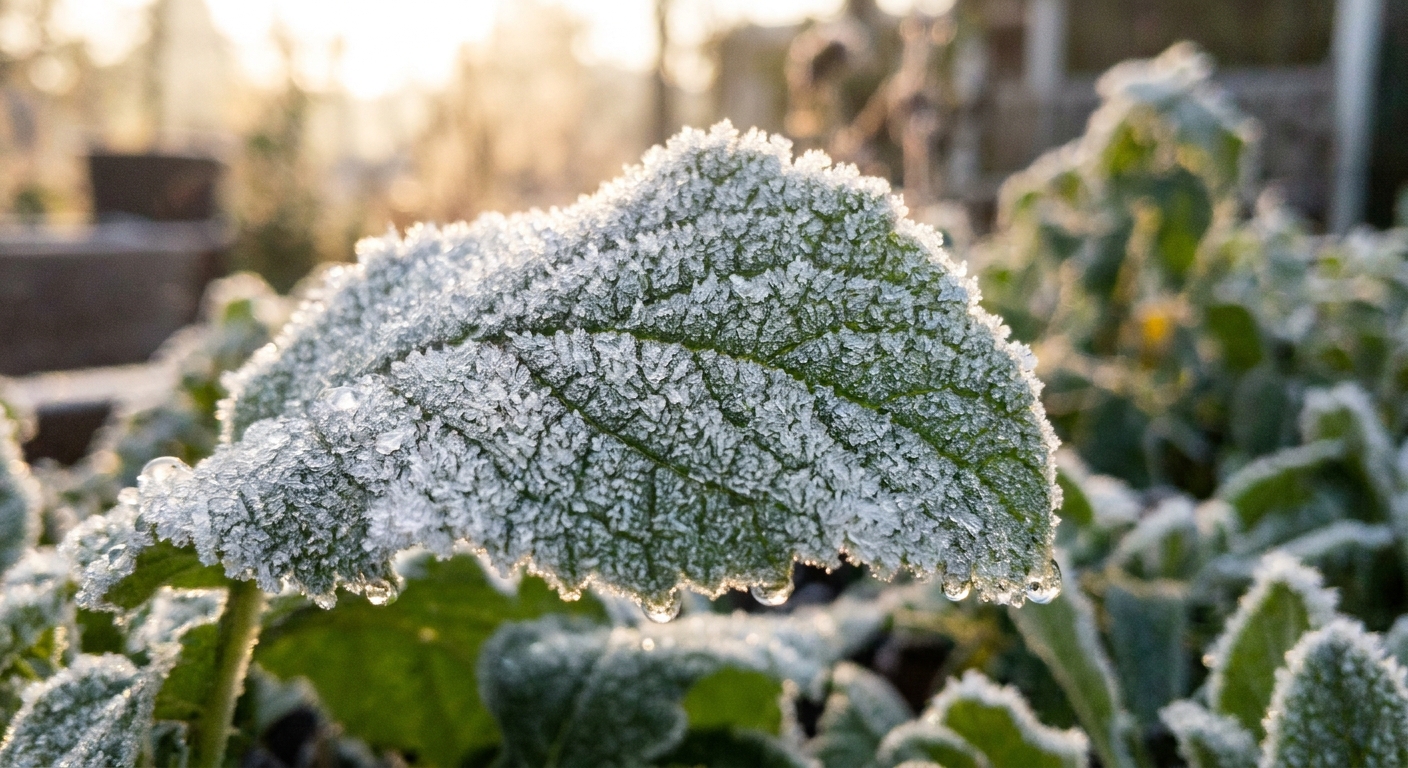
Frost is a layer of ice crystals that forms on surfaces when those surfaces cool to 32°F (0°C) or below and moisture is available. The key idea is that frost is a surface phenomenon. Your car roof, grass blades, or the top of a raised garden bed can cool down faster than the air a few feet above it.
Frost forms when water vapor in the air turns directly into ice on a cold surface. In physics terms, that direct gas-to-solid jump is called deposition. You do not need rain or puddles first. You just need:
- A cold surface (at or below about 32°F or 0°C)
- Enough moisture in the air to supply water vapor
- Light wind or calm air so a thin layer of colder air can sit on the surface long enough for crystals to grow
Clear skies often help too. At night, the ground and objects on it can lose heat to the open sky by radiation, sometimes cooling below the official air temperature measured at a weather station. Moisture matters as well because if the dew point is low enough, there may be little water vapor available to make frost even if the surface is very cold.
A freeze is about air temperature
A freeze means the air temperature drops to 32°F (0°C) or lower. This is the definition used in forecasting and agriculture alerts because air temperature is what weather stations measure consistently, usually around 2 meters (about 6 feet) above the ground in a ventilated radiation shield.
A freeze can be brief or long, mild or severe. Many forecasts also distinguish, often along these lines:
- Light freeze: roughly 29°F to 32°F, can damage tender plants
- Hard freeze: roughly 25°F to 28°F, can damage many plants and end the growing season for warm-season crops
- Severe freeze: 24°F and below, can harm even some cold-hardy plants
Those cutoffs can vary by region and by who issues the alert, but the big message is the same: freezes are defined by air temperature, not by whether you can see frost.
Why plants can be damaged with no visible frost
This is the part that surprises people: you can have a damaging freeze even when your yard looks frost-free.
Here are a few common reasons:
1) Dry air limits frost formation
If the air is cold but very dry, there may not be enough water vapor to build those pretty crystals. Your tomato plant can still experience freezing temperatures in its tissues, but your deck railing stays clear.
2) Wind can prevent surface frosting
A breeze tends to disrupt the thin, cold layer of air right at the surface, which makes it harder for surfaces to cool enough for frost to grow. On many clear, calm nights, the air just above the ground can actually be warmer than the air hugging the grass because of a temperature inversion, and wind mixes that up. Even on a cold, windy night when everything is chilly, the mixing still makes the neat crystal buildup less likely.
3) A plant can freeze internally before you notice anything outside
Plant damage is not only about visible ice on leaves. When temperatures drop low enough, ice can form in plant tissues and pull water out of cells. That can rupture cells and dehydrate tissues, leading to blackened, limp leaves hours later, even if you never saw surface frost at sunrise.
4) Microclimates make frost patchy
Cold air drains into low spots like water, so a garden bed in a shallow dip can freeze while a spot near a south-facing wall stays a few degrees warmer. Cities can run warmer than rural areas at night, and areas near water often cool more slowly. All of that can create a freeze risk that does not look uniform when you scan your yard.
Two clear examples
Frost morning
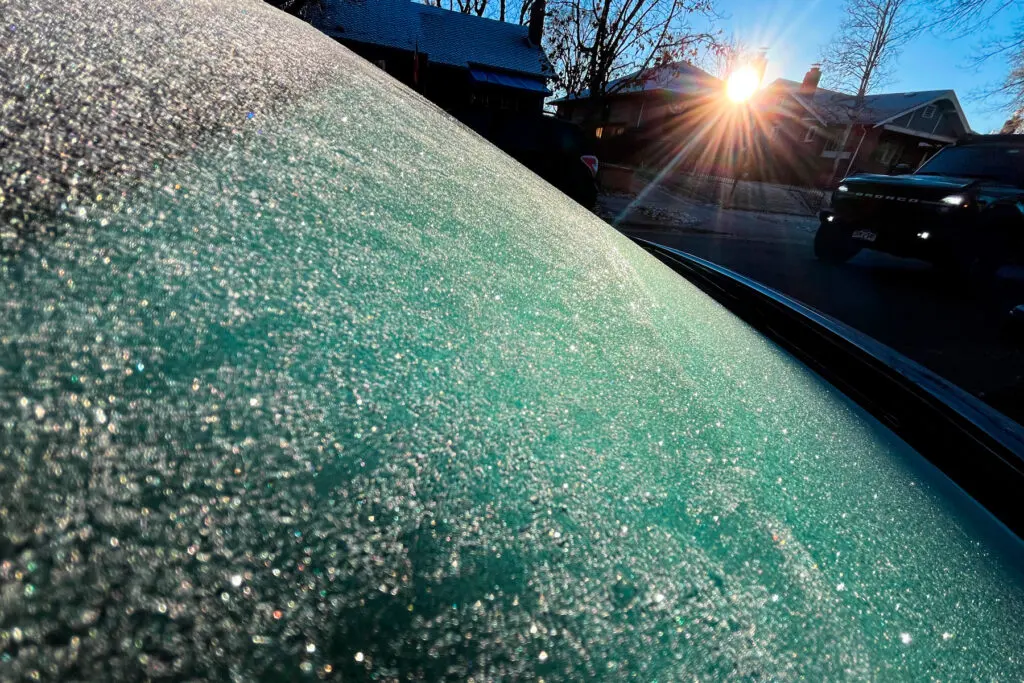
It is a calm, clear morning. Your weather app says the overnight low was 35°F. You walk outside and see thin white crystals on your car windshield and on the lawn. The air might be a few degrees above freezing, but the surfaces cooled below freezing overnight, and water vapor deposited as ice. That is frost.
Freeze morning
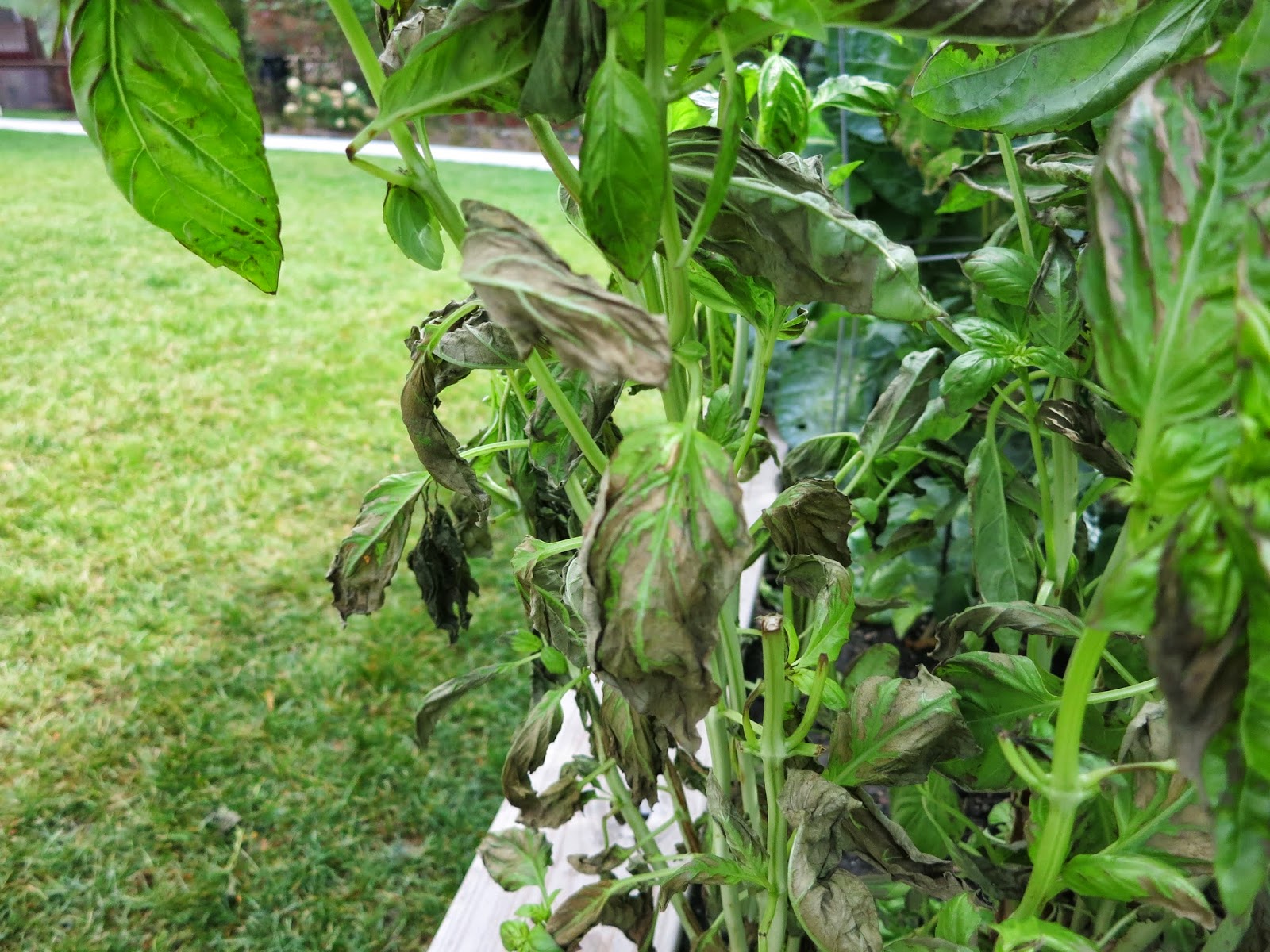
It is a cold, breezy morning after a front moved through. The official air temperature at the weather station is 30°F. You look around and do not see sparkly crystals on the grass, but your basil looks wilted and dark by late morning. The air was at or below 32°F long enough to injure tender plants, even without visible frost. That is a freeze.
Quick forecast guide
- Frost advisory: conditions are favorable for frost on surfaces, often with clear skies and light winds, even if the air temperature stays a bit above 32°F.
- Freeze warning: air temperature is expected to hit 32°F or lower, which can damage plants and freeze exposed pipes, whether or not frost appears.
If you are protecting plants, treat a freeze warning as the higher-stakes alert. Frost can be patchy and microclimate-dependent. A freeze is a broader signal that the air itself is cold enough to cause trouble.
If you want one practical habit: cover tender plants before sunset on freeze nights. Use cloth, a sheet, or frost fabric, and try to keep the cover from resting directly on leaves. If you use plastic, keep it propped up so it does not touch the plant.
One last teacher trick
When I taught physics, I loved giving students a single hook to remember a concept. Here is the hook I use for this one:
Frost is what you see on surfaces. Freeze is what the thermometer says the air is doing.
If you remember that, you will read cold-weather forecasts like a pro. And your plants will thank you.