Articles by Quill

Science-Backed Ways to Improve Your Gut Microbiome Health
Your gut microbiome is not a single “thing” you fix and forget. It is a living ecosystem of bacteria, fungi, and other microbes that help break down food, influence immune function, and produce metabolites that affect signaling pathways throughout the body. When it is supported, you may notice it...
Read more →
Intermittent Fasting vs. Caloric Restriction
Two diet strategies keep showing up in the health conversation: intermittent fasting (eating within certain time windows) and caloric restriction (eating fewer calories every day). They sound like rival philosophies, but physiologically they overlap more than people think. In most real-world...
Read more →
Hack Your Circadian Rhythm
Your body runs on a clock. Not the kind with hands, but a living timing system that decides when you feel alert, when you feel hungry, when your body temperature peaks, and when sleep finally feels like the obvious choice. Chronobiology is the science of that timing. The good news is that your...
Read more →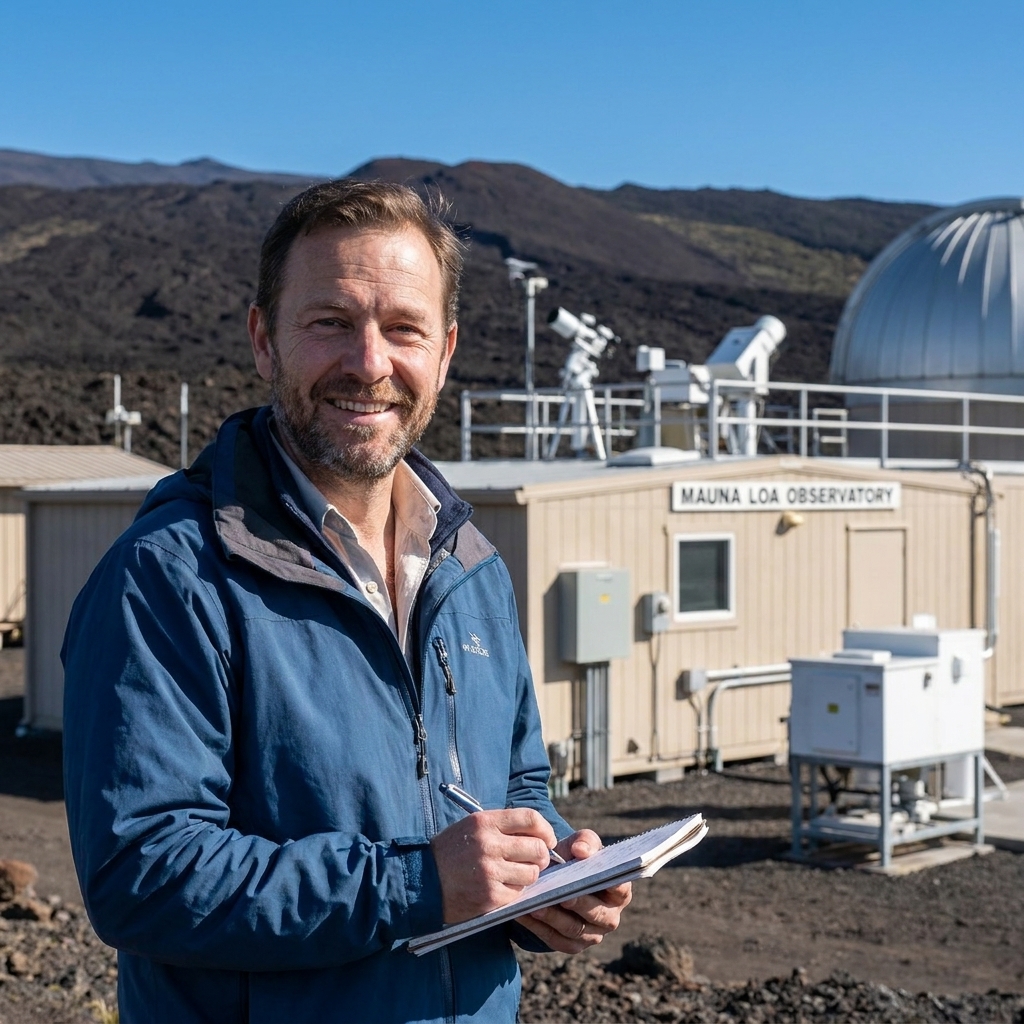
Natural Climate Cycles vs. Human Warming
If Earth’s climate were a long-running TV series, “plot twists” would be the norm. Ice ages come and go. Oceans shuffle heat around. Volcanoes blow their tops. So when someone asks, “Isn’t this just a natural cycle?”, they are asking a reasonable question. But science is less about impressions and...
Read more →
Understanding Ocean Acidification
The ocean has always been Earth’s great mood ring, quietly responding to what we put in the air. Right now it’s responding to one big thing: extra carbon dioxide (CO2). When CO2 dissolves into seawater, it triggers a chain of chemical reactions that shift ocean chemistry toward lower pH. Not...
Read more →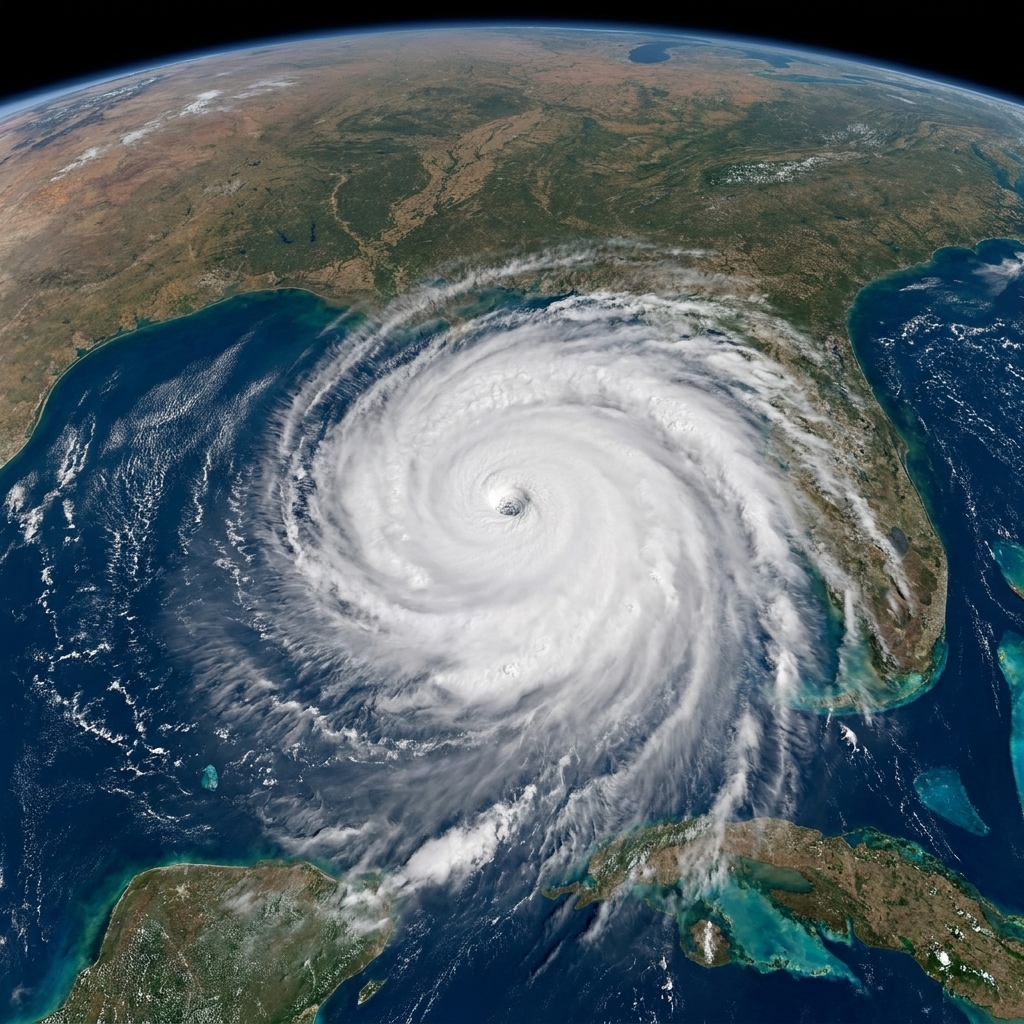
5 Extreme Weather Types Supercharged by Global Warming
I used to tell my physics students that the atmosphere is basically a heat engine wearing a very thin jacket. Add more heat to the system and the engine does not just get “a little warmer.” It starts running differently: more evaporation, more water vapor, more energy available for storms, and more...
Read more →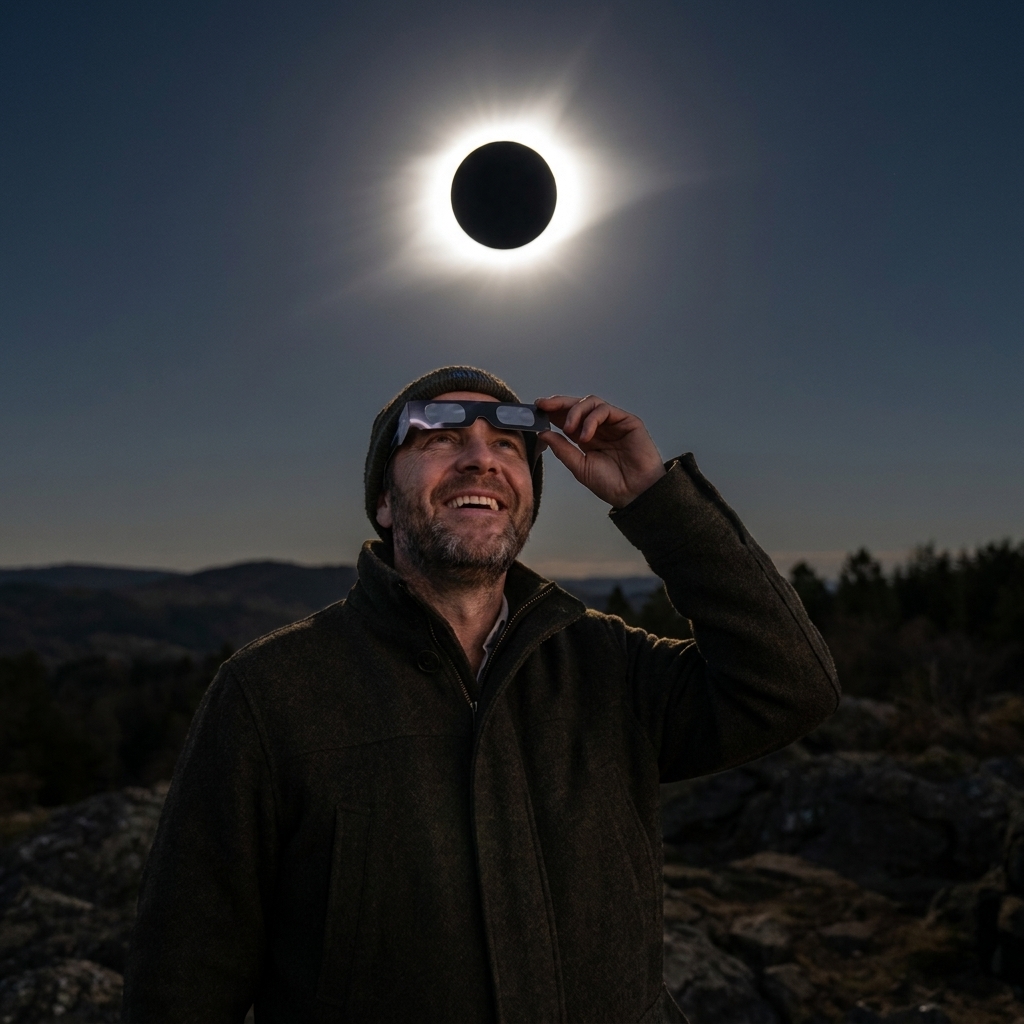
Solar vs. Lunar Eclipses: What’s the Difference?
Every eclipse is basically a cosmic game of “who is standing in whose light?” But solar and lunar eclipses flip the roles of the players, change what you can see from Earth, and most importantly, change how you should watch. If you remember one thing from this article, let it be this: looking at a...
Read more →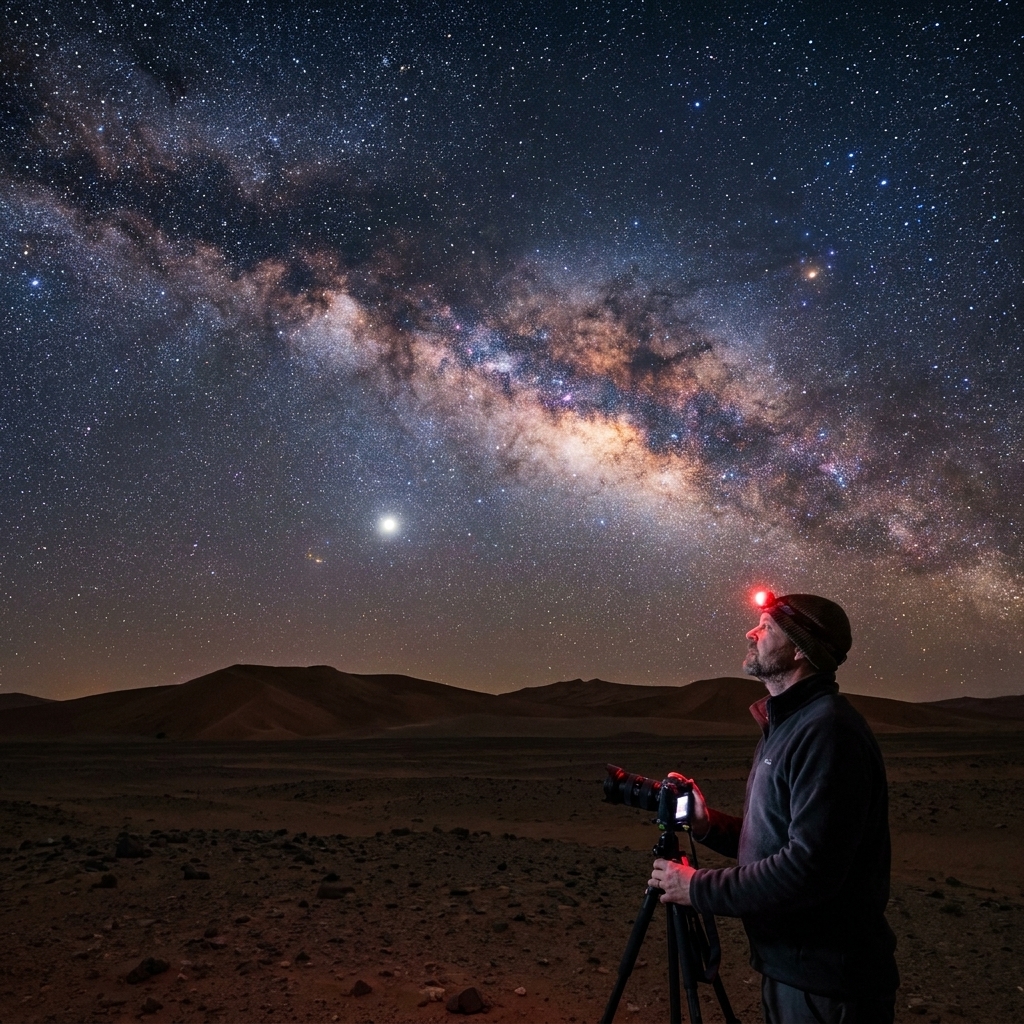
5 Planets You Can See Without a Telescope
There is a special kind of joy in realizing that the “star” you are pointing at is not a star at all. It is a whole other world, sunlight bouncing off a planet and traveling millions to hundreds of millions of miles to land on your retinas for free. The best part is you do not need a telescope....
Read more →
Carbon Capture and Storage, Explained
If carbon dioxide were glitter, our modern world would be the craft store aisle after a busy Saturday. Power plants, cement kilns, steel mills, and refineries all shed CO2 as a byproduct of making electricity, buildings, and the materials we rely on. Carbon capture and storage, usually shortened to...
Read more →
Solar, Wind, and Geothermal Energy Explained
Renewable energy can feel like a buzzword until you picture what is actually happening: sunlight and moving air are being turned into organized electron traffic in circuits we can control , and Earth’s internal heat is being tapped like a gigantic natural radiator. The payoff is simple. We get...
Read more →
Create a Pollinator-Friendly Garden
If you have ever watched a bumblebee wobble into a flower like a fuzzy little forklift, you already understand the core idea of pollinator gardening: energy in, energy out. Nectar and pollen are fuel. Flowers are the charging stations. And our yards, parks, balconies, and school campuses can either...
Read more →
8 Recycling Myths Material Scientists Want You to Stop Believing
Recycling has a reputation for being both virtuous and confusing, sometimes in the same five seconds. One neighbor swears you must peel every label. Another says it all ends up in a landfill anyway, so why bother. Material scientists look at recycling less like a moral test and more like a...
Read more →
How to Spot a Meteor Shower
Seeing a meteor shower for the first time is one of those rare science moments that feels like the universe is putting on a show just for you. The trick is that meteor showers are less like fireworks and more like fishing. You want the right season, the right spot, and a little patience. Below is...
Read more →
Finding the Best Dark Sky Spots Near You
If you have ever driven 30 minutes out of town, looked up, and thought, Wait… that’s it? you have met the invisible villain of modern stargazing: light pollution. The good news is that finding a truly dark sky location is no longer guesswork. With a couple of maps, one oddly charming rating system...
Read more →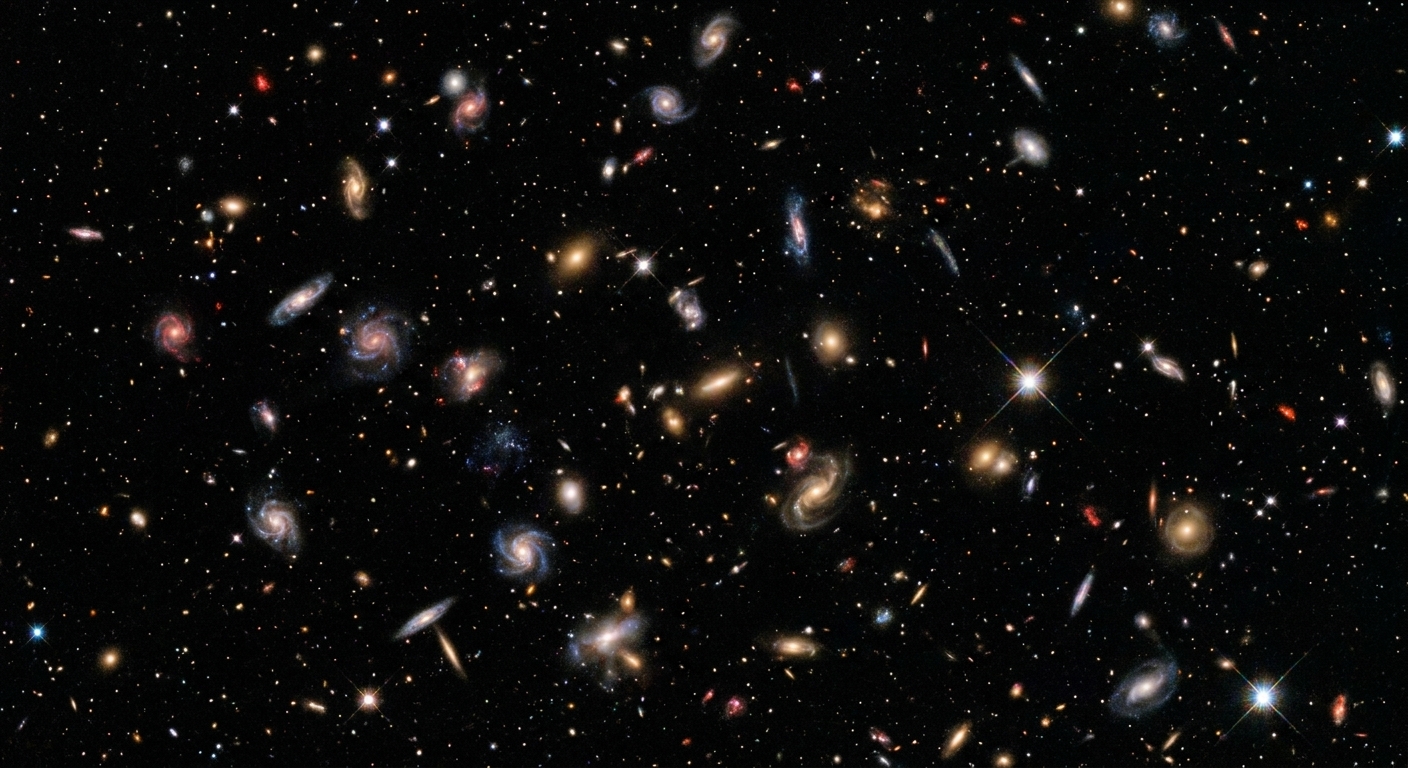
Dark Matter vs. Dark Energy
When astronomers say the universe is mostly “dark,” they do not mean spooky or evil. They mean invisible . Not invisible like a movie cloaking device, but invisible in the sense that it does not glow, does not reflect light in any useful way, and does not show up directly in our telescopes. And...
Read more →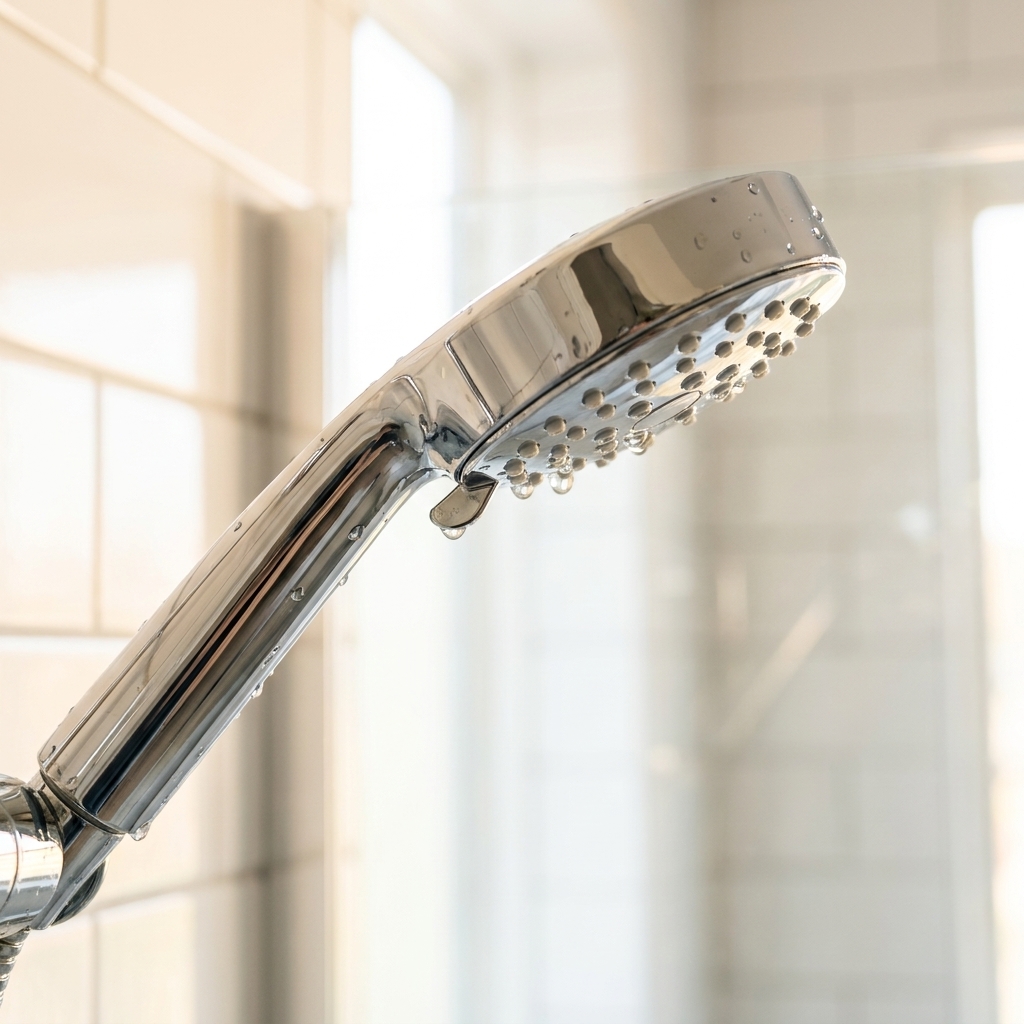
7 Science-Backed Strategies to Reduce Your Household Water Consumption
Water feels unlimited right up until it is not. In hydrology and water management, that tipping point is often described as water stress or watershed stress : demand starts to push harder than rivers, reservoirs, and aquifers can comfortably supply. That is not just a faraway drought story. It can...
Read more →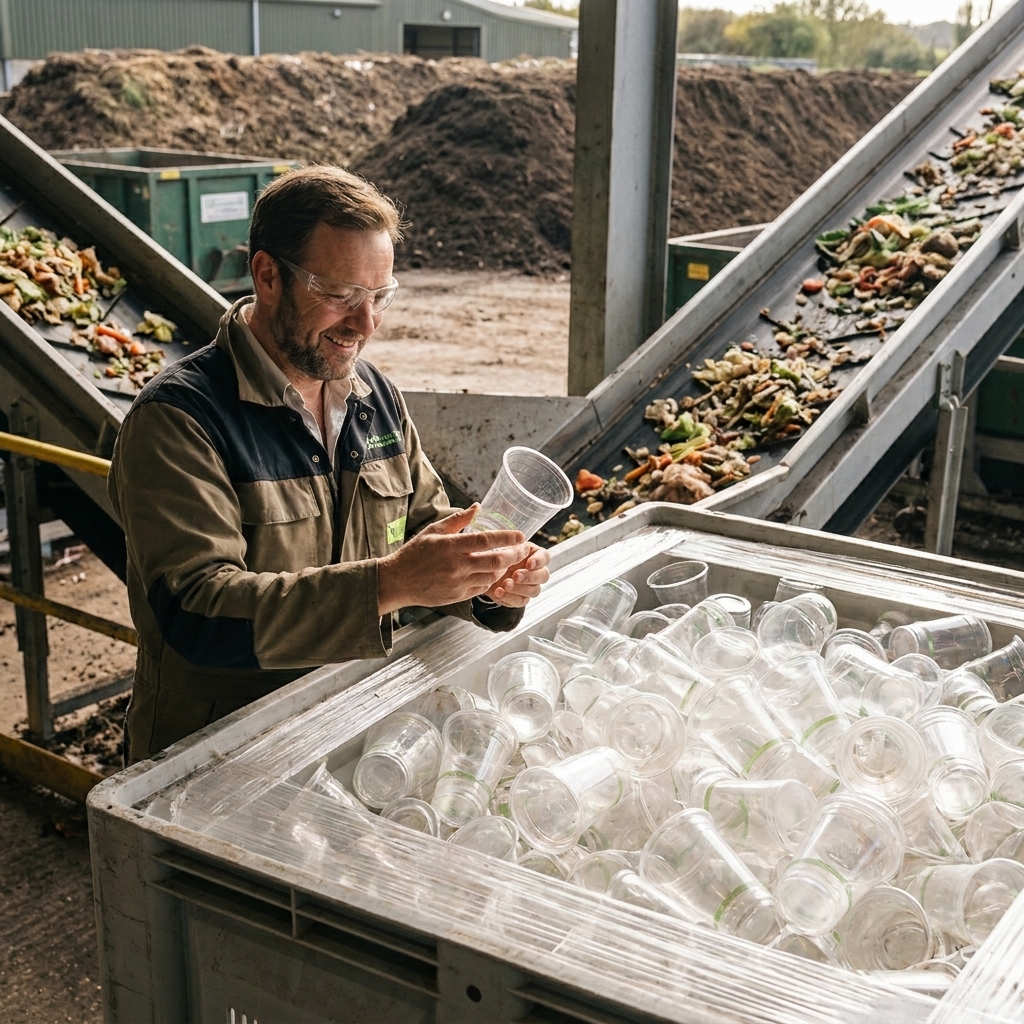
Bioplastics vs. Traditional Plastics
If you have ever held a fork labeled “plant-based” and felt a tiny wave of environmental relief, you are not alone. “Bioplastic” sounds like it should be the eco-friendly twin of regular plastic, the way a hybrid car feels like a cleaner version of a gas guzzler. But plastics are sneaky. A...
Read more →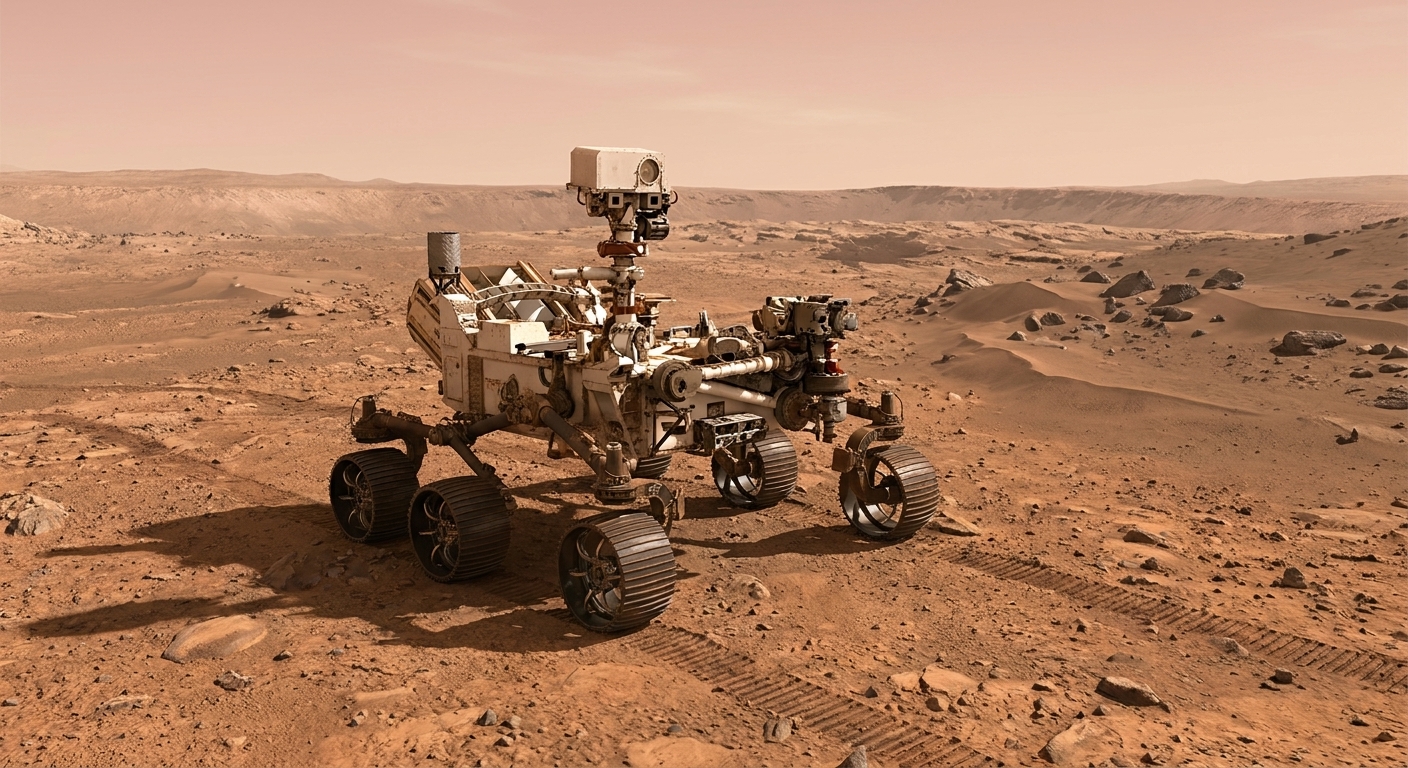
The Science of Mars Colonization
Mars is close enough to dream about and far enough to punish sloppy planning. It is not just “Earth, but colder.” It is a planet with thin air, elevated radiation , abrasive dust that may be chemically hazardous, and a supply chain measured in months. If you want a settlement that lasts longer than...
Read more →
Measure and Cut Your Carbon Footprint
If “carbon footprint” sounds like something only spreadsheet wizards track, I have good news: you can estimate yours with surprisingly little math, then reduce it with choices that are both practical and measurable. Think of this like a physics lab for everyday life. We are not chasing perfection....
Read more →
Black Holes, Explained
Black holes have a reputation problem. They sound like cosmic drain plugs, silently sucking up everything in sight. In reality, they are more like the Universe’s most extreme “gravity labs,” where space and time get pushed to their limits. The twist is that the most important part of a black hole...
Read more →