Renewable energy can feel like a buzzword until you picture what is actually happening: sunlight and moving air are being turned into organized electron traffic in circuits we can control, and Earth’s internal heat is being tapped like a gigantic natural radiator. The payoff is simple. We get useful energy with far less climate-warming pollution than burning coal, oil, or natural gas.
This guide focuses on three major options you see constantly in clean power conversations: solar, wind, and geothermal. (Hydropower is also a major renewable globally, but it has its own geography, ecology, and permitting story, so I am keeping it out of scope here.) We will unpack how these three work, where they work best, what their limits are, and how they team up with storage and smarter grids to keep the lights on.
First, a quick idea: electricity is picky
As a former physics teacher, I used to tell my students that electricity is like a marching band. It is not enough to have lots of people. They have to move in step. Power plants and the grid are basically an enormous coordination problem: balancing supply and demand in real time, while also keeping voltage and frequency steady.
Fossil fuel plants do this by burning fuel on demand. Renewables do it by harvesting natural flows and heat. That means the grid leans more on forecasting, flexibility, storage, and the behind-the-scenes support services that keep everything stable. None of that is magic, but it is a different playbook.
Solar energy: turning light into electricity
How solar panels work (the everyday version)
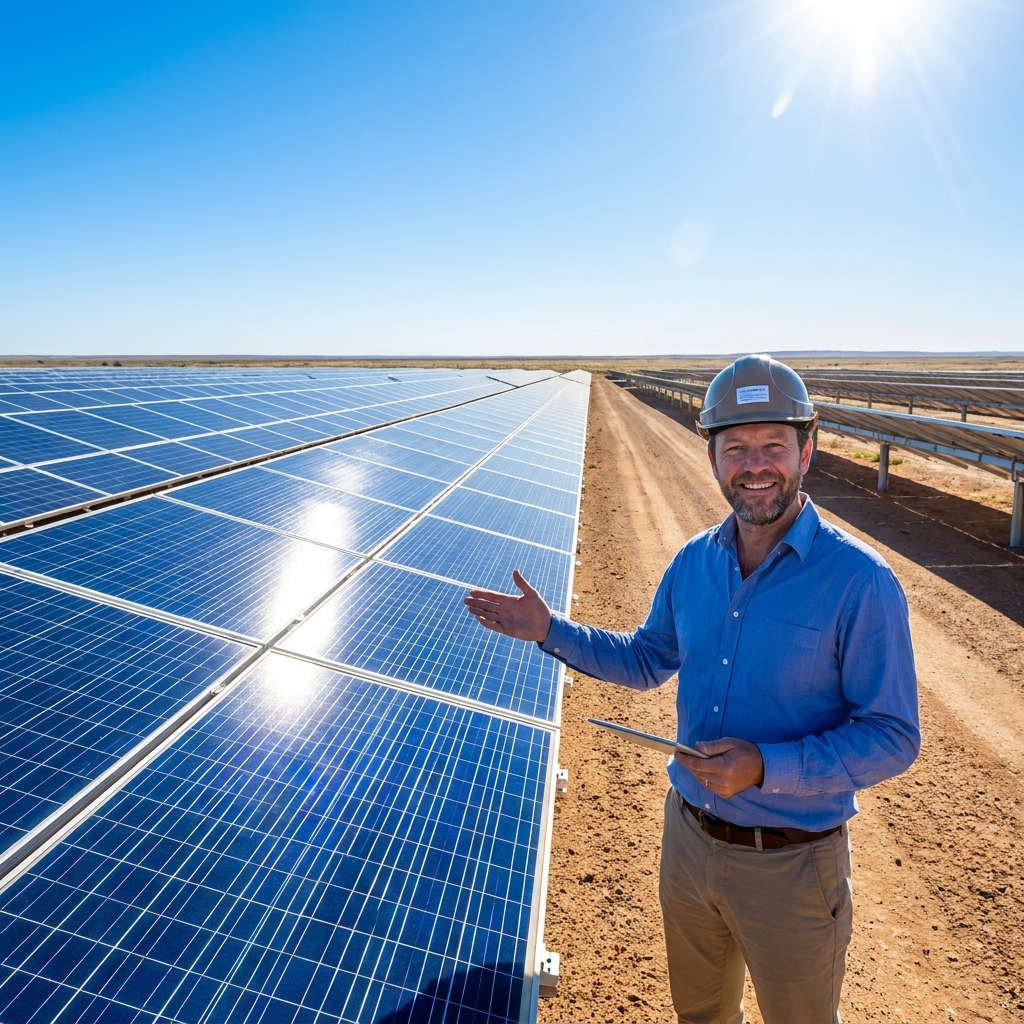
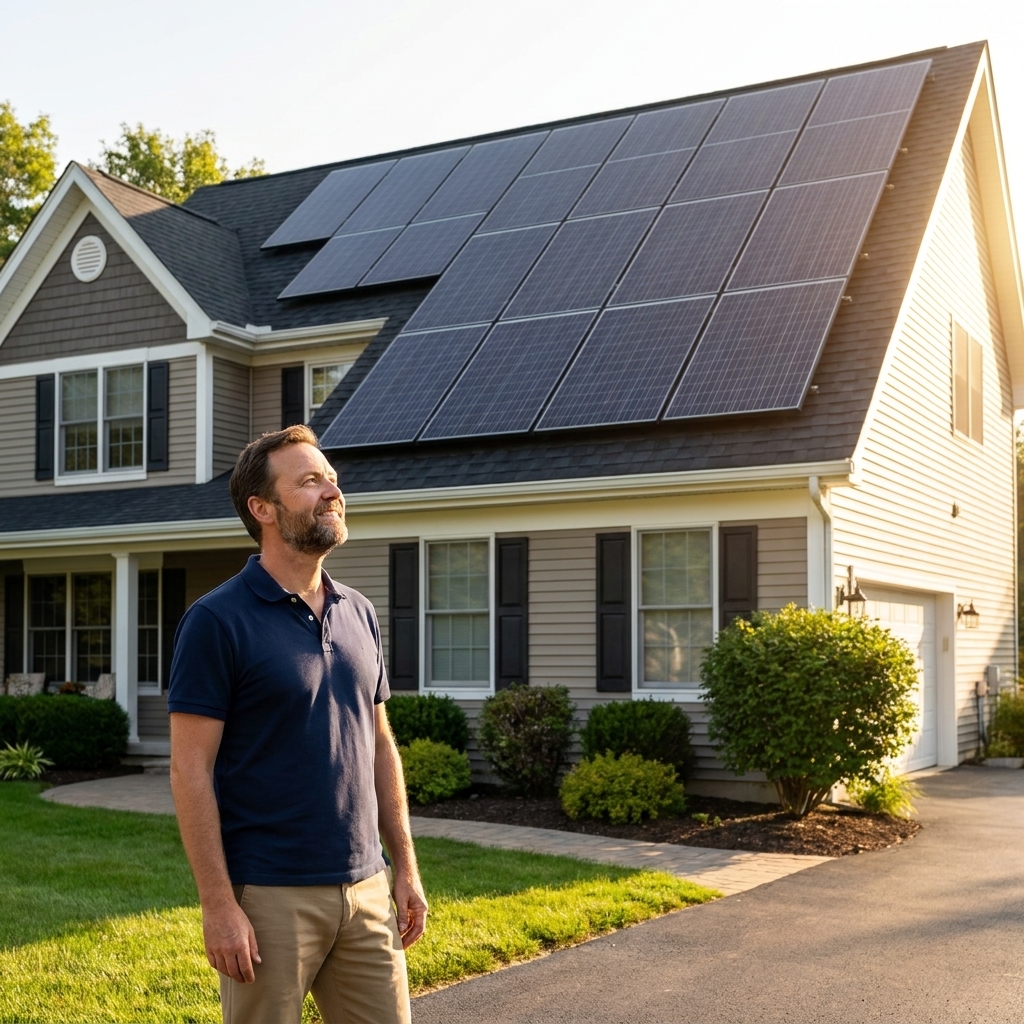
Solar photovoltaic (PV) panels convert sunlight directly into electricity using semiconductors, usually silicon. When photons from sunlight hit the material, they can knock electrons loose. The panel’s internal electric field nudges those electrons in a preferred direction, creating direct current (DC) electricity. An inverter then converts DC into alternating current (AC), which is what our homes and the grid use.
If you like metaphors: a solar panel is a carefully designed “electron slide” that sunlight keeps filling with energetic kids. The inverter is the traffic officer that makes sure those kids join the flow of the neighborhood streets instead of running around the block.
Where solar shines best
- Sunny regions, of course, but solar can still be excellent in cloudy places because panels use daylight, not just direct sunshine.
- Rooftops and parking canopies where space is already built-out.
- Large solar farms in open land, often paired with batteries.
What about nights and winter?
Solar’s main limitation is that it is variable: no sunlight at night, less in winter at higher latitudes, and output changes with cloud cover. Solutions are straightforward but require planning:
- Geographic diversity: clouds and storms do not always hit everywhere the same way at the same time, although large systems can suppress output across wide areas for days. This is where transmission and forecasting start to matter a lot.
- Storage: batteries can shift solar power from midday to evening.
- Flexible demand: running dishwashers, water heaters, and industrial processes when solar is abundant.
- Complementary sources: in some regions, wind picks up later in the day or at night, and geothermal can provide steady output.
Environmental footprint and tradeoffs
PV panels create electricity without combustion, so operational emissions are very low. Impacts to keep in mind:
- Land use for large solar farms, which can be reduced with careful siting and dual-use approaches like agrivoltaics (farming under panels).
- Materials and manufacturing impacts, which are addressed through cleaner supply chains and recycling programs as the industry matures.
- End of life management: panels commonly last decades (often about 25 to 35 years), and we need robust collection and recycling as installations grow.
Wind energy: harvesting moving air
How a wind turbine makes power
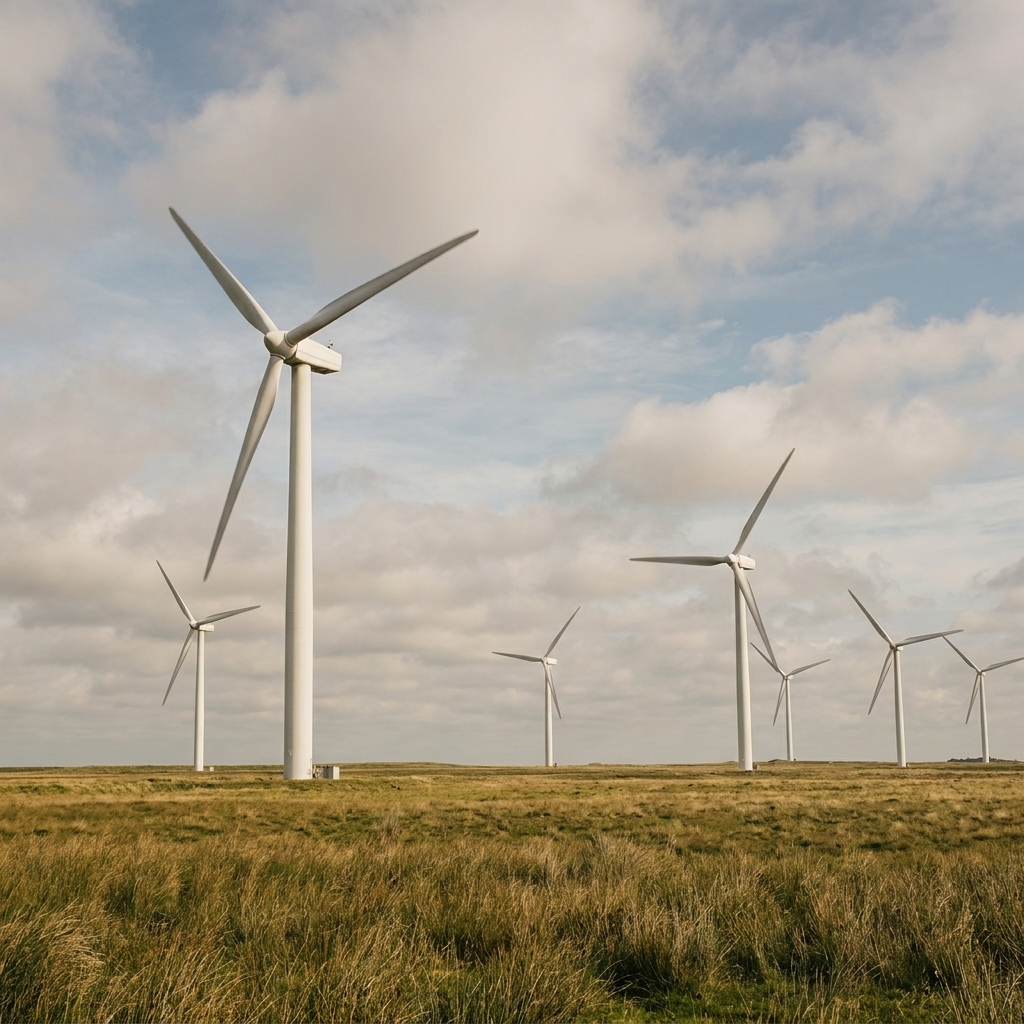
Wind turbines convert the kinetic energy of moving air into rotational motion, and then into electricity through a generator.
Here is the core chain:
- Wind pushes the blades, creating lift (similar physics to an airplane wing).
- The rotor spins a shaft connected to a generator (directly or through a gearbox).
- Power electronics condition the electricity so it matches grid requirements.
The reason turbines are tall is not just for show. Wind speeds tend to be higher and steadier higher up, and the power available in wind increases roughly with the cube of wind speed. A modest increase in wind speed can mean a big jump in power.
Onshore vs offshore wind
- Onshore wind is often cheaper and faster to build, with turbines placed in windy plains, ridgelines, or open areas.
- Offshore wind benefits from strong, consistent winds and can be close to dense coastal cities, but it is more complex to install and maintain.
Reliability and variability
Wind varies hour to hour and season to season. The good news is that variability is often forecastable with modern weather models, sometimes days ahead, though accuracy depends on region and timescale. Wind output frequently complements solar, but the exact pattern depends on local weather and geography.
Environmental footprint and community considerations
Wind power has very low operational emissions, but it is not impact-free:
- Wildlife: turbine siting and improved turbine operation strategies can reduce bird and bat collisions.
- Sound and views: modern turbines are quieter than early models, but community planning matters.
- Materials: turbines use steel, concrete, copper, and composites; recycling and design changes are improving, especially for blades.
Geothermal energy: using Earth’s heat
The basic idea
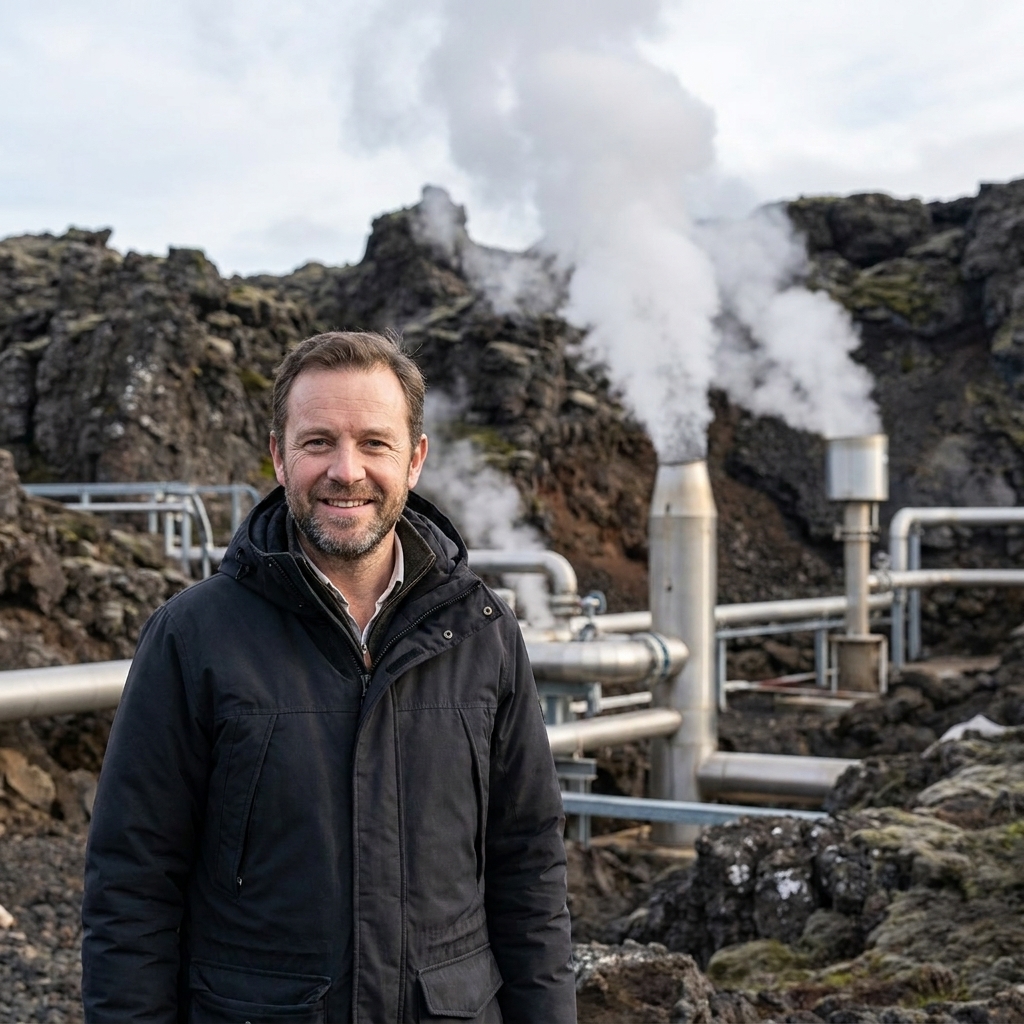
Geothermal uses heat from inside Earth. In some locations, hot water or steam is naturally accessible underground. In others, we can drill to reach hot rock and circulate water through it. Because Earth’s heat is always there, geothermal can provide steady, around-the-clock power. Like any resource, it still needs good stewardship. Reservoir management and reinjection help keep output stable over time.
Three common geothermal power plant types
- Dry steam: steam from underground directly turns a turbine. Rare, but elegantly simple.
- Flash steam: very hot pressurized water is brought to the surface; when pressure drops, some of it “flashes” into steam to drive the turbine.
- Binary cycle: moderately hot geothermal water heats a second fluid with a lower boiling point in a heat exchanger; that second fluid vaporizes and spins the turbine. This expands geothermal to more places.
Geothermal heating and cooling
Not all geothermal is about power plants. Ground-source heat pumps use the relatively stable temperature underground to heat buildings in winter and cool them in summer. Depending on the design, the loops might be a few feet down (horizontal systems) or hundreds of feet down (vertical boreholes). They do not “create” heat so much as move it efficiently, like a refrigerator working in reverse.
If you want a home-scale upgrade that is less weather-dependent than rooftop solar, this is one worth knowing about.
Tradeoffs and constraints
- Location: traditional geothermal electricity is easiest in geologically active regions. Enhanced geothermal systems aim to broaden where it works, but drilling is expensive.
- Upfront cost: drilling and exploration are capital-intensive, even though fuel is basically free once operating.
- Water management: modern plants often reinject water to maintain the reservoir and reduce surface impacts.
- Induced seismicity: some geothermal projects, especially enhanced systems, can trigger small earthquakes. Careful site selection and monitoring are essential.
How renewables keep the grid reliable
The big misconception is that a clean grid needs every renewable source to behave like a gas plant. In reality, we build reliability using a portfolio of tools, the same way a good kitchen uses more than one appliance.
1) Energy storage
Storage is the bridge between “when energy is available” and “when we want it.” Options include:
- Battery storage (often lithium-ion today): great for shifting solar into evening peaks and smoothing short-term fluctuations.
- Pumped hydro: uses surplus electricity to pump water uphill, then releases it through turbines later. It is one of the oldest and largest storage methods.
- Thermal storage: stores heat (or cold) for later use, useful in buildings and some industrial settings.
2) A more flexible grid
- Better transmission moves power from where it is generated to where it is needed, and helps balance weather differences across regions.
- Smart inverters and grid controls help maintain voltage and stability.
- Demand response pays large energy users, and sometimes households, to shift usage to times when clean power is plentiful.
3) Clean firm power
Some sources can run steadily or be dispatched when needed. Geothermal is one of them. Others can include hydropower, nuclear, and in some cases gas plants that run less often or use low-carbon fuels. The mix varies by region, resources, and policy.
Costs and the affordability question
Energy costs are a mix of technology, fuel prices, financing, and infrastructure. Renewables have a distinctive profile:
- High upfront cost, low operating cost: once built, solar and wind do not need fuel deliveries, and their maintenance costs are relatively predictable.
- Fuel price stability: sunlight and wind do not spike in price because of geopolitics.
- System costs matter: as renewables grow, investments in transmission, storage, and grid management become part of the total bill.
In many regions, new solar and wind are among the lowest-cost sources of new electricity. The bigger challenge is often not physics, but planning: permitting, interconnection queues, supply chains, and building the grid upgrades that let clean power move freely. A common real-world bottleneck is the interconnection queue, where ready-to-build projects wait for studies and upgrades before they can connect to the grid.
Picking the right tool for the place
If I were sketching this on a whiteboard for my students, I would draw three overlapping circles labeled “solar,” “wind,” and “geothermal,” then write one phrase in each.
- Solar: abundant and modular. Put it on roofs, parking lots, and open land. Pair with batteries for evening peaks.
- Wind: powerful at scale. Excellent in consistently windy regions and offshore. Often complements solar, depending on local patterns.
- Geothermal: steady and dependable. Location-limited for electricity, broadly useful for heating and cooling via heat pumps.
The energy transition is not about crowning one champion. It is about building a team whose strengths cover each other’s weaknesses.
FAQ
Is renewable energy really “clean” if we have to manufacture panels and turbines?
Manufacturing has environmental impacts, yes. But the key comparison is lifecycle impact: over decades of operation, solar and wind typically produce far lower greenhouse gas emissions than fossil fuels because they avoid continuous fuel combustion. Cleaner manufacturing and better recycling can push those impacts down further.
What happens when there is no wind and no sun?
Grids handle this with a mix of geographic diversity, forecasting, storage, demand flexibility, and firm power sources such as geothermal (and depending on the region, hydropower or other dispatchable generation). The goal is reliability through diversity, not relying on a single resource.
Can geothermal work anywhere?
Geothermal electricity is easiest where hot reservoirs are accessible. Ground-source heat pumps, however, can work in many climates because underground temperatures are relatively stable. Enhanced geothermal aims to expand electricity potential, but drilling costs and careful seismic management are major factors.
Are rooftop solar panels worth it?
Often, yes, especially if your roof has good sun exposure and your electricity rates are high. The best answer depends on shading, roof age, incentives, and whether your utility offers favorable net billing or time-of-use rates. Community solar can be a strong option if your roof is not ideal.
The takeaway
Solar, wind, and geothermal are three different ways of doing the same essential job: turning natural energy flows into dependable electricity and heat. Solar is the daylight workhorse, wind is the big-scale kinetic powerhouse, and geothermal is the steady heartbeat. Add storage, smarter grids, and thoughtful siting, and you have the bones of an energy system that can shrink fossil fuel use without shrinking modern life.
In other words: the transition is not a leap into the unknown. It is engineering, economics, and a lot of practical problem-solving, the kind that tends to produce those satisfying “aha!” moments when the pieces click together.